

P0302 on 2017-2019 Audi Q7 3.0L Supercharged: Cylinder 2 Misfire Causes and Fixes
P0302 indicates a misfire on cylinder 2. On the 2017-2019 Q7 3.0L, this is most often caused by a faulty ignition coil or a worn-out spark plug. A simple DIY diagnostic is to swap the cylinder 2 coil with another to see if the fault code moves. Before replacing parts, check with a dealer for a potential software update per TSB 2069038/4. Parts for a single cylinder fix typically cost $60-$110.
- P0302 is a misfire on cylinder 2, which is the middle cylinder on the passenger side.
- The most likely cause is a bad ignition coil, followed by a worn spark plug. Both are common and relatively easy to fix.
- Always diagnose by swapping the cylinder 2 ignition coil with another cylinder's coil to see if the fault code follows it.
- Do not drive if the check engine light is flashing, as this can quickly destroy your catalytic converters, leading to a much more expensive repair.
- Check with an Audi dealer for any software updates (like TSB 2069038) that might fix the issue before replacing parts.
What's Unique About the 2017-2019 Audi Q7
The 2017-2019 Q7 uses the 'CREC' version of the 3.0T supercharged engine. While generally reliable, this direct-injection engine can be susceptible to issues that cause misfires, such as failing ignition coils and carbon buildup on intake valves. Additionally, a known issue on the 3.0T platform is the potential for the supercharger's internal intercoolers to leak coolant into the cylinders, which can cause persistent misfires that are often mistaken for ignition problems. A key symptom of this is mysterious coolant loss with no external drips.
Symptoms You May Notice
- Rough or vibrating idle
- Hesitation or stumbling during acceleration
- Noticeable loss of engine power
- Solid or Flashing Check Engine Light (CEL)
- Reduced fuel economy
- Violent shaking of the vehicle
- Exhaust smell in the cabin (if related to a failing catalytic converter or flex pipe)
- Replacing only the spark plug when the ignition coil was the actual failure.
- Replacing ignition and fuel parts when the root cause is a vacuum leak from a failed PCV valve.
- Assuming a catalytic converter is bad, when the misfire itself is the root cause. A misfire can cause codes for the catalytic converter, but fixing the misfire first is the correct procedure.
- Replacing ignition components when an ECM software update (TSB 2069038/4) was the required fix.
Most Likely Causes
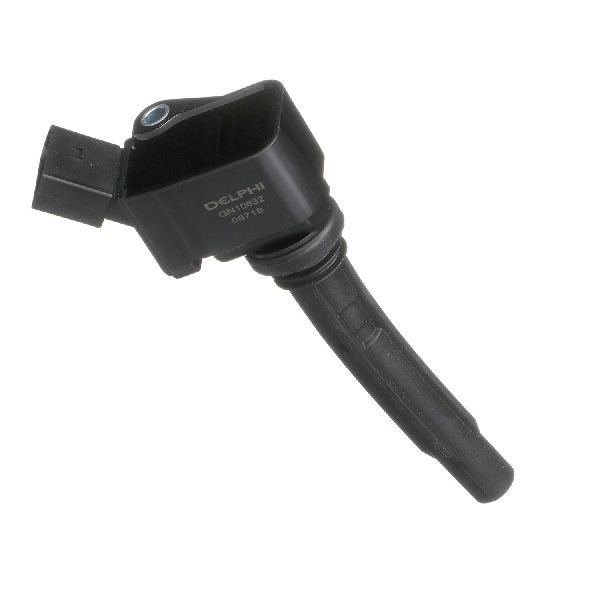
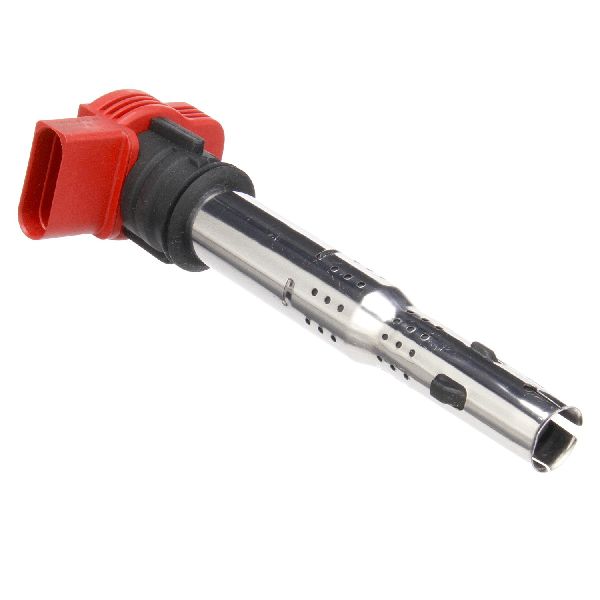
- Faulty Ignition Coil 🔴 High Probability → Shop Ignition Coil Ignition coils are a common failure item on many modern Audi engines, including the 3.0T. They are subjected to high heat and high electrical loads and are considered a wearable item.
How to confirm: Swap the ignition coil from cylinder 2 with another cylinder (e.g., cylinder 1, the front-most on the passenger side). Clear the codes and drive. If the code changes to P0301, the ignition coil is faulty. This is the most effective DIY diagnostic step.
Typical fix: Replace the faulty ignition coil. It is often recommended to replace all six coils at once for preventative maintenance, as they tend to fail around the same time.
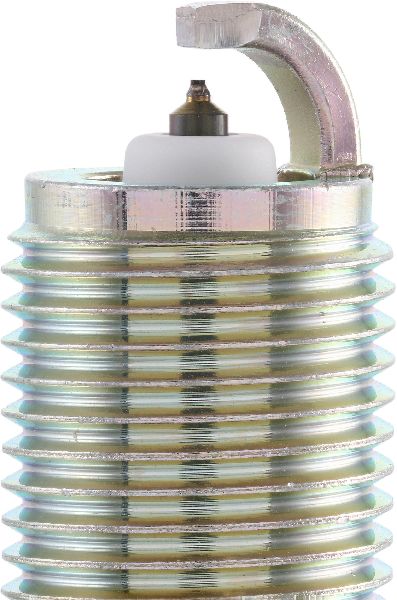
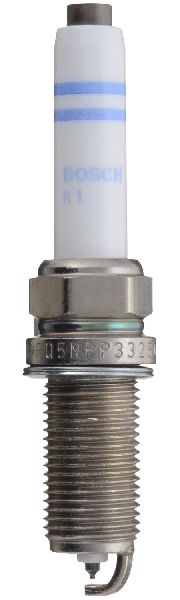
Est. part cost: $40-$80 per coil - Worn or Fouled Spark Plug 🔴 High Probability → Shop Spark Plug Spark plugs are a regular maintenance item with a service interval of 40,000-55,000 miles. If the vehicle is near or past this interval, a worn plug is a very likely cause. Excessive oil consumption, another known issue on this platform, can also foul the plugs, leading to misfires.
How to confirm: After ruling out the ignition coil, remove the spark plug from cylinder 2. Inspect it for wear (worn electrode), carbon deposits, or oil/fuel fouling.
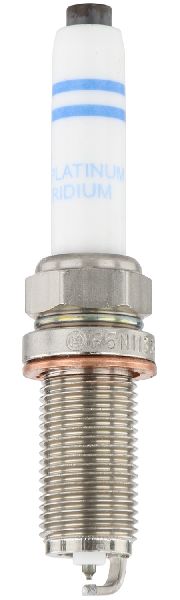
Typical fix: Replace the spark plug in cylinder 2. It is best practice to replace all six spark plugs at the same time to ensure even performance. Use only OEM-spec brands like NGK or Bosch. The recommended torque spec is typically 25 Nm (22 ft-lb).
Est. part cost: $15-$30 per plug - Clogged or Faulty Fuel Injector 🟡 Medium Probability → Shop Fuel Injector As a direct-injection engine, the fuel injectors operate under high pressure and can become clogged or fail electronically. Carbon buildup on the injector tip can disrupt the spray pattern, leading to poor combustion.
How to confirm: This is more difficult to diagnose. A professional may need to perform a fuel injector balance test. Swapping injectors between cylinders is possible but is a much more labor-intensive job than swapping coils, often requiring removal of the fuel rail.
Typical fix: Replace the faulty fuel injector. This often requires removing the fuel rail.
Est. part cost: $100-$200 per injector - Carbon Buildup on Intake Valves 🟡 Medium Probability The CREC engine features both direct and port injection, which was designed to reduce the carbon buildup that plagued earlier 3.0T engines. However, significant buildup can still occur, restricting airflow and causing misfires, especially on higher-mileage vehicles or those with a history of short trips.
How to confirm: This requires a visual inspection using a borescope inserted into the intake ports. This is typically done after ignition and basic fuel system checks have failed to find the cause.
Typical fix: The intake manifold must be removed and the valves must be cleaned manually, often through walnut blasting. This is a labor-intensive job.
Est. part cost: $0 (cleaning service is labor)
Rare But Worth Checking
- Leaking Supercharger Intercooler: The 3.0T engine has two air-to-water intercoolers located within the supercharger assembly. These can develop leaks, allowing coolant to enter the intake air stream and be ingested by the cylinders, causing a misfire. Cylinders 3 and 6 are most commonly affected, but it can happen to others. Unexplained coolant loss, misfires under acceleration, and white/pink crusty residue in the intake runners are key symptoms.
- Failed PCV Valve (Oil Separator): → Shop PCV Valve The PCV valve diaphragm can tear, creating a large vacuum leak that can lead to misfires, often across multiple cylinders (P0300). A whistling or 'honking' noise from the engine bay is a tell-tale sign. It is located under the supercharger, making replacement labor-intensive, so it's often replaced preventatively during a supercharger service. 🎬 See this walkthrough on how to replace the PCV valve.
- Low Compression: Internal engine damage such as worn piston rings, a burnt valve, or a problem with a valve seat can cause a loss of compression, leading to a persistent misfire on one cylinder. This is a rare but severe issue, sometimes linked to excessive oil consumption problems. A compression test is needed to confirm this.
Diagnosis Steps
- Read the fault codes with an OBD-II scanner. Confirm P0302 is present and note any other codes, like P0300 or P130A.
- Contact an Audi dealer with your VIN to check if TSB 2069038/4 (software update for misfires) is applicable and has been performed.
- Locate cylinder 2 (middle cylinder, passenger side).
- Swap the ignition coil from cylinder 2 with the coil from cylinder 1 (front cylinder, passenger side).
- Clear the codes, drive the vehicle until the check engine light returns, and re-scan. If the code is now P0301, the ignition coil has failed and must be replaced.
- If the code remains P0302, the coil is likely good. Proceed to inspect the spark plug in cylinder 2. Replace it if it is worn, fouled, or past its service life. It is recommended to replace all six plugs at once. Torque to 25 Nm (22 ft-lb). 🎬 Watch: Step-by-step guide to replacing your spark plugs and coils.
- If the misfire persists, the problem is more complex. Check for vacuum leaks, especially from the PCV system. A whistling noise or difficulty removing the oil cap while the engine is running are signs of a bad PCV.
- Inspect the fuel injector and its wiring. Consider professional testing.
- If you are also losing coolant with no visible external leaks, suspect a leaking supercharger intercooler. A borescope inspection of the intake ports may reveal coolant residue. 🎬 Watch: How to replace leaking internal supercharger intercooler cores.
- As a final step for persistent misfires, perform a compression test to check for mechanical engine issues and a borescope inspection to check for carbon buildup on the intake valves.
Parts You'll Likely Need
- Ignition Coil
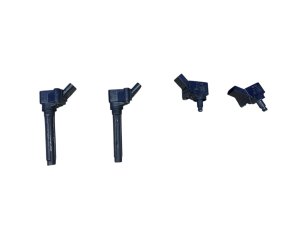
(OEM #06E905115G)— This is the most common cause of a single-cylinder misfire on the 3.0T engine.
Trusted brands: Bosch, NGK, Eldor
OEM price range: $50-$80
Aftermarket price range: $35-$60 - Spark Plug
(OEM #101905611G (NGK PFR8S8EG))— A worn or fouled spark plug is the second most likely cause and is a standard maintenance item that should be replaced every 40-55k miles.
Trusted brands: NGK, Bosch
OEM price range: $20-$30
Aftermarket price range: $15-$25
Related Codes That Often Appear With This One
- P0300 — If the misfire is intermittent or begins to affect other cylinders, a P0300 (Random/Multiple Cylinder Misfire) code may appear. This can point to a systemic issue like a large vacuum leak (e.g., PCV valve) or a fuel delivery problem.
- P0301, P0303, P0304, etc. — Appearance with other specific cylinder misfire codes suggests a problem not isolated to a single coil or plug, such as carbon buildup, a failing fuel pump, or a software issue.
- P130A — This code for 'Cylinder Disabling' can sometimes accompany misfire codes when the ECU shuts down a cylinder to prevent damage. It is often associated with heavy carbon buildup on intake valves.
Technical Service Bulletins (TSBs) & Recalls
- TSB 2069038/4: Addresses misfire codes (P0300-P0306) that can be caused by software calibration issues. The fix is an ECM software update performed by a dealer. Before replacing hardware, it's crucial to check if this TSB is applicable and has been performed.
- Bulletin #A0124212069038_5: Provides diagnostic information for instances where the MIL is illuminated specifically due to cylinder misfires, including DTC P0302.
- Bulletin #A0123912069038_5: A manufacturer service bulletin noting that the Check Engine Light may illuminate with codes P0300 through P0306.
- Bulletin #A0123802069038_4: This bulletin provides technical guidance for addressing cylinder misfires and the illumination of the MIL when DTC P0302 is present.
Platform-Specific Known Issues
- A Technical Service Bulletin (TSB 2069038/4) exists for some Audi models with 3.0T engines for misfires (P0300-P0306) that can be resolved with an engine control module (ECM) software update. It is critical to check for this before replacing parts.
Mechanic-Grade Diagnostic Values
- High-Pressure Fuel System (Direct Injection) — expected: Around 1500 psi at idle, rising to 4000-5000 psi at higher RPM.. Failure: Significantly lower pressure at idle or pressure that does not increase with RPM may indicate a failing High-Pressure Fuel Pump (HPFP).
- Low-Pressure Fuel System (In-Tank Pump) — expected: 3.0 - 5.0 bar (43 - 72 psi). The pump primes when the driver's door is opened.. Failure: Pressure below this range can starve the HPFP, leading to misfires under load.
- Engine Oil Pressure — expected: > 1.2 bar at idle; > 1.5 bar at 2000 RPM.. Failure: Low oil pressure can affect timing components and lead to various engine performance issues, though it's not a primary cause of a single-cylinder misfire.
Hidden / Shadow Codes Worth Checking
- Live Misfire Counters: The ECU tracks misfire events per cylinder in real-time, even before they are frequent enough to set a permanent P030x code. Watching these counters is the primary professional method for confirming a misfire. (see via Using a VAG-specific scan tool like VCDS or ODIS. In VCDS, go to [01-Engine], then [Adv. Meas. Values] and search for 'misfire'. Select the counters for all cylinders. For older controllers, this may be in [Measuring Blocks], groups 014, 015, and 016.)
Scan Tool Commands That Help
- VCDS (VAG-COM) or ODIS: Read Misfire Counters (Advanced Measuring Values) — This is the most crucial diagnostic step after reading initial codes. It allows you to see which cylinder is misfiring in real-time, even if the misfire is intermittent. This is used to confirm the P0302 is active and to verify the fix after a repair (counters should remain at zero).
- VCDS (VAG-COM) or ODIS: Fuel Pressure Readings (Low and High) — If ignition components do not solve the misfire, checking fuel pressure is the next step. Use Advanced Measuring Values to monitor 'Fuel pressure' and 'High fuel pressure: specified value' to ensure the pumps are performing correctly under various loads.
Wiring & Ground Locations
- Engine-to-Chassis Ground Strap — On the passenger side of the vehicle (for LHD models), located at the bottom of the engine, connecting the engine block to the chassis frame member. It is visible from underneath near the front passenger wheel.. A corroded or loose main engine ground can cause a host of electrical issues, including weak spark and erratic sensor readings, which can lead to misfires. While it would typically cause multiple/random misfires (P0300), a poor ground can sometimes manifest as a single-cylinder misfire initially.
- Ignition Coil Connector — A 4-pin black connector (T4ae/T4af) plugs directly into the top of each ignition coil.. The wiring harness to the coil can become brittle from heat. Check for cracked insulation or loose pins at the connector for cylinder 2. The part number for a replacement pigtail connector is often 1J0973724.
Real Owner Repair Stories
- AudiWorld Forums user (2002 Audi Allroad 2.7T (different engine, but identical diagnostic process and a critical component)) — Sudden rough running, CEL on, P0302 code.
❌ Tried (didn't work) Swapped coil packs between cylinders 1 and 2; code remained P0302., Swapped all coil packs from Bank 1 to Bank 2; code remained P0302., Replaced all 6 spark plugs., Performed a compression test; all cylinders were good at 150 +/- 5 psi., Replaced all 6 fuel injectors, which made the engine run smoother but the P0302 code still returned on restart.
✅ What actually fixed it The user swapped the connectors for the two Ignition Control Modules (ICMs). The misfire code moved to cylinder #5, indicating a faulty ICM was the root cause. Replacing the ICM resolved the issue permanently. - Motor Vehicle Maintenance & Repair Stack Exchange user (2017 Audi Q7 3.0L V6 at 100,000 miles) — Severe oil consumption (1qt/300 miles), sudden rough running, misfiring under partial throttle.
❌ Tried (didn't work) Replacing the ignition coil and spark plug on cylinder 2 did not fix the rough running or the CEL.
✅ What actually fixed it The story is unresolved, but the user's experience highlights a common scenario where a simple coil/plug swap does not fix the issue, and the misfire codes expanded from just P0302 to P0300, P0301, and P0306, pointing towards a more systemic problem likely related to the severe oil consumption (fouled plugs, clogged injectors, or low compression).
OEM Part Supersession History
06E905115 (and revisions A, B, C, D, E, F)→06E905115G— Ongoing revisions by Audi to improve the reliability and longevity of the ignition coils, which are a known common failure point. The 'G' revision is considered more robust.
Heads up: While older revisions will physically fit, it is strongly recommended to use the latest available part number and replace all six coils as a set to ensure consistent performance and prevent subsequent failures of the remaining older coils.06E103547F / Q / AC→06E103547AF (for CREC engine)— Revisions were made to address oil consumption issues. The crankcase pressure regulation was changed from 30 mbar in older versions to 150 mbar in newer versions.
Heads up: Using a PCV valve with the incorrect pressure specification for your engine's software can cause either excessive oil consumption or lead to oil seal failures. It is critical to match the part number to the specific engine code (CREC).
Model Year Variations Within This Range
- 2017-2019: There are no major mechanical differences reported for the 3.0T CREC engine within the 2017-2019 model years for the Q7. The primary variations would be in software versions. It is always critical to check for TSBs related to ECM software updates for misfire detection, as different production runs may have different software from the factory.
Diagnostic Flowchart
Other Known Issues on This Vehicle
Issues unrelated to this code that are worth knowing about as an owner of this generation:
- Premature Water Pump Failure 🔴 High — Common failure item across the 3.0T platform. Can occur at various mileages, sometimes before 60,000 miles. Symptoms include coolant loss with no visible drips, and overheating warnings. (Ref: TSB 2070349/1 addresses coolant leak diagnosis from the pump. A class-action lawsuit was filed concerning this issue for 2013-2022 models.)
- Leaking/Cracked Front Control Arm Bushings 🟠 Medium — Very common. Owners report clunking or popping noises from the front suspension, especially at low speeds or when turning. The fluid-filled 'hydro-bushings' are known to leak and fail, often noticed around 40k-60k miles.
- Excessive Oil Consumption 🔴 High — Reported by a significant number of 2017 model year owners, sometimes leading to catastrophic engine failure. Some owners report needing to add a quart of oil every 500-1000 miles. This can lead to other issues like fouled spark plugs or burnt valves. (Ref: A law firm was investigating a class-action lawsuit for this issue.)
- PCV Valve / Oil Separator Failure 🟠 Medium → Shop PCV Valve — The PCV valve is located under the supercharger, making replacement labor-intensive. Failure can cause a vacuum leak, rough idle, misfires (often P0300), and increased oil consumption. A whistling or honking noise from the engine is a classic sign of a torn diaphragm.
- Squeaking Brakes 🟡 Low — A widely reported annoyance, particularly on the 2017 model. While braking performance is not typically compromised, the persistent squeaking has been a source of many owner complaints.
Used vs. New Parts: Buying Guide for This Vehicle
When a used part is the smart pick: For this repair, using a tested, used ignition coil from a low-mileage donor vehicle is a reasonable short-term diagnostic step or budget repair, but not recommended for a long-term fix. Other electronic components like sensors or modules can also be sourced used, provided they come from a reputable dismantler with a warranty.
Donor-vehicle mileage cap: roughly under 60000 miles for the part to have meaningful remaining life.
What to inspect on the donor part:
- For ignition coils, check for cracks in the plastic housing or corrosion on the electrical connector pins.
- Verify the part number on the used component matches the latest revision recommended for your vehicle.
- Ask for the VIN of the donor car to check its service history if possible.
- Avoid parts from vehicles that show signs of flood or fire damage.
OEM-only on this vehicle (don't cheap out):
- PCV Valve / Oil Separator: Due to the critical nature of the internal pressure regulation and multiple revisions, using a genuine OEM part is essential to avoid oil consumption or seal damage.
- Fuel Injectors: While expensive, aftermarket direct injectors for this platform have a poor reputation for reliability. OEM or Bosch (the original manufacturer) are the only recommended options.
- Spark Plugs: These are inexpensive wear items; there is no benefit to buying used. Stick to OEM-spec NGK or Bosch plugs.
Aftermarket brands forum-validated for this vehicle:
- Ignition Coils: Bosch, NGK, Eldor (often the OEM supplier).
- Spark Plugs: NGK, Bosch.
Brands owners have reported issues with on this vehicle:
- Unbranded, no-name ignition coils and fuel injectors from online marketplaces. These frequently fail prematurely or are dead on arrival.
Real Owner Stories
Aggregated from forums and TSBs cited above. Mileages and costs reflect what owners reported in those sources.
2018 Audi Q7 Prestige 3.0T
Symptoms: Recurring P0302 code even after a shop had already replaced parts.
What fixed it: Carbon buildup on the intake valves was identified as the cause, where deposits caused a valve to stick intermittently.
Source hint: Reddit r/mechanic: 2018 Audi Q7 Prestige 3.0 P0302
2017-2019 Audi Q7 3.0T
Symptoms: Misfire codes P0300 through P0306.
What fixed it: Engine control module (ECM) software update.
Source hint: TSB 2069038/4
Related OBD-II Codes
Frequently Asked Questions
Is there a software update for misfires on my 2017-2019 Audi Q7 3.0T?
Where is cylinder 2 located on the Audi 3.0L Supercharged V6 engine?
How often should I replace the spark plugs on my Q7 to prevent P0302 codes?
Can a bad PCV system cause a cylinder 2 misfire on the CREC engine?
What is the correct torque specification for spark plugs on the 3.0T engine?
Why does my Q7 misfire even though it has both port and direct injection?
Helpful Videos

Used OEM Parts in Stock
New Aftermarket Parts Available


The information in this article is provided for general reference and educational purposes only. Vehicle specifications, procedures, and part compatibility can vary by production date, trim level, and region. Always consult your vehicle's factory service manual and verify part numbers before purchasing or performing repairs. Safety-critical components such as airbags, seat belts, and braking systems should be installed by a qualified professional.
- Audi Q7:
- 🧭 Diagnostic Flowchart
- 🎬 Helpful Videos
- 🛍️ Shop This Part
- What's Unique About the 2017-2019 Audi Q7
- Symptoms You May Notice
- Most Likely Causes
- Rare But Worth Checking
- Diagnosis Steps
- Parts You'll Likely Need
- Related Codes That Often Appear With This One
- Technical Service Bulletins (TSBs) & Recalls
- Platform-Specific Known Issues
- Mechanic-Grade Diagnostic Values
- Hidden / Shadow Codes Worth Checking
- Scan Tool Commands That Help
- Wiring & Ground Locations
- Real Owner Repair Stories
- OEM Part Supersession History
- Model Year Variations Within This Range
- Other Known Issues on This Vehicle
- Used vs. New Parts: Buying Guide for This Vehicle
- Real Owner Stories
- 2018 Audi Q7 Prestige 3.0T
- 2017-2019 Audi Q7 3.0T
- Related OBD-II Codes
- Frequently Asked Questions
- 🎟️ Get 5% Off