

P0302 on 2020-2021 Audi Q7 3.0T: Cylinder 2 Misfire Causes and Fixes
P0302 indicates a misfire in cylinder 2 (middle cylinder, passenger side). The most common hardware fixes are a faulty ignition coil or spark plug. However, a critical first step is to check with an Audi dealer if Technical Service Bulletin (TSB) 2069038, which addresses misfires via a software update, has been performed on your vehicle. If the TSB is not the cause, swapping the cylinder 2 ignition coil with another cylinder is the definitive DIY diagnostic step.
- P0302 on a 2020-2021 Q7 3.0T is a misfire on the middle cylinder, passenger side.
- Before replacing any parts, contact an Audi dealer with your VIN to check if your vehicle needs a software update per TSB 2069038 to correct false misfires.
- If hardware is the cause, the most likely culprits are a bad ignition coil or a worn spark plug.
- The standard DIY diagnostic is to swap the ignition coil from cylinder 2 to another cylinder to see if the fault code follows the coil.
- Driving with a flashing check engine light can cause expensive damage to your catalytic converter and should be avoided.
What's Unique About the 2020-2021 Audi Q7
For the 2020-2021 Audi Q7 with the 3.0L V6 TFSI (EA839) engine, a P0302 code isn't always a simple hardware problem. Audi has issued Technical Service Bulletins (TSBs) stating that misfire codes can be caused by software calibration issues, sometimes related to winter-blend fuels or cold starts, with the official fix being an ECM software update performed by a dealer. Beyond software, these direct-injection engines are known for carbon buildup on intake valves over time, which can also cause misfires. More seriously, this specific EA839 engine family has documented cases of rocker arm bearing failures and, less commonly, piston skirt failures, which can cause misfires and lead to catastrophic engine damage.
Diagnostic Flowchart
Tap your situation to follow the diagnostic path that matches what you're seeing on this vehicle.
Symptoms You May Notice
- Flashing or solid Check Engine Light
- Rough or vibrating idle
- Engine hesitation or stumbling during acceleration
- Noticeable loss of power
- Reduced fuel economy
- Slight vibration felt around 2500-3000 rpm under moderate acceleration.
- Replacing ignition coils and spark plugs when the actual root cause is a software issue that requires a dealer update per TSB 2069038.
- Replacing a fuel injector when the issue is actually heavy carbon buildup on the intake valve for that cylinder.
- Mistaking a severe misfire for a more serious internal engine noise, or vice-versa. A flashing CEL points to a misfire, while a consistent mechanical noise without a flashing CEL may point to rocker arm or piston issues.
Most Likely Causes
- Engine Software Calibration 🔴 High Probability Audi has released TSB 2069038 specifically for this issue on these engines, indicating a known software sensitivity that can incorrectly detect misfires, sometimes triggered by certain fuel blends or ambient conditions. The TSB explicitly lists DTCs P0300 through P0306 as being addressed by a software update.
How to confirm: Contact an Audi dealership with your vehicle's VIN. They can check the service history to see if TSB 2069038 (or related bulletins like A0124212069038_5) is applicable and if the software update has already been performed. The fix is covered under warranty for many vehicles.
Typical fix: The engine control module (ECM/J623) needs to be updated with the revised software using the ODIS diagnostic system. This must be done by an Audi dealer or a qualified independent shop with the correct equipment.
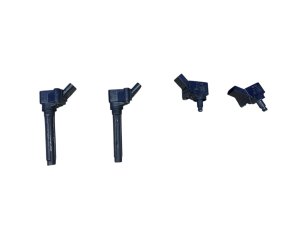
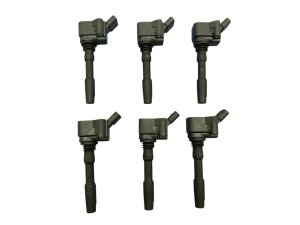
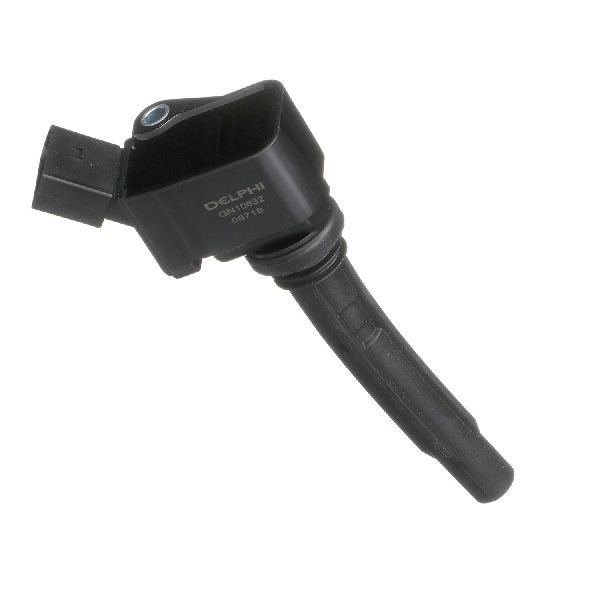
Est. part cost: $0 - Faulty Ignition Coil 🔴 High Probability → Shop Ignition Coil Ignition coils are a very common failure item on modern VW/Audi engines due to constant exposure to heat and vibration. Multiple part number revisions exist, suggesting ongoing efforts to improve reliability.
How to confirm: Swap the ignition coil from cylinder 2 with another cylinder (e.g., cylinder 1, the front-most on the passenger side). Clear the codes and drive. If the code changes to P0301, the coil is confirmed to be bad. This is the most common and effective DIY diagnostic step. 🎬 Watch this guide on diagnosing misfires on the Audi 3.0T engine.
Typical fix: Replace the faulty ignition coil. It is often recommended to replace all six coils at the same time for preventative maintenance, using the latest OEM part number revision. 🎬 Watch: How to install performance ignition coils and spark plugs.
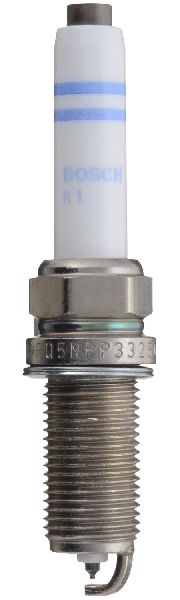
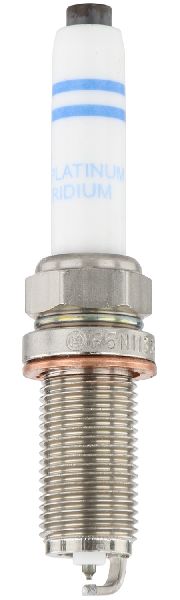
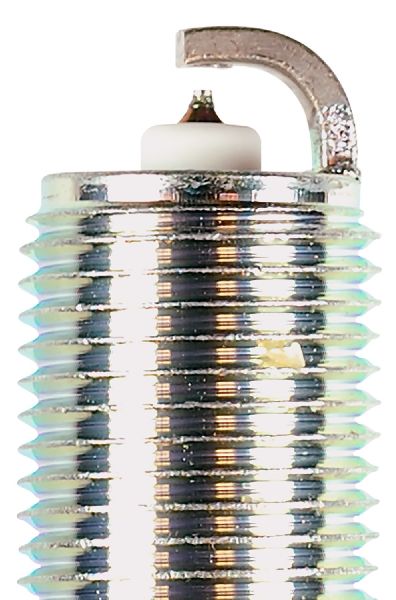
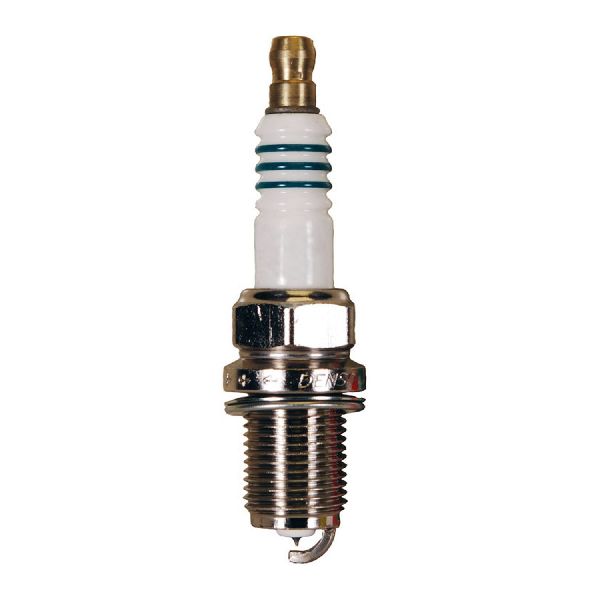
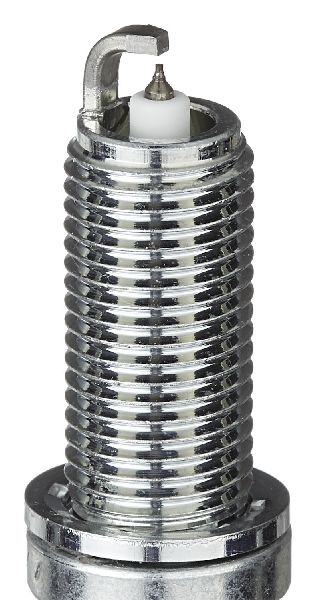
Est. part cost: $40-$80 - Worn or Fouled Spark Plug 🔴 High Probability → Shop Spark Plug
How to confirm: If swapping the ignition coil does not move the misfire, remove the spark plug from cylinder 2. Inspect it for wear (worn electrode), carbon fouling, oil/coolant contamination (white/pink crust), or cracks in the ceramic. A very loose spark plug can also cause a misfire by allowing compression to escape.
Typical fix: Replace the spark plug. Spark plugs are typically replaced as a full set every 30,000-40,000 miles.
Est. part cost: $15-$30 - Faulty Fuel Injector 🟡 Medium Probability → Shop Fuel Injector Direct injection (TFSI) systems operate under very high pressure, and injectors can fail or become clogged over time. While less common than ignition issues, it's the next logical component to investigate.
How to confirm: This is best done after ruling out ignition issues. A professional mechanic can perform tests to check fuel injector flow and electronic function. Swapping injectors is possible for an advanced DIYer but is much more labor-intensive than swapping coils.
Typical fix: Replace the faulty fuel injector. This often requires removing the fuel rail. It's sometimes recommended to replace all injectors on the same bank at once.
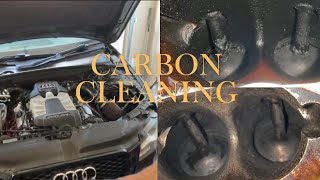
Est. part cost: $150-$300 - Carbon Buildup on Intake Valves 🟡 Medium Probability In direct injection engines, fuel is sprayed directly into the cylinder, so it never washes over the intake valves. Oil vapor from the crankcase ventilation (PCV) system bakes onto the hot valves, forming carbon deposits that restrict airflow and can cause misfires.
How to confirm: Requires visual inspection using a borescope, which involves removing the intake manifold.
Typical fix: Professional cleaning of the intake valves, typically done via walnut shell blasting. 🎬 See how to perform a professional intake valve carbon cleaning. Costs can range from $700 to $1500 depending on the shop.
Est. part cost: $0 (cleaning service)
Rare But Worth Checking
- Rocker Arm Failure: → Shop Engine Rocker Arm A widely acknowledged issue in the EA839 engine family, particularly in earlier years (2018-2019), involves the failure of needle bearings in the rocker arms. This can cause a ticking noise, lead to camshaft lobe damage, and result in misfires. If left unaddressed, it can cause catastrophic engine damage. Diagnosis requires removing the valve cover for visual inspection of the camshaft lobes and rocker arms.
- Low Engine Compression / Internal Failure: While rare, the EA839 engine has documented cases of piston instability ('piston rocking' or 'piston slap') that can lead to premature wear, loss of compression, and catastrophic failure, even on stock vehicles. This often presents as a diesel-like clacking noise at idle or low RPMs. If ignition and fuel system checks do not resolve the misfire, a compression and cylinder leak-down test is a necessary next step.
Diagnosis Steps
- Read the fault codes with an OBD-II scanner to confirm P0302 and any other stored codes.
- Contact an Audi dealer with your VIN to check if TSB 2069038 (or related TSBs A0124212069038_5, A0123912069038_5, A0123802069038_4) is open for your vehicle. If so, a software update is the first recommended step.
- If no TSB is open or the update has been done, locate cylinder 2 (middle cylinder on the US passenger side, Bank 1).
- Swap the ignition coil from cylinder 2 with the coil from cylinder 1 (front cylinder, passenger side). This requires no special tools.
- Clear the codes, start the engine, and drive until the check engine light returns.
- Re-scan the codes. If the code is now P0301, the ignition coil is faulty and must be replaced.
- If the code remains P0302, the coil is likely good. Proceed to inspect and/or replace the spark plug in cylinder 2. Check the old plug for signs of oil, fuel, or coolant fouling.
- If the misfire persists after replacing the coil and plug, the issue is more complex. Listen for abnormal engine noises. A light, fast ticking could indicate rocker arm failure. A deeper, diesel-like clatter could indicate piston slap.
- At this point, professional diagnosis is recommended to test the fuel injector, check for vacuum leaks, inspect for carbon buildup with a borescope, and perform engine compression and leak-down tests.
Parts You'll Likely Need
- Ignition Coil
(OEM #06H905110P (supersedes 06H905110L, H, G))— This is the most common hardware component to fail and cause a single-cylinder misfire on this engine.
Trusted brands: Bosch, NGK, Eldor, Genuine Audi
OEM price range: $60-$90
Aftermarket price range: $35-$65 - Spark Plug
(OEM #06M905606F (NGK SILKGR9A7ES))— A worn, fouled
Related Codes That Often Appear With This One
- P0300 — If the misfire is intermittent or begins to affect other cylinders, a P0300 (Random/Multiple Cylinder Misfire) code may appear. This often points to a systemic issue like a software problem, a vacuum leak, or a fuel delivery problem.
- P0301, P0303, P0304, P0305, P0306 — Appearance with other specific cylinder misfire codes suggests a problem that is not isolated to a single coil or plug. Common causes include the software issue (TSB 2069038 covers all cylinders), widespread carbon buildup, or a failing fuel pump.
Technical Service Bulletins (TSBs) & Recalls
- A0124212069038_5, A0123912069038_5, A0123802069038_4: These manufacturer TSBs correspond to the same issue: MIL on and cylinder misfire DTCs (P0300-P0306). The fix is a specific ECM software update. The bulletin has been revised multiple times, with the latest versions ensuring broad applicability.
Platform-Specific Known Issues
- A software update is required to fix misfires under certain conditions, as outlined in TSB 2069038.
- As a direct-injection (TFSI) engine, the intake valves are prone to significant carbon buildup over time, which can lead to misfires and requires professional cleaning.
- The EA839 3.0T engine has documented cases of rocker arm bearing failure, which can cause ticking noises and misfires.
- The EA839 3.0T engine has rare but documented cases of internal piston failures ('piston slap') that can cause a loss of compression and misfires.
Mechanic-Grade Diagnostic Values
- Low-Pressure Fuel Pump (LPFP) feed to HPFP — expected: 4 to 6 bar. Failure: Significantly lower pressure can starve the high-pressure system, leading to misfires under load.
- High-Pressure Fuel Pump (HPFP) Rail Pressure — expected: Up to 200 bar (stock). Failure: Failure to reach or maintain target pressure under load, which can be monitored with a capable scan tool, indicates a failing HPFP.
- Misfire Counters per Cylinder (Live Data) — expected: 0 at idle and under steady load.. Failure: Any count incrementing on a specific cylinder indicates a misfire event, even if a DTC is not yet stored. This is the primary way to confirm which cylinder is at fault.
Hidden / Shadow Codes Worth Checking
- Misfire Sum/Cylinder Counters: These are not fault codes but live data values that track the number of misfire events per cylinder. They can reveal intermittent or low-frequency misfires before they are severe enough to trigger a P0302 code and a check engine light. (see via Advanced scan tools like VCDS (VAG-COM) or OBDeleven. In the engine control module, search for live data parameters containing 'misfire'.)
Scan Tool Commands That Help
- ODIS (Dealer Tool): Guided Fault Finding (GFF) — When a fault code like P0302 is stored, GFF automatically generates a step-by-step diagnostic 'test plan' for the technician to follow, ensuring a logical and efficient diagnosis as recommended by the manufacturer.
- VCDS (VAG-COM) / OBDeleven: Live Data Misfire Counters — Used to confirm which cylinder(s) are actively misfiring and under what conditions (e.g., cold start, idle, high load). This is essential for verifying the fault location before swapping parts.
Wiring & Ground Locations
- Engine Ground Strap — On prior Q7 generations, a primary engine-to-chassis ground strap is located near the alternator, running from the engine block to the chassis frame rail on the passenger side. Poor engine grounding can cause erratic electrical behavior, including weak spark and misfires.. A corroded or loose engine ground strap can create unstable voltage for the ignition coils and ECM, leading to intermittent and hard-to-diagnose misfires across one or more cylinders. Verifying ground integrity is a crucial step if ignition components test as good.
Real Owner Repair Stories
- 034Motorsport Technical FAQ (Audi S4 (B9) with EA839 3.0T engine) — Persistent misfire on cylinder 2.
❌ Tried (didn't work) Replacing the fuel injector on cylinder 2 multiple times. The new injector would work for a short time and then fail.
✅ What actually fixed it The Engine Control Unit (ECU) was diagnosed as faulty. A specific driver circuit within the ECU was repeatedly destroying the cylinder 2 injector. Replacing the ECU resolved the issue permanently. - Reddit user RudyCantReddit (2018 Audi S5 (EA839 engine)) — Loud engine ticking, followed by engine warning lights and limp mode. A cam position sensor fault for bank 2 was stored.
❌ Tried (didn't work) Initially dismissing the ticking noise as the normal sound of the high-pressure fuel pump (HPFP).
✅ What actually fixed it The issue was a catastrophic rocker arm failure. The user notes that metal debris from the failure can be picked up by the magnetic cam position sensor, triggering that fault code as a secondary symptom. - Reddit user (2020 Audi SQ5 (EA839 engine) with 17,000 miles) — Misfires on cylinder 6.
❌ Tried (didn't work) Initial diagnosis focused on common causes.
✅ What actually fixed it A dealer-performed compression test failed on cylinder 6. The suspected cause was a failed piston ring, leading to a recommendation for a complete engine replacement under warranty.
"I Checked Everything" — The Actual Cause
- A failed check valve in the PCV breather hose is a known issue on the EA839 engine. This will not present as a typical vacuum leak that an intake smoke test would find. Instead, under boost, pressure is forced into the crankcase, disrupting normal operation and potentially causing oil to be forced past the oil cap, rough idle, and misfires. The diagnostic involves removing the hose and testing the check valve directly, not a smoke test.
OEM Part Supersession History
Early EA839 Rocker Arms→Updated Rocker Arms (e.g., 06M109417H)— The original rocker arms used smaller needle bearings that were prone to failure, shedding metal into the engine. The updated parts use larger, more robust bearings to improve durability and lubrication.
Heads up: While not an incompatibility, it's critical to replace all rocker arms on a bank with the updated design if a failure occurs, not just the single failed part.
Model Year Variations Within This Range
- 2020 (potentially early production): Early production 2020 models may still be equipped with the older-style rocker arms known to have a higher failure rate due to smaller needle bearings. Later 2020 and 2021 models are more likely to have the updated, more reliable rocker arms from the factory. If a P0302 is accompanied by engine ticking, inspecting the rocker arms is more critical on an earlier build-date vehicle.
Helpful Videos
Used OEM Parts in Stock
New Aftermarket Parts Available

The information in this article is provided for general reference and educational purposes only. Vehicle specifications, procedures, and part compatibility can vary by production date, trim level, and region. Always consult your vehicle's factory service manual and verify part numbers before purchasing or performing repairs. Safety-critical components such as airbags, seat belts, and braking systems should be installed by a qualified professional.
- Audi Q7:
- 🧭 Diagnostic Flowchart
- 🎬 Helpful Videos
- 🛍️ Shop This Part
- What's Unique About the 2020-2021 Audi Q7
- Symptoms You May Notice
- Most Likely Causes
- Rare But Worth Checking
- Diagnosis Steps
- Parts You'll Likely Need
- Related Codes That Often Appear With This One
- Technical Service Bulletins (TSBs) & Recalls
- Platform-Specific Known Issues
- Mechanic-Grade Diagnostic Values
- Hidden / Shadow Codes Worth Checking
- Scan Tool Commands That Help
- Wiring & Ground Locations
- Real Owner Repair Stories
- "I Checked Everything" — The Actual Cause
- OEM Part Supersession History
- Model Year Variations Within This Range
- 🎟️ Get 5% Off