

P0302 on 2017-2019 Buick LaCrosse 3.6L: Cylinder 2 Misfire Causes and Fixes
P0302 indicates a misfire in cylinder 2. On the 3.6L V6 LaCrosse, this is most often caused by a failed ignition coil or a worn spark plug. A coil swap is a quick DIY diagnostic, with parts costing between $40-$100 for an OEM-quality replacement. However, a well-documented GM TSB also points to a faulty Active Fuel Management (AFM) oil solenoid as a common cause specific to this engine.
- P0302 on a 2017-2019 LaCrosse with the 3.6L V6 is a misfire on the middle, front cylinder.
- The most likely cause is a bad ignition coil or spark plug, which are common DIY fixes.
- Always perform a simple ignition coil swap between cylinder 2 and cylinder 4 before buying any parts.
- If the check engine light is flashing, avoid driving to prevent costly damage to the catalytic converter.
- Be aware of a specific TSB (21-NA-036) that points to a faulty oil control solenoid as a less common but documented cause for this exact code.
What's Unique About the 2017-2019 Buick LACROSSE
The 2017-2019 LaCrosse primarily uses the 3.6L LGX V6 engine, which features Active Fuel Management (AFM). While ignition components are common failure points, this platform has specific issues documented by GM. Technical Service Bulletin (TSB) #21-NA-036 identifies two primary causes for misfires on AFM cylinders (2 and 5). The first is a damaged AFM Oil Control Valve (OCV) solenoid that leaks oil, causing inadequate oil pressure that deactivates the cylinder. The second is a mechanical failure where the rocker arms for that cylinder fail to latch. This adds unique diagnostic steps beyond a typical spark plug and coil check.
Diagnostic Flowchart
Tap your situation to follow the diagnostic path that matches what you're seeing on this vehicle.
Symptoms You May Notice
- Rough or shaking idle
- Hesitation or stumbling during acceleration
- Noticeable loss of engine power
- Flashing or solid Check Engine Light
- Reduced fuel economy
- Smell of fuel from the exhaust 🎬 Watch: A quick guide to common causes for the P0302 code.
- Replacing only the spark plug when the ignition coil was the actual cause.
- Replacing fuel system components before performing a simple ignition coil swap test.
- Performing expensive fuel system or compression tests before inspecting the AFM Oil Control Valve solenoid, which is a known issue on this specific engine per TSB 21-NA-036.
Most Likely Causes
- Faulty Ignition Coil 🔴 High Probability → Shop Ignition Coil Ignition coils are a common wear item on modern Coil-on-Plug ignition systems, subjected to high heat and voltage cycles. This is a frequent failure point on the 3.6L V6.
How to confirm: Swap the ignition coil from cylinder 2 with another cylinder (e.g., cylinder 4, also on the front bank). Clear the codes and drive. If the code changes to P0304, the ignition coil is faulty.
Typical fix: Replace the failed ignition coil. Since cylinder 2 is on the easily accessible front bank, this is a straightforward repair.
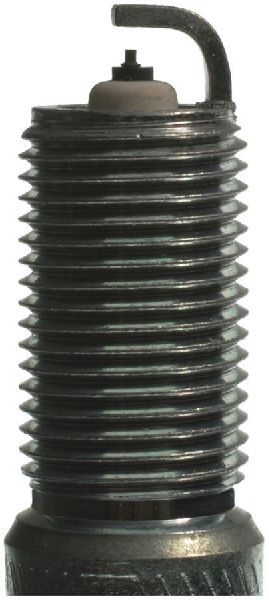
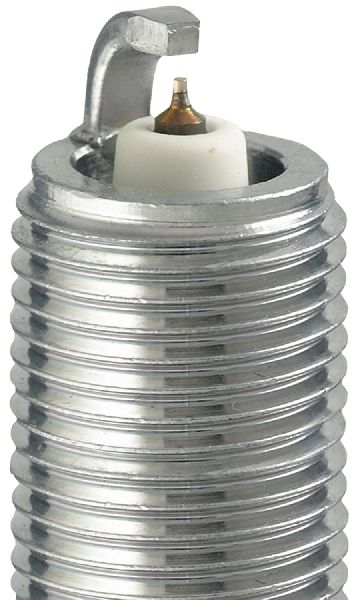
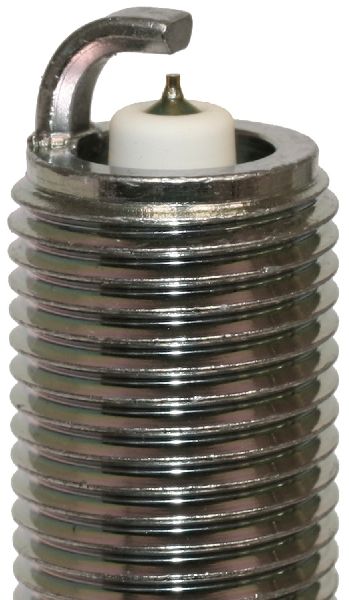
Est. part cost: $40-$100 - Worn or Fouled Spark Plug 🔴 High Probability → Shop Spark Plug Spark plugs are a maintenance item with a finite lifespan. Iridium plugs are specified for this engine but will eventually wear, increasing the gap and leading to a weak spark. Oil fouling from other issues can also cause misfires.
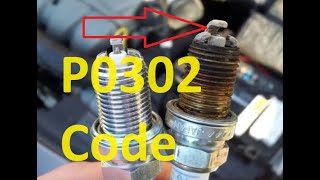
How to confirm: After ruling out the coil, remove the spark plug from cylinder 2. Inspect it for wear (rounded electrode), fouling (black, oily, or white deposits), or an incorrect gap.
Typical fix: Replace the spark plug. It is best practice to replace all spark plugs on the same bank, or all six, if they are near the end of their service life. 🎬 See this walkthrough for replacing spark plugs on the 3.6L V6.
Est. part cost: $15-$30 per plug - Damaged AFM Oil Control Valve (OCV) Solenoid or Rocker Arms 🟡 Medium Probability → Shop Engine Variable Valve Timing (VVT) Oil Control Valve A manufacturer TSB (#21-NA-036) specifically calls out this issue for misfires on AFM cylinders 2 and 5. Oil may leak past the OCV solenoid, causing improper oil pressure for the AFM system, which deactivates the cylinder. The TSB also notes that the rocker arms themselves can fail to latch, causing a mechanical misfire.
How to confirm: If ignition and fuel checks show no faults, inspect the OCV solenoid for cylinder 2. The TSB notes that the end of the solenoid can break off and remain in the camshaft cover bore, which must be removed. If the solenoid is intact, the next step is to remove the camshaft cover and turn the engine by hand to see if the rockers are opening the valves properly.
Typical fix: If the solenoid is broken, replace it and its O-rings, ensuring the bore is clear. If the rockers are not functioning, replace all rocker arms (SRFF's) and hydraulic lash adjusters (lifters/SHLA's) for the affected cylinder.
Est. part cost: $50-$120 for solenoid; $150-$300+ for rocker arms and lifters. - Faulty Fuel Injector ⚪ Low Probability → Shop Fuel Injector Direct injection (GDI) fuel injectors operate under high pressure and can become clogged with carbon deposits or fail electronically, though it's less common than ignition or AFM issues.
How to confirm: Listen for a consistent ticking sound from the injector. An advanced scan tool can perform a fuel injector balance test. Swapping an injector is labor-intensive and should be done after other causes are ruled out.
Typical fix: Replace the faulty fuel injector. It is recommended to replace the injector seal at the same time.
Est. part cost: $70-$150
Rare But Worth Checking
- Leaking Spark Plug Tube Seal: → Shop Spark Plug GM issued a bulletin (21-NA-147) indicating that oil or coolant can leak into the spark plug tubes due to porosity in the cylinder head casting. This shorts out the ignition coil and spark plug. The key diagnostic is finding fluid inside the spark plug well that did not leak from above. The spark plug tubes are permanently sealed, so the only fix is cylinder head replacement.
- Internal Engine Mechanical Issues: Though rare, a misfire can be caused by a loss of compression from a damaged valve or worn piston rings. TSB 21-NA-036 also points to faulty rocker arms/lifters as a specific mechanical cause on this engine. A compression test is needed to confirm this after all other causes are ruled out.
Diagnosis Steps
- Read the code with an OBD-II scanner to confirm P0302 and check for any other codes, especially P0300 or P0305.
- Identify cylinder 2. On the 3.6L V6, it is the middle cylinder on the front bank (closest to the radiator).
- Swap the ignition coil from cylinder 2 with the coil from cylinder 4 (the rightmost cylinder on the front bank).
- Clear the codes and test drive the vehicle. If the code returns as P0304, the ignition coil is the problem.
- If the code remains P0302, remove the ignition coil and inspect the spark plug well for any oil or coolant. Fluid indicates a likely leaking tube seal per TSB 21-NA-147.
- If the well is dry, remove and inspect the spark plug from cylinder 2 for wear or fouling. Replace if necessary.
- If the coil and plug are good, the next step is to investigate the AFM system per TSB 21-NA-036. Remove the AFM Oil Control Valve (OCV) solenoid for cylinder 2.
- Carefully inspect the OCV solenoid for damage. Crucially, check if the tip has broken off and is stuck inside the camshaft cover bore. A pick tool may be needed to remove the broken piece.
- If the solenoid is damaged, replace it. If the solenoid appears fine, the TSB suggests a deeper mechanical issue. Remove the camshaft cover and manually rotate the engine to observe the rocker arms for cylinder 2, ensuring they are opening the valves. If they are not, the rocker arms and lifters for that cylinder need replacement.
- Only after ruling out ignition and AFM system faults should you proceed to more intensive diagnostics like fuel injector testing or a cylinder compression test.
Parts You'll Likely Need
- Ignition Coil
(OEM #12674754)— This is the most common cause of a single-cylinder misfire and is a known wear item.
Trusted brands: ACDelco, Delphi, NGK
OEM price range: $60-$100
Aftermarket price range: $35-$70 - Iridium Spark Plug
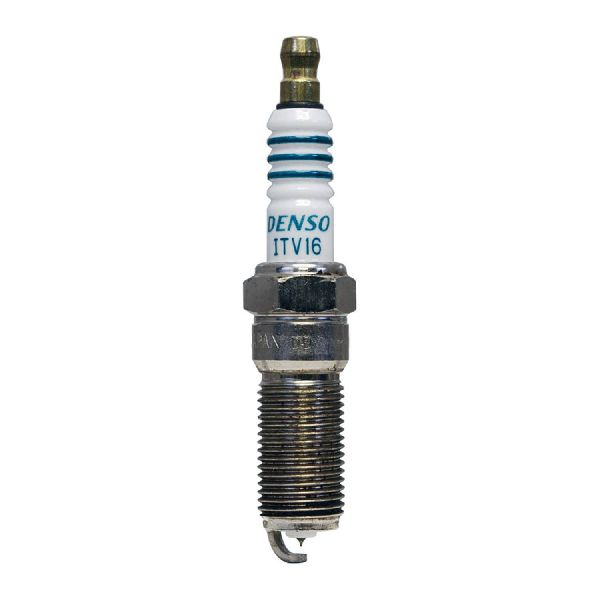
(OEM #41-125)— Spark plugs are a routine maintenance item. A worn or fouled plug is a high-probability cause for a misfire.
Trusted brands: ACDelco, NGK
OEM price range: $15-$25
Aftermarket price range: $10-$20 - AFM Oil Control Valve (OCV) Solenoid — A specific TSB (21-NA-036) points to this part as a primary cause for misfires on cylinder 2 in this engine due to breakage or internal leaks.
Trusted brands: ACDelco, Dorman
OEM price range: $70-$120
Aftermarket price range: $40-$80 - Rocker Arms and Lifters (SRFFs/SHLAs) — If the AFM solenoid is not the cause, TSB 21-NA-036 indicates the mechanical rocker arms may not be latching, requiring replacement of the set for the affected cylinder.
Trusted brands: ACDelco / GM Genuine
OEM price range: $150-$300
Aftermarket price range: $100-$200
Related Codes That Often Appear With This One
- P0300 — If the misfire is intermittent or affects other cylinders randomly, a P0300 (Random/Multiple Cylinder Misfire) may be stored alongside P0302.
- P0305 — TSB #21-NA-036 specifically groups P0302 and P0305 together. Both are cylinders controlled by the Active Fuel Management (AFM) system, and seeing both codes strongly points to a fault with the AFM OCV solenoid or related rocker arms.
Technical Service Bulletins (TSBs) & Recalls
- 21-NA-036: Information on Malfunction Indicator Lamp (MIL) Illuminated – DTC P0300, P0302 and/or P0305 Set. Points to two main causes: a damaged OCV solenoid (potentially breaking in the cam cover) or non-latching rocker arms/lifters on AFM cylinders 2 and 5.
- 21-NA-147: Fluid In Spark Plug Tubes, Coolant and/or Oil Leak, Malfunction Indicator Lamp (MIL) Illuminated. Addresses misfires caused by leaking spark plug tubes due to cylinder head porosity, requiring head replacement.
Platform-Specific Known Issues
- TSB #21-NA-036 describes how a damaged Active Fuel Management (AFM) Oil Control Valve (OCV) solenoid can leak oil or break apart, leading to a loss of oil pressure that deactivates cylinder 2, causing a misfire. The bulletin specifically warns that the tip of the solenoid can get stuck in the camshaft cover.
- The same TSB, 21-NA-036, also identifies a secondary cause: the mechanical rocker arms for the AFM cylinders (2 or 5) may fail to latch, which also results in a misfire and requires replacement of the rockers and lifters for that cylinder.
- TSB #21-NA-147 notes that manufacturing defects (porosity) in the cylinder head can cause oil or coolant to leak directly into the spark plug tubes, shorting the coil and plug. This is a rare but severe issue requiring cylinder head replacement to fix.
Mechanic-Grade Diagnostic Values
- AFM/VVT Solenoid Coil Resistance — expected: 8 to 12 Ohms. Failure: A reading significantly outside this range (e.g., 7 Ohms or 15 Ohms) suggests a faulty solenoid.
- High-Pressure Fuel System Pressure — expected: Can exceed 2,000 PSI under load.. Failure: A scan tool showing actual pressure significantly below desired pressure (may set code P0087) can contribute to misfires.
- Engine Oil Pressure (for VVT/AFM function) — expected: Minimum 10 psi (69 kPa) at idle; Minimum 20 psi (138 kPa) at 2,000 RPM.. Failure: Pressure below these minimums can cause issues with hydraulic systems like AFM and VVT, leading to misfires.
Hidden / Shadow Codes Worth Checking
- Misfire History Counts (Mode $06): A professional scan tool can access Mode $06 data, which shows misfire counts for each cylinder, even if they haven't reached the threshold to set a P030x code. This is useful for identifying intermittent or developing misfires. (see via Professional OBD-II Scan Tool with Mode $06 functionality or GM GDS2 software.)
Scan Tool Commands That Help
- GDS2 (GM Dealer Software): Oil Pump Control — After replacing an AFM Oil Control Valve (OCV), TSB PIP5493B instructs technicians to command the oil pump to high pressure mode to ensure the misfire does not return, verifying the repair.
- GDS2 (GM Dealer Software): Injector Balance Test — To test for a clogged or failing fuel injector without removing it. The tool commands each injector to fire and measures the corresponding drop in fuel pressure, comparing it across all cylinders.
- GDS2 (GM Dealer Software): Cylinder Power Balance — This function helps identify the misfiring cylinder by sequentially deactivating fuel to each cylinder and measuring the RPM drop. A cylinder with a smaller RPM drop is contributing less power.
Wiring & Ground Locations
- Injector #2 Wiring Harness Chafe Point — On early LGX engines (2016 model year), the wiring for the #2 fuel injector was known to rub against the water outlet (thermostat housing) bolt boss.. A short-to-ground in the injector circuit caused by this chafing can cause a P0264 (Injector Circuit Low) and a corresponding P0302 misfire. While TSB #PIP5386A is for the 2016 Camaro, the engine is the same, making this a plausible, if rare, cause on an early 2017 LaCrosse.
- Engine Harness Chafe (General) — GM Service Bulletin #21-NA-149 identifies a potential for the engine harness to chafe against the camshaft carrier cover on LGX engines. Another TSB for the 3.6L engine family notes chafe points on the front right side of the transmission case.. Damage to the ignition coil or fuel injector wiring within these harness sections can cause an intermittent or persistent short, leading to a P0302 code.
Model Year Variations Within This Range
- 2017: The 2017 model year LaCrosse with the 3.6L V6 used an 8-speed automatic transmission.
- 2018-2019: For the 2018 model year, the 3.6L V6 was paired with a new 9-speed automatic transmission. While this doesn't directly affect the P0302 cause, it's a key powertrain difference.
Helpful Videos
We Have This Part in Stock


The information in this article is provided for general reference and educational purposes only. Vehicle specifications, procedures, and part compatibility can vary by production date, trim level, and region. Always consult your vehicle's factory service manual and verify part numbers before purchasing or performing repairs. Safety-critical components such as airbags, seat belts, and braking systems should be installed by a qualified professional.
- Buick LACROSSE:
- 🧭 Diagnostic Flowchart
- 🎬 Helpful Videos
- 🛍️ Shop This Part
- What's Unique About the 2017-2019 Buick LACROSSE
- Symptoms You May Notice
- Most Likely Causes
- Rare But Worth Checking
- Diagnosis Steps
- Parts You'll Likely Need
- Related Codes That Often Appear With This One
- Technical Service Bulletins (TSBs) & Recalls
- Platform-Specific Known Issues
- Mechanic-Grade Diagnostic Values
- Hidden / Shadow Codes Worth Checking
- Scan Tool Commands That Help
- Wiring & Ground Locations
- Model Year Variations Within This Range
- 🎟️ Get 5% Off