

P0302 on 2016-2020 Cadillac CT6: Cylinder 2 Misfire Causes and Fixes
P0302 on a Cadillac CT6 indicates a misfire in cylinder 2. The most common causes are a bad ignition coil or a worn spark plug. A simple DIY fix is to swap the coil from cylinder 2 with another cylinder to see if the code follows. A vehicle-specific TSB also points to a faulty oil control valve (OCV) solenoid, particularly on the V6 engines, as a known cause.
- P0302 is a misfire on cylinder 2, the front-most cylinder on the passenger side of V6 models.
- The most likely cause is a bad ignition coil or spark plug, which can be diagnosed at home with basic tools by swapping parts between cylinders.
- Check for oil leaks around the Oil Control Valve (OCV) solenoid, as a known TSB (#21-NA-036) links this issue directly to P0302 on this car.
- Avoid driving with a flashing check engine light to prevent expensive damage to the catalytic converter.
What's Unique About the 2016-2020 Cadillac CT6
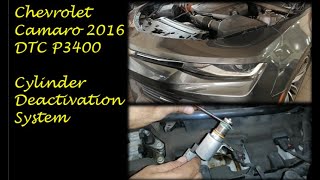
While most P0302 causes are universal (plugs, coils, injectors), the 2016-2020 Cadillac CT6, particularly with its 3.0L (LGW) and 3.6L (LGX) V6 engines, has a specific issue documented by General Motors in TSB #21-NA-036. This bulletin details how a damaged Active Fuel Management (AFM) Oil Control Valve (OCV) solenoid can leak oil internally, leading to inadequate oil pressure for the AFM system. This can cause the deactivation lifters on cylinders 2 and 5 to malfunction, resulting in a misfire. Additionally, the 2.0L (LTG) engine has known issues with cracked pistons that can cause misfires, though this is a more severe and less common cause. The direct-injection nature of all engines in the CT6 also makes them susceptible to misfires from carbon buildup on intake valves, an issue that can be intermittent and hard to diagnose.
Diagnostic Flowchart
Tap your situation to follow the diagnostic path that matches what you're seeing on this vehicle.
Symptoms You May Notice
- Flashing or solid Check Engine Light
- Rough or shaking idle
- Engine hesitation or stumbling during acceleration
- Noticeable loss of power
- Increased fuel consumption
- A smell of raw fuel from the exhaust
- StabiliTrak warning light may illuminate due to engine instability.
- Replacing oxygen sensors. While a faulty O2 sensor can cause fuel mixture issues, it typically affects an entire engine bank and would set other codes, not a single cylinder misfire. A misfire will often cause an O2 sensor to read incorrectly, making it a symptom, not the cause.
- Replacing the mass airflow (MAF) sensor. A bad MAF sensor would affect all cylinders and likely trigger different diagnostic trouble codes, often related to fuel trim or the MAF sensor circuit itself.
Most Likely Causes
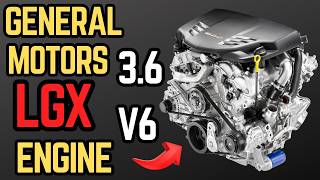
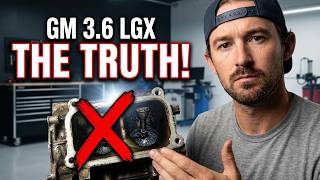
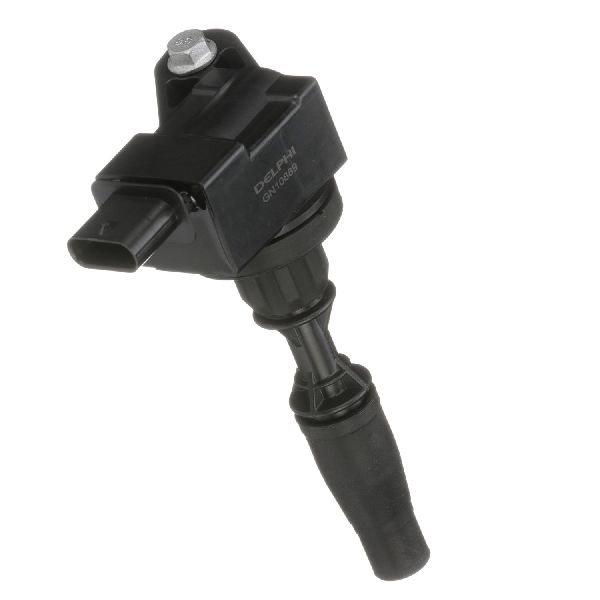
- Faulty Ignition Coil 🔴 High Probability → Shop Ignition Coil The 3.6L LGX V6 engine, in particular, is noted in some GM TSBs for misfire conditions that are often traced back to failing ignition coils. 🎬 See a breakdown of common LGX engine issues and reliability.
How to confirm: Swap the ignition coil from cylinder 2 with another cylinder (e.g., cylinder 4 on a V6, or any other cylinder on an I4). Clear the codes and drive the vehicle. If the code changes to P0304 (or the corresponding cylinder number), the ignition coil is the confirmed cause.
Typical fix: Replace the faulty ignition coil. It is often recommended to replace the corresponding spark plug at the same time.
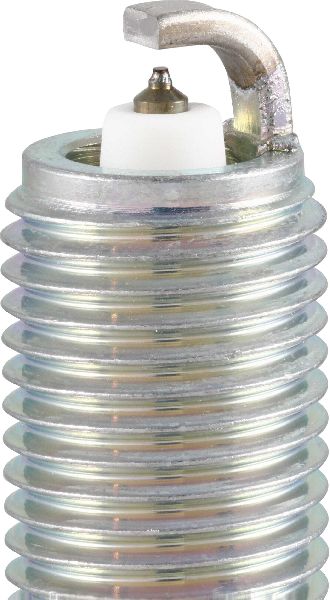
Est. part cost: $40-$90 - Worn or Fouled Spark Plug 🔴 High Probability → Shop Spark Plug Direct injection engines, like those in the CT6, are sensitive to spark quality. Carbon buildup is also more common, which can foul plugs.
How to confirm: After ruling out the ignition coil, remove the spark plug from cylinder 2. Inspect it for wear (eroded electrode), carbon buildup, or oil/fuel fouling. Compare it to a new plug or a plug from a working cylinder. The recommended gap for the 3.6L LGX is typically 0.035"-0.036".
Typical fix: Replace the spark plug in cylinder 2. It is best practice to replace all spark plugs if they are near the end of their service life to ensure consistent performance.
Est. part cost: $10-$25 - Damaged Oil Control Valve (OCV) Solenoid 🟡 Medium Probability → Shop Engine Variable Valve Timing (VVT) Oil Control Valve A known issue documented in GM Technical Service Bulletin #21-NA-036 for 3.0L and 3.6L V6 engines. The bulletin states this can cause misfires specifically on cylinders 2 and/or 5.
How to confirm: Visually inspect the AFM OCV solenoid and the surrounding area on the camshaft cover for signs of an oil leak. The TSB describes that the solenoid may break upon removal, with the end getting stuck in the bore. Diagnosis involves removing and inspecting the solenoid for damage.
Typical fix: Replace the damaged OCV solenoid. If the end is broken off and stuck, it can often be removed with a pick tool. If the solenoid is not the cause, the TSB suggests inspecting the valve rockers and lifters for the affected cylinder.
Est. part cost: $50-$120 - Faulty Fuel Injector ⚪ Low Probability → Shop Fuel Injector Direct injection fuel injectors operate under very high pressure and can become clogged or fail electronically, although it is less common than ignition issues.
How to confirm: Listen for a consistent clicking sound from the injector. Use a 'noid light' to verify the electrical pulse from the PCM. A more advanced test involves swapping the injector with another cylinder, but this is significantly more labor-intensive. A professional may perform a fuel injector balance test with a scan tool.
Typical fix: Replace the faulty fuel injector. This requires removing the intake manifold and fuel rail.
Est. part cost: $70-$150
Rare But Worth Checking
- Low Cylinder Compression: This indicates a more serious mechanical engine problem, such as worn piston rings, a damaged valve, a failing head gasket, or a loose valve seat. On the 2.0L LTG engine, a cracked piston is a known, albeit rare, cause of misfires. A mechanical compression and/or cylinder leak-down test is required to confirm.
- Vacuum Leak: A vacuum leak near the intake manifold runner for cylinder 2 could lean out the air/fuel mixture and cause a misfire. This would typically be accompanied by other codes or symptoms, such as elevated fuel trims.
- Cylinder Block Porosity: TSB #18-NA-115 describes a rare condition on some GM engines, including the LGX and LGW, where porosity in the block casting can cause a tiny coolant leak into a cylinder when cold, leading to a misfire that disappears as the engine warms up.
Diagnosis Steps
- Connect an OBD-II scanner to confirm P0302 is the primary code. Note any other codes present, 🎬 Watch: A step-by-step guide to diagnosing a P0302 misfire code. especially P0300 or P0305, and check freeze frame data.
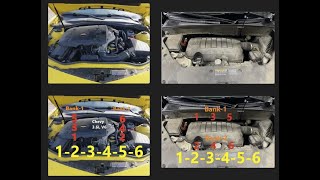
- Locate cylinder 2. For the 3.0L/3.6L V6 engines, this is the front cylinder on the passenger side (Bank 2). 🎬 Watch: How to identify the firing order and cylinder locations.
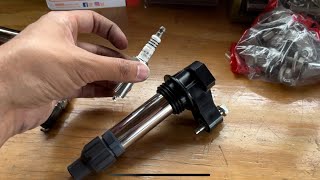
- Perform the 'Swap Test'. Swap the ignition coil from cylinder 2 with the coil from cylinder 4 (the middle cylinder on the same bank).
- Clear the codes and test drive the vehicle under similar conditions that caused the code. If the code returns as P0304, the ignition coil is faulty and must be replaced.
- If the code remains P0302, the coil is likely good. Proceed to swap the spark plug from cylinder 2 with cylinder 4.
- Clear the codes and test drive again. If the code changes to P0304, the spark plug is the culprit.
- If the misfire still remains on cylinder 2, inspect the wiring and connector for the ignition coil and fuel injector for any visible damage, corrosion, or looseness.
- For V6 engines, follow TSB #21-NA-036. Carefully inspect the Active Fuel Management (AFM) Oil Control Valve (OCV) solenoid for any signs of oil leakage or damage. The bulletin notes these can break upon removal. This is a critical, platform-specific step.
- If no external issues are found, the problem may be a clogged fuel injector or a mechanical engine issue (like low compression). At this stage, professional diagnosis with tools like a fuel pressure gauge, compression tester, or cylinder leak-down tester is recommended.
Parts You'll Likely Need
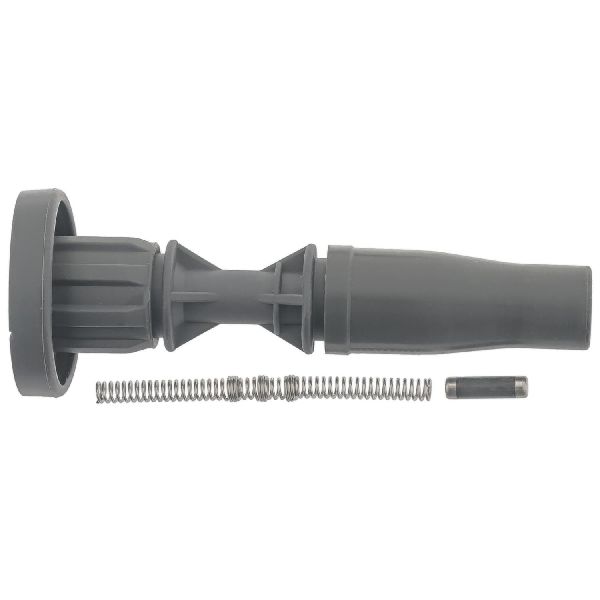
- Ignition Coil
(OEM #12679523)— This is one of the most frequent failure points for a single-cylinder misfire. It's a wearable electronic component and a known issue on the LGX V6.
Trusted brands: ACDelco, Delphi, NGK
OEM price range: $60-$90
Aftermarket price range: $40-$70 - Spark Plug (Iridium)
(OEM #12688383)— Spark plugs are a routine maintenance item. A worn or fouled plug cannot create a strong enough spark for proper combustion, especially in direct-injection engines.
Trusted brands: ACDelco, NGK, Denso
OEM price range: $15-$25
Aftermarket price range: $10-$20 - Engine Oil Control Valve (OCV) Solenoid
(OEM #12622553)— A specific TSB for the Cadillac CT6 V6 engines identifies a faulty OCV solenoid as a direct cause of misfires on cylinders 2 and 5.
Trusted brands: ACDelco
OEM price range: $70-$120
Aftermarket price range: $50-$90
Related Codes That Often Appear With This One
- P0300 — If the misfire on cylinder 2 is intermittent or severe enough to affect engine timing broadly, the PCM may also log a P0300 code for 'Random/Multiple Cylinder Misfire'.
- P0305 — The official TSB for the OCV solenoid issue (#21-NA-036) also lists P0305 (Cylinder 5 Misfire). Cylinders 2 and 5 are the AFM cylinders on the V6 engines, so if both codes are present, it strongly points to the issue described in the bulletin.
- P2099 — A rich fuel trim code for Bank 2 (P2099) can appear if the cause of the misfire is a leaking fuel injector on cylinder 2, 4, or 6, which dumps excess fuel into that bank.
Technical Service Bulletins (TSBs) & Recalls
- 21-NA-036: Information on Malfunction Indicator Lamp (MIL) Illuminated – DTC P0300, P0302 and/or P0305 Set. Details diagnosis for a damaged OCV solenoid causing an oil leak and misfire on V6 engines. [⭐ MANUFACTURER TSB — highest authority]
- 18-NA-115: Cold Start Misfire and/or Rough Idle – DTC P0300 May Be Set. Addresses a rare issue of cylinder block porosity causing coolant to leak into a cylinder when cold.
Platform-Specific Known Issues
- Technical Service Bulletin #21-NA-036 describes a condition where a damaged Oil Control Valve (OCV) solenoid can leak oil, leading to an engine misfire and setting DTCs P0300, P0302, and/or P0305 on 3.0L and 3.6L V6 engines. [⭐ MANUFACTURER TSB — highest authority] Bulletin #21-NA-036 (2016 ENGINE AND ENGINE COOLING, dated 2022-03-11)
Mechanic-Grade Diagnostic Values
- Low-Pressure Fuel System — expected: The CT6 uses a dual-pump system; a low-pressure in-tank pump (LPFP) feeds a high-pressure engine-mounted pump (HPFP). The LPFP should provide a steady supply of fuel.. Failure: Symptoms like hesitation or stalling often appear under load (e.g., accelerating up a hill) when a weak LPFP cannot keep up with demand. A distinct whining noise from the rear seat area can also indicate a failing in-tank pump.
- High-Pressure Fuel Pump/Rail Fastener Torque — expected: Fasteners for the high-pressure fuel pump and fuel rail must be properly tightened. A service update was issued for some 2016-2017 LGX engines for fasteners that may have been improperly tightened at the factory.. Failure: A loose fastener can cause a fuel leak, leading to reduced power mode and setting codes like P228C, P228D, or P00C6.
- Intake Manifold Bolt Torque (LGX V6) — expected: 89 inch-pounds, applied in a criss-cross pattern to ensure the gasket seats evenly.. Failure: Over-torquing can push the gasket out, and under-torquing can cause a vacuum leak, leading to a lean condition and misfires.
Hidden / Shadow Codes Worth Checking
- Mode $06, Test ID (TID) $A2-$A7: Provides access to non-continuously monitored test results, including misfire counts per cylinder. For GM vehicles, this often includes an 'Exponentially Weighted Moving Average' (EWMA) of misfires over the last 10 driving cycles. This allows a technician to see which cylinder is starting to misfire before a P030x code is officially stored. (see via A professional OBD-II scan tool with Mode $06 capability. The data is listed by Component ID (CID), where each cylinder has its own ID (e.g., CID $01 for cylinder 1, $02 for cylinder 2, etc.).)
Scan Tool Commands That Help
- GDS2 (GM) or advanced bidirectional scanner: Cylinder Power Balance Test — This active test allows the technician to disable one cylinder at a time and observe the corresponding drop in engine RPM. If disabling cylinder 2 causes little or no change in RPM, it confirms that cylinder is not contributing power, verifying the misfire location.
- GDS2 (GM) or advanced bidirectional scanner: Fuel Injector Balance Test — Used to diagnose a potentially faulty fuel injector after ignition issues are ruled out. The test commands each injector to fire for a specific duration and measures the resulting pressure drop in the fuel rail. An inconsistent pressure drop for cylinder 2 would indicate a clogged or failing injector.
- GDS2 (GM) or advanced bidirectional scanner: Misfire Data / Misfire History — This live data PID shows current and historical misfire counts for each cylinder. It is the primary tool for confirming which cylinder is at fault and for verifying that a repair has been successful after a test drive.
Wiring & Ground Locations
- Engine Harness Chafing Points — While not specific to the CT6, a common pattern on GM platforms with similar engines (LGX, L3B) involves harness chafing against the ECM/TCM bracket, the driver's side upper control arm, and shock tower bolts.. Engine vibration can cause the harness to rub through, potentially shorting the ignition coil or fuel injector circuits for cylinder 2. This can cause an intermittent misfire that is difficult to trace without a thorough visual inspection of the harness routing.
- G102 — Typically located at the rear of the engine, on one of the cylinder heads.. This is a primary engine ground point that often provides the ground path for the ignition coils. A loose or corroded G102 can cause a weak spark on one or more cylinders, leading to misfires.
- G103 — Typically located on the cowl in the engine compartment, often near the brake booster.. This ground serves critical electronic modules like the BCM, IPC, and the Data Link Connector (DLC). While less likely to cause a single-cylinder misfire, a poor connection here can create widespread electrical issues and faulty diagnostic readings.
Real Owner Repair Stories
- Reddit user post on r/mechanic (2018 Cadillac CT6, 70,000 miles) — Slight misfires, mostly felt on an incline or under heavy acceleration. Mechanic confirmed misfire codes.
❌ Tried (didn't work) Replacing spark plugs only resulted in a slight improvement.
✅ What actually fixed it The final fix was not posted, but diagnosis was pointing towards either a fuel delivery issue (requiring a pressure test under load) or significant carbon buildup on the valves, which the mechanic had photographed.
"I Checked Everything" — The Actual Cause
- A smoke test for vacuum leaks would not identify the cause described in TSB #21-NA-036, where an internal oil leak in the AFM Oil Control Valve (OCV) solenoid causes a misfire on cylinder 2 or 5. The failure is internal to the oil pressure system affecting the valve lifters, not the air intake system.
- A misfire that only occurs on a cold start and then disappears, as described in TSB #18-NA-115, could be caused by engine block porosity leading to a small coolant leak into the cylinder. This would not be found with a smoke test and requires a cooling system pressure test to diagnose.
When the Usual Fixes Don't Work
- In a documented case for a similar GM engine (3.0L V6), a persistent, intermittent P0302 was not solved by replacing spark plugs (with multiple brands), ignition coils, cleaning the MAF sensor, or using fuel injector cleaner. This suggests that for a stubborn misfire, once the most common ignition components are ruled out, the cause is more likely to be in the fuel delivery, mechanical (carbon buildup, lifters), or wiring domains.
Model Year Variations Within This Range
- 2016-2020: The 3.6L LGX V6, introduced for 2016, was a new design with Active Fuel Management (AFM) and start/stop technology, making it distinct from prior GM V6 engines. The issues in TSB #21-NA-036 related to the AFM OCV solenoid apply specifically to these newer V6 engines (LGX and LGW).
- 2019-2020: High-performance CT6-V and Platinum models offered the 4.2L 'Blackwing' V8 engine. These models have different fuel and engine management systems and are excluded from many common part applications, such as the low-pressure fuel pump.
- 2017-2018: A Plug-In Hybrid (PHEV) model was available. Its powertrain is completely different and this P0302 article does not apply to it.
Helpful Videos
We Have This Part in Stock


The information in this article is provided for general reference and educational purposes only. Vehicle specifications, procedures, and part compatibility can vary by production date, trim level, and region. Always consult your vehicle's factory service manual and verify part numbers before purchasing or performing repairs. Safety-critical components such as airbags, seat belts, and braking systems should be installed by a qualified professional.
- Cadillac CT6:
- 🧭 Diagnostic Flowchart
- 🎬 Helpful Videos
- 🛍️ Shop This Part
- What's Unique About the 2016-2020 Cadillac CT6
- Symptoms You May Notice
- Most Likely Causes
- Rare But Worth Checking
- Diagnosis Steps
- Parts You'll Likely Need
- Related Codes That Often Appear With This One
- Technical Service Bulletins (TSBs) & Recalls
- Platform-Specific Known Issues
- Mechanic-Grade Diagnostic Values
- Hidden / Shadow Codes Worth Checking
- Scan Tool Commands That Help
- Wiring & Ground Locations
- Real Owner Repair Stories
- "I Checked Everything" — The Actual Cause
- When the Usual Fixes Don't Work
- Model Year Variations Within This Range
- 🎟️ Get 5% Off