

P0302 on 2016-2019 Cadillac CTS: Cylinder 2 Misfire Causes and Fixes
P0302 indicates a misfire on cylinder #2. For the 2016-2019 Cadillac CTS, this is most often caused by a failed ignition coil or a worn spark plug. A simple diagnostic is to swap the coil from cylinder 2 with another cylinder to see if the misfire code follows. On V6 engines, a faulty Oil Control Valve (OCV) is also a known cause per a GM TSB.
- P0302 is a misfire on cylinder #2.
- The most likely cause is a bad ignition coil or spark plug.
- A simple and effective first diagnostic step is to swap the cylinder #2 ignition coil with one from another cylinder and see if the misfire code follows it.
- Do not drive for extended periods with a flashing check engine light, as this can cause expensive damage to the catalytic converter.
- Be aware of the TSB regarding the OCV solenoid if the common causes do not resolve the issue.
What's Unique About the 2016-2019 Cadillac CTS
While standard ignition issues are common, some GM engines in the CTS have specific failure points. For the 3.6L V6 (LGX), Technical Service Bulletin #21-NA-036 identifies a damaged Oil Control Valve (OCV) solenoid related to the Active Fuel Management (AFM) system. This solenoid, which helps deactivate cylinders for fuel economy, can fail and cause oil pressure issues leading specifically to misfires on cylinders #2 and #5. Additionally, all direct-injection engines in this lineup (2.0T, 3.6L) are inherently prone to carbon buildup on intake valves, which can restrict airflow and cause misfires over time, an issue not seen in older port-injected engines. For the 2.0L LTG engine, a known issue with cracked pistons can also be a cause of misfires, particularly in earlier models of this generation.
Diagnostic Flowchart
Tap your situation to follow the diagnostic path that matches what you're seeing on this vehicle.
Symptoms You May Notice
- Check Engine Light is on or flashing
- Rough or shaky idle
- Engine hesitation or stumbling during acceleration
- Noticeable loss of power
- Reduced fuel economy
- Potential for a fuel smell from the exhaust
- Replacing oxygen (O2) sensors. A misfire can cause a rich or lean condition that the O2 sensor will correctly report, but the sensor itself is not the cause of the misfire.
Most Likely Causes
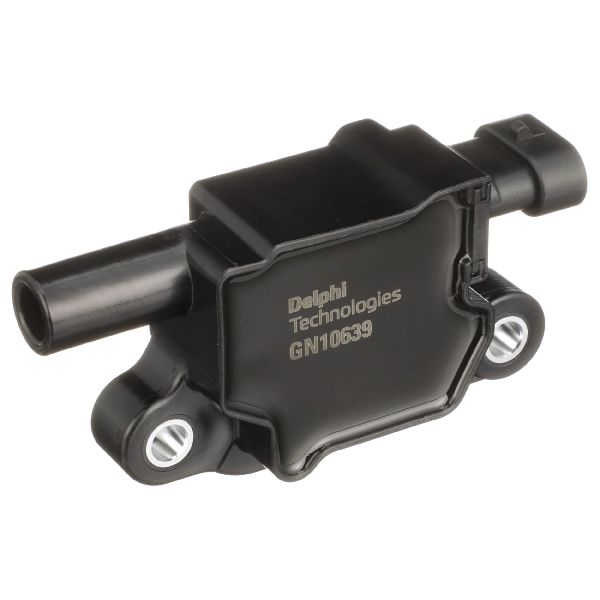
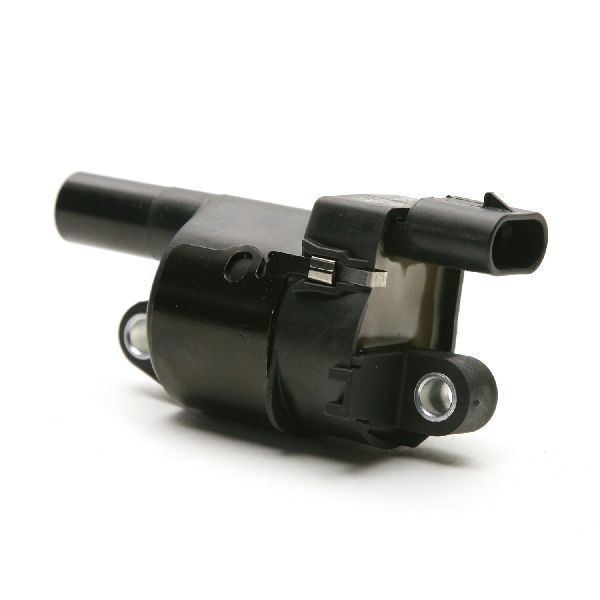
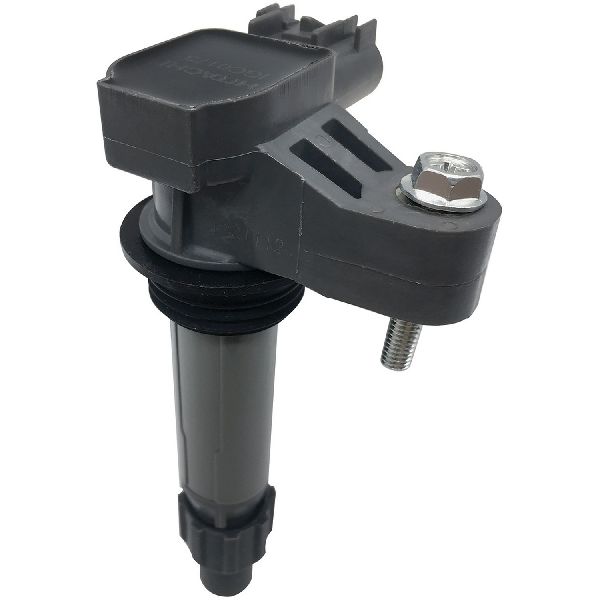
- Faulty Ignition Coil 🔴 High Probability → Shop Ignition Coil Ignition coils are a common failure item on many modern engines as they age and are exposed to heat cycles. Forum discussions among CTS and platform-mate owners consistently point to a bad coil as the number one cause for a single-cylinder misfire.
How to confirm: Swap the ignition coil from cylinder #2 with another cylinder (e.g., cylinder #4 on a V6, or cylinder #1 on a 4-cyl). Clear the codes and drive the vehicle. If the code changes to P0304 or P0301 respectively, the coil is faulty. This is the standard DIY diagnostic procedure. The ignition coil bolt should be torqued to 89 lb-in (10 Nm).
Typical fix: Replace the failed ignition coil. It is strongly recommended to replace the corresponding spark plug at the same time, as a worn plug can strain the new coil.
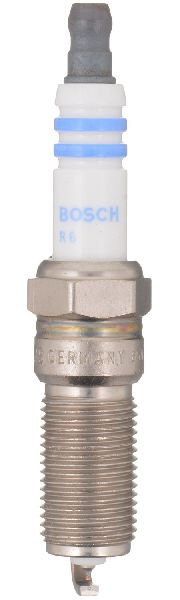
Est. part cost: $40-$90 - Worn or Fouled Spark Plug 🔴 High Probability → Shop Spark Plug Spark plugs are a regular maintenance item with a finite lifespan. The direct-injection engines in the CTS can be hard on plugs. A fouled, worn, or improperly gapped plug is a very frequent cause of a misfire.
How to confirm: After confirming the ignition coil is good, remove the spark plug from cylinder #2. Inspect it for wear (worn electrode), carbon tracking (a black line down the ceramic), oil fouling, or a cracked insulator. Compare it to a plug from a healthy cylinder.
Typical fix: Replace the spark plug. It is best practice to replace all spark plugs as a set to ensure consistent performance and avoid future misfires.
Est. part cost: $10-$25 per plug - Damaged Oil Control Valve (OCV) Solenoid (V6 Engines) 🟡 Medium Probability → Shop Engine Variable Valve Timing (VVT) Oil Control Valve TSB #21-NA-036 specifically calls this part out for the 3.6L LGX V6. Cylinders #2 and #5 are used for Active Fuel Management (AFM), and a faulty OCV can cause an oil leak or pressure drop that deactivates the cylinder incorrectly, causing a misfire.
How to confirm: Inspect the OCV solenoid for the affected bank (Bank 2, driver's side for cylinder #2) as described in TSB #21-NA-036. The bulletin notes the end of the solenoid can break off and get stuck in the camshaft cover bore. Visual inspection for damage or leaks is the primary step.
Typical fix: Replace the damaged OCV solenoid. If the end is broken off, it must be carefully extracted from the bore with a pick tool.
Est. part cost: $50-$120 - Faulty Fuel Injector 🟡 Medium Probability → Shop Fuel Injector The high-pressure direct injection systems can be sensitive to fuel quality. Injectors can become clogged with carbon deposits, disrupting the spray pattern, or they can fail electronically.
How to confirm: This is more complex. A professional can perform a fuel injector balance test. A DIY method involves listening to the injector with a mechanic's stethoscope for a consistent clicking sound. Swapping injectors between cylinders is possible but labor-intensive due to the high-pressure fuel system.
Typical fix: Replace the faulty fuel injector. This often requires removing the fuel rail and replacing single-use high-pressure fuel lines. Using a quality fuel system cleaner may resolve minor clogging issues.
Est. part cost: $70-$150
Rare But Worth Checking
- Intake Valve Carbon Buildup: Common on direct-injection engines (2.0T, 3.6L). The lack of fuel washing over the intake valves allows carbon to accumulate, restricting airflow and causing misfires, especially on cold starts. This is a well-documented issue across all GM GDI engines. Professional cleaning (walnut blasting) may be required for high-mileage vehicles. 🎬 Watch: An easy way to clean GDI intake valves yourself.
- Low Compression (Mechanical Fault): Caused by internal engine issues like a bad piston ring, leaking valve, or a faulty head gasket. A compression test is needed to diagnose this. On V6 engines, TSB #21-NA-036 suggests checking for broken rocker arms (SRFFs) on cylinder #2 if the OCV solenoid is okay. On the 2.0L LTG, a cracked piston is a known, albeit rare, cause of low compression and misfires.
- Vacuum Leak: A leak in the intake manifold gasket near cylinder #2 could lean out the air/fuel mixture and cause a misfire on just that cylinder. A smoke test is the most effective way to find such a leak.
- Faulty ECM: In very rare cases, the driver circuit within the Engine Control Module (ECM) that controls the coil or injector for cylinder #2 can fail. This should only be considered after all other possibilities have been exhausted.
Diagnosis Steps
- Read the code with an OBD-II scanner and check for any other stored codes, like P0300 or P0202.
- Note the freeze-frame data to see the engine conditions (RPM, load, temperature) when the misfire occurred.
- Identify the physical location of cylinder #2 based on your engine type (see 'Cylinder Location for Diagnosis' section).
- Visually inspect the wiring and connector for the cylinder #2 ignition coil and fuel injector for any obvious damage or looseness.
- Swap the ignition coil from cylinder #2 with another cylinder (e.g., #4 on a V6). Clear the codes, run the engine, and see if the misfire code moves to the new cylinder (e.g., P0304). If it does, the coil is bad.
- If the misfire remains on cylinder #2, perform the same swap test with the spark plug. Inspect the plug for wear, fouling, or damage when you remove it.
- If the coil and plug are good, listen to the cylinder #2 fuel injector with a mechanic's stethoscope. It should have a steady, rhythmic clicking sound.
- For V6 engines, if ignition and fuel basics check out, consider investigating the OCV solenoid for Bank 2 per TSB #21-NA-036.
- Inspect for vacuum leaks around the intake manifold near cylinder #2 using a smoke machine.
- If all else fails, perform a compression test on cylinder #2 to check for mechanical engine problems like bad rings, valves, or a failed head gasket. If compression is low, a cylinder leak-down test can pinpoint the cause.
Parts You'll Likely Need
- Ignition Coil
(OEM #ACDelco 12632479 (for 3.6L V6 LGX/LF3); ACDelco D521C / 12658962 (for 2.0L LTG))— This is one of the most common failure points for a single-cylinder misfire, confirmed by numerous owner experiences.
Trusted brands: ACDelco, Delphi, NGK
OEM price range: $60-$110
Aftermarket price range: $40-$90 - Spark Plug
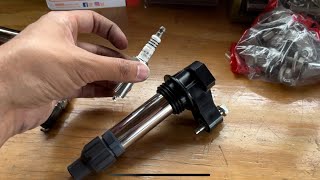
(OEM #ACDelco 41-130 (for 3.6L V6 LGX); ACDelco 41-125 / 41-123 (for 2.0L LTG))🎬 Watch: Step-by-step spark plug replacement for the 2.0L engine. — A routine wear item that is essential for proper ignition and a frequent cause of misfires.
Trusted brands: ACDelco (Iridium), NGK (Laser Iridium), Bosch
OEM price range: $15-$30
Aftermarket price range: $10-$25 - Fuel Injector — Can become clogged or fail electronically, leading to a misfire, especially on GDI engines.
Trusted brands: ACDelco, Bosch
OEM price range: $100-$180
Aftermarket price range: $70-$150 - Oil Control Valve (OCV) Solenoid — A specific failure point on 3.6L V6 engines as identified in TSB #21-NA-036 that can cause P0302.
Trusted brands: ACDelco, GM Genuine
OEM price range: $50-$120
Aftermarket price range: $35-$80
Related Codes That Often Appear With This One
- P0300 — If the misfire is intermittent or affects other cylinders, a P0300 (Random/Multiple Cylinder Misfire) may be stored alongside P0302.
- P0202 — This code indicates a fault in the fuel injector circuit for cylinder #2. It can appear with P0302 if the injector or its wiring is the root cause.
- P0305 — The manufacturer TSB #21-NA-036 specifically notes that a faulty OCV solenoid can cause P0300, P0302, and/or P0305, suggesting this combination points towards that specific issue on V6 engines, as cylinders 2 and 5 are the AFM cylinders.
Technical Service Bulletins (TSBs) & Recalls
- Bulletin #21-NA-036: Details a diagnostic procedure for a damaged OCV (Oil Control Valve) solenoid that may cause an oil leak and set DTCs P0300, P0302, and/or P0305 on 3.6L V6 engines. It provides images of the failed part and instructs technicians to check for broken rocker arms if the solenoid is not the cause.
Platform-Specific Known Issues
- TSB #21-NA-036: Faulty OCV Solenoid on V6 Engines: This GM bulletin details how a damaged Active Fuel Management (AFM) Oil Control Valve (OCV) solenoid can cause an oil leak or pressure loss, leading to misfires specifically on cylinders #2 and/or #5. The bulletin advises inspecting the solenoid for damage, noting that the end can break off and remain in the camshaft cover. If the solenoid is intact, the bulletin suggests the next step is to inspect the rocker arms (SRFFs) on that cylinder for mechanical failure.
- Intake Valve Carbon Buildup (GDI Engines): All direct-injected engines in the CTS (2.0T, 3.6L) lack the cleaning effect of fuel spraying on the intake valves. Over time, oil vapor from the PCV system bakes onto the hot valves, forming hard carbon deposits that restrict airflow and can cause rough idle and misfires, particularly when the engine is cold.
Mechanic-Grade Diagnostic Values
- High-Pressure Fuel System Pressure (All GDI Engines) — expected: Up to 2,250 PSI (15,513 kPa) under load.. Failure: Significantly lower pressure, especially under acceleration, can indicate a failing high-pressure fuel pump (HPFP). Codes like P228C or P00C6 may accompany the misfire code.
- Ignition Coil Bolt Torque — expected: 89 lb-in (10 Nm).. Failure: Improper torque can lead to a poor connection or damage to the coil or valve cover.
- Ignition Coil Secondary Resistance (3.6L V6) — expected: Approximately 5k to 7k Ohms.. Failure: A reading far outside this range (open circuit or short) indicates a failed coil winding.
Hidden / Shadow Codes Worth Checking
- Mode 6, Test ID $A2-$AF: Misfire counts for each cylinder. A professional scan tool can access Mode 6 data to view the raw number of misfire events detected by the ECM for each specific cylinder, even if the misfire count is not high enough to set a permanent code. (see via A professional-grade scan tool (like GM's GDS2, or advanced tools from Launch, Autel, etc.) with Mode 6 diagnostic capabilities.)
Scan Tool Commands That Help
- GDS2 (GM Dealer Software): Cylinder Power Balance — This function graphically displays the contribution of each cylinder, allowing a technician to see the drop in crankshaft speed from cylinder 2 in real-time. It helps confirm the misfire is currently happening without having to rely solely on stored codes.
- GDS2 (or equivalent professional scanner): Fuel Injector Balance Test — This test commands each injector to fire for a specific duration and measures the corresponding drop in fuel pressure. A smaller pressure drop for cylinder 2 compared to others indicates a restricted or failing injector.
Wiring & Ground Locations
- G104 — On the right front corner of the vehicle, on the right body rail near the right headlamp.. This is a major engine compartment ground. While not directly for the coils on all models, a poor connection here can cause a variety of electrical issues and unpredictable behavior in the engine management system.
- G130 / G131 — On the rear of the cylinder heads (G130 on right head, G131 on left head).. These are critical grounds for the ignition system. A TSB for older CTS models specifically mentions that a poor connection at these points can cause misfires. Checking that they are clean and tight is a valid diagnostic step.
- Engine Harness Chafe Point — On the driver's side, the engine wiring harness may rub against the ECM/TCM bracket, the upper control arm, and the shock tower bolt.. Vibration can cause the harness to chafe through, potentially shorting the ignition coil or fuel injector circuits for any cylinder. This can cause an intermittent P0302 that is difficult to diagnose, as the issue may only appear when the engine moves under load. GM has issued documents detailing how to inspect and secure this harness.
Real Owner Repair Stories
- Reddit user post (2017 Cadillac CTS 3.6L V6) — Check engine light started flashing for about 2 minutes after a hard acceleration, then went away. Scanned at home and found a P0302 code.
❌ Tried (didn't work) Not specified, user was seeking initial advice.
✅ What actually fixed it The story is a report of the initial event, not a confirmed fix. However, it's a valuable data point showing that a temporary, severe misfire under high load can be the first and only symptom.
OEM Part Supersession History
12590990, 12610626, 12618542→12632479— Standard part evolution for improved durability and performance.
Model Year Variations Within This Range
- 2016+: For the 2.0L LTG engine, GM reportedly strengthened the piston design starting in the 2016 model year to reduce the likelihood of cracking that was more common on 2013-2015 models. However, service bulletins for 2019 models indicate the problem can still occur.
- 2017+: GM issued service bulletin 17-NA-039 recommending the use of low-calcium dexos1 Gen 2 (or later) oil in 2.0L LTG engines to help prevent low-speed pre-ignition (LSPI), a condition that can lead to piston damage and misfires.
Helpful Videos
![Cadillac ATS CTS 2.0 [Spark Plug Replacement]](https://img.youtube.com/vi/YsbcJnZlT2g/mqdefault.jpg)
We Have This Part in Stock


The information in this article is provided for general reference and educational purposes only. Vehicle specifications, procedures, and part compatibility can vary by production date, trim level, and region. Always consult your vehicle's factory service manual and verify part numbers before purchasing or performing repairs. Safety-critical components such as airbags, seat belts, and braking systems should be installed by a qualified professional.
- Cadillac CTS:
- 🧭 Diagnostic Flowchart
- 🎬 Helpful Videos
- 🛍️ Shop This Part
- What's Unique About the 2016-2019 Cadillac CTS
- Symptoms You May Notice
- Most Likely Causes
- Rare But Worth Checking
- Diagnosis Steps
- Parts You'll Likely Need
- Related Codes That Often Appear With This One
- Technical Service Bulletins (TSBs) & Recalls
- Platform-Specific Known Issues
- Mechanic-Grade Diagnostic Values
- Hidden / Shadow Codes Worth Checking
- Scan Tool Commands That Help
- Wiring & Ground Locations
- Real Owner Repair Stories
- OEM Part Supersession History
- Model Year Variations Within This Range
- 🎟️ Get 5% Off