

P0302 on 2010-2013 Cadillac Escalade EXT: Cylinder 2 Misfire Causes and Fixes
Code P0302 on a 2010-2013 Escalade EXT indicates a misfire in cylinder #2. The most common causes are a worn spark plug, a bad ignition coil, or a loose/faulty spark plug wire. Start by inspecting these three components. However, be aware of issues with the Active Fuel Management (AFM) system, which can cause lifter failure leading to this code.
- P0302 is a misfire on cylinder #2, which is the front cylinder on the passenger side.
- Always check for loose spark plug wires first, as this is a known issue cited in a GM TSB.
- The most likely culprits are simple ignition components: the spark plug wire, the spark plug, or the ignition coil.
- A flashing check engine light indicates a severe misfire that can quickly damage your catalytic converter; avoid driving if possible.
- If basic ignition parts don't solve the problem, consider issues related to the fuel injector or, in rarer cases, the AFM system or engine mechanical health.
What's Unique About the 2010-2013 Cadillac ESCALADE EXT
The 6.2L V8 (L94) engine in this generation of Escalade EXT is generally robust, but it has specific issues that can lead to misfires. A notable problem, documented in GM Technical Service Bulletin #PIP4819A, involves loose spark plug wires causing misfire codes like P0302. Additionally, these engines feature Active Fuel Management (AFM), which deactivates cylinders to improve fuel economy. This system is a known weak point, with AFM lifters prone to collapsing or getting stuck, causing a persistent misfire often accompanied by a ticking noise. This failure is a common cause for P030x codes on this platform and can be a significant repair. Oil consumption from a faulty PCV baffle in the valve cover (noted in TSB #PIP5161) can also foul spark plugs, leading to misfires.
Diagnostic Flowchart
Tap your situation to follow the diagnostic path that matches what you're seeing on this vehicle.
Symptoms You May Notice
- Rough or shaking idle
- Hesitation or stumbling during acceleration
- Noticeable loss of engine power
- Flashing Check Engine Light (indicates a severe misfire)
- Increased fuel consumption
- Smell of unburned fuel from the exhaust
- Engine ticking or tapping noise, which can point to a failed lifter
- Replacing only the spark plug when the spark plug wire or ignition coil is the actual problem.
- Assuming a major mechanical failure before checking the simple ignition components first.
- Replacing ignition parts when the underlying cause is a failed AFM lifter, which will cause the misfire to return.
Most Likely Causes
- Loose or Damaged Spark Plug Wire 🔴 High Probability → Shop Spark Plug A specific GM Technical Service Bulletin (PIP4819A) was issued for this engine family due to misfires caused by loose spark plug wires. The boots can lose their grip on the coil or plug over time.
How to confirm: Visually inspect the spark plug wire for cylinder #2. Ensure it is securely connected at both the ignition coil and the spark plug with a distinct 'click'. Check for any signs of damage, arcing (white marks or black soot), or corrosion.
Typical fix: Replace the spark plug wire. It is often recommended to replace all wires as a set with a quality brand like ACDelco.
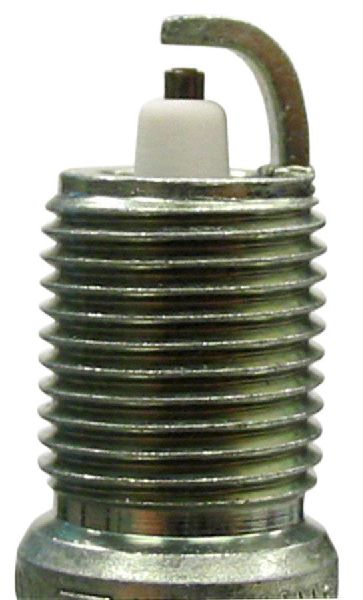
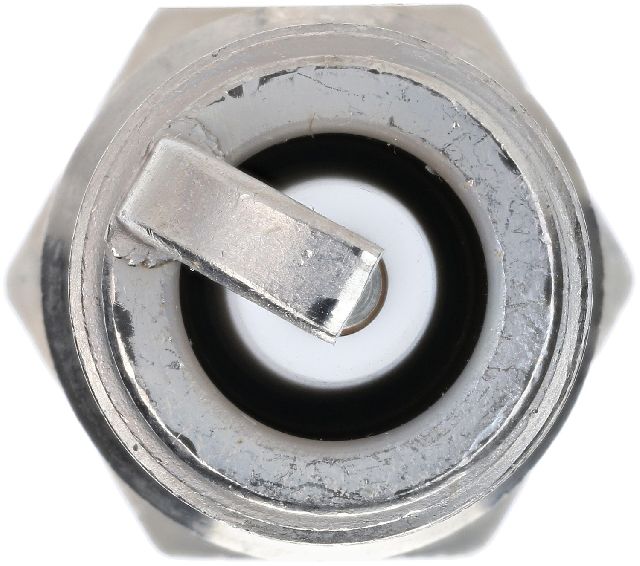
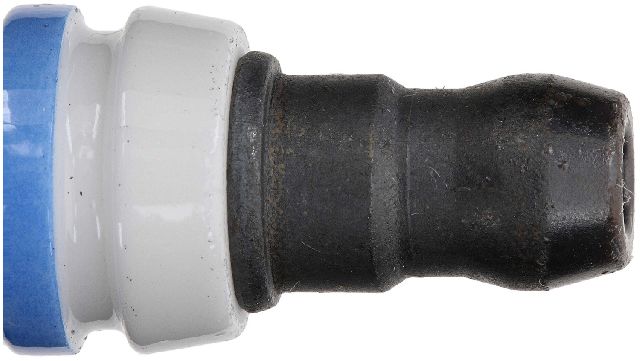
Est. part cost: $50-$130 - Worn or Fouled Spark Plug 🔴 High Probability → Shop Spark Plug Spark plugs are a routine maintenance item with a life of around 100,000 miles. Issues with the AFM or PCV system can also cause oil to foul the plugs, leading to premature failure. A cracked porcelain insulator is also a common failure point.
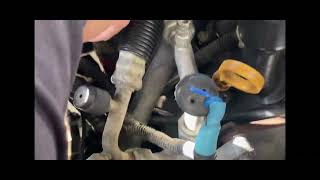
How to confirm: Remove the spark plug from cylinder #2 and inspect it. Look for a worn electrode, heavy carbon deposits, oil fouling, or a cracked insulator. Compare it to a new plug. In one documented case, a P0302 was solved by replacing a cracked spark plug 🎬 Watch: Real-world diagnosis of a P0302 misfire on an Escalade. that was not the correct OEM part.
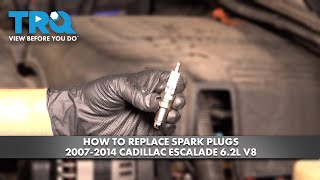
Typical fix: Replace the spark plug. If other plugs are also old, it's best to replace all eight. Use high-quality Iridium plugs. 🎬 See this step-by-step guide for replacing your spark plugs.
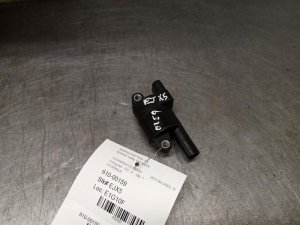
Est. part cost: $10-$25 per plug - Faulty Ignition Coil 🟡 Medium Probability → Shop Ignition Coil Ignition coils are exposed to significant heat and vibration and can fail over time. This is a common failure point on many modern engines.
How to confirm: Swap the ignition coil from cylinder #2 with a coil from another cylinder (e.g., cylinder #4, which is next in line on the same bank). Clear the codes and run the engine. If the misfire code changes to P0304, the coil is bad. This is a definitive diagnostic step confirmed by many owners on forums.
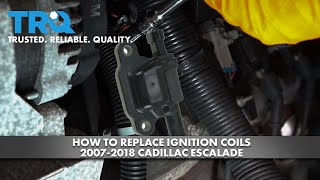
Typical fix: Replace the faulty ignition coil. It's often wise to replace the spark plug at the same time.
Est. part cost: $40-$90 - Clogged or Faulty Fuel Injector ⚪ Low Probability → Shop Fuel Injector
How to confirm: A professional can perform a fuel injector balance test. A DIY method involves listening to the injector with a mechanic's stethoscope to ensure it's clicking steadily. Swapping injectors between cylinders is also possible but is a more involved job than swapping coils.
Typical fix: Clean or replace the faulty fuel injector.
Est. part cost: $70-$150
Rare But Worth Checking
- Active Fuel Management (AFM) Lifter Failure: → Shop Engine Valve Lifter The AFM system deactivates cylinders by using special two-piece lifters. These lifters can fail, becoming mechanically collapsed or stuck. This results in a dead cylinder, causing a P030x code and often a distinct ticking sound. This is a well-documented and serious issue that may require replacing all lifters on the affected bank and sometimes the camshaft if it has been damaged. A class-action lawsuit has been filed regarding this issue across many GM vehicles with these engines.
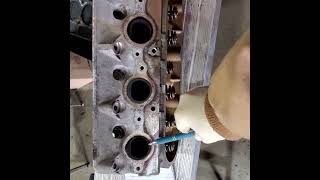
- Low Engine Compression: Internal engine problems like a worn valve seat, bad piston rings, or a damaged head gasket can cause a loss of compression and a misfire. A video of a 2009 6.2L Escalade with P0302 showed the cause to be a loose intake valve seat, which created inconsistent compression readings. 🎬 Watch: How a loose valve seat causes a cylinder misfire. A compression test and cylinder leak-down test are needed to diagnose this.
- Bad Ground Connection: A corroded or loose engine ground strap can cause erratic electrical issues for an entire bank of cylinders, leading to misfires. Check the main ground straps from the engine block to the chassis.
Diagnosis Steps
- Read the trouble codes with an OBD-II scanner. Note any other codes that are present and check freeze-frame data to see the conditions when the code was set.
- Use the scanner's live data function to monitor misfire counts per cylinder (Mode $06). This can confirm the misfire is isolated to cylinder #2.
- Check the Check Engine Light. If it is flashing, shut off the engine as soon as safely possible to prevent catalytic converter damage.
- Locate cylinder #2. On the 6.2L V8, it is the first cylinder on the passenger side, closest to the front of the vehicle.
- Inspect the spark plug wire for cylinder #2. Ensure it is fully seated on the ignition coil and spark plug. The connection should feel secure. Check for any visible damage or signs of arcing.
- Swap the ignition coil from cylinder #2 with one from another cylinder (e.g., cylinder #4). Clear the codes, start the engine, and see if the misfire code moves to the new cylinder (P0304). If it does, the ignition coil is faulty.
- If the misfire stays on cylinder #2, remove and inspect the spark plug. Look for wear, fouling (oil or carbon), damage, or a cracked insulator. Replace the spark plug if it is in poor condition.
- While the plug is out, perform a compression test on cylinder #2. A healthy L94 engine should have readings around 165 PSI. Bouncing or low readings point to a mechanical issue like a bad valve or a failing lifter.
- If ignition and compression are good, the issue may be with the fuel system. Listen to the fuel injector for cylinder #2 with a mechanic's stethoscope to confirm it is operating (it should make a steady clicking sound).
- If you hear a persistent ticking noise from the engine, especially the passenger side valve cover area, suspect a failed AFM lifter. This requires more advanced diagnosis, often by removing the valve cover to inspect the valvetrain.
Parts You'll Likely Need
- Spark Plug
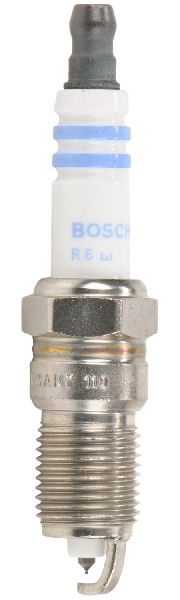
(OEM #41-110 or 41-162)— Spark plugs are a primary cause of single-cylinder misfires. The original plug was 41-110, later superseded by 41-162. Some owners on forums report better idle with the original 41-110.
Trusted brands: ACDelco, NGK
OEM price range: $10-$15
Aftermarket price range: $8-$12 - Ignition Coil
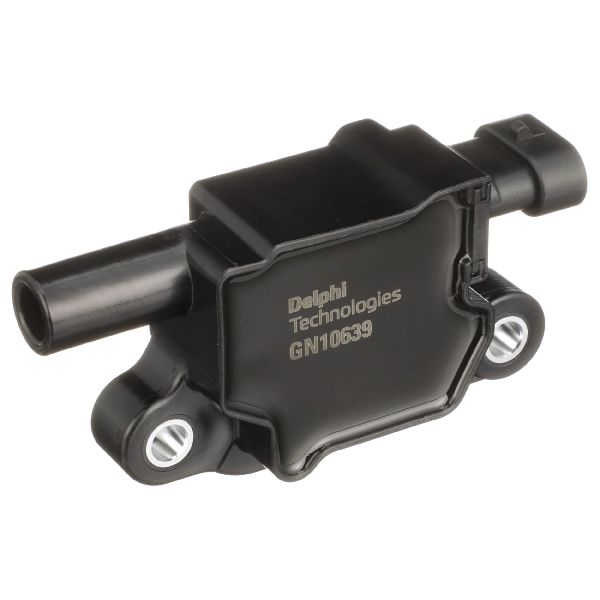
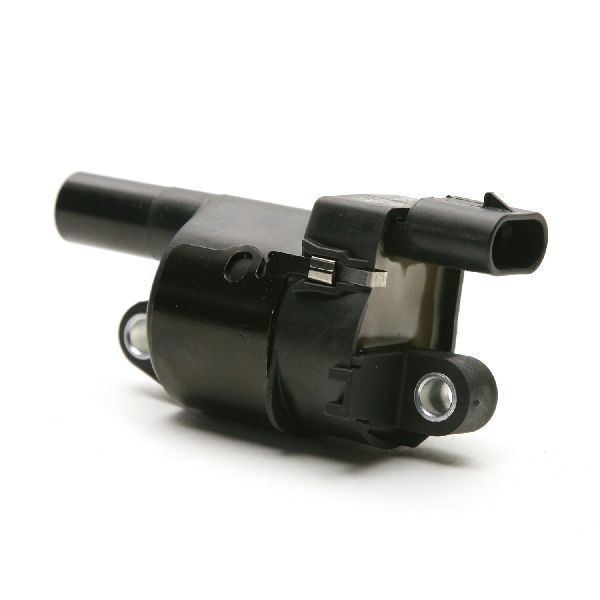
(OEM #12611424)— Ignition coils provide the high voltage needed to create a spark. Failure due to heat and age is a common cause of misfires.
Trusted brands: ACDelco, Delphi, NGK
OEM price range: $60-$90
Aftermarket price range: $40-$70 - Spark Plug Wire Set
(OEM #9748UU)— A GM TSB specifically points to loose spark plug wires as a cause for misfires on this platform. Wires also degrade over time, causing weak spark.
Trusted brands: ACDelco, Standard Motor Products
OEM price range: $50-$80
Aftermarket price range: $40-$60
Related Codes That Often Appear With This One
- P0300 — If the misfire is intermittent or starting to affect other cylinders, a P0300 (Random Misfire) code may be stored alongside P0302. This is especially common if the root cause is AFM lifter failure.
- P0304, P0306, P0308 — If a problem affects the entire passenger-side cylinder bank (e.g., a bad ground, clogged catalytic converter, or fuel pressure issue on that rail), you may see misfire codes for other even-numbered cylinders.
- P0420, P0430 — If the misfire has been happening for a long time, unburned fuel can damage the catalytic converters, leading to catalyst efficiency codes for bank 1 (P0420) or bank 2 (P0430).
Technical Service Bulletins (TSBs) & Recalls
- PIP4819A: Addresses engine misfires (P0300-P0308) and instructs technicians to inspect and replace loose spark plug wires.
- 15-06-01-002L (and earlier versions): Addresses engine misfire/tick noise caused by a mechanically collapsed or stuck Active Fuel Management (AFM) lifter.
- PIP5161: Discusses oil consumption from a leaking PCV baffle in the driver's side valve cover, leading to fouled spark plugs and misfires.
Platform-Specific Known Issues
- A known issue documented in TSB #PIP4819A involves loose spark plug wires causing misfires. Technicians are advised to inspect and replace any loose spark plug wires.
Mechanic-Grade Diagnostic Values
- Static Engine Compression — expected: 165-170 PSI and within 15% of other cylinders.. Failure: Readings below 120 PSI, or readings that are inconsistent and bounce (e.g., between 150-165 PSI) can indicate a valve train issue like a loose valve seat.
- Fuel Pressure (Key On, Engine Off) — expected: 50-60 PSI.. Failure: Pressure below 50 PSI suggests a weak fuel pump or clogged filter.
- Ignition Coil Primary Resistance — expected: 0.3 - 1.0 Ohms.. Failure: A reading outside this range indicates a faulty coil.
- Fuel Injector Resistance — expected: While some sources suggest 12-15 Ohms for conventional injectors, others for this specific platform indicate a lower resistance around 1.0-4.0 Ohms. A balance test is more definitive.. Failure: An open circuit (infinite resistance) or a reading significantly outside the expected range points to a failed injector.
- AFM Solenoid Resistance — expected: 11 to 18 ohms at the VLOM connector.. Failure: A reading outside this range indicates a faulty solenoid in the Valve Lifter Oil Manifold.
Scan Tool Commands That Help
- GDS2 / Tech2: Fuel Injector Balance Test — To definitively identify a clogged or electrically failing fuel injector. The tool commands each injector to fire and measures the drop in fuel rail pressure; the drop should be consistent across all cylinders.
- GDS2 / Tech2: Cylinder Power Balance — To help isolate a misfiring cylinder by sequentially deactivating each cylinder's fuel injector and measuring the corresponding drop in engine RPM. A cylinder with a minimal RPM drop is the one not contributing power correctly.
- GDS2 / Tech2: AFM Cylinder Deactivation — To manually command the Active Fuel Management system on and off. This helps determine if the misfire is related to AFM operation, strongly pointing to a failing AFM lifter or solenoid if the misfire appears or disappears with AFM engagement.
- Advanced OBD-II Scanner: Mode $06 Misfire Counters — To view live and historical misfire data for each individual cylinder. This is useful for confirming the misfire is isolated to cylinder #2 and not a random misfire (P0300) that has not yet set a specific code.
Wiring & Ground Locations
- G103 — On the front of the right (passenger side) cylinder head.. This is a primary engine ground. A poor connection here can cause erratic electrical behavior for components on the passenger side bank, including the ignition coil and fuel injector for cylinder #2.
- G104 — On the rear of the left (driver side) cylinder head.. While on the opposite bank, a poor main engine ground can cause floating voltages and unpredictable issues across the entire engine management system.
- Cylinder #2 Injector Wiring — The injector is located on the fuel rail on the passenger side, first from the front. The wiring runs into the main engine harness.. The two wires for the injector (power and control signal from ECM) can be checked for continuity and shorts. A wiring fault can mimic a failed injector.
Real Owner Repair Stories
- YouTube channel 'Waqas Azmat' (2009 Cadillac Escalade ESV 6.2L) — P0302 - Cylinder 2 Misfire. Engine was misfiring after a recent transmission cooler line replacement.
❌ Tried (didn't work) Replaced ignition coil, Swapped spark plug wire
✅ What actually fixed it The root cause was a loose intake valve seat in the cylinder head for cylinder #2. This was diagnosed after a compression test showed bouncing/inconsistent readings (150-165 PSI) on cylinder #2, while good cylinders were a steady 165 PSI. The cylinder head had to be removed for repair. - YouTube channel 'Israel Torres Repair LLC' (2012 Cadillac Escalade 6.2L) — P0302 - Cylinder 2 Misfire.
❌ Tried (didn't work) Initial diagnosis pointed to either coil or spark plug.
✅ What actually fixed it The spark plug for cylinder #2 was found to be cracked. The video also noted that the failed plug was an incorrect NGK part, and it was replaced with the proper ACDelco plug to resolve the issue.
OEM Part Supersession History
ACDelco 41-110 (Iridium)→ACDelco 41-162 (Iridium)— Part number change likely due to a change in supplier (e.g., from Denso to NGK) or a minor design change. The 41-162 is noticeably shorter from the seat to the electrode tip.
Heads up: Both are specified for the vehicle, but some owners report quality control issues with the newer 41-162 plugs and claim the engine runs smoother with the older 41-110 plugs, if they can be found.Various older AFM lifter PNs (e.g., 12571595, 12639516)→12645725, 12680871, 12698946— Multiple revisions have been released by GM to address the high failure rate of the original Active Fuel Management lifters.
Heads up: When replacing failed AFM lifters, it is highly recommended to also replace the Valve Lifter Oil Manifold (VLOM) with the latest revised part (GM #12571609) to help prevent repeat failures due to oil pressure issues.
Model Year Variations Within This Range
- 2010-2013: The 2010 model year marked the introduction of the L94 engine for the Escalade EXT, which replaced the previous L9H engine. The key difference was the addition of Active Fuel Management (AFM). This makes the 2010-2013 models susceptible to AFM lifter failure as a root cause for misfires, an issue not present on pre-2010 6.2L Escalades.
Helpful Videos
Used OEM Parts in Stock
New Aftermarket Parts Available

The information in this article is provided for general reference and educational purposes only. Vehicle specifications, procedures, and part compatibility can vary by production date, trim level, and region. Always consult your vehicle's factory service manual and verify part numbers before purchasing or performing repairs. Safety-critical components such as airbags, seat belts, and braking systems should be installed by a qualified professional.
- Cadillac ESCALADE EXT:
- 🧭 Diagnostic Flowchart
- 🎬 Helpful Videos
- 🛍️ Shop This Part
- What's Unique About the 2010-2013 Cadillac ESCALADE EXT
- Symptoms You May Notice
- Most Likely Causes
- Rare But Worth Checking
- Diagnosis Steps
- Parts You'll Likely Need
- Related Codes That Often Appear With This One
- Technical Service Bulletins (TSBs) & Recalls
- Platform-Specific Known Issues
- Mechanic-Grade Diagnostic Values
- Scan Tool Commands That Help
- Wiring & Ground Locations
- Real Owner Repair Stories
- OEM Part Supersession History
- Model Year Variations Within This Range
- 🎟️ Get 5% Off