

P0302 on 2010-2013 Chevrolet Avalanche: Cylinder 2 Misfire Causes and Fixes
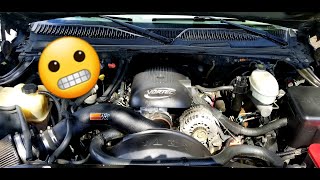
P0302 on a 2010-2013 Avalanche indicates a misfire in cylinder 2. The most common causes are a worn spark plug, a bad spark plug wire, or a failing ignition coil. A more serious, but known, issue for the 5.3L V8 is a collapsed AFM lifter, though cylinder 2 is not an AFM cylinder, making other valvetrain issues like a worn cam lobe a more direct mechanical possibility for this specific code.
- P0302 indicates a misfire on cylinder 2, the front passenger-side cylinder.
- Always check the simple things first: spark plug, spark plug wire (especially for looseness per TSB PIP4819A), and ignition coil.
- The 'coil swap' is the definitive test for a bad ignition coil.
- A ticking or knocking noise accompanying the misfire strongly suggests a more serious mechanical issue like a bad lifter or worn camshaft lobe, which are known problems on this engine platform.
- Do not drive with a flashing check engine light, as rapid catalytic converter damage can occur.
What's Unique About the 2010-2013 Chevrolet AVALANCHE
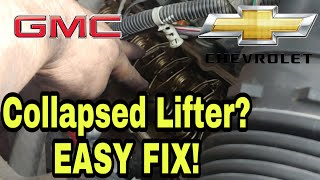
The 2010-2013 Avalanche V8 engines, particularly the 5.3L with Active Fuel Management (AFM), have a well-documented history of lifter failures. A collapsed AFM lifter can cause a persistent single-cylinder misfire, like P0302, which might be misdiagnosed as a simple ignition problem. While cylinder 2 is not an AFM-controlled cylinder (AFM cylinders are 1, 4, 6, and 7), the overall valvetrain is a known weak point. A worn camshaft lobe or a failing non-AFM lifter can still be the root cause. Additionally, a specific GM Technical Service Bulletin (PIP4819A) points directly to loose spark plug wires as a cause for misfires on these trucks, making it a critical first check.
Diagnostic Flowchart
Tap your situation to follow the diagnostic path that matches what you're seeing on this vehicle.
Symptoms You May Notice
- Rough or shaky idle
- Hesitation or stumbling during acceleration
- Noticeable loss of engine power
- Solid or flashing Check Engine Light
- Reduced fuel economy
- Smell of fuel from the exhaust
- Engine ticking, chirping, or knocking noise, which can point to a lifter or camshaft issue
- Replacing only the spark plug when the spark plug wire is loose or damaged.
- Replacing ignition components repeatedly when the underlying cause is a mechanical failure like a worn camshaft lobe or a bad lifter.
- Assuming the cause is a collapsed AFM lifter, when cylinder 2 is not an AFM cylinder. The issue is more likely a standard lifter or other valvetrain component.
Most Likely Causes
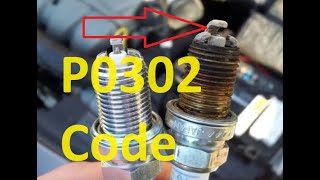
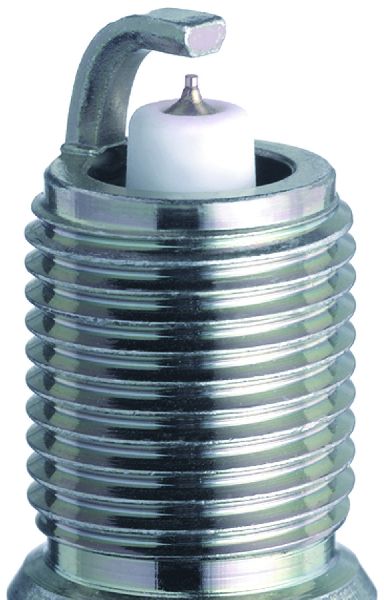
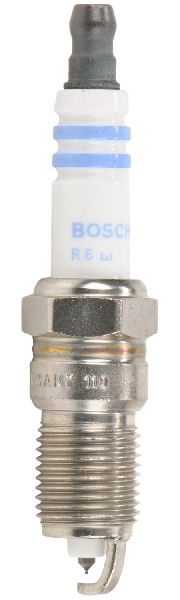
- Worn or Fouled Spark Plug 🔴 High Probability → Shop Spark Plug Spark plugs are regular maintenance items. On the 6.0L V8, extreme wear can cause the ground electrode to break off, leading to a severe misfire. Oil consumption, common on some higher mileage GM V8s, can also foul plugs.
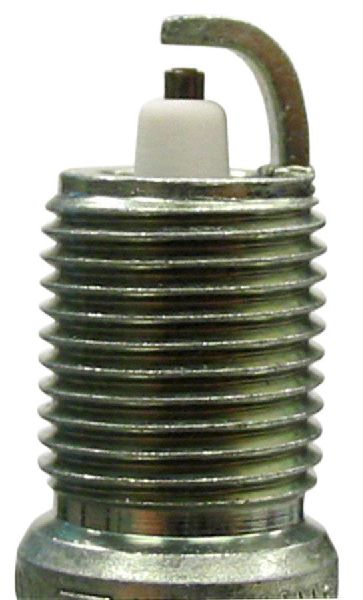
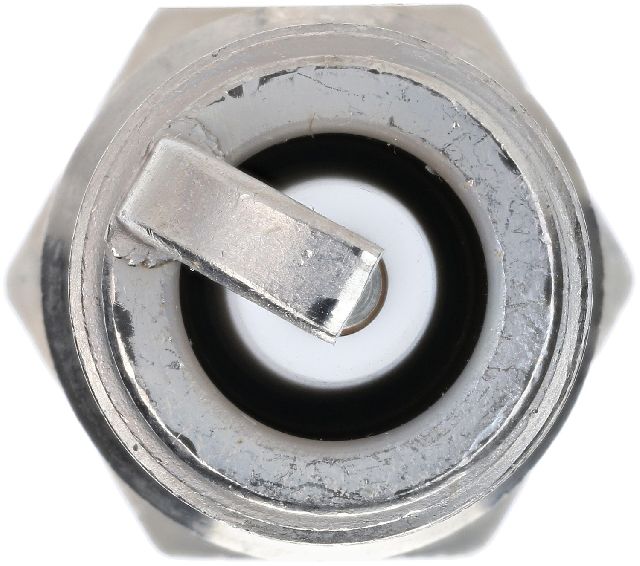
How to confirm: Visually inspect the spark plug for cylinder 2. Look for wear on the electrode, carbon buildup, oil fouling, or physical damage like a missing electrode. Ensure the gap is correct, typically 0.040 inches for iridium plugs.
Typical fix: Replace the spark plug. It is recommended to replace all 8 spark plugs at the same time for even performance.
Est. part cost: $8-$20 per plug - Faulty Spark Plug Wire 🔴 High Probability → Shop Spark Plug A GM Technical Service Bulletin (#PIP4819A) specifically identifies loose spark plug wires 🎬 See how to diagnose a Chevy misfire and check wires. as a cause for misfires on these vehicles. Heat and vibration can also cause the wire's internal connection to fail or the boot to degrade.
How to confirm: Inspect the wire for cylinder 2. Ensure it is securely 'clicked' onto both the spark plug and the ignition coil. Check for any visible damage, burns, or corrosion. A carbon track inside the boot is a sign of arcing.
Typical fix: Reseat the wire firmly. If the wire is damaged, shows carbon tracking, or the connection remains loose, replace the spark plug wire set.
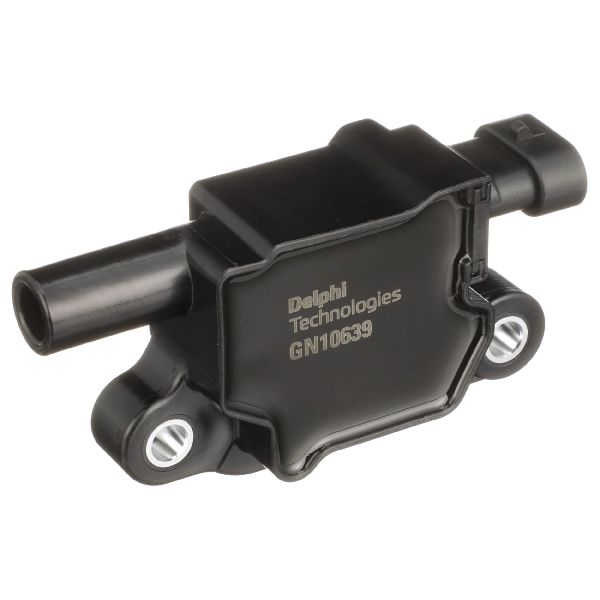
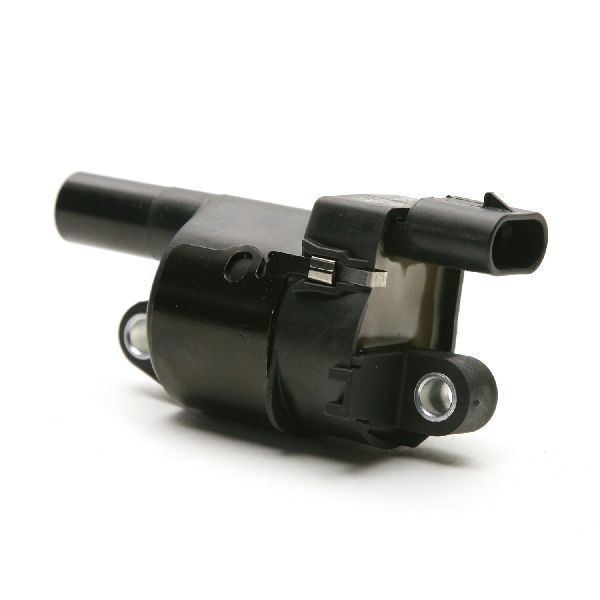
Est. part cost: $50-$150 for a full set - Failing Ignition Coil 🟡 Medium Probability → Shop Ignition Coil
How to confirm: Swap the ignition coil from cylinder 2 with another cylinder (e.g., cylinder 4). Clear the codes and drive the vehicle. If the code changes to P0304, the ignition coil is faulty.
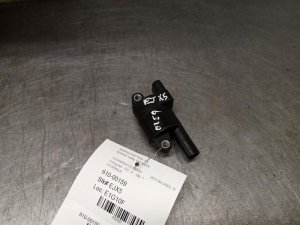
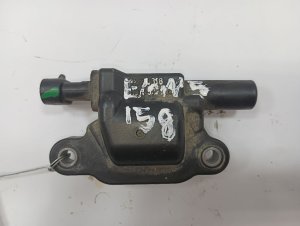
Typical fix: Replace the faulty ignition coil. The common ACDelco part is D510C.
Est. part cost: $40-$85 - Clogged or Faulty Fuel Injector 🟡 Medium Probability → Shop Fuel Injector
How to confirm: A mechanic can perform a fuel injector balance test. A more involved DIY method is to swap the fuel injector from cylinder 2 with another cylinder to see if the misfire code follows. You can also use a mechanic's stethoscope to listen for a consistent clicking sound from the injector.
Typical fix: Clean or replace the faulty fuel injector.
Est. part cost: $50-$120
Rare But Worth Checking
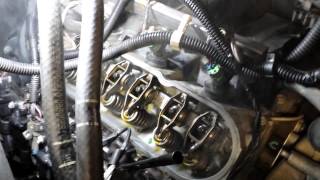
- Collapsed or Stuck Lifter (Non-AFM): While AFM lifter failure is more famous, the standard lifters can also fail. A collapsed lifter will create excessive valve lash, causing a ticking noise and a misfire. A quick diagnostic test involves loosening the rocker arm bolt for that cylinder with the engine running; if the misfire smooths out, the lifter is likely bad.
- Worn Camshaft Lobe: → Shop Engine Camshaft A worn lobe on the camshaft will not provide enough lift to the lifter and pushrod, preventing the valve from opening fully. This results in a misfire and can be accompanied by a consistent chirp or squeak. This requires significant engine disassembly to inspect and replace the camshaft and often the lifters as well.
- Intake Manifold Gasket Leak: → Shop Engine Intake Manifold The intake manifold gaskets on these V8 engines can fail, allowing unmetered air to enter a specific cylinder runner. This creates a lean condition and causes a misfire. A smoke test is the best way to confirm a vacuum leak near cylinder 2.
- Low Engine Compression: Mechanical issues like a worn piston ring, a burnt valve, or a damaged cylinder head can cause a loss of compression and a misfire. A compression test on cylinder 2 will identify this problem.
Diagnosis Steps
- Verify the Check Engine Light is on and scan for codes. Note if the light is steady or flashing, as flashing indicates a severe, catalyst-damaging misfire.
- Check for any other stored codes that could provide more clues (e.g., P0300).
- Using a scan tool with live data, check the misfire counter for cylinder 2 and compare it to other cylinders.
- Locate cylinder 2 (front cylinder on the passenger side).
- Inspect the spark plug wire for a secure connection at both the coil and the spark plug, per TSB #PIP4819A. Check for any damage or carbon tracking inside the boot.
- Swap the ignition coil from cylinder 2 with the coil from cylinder 4. Clear the codes and see if the misfire moves to cylinder 4 (P0304). If it does, the coil is bad.
- If the misfire does not move, remove and inspect the spark plug from cylinder 2. Look for wear, fouling, or damage and check the gap (should be ~0.040"). Replace if necessary.
- If ignition components are good, listen to the fuel injector on cylinder 2 with a stethoscope to ensure it's clicking. Compare the sound to an adjacent injector.
- If you hear a loud, persistent ticking or knocking noise, suspect a mechanical valvetrain issue. A diagnostic test is to slightly loosen the cylinder 2 rocker arm bolts while the engine is running to see if the noise/misfire changes, which points to a bad lifter.
- Perform a compression test on cylinder 2 to rule out mechanical engine problems like bad rings or valves.
Parts You'll Likely Need
- Spark Plug
(OEM #ACDelco 41-162 (Iridium))— This is a standard maintenance part and a frequent cause of single-cylinder misfires. The OEM recommended plug is Iridium.
Trusted brands: ACDelco, NGK
OEM price range: $12-$20
Aftermarket price range: $8-$15 - Spark Plug Wire Set — A GM TSB specifically calls out loose wires as a cause of misfires. Wires can also degrade over time, causing weak or arcing spark.
Trusted brands: ACDelco, Delphi, NGK
OEM price range: $80-$150
Aftermarket price range: $50-$100 - Ignition Coil
(OEM #ACDelco D510C (GM 12611424))— Ignition coils are a common failure point that leads to a misfire on a specific cylinder. The coil-on-plug design makes swapping for diagnosis easy.
Trusted brands: ACDelco, Delphi, Standard Motor Products
OEM price range: $50-$90
Aftermarket price range: $30-$75
Related Codes That Often Appear With This One
- P0300 — If the misfire is intermittent or affects other cylinders, a P0300 (Random/Multiple Cylinder Misfire) code may appear alongside P0302. This can happen if the root cause, like a failing fuel pump or vacuum leak, is not isolated to one cylinder.
Technical Service Bulletins (TSBs) & Recalls
- PIP4819A: Mentions inspecting and replacing loose spark plug wires as a fix for engine misfires, including P0302.
- 19-NA-219: Provides diagnostic guidance for technicians when a misfire (P0300-P0308) is accompanied by a chirp, squeak, or tick noise, pointing towards potential camshaft or lifter wear.
Platform-Specific Known Issues
- A known issue with the 5.3L V8 engine is the failure of Active Fuel Management (AFM) lifters, which can become stuck or collapse, leading to a constant misfire and ticking noise on an AFM cylinder (1, 4, 6, or 7). While cylinder 2 is not an AFM cylinder, general valvetrain issues like worn camshaft lobes or standard lifter failure are also prevalent on this platform and can cause a P0302.
- Technical Service Bulletin #PIP4819A directly addresses misfire codes (P300-P0308) on these vehicles and instructs technicians to inspect for and replace any loose spark plug wires.
- Technical Service Bulletin #19-NA-219 describes various engine noises and misfires caused by worn cam/lifter rollers, sticking valves, or broken valve springs, which could all manifest as a P0302.
Mechanic-Grade Diagnostic Values
- Fuel Pressure (Key On, Engine Off) — expected: 55-62 PSI. Failure: Pressure significantly below this range suggests a weak fuel pump or faulty regulator.
- Fuel Injector Coil Resistance — expected: 10-16 Ohms (typically ~13.5-14 Ohms for this engine). Failure: A reading of 0 Ohms (short), infinite Ohms (open), or a value significantly different from the other 7 injectors indicates a faulty injector.
- Fuel Injector Pulse Width (at idle) — expected: 2.0 - 4.0 milliseconds (ms). Failure: An erratic or missing pulse width reading for cylinder 2 on a scan tool points to an issue with the injector or its control circuit.
- Ignition Coil Secondary Resistance — expected: ~7.10k Ohms. Failure: A reading significantly outside the specification can indicate a failing coil.
Hidden / Shadow Codes Worth Checking
- Mode 6, Monitor ID $A3: This is not a DTC, but a specific monitor ID within the OBD-II system's Mode 6 data that tracks misfires for Cylinder 2. (see via A professional scan tool capable of displaying Mode 6 data. Test ID (TID) $0B shows historical misfire counts over the last 10 drive cycles, while TID $0C shows counts for the current/last drive cycle.)
Scan Tool Commands That Help
- GDS2 / Tech 2 or equivalent professional scanner: Cylinder Power Balance Test — This is a primary diagnostic step to confirm if cylinder 2 is contributing less power than the others. The tool disables each cylinder's fuel injector one by one while monitoring RPM drop. If disabling cylinder 2 causes little or no change in RPM, it confirms it's the weak cylinder.
- GDS2 / Tech 2 or equivalent professional scanner: Fuel Injector Balance Test — Use this test when a fuel injector is suspected. The tool pulses each injector and measures the corresponding drop in fuel rail pressure. If the pressure drop for cylinder 2 is significantly different (more than 1-3 PSI) from the others, the injector is likely clogged or faulty.
- GDS2 / Tech 2 or equivalent professional scanner: Crankshaft Position (CKP) Variation Learn / Case Relearn — This procedure should be performed after major engine work, such as replacing a crankshaft, balancer, or timing components. It allows the PCM to learn the precise profile of the crankshaft reluctor wheel, which is essential for accurate misfire detection.
Wiring & Ground Locations
- G102 — On the left rear of the engine block.. This is a critical ground point that specifically grounds all 8 ignition coils. A loose or corroded connection here can cause weak spark and misfires on one or more cylinders.
- G103 — On the cowl in the left rear of the engine compartment, often located above the brake booster.. This ground serves the Body Control Module (BCM) and Instrument Panel Cluster (IPC). While not a direct cause, a poor ground here can cause various strange electrical issues that could be misdiagnosed.
- Main Engine Ground — A large ground strap running from the negative battery cable to the front of the passenger side cylinder head or engine block.. This is the primary ground for the engine itself. A poor connection here can lead to a host of electrical problems, including starting issues and intermittent misfires.
- ECM Pin X2, Pin 73 — On the gray 80-way connector (X2) of the E38 Engine Control Module (ECM).. This is the specific pin for the 'IC 2 Control' signal, which the ECM uses to command the ignition coil for cylinder 2 to fire. A wiring issue (short/open) on this circuit (typically an Orange/White wire) will cause a P0302.
Real Owner Repair Stories
- YouTube video by user galvan890 (2009 Chevy Truck V8 (similar powertrain)) — Persistent P0302 misfire.
❌ Tried (didn't work) Not specified, but the video focuses on mechanical diagnosis after assumed ignition/fuel checks.
✅ What actually fixed it The cause was a bad (collapsed) lifter. The mechanic demonstrated a key diagnostic technique: with the engine running and misfiring, he slightly loosened the rocker arm bolt for cylinder 2. The engine smoothed out, confirming the lifter was not functioning properly and creating excessive valve lash. - YouTube video by South Main Auto Repair (Chevrolet Silverado 5.3L (similar powertrain)) — Rough idle and misfire on cylinder 6 (P0306), but the principle applies to any single cylinder.
❌ Tried (didn't work) Visual inspection, standard checks.
✅ What actually fixed it A fuel injector balance test showed cylinder 6 was dropping significantly more fuel pressure than the others, indicating it was over-fueling. The root cause was a split upper O-ring on the fuel injector, which was likely causing both a fuel delivery issue and a small vacuum leak right at the port. Replacing the injector and its O-rings resolved the misfire. - YouTube comment by user @hvacmechanic4247 (Unspecified vehicle with P0302) — Bad rough idle, engine shaking, and stalling with a P0302 code.
❌ Tried (didn't work) Replacing ignition coils, Replacing spark plugs
✅ What actually fixed it The user suspected a clogged fuel injector and added a bottle of Redline fuel injection cleaner to the fuel tank. After running the car for a while, the misfire was fixed and the code went away.
"I Checked Everything" — The Actual Cause
- A common scenario is passing a smoke test but still having a vacuum leak. A cracked or split fuel injector O-ring may not show up during a typical intake smoke test but can allow unmetered air directly into the cylinder's intake port, causing a lean misfire on only that cylinder. This was identified in a repair where a damaged O-ring was the ultimate cause of a single-cylinder misfire.
When the Usual Fixes Don't Work
- In several documented cases, owners replaced spark plugs, wires, and ignition coils for a P0302 with no change in symptoms. The ultimate fix was often mechanical or a less common fuel system issue. In one instance, a persistent ticking noise accompanied the misfire, which was finally diagnosed as a collapsed non-AFM lifter. The fix required removing the cylinder head to replace the lifters. In another case, after ignition parts failed to solve the problem, a fuel injector balance test revealed one injector was flowing incorrectly due to a damaged O-ring, which was the true cause. These examples highlight the importance of moving to mechanical and advanced fuel system diagnostics if the basic ignition component swap does not resolve the code.
Model Year Variations Within This Range
- 2010: The 6.0L V8 engine option was discontinued after the 2009 model year, making the 5.3L V8 the standard and most common engine for the 2010-2013 range.
- 2010-2013: All models in this range use a 6-speed automatic transmission, which replaced the previous 4-speed in 2009. This has no direct impact on a P0302 diagnosis but is a key generational difference.
Helpful Videos
Used OEM Parts in Stock
New Aftermarket Parts Available

The information in this article is provided for general reference and educational purposes only. Vehicle specifications, procedures, and part compatibility can vary by production date, trim level, and region. Always consult your vehicle's factory service manual and verify part numbers before purchasing or performing repairs. Safety-critical components such as airbags, seat belts, and braking systems should be installed by a qualified professional.
- Chevrolet AVALANCHE:
- 🧭 Diagnostic Flowchart
- 🎬 Helpful Videos
- 🛍️ Shop This Part
- What's Unique About the 2010-2013 Chevrolet AVALANCHE
- Symptoms You May Notice
- Most Likely Causes
- Rare But Worth Checking
- Diagnosis Steps
- Parts You'll Likely Need
- Related Codes That Often Appear With This One
- Technical Service Bulletins (TSBs) & Recalls
- Platform-Specific Known Issues
- Mechanic-Grade Diagnostic Values
- Hidden / Shadow Codes Worth Checking
- Scan Tool Commands That Help
- Wiring & Ground Locations
- Real Owner Repair Stories
- "I Checked Everything" — The Actual Cause
- When the Usual Fixes Don't Work
- Model Year Variations Within This Range
- 🎟️ Get 5% Off