

P0302 on 2015-2022 Chevrolet Colorado 3.6L V6: Cylinder 2 Misfire Causes and Fixes
P0302 on a 2015-2022 Colorado 3.6L V6 indicates a misfire on cylinder 2. The most common causes are a faulty ignition coil or a worn spark plug. For 2017-2022 models with the LGZ engine, a failed Active Fuel Management (AFM) Oil Control Valve (OCV) solenoid is also a frequent culprit, as noted in GM service bulletin #21-NA-036.
- P0302 is a misfire on cylinder 2, the front-most cylinder on the driver's side.
- Always start diagnosis with a simple ignition coil swap between cylinder 2 and cylinder 4. This is a free and definitive test for a bad coil.
- If you have a 2017 or newer model, be aware of TSB #21-NA-036. A faulty AFM Oil Control Valve solenoid is a common cause that will not be fixed by replacing ignition parts.
- Do not drive if the Check Engine Light is flashing. This indicates a severe misfire that can quickly destroy your catalytic converter, leading to a much more expensive repair.
What's Unique About the 2015-2022 Chevrolet Colorado
The 2015-2022 year range covers two versions of the 3.6L V6. The 2015-2016 models use the LFX engine, where P0302 is typically an ignition or fuel issue. The 2017-2022 models use the updated LGZ engine, which introduced Active Fuel Management (AFM). For these later models, GM issued Technical Service Bulletin #21-NA-036, which identifies a faulty Rocker Arm Oil Control Valve (OCV) solenoid as a key cause for misfires specifically on cylinders 2 and 5, the two cylinders deactivated in 'V4 mode'. The plastic tip of the solenoid can break off and get lodged in the camshaft cover bore, requiring careful extraction. This makes the OCV solenoid a highly probable cause on 2017+ trucks, a problem that doesn't exist on the earlier LFX engine.
Generation note: The 2015-2022 year range covers the second generation of the Colorado. However, the 3.6L V6 engine changed during this time. 2015-2016 models have the LFX engine. 2017-2022 models have the LGZ engine, which includes Active Fuel Management (AFM). This is a critical distinction, as a common cause for P0302 on the LGZ engine is a failed AFM Oil Control Valve (OCV) solenoid, an issue not present on the LFX.
Symptoms You May Notice
- Rough or choppy engine idle
- Hesitation or stumbling during acceleration
- Loss of engine power
- Flashing or solid Check Engine Light
- Reduced fuel economy
- Unusual odor from the exhaust
- Stalling or difficulty starting
- Replacing all ignition coils and spark plugs without first performing a coil swap test. The swap test is free and definitively identifies a bad coil, saving money on unnecessary parts.
- On 2017+ LGZ engines, repeatedly replacing ignition parts for P0302 when the actual cause is the AFM Oil Control Valve solenoid described in TSB #21-NA-036.
- Mistaking a transmission torque converter shudder for an engine misfire. The 8-speed transmission in these trucks is known for a shudder issue (per TSB 18-NA-355) that can feel like a misfire under light acceleration.
Most Likely Causes
- Faulty Ignition Coil 🔴 High Probability → Shop Ignition Coil Ignition coils are a common failure item on most modern engines due to constant exposure to heat and vibration. They are a primary suspect for any single-cylinder misfire code.
How to confirm: Swap the ignition coil from cylinder 2 with another cylinder (e.g., cylinder 4, the middle cylinder on the same bank). Clear the codes and drive the vehicle. If the code changes to P0304, the ignition coil is confirmed to be faulty. This is a definitive and free diagnostic step.
Typical fix: Replace the faulty ignition coil. It is often recommended to replace the corresponding spark plug at the same time. The coil is held down by a single 10mm bolt.
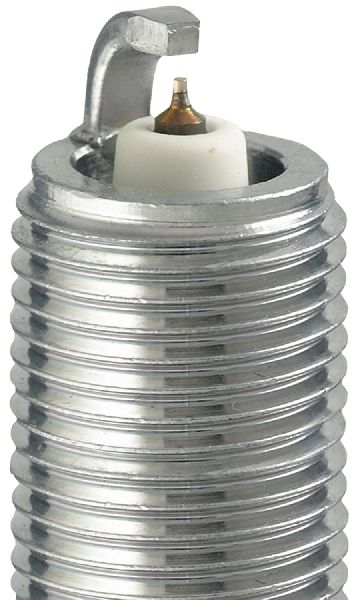
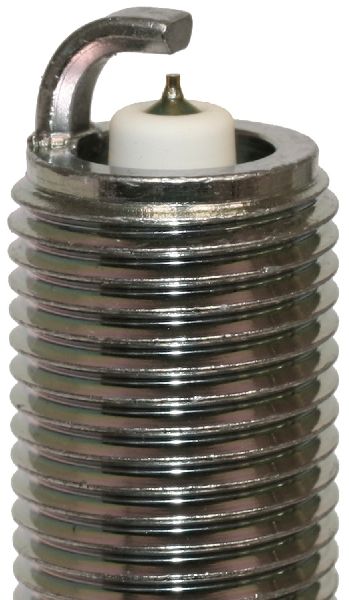
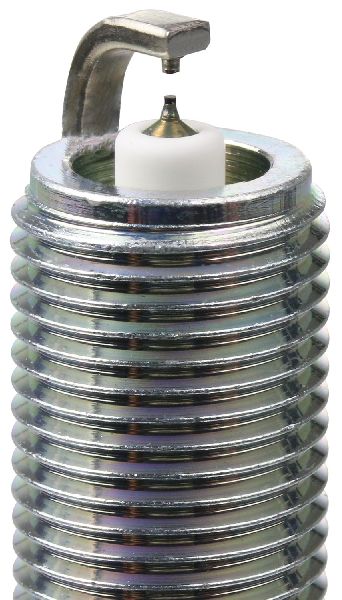
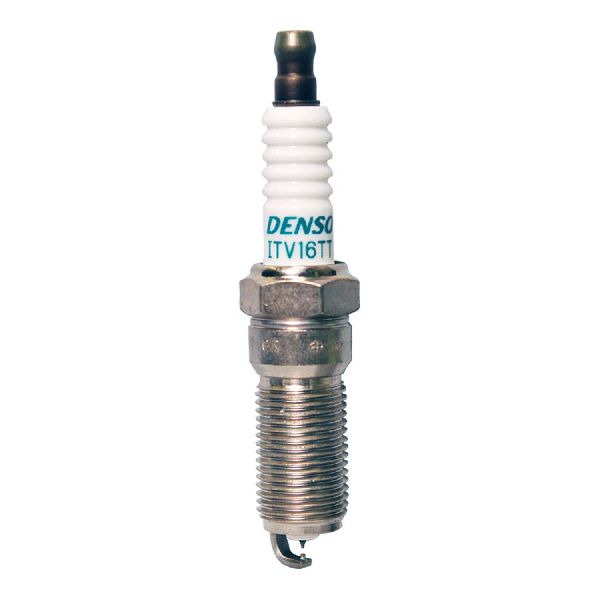
Est. part cost: $40-$90 - Worn or Fouled Spark Plug 🔴 High Probability → Shop Spark Plug Spark plugs are a routine maintenance item. The original ACDelco Iridium plugs on these engines have a service life of around 100,000 miles, but can fail earlier or become fouled by oil or carbon deposits, especially if other issues are present.
How to confirm: After ruling out the ignition coil, remove the spark plug from cylinder 2. Inspect it for a worn electrode, cracks in the porcelain, oil fouling, or heavy carbon buildup. A healthy plug should have a light tan color. Torque for a new plug is 13 ft-lbs.
Typical fix: Replace the spark plug. It is best practice to replace all six spark plugs as a set to ensure even performance. Note that accessing the driver's side bank (including cylinder 2) requires removing the upper intake manifold, making the job more involved than the passenger side.
Est. part cost: $10-$20 per plug - Faulty Active Fuel Management (AFM) Oil Control Valve (OCV) Solenoid 🟡 Medium Probability → Shop Engine Variable Valve Timing (VVT) Oil Control Valve This is a documented issue specific to 2017-2022 LGZ engines, as per GM TSB #21-NA-036. The solenoid can leak oil internally or its plastic tip can break, causing insufficient oil pressure to the AFM lifter, deactivating cylinder 2.
How to confirm: If ignition parts are good and the code persists on cylinder 2 (or P0305), inspect the OCV solenoid for cylinder 2. It is located in the camshaft cover, held by a single bolt. Check for visible damage, leaks, or a broken plastic tip. The TSB includes photos showing the broken piece lodged in the bore.
Typical fix: Replace the faulty OCV solenoid (GM Part #12688036). Carefully inspect the bore to ensure no broken pieces of the old solenoid are left behind. A pick tool or small snap-ring pliers may be needed for extraction.
Est. part cost: $50-$120 - Clogged or Faulty Fuel Injector ⚪ Low Probability → Shop Fuel Injector The LGZ engine uses direct injection, where the injector tip is inside the combustion chamber. This exposes it to high heat and pressure, which can lead to carbon buildup or electronic failure over time, though it's less common than ignition or AFM issues.
How to confirm: This is more difficult to diagnose for a DIYer. It may require a fuel injector balance test using a professional scan tool to compare flow rates. Swapping injectors between cylinders is a much more involved job than swapping coils.
Typical fix: Replace the faulty fuel injector. This is a more labor-intensive and costly job, often requiring removal of the intake manifold.
Est. part cost: $50-$150
Rare But Worth Checking
- Intake Valve Carbon Buildup: Because the LFX and LGZ are direct-injection engines, fuel doesn't wash over the intake valves. Over time, carbon from crankcase vapors can build up, restricting airflow and causing misfires, especially on a cold start. This usually triggers multiple or random misfires (P0300) but can start with a single cylinder.
- Low Compression / Mechanical Engine Issue: In rare cases, a persistent P0302 not caused by ignition or fuel could be a mechanical problem like a collapsed AFM lifter, bent pushrod, or other valve train issue. TSB #21-NA-036 also notes that if the OCV solenoid is not the cause, the issue could be the AFM lifters or rockers themselves. A compression test is needed to diagnose this.
- Porous Cylinder Head: → Shop Engine Cylinder Head GM TSB #21-NA-147 describes a rare condition where porosity in the cylinder head casting can allow oil or coolant to leak into the spark plug tube, fouling the plug and causing a misfire. The fix is a cylinder head replacement.
Diagnosis Steps
- Read the code with an OBD-II scanner and check for any other stored codes.
- Check freeze frame data to understand the engine conditions (RPM, load, temperature) when the misfire occurred.
- Perform the ignition coil swap test: Swap the coil from cylinder 2 with cylinder 4. Clear codes and see if the misfire moves to P0304. If it does, replace the coil.
- If the code remains P0302, inspect the spark plug in cylinder 2 for wear, fouling, or damage. Compare it to a plug from another cylinder.
- For 2017+ LGZ engines: If ignition components are good, inspect the cylinder 2 AFM Oil Control Valve (OCV) solenoid for damage or leaks, per TSB #21-NA-036. Carefully remove it and check for a broken plastic tip.
- Inspect the wiring and connector for the cylinder 2 fuel injector and ignition coil for any signs of damage or corrosion.
- Check for vacuum leaks around the intake manifold, especially near the cylinder 2 runner, by using a smoke machine or carefully spraying carb cleaner and listening for idle changes.
- If all else fails, perform a compression test on cylinder 2 to rule out mechanical engine problems like a bad lifter or valve issue.
Parts You'll Likely Need
- Ignition Coil
(OEM #12632479) - Spark Plug
(OEM #12680072) - AFM Oil Control Valve Solenoid
(OEM #12688036)
Related Codes That Often Appear With This One
- P0300 — If the underlying issue, like a vacuum leak or major fuel problem, starts to affect other cylinders, a P0300 (Random/Multiple Misfire) code may appear alongside P0302. TSB #21-NA-036 also lists P0300 as a possible companion code to the AFM solenoid issue.
- P0305 — TSB #21-NA-036 specifically mentions that a faulty AFM system can cause misfires on cylinder 2 (P0302) and/or cylinder 5 (P0305), as these are the two cylinders deactivated in V4 mode on the LGZ engine.
- P050D — A 'Cold Start Rough Idle' code can appear with a misfire code if the cause is related to carbon buildup or certain valvetrain issues that are more pronounced when the engine is cold. GM documentation PIE0683 also links P050D with P0302 on 2022 models. Manufacturer Bulletin #PIE0688A further notes that P050D may set alongside P0302, illuminating the Malfunction Indicator Lamp.
Technical Service Bulletins (TSBs) & Recalls
- 21-NA-036: Information on Malfunction Indicator Lamp (MIL) Illuminated – DTC P0300, P0302 and/or P0305 Set due to a damaged OCV solenoid.
- Bulletin #PIE0688: A manufacturer service bulletin regarding the Malfunction Indicator Lamp (MIL) illuminated on the Driver Information Center (DIC) with DTCs P0300, P0302 and/or P050D set.
- Bulletin #PIE0688A: Updated manufacturer information regarding field reports of MIL illumination with DTCs P0300, P0302, and/or P050D.
Platform-Specific Known Issues
- TSB #21-NA-036: Details a condition on 2017-2022 models with the 3.6L LGZ V6 where a damaged Oil Control Valve (OCV) solenoid can leak oil or break. This causes insufficient oil pressure for the Active Fuel Management (AFM) system, resulting in a misfire on cylinder 2 and/or 5.
Mechanic-Grade Diagnostic Values
- Fuel Injector Resistance (LFX/LGZ) — expected: 1.2 - 1.8 Ohms (Ω). Failure: A reading outside this narrow range, or an open/short circuit, points to a failed injector coil. These are low-impedance direct injectors.
- Ignition Coil Primary Resistance — expected: 0.4 - 2.0 Ohms (Ω). Failure: A reading outside this range indicates a fault in the primary winding of the coil.
- Ignition Coil Secondary Resistance — expected: 6,000 - 12,000 Ohms (Ω). Failure: A reading outside this range suggests a fault in the secondary winding.
- Low-Side Fuel Pressure (Key On, Engine Off) — expected: 345-427 kPa (50-62 psi). Failure: Pressure significantly below this range indicates a weak in-tank fuel pump or clogged filter.
- High-Side Fuel Pressure (LGZ engine, at idle) — expected: Approx. 2.0-4.0 MPa (290-580 psi). Failure: Significantly lower or erratic pressure can indicate a failing high-pressure fuel pump (HPFP) or a faulty rail pressure sensor.
- Scan Tool Live Data: Misfire Counter (Cylinder 2) — expected: 0 or very low single digits during a drive cycle.. Failure: A rapidly incrementing counter for cylinder 2 confirms an active misfire, even before the CEL flashes.
Hidden / Shadow Codes Worth Checking
- Mode $06, TID $A2-$A7: Represents misfire counts for each cylinder (Cylinder 1 through 6). While not a 'code', a high count for Cylinder 2 (TID $A3) can confirm the P0302 source before the MIL is commanded on for that specific fault. (see via A professional scan tool or advanced OBD-II app capable of displaying Mode $06 test results.)
Scan Tool Commands That Help
- GDS2 (GM Dealer Software): Cylinder Power Balance — To definitively confirm a misfire. The tool sequentially disables the fuel injector for each cylinder and measures the RPM drop. Little to no RPM drop when cylinder 2 is disabled confirms it is not contributing power.
- GDS2 (GM Dealer Software): Cylinder Deactivation System Test — On 2017+ LGZ engines, this command allows a technician to manually activate and deactivate the AFM system. Observing the misfire counters while cycling the system can help diagnose a sticking AFM lifter or faulty OCV solenoid.
- GDS2 (GM Dealer Software): Injector Test — This function can perform a flow/balance test by pulsing each injector for a set duration and measuring the corresponding drop in fuel rail pressure, helping to identify a clogged or weak injector without removing it.
Wiring & Ground Locations
- G102 — Located at the left rear of the engine.. This is the primary ground point for all ignition coils. A loose or corroded connection here can cause weak spark and misfires on multiple cylinders, potentially including P0302.
- G103 — Located on the cowl in the left rear of the engine compartment, above the brake booster.. This ground serves the Engine Control Module (ECM) and Body Control Module (BCM). A poor connection here can cause a wide range of erratic electronic issues, including false sensor readings and incorrect outputs from the ECM that could lead to a misfire code.
- Cylinder 2 Ignition Coil Connector — On top of the driver's side valve cover, connected to the front-most ignition coil.. The wiring harness in this area is subject to heat and vibration. A broken wire (especially the control wire from the ECM) or corrosion in this specific connector will directly cause a P0302. Wiggling the harness here while the engine is running may reveal an intermittent fault.
- ECM Connector X1 — The larger of the two main connectors at the Engine Control Module (ECM), which is typically located in the engine bay.. The control signals for the cylinder 2 ignition coil and fuel injector originate here. For a similar 3.6L engine, the injector 2 control wires are at pins 52 and 53. A backed-out pin or corrosion at the main ECM connector can cause a persistent, hard-to-diagnose misfire on a single cylinder.
Real Owner Repair Stories
- ColoradoFans Forum (2017 Chevrolet Colorado 3.6L V6 (LGZ)) — P0302 and Stabilitrak warning light.
❌ Tried (didn't work) Replacing spark plug on cylinder 2, Replacing ignition coil on cylinder 2
✅ What actually fixed it Replacing the Bank 2 (driver's side) AFM Oil Control Valve solenoid, as described in TSB 21-NA-036. The owner confirmed this resolved the persistent misfire. - Reddit user r/chevycolorado (2019 Chevrolet Colorado WT 3.6L V6 (LGZ)) — Cabin fills with the scent of fuel, pinging/knocking sound when engine is lugging. Eventually set a misfire code.
❌ Tried (didn't work) Stethoscope check of valve covers and bottom end (no internal knocking heard)
✅ What actually fixed it A failed fuel injector had physically cracked and was spraying fuel into the engine bay. Replacing the injector resolved all symptoms. GM requested the failed part back, suggesting a known issue. - YouTube - 2016 Colorado 3.6 P0300 Misfire Diagnosis (2016 Chevrolet Colorado 3.6L V6 (LFX)) — P0300 (Random Misfire), with misfire counters highest on cylinder 3.
❌ Tried (didn't work) Initial diagnosis pointed towards ignition or fuel.
✅ What actually fixed it The root cause was heavy carbon buildup on the intake valves, a common issue for GDI engines. The fix required removing the intake manifold and performing a walnut shell media blasting service to clean the valves.
"I Checked Everything" — The Actual Cause
- A failed internal diaphragm in the PCV system, which is integrated into the Bank 1 (passenger side) valve cover on the LGZ engine. This creates a massive, unmetered vacuum leak by pulling air directly from the crankcase. A smoke test will show no external leaks because the air path is internal to the engine. The key symptom is often a loud whistling or hissing noise from the valve cover area and/or extremely strong suction when trying to remove the oil filler cap with the engine running. This can cause lean codes (P0171/P0174) and random misfires.
When the Usual Fixes Don't Work
- While ignition components are the most common cause, a significant number of owners of 2017+ models have fixed a persistent P0302 only by replacing the AFM Oil Control Valve solenoid after new plugs and coils failed to resolve the issue. Furthermore, on higher-mileage LFX and LGZ engines, heavy carbon buildup on the intake valves of cylinder 2 has been the root cause, which is a mechanical cleaning procedure, not a parts replacement. In rare cases, a physically cracked fuel injector has also been the culprit, identified by a strong fuel smell in the engine bay.
OEM Part Supersession History
12590990, 12610626, 12618542→12632479— Consolidation of part numbers and likely minor internal improvements for durability and resistance to heat and vibration.12688036→12688036 (current)— No supersession found. This appears to be the original and currently specified part number for the LGZ AFM Oil Control Valve solenoid.
Model Year Variations Within This Range
- 2015-2016: These models use the 3.6L LFX V6 engine, which does NOT have Active Fuel Management (AFM). Therefore, the AFM Oil Control Valve solenoid and AFM lifters are not a possible cause for P0302. Diagnosis should focus on ignition, fuel (injectors, carbon buildup), and base mechanical issues.
- 2017-2022: These models use the 3.6L LGZ V6 with AFM. This makes the AFM Oil Control Valve solenoid (Part #12688036) a specific and highly probable cause for a P0302, as documented in TSB #21-NA-036. Cylinders 2 and 5 are the specific cylinders deactivated in V4 mode.
Diagnostic Flowchart
Other Known Issues on This Vehicle
Issues unrelated to this code that are worth knowing about as an owner of this generation:
- 8-Speed Transmission Shudder (8L45) 🔴 High — Very common on 2017-2019 models. Feels like driving over rumble strips under light acceleration between 25-80 mph. (Ref: TSB 18-NA-355)
- Loss of Power Steering Assist 🔴 High — Most prevalent on 2015 models, but reported on others. Can be intermittent or permanent, often due to a poor electrical connection in the steering gear. (Ref: Recall 16V054 (for 2015-2016 models))
- LFX Engine Timing Chain Stretch 🟠 Medium — A known issue on the earlier 3.6L LFX engine (2015-2016 models), though less frequent than its LLT predecessor. Typically occurs at higher mileage (100k+ miles) and is exacerbated by infrequent oil changes.
- Intake Valve Carbon Buildup 🟠 Medium — Common to all direct-injection engines like the LFX and LGZ. Over time, carbon deposits on the back of intake valves can cause cold start misfires, rough idle, and a gradual loss of performance. Usually becomes noticeable after 60,000 miles.
- High-Pressure Fuel Pump Failure 🟠 Medium → Shop Fuel Pump — A weld on the high-pressure fuel pump could fail, potentially causing a fuel leak. This was more common on earlier models. (Ref: Recall 18V358000 (for 2018 models))
Used vs. New Parts: Buying Guide for This Vehicle
When a used part is the smart pick: For major mechanical components like a cylinder head or intake manifold, a low-mileage used part from a reputable salvage yard can be a cost-effective option. Ensure the donor vehicle was not in a severe front-end collision.
Donor-vehicle mileage cap: roughly under 75000 miles for the part to have meaningful remaining life.
What to inspect on the donor part:
- Check for a VIN tag on the donor vehicle to verify mileage and year.
- For cylinder heads, inspect the spark plug tubes for any signs of oil/coolant residue, indicating potential porosity issues.
- When buying an intake manifold, look for cracks, especially around mounting points and seams.
OEM-only on this vehicle (don't cheap out):
- AFM Oil Control Valve (OCV) Solenoid: Given the specific nature of the TSB and the critical function, using the OEM part (GM #12688036) is strongly advised to ensure the updated design and materials are used.
- Fuel Injectors: Direct injectors are highly precise components. While some remanufactured units are acceptable, OEM (ACDelco) injectors are recommended for best performance and longevity.
Aftermarket brands forum-validated for this vehicle:
- Ignition Coils: ACDelco (OEM), Delphi, Bosch, NGK.
- Spark Plugs: ACDelco Iridium (OEM), NGK Iridium.
Brands owners have reported issues with on this vehicle:
- Unnamed / 'white box' ignition coils and sensors from online auction sites. These often have a high failure rate and may not meet the precise specifications required by the ECM, leading to persistent or new issues.
Real Owner Stories
Aggregated from forums and TSBs cited above. Mileages and costs reflect what owners reported in those sources.
2018 Chevrolet Colorado 3.6L LGZ
Symptoms: P0302 code accompanied by a Stabilitrak light. The owner initially tried swapping ignition coils, but the misfire remained on cylinder 2.
What fixed it: Replacing the AFM oil control solenoid (Oil Control Valve) resolved the issue after ignition component testing failed to fix it.
Source hint: ColoradoFans Forum thread titled 'P0302 and Stabilitrak light'
2017 Chevrolet Colorado 3.6L LGZ
Symptoms: Persistent P0302 misfire and Stabilitrak light that could not be resolved by replacing the spark plug or the ignition coil.
What fixed it: Replacing the Bank 2 AFM Solenoid (Oil Control Valve) as described in TSB 21-NA-036.
Source hint: Vertex AI Search Result referencing ColoradoFans Forum
2015-2022 Chevrolet Colorado
Symptoms: A shuddering sensation that felt like a misfire.
What fixed it: A transmission fluid flush as outlined in TSB 18-NA-355.
Source hint: Reddit r/chevycolorado thread 'Transmission flush fixed the shudder. (Tsb 18-NA-355)'
Related OBD-II Codes
Frequently Asked Questions
I have a 2018 Colorado with a P0302 and a Stabilitrak light; could these be related?
Does TSB #21-NA-036 apply to my 2017-2022 Chevrolet Colorado?
Is it true that I have to remove the intake manifold to change the spark plug for cylinder 2?
What is the specific GM part number for the AFM Oil Control Valve solenoid if I need to replace it?
Could my 'misfire' actually be a transmission issue on my 2015-2022 Colorado?
What is the correct torque specification for new spark plugs on the 3.6L engine?
Helpful Videos
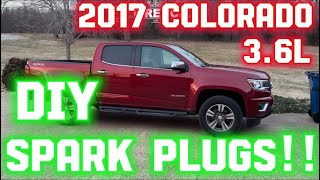
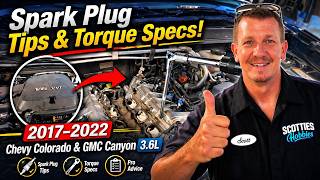
![How To Replace Spark Plugs | 2015-2016 Chevrolet Colorado V6 3.6L | Part Numbers Included [DY]](https://img.youtube.com/vi/lJU4bikt3Zc/mqdefault.jpg)
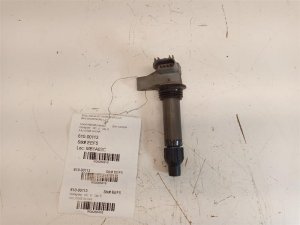
Used OEM Parts in Stock
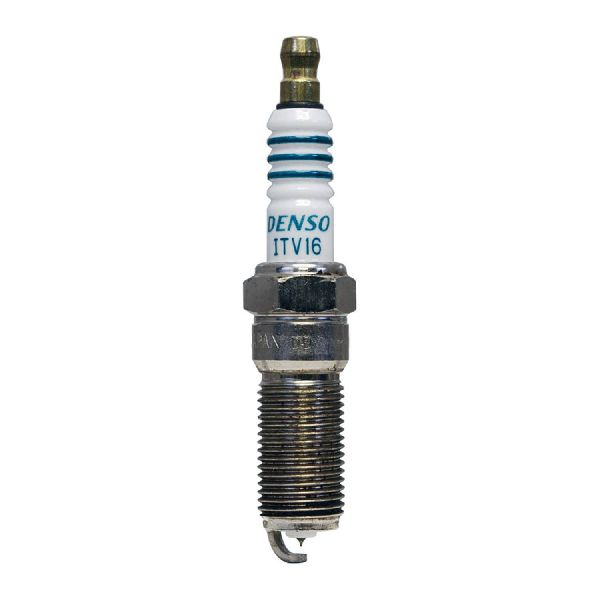
New Aftermarket Parts Available


The information in this article is provided for general reference and educational purposes only. Vehicle specifications, procedures, and part compatibility can vary by production date, trim level, and region. Always consult your vehicle's factory service manual and verify part numbers before purchasing or performing repairs. Safety-critical components such as airbags, seat belts, and braking systems should be installed by a qualified professional.
- Chevrolet Colorado:
- 🧭 Diagnostic Flowchart
- 🎬 Helpful Videos
- 🛍️ Shop This Part
- What's Unique About the 2015-2022 Chevrolet Colorado
- Symptoms You May Notice
- Most Likely Causes
- Rare But Worth Checking
- Diagnosis Steps
- Parts You'll Likely Need
- Related Codes That Often Appear With This One
- Technical Service Bulletins (TSBs) & Recalls
- Platform-Specific Known Issues
- Mechanic-Grade Diagnostic Values
- Hidden / Shadow Codes Worth Checking
- Scan Tool Commands That Help
- Wiring & Ground Locations
- Real Owner Repair Stories
- "I Checked Everything" — The Actual Cause
- When the Usual Fixes Don't Work
- OEM Part Supersession History
- Model Year Variations Within This Range
- Other Known Issues on This Vehicle
- Used vs. New Parts: Buying Guide for This Vehicle
- Real Owner Stories
- 2018 Chevrolet Colorado 3.6L LGZ
- 2017 Chevrolet Colorado 3.6L LGZ
- 2015-2022 Chevrolet Colorado
- Related OBD-II Codes
- Frequently Asked Questions
- 🎟️ Get 5% Off