

P0302 on 2005-2013 Chevrolet Corvette: Cylinder 2 Misfire Causes and Fixes
P0302 on a C6 Corvette indicates a misfire in cylinder #2. The most common cause is a loose, faulty, or heat-damaged spark plug wire, followed by a worn spark plug or a bad ignition coil. Checking the wire connection is the first and often final step, costing nothing. Many owners on forums report solving the code by simply pushing the wire boot back on until it 'clicks'.
- First, check that the spark plug wire for cylinder #2 is securely clicked on at both the plug and the coil pack; this is a very common and free fix.
- If the wire is secure, use the 'component swap' method: swap the coil, then the plug, then the wire with a neighboring cylinder (like #4) to see if the misfire code follows the part.
- A flashing check engine light indicates a severe misfire; avoid heavy acceleration to prevent expensive damage to the catalytic converter.
- For Z06 (LS7) owners, if simple ignition and fuel checks don't find the problem, be aware of the engine's history with valve train issues like broken valve springs.
What's Unique About the 2005-2013 Chevrolet Corvette
The high-performance LS engines in the C6 Corvette generate significant heat in the engine bay. This heat, combined with engine vibration, makes the spark plug wires a common failure point, as they can become loose or degrade over time. In fact, General Motors issued a technical service bulletin (PIP4819A) advising technicians to check for loose plug wires first when diagnosing misfires. While most causes are simple, owners of the Z06 model with the LS7 engine should be aware of rare but documented valve train issues. Specifically, premature valve guide wear was a known factory defect that could cause misfires and eventual engine failure.
Symptoms You May Notice
- Rough or shaking idle
- Hesitation or stumbling during acceleration
- Flashing Check Engine Light (especially under load)
- Noticeable loss of engine power
- "Service Traction Control" or "Service StabiliTrak" message may appear
- Fuel smell from the exhaust
- Replacing the fuel injector before thoroughly testing the spark plug, wire, and coil. The ignition system components are far more common failure points and are easier to diagnose via swapping.
Most Likely Causes
- Loose or Faulty Spark Plug Wire 🔴 High Probability → Shop Spark Plug Engine heat and vibration can cause the wire boot to loosen from the spark plug or the ignition coil. This is a well-documented issue on Corvette forums and is the subject of GM TSB #PIP4819A. Multiple owners have fixed a P0302 simply by finding the wire had worked itself loose.
How to confirm: Visually inspect the wire for damage. Firmly push on the boot at both the spark plug and the ignition coil to ensure it is securely 'clicked' into place. If the misfire persists, swap the #2 wire with another cylinder's wire (e.g., #4) and see if the code changes to P0304.
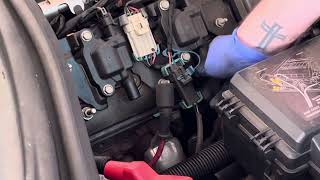
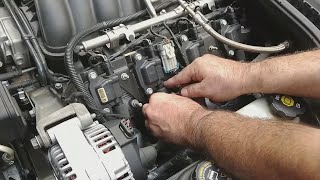
Typical fix: Reseat the spark plug wire. If the wire is damaged or will not stay seated, replace the set of spark plug wires. 🎬 See this walkthrough on changing C6 spark plugs and wires.
Est. part cost: $50-$150 - Worn or Fouled Spark Plug 🟡 Medium Probability → Shop Spark Plug Spark plugs are a standard maintenance item with a 100,000-mile service interval, but high-performance driving can shorten their lifespan. Other issues like a leaking fuel injector can foul the plug, causing a misfire.
How to confirm: After confirming the wire is secure, swap the spark plug from cylinder #2 with the one from cylinder #4. Clear the codes and drive the vehicle. If the code changes to P0304, the spark plug is the culprit.
Typical fix: Replace the faulty spark plug. It is generally recommended to replace all 8 spark plugs at the same time for consistent performance. The correct gap is 0.040".
Est. part cost: $8-$20 per plug - Failed Ignition Coil 🟡 Medium Probability → Shop Ignition Coil While generally reliable, the individual coil packs can fail from heat and age. The ACDelco D510C is the common OEM replacement.
How to confirm: If swapping the wire and plug doesn't move the misfire, swap the ignition coil from cylinder #2 with the one from cylinder #4. Clear codes and drive. If the code moves to P0304, the coil is bad.
Typical fix: Replace the failed ignition coil.
Est. part cost: $40-$90 - Clogged or Failed Fuel Injector ⚪ Low Probability → Shop Fuel Injector
How to confirm: If ignition components are ruled out, the fuel injector is a likely suspect. A mechanic can perform a balance test. A DIY method is to listen to the injector with a mechanic's stethoscope to ensure it's clicking like the others. Swapping injectors between cylinders is also possible but more labor-intensive.
Typical fix: Replace the faulty fuel injector. It is good practice to replace the injector seals at the same time.
Est. part cost: $70-$150
Rare But Worth Checking
- Broken Valve Spring: This is a known, albeit uncommon, issue particularly on early Z06 engines (LS6/LS7), but can occur on LS2/LS3 as well. A CorvetteForum user with a 2002 Z06 traced their P0302 to a broken exhaust valve spring on cylinder #2 after all ignition/fuel swaps failed. Diagnosis requires removing the valve cover for visual inspection, often preceded by a compression test.
- Damaged Coil or Injector Wiring: The plastic connectors and wiring can become brittle from heat cycles and break, causing an intermittent connection. One owner on CorvetteForum with P0302 and P0352 (coil circuit fault) was advised to check the pins and wiring inside the coil connector itself for damage or a backed-out pin. Wiggling the harness for the coil and injector on cylinder #2 while the engine is running may reveal a change in idle, pointing to a wiring fault.
- Intake Manifold Gasket Leak: → Shop Engine Intake Manifold A vacuum leak from a failed intake manifold gasket near the port for cylinder #2 can lean out the air/fuel mixture enough to cause a misfire. This would typically be accompanied by a hissing sound and possibly other lean codes. A smoke test is the most effective way to diagnose this.
Diagnosis Steps
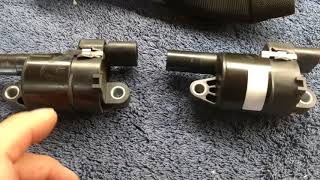
- Read the code with an OBD-II scanner to confirm P0302 is the primary code present. 🎬 Watch: How to troubleshoot a rough idle using an OBD2 scanner. Note any other codes like P0352 or P0202.
- Locate cylinder #2 (front cylinder on the passenger side).
- Check the spark plug wire. With the engine cool, firmly push on the boot at both the spark plug and the ignition coil. A distinct 'click' should be felt. This is the most common fix.
- If the wire was loose, clear the codes and test drive. If the code returns, proceed to the next step.
- Swap the spark plug wire from cylinder #2 with the wire from cylinder #4 (next one back). Clear codes and drive. If the code changes to P0304, the wire is bad.
- If the code remains P0302, swap the ignition coil from cylinder #2 with the coil from cylinder #4. Clear the codes and drive. If the code changes to P0304, the ignition coil is bad.
- If the code remains P0302, swap the spark plug from cylinder #2 with the plug from cylinder #4. Clear the codes and drive. If the code changes to P0304, the spark plug is bad.
- If the misfire still remains on cylinder #2, inspect the wiring harness and connector for both the ignition coil and fuel injector. Look for brittle plastic, loose pins, or chafed wires.
- If ignition and wiring are ruled out, listen to the #2 fuel injector with a mechanic's stethoscope; it should have a regular, audible clicking sound similar to the other injectors.
- If all else fails, the issue may be mechanical. Perform a compression test on cylinder #2 🎬 Watch: Complete DIY guide for diagnosing Corvette engine misfires. to check for issues like a broken valve spring, worn piston rings, or a bad valve.
Parts You'll Likely Need
- Spark Plug Wire Set
(OEM #ACDelco 9748RR)— The spark plug wires are a very common failure point due to heat and vibration, causing them to loosen or fail. Replacing them as a set is recommended.
Trusted brands: ACDelco, MSD, NGK
OEM price range: $70-$120
Aftermarket price range: $50-$150 - Spark Plug
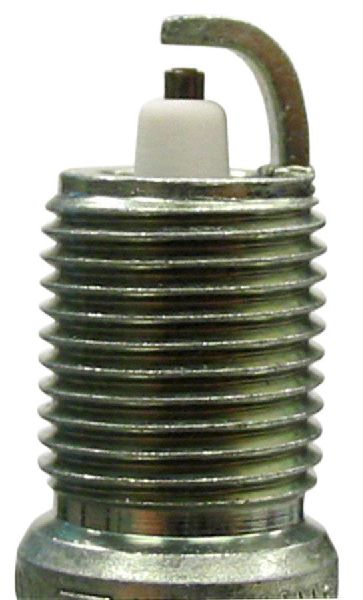
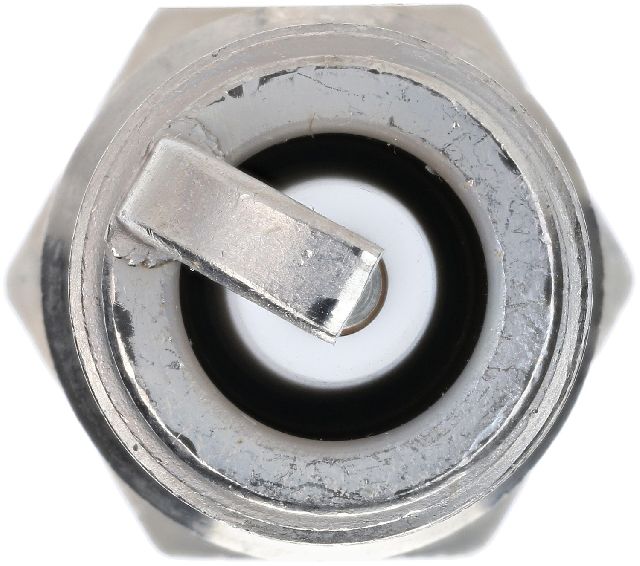
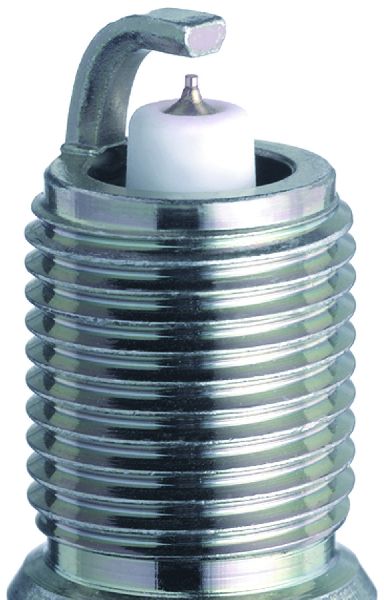
(OEM #ACDelco 41-110 (Iridium))— A worn or fouled spark plug is a primary cause of a single-cylinder misfire. This part number is correct for LS2 and LS3 engines and supersedes the older 41-985. The correct gap is 0.040".
Trusted brands: ACDelco, NGK
OEM price range: $10-$15
Aftermarket price range: $8-$12 - Ignition Coil
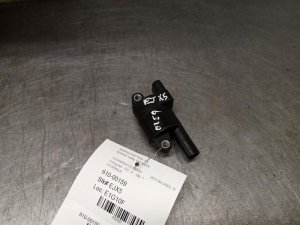
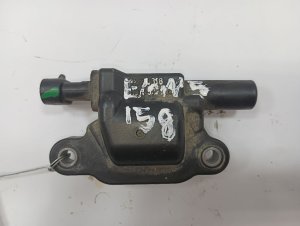
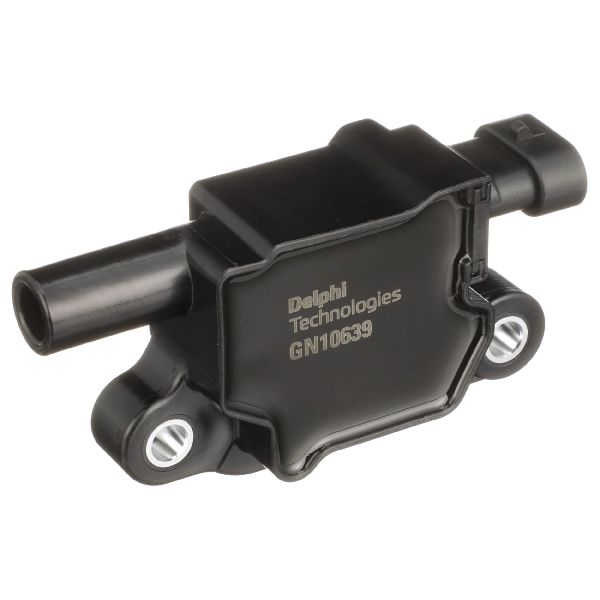
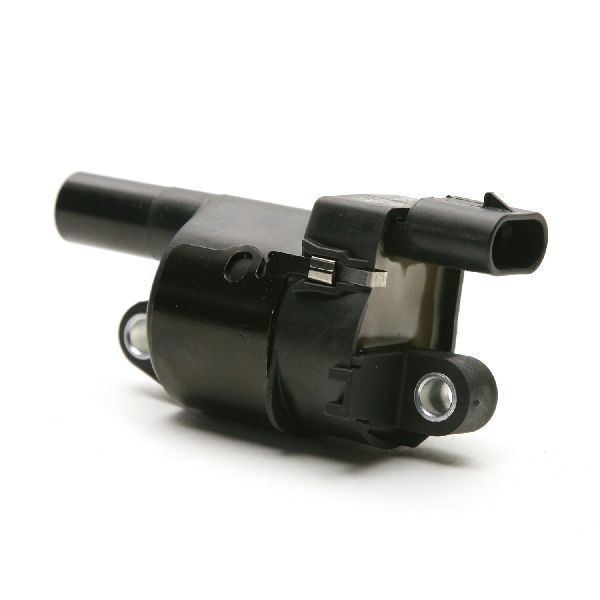
(OEM #ACDelco D510C (also 12611424))— If the spark plug and wire are good, a failed ignition coil is the next most likely cause of a persistent misfire on one cylinder. This is the square-shaped Melco-Mitsubishi style coil.
Trusted brands: ACDelco, Delphi
OEM price range: $60-$90
Aftermarket price range: $40-$70
Related Codes That Often Appear With This One
- P0300 — If the misfire on cylinder 2 is severe or intermittent, it can sometimes confuse the ECM, causing it to log a P0300 (Random/Multiple Cylinder Misfire) code as well.
- P0352 — This code means 'Ignition Coil B Primary/Secondary Circuit Malfunction'. It specifically points to an electrical problem with the ignition coil or its circuit for cylinder #2, and often appears with P0302 if the coil or its wiring/connector is the root cause.
- P0202 — This code means 'Injector Circuit/Open - Cylinder 2'. If this code is present alongside P0302, it strongly suggests the problem is with the fuel injector for cylinder 2 or its electrical circuit, not the ignition system.
Technical Service Bulletins (TSBs) & Recalls
- PIP4819A: Instructs technicians to inspect for loose spark plug wires as a primary step when diagnosing misfire codes (P0300-P0308) on 2010-2013 models. According to TSB Bulletin #PIP4819A, technicians may find DTCs P0300 through P0308 and will need to replace any loose spark plug wires.
- 05-06-01-001A: Addresses a loose crankshaft pulley bolt on early 2005 models that could cause various issues, though not directly a single cylinder misfire, it's a related platform issue.
- 13-06-01-001A: Addresses customer concerns about LS7 valve guide wear and provides dealers with inspection procedures.
Platform-Specific Known Issues
- A GM Technical Service Bulletin (TSB #PIP4819A) was issued for misfire codes on 2010-2013 models, instructing technicians to check for loose spark plug wires as a primary diagnostic step.
- The LS7 engine in the Z06 model has a known history of valve train issues, specifically excessive valve guide wear from a factory machining error. This can cause a P030x code and requires checking valve-to-guide clearance, often called the 'wiggle test'.
Mechanic-Grade Diagnostic Values
- Fuel Pressure at Fuel Rail (Key On, Engine Off) — expected: 55-62 PSI (nominal 58 PSI). Failure: Pressure below 55 PSI can indicate a weak fuel pump or clogged filter. Pressure that bleeds down quickly can indicate a leaking injector.
- Ignition Coil Primary Resistance (ACDelco D510C / LS2/LS3 style) — expected: 0.4 - 0.6 ohms. Failure: A reading outside this range indicates a faulty coil winding.
- Ignition Coil Secondary Resistance (ACDelco D510C / LS2/LS3 style) — expected: 5,000 - 7,200 ohms. Failure: A reading outside this range (e.g., open circuit 'OL' or very high resistance) indicates a faulty coil.
- LS7 Valve Stem-to-Guide Clearance (Intake) — expected: 0.001 - 0.0024 inches. Failure: Measurements exceeding this range, especially approaching or surpassing 0.0037 inches, are considered evidence of excessive wear requiring head service.
Hidden / Shadow Codes Worth Checking
- Mode 6, Test ID $A2-$AD: This is not a shadow code, but rather raw data showing the misfire count for each cylinder during the current and previous 10 driving cycles. For a P0302, Test ID $A3 (Cylinder 2) would show a high count compared to others. (see via An advanced OBD-II scan tool with Mode 6 functionality, or a dealer-level tool like the GM Tech 2 or GDS2.)
Scan Tool Commands That Help
- GM Tech 2 / GDS2: Misfire Graphic — To visually monitor real-time misfire counts per cylinder while driving under various loads. This helps confirm the misfire is isolated to cylinder #2 and isn't random, even if a P0300 is not present.
- GM Tech 2 / GDS2: Cylinder Power Balance Test — This function allows the technician to sequentially disable the fuel injector for each cylinder and observe the corresponding drop in RPM. A smaller RPM drop when cylinder #2 is disabled confirms it was contributing less power than the others.
- GM Tech 2 / GDS2: Crankshaft Position (CKP) System Variation Learn Procedure — After replacing a crankshaft position sensor, PCM, or on high-mileage engines to improve misfire detection accuracy. Inaccurate CKP data can cause the ECM to log false misfires. Performing this relearn procedure recalibrates the sensor's readings to the specific engine's crankshaft reluctor wheel.
Wiring & Ground Locations
- G106 — Passenger side of the engine block, above the starter.. This is a main engine block ground for the PCM. A loose or corroded connection here can cause a variety of erratic engine management issues, including misfires.
- G107 — Behind the driver's side cylinder head.. This is the primary ground point for the ignition coil harnesses. While cylinder #2 is on the passenger side, a poor ground on the overall coil circuit could potentially cause issues. Checking all engine grounds is a key step when electrical issues are suspected.
- Ignition Coil Connector (Cylinder #2) — On the #2 ignition coil, passenger side valve cover, front position.. The 4-pin connector can become brittle from heat. Check for a solid 12V+ supply on the Pink wire (Pin D), a good ground on the Black wire (Pin B), and a clean signal wire (Pin C, typically Light Blue/White) back to the ECM. A backed-out pin or broken wire here will cause a P0302 and likely a P0352.
Real Owner Repair Stories
- CorvetteForum user (2012 LS3 Corvette) — Car started running horribly, multiple dash lights (Service Active Handling, CEL), then died and would not restart.
❌ Tried (didn't work) Initial assumption was a major electrical failure.
✅ What actually fixed it A broken valve spring on one cylinder. The spring had wrapped around itself, preventing the valve from dropping into the cylinder and causing catastrophic damage. The dealer replaced the single broken spring under warranty to resolve the misfire and no-start condition. - CorvetteForum user (2008 LS3 Corvette with 65,000 miles) — Sudden rough running, would not hold an idle, kept stalling. Threw codes related to the MAP sensor.
❌ Tried (didn't work) Replacing the MAP sensor.
✅ What actually fixed it A broken valve spring. A borescope inspection confirmed the valve had not hit the piston. Replacing the single broken spring resolved the issue. - GM-Trucks.com user (similar LS engine architecture) (2015 Silverado 5.3L (Post-lifter repair)) — Hard misfire (P0302) under load between 2250-2700 RPM.
❌ Tried (didn't work) Swapping the coil pack from cylinder #2 to another cylinder., Swapping the spark plug from cylinder #2., Swapping the spark plug wire from cylinder #2.
✅ What actually fixed it The user discovered the fuel injector seal between the injector and the cylinder head was missing on the entire bank where a previous lifter repair had been performed. The suspected cause was a vacuum leak at the base of the injector, leaning out cylinder #2 and causing the misfire. Replacing the injectors with new seals was the fix.
OEM Part Supersession History
ACDelco 41-985 (Platinum)→ACDelco 41-110 (Iridium)— Change in electrode material from Platinum to Iridium for improved longevity and performance. The 41-110 became the standard service replacement.
Heads up: Both plugs are compatible and meet OEM specifications, but the 41-110 is the modern, preferred equivalent for LS2/LS3 engines.ACDelco 41-110→ACDelco 41-162— Design change, reportedly making the plug slightly shorter. This supersession is more relevant to truck engines but the parts may be cross-listed.
Heads up: While listed as a supersession in some catalogs, for the C6 Corvette, the 41-110 remains the most commonly cited and verified correct Iridium plug. Using the 41-162 may be possible but is not the standard recommendation for this specific application.
Model Year Variations Within This Range
- 2005 (LS2): The 2005 model year LS2 engine uses a 24x crankshaft reluctor wheel and a corresponding E40 ECM. This system is known to be slightly less precise in misfire detection compared to the later systems.
- 2006-2013 (LS2/LS3/LS7): These engines use a 58x crankshaft reluctor wheel with an E38 or E67 ECM. This provides higher resolution data to the ECM, allowing for more accurate and faster misfire detection. While the P0302 code's meaning is the same, the diagnostic sensitivity is improved.
Diagnostic Flowchart
Other Known Issues on This Vehicle
Issues unrelated to this code that are worth knowing about as an owner of this generation:
- Harmonic Balancer Wobble/Failure 🔴 High — A very common issue across all C6 model years. The rubber elastomer bonding the inner and outer rings fails, causing a wobble and chirping noise. If left unaddressed, it can damage the timing cover or steering rack. (Ref: TSB #05-06-01-001A (for early 2005 models with a loose bolt), but delamination failure affects all years.)
- LS7 Valve Guide Wear (Z06/427 Models) 🔴 High — A significant and well-documented issue affecting the 7.0L LS7 engine. A factory machining error led to non-concentric valve guides, causing premature wear. This can lead to excessive oil consumption, noise, and potentially catastrophic engine failure if a valve drops. GM acknowledged the issue was contained by Feb 2011. (Ref: TSB #13-06-01-001A acknowledges customer concerns and provides diagnostic guidance.)
- Fuel Level Sender/Fuel Pump Failure 🟠 Medium → Shop Fuel Pump — Commonly reported, especially on later models. The fuel level sensors in the dual tanks can fail, causing an inaccurate fuel gauge. In some cases, the fuel pump housing can crack, leading to a strong fuel smell. Repair requires dropping the fuel tanks. (Ref: GM TSB #15682 was issued for some fuel pump issues.)
- Adhesive Failure of Targa Roof Panel 🔴 High — Primarily affects 2005-2007 models. The adhesive bonding the roof panel to its frame can fail, causing the roof to separate from the car while driving. (Ref: NHTSA Recalls were issued in 2006 and again in 2009 to replace the roof panel with a redesigned part.)
- Service Active Handling System Message 🟠 Medium — Common on 2005-2008 models. The connector for the steering wheel position sensor can become loose, causing the car to incorrectly apply braking to one wheel, creating a dangerous situation. (Ref: TSB #06-02-35-002B provides a fix, which involves securing the connector.)
Used vs. New Parts: Buying Guide for This Vehicle
When a used part is the smart pick: For this repair, buying used parts is generally not recommended for the most common failure items. However, a used ignition coil bracket or a fuel injector connector pigtail from a salvage yard can be a cost-effective solution if the original is physically broken.
Donor-vehicle mileage cap: roughly under 50000 miles for the part to have meaningful remaining life.
What to inspect on the donor part:
- For electrical connectors: Inspect for brittle plastic, cracks, or corrosion on the pins. Ensure the locking tab is intact.
- For mechanical brackets: Check for cracks, especially around bolt holes, and ensure it is not bent or warped.
OEM-only on this vehicle (don't cheap out):
- Spark Plugs (Always buy new)
- Spark Plug Wires (Always buy new)
Aftermarket brands forum-validated for this vehicle:
- Spark Plugs: NGK (TR55IX Iridium is a popular alternative to ACDelco)
- Spark Plug Wires: MSD, NGK, Taylor
- Ignition Coils: Delphi (often the OEM manufacturer for ACDelco), Granatelli
Brands owners have reported issues with on this vehicle:
- Unnamed, no-brand ignition coils and spark plug wires from online marketplaces. These often have high failure rates and may not meet the heat and performance demands of a Corvette engine.
Real Owner Stories
Aggregated from forums and TSBs cited above. Mileages and costs reflect what owners reported in those sources.
2010-2013 Chevrolet Corvette
Symptoms: Misfire codes (P0300-P0308) present; technicians instructed to check for loose connections.
What fixed it: Inspecting and re-seating loose spark plug wires as per the primary diagnostic step in the technical bulletin. TSB Bulletin #PIP4819A notes that technicians will need to replace any loose spark plug wires found during inspection.
Source hint: TSB PIP4819A
C6 Chevrolet Corvette
Symptoms: P0302 code accompanied by a 'Service Traction Control' light.
What fixed it: Finding and re-seating a loose spark plug wire on cylinder #2.
Source hint: CorvetteForum.com thread 'OBD Code P0302'
2002 Z06 (LS6/LS-series)
Symptoms: Cylinder 2 misfire; owner swapped plugs, wires, coils, and injectors with no success.
What fixed it: Pulled the valve cover and replaced a broken exhaust valve spring on cylinder #2.
Source hint: CorvetteForum.com thread 'Cylinder 2 misfire, P0302'
C6 Chevrolet Corvette
Symptoms: P0302 and P0352 codes; replaced plug, wire, and coil but still had no spark.
What fixed it: Inspected the wiring harness connector for backed-out pins or damage to the signal wire from the ECM.
Source hint: CorvetteForum.com thread 'any help would be appreciated!!!!'
Related OBD-II Codes
Frequently Asked Questions
I have a 2012 Corvette with a P0302 code; is there a specific bulletin I should tell my mechanic about?
Why is my 'Service Traction Control' or 'Service StabiliTrak' message appearing alongside a cylinder 2 misfire?
I own a Z06 with the LS7 engine; could this P0302 code be related to the known valve issues?
What is the correct spark plug gap for my LS2/LS3 engine to prevent misfires?
Could a problem with my harmonic balancer cause a misfire code on my 2005 Corvette?
Which replacement ignition coil is recommended for the Corvette V8?
Helpful Videos
Used OEM Parts in Stock
New Aftermarket Parts Available

The information in this article is provided for general reference and educational purposes only. Vehicle specifications, procedures, and part compatibility can vary by production date, trim level, and region. Always consult your vehicle's factory service manual and verify part numbers before purchasing or performing repairs. Safety-critical components such as airbags, seat belts, and braking systems should be installed by a qualified professional.
- Chevrolet Corvette:
- 🧭 Diagnostic Flowchart
- 🎬 Helpful Videos
- 🛍️ Shop This Part
- What's Unique About the 2005-2013 Chevrolet Corvette
- Symptoms You May Notice
- Most Likely Causes
- Rare But Worth Checking
- Diagnosis Steps
- Parts You'll Likely Need
- Related Codes That Often Appear With This One
- Technical Service Bulletins (TSBs) & Recalls
- Platform-Specific Known Issues
- Mechanic-Grade Diagnostic Values
- Hidden / Shadow Codes Worth Checking
- Scan Tool Commands That Help
- Wiring & Ground Locations
- Real Owner Repair Stories
- OEM Part Supersession History
- Model Year Variations Within This Range
- Other Known Issues on This Vehicle
- Used vs. New Parts: Buying Guide for This Vehicle
- Real Owner Stories
- 2010-2013 Chevrolet Corvette
- C6 Chevrolet Corvette
- 2002 Z06 (LS6/LS-series)
- C6 Chevrolet Corvette
- Related OBD-II Codes
- Frequently Asked Questions
- 🎟️ Get 5% Off