

P0302 on 2014-2018 Chevrolet Silverado 1500 4.3L V6: Cylinder 2 Misfire Causes and Fixes
P0302 means your Silverado's cylinder 2 is misfiring. This is most often caused by a bad spark plug, ignition coil, or spark plug wire. Start by swapping the ignition coil from cylinder 2 to another cylinder (like #4) to see if the code follows. A new coil is about $35-$90. Less common but possible causes on this direct-injected engine include a faulty fuel injector or carbon buildup on the intake valves.
- P0302 is a misfire on cylinder 2, the front-most cylinder on the passenger side.
- The most common and easiest-to-diagnose cause is a faulty ignition coil. Swap the coil with another cylinder to confirm before buying a new part.
- If the coil isn't the problem, inspect the spark plug and wire for cylinder 2.
- If ignition parts are good, the issue could be a faulty fuel injector, which is more common on this direct-injection engine.
- Do not drive for extended periods with a flashing check engine light, as you risk destroying your catalytic converter.
What's Unique About the 2014-2018 Chevrolet Silverado 1500
The LV3 4.3L V6 in the 2014-2018 Silverado is part of GM's EcoTec3 engine family and is essentially a Gen-V LT-based V8 with two cylinders removed. This 90-degree V6 design requires a balance shaft to run smoothly. While it has Active Fuel Management (AFM) like its V8 counterparts, lifter-related misfires are noted less frequently than on the 5.3L V8. As a direct-injection engine, fuel is sprayed directly into the cylinder, not onto the back of the intake valves. This makes issues like leaking fuel injector seals or carbon buildup on the intake valves (which can restrict airflow) more common causes for misfires compared to older port-injected engines. Some TSBs also point to potential wiring harness chafing issues on this platform, which can cause a variety of codes, including those for misfires.
Symptoms You May Notice
- Rough or shaky idle
- Hesitation or stumbling during acceleration
- Reduced engine power
- Flashing or solid Check Engine Light
- Poor fuel economy
- Engine vibration
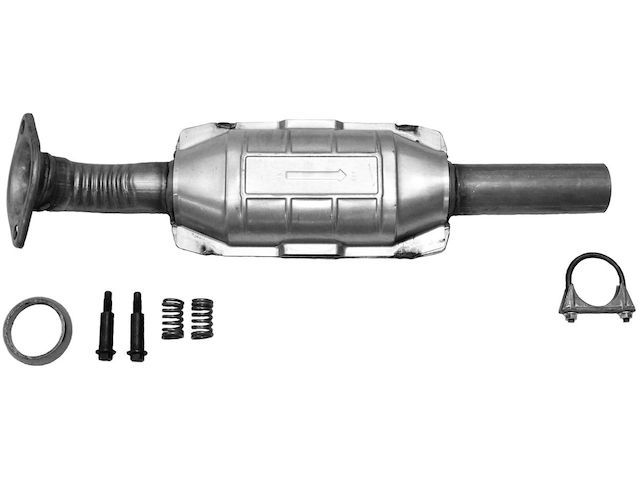
- Replacing the catalytic converter. A misfire will cause a catalytic converter to fail over time and may trigger other codes like P0420 or P0430, but the converter is the victim, not the cause of the misfire. The misfire must be fixed first.
Most Likely Causes
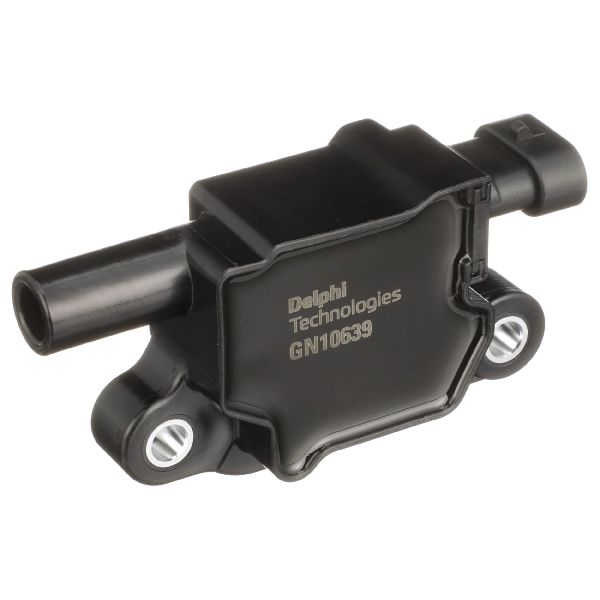
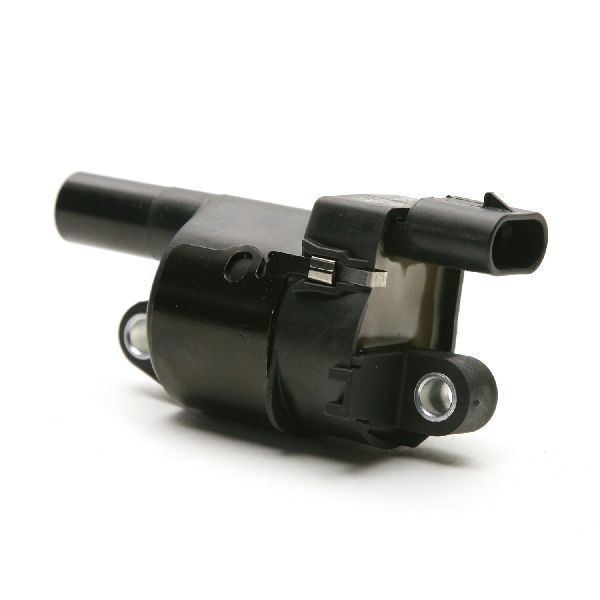
- Faulty Ignition Coil 🔴 High Probability → Shop Ignition Coil
How to confirm: Swap the ignition coil from cylinder 2 with another cylinder (e.g., cylinder 4). Clear the codes and drive the truck. If the code changes to P0304, the coil is bad.
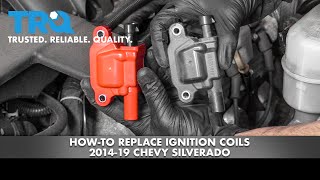
Typical fix: Replace the faulty ignition coil. It's a simple, single-bolt replacement. 🎬 See this walkthrough on how to replace your ignition coils.
Est. part cost: $35-$90 - Worn or Fouled Spark Plug 🔴 High Probability → Shop Spark Plug
How to confirm: Remove the spark plug from cylinder 2. Inspect it for excessive wear, carbon buildup, oil, or damage to the electrode or insulator. A heavily fouled plug indicates a problem.
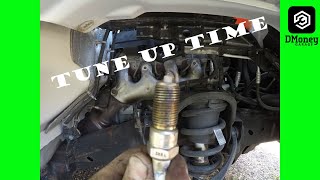
Typical fix: Replace the spark plug. It is recommended to replace all six spark plugs at the same time for consistent performance. 🎬 Watch: Step-by-step guide to replacing spark plugs on this truck.
Est. part cost: $8-$20 per plug - Bad Spark Plug Wire 🟡 Medium Probability → Shop Spark Plug
How to confirm: Inspect the wire for cylinder 2 for any visible damage, cracks, or corrosion at the connection points. You can also test its resistance with a multimeter; it should be within the manufacturer's specified range (typically a few thousand ohms per foot). Manufacturer service bulletin TSB Bulletin #PIP4819A notes that technicians may find P0302 and should specifically inspect for loose spark plug wires that require replacement.
Typical fix: Replace the spark plug wire. It is best practice to replace the entire set of wires.
Est. part cost: $40-$80 for a set - Faulty Fuel Injector 🟡 Medium Probability → Shop Fuel Injector As a direct-injection engine, these injectors can be prone to clogging or failure. Leaking injector seals are also a known issue that can cause compression loss and misfires.
How to confirm: This is more complex. A professional can perform a fuel injector balance test. A DIY method is to listen to the injector with a mechanic's stethoscope to ensure it's clicking. Swapping injectors is possible but labor-intensive.
Typical fix: Replace the faulty fuel injector and its seals. This is a more involved job due to the direct injection system.
Est. part cost: $50-$150
Rare But Worth Checking
- Internal Engine Mechanical Issues: Although less common than ignition or fuel problems, internal issues like a worn camshaft lobe, a sticking valve, a broken valve spring, or a failed AFM lifter can cause a persistent single-cylinder misfire. A compression test and cylinder leak-down test are necessary to diagnose these problems.
- Wiring Harness Chafing: GM has issued TSB 21-NA-149 for this vehicle platform regarding engine wiring harnesses chafing against engine or chassis components, particularly near the ECM bracket or left front upper control arm. This can cause a short in various circuits, including the ignition coil or fuel injector for cylinder 2, leading to a misfire.
- Bad Ground Connections: Poor engine or chassis ground connections can cause a host of electrical issues, including weak spark and intermittent misfires. Check the main ground straps from the engine block to the frame and from the battery to the chassis. Ensure they are clean, tight, and free of corrosion.
Diagnosis Steps
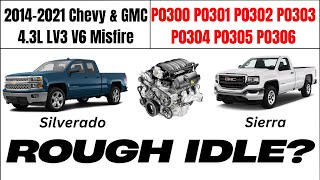
🎬 Watch: A complete misfire diagnosis guide for the LV3 V6.- Read the Code: Use an OBD-II scanner to confirm the P0302 code and check for any other pending or active codes.
- Check Freeze Frame Data: Note the engine conditions (RPM, load, temperature) when the misfire occurred. This can provide clues if the misfire happens under specific conditions (e.g., only when cold or under heavy load).
- Ignition System 'Swap' Test: The easiest and most definitive first step. Swap the ignition coil from cylinder 2 (front passenger side) with the coil from cylinder 4 (middle passenger side). Clear the codes and drive the vehicle. If the code returns as P0304, you have confirmed the ignition coil is faulty.
- Inspect Spark Plug and Wire: If the misfire does not move with the coil, remove the spark plug and wire from cylinder 2. Inspect the plug for wear, fouling, or damage. Inspect the wire for cracks or corrosion.
- Check Fuel System: If the ignition system components are good, the next likely culprit is the fuel injector. Listen for a steady clicking sound from the injector with a stethoscope. Diagnosing a faulty direct injector often requires professional tools like a balance tester.
- Check for Mechanical Issues: If ignition and fuel seem okay, perform a compression test on cylinder 2. A healthy LV3 engine should have compression readings around 180-185 PSI. Low compression would indicate a mechanical problem like a bad valve, piston ring, or head gasket issue.
- Inspect Wiring: Visually inspect the wiring harness leading to the coil and injector for cylinder 2. Look for any signs of chafing, melting, or damage, paying close attention to areas mentioned in TSB 21-NA-149, such as near the ECM bracket and control arms.
Parts You'll Likely Need
- Ignition Coil
(OEM #12699383 (supersedes 12611424, D510C))— This is a very common failure point and is easy to diagnose by swapping its position with another coil.
Trusted brands: ACDelco, NGK, Delphi
OEM price range: $70-$90
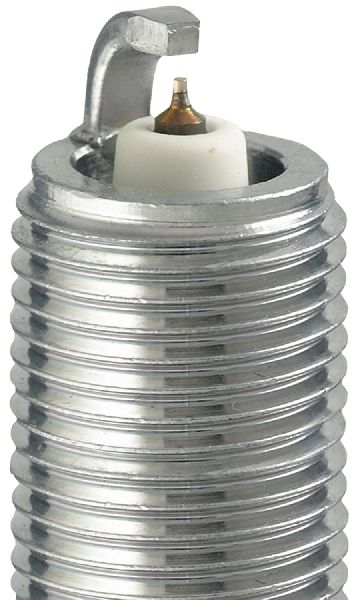
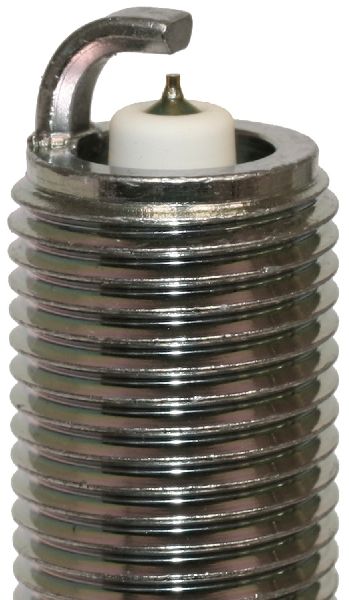
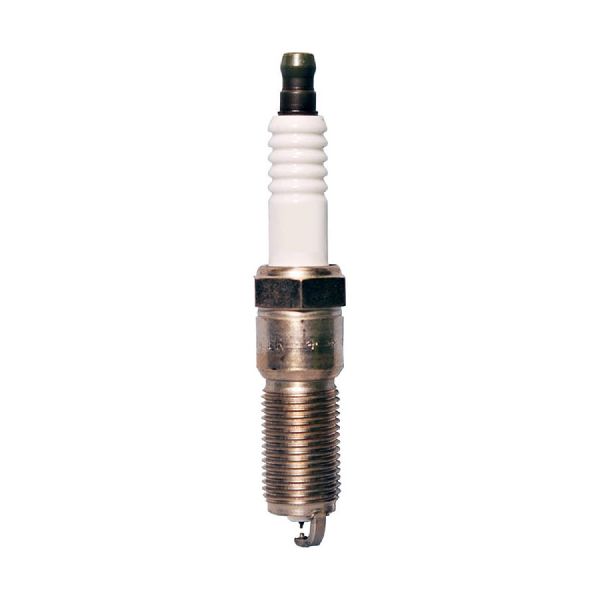
Aftermarket price range: $35-$60 - Iridium Spark Plug
(OEM #41-168)— Spark plugs are a routine maintenance item and a common cause of misfires as they wear out or become fouled.
Trusted brands: ACDelco, NGK
OEM price range: $15-$25
Aftermarket price range: $8-$15 - Spark Plug Wire Set
(OEM #12705462)— The wire connecting the coil to the spark plug can degrade over time, causing a weak spark.
Trusted brands: ACDelco, NGK
OEM price range: $60-$90
Aftermarket price range: $40-$70 - Fuel Injector
(OEM #12668390)— A clogged or failing direct injector can cause a misfire. This is less common than ignition parts but a significant possibility on this engine.
Trusted brands: ACDelco, Standard Motor Products
OEM price range: $100-$150
Aftermarket price range: $50-$90
Related Codes That Often Appear With This One
- P0300 — If the misfire is severe or intermittent, it may initially be logged as a random misfire (P0300) before the ECM isolates it to cylinder 2.
- P0304, P0306 — If multiple cylinders on the same bank (passenger side) are misfiring, it could point to a shared issue like a clogged catalytic converter or a vacuum leak affecting that bank.
- P0202 — This code indicates a malfunction in the fuel injector circuit for cylinder 2, directly pointing to the injector or its wiring as the cause of the P0302 misfire.
- P219B — This code indicates an air-fuel ratio imbalance on Bank 2 (the passenger side). A misfire on cylinder 2 can cause this code to appear as the oxygen sensor detects unburnt oxygen.
Technical Service Bulletins (TSBs) & Recalls
- 21-NA-149: Information on Engine Harness Contacting Engine or Transmission Components, Resulting in a Chaffed Harness and/or DTCs. This TSB details multiple locations where the engine harness can rub through, causing shorts. For the 4.3L LV3, a specific chafe point is identified where the harness can contact the fuel rail.
- 19-NA-219: Information on Engine Misfire, Chirp, Squeak, Squeal or Tick. NOTE: This TSB explicitly applies to V8 engines. It details diagnosing mechanical causes for misfires like worn cam lobes, sticking valves, and collapsed AFM lifters. While the LV3 V6 can have similar issues, this specific bulletin is not the primary reference for it.
- TSB Bulletin #23-NA-043: Provides guides to correct customer concerns of poor engine performance and engine misfires where DTC P0302 is set.
- TSB Bulletin #PIP4819A: Notes that for vehicles with a service engine soon lamp and misfires, technicians may find DTC P0302 and should replace any loose spark plug wires.
Mechanic-Grade Diagnostic Values
- Low-Pressure Fuel System — expected: 40 to 90 PSI, averaging 46-55 PSI.. Failure: Pressure below 40 PSI can indicate a weak in-tank fuel pump.
- High-Pressure Fuel System (at idle) — expected: 276-725 PSI (1.9-5.0 MPa).. Failure: Pressure significantly outside this range points to an issue with the high-pressure fuel pump or its sensor.
- High-Pressure Fuel System (under load) — expected: Can reach up to 2200 PSI.. Failure: Failure to build high pressure under load suggests a failing high-pressure fuel pump.
- Injector Pulse Width (at idle) — expected: Typically between 0.8ms and 3.5ms, depending on engine temperature and load.. Failure: An unusually high or low pulse width for a single injector can indicate a problem with that injector or its driver circuit.
- Engine Compression — expected: Approximately 180-185 PSI per cylinder.. Failure: A reading significantly lower than others (e.g., >15-20% variance) on cylinder 2 indicates a mechanical sealing issue (rings, valves, head gasket).
Hidden / Shadow Codes Worth Checking
- Mode $06, Test ID $C2: This is not a DTC but a specific monitor within the generic OBD-II system that tracks raw misfire counts for Cylinder 2. It can show misfires happening before they are frequent enough to set the P0302 code. (see via An advanced OBD-II scanner that supports Mode $06 data. The value for Test ID $C2 represents the misfire count for cylinder 2.)
Scan Tool Commands That Help
- GDS2 / Professional Aftermarket Scanners (Autel, Launch, Snap-on): Cylinder Power Balance Test — This is a crucial test when a P0302 is present but swapping ignition components doesn't isolate the fault. The tool disables one cylinder at a time (either spark or fuel) and measures the RPM drop. If disabling cylinder 2 results in little or no RPM drop compared to other cylinders, it confirms that cylinder 2 was not contributing power, pointing towards a fuel, spark, or mechanical issue on that specific cylinder.
- GDS2 / Professional Aftermarket Scanners (Xtool, Autel, Launch): Fuel Injector Balance Test — Used to diagnose a suspected faulty fuel injector on these direct injection engines. The scan tool commands each injector to fire for a specific duration while monitoring the drop in fuel rail pressure. If the pressure drop for cylinder 2 is significantly different (GM specifies a 20% variance) from the average of the other cylinders, the injector is likely clogged or faulty.
Wiring & Ground Locations
- G103 / G104 — On the front of the cylinder heads, one on each side. These are primary grounds for the engine sensor data and ignition system.. A loose or corroded ground on the passenger side cylinder head (Bank 2) can cause erratic behavior and weak spark for cylinders 2, 4, and 6, leading to intermittent misfires.
- G110 — On the left side of the engine block, below the cylinder head.. This is a main engine block ground. A poor connection here can cause a wide range of electrical issues, including misfires.
- ECM/Injector Harness — The harness runs across the top of the engine and down to the injectors and coils. Pay close attention to where it may rub against the intake manifold, fuel lines, or brackets near the firewall.. Chafing can cause a short-to-ground or an open in the control wire for the cylinder 2 ignition coil or fuel injector, directly causing a P0302.
Real Owner Repair Stories
- YouTube channel 'Tahoelife' (2014 GMC Sierra 4.3L V6 with 220,000 miles) — Rough idle, misfire codes (initially P0301, but the cause is relevant to all cylinders).
❌ Tried (didn't work) Swapping ignition coils, Cleaning spark plugs, Compression test (which passed with 185 PSI)
✅ What actually fixed it The balance shaft chain tensioner had broken, causing the balance shaft chain to have excessive slack. This likely created enough timing variance or vibration to be interpreted by the crankshaft position sensor as a misfire at idle. The fix was to replace the tensioner and chain. - Reddit user in r/Silverado (2017 Silverado with just under 70,000 miles) — Running rough, flashing check engine light on acceleration, P0302 code.
❌ Tried (didn't work) The user took it to a shop immediately rather than attempting DIY repairs.
✅ What actually fixed it The final diagnosis from the shop was a bad fuel injector on cylinder 2. The repair involved replacing the single injector.
OEM Part Supersession History
12611424→12699383— Updated design for improved reliability and performance.
Heads up: The parts are interchangeable, but it is recommended to use the latest part number (12699383) for any replacement.
Diagnostic Flowchart
Other Known Issues on This Vehicle
Issues unrelated to this code that are worth knowing about as an owner of this generation:
- A/C Condenser Failure 🔴 High — Very common. Often fails between 40k-80k miles. A class-action lawsuit was filed regarding this issue. (Ref: Special Coverage Adjustment 17336 was issued for SUVs on the same platform (Tahoe, Yukon) but not for the Silverado/Sierra trucks, causing owner frustration.)
- Transmission Torque Converter Shudder ('Chevy Shake') 🟠 Medium — Widespread issue on models with the 6L80 and especially the 8L90 8-speed automatic transmissions, typically appearing between 30-70 mph. (Ref: TSB 18-NA-355 recommends a specific transmission fluid flush with Mobil 1 Synthetic LV ATF HP fluid. If this doesn't work, torque converter replacement is the next step.)
- Active Fuel Management (AFM) Lifter Failure 🔴 High → Shop Engine Valve Lifter — While more notorious on the V8 engines, the LV3 V6 also has AFM and is susceptible to lifter failure, which can cause misfires and require significant engine repair.
- Intake Valve Carbon Buildup 🟠 Medium — A common long-term consequence of all direct-injection engines. Can cause misfires, rough idle, and performance loss, typically after 80k-100k miles. (Ref: GM has bulletins for decarbonizing procedures (walnut blasting).)
- Thermostat Failure 🟡 Low — A reasonably common failure item, causing the engine to run too hot or too cold. Several owners on forums report replacing it around 80k-170k miles.
Used vs. New Parts: Buying Guide for This Vehicle
When a used part is the smart pick: For this repair, a used ignition coil is a reasonable choice. They are robust, easy to access at a junkyard, and simple to test (by swapping). Given the high cost of a new OEM coil, a used one from a lower-mileage donor vehicle can be a cost-effective diagnostic step or repair.
Donor-vehicle mileage cap: roughly under 80000 miles for the part to have meaningful remaining life.
What to inspect on the donor part:
- Check the plastic housing for cracks or signs of melting.
- Inspect the electrical connector for corrosion or broken tabs.
- Look at the boot for tears or carbon tracking (black lines).
- Ask for the donor vehicle's mileage if possible.
OEM-only on this vehicle (don't cheap out):
- Fuel Injector: Due to the high pressures of the direct injection system and the precise calibration required, aftermarket injectors for the LV3 have a mixed reputation. Using a new OEM (ACDelco) injector is strongly recommended to avoid persistent issues, flow imbalances, or leaks.
Aftermarket brands forum-validated for this vehicle:
- Ignition Coils: NGK, Delphi, and Standard Motor Products (SMP) are generally considered reliable alternatives to OEM.
- Spark Plugs: ACDelco (OEM) and NGK Iridium plugs are the recommended choices for this engine.
Brands owners have reported issues with on this vehicle:
- Avoid unbranded, 'no-name' ignition coils and fuel injectors from online marketplaces. These often have high failure rates and may not meet the performance specifications of the direct injection system, leading to recurring misfires.
Real Owner Stories
Aggregated from forums and TSBs cited above. Mileages and costs reflect what owners reported in those sources.
2014 Chevrolet Silverado 4.3L V6
Symptoms: Misfire occurring only at idle and when the engine is cold.
What fixed it: The owner traced the issue to a faulty fuel injector after swapping ignition components did not resolve the P0302 code.
Source hint: Reddit r/Silverado thread '2014 sierra 43l v6 misfire only at idle and when...'
2008 GMC Sierra (Previous Generation)
Symptoms: Rough idle and a P0302 code; a newly installed spark plug was found to be carbon fouled almost immediately.
What fixed it: The carbon fouling pointed away from the plug itself toward a rich condition such as a leaky injector or vacuum leak.
Source hint: GM-Trucks.com thread 'p0302-misfire-idles-rough-new-plug-already-carbon-fouled-08-gmc-sier'
Chevrolet Silverado 5.3L (Shared Ignition System)
Symptoms: P0302 misfire code.
What fixed it: Swapped the ignition coil to another cylinder and the code followed the bad coil (becoming a P0304), confirming a faulty ignition coil.
Source hint: GM-Trucks.com forum discussion on ignition system diagnostics
Documented NHTSA Reports
Empirical Owner Complaint
Symptoms: An owner reported experiencing engine tick, rough idle, and misfire symptoms, with the engine trouble light illuminating for codes P0300 and P0302.
Details: The report also noted the vehicle was burning oil during these symptoms.
Source hint: NHTSA ODI #10817627
Related OBD-II Codes
Frequently Asked Questions
Does TSB 19-NA-219 regarding engine misfires and ticking apply to my 4.3L V6 Silverado?
Is there a specific wiring issue I should check for on my 2014-2018 Silverado 4.3L?
What are the compression specifications for the LV3 engine if I suspect a mechanical misfire?
Can the 'Chevy Shake' transmission issue cause a P0302 code?
Are the fuel injectors on the 4.3L LV3 prone to specific failures?
Helpful Videos
We Have This Part in Stock

The information in this article is provided for general reference and educational purposes only. Vehicle specifications, procedures, and part compatibility can vary by production date, trim level, and region. Always consult your vehicle's factory service manual and verify part numbers before purchasing or performing repairs. Safety-critical components such as airbags, seat belts, and braking systems should be installed by a qualified professional.
- Chevrolet Silverado 1500:
- 🧭 Diagnostic Flowchart
- 🎬 Helpful Videos
- 🛍️ Shop This Part
- What's Unique About the 2014-2018 Chevrolet Silverado 1500
- Symptoms You May Notice
- Most Likely Causes
- Rare But Worth Checking
- Diagnosis Steps
- Parts You'll Likely Need
- Related Codes That Often Appear With This One
- Technical Service Bulletins (TSBs) & Recalls
- Mechanic-Grade Diagnostic Values
- Hidden / Shadow Codes Worth Checking
- Scan Tool Commands That Help
- Wiring & Ground Locations
- Real Owner Repair Stories
- OEM Part Supersession History
- Other Known Issues on This Vehicle
- Used vs. New Parts: Buying Guide for This Vehicle
- Real Owner Stories
- 2014 Chevrolet Silverado 4.3L V6
- 2008 GMC Sierra (Previous Generation)
- Chevrolet Silverado 5.3L (Shared Ignition System)
- Documented NHTSA Reports
- Empirical Owner Complaint
- Related OBD-II Codes
- Frequently Asked Questions
- 🎟️ Get 5% Off