

P0302 on 2011-2013 Dodge Challenger 3.6L: Cylinder 2 Misfire Causes and Fixes
P0302 on a 2011-2013 Challenger 3.6L is very often a symptom of a failed left cylinder head, a known factory defect. Before assuming this expensive repair, first swap the cylinder 2 ignition coil and spark plug to rule out simpler causes. If the misfire persists, a professional diagnosis involving a cylinder leak-down test is necessary to confirm the head failure.
- On a 2011-2013 Challenger 3.6L, P0302 has a very high chance of being caused by a known cylinder head defect, not just a simple spark plug or coil.
- Always perform the easy diagnostic swaps first: move the cylinder 2 ignition coil, then the spark plug, to another cylinder to see if the misfire follows.
- If the misfire does not move, a cylinder leak-down test is the essential next step before ordering expensive parts.
- Do not continue driving if the check engine light is flashing, as this can quickly lead to expensive catalytic converter damage.
What's Unique About the 2011-2013 Dodge Challenger
For the 2011-2013 Challenger with the 3.6L V6, P0302 is an infamous code. It is a primary symptom of a widespread manufacturing defect in the left cylinder head that caused premature valve guide and seat wear, particularly in engines built on or before July 25, 2012. This issue was so common that Chrysler issued a special 10-year/150,000-mile warranty extension (code X56) to cover the repair. While a bad coil or plug is possible, the probability of this specific mechanical failure is exceptionally high on these early Pentastar engines, often appearing with codes P0304 and P0306 as well.
Symptoms You May Notice
- Rough or shaking idle.
- Hesitation or stumbling during acceleration.
- Noticeable loss of engine power.
- Flashing or solid Check Engine Light.
- Poor fuel economy.
- A ticking or tapping noise from the driver's side of the engine, which could indicate either the cylinder head issue or a separate rocker arm/lifter failure.
- Replacing only the spark plugs and ignition coils without performing a leak-down test, leading to the misfire returning because the root cause was the cylinder head.
- Replacing fuel injectors before confirming the ignition system and engine mechanical health are good.
- Mistaking a rocker arm/lifter failure for the cylinder head defect. A ticking noise can be a symptom of either, requiring inspection under the valve cover or advanced diagnostics to differentiate.
Most Likely Causes
- Left Cylinder Head Failure 🔴 High Probability → Shop Engine Cylinder Head A known manufacturing defect in 3.6L engines built on or before July 25, 2012, caused excessive wear on the valve guides and seats of the left cylinder head (cylinders 2, 4, 6), leading to a loss of compression and overheating of the valves.
How to confirm: After ruling out ignition and fuel issues, a cylinder leak-down test is the definitive diagnostic step. A leakage of 25% or more confirms the failure, as specified in Chrysler's Technical Service Bulletin (TSB) 09-002-14 Rev. B. The updated head can be identified by a casting date stamp of '2062' (206th day of 2012) or higher.
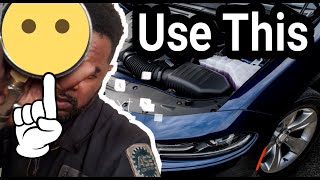
Typical fix: Replace the left cylinder head with the updated part (OEM Part # RL141353AC). 🎬 See how to get a free cylinder head warranty replacement. This is a major repair that involves removing the upper intake manifold, valve cover, camshafts, and timing components. New intake manifold gaskets are required for reassembly.
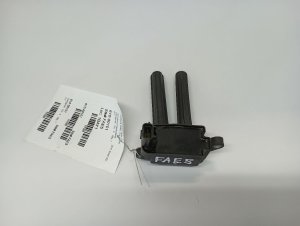
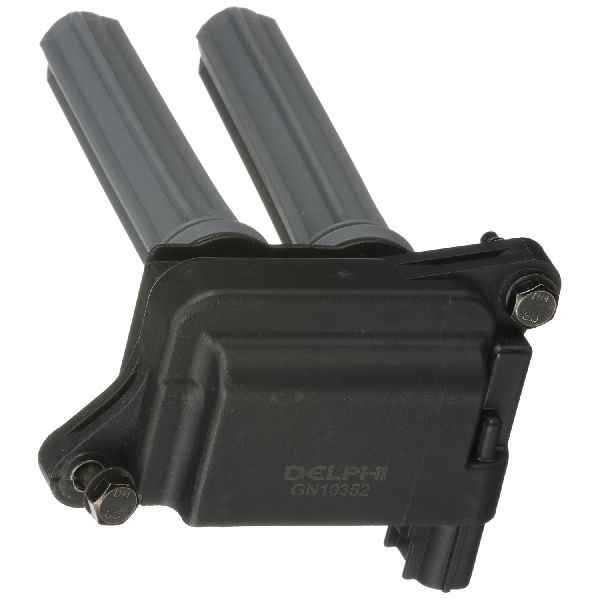
Est. part cost: $500-$1200 - Faulty Ignition Coil 🟡 Medium Probability → Shop Ignition Coil Coil-on-plug ignition systems are a common failure point on modern engines due to constant exposure to heat and vibration. Accessing the cylinder 2 coil requires removing the upper intake manifold.
How to confirm: Swap the ignition coil from cylinder 2 with another cylinder on the same bank (e.g., cylinder 4). Clear the codes and drive the vehicle. If the code changes to P0304, the ignition coil is faulty. 🎬 Watch: A step-by-step guide to diagnosing a cylinder 2 misfire.
Typical fix: Replace the failed ignition coil. It is often recommended to replace the spark plug at the same time. The OEM part number has been superseded multiple times, with 5149168AJ being a recent version.
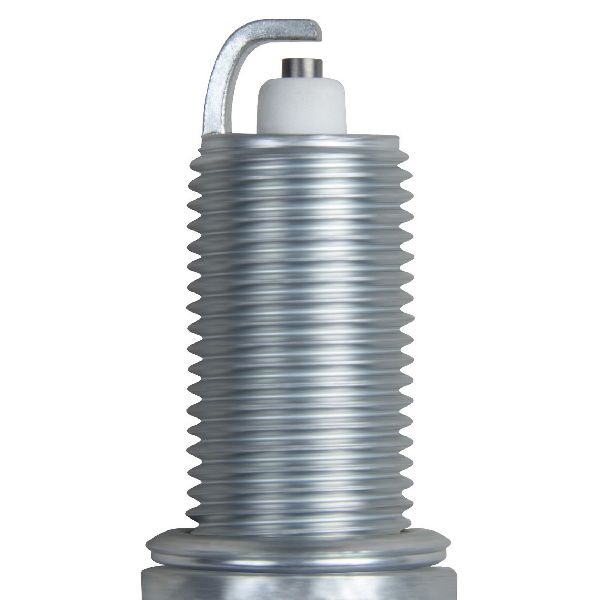
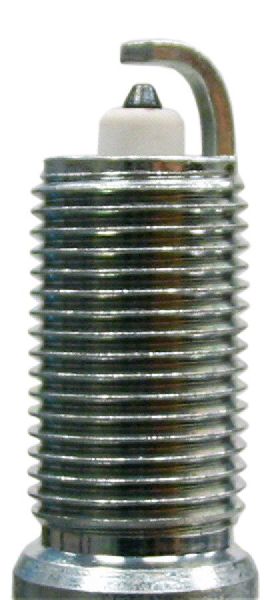
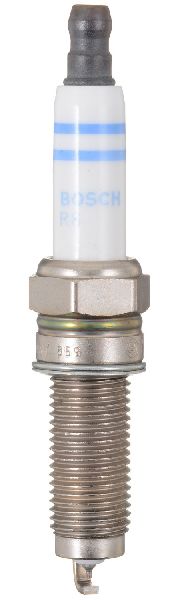
Est. part cost: $30-$70 - Worn or Fouled Spark Plug 🟡 Medium Probability → Shop Spark Plug Spark plugs are a standard maintenance item that wear out over a scheduled interval. A worn electrode or carbon fouling can prevent a strong spark. The original equipment plugs are Iridium type.
How to confirm: After confirming the coil is good, remove the spark plug from cylinder 2. Inspect it for wear, damage, or fouling (e.g., black and sooty, or white and blistered). Compare it to a new plug.
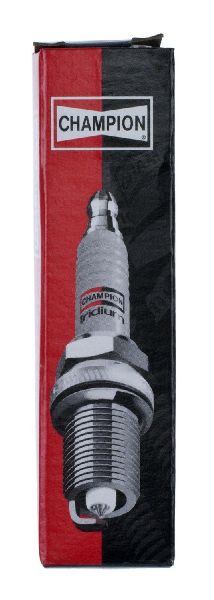
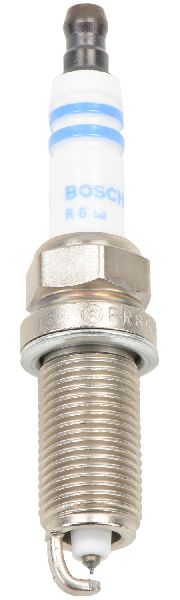
Typical fix: Replace the spark plug. The Mopar OEM part number is SP149125AE. It is best practice to replace all six spark plugs 🎬 Watch: How to properly replace spark plugs on the Pentastar 3.6L. at the same time for even performance.
Est. part cost: $10-$25 per plug - Failed Rocker Arm/Lifter ⚪ Low Probability → Shop Engine Rocker Arm The 3.6L Pentastar engine is also known for rocker arm bearing failures (the 'Pentastar tick'), which can cause the arm to fall off or score the camshaft, leading to a misfire. This is a more common cause on 2014+ models but can still occur on earlier years and can be misdiagnosed as the cylinder head issue.
How to confirm: This requires removing the valve cover for a visual inspection of the valvetrain for cylinder 2. A YouTube video by 'Pine Hollow Auto Diagnostics' shows a case where a collapsed lifter was the cause, confirmed by swapping the lifters and rockers to another cylinder and seeing the misfire follow.
Typical fix: Replace the failed rocker arm (OEM part # 5184296AH) and any associated damaged components, such as the lifter or camshaft.
Est. part cost: $15-$50
Rare But Worth Checking
- Clogged or Faulty Fuel Injector: → Shop Fuel Injector While less common than ignition or mechanical issues for a single-cylinder misfire, a fuel injector can fail electrically or become clogged, preventing proper fuel delivery to cylinder 2.
- Intake Manifold Gasket Leak: → Shop Engine Intake Manifold A vacuum leak from a failed upper or lower intake manifold gasket near the port for cylinder 2 can lean out the air-fuel mixture and cause a misfire. This is typically diagnosed with a smoke test.
Diagnosis Steps
- Read the code with an OBD-II scanner and check for any other pending or stored codes, specifically P0300, P0304, or P0306.
- Perform the 'ignition coil swap test'. Since accessing cylinder 2 requires removing the upper intake manifold, this is more involved than on other engines. Swap the cylinder 2 coil with the cylinder 4 coil. Clear codes, reassemble, and run the engine. If the code changes to P0304, the coil is bad.
- If the coil is good, inspect and/or replace the spark plug for cylinder 2 (Mopar P/N: SP149125AE). Check for heavy carbon deposits, oil fouling, or a damaged electrode.
- If the misfire remains on cylinder 2, the next step is a cylinder leak-down test. This will test the mechanical integrity of the cylinder.
- A leak-down result of 25% or more strongly indicates the known cylinder head failure, as per TSB 09-002-14 Rev. B.
- If the leak-down test passes (less than 25% leakage), investigate the fuel injector for cylinder 2. Check for the pulse signal with a 'noid light' and listen for its operation with a mechanic's stethoscope.
- If all else fails, remove the valve cover to visually inspect the rocker arms and lifters for cylinder 2. Look for fallen rocker arms or scored camshaft lobes, which indicate valvetrain failure.
Parts You'll Likely Need
- Left Engine Cylinder Head
(OEM #RL141353AC)— This is the updated remanufactured replacement part for the defective original head that commonly causes P0302 on 2011-2013 models. The original part numbers included 68141353AA and 68141353AB.
Trusted brands: Mopar
OEM price range: $800-$1200
Aftermarket price range: $500-$900 - Ignition Coil
(OEM #5149168AJ (supersedes 5149168AH, AI))— A common failure item that is the second most likely cause of a single-cylinder misfire after the cylinder head issue on this platform.
Trusted brands: Mopar, NGK, Denso
OEM price range: $50-$80
Aftermarket price range: $30-$60 - Spark Plug
(OEM #SP149125AE)— A standard maintenance item that can cause a misfire when worn. It's an inexpensive part to rule out during diagnosis. The OEM plug is made by Champion.
Trusted brands: Mopar/Champion, NGK
OEM price range: $15-$25
Aftermarket price range: $8-$15 - Upper and Lower Intake Manifold Gaskets — These gaskets must be replaced anytime the intake manifold is removed to access cylinder 2 (and the rest of the left bank) for diagnosis or repair of coils, plugs, or the cylinder head.
Trusted brands: Mopar, Fel-Pro
OEM price range: $40-$60
Aftermarket price range: $20-$40
Related Codes That Often Appear With This One
- P0300 — If the cylinder head issue is severe or if multiple rocker arms fail, it can cause misfires on other cylinders, leading to a P0300 (Random/Multiple Cylinder Misfire) code.
- P0304 — Cylinder 4 is on the same (left) cylinder head. A failing head often affects multiple cylinders on that bank, making a combination of P0302, P0304, and P0306 a strong indicator of the head defect.
- P0306 — Cylinder 6 is on the same (left) cylinder head. A failing head often affects multiple cylinders on that bank, making a combination of P0302, P0304, and P0306 a strong indicator of the head defect.
Technical Service Bulletins (TSBs) & Recalls
- 09-002-14 REV. B: Details the diagnosis for misfire codes P0300, P0302, P0304, or P0306 on 3.6L engines in a wide range of 2011-2013 Chrysler/Dodge/Jeep vehicles. It instructs technicians to perform a cylinder leak-down test on the affected cylinders and replace the left cylinder head if leakage is 25% or greater.
- Warranty Bulletin D-14-12: Officially announced the X56 Extended Warranty for the left cylinder head, providing details for dealers and instructions for customer reimbursement if the repair was already paid for out-of-pocket.
- Bulletin #0900214: This manufacturer bulletin also addresses MIL illumination for codes P0300, P0302, P0304, or P0306 and references the X56 Warranty Extension for the 3.6L engine.
- Bulletin #0900214REVB: Dated 2014-12-15, this record involves checking for excessive cylinder leakage and replacing the cylinder head if necessary to resolve P0302 and related misfire codes.
Platform-Specific Known Issues
- 2011-2013 3.6L V6 Left Cylinder Head Failure: Models built on or before July 25, 2012, are highly susceptible to premature valve guide and seat wear on the left cylinder head. This causes a loss of compression and triggers misfire codes P0302, P0304, and P0306. Chrysler issued TSB #09-002-14 Rev. B and warranty extension X56 (10 years/150,000 miles) to address this. While the warranty is likely expired by time for most vehicles, its existence confirms the prevalence of the defect.
Mechanic-Grade Diagnostic Values
- Fuel Injector Resistance — expected: 11.5 - 12.5 ohms. Failure: A reading of 0 ohms (short) or infinite resistance (open) indicates a failed injector.
- Fuel Pressure (at fuel rail) — expected: 44 - 55 psi at idle. Failure: Significantly low pressure can cause a lean misfire. Note: The 3.6L Pentastar does not have a Schrader valve service port; a special tee adapter is required to measure pressure at the fuel rail.
- Ignition Coil Primary Resistance (Aftermarket Reference) — expected: ~0.46 - 0.59 ohms. Failure: A reading significantly outside this range can indicate a faulty coil winding. This value is based on aftermarket performance coils and may differ from OEM.
- Mode $06 Misfire Counter — expected: Zero or very low counts on all cylinders.. Failure: A high number of misfire counts logged for Test ID $A3, Component ID $02 (Cylinder 2) confirms the PCM is actively detecting misfires on that specific cylinder.
Scan Tool Commands That Help
- Witech (Dealer) or advanced aftermarket scanner: Injector Kill / Cylinder Power Balance — This bidirectional test allows the technician to disable the fuel injector for cylinder 2 while the engine is running. If there is no change in engine RPM or smoothness, it confirms cylinder 2 is not contributing power, pointing to a persistent misfire.
Wiring & Ground Locations
- Cylinder 2 Fuel Injector Connector — Top left (driver's side) front of the engine, under the upper intake manifold.. This is the final connection for fueling cylinder 2. Checking for voltage and the PCM's ground pulse signal here is a key step in diagnosing a fuel-related misfire.
- Cylinder 2 Ignition Coil Connector — Top of the valve cover, driver's side, front-most cylinder.. This connector provides power and the trigger signal from the PCM to the coil. Testing for power and signal here can rule out a wiring issue between the PCM and the coil.
- G100 — Left (driver's) front of the engine compartment.. This is a primary engine ground. A poor connection here can cause a wide range of intermittent electrical issues, including weak spark or erratic sensor readings that could lead to a misfire.
- G300 — Below the driver's seat, inside the cabin.. This is a major body ground point. While less likely to cause a single-cylinder misfire, a loose or corroded G300 can create bizarre electrical problems throughout the vehicle.
- Engine Harness Chafe Point — General inspection area: where the main engine harness routes near the back of the cylinder heads or behind the driver's side wheel well.. On the Pentastar engine family, there are documented cases of the wiring harness rubbing against engine or frame components, causing wires to short out. A short in the injector or coil control wire for cylinder 2 would cause a persistent misfire.
Real Owner Repair Stories
- ScannerDanner Forum User (2014 Dodge Challenger 3.6L) — Constant misfire on cylinder 2 (P0302) at idle and low RPM.
❌ Tried (didn't work) Swapping spark plugs, Swapping ignition coils, Swapping fuel injectors, Smoke test for vacuum leaks (none found), Replacing the PCM, Replacing all lifters and rocker arms for cylinder 2, Removing the cylinder head and having it rebuilt by a machine shop.
✅ What actually fixed it The owner purchased a remanufactured cylinder head directly from a Dodge dealer and installed it, which finally resolved the misfire. This suggests the initial machine shop repair on the original head was unsuccessful. - YouTube video by 'Gears and Gasoline' (2012 Dodge Challenger 3.6L) — Rough running with a P0302 misfire code.
❌ Tried (didn't work) Swapping ignition coils from side to side.
✅ What actually fixed it Upon removing the driver's side valve cover, the mechanic found a missing rocker arm and a damaged camshaft lobe for cylinder 2. The cause was a failed rocker arm bearing. - Reddit user in r/DodgeGrandCaravan (2018 Dodge Grand Caravan 3.6L (same engine family)) — P0302 misfire code.
❌ Tried (didn't work) Changing spark plugs, Changing fuel injector, Changing ignition coil pack.
✅ What actually fixed it The owner performed a compression test, which showed low compression on cylinder 2 (100 psi vs 150 psi on others). A subsequent leak-down test confirmed an 80% leakage rate, with air heard escaping from the exhaust pipe, definitively proving a failed exhaust valve or valve seat in the cylinder head.
"I Checked Everything" — The Actual Cause
- In a documented case on a 2014 Challenger 3.6L, a technician performed a smoke test which revealed no vacuum leaks. After numerous parts were swapped without success (coils, plugs, injectors, PCM), the cause was ultimately determined to be a faulty cylinder head. This highlights that even when common tests like a smoke test pass, a mechanical valve sealing issue within the head can be the root cause, sometimes eluding even initial compression and leak-down tests if the failure is subtle.
OEM Part Supersession History
68141353AA, 68141353AB→68141353AC (New), RL141353AC (Remanufactured)— Updated design to resolve the premature valve guide and seat wear issue on the left cylinder head.
Heads up: CRITICAL: When replacing the cylinder head, Mopar specifies that a separate 'Oil Gallery Bolts/Plugs Kit' (P/N 68154699AA) MUST be used. Failure to install this kit will result in trouble codes being set.5149168AH, 5149168AI→5149168AJ— Standard part revision for ignition coils to improve reliability and performance.
Heads up: The 2011-2013 3.6L uses a 2-wire ignition coil. Later generation Pentastar engines switched to a 3-wire coil design, which is not compatible.
Model Year Variations Within This Range
- 2011-mid 2012: Engines built on or before July 25, 2012, are equipped with the original 'AA' revision cylinder head, which is highly prone to the valve seat/guide failure causing P0302. Later models have the updated head design.
- 2011-2013: Chrysler released several PCM software updates for this engine platform to improve diagnostics and, in some cases, resolve the false detection of misfire codes. If extensive mechanical and electrical diagnosis finds no faults, ensuring the PCM has the latest calibration via a dealer tool (Witech) can be a valid diagnostic step.
Diagnostic Flowchart
Real Owner Stories
Aggregated from forums and TSBs cited above. Mileages and costs reflect what owners reported in those sources.
2014 Dodge Challenger 3.6L
Symptoms: Exhaustive diagnostic journey for a persistent P0302 misfire where replacing lifters and rockers resulted in no change.
What fixed it: Traced the issue to a bad replacement cylinder head from a machine shop, highlighting how subtle the head issue can be.
Source hint: ScannerDanner Forum - 'FIXED 2014 Dodge Challenger 3.6L P0302'
2013 Chrysler Town & Country 3.6L
Symptoms: P0302 cylinder 2 misfire with low compression at idle that disappeared at higher RPMs. Initially suspected the common cylinder head failure.
What fixed it: Replaced a collapsed lifter, which was confirmed by swapping valvetrain components between cylinders and watching the misfire follow.
Source hint: YouTube - Pine Hollow Auto Diagnostics - '2011-2013 Chrysler Dodge Jeep Ram P0302 cylinder 2 misfire DIAGNOSIS'
2011-2013 3.6L Pentastar (General)
Symptoms: Persistent misfires that a simple tune-up would not fix.
What fixed it: Replaced the left cylinder head under the X56 warranty extension.
Source hint: YouTube - QuiteAlright channel
Related OBD-II Codes
Frequently Asked Questions
Does TSB 09-002-14 Rev. B apply to my 2011-2013 Dodge Challenger 3.6L?
Is the left cylinder head failure on the 3.6L Pentastar covered under a recall?
How can I tell if my Challenger has the updated, redesigned cylinder head?
Why is testing the cylinder 2 ignition coil harder on this specific engine?
I hear a ticking noise from the driver's side of my engine along with the P0302 code. What does this mean?
What is the definitive test to confirm the left cylinder head defect?
Helpful Videos
Used OEM Parts in Stock
New Aftermarket Parts Available

The information in this article is provided for general reference and educational purposes only. Vehicle specifications, procedures, and part compatibility can vary by production date, trim level, and region. Always consult your vehicle's factory service manual and verify part numbers before purchasing or performing repairs. Safety-critical components such as airbags, seat belts, and braking systems should be installed by a qualified professional.
- Dodge Challenger:
- 🧭 Diagnostic Flowchart
- 🎬 Helpful Videos
- 🛍️ Shop This Part
- What's Unique About the 2011-2013 Dodge Challenger
- Symptoms You May Notice
- Most Likely Causes
- Rare But Worth Checking
- Diagnosis Steps
- Parts You'll Likely Need
- Related Codes That Often Appear With This One
- Technical Service Bulletins (TSBs) & Recalls
- Platform-Specific Known Issues
- Mechanic-Grade Diagnostic Values
- Scan Tool Commands That Help
- Wiring & Ground Locations
- Real Owner Repair Stories
- "I Checked Everything" — The Actual Cause
- OEM Part Supersession History
- Model Year Variations Within This Range
- Real Owner Stories
- 2014 Dodge Challenger 3.6L
- 2013 Chrysler Town & Country 3.6L
- 2011-2013 3.6L Pentastar (General)
- Related OBD-II Codes
- Frequently Asked Questions
- 🎟️ Get 5% Off