

P0302 on 2015-2018 Ford Edge: Cylinder 2 Misfire Causes and Fixes
P0302 indicates a misfire in cylinder #2. On a 2015-2018 Ford Edge, this could be a simple fix like a bad spark plug or ignition coil. However, on models with the 2.0L EcoBoost engine, this code is a very common symptom of coolant leaking into the cylinder, a serious issue that may require engine replacement.
- P0302 is a cylinder 2 misfire. On a 2015-2018 Ford Edge, the engine type is critically important for diagnosis.
- For the 2.0L EcoBoost engine, P0302 is a very strong indicator of the known coolant intrusion defect, which is a serious engine problem requiring investigation beyond a simple tune-up.
- Standard causes like a bad ignition coil or spark plug are still possible and should be checked first via simple diagnostic steps like swapping components.
- Key symptoms of the more serious engine flaw include gradual coolant loss with no visible leak and/or white exhaust smoke.
- The official Ford repair for confirmed coolant intrusion is a complete engine long block replacement.
What's Unique About the 2015-2018 Ford EDGE

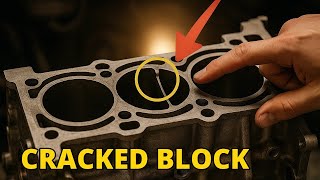
While P0302 is a generic misfire code, its appearance on a 2015-2018 Ford Edge with the 2.0L EcoBoost engine is a major red flag. The root cause is a design flaw in the engine block where a coolant channel runs between the cylinders, creating a weak point for the head gasket. Over time, this allows coolant to intrude into the cylinders (most commonly #2 and #3), causing misfires. Ford has issued multiple Technical Service Bulletins (TSBs) acknowledging this defect, and the official repair is a complete long block engine replacement. This issue is so prevalent that a P0302 code should prompt an immediate investigation for coolant loss, as it often leads to catastrophic engine failure. The 3.5L V6 and 2.7L EcoBoost V6 engines available in this generation do not share this specific, widespread defect.
Diagnostic Flowchart

Tap your situation to follow the diagnostic path that matches what you're seeing on this vehicle.
Symptoms You May Notice

- Rough or choppy engine idle, especially on a cold start
- Hesitation or stumbling during acceleration
- Flashing or solid Check Engine Light
- Reduced engine power
- Difficulty starting the engine
- Noticeable loss of coolant with no visible external leak (2.0L EcoBoost).
- White, sweet-smelling smoke from the exhaust, especially on startup (2.0L EcoBoost).
- Sound of liquid running or gurgling from under the dashboard.
- Replacing only the spark plug and ignition coil without checking for coolant intrusion. Many owners report on forums that they replaced these parts, only to have the P0302 code return because the underlying issue is the engine block itself.
Most Likely Causes

- Coolant Intrusion into Cylinder (2.0L EcoBoost Engine) 🔴 High Probability A known design flaw in the open-deck 2.0L EcoBoost engine block features a thin wall between cylinders that can crack or allow the head gasket to fail, letting coolant leak directly into the combustion chamber. This is acknowledged in Ford TSBs 19-2346 and its successor, 22-2229. The issue has prompted multiple class-action lawsuits, such as *Miller, et al. v. Ford Motor Company*.
How to confirm: Check for a dropping coolant level in the reservoir without any visible external leaks. A borescope inspection of cylinder 2 after a cold soak may reveal liquid coolant on top of the piston. A cooling system pressure test that shows a pressure drop over several hours is another key indicator. A spark plug from cylinder 2 with white, ashy, or greenish deposits is also a strong sign of coolant contamination.
Typical fix: The only Ford-recommended permanent repair is the replacement of the engine long block with a revised engine design. Simply replacing the head gasket is not a permanent solution as the block design itself is the flaw.
Est. part cost: $4000-$7000+ - Failed Ignition Coil 🟡 Medium Probability → Shop Ignition Coil
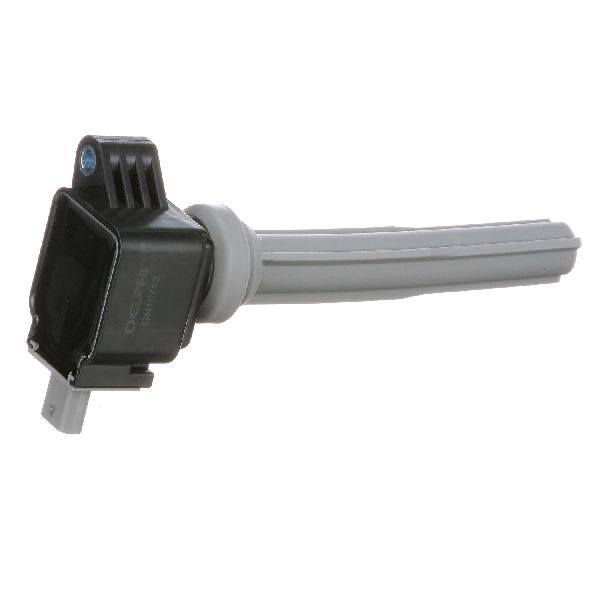
How to confirm: Swap the ignition coil from cylinder 2 with another cylinder (e.g., cylinder 3). Clear the codes and drive the vehicle. If the code changes to P0303, the ignition coil is faulty.
Typical fix: Replace the faulty ignition coil. It is often recommended to replace all coils and spark plugs at the same time.
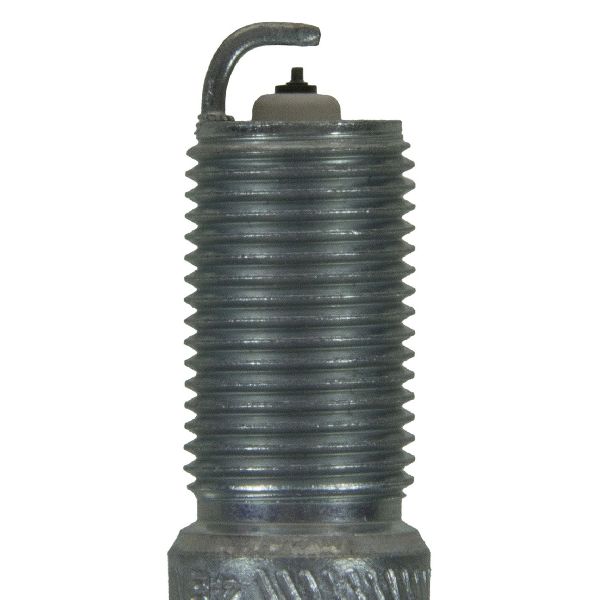
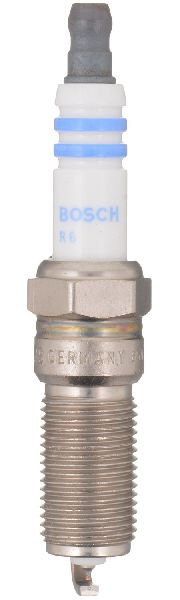
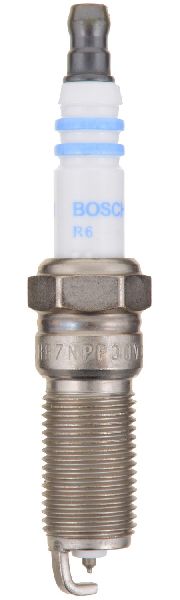
Est. part cost: $40-$80 - Worn or Fouled Spark Plug 🟡 Medium Probability → Shop Spark Plug
How to confirm: Remove the spark plug from cylinder 2 and inspect it. Look for excessive wear on the electrode, cracks in the porcelain, or fouling from oil or coolant. A coolant-fouled plug will have chalky white or greenish deposits. The specified gap is typically 0.027" to 0.031".
Typical fix: Replace the spark plug. If plugs are old or their history is unknown, it's best to replace all of them.
Est. part cost: $10-$25 - Faulty Fuel Injector ⚪ Low Probability → Shop Fuel Injector
How to confirm: This is more complex to diagnose. It involves checking the injector's resistance with a multimeter or performing a fuel flow test. Swapping injectors between cylinders is possible but more labor-intensive than swapping coils.
Typical fix: Replace the faulty fuel injector.
Est. part cost: $70-$150
Rare But Worth Checking
- Vacuum Leak: A leak in a vacuum hose or intake manifold gasket can lean out the air/fuel mixture and cause misfires. This would often be accompanied by other codes or affect multiple cylinders.
- Low Engine Compression: Internal engine damage such as worn piston rings or a burnt valve could cause low compression and a misfire. This is a possible outcome of prolonged coolant intrusion.
Diagnosis Steps
- Read the trouble codes with an OBD-II scanner and note all present codes, paying close attention to P0316 or other cylinder misfire codes.
- If the engine is a 2.0L EcoBoost, immediately check the coolant level in the reservoir. Note any loss.
- Inspect the spark plug from cylinder 2. Look for normal wear, oil fouling, or the tell-tale white/green, crusty deposits indicating coolant contamination.
- Swap the ignition coil from cylinder 2 to another cylinder (e.g., cylinder 1). Clear the codes, run the engine, and see if the misfire code moves to P0301. If it does, the coil is bad.
- If the coil is good, and the spark plug looked normal, consider swapping the spark plugs to see if the misfire follows.
- If the spark plug was coolant-fouled or the coolant level is low, a cooling system pressure test is necessary. Per TSB 19-2346, pressurize the system and monitor for a significant pressure drop over several hours.
- If the pressure test fails or coolant contamination is evident, use a borescope to visually inspect inside cylinder 2 for the presence of liquid coolant or an unusually clean piston top (steam-cleaned by the coolant).
- If coolant is found in the cylinder, the engine long block requires replacement as per Ford's TSB 22-2229.
Parts You'll Likely Need
- Ignition Coil
(OEM #DG-562 (Motorcraft))— A common failure item for ignition systems that can cause a single-cylinder misfire.
Trusted brands: Motorcraft, NGK, Duralast
OEM price range: $60-$90
Aftermarket price range: $40-$70 - Spark Plug
(OEM #SP-550 (Motorcraft), Replaces SP-537)— A standard maintenance item that wears out. It can also be fouled by coolant, providing a key diagnostic clue to a more severe problem.
Trusted brands: Motorcraft, NGK, Denso
OEM price range: $15-$25
Aftermarket price range: $10-$20 - Engine Long Block Assembly
(OEM #6006 (base part number))— This is the official Ford-recommended fix for the coolant intrusion issue on the 2.0L EcoBoost engine, which is a primary cause of P0302 on this vehicle.
Trusted brands: Motorcraft (Ford)
OEM price range: $4000-$7000+
Aftermarket price range: $3000-$5000
Related Codes That Often Appear With This One
- P0316 — Misfire Detected on Startup (First 1000 Revolutions). This code is frequently seen with specific cylinder misfire codes and is explicitly mentioned in the Ford TSBs related to coolant intrusion, as coolant pools in the cylinder overnight.
- P0300 — Random/Multiple Cylinder Misfire Detected. If the coolant intrusion issue worsens or affects multiple cylinders, the misfire may not be isolated to just cylinder 2.
- P0301, P0303, P0304 — These codes indicate misfires in other cylinders. Their presence alongside P0302 on a 2.0L EcoBoost strongly points towards the systemic coolant intrusion problem affecting the area between cylinders.
- P0217 — Engine Coolant Over Temperature Condition. This code can be triggered as the coolant level drops due to the internal leak, leading to overheating.
Technical Service Bulletins (TSBs) & Recalls
- SSM 47204: Initial bulletin noting that 2015-2018 Edge vehicles with the 2.0L EcoBoost may exhibit rough running and P030x codes due to coolant intrusion.
- 19-2346: Superseded earlier bulletins. Explicitly identifies coolant intrusion as the cause for misfires (P0301-P0304), rough running, and white smoke, and states the official repair is to 'replace the long block engine assembly 🎬 Watch: See how this engine block defect causes coolant intrusion.'.
- 22-2229: The current, superseding TSB that reiterates the information in 19-2346, updating parts lists and confirming the long block replacement as the official fix.
Platform-Specific Known Issues
- The 2.0L EcoBoost engine used in 2015-2018 Ford Edge models is known for a defect that allows coolant to leak into the cylinders. The engine block's open-deck design has a slot for coolant to pass between the cylinders, creating an insufficient sealing surface for the head gasket. This defect is the subject of Ford TSBs (SSM 47204, 19-2346, 22-2229) which confirm the issue and list the official repair as a complete engine long block replacement. This problem has also led to class-action lawsuits against Ford, alleging the company knew about the defect and failed to provide an adequate remedy.
Mechanic-Grade Diagnostic Values
- Spark Plug Gap — expected: 0.027 - 0.031 in (0.70 - 0.80 mm). Failure: An incorrect gap can lead to a weak spark and incomplete combustion.
- Ignition Coil Primary Resistance — expected: 0.410 Ohms (example from similar MSD coil). Failure: A reading significantly higher or lower than the specification, or an open circuit (OL), indicates a faulty coil.
- Ignition Coil Secondary Resistance — expected: 9.810K Ohms (example from similar MSD coil). Failure: A reading significantly outside the specification suggests an internal short or break in the secondary windings.
Hidden / Shadow Codes Worth Checking
- Mode $06, TID $A2-$AC, CID $02: Mode $06 data can reveal misfire counts for each cylinder even if they aren't high enough to set a P0302 code. The Test ID (TID) for misfire counts on Fords is typically in the range of $A2 to $AC, with Component ID (CID) $02 representing cylinder #2. A high count here is an early warning. (see via A professional scan tool with Mode $06 capabilities.)
Scan Tool Commands That Help
- Ford IDS (Integrated Diagnostic System) or equivalent pro-level scanner: Power Balance Test — This is a critical diagnostic step. The test graphically displays the power contribution of each cylinder by monitoring crankshaft speed. A cylinder that shows a significantly smaller drop in RPM when its injector is disabled is the source of the misfire. This can quickly confirm a misfire on cylinder 2 and is more definitive than just reading codes.
- Ford IDS or equivalent: Reset Keep Alive Memory (KAM) — After replacing major components like an engine or fuel injectors, or performing a repair that could affect fuel trims, resetting the KAM is necessary. This forces the PCM to relearn fuel strategies and misfire monitoring with the new parts.
Wiring & Ground Locations
- Powertrain Control Module (PCM) — On 2015-2018 models, the PCM is mounted on the passenger's side of the vehicle in the engine bay, below the strut tower.. The PCM sends the trigger signal to the cylinder 2 ignition coil. Knowing its location is essential for testing the signal wire for continuity or shorts if a bad coil and plug are ruled out.
- PCM Ground Pins — On the PCM connectors, pins 1, 2, and 4 are typically main grounds.. A poor ground connection to the PCM can cause erratic behavior, including false misfire detection or weak ignition coil operation. Verifying a solid ground at these pins is a key step in advanced electrical diagnosis.
- Cylinder 2 Ignition Coil Connector — The second coil from the front of the engine on the 2.0L I4.. This is the point for testing power, ground, and the trigger signal directly at the component. The connector has a slide-lock that must be pulled back before squeezing to release.
- Forward Chassis Grounds — Behind the front bumper cover, there are several key grounding points for the main wiring harness.. Corrosion or looseness at these primary grounds can affect multiple systems, including the PCM and ignition system, leading to intermittent and hard-to-diagnose issues.
Real Owner Repair Stories
- Ford Edge Forum (2017 Ford Edge 2.0L EcoBoost) — P0302 (Cylinder 2 Misfire) code appeared.
❌ Tried (didn't work) Replaced all ignition coils with new Bosch parts., Replaced all spark plugs with new NGK parts.
✅ What actually fixed it The P0302 code returned after 125 miles. The forum consensus and ultimate diagnosis pointed to the known coolant intrusion issue, requiring engine head or long block replacement. This confirms that replacing ignition components is often not the final fix for this specific engine. - YouTube - Ford Boss Me (2019 Ford Escape 1.5L EcoBoost (demonstrates identical issue to 2.0L)) — P0302 and P0316 codes, rough running.
❌ Tried (didn't work) Initial diagnosis focused on standard misfire causes.
✅ What actually fixed it A borescope inspection confirmed the cylinder was full of coolant. The final, correct repair was a short block replacement due to the known block design flaw. The video explicitly mentions this is the same issue affecting the 2.0L engines.
OEM Part Supersession History
SP-537 (Motorcraft)→SP-550 (Motorcraft)— Standard part number update/revision by the manufacturer.
Heads up: The parts are interchangeable. SP-550 is the current correct OEM part. Some sources state SP-537 was full Iridium while SP-550 is an Iridium center electrode with a platinum ground strap, but both are considered high-quality, long-life plugs suitable for the engine.SP-527 (Motorcraft)→SP-537, then SP-550 (Motorcraft)— Earlier part revision for the 2.0L EcoBoost platform.
Heads up: SP-550 is the correct replacement for both SP-527 and SP-537.
Model Year Variations Within This Range
- 2015-2019: The 2.0L EcoBoost engine in the 2015-2018 Edge is the 2nd generation, twin-scroll version which is distinct from the 1st gen 2.0L used in the 2012-2014 Edge. This 2nd gen engine is the one susceptible to the coolant intrusion issue due to its block design.
Helpful Videos
Used OEM Parts in Stock
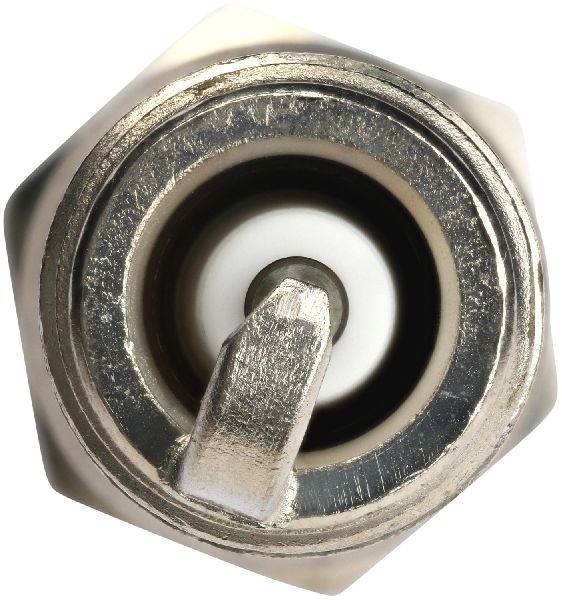
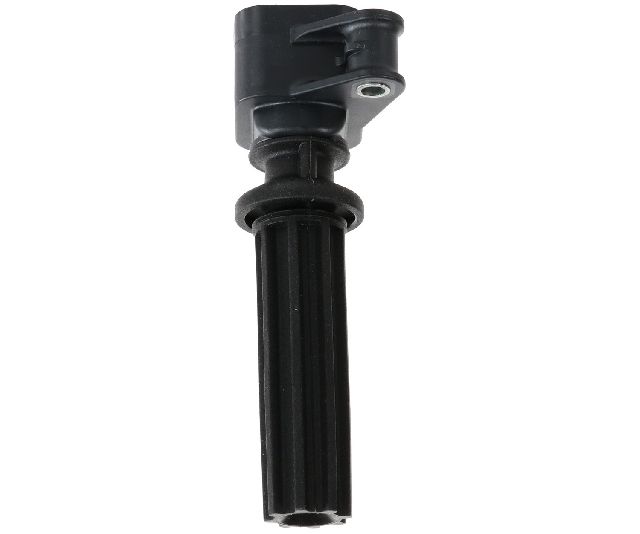
New Aftermarket Parts Available

The information in this article is provided for general reference and educational purposes only. Vehicle specifications, procedures, and part compatibility can vary by production date, trim level, and region. Always consult your vehicle's factory service manual and verify part numbers before purchasing or performing repairs. Safety-critical components such as airbags, seat belts, and braking systems should be installed by a qualified professional.
- Ford EDGE:
- 🧭 Diagnostic Flowchart
- 🎬 Helpful Videos
- 🛍️ Shop This Part
- What's Unique About the 2015-2018 Ford EDGE
- Symptoms You May Notice
- Most Likely Causes
- Rare But Worth Checking
- Diagnosis Steps
- Parts You'll Likely Need
- Related Codes That Often Appear With This One
- Technical Service Bulletins (TSBs) & Recalls
- Platform-Specific Known Issues
- Mechanic-Grade Diagnostic Values
- Hidden / Shadow Codes Worth Checking
- Scan Tool Commands That Help
- Wiring & Ground Locations
- Real Owner Repair Stories
- OEM Part Supersession History
- Model Year Variations Within This Range
- 🎟️ Get 5% Off