

P0302 on 2017-2019 Ford Escape 2.0L EcoBoost: Cylinder 2 Misfire Causes and Fixes
On a 2017-2019 Escape with the 2.0L EcoBoost, P0302 is a serious warning. While it could be a simple spark plug or ignition coil, it's very often a symptom of coolant leaking into the cylinder due to a known engine block design flaw. This requires professional diagnosis and often a complete engine replacement.
- P0302 on a 2017-2019 2.0L EcoBoost Escape is a serious code that must be investigated immediately.
- The most critical first step is to check the coolant level. Unexplained coolant loss is a major red flag for a known engine defect.
- While the cause could be a simple ignition coil or spark plug, do not assume this is the case. Rule out the coolant intrusion issue before spending money on tune-up parts.
- A flashing check engine light means pull over safely and turn off the engine to prevent expensive catalytic converter damage.
- The only permanent fix for the coolant intrusion problem is a complete engine long block replacement with a revised part from Ford.
What's Unique About the 2017-2019 Ford Escape
For the 2017-2019 Ford Escape with the 2.0L EcoBoost engine (specifically models built on or before May 16, 2019), P0302 is not just a routine misfire code. It is a notorious and primary symptom of a catastrophic engine design flaw. The 'open-deck' design of the engine block has a slot machined between the cylinders for coolant passage, creating insufficient surface area for the head gasket to seal properly. This leads to cracks, allowing coolant to leak directly into the combustion chamber, most commonly affecting cylinders 2 and 3. This issue is so prevalent that Ford has issued multiple Technical Service Bulletins (TSBs) and it is the subject of class-action lawsuits. The only permanent repair is a complete long block engine replacement.
Symptoms You May Notice
- Rough idle or engine shaking, especially on cold start
- Flashing or solid Check Engine Light
- Noticeable loss of power and acceleration
- Engine hesitation or stumbling
- White, sweet-smelling smoke from the exhaust, especially on startup.
- Unexplained coolant loss (low level in the reservoir with no visible external leaks).
- Engine temperature gauge running higher than normal or overheating codes (P0217, P1285, P1299).
- Engine requires two attempts to turn over.
- Replacing only the spark plug and ignition coil without checking for coolant loss. If the underlying cause is coolant intrusion, the new parts will quickly become fouled and the P0302 code will return, often within a few hundred miles.
Most Likely Causes
- Engine Coolant Intrusion into Cylinder 🔴 High Probability A design flaw in the open-deck 2.0L EcoBoost engine block creates a weak point between cylinders. A slot cut for coolant passage compromises the head gasket sealing surface, leading to cracks and allowing coolant to leak into the cylinders. This is a widely documented issue covered by Ford TSBs 19-2208, 19-2346, and 22-2229.
How to confirm: Check for gradual coolant loss with no external leaks. Perform a cooling system pressure test; a drop of more than 4 PSI in 5 hours is a strong indicator of an internal leak. Use a borescope to inspect the inside of cylinder 2 for coolant (liquid pooling) or an unusually clean, 'steam-cleaned' piston top. The spark plug may also appear white and smell like coolant.
Typical fix: The only permanent fix is to replace the long block engine assembly with an updated part (such as OEM part J2GZ6006E) that has a revised block design with cross-drilled coolant passages instead of the open slot.
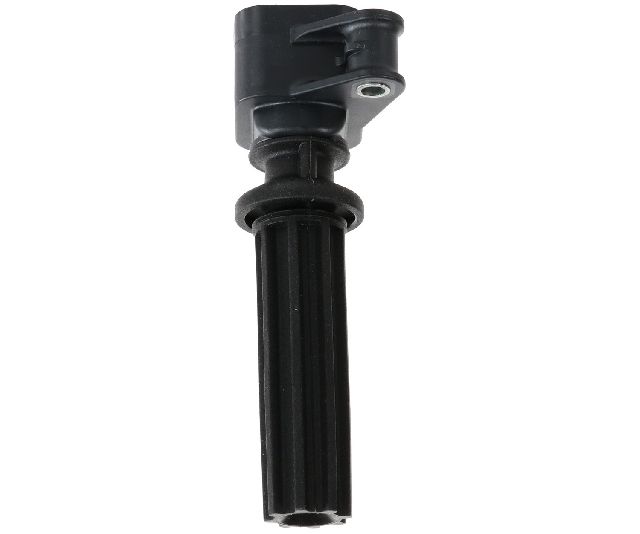
Est. part cost: $4000-$7000+ - Faulty Ignition Coil 🟡 Medium Probability → Shop Ignition Coil Coil-on-plug ignition systems are exposed to significant heat and vibration, making them a common failure point on most modern engines. This should be the first diagnostic step after checking for coolant loss.
How to confirm: Swap the ignition coil from cylinder 2 with another cylinder (e.g., cylinder 1). Clear the codes and run the engine. If the code changes to P0301, the coil is faulty.
Typical fix: Replace the failed ignition coil. It's recommended to replace the spark plug at the same time.
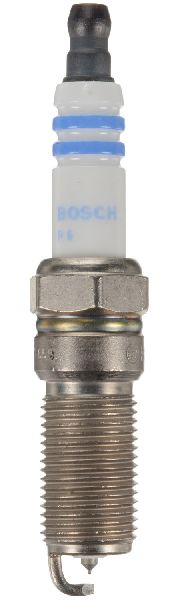
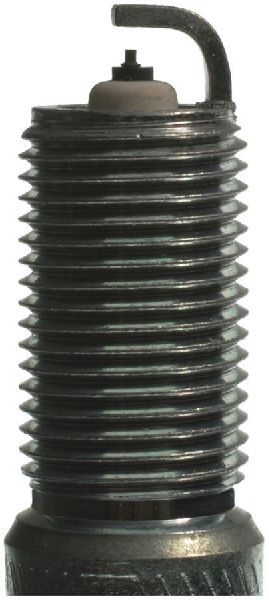
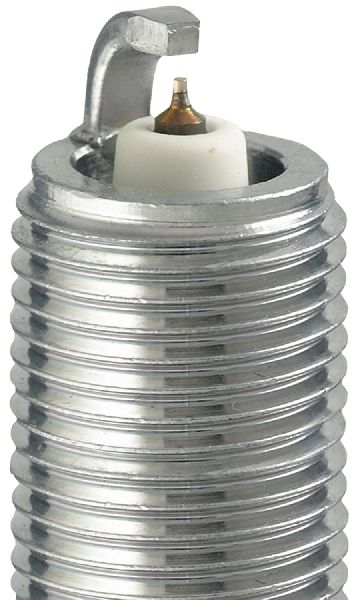
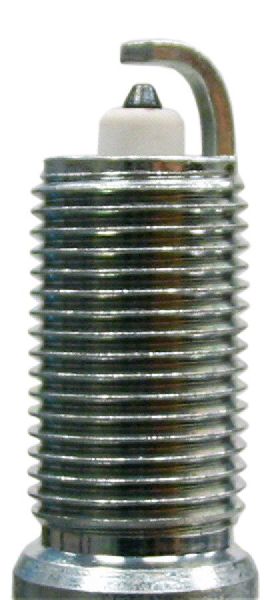
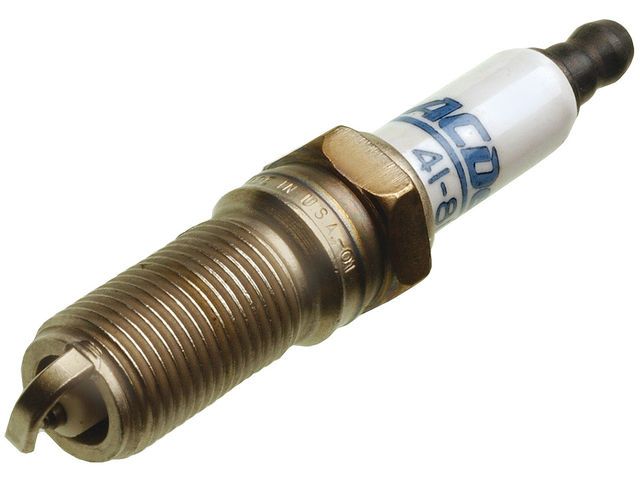
Est. part cost: $40-$80 - Worn or Fouled Spark Plug 🟡 Medium Probability → Shop Spark Plug Turbocharged direct-injection engines like the EcoBoost are harder on spark plugs, leading to faster wear. A plug can also be fouled by coolant from the more serious engine issue, appearing white or 'washed'.
How to confirm: After ruling out the coil, remove the spark plug from cylinder 2. Inspect it for wear (eroded electrode), carbon fouling, or signs of being wet or steam-cleaned by coolant.
Typical fix: Replace the spark plug. If replacing one, it is best practice to replace all four. If the plug is coolant-fouled, this is a temporary fix until the root cause is addressed.
Est. part cost: $15-$30 per plug
Rare But Worth Checking
- Clogged or Faulty Fuel Injector: → Shop Fuel Injector While less common than ignition or coolant issues, a fuel injector can fail and cause a misfire on a single cylinder. This should be investigated after ignition and coolant intrusion have been ruled out.
Diagnosis Steps
- Scan the PCM for any other stored trouble codes. Note if codes like P0316 or other cylinder misfires (P0300, P0301, P0303, P0304) are present.
- CRITICAL: Check the coolant reservoir level. If it is low and there are no visible external leaks, suspect coolant intrusion.
- Swap the ignition coil from cylinder 2 with another cylinder (e.g., cylinder 1). Clear the codes and drive the vehicle. If the code changes to P0301, the ignition coil is the culprit.
- If the misfire remains on cylinder 2, swap the spark plug from cylinder 2 with another cylinder. If the code moves, the spark plug is the issue. Inspect the old plug for signs of wear, oil, or a 'steam-cleaned' white appearance indicating coolant.
- If the misfire persists on cylinder 2, perform a cooling system pressure test. Pressurize the system to 20 PSI and monitor for at least 5 hours. A pressure drop of 4 PSI or more confirms an internal leak per Ford's TSB.
- Use a borescope to visually inspect the inside of cylinder 2 through the spark plug hole. Look for any signs of liquid (coolant) or a piston top that is significantly cleaner than others ('steam-cleaned').
- If coolant is found in the cylinder, the engine long block needs to be replaced per Ford's TSBs.
Parts You'll Likely Need
- Engine Long Block Assembly
(OEM #J2GZ6006E)— This is the only permanent fix for the common coolant intrusion issue. The replacement part has an updated engine block design that eliminates the flaw.
Trusted brands: Motorcraft
OEM price range: $4000-$7000 - Ignition Coil
(OEM #GN10232)— A common failure item causing a single-cylinder misfire. It's a primary suspect if coolant intrusion is ruled out.
Trusted brands: Motorcraft, Delphi, NGK
OEM price range: $60-$90
Aftermarket price range: $40-$70 - Spark Plug
(OEM #SP-550)— A standard wear item that can cause a misfire. EcoBoost engines are known to be hard on plugs. Can also be fouled by coolant.
Trusted brands: Motorcraft, NGK, Bosch
OEM price range: $20-$30
Aftermarket price range: $15-$25
Related Codes That Often Appear With This One
- P0316 — Indicates a misfire was detected within the first 1,000 engine revolutions. This often appears with P0302 when coolant has leaked into the cylinder overnight, causing a rough, misfiring cold start.
- P0300 — This is a 'Random Misfire' code. It can appear if the misfire is severe or if the coolant intrusion issue begins to affect multiple cylinders.
- P0301, P0303, P0304 — Misfire codes for other cylinders. Seeing these with P0302 strongly suggests a systemic problem, as the coolant leak often occurs between cylinders 2 and 3.
- P1285, P1299, P0217 — These are engine overheat codes. They can be triggered when significant coolant is lost through the internal leak, leading to an overheating condition.
Technical Service Bulletins (TSBs) & Recalls
- TSB 22-2229: Supersedes previous versions (22-2133, 19-2346, 19-2208). Addresses coolant intrusion into cylinders on 2.0L EcoBoost engines in Escapes built on or before 16-May-2019. It lists DTCs P0300-P0304 and P0316 as primary symptoms and confirms the fix is replacing the engine long block.
- TSB 19-2346: An earlier version of the bulletin that also details the coolant intrusion problem and the long block replacement procedure.
- TSB 19-2208: An even earlier version of the bulletin confirming the defect, affected vehicles, and repair.
Platform-Specific Known Issues
- The 2.0L EcoBoost engine used in 2017-2019 Escapes (built before mid-May 2019) has a documented design defect where coolant intrudes into the cylinders, causing misfires (P0301-P0304), rough running, and eventual engine failure. The issue stems from a slot cut between the cylinders in the engine block's open-deck design, which compromises the head gasket's ability to seal.
Mechanic-Grade Diagnostic Values
- High-Pressure Fuel System Pressure — expected: 65 to 2150 psi, depending on engine load and demand.. Failure: Pressure that is significantly below the commanded pressure or is erratic could indicate a failing high-pressure fuel pump (HPFP) or sensor issue, though this is a less common cause for a single-cylinder misfire.
- Mode 6 Misfire Count (per cylinder) — expected: A value of 0 or a very low number for the current and last 10 driving cycles.. Failure: A significantly higher count on cylinder 2 compared to other cylinders, even without a check engine light, points to an intermittent or developing misfire on that cylinder. The PCM will have a maximum threshold value; exceeding it triggers the P0302 code.
- Ignition Coil Primary Resistance — expected: While specific OEM resistance values are not published for technicians (component-level testing is discouraged in favor of swapping), a typical primary resistance for a coil-on-plug unit is between 0.4 to 2.0 ohms. A reading of infinity indicates an open circuit.. Failure: A reading outside the typical range or significantly different from the other coils. However, swapping the coil to another cylinder to see if the fault follows (e.g., P0302 becomes P0301) is the definitive field test.
Hidden / Shadow Codes Worth Checking
- Mode 6, Test ID $80-$83, Component ID $01-$0C: This is not a single 'shadow code' but rather raw data from the onboard misfire monitor. A technician can use a capable scan tool (like FORScan) to view misfire counts for each cylinder over the current and last 10 drive cycles. For a P0302, Component ID $02 (Cylinder 2) would show a high number of misfire events, often before the count is high enough to keep the check engine light on continuously. (see via A scan tool that can access OBD-II Mode 6 data. FORScan is a popular software for Ford vehicles that can display this information.)
Scan Tool Commands That Help
- Ford IDS (Integrated Diagnostic System) or FORScan: Power Balance Test — This is a crucial bidirectional test used to identify a weak or non-contributing cylinder. The tool disables the fuel injector for each cylinder one by one and measures the corresponding drop in RPM. If disabling cylinder 2 causes little or no change in RPM compared to the other cylinders, it confirms that cylinder 2 is the source of the misfire. This is used after a code is present to confirm the location of the misfire before physical inspection.
- Ford IDS or other professional scan tools: Crankshaft Position Sensor Relearn (Crank Relearn) — This procedure should be performed after major engine work, such as replacing a long block. It allows the PCM to learn the minor variations of the new crankshaft reluctor wheel, ensuring accurate misfire detection. Failure to perform this can sometimes lead to false misfire codes after a repair.
Wiring & Ground Locations
- G103 — Right side of the engine compartment.. This is a primary ground point for various engine components. A corroded or loose connection at G103 can cause intermittent and hard-to-diagnose issues, including weak spark or erratic sensor readings that could contribute to a misfire code. While not the most common cause, it should be checked during a thorough diagnosis.
- Ignition Coil Connector (C1693 for Cylinder 2) — On top of the valve cover, connected to the cylinder 2 ignition coil.. The connector itself or the wiring pigtail can become brittle from heat and vibration, leading to a poor connection. Wiggling this connector while the engine is running (with caution) may induce or change the misfire, indicating a wiring issue rather than a faulty coil.
Real Owner Repair Stories
- Reddit r/AskAMechanic user (2018 Ford Edge 2.0L EcoBoost with 104k miles) — P0302 code appeared.
❌ Tried (didn't work) Replaced all 4 spark plugs with NGK IX Iridium plugs., Replaced all 4 ignition coils with Duralast coils.
✅ What actually fixed it The code returned after 700 miles. The owner researched and discovered the class-action lawsuit related to coolant intrusion into the cylinders on the 2.0L EcoBoost, which was the actual, underlying cause of the recurring P0302. The final fix is engine replacement. - CarKiller Forum user @jonnyboy57 (2018 Ford Edge 2.0L EcoBoost with 75k miles) — Check engine light, losing coolant with no visible leak, misfire fault.
❌ Tried (didn't work) The user did not attempt a permanent repair.
✅ What actually fixed it This was not a fix, but a temporary workaround was found. The user discovered that unscrewing the coolant reservoir cap after driving to release system pressure would prevent coolant from being forced into the cylinder overnight. This stopped the cold-start misfire, confirming the coolant intrusion issue without a teardown.
OEM Part Supersession History
jj7z6006b, js7z6006a, js7z6006c→J2GZ6006E— The original engine block design was prone to cracking between the cylinders, leading to coolant intrusion. The J2GZ6006E long block is the revised design that corrects this flaw by using drilled coolant passages instead of a slot.
Model Year Variations Within This Range
- 2017-Mid 2019: Engines manufactured on or before May 16, 2019, have the original 'open-deck' block design with a slot between the cylinders, making them highly susceptible to the coolant intrusion failure. Engines produced after this date feature the revised block with drilled passages, which largely corrects the issue.
Diagnostic Flowchart
Other Known Issues on This Vehicle
Issues unrelated to this code that are worth knowing about as an owner of this generation:
- 6F35 Transmission Failure 🔴 High — Widespread complaints of harsh shifting, shuddering, slipping, and premature failure, sometimes before 100,000 miles. Subject of class-action lawsuits. (Ref: Multiple TSBs and Customer Satisfaction Programs (e.g., 20B27 for torque converter overheating) have been issued, but no universal recall for the core issues.)
- Torque Converter Problems 🟠 Medium — Often related to the broader 6F35 transmission issues, symptoms include shuddering, stalling, and erratic RPMs. (Ref: Ford issued Customer Satisfaction Program 20B27 to reprogram the PCM to help prevent torque converter overheating.)
- Cracked Exhaust Manifold 🟡 Low — Less common than coolant intrusion, but a known issue on 2.0L EcoBoost engines that can cause exhaust leaks and noise.
Used vs. New Parts: Buying Guide for This Vehicle
When a used part is the smart pick: For this specific P0302 issue, a used part only makes sense for ancillary components like ignition coils or fuel injectors pulled from a low-mileage donor. A used engine assembly is an extremely high-risk purchase unless it can be definitively proven to be the post-revision design.
Donor-vehicle mileage cap: roughly under 60000 miles for the part to have meaningful remaining life.
What to inspect on the donor part:
- For a used engine: MUST verify it is the revised block. Look for casting numbers or a build date after May 2019. Some forum users suggest looking for drilled holes between cylinders instead of a solid slot on the deck surface, but this requires head removal. Another method is to check the VIN of the donor vehicle to see if it was built after the cutoff date.
- For ignition coils/injectors: Check for cracks in the plastic, corrosion on the electrical pins, and signs of excessive heat (discoloration).
OEM-only on this vehicle (don't cheap out):
- Engine Long Block: Due to the specific design flaw, only the revised OEM long block (J2GZ6006E) or a remanufactured engine using the revised block should be considered. A used engine of the original design will likely fail in the same manner.
Aftermarket brands forum-validated for this vehicle:
- Ignition Coils: Motorcraft (OEM), NGK, Delphi
- Spark Plugs: Motorcraft (OEM), NGK, Bosch
Brands owners have reported issues with on this vehicle:
- Unbranded or extremely cheap ignition coils and sensors from online marketplaces have a high failure rate and can cause diagnostic headaches.
Real Owner Stories
Aggregated from forums and TSBs cited above. Mileages and costs reflect what owners reported in those sources.
2017 Ford Escape 2.0L EcoBoost
Symptoms: Check engine light came on and car was idling rough. Codes P0316, P2601 and P0302. Misfire in cylinder 2 due to coolant leakage.
What fixed it: Entire engine replacement.
Cost: $12,000-$12,000
Source hint: CarComplaints.com
2018 Ford Escape 2.0L EcoBoost — 97000 miles
Symptoms: Reported getting code P0302 three weeks after purchase.
What fixed it: Full engine replacement covered by warranty.
Source hint: Reddit r/fordescape
2018 Ford Escape 2.0L EcoBoost — 112000 miles
Symptoms: Code P0302, coolant loss, and a sweet smell from the exhaust.
What fixed it: Engine replacement.
Source hint: Reddit r/MechanicAdvice
Related OBD-II Codes
Frequently Asked Questions
Which Ford TSBs address the coolant intrusion issue causing my P0302 code?
What is the permanent fix for a P0302 caused by coolant intrusion on a 2017-2019 Escape?
How can I confirm if my P0302 is a simple ignition coil failure or the more serious engine block defect?
Are there other symptoms I should look for if I suspect the 2.0L EcoBoost design flaw?
Does this coolant intrusion issue affect other vehicles besides the Ford Escape?
Is there a specific build date for the 2.0L EcoBoost engines that are prone to this failure?
Helpful Videos

Used OEM Parts in Stock
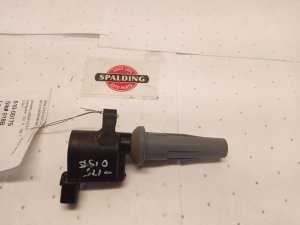
New Aftermarket Parts Available

The information in this article is provided for general reference and educational purposes only. Vehicle specifications, procedures, and part compatibility can vary by production date, trim level, and region. Always consult your vehicle's factory service manual and verify part numbers before purchasing or performing repairs. Safety-critical components such as airbags, seat belts, and braking systems should be installed by a qualified professional.
- Ford Escape:
- 🧭 Diagnostic Flowchart
- 🎬 Helpful Videos
- 🛍️ Shop This Part
- What's Unique About the 2017-2019 Ford Escape
- Symptoms You May Notice
- Most Likely Causes
- Rare But Worth Checking
- Diagnosis Steps
- Parts You'll Likely Need
- Related Codes That Often Appear With This One
- Technical Service Bulletins (TSBs) & Recalls
- Platform-Specific Known Issues
- Mechanic-Grade Diagnostic Values
- Hidden / Shadow Codes Worth Checking
- Scan Tool Commands That Help
- Wiring & Ground Locations
- Real Owner Repair Stories
- OEM Part Supersession History
- Model Year Variations Within This Range
- Other Known Issues on This Vehicle
- Used vs. New Parts: Buying Guide for This Vehicle
- Real Owner Stories
- 2017 Ford Escape 2.0L EcoBoost
- 2018 Ford Escape 2.0L EcoBoost — 97000 miles
- 2018 Ford Escape 2.0L EcoBoost — 112000 miles
- Related OBD-II Codes
- Frequently Asked Questions
- 🎟️ Get 5% Off