

P0302 on 2009-2016 GMC Acadia: Cylinder 2 Misfire Causes and Fixes
P0302 on a 2009-2016 GMC Acadia indicates a misfire in cylinder 2. The most common causes are a failed ignition coil or a worn spark plug. Swapping the cylinder 2 coil with another is the fastest way to diagnose the problem. A new coil costs about $30-$60. Cylinder 2 is on the front bank (near the radiator), on the passenger side.
- P0302 on a 2009-2016 Acadia is a misfire on the front, passenger-side cylinder.
- The most likely cause is a bad ignition coil, which can be easily diagnosed by swapping it with a neighboring coil.
- If the check engine light is flashing, stop driving to avoid destroying your catalytic converter.
- Due to the direct-injection engine design, carbon buildup on intake valves is a common underlying cause for misfires that a simple tune-up won't fix.
- Always check for oil in the spark plug well when replacing a coil, as a leaking valve cover gasket will cause the new coil to fail again.
What's Unique About the 2009-2016 Gmc ACADIA
The first-generation GMC Acadia and its platform mates (Buick Enclave, Chevy Traverse, Saturn Outlook) share the 3.6L direct-injection V6 engine (LLT or LFX). This platform is particularly susceptible to a few key issues that cause misfires. Beyond the universal culprits of coils and plugs, these engines are known for significant carbon buildup on intake valves, which can disrupt airflow and cause misfires, especially on cold starts. Additionally, specific TSBs point to less common but documented issues like faulty ignition coil grounds and even damaged Oil Control Valve (OCV) solenoids that can lead to a P0302 code.
Diagnostic Flowchart
Tap your situation to follow the diagnostic path that matches what you're seeing on this vehicle.
Symptoms You May Notice
- Rough or shaking idle
- Hesitation or stumbling during acceleration
- Reduced engine power
- Flashing Check Engine Light
- Difficulty starting the engine
- Increased fuel consumption
- Unusual smell of raw fuel from the exhaust
- Replacing only the spark plug when the ignition coil is bad.
- Replacing the O2 sensor, as a misfire can cause a lean or rich reading, but the sensor is just reporting the problem, not causing it.
- Assuming a fuel injector is good without proper testing, especially on this platform where they are a known, albeit less frequent, failure point.
Most Likely Causes
- Faulty Ignition Coil 🔴 High Probability → Shop Ignition Coil Ignition coils are a common failure item due to constant heat cycles. Oil leaking from the valve cover gasket into the spark plug tube can also short out and destroy the coil. TSB PIP5038B also notes that various electrical issues can cause heat stress and damage to the coils.
How to confirm: Swap the ignition coil from cylinder 2 with another cylinder on the same bank (e.g., cylinder 4, which is also on the front bank). Clear the codes and drive the vehicle. If the code changes to P0304, the ignition coil is faulty.
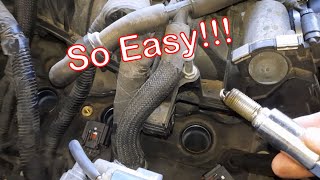
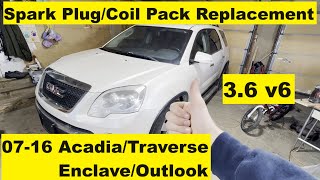
Typical fix: Replace the faulty ignition coil. It is often recommended to replace the corresponding spark plug at the same time. To access the front bank of coils (including cylinder 2), the plastic engine cover must be removed. 🎬 Watch: This walkthrough makes replacing plugs and coils look easy.
Est. part cost: $30 - $80 - Worn or Fouled Spark Plug 🔴 High Probability → Shop Spark Plug Spark plugs are a routine maintenance item with a life of 60,000-100,000 miles. On direct-injection engines, they can become fouled by carbon or oil, leading to a weak or inconsistent spark. An incorrect plug gap can also cause misfires.
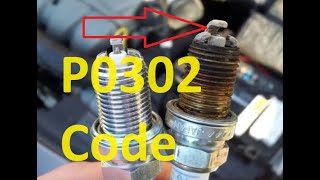
How to confirm: After confirming the ignition coil is good, remove the spark plug from cylinder 2. Inspect it for a worn electrode, cracks in the ceramic, or heavy carbon/oil deposits. Check the gap with a feeler gauge, though OEM iridium plugs are pre-gapped and should not be adjusted.
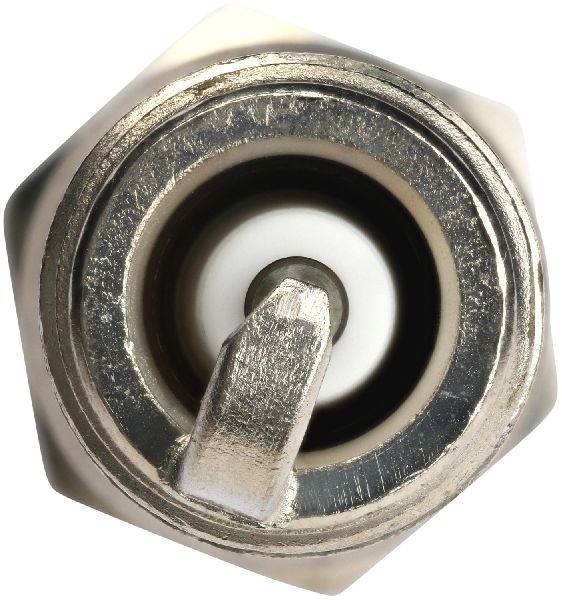
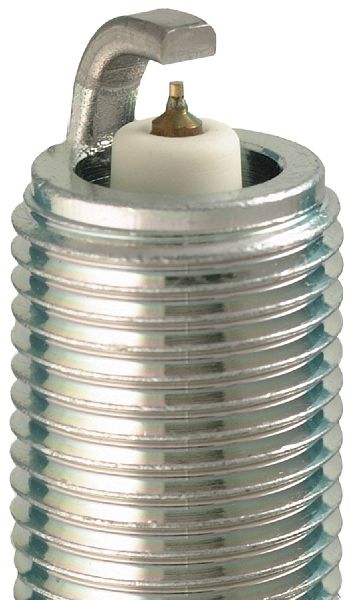
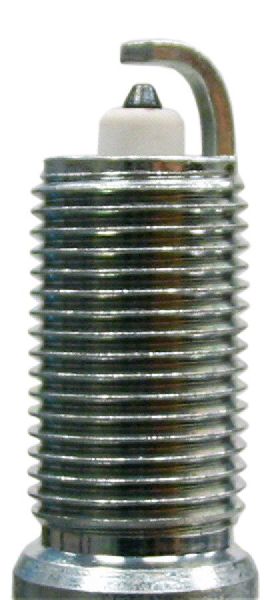
Typical fix: Replace the spark plug. It is best practice to replace all six spark plugs as a set if they are near the end of their service life. Ensure new plugs are gapped correctly before installation; for ACDelco Iridium plugs (41-109), the gap is 0.043" and should not be adjusted.
Est. part cost: $10 - $25 per plug - Carbon Buildup on Intake Valves 🟡 Medium Probability The 3.6L is a direct-injection (DI) engine. Fuel is sprayed directly into the cylinder, so it never washes over the intake valves. Over time, oil vapor from the PCV system bakes onto the hot valves, forming hard carbon deposits that restrict airflow and cause misfires, particularly on cold starts. This is a well-documented issue on the LLT and LFX engines.
How to confirm: This is difficult to confirm without a borescope inserted into the intake port. Often, it is diagnosed after ignition and fuel system issues have been ruled out. Symptoms are typically worse on a cold engine and may not be present when the engine is warm.
Typical fix: The intake manifold must be removed and the valves must be cleaned manually. The most effective method is walnut shell blasting. Chemical cleaning services ("induction cleaning") are also available but may be less effective on heavy deposits.
Est. part cost: $20 - $50 for gaskets and seals, professional cleaning service is several hundred dollars. - Clogged or Faulty Fuel Injector ⚪ Low Probability → Shop Fuel Injector Direct injectors operate under very high pressure and can become clogged or fail electrically over time. GM has issued TSBs for other codes on this platform that point to injector failures as a root cause.
How to confirm: This usually requires a professional scan tool to perform a fuel injector balance test. Swapping injectors is possible but is a labor-intensive job on this engine as it requires removing the intake manifold and fuel rail. Resistance can be checked and should be between 1.5-1.6 ohms.
Typical fix: Replace the faulty fuel injector. This requires removing the fuel rail. It is often recommended to replace all injectors on the same bank at the same time.
Est. part cost: $70 - $150 per injector, with total repair costs potentially exceeding $1,000 at a shop.
Rare But Worth Checking
- Damaged Oil Control Valve (OCV) Solenoid: → Shop Engine Variable Valve Timing (VVT) Oil Control Valve TSB #21-NA-036 specifically mentions that a damaged OCV solenoid can cause an oil leak and misfires, setting codes like P0300, P0302 and/or P0305. The end of the solenoid can break and get stuck in the camshaft cover, requiring removal with a pick tool.
- Loose Ignition Coil Ground: → Shop Ignition Coil TSB #PIP5038B and owner forums mention that a loose ground bolt for an entire bank of ignition coils can cause misfires on cylinders 2, 4, and 6. Checking that the ground on the cylinder head (G114) is clean and tight is a worthwhile step.
- Low Engine Compression: A more serious mechanical issue, such as worn piston rings, a failing valve, or a bad head gasket, can cause a loss of compression in cylinder 2. This is usually diagnosed with a compression test after all other causes are ruled out.
- Stretched Timing Chain: A known issue on early 3.6L V6 engines, a stretched timing chain can cause camshaft timing to be off, leading to misfires. This is a major repair and is usually accompanied by other codes (like P0016, P0017) and a rattling noise on startup. The issue was largely remedied in later LLT and LFX engines.
Diagnosis Steps
- Read the code with an OBD-II scanner and confirm P0302 is present. 🎬 Watch: A mechanic explains how to diagnose and fix the P0302 code. Note any other codes and check freeze frame data.
- Check for a flashing check engine light, which indicates a catalyst-damaging misfire. Do not drive if flashing.
- Identify cylinder 2. On the Acadia's transverse 3.6L V6, the front bank (closest to the radiator) is cylinders 2-4-6, from passenger side to driver side. The rear bank (near the firewall) is 1-3-5. Cylinder 2 is the first cylinder on the passenger side in the front.
- Swap the ignition coil from cylinder 2 with the coil from cylinder 4. Clear the codes and run the engine to see if the misfire code moves to P0304. If it does, the coil is bad.
- If the misfire stays on cylinder 2, inspect the spark plug for wear, damage, or fouling. Replace if necessary. The correct spark plug (ACDelco 41-109) is pre-gapped to 0.043" and should not be adjusted.
- Inspect the ignition coil connector and wiring for any damage or corrosion. Check the ignition coil ground bolt for the front bank (G114) on the cylinder head to ensure it is clean and tight. 🎬 See how a loose ground causes misfires on cylinders 2, 4, and 6.
- If ignition components are good, the next likely causes are a clogged fuel injector or carbon buildup on the intake valves. These are more complex to diagnose and may require professional help, such as a borescope inspection for carbon or a scan tool for an injector balance test.
- A compression test should be performed to rule out any mechanical engine problems if the cause is still not found.
Parts You'll Likely Need
- Ignition Coil
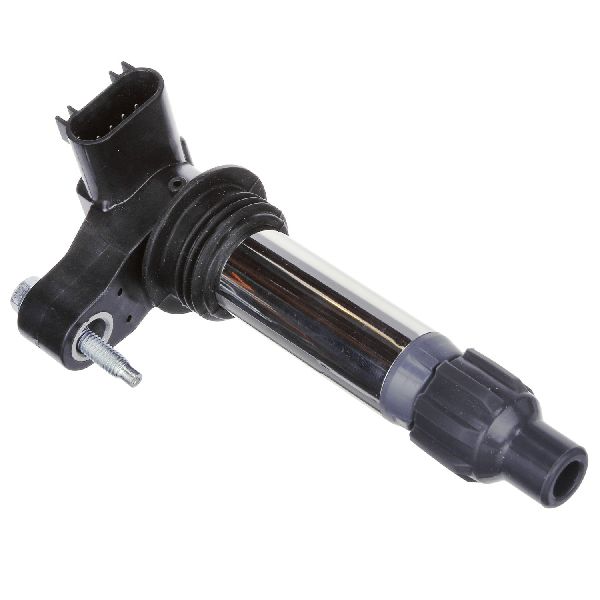
(OEM #12632479)— This is the most frequent cause of a single-cylinder misfire on the GMC Acadia. Heat and vibration cause the internal windings to fail over time. This part number supersedes 12590990, 12610626, and 12618542.
Trusted brands: ACDelco (D515C), Delphi, NGK
OEM price range: $50-$80
Aftermarket price range: $30-$60 - Spark Plug
(OEM #41-109)— A standard wear item that is essential for proper ignition. A worn or fouled plug cannot create a strong enough spark.
Trusted brands: ACDelco Iridium, NGK Iridium
OEM price range: $15-$25
Aftermarket price range: $8-$15
Related Codes That Often Appear With This One
- P0300 — If the misfire is intermittent or affects other cylinders, a P0300 (Random/Multiple Cylinder Misfire) code may be stored alongside P0302.
- P0304 / P0306 — If the cause is systemic to the front bank of cylinders (like a loose ground or bad catalytic converter), you may see misfire codes for the other cylinders on that bank (4 and 6).
Technical Service Bulletins (TSBs) & Recalls
- TSB #21-NA-036: Details how a damaged OCV solenoid can break apart, get stuck in the camshaft cover, and cause misfires on specific cylinders including P0302.
- TSB #PIP5038B: Addresses multiple misfire codes (P0300-P0306) caused by electrical issues stressing the ignition coils. It specifically calls out checking for loose or corroded ignition coil ground bolts (G112/G114 for Lambda platforms) on the cylinder heads.
Platform-Specific Known Issues
- The Coil Swap is King: A common story on owner forums involves the appearance of P0302 with a rough idle. The owner, following forum advice, moves the ignition coil from cylinder 2 (front, passenger side) to cylinder 4 (front, middle). After clearing the codes and restarting, the scanner now shows P0304. This confirms the coil is the culprit. The owner then replaces the single bad coil (e.g., an ACDelco D515C) and the corresponding spark plug, resolving the issue in under an hour for less than $100.
- The Loose Ground Bolt Mystery: An owner on YouTube chased an intermittent misfire on cylinders 2, 4, and 6 (P0300, P0302, P0304, P0306) for weeks. After replacing coils and plugs with no success, they discovered the 8mm ground bolt holding the coil bank's ground wire to the cylinder head was loose. Tightening this single bolt provided a solid ground and permanently fixed the misfire issue, a repair detailed in TSB PIP5038B.
Mechanic-Grade Diagnostic Values
- Low-Side Fuel Pressure (In-Tank Pump) — expected: 87 - 130 PSI. Failure: Pressure below 87 PSI indicates a weak in-tank fuel pump or clogged filter.
- Fuel Injector Resistance — expected: 1.5 - 1.6 ohms (when tested at ECM connector) OR 11 - 14 ohms (when tested at injector, engine temp 50-90°F). Failure: A reading significantly outside the expected range, or an open/short, indicates a faulty injector coil.
- Spark Plug Gap (ACDelco 41-109 Iridium) — expected: 0.043 inches (1.1 mm). Failure: These plugs are pre-gapped and should not be adjusted. An incorrect gap can cause a weak spark. If the gap is wrong, the plug may have been damaged or is incorrect for the application.
Hidden / Shadow Codes Worth Checking
- Mode $06 Misfire Counters: The Engine Control Module (ECM) continuously monitors misfires on each cylinder. This data is stored in Mode $06. These counters will increment with each detected misfire event, even if the threshold to set a P0302 code has not yet been met. This allows a technician to see if cylinder 2 is misfiring intermittently before it becomes a constant problem. (see via A professional scan tool capable of reading Mode $06 data. The specific Test ID (TID) and Component ID (CID) will correspond to cylinder 2 misfire counts.)
Scan Tool Commands That Help
- GDS2 / Tech2 or equivalent professional scanner: Fuel Injector Balance Test — This command allows the technician to individually disable each fuel injector and observe the corresponding drop in RPMs. If disabling cylinder 2's injector causes little or no change in RPM, while disabling other cylinders causes a noticeable drop, it confirms that cylinder 2 is not contributing power. This helps isolate the issue to that cylinder after ignition problems have been ruled out.
Wiring & Ground Locations
- G114 — On the left (front) cylinder head, mounted between cylinders 4 & 6. This is the bank of cylinders closest to the radiator.. This is the primary ground point for the ignition coils on the front bank of cylinders (2, 4, and 6). A loose or corroded G114 ground bolt can cause an intermittent or persistent misfire on any or all of these cylinders, including P0302.
Real Owner Repair Stories
- YouTube user comment (Not specified, but context implies a vehicle with a P0302 code.) — Very bad rough idle, engine shaking, and stalling.
❌ Tried (didn't work) Replacing ignition coils, Replacing spark plugs
✅ What actually fixed it The owner suspected a clogged fuel injector and added Redline fuel injection cleaner to the fuel tank. After running the car for a while, the misfire and rough idle were resolved, and the P0302 code went away. - The ASE Mechanic YouTube channel (GMC Acadia (year not specified, but first generation)) — Intermittent misfire on cylinders 2, 4, and 6, triggering a P0300 code. The owner had driven it this way for over two weeks.
❌ Tried (didn't work) The video focuses on the diagnosis, not prior failed attempts.
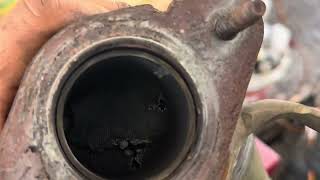
✅ What actually fixed it A loose 8mm ground bolt (G114) for the front bank of ignition coils was found to be the root cause. Tightening the ground bolt would have fixed the misfire, but due to the extended driving with the issue, the catalytic converter for that bank had melted and also required replacement.
"I Checked Everything" — The Actual Cause
- In cases where a P0302 (or related bank misfire like P0300 on cylinders 2, 4, 6) is present but a smoke test reveals no vacuum leaks, the cause can be electrical. A loose ground bolt for the ignition coil bank (G114) will not be found by a smoke test but can cause severe intermittent misfires.
- A clogged catalytic converter can create excessive exhaust backpressure, leading to misfires and a lack of power. Standard intake-side diagnostics like a smoke test will not detect this. The problem is in the exhaust system, and is often a consequence of a previous, unresolved misfire dumping raw fuel into the converter.
When the Usual Fixes Don't Work
- While ignition coils and spark plugs are the most common culprits for P0302, multiple owner and technician accounts show that these fixes are not always successful. In one documented case, after replacing both coils and plugs to no effect, the actual cause was a clogged fuel injector that was resolved with a potent in-tank fuel system cleaner. In another professional diagnosis, intermittent misfires across the entire front bank (including cylinder 2) were traced back to a simple loose ground bolt for the ignition coils, a fix that required no parts. These instances highlight the need to confirm ignition and fuel system integrity through testing rather than immediately replacing parts.
OEM Part Supersession History
12590990, 12610626, 12618542→12632479 (ACDelco D515C)— Represents revised designs for improved durability and performance against heat and vibration.12638530→12669384— This is a common supersession for the 3.6L V6 direct fuel injector, likely representing a revised design or manufacturing process.
Heads up: Always verify the correct injector part number by VIN, as changes occurred during the production run.
Model Year Variations Within This Range
- 2009-2016: All 3.6L Direct Injection engines (LLT, LFX) in this range have a high-pressure fuel system that produces a characteristic rapid clicking or ticking sound, especially at idle and on cold starts. This is normal operation of the high-pressure fuel pump and injectors and should not be misdiagnosed as a valvetrain or other mechanical problem.
- 2013-2016: The engine was updated from the LLT to the LFX in 2013. The LFX engine features cylinder heads with integrated exhaust manifolds. This means that unlike the earlier LLT, the exhaust manifold cannot be unbolted from the head, which changes procedures for head removal or catalytic converter replacement.
Helpful Videos

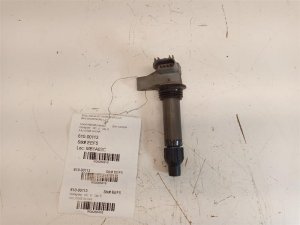
Used OEM Parts in Stock
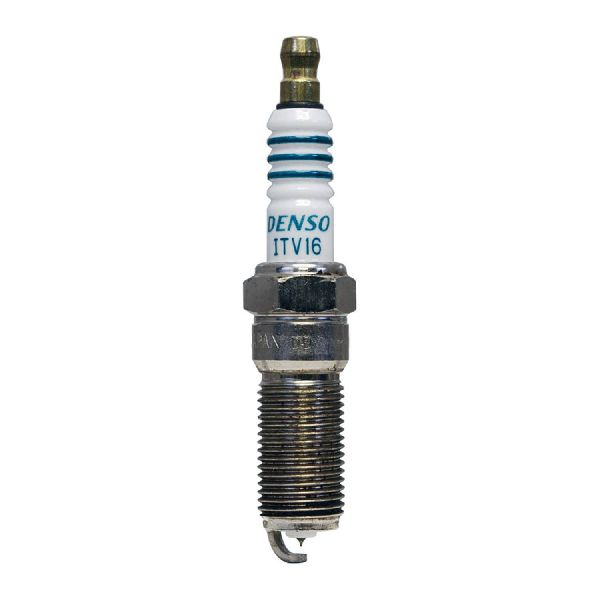
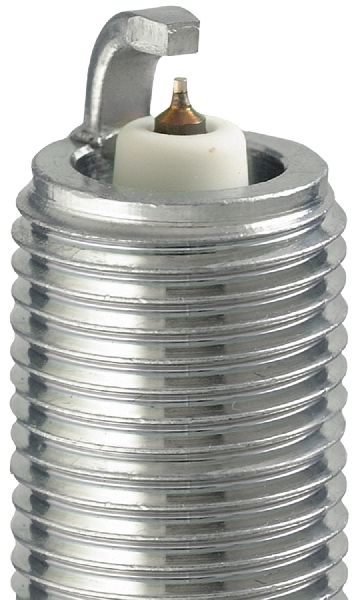
New Aftermarket Parts Available

The information in this article is provided for general reference and educational purposes only. Vehicle specifications, procedures, and part compatibility can vary by production date, trim level, and region. Always consult your vehicle's factory service manual and verify part numbers before purchasing or performing repairs. Safety-critical components such as airbags, seat belts, and braking systems should be installed by a qualified professional.
- Gmc ACADIA:
- 🧭 Diagnostic Flowchart
- 🎬 Helpful Videos
- 🛍️ Shop This Part
- What's Unique About the 2009-2016 Gmc ACADIA
- Symptoms You May Notice
- Most Likely Causes
- Rare But Worth Checking
- Diagnosis Steps
- Parts You'll Likely Need
- Related Codes That Often Appear With This One
- Technical Service Bulletins (TSBs) & Recalls
- Platform-Specific Known Issues
- Mechanic-Grade Diagnostic Values
- Hidden / Shadow Codes Worth Checking
- Scan Tool Commands That Help
- Wiring & Ground Locations
- Real Owner Repair Stories
- "I Checked Everything" — The Actual Cause
- When the Usual Fixes Don't Work
- OEM Part Supersession History
- Model Year Variations Within This Range
- 🎟️ Get 5% Off