

P0302 on 2017-2022 GMC Acadia: Cylinder 2 Misfire Causes and Fixes
P0302 indicates a misfire in cylinder #2. On the 2017-2022 GMC Acadia, this is most often caused by a faulty ignition coil or a worn-out spark plug. A less common but notable cause documented in GM Technical Service Bulletin #21-NA-036 for the 3.6L V6 is a damaged Active Fuel Management (AFM) Oil Control Valve (OCV) solenoid that can break apart. Expect to pay $40-$100 for a DIY coil and plug replacement.
- P0302 is a misfire on cylinder #2. Do not ignore a flashing check engine light, as it signals a risk of catalytic converter damage.
- The most probable cause is a bad ignition coil or a worn spark plug. Start diagnosis by swapping the coil from cylinder 2 to another cylinder.
- On the 3.6L V6, be aware of TSB #21-NA-036, which points to a faulty AFM oil control valve (OCV) solenoid as a specific cause for misfires on cylinders 2 or 5.
What's Unique About the 2017-2022 Gmc ACADIA
While the most common causes for a P0302 on any vehicle are spark plugs and ignition coils, the 3.6L V6 in this generation of GMC Acadia has a specific issue documented by GM. A Technical Service Bulletin (TSB #21-NA-036) points to a potentially damaged Active Fuel Management (AFM) Oil Control Valve (OCV) solenoid. This solenoid can leak oil or physically break, with the end of the solenoid getting stuck in the camshaft cover bore, causing inadequate oil pressure for the AFM system and deactivating the cylinder. This is a crucial vehicle-specific data point to consider if a simple tune-up doesn't resolve the misfire.
Diagnostic Flowchart
Tap your situation to follow the diagnostic path that matches what you're seeing on this vehicle.
Symptoms You May Notice
- Rough or shaky idle
- Hesitation or stumbling during acceleration
- Reduced engine power
- Poor fuel economy
- Solid or flashing Check Engine Light
- A smell of unburned gasoline from the exhaust 🎬 See this helpful breakdown of the P0302 misfire code
- Replacing only the spark plug when the ignition coil is the actual cause.
- Replacing fuel system components like the fuel pump when the issue is isolated to a single cylinder's ignition system.
- Overlooking the possibility of the TSB-related OCV solenoid failure on the 3.6L V6 and performing unnecessary ignition or fuel system repairs.
Most Likely Causes
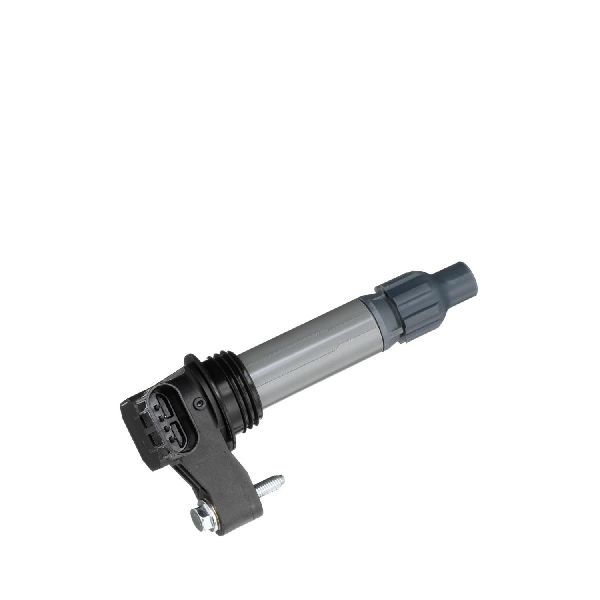
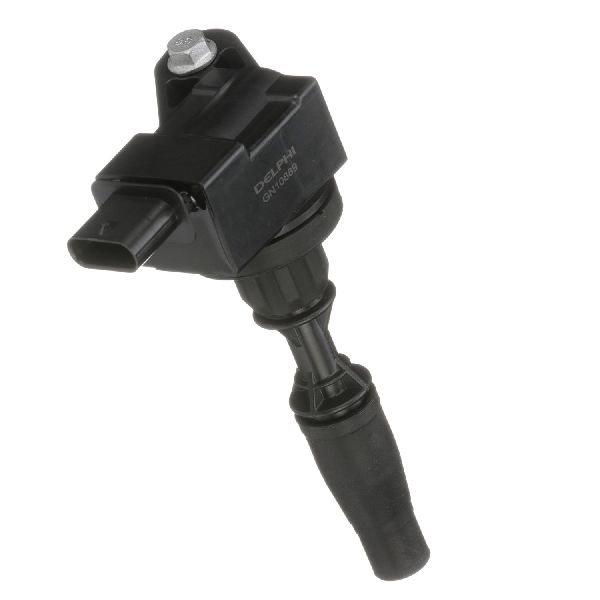
- Faulty Ignition Coil 🔴 High Probability → Shop Ignition Coil Coil-on-plug ignition systems are common points of failure over time due to high heat and vibration in the engine bay.
How to confirm: The easiest method is to swap the ignition coil from cylinder 2 with another cylinder (e.g., cylinder 4 on the V6). Clear the codes and drive the vehicle. If the code changes to P0304, the coil is confirmed to be faulty.
Typical fix: Replace the failed ignition coil. It is often recommended to replace the spark plug at the same time. On the 3.6L V6, accessing the front bank coils (2, 4, 6) may require loosening and slightly lifting the intake manifold for clearance. 🎬 Watch: How to replace ignition coils on the 3.6L V6
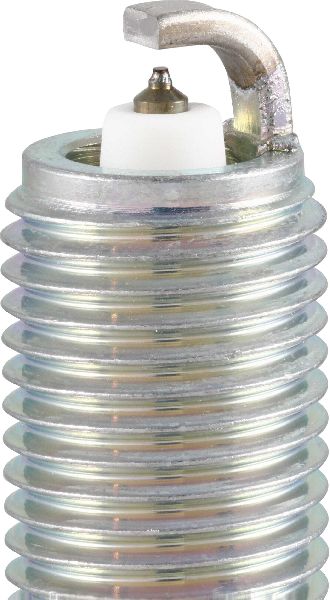
Est. part cost: $30-$60 - Worn or Fouled Spark Plug 🔴 High Probability → Shop Spark Plug Spark plugs are a standard maintenance item with a finite lifespan. On direct-injection engines like those in the Acadia, they can be susceptible to carbon or oil fouling, which weakens the spark and can cause a misfire.
How to confirm: After ruling out the ignition coil, remove the spark plug from cylinder 2. Inspect it for wear (worn electrode), carbon buildup, oil fouling, or a cracked porcelain insulator. Check the gap against manufacturer specifications.
Typical fix: Replace the spark plug. Many technicians recommend replacing all spark plugs at the same time for even performance and to avoid future misfires on other cylinders.
Est. part cost: $10-$25 per plug - Damaged Oil Control Valve (OCV) Solenoid (3.6L V6) 🟡 Medium Probability → Shop Engine Variable Valve Timing (VVT) Oil Control Valve A specific GM Technical Service Bulletin (#21-NA-036) identifies this as a possible cause for misfires on cylinders 2 and 5 in the 3.6L V6 engine. These are the cylinders affected by the Active Fuel Management (AFM) system.
How to confirm: Visually inspect the AFM OCV solenoid for signs of oil leakage. Per the TSB, the solenoid should be removed and inspected for damage. A common failure is the end of the solenoid breaking off and remaining lodged in the camshaft cover. A diagnostic scan tool can also be used to command the solenoid 🎬 Watch: How to replace the VVT solenoid on this engine and monitor its response.
Typical fix: Replace the damaged OCV solenoid. If the end is broken off in the bore, it must be carefully removed with a pick tool or snap ring pliers before the new solenoid can be installed.
Est. part cost: $40-$90 - Clogged or Faulty Fuel Injector ⚪ Low Probability → Shop Fuel Injector Direct injection fuel injectors operate under high pressure and can become clogged from fuel contaminants or fail electronically over time, though this is less common than ignition issues.
How to confirm: This is more difficult to diagnose. A professional can perform a fuel injector balance test. An advanced DIYer can check the injector's resistance with a multimeter or listen for a consistent clicking sound with a mechanic's stethoscope, indicating it's operating.
Typical fix: Replace the faulty fuel injector. This is often a more labor-intensive job, especially on the 3.6L V6 where it may require removal of the intake manifold.
Est. part cost: $50-$150
Rare But Worth Checking
- Vacuum Leak: A vacuum leak from a cracked hose or a bad intake manifold gasket near cylinder 2 can lean out the air/fuel mixture and cause a misfire.
- Low Engine Compression: Internal engine issues like a worn piston ring, a bad valve, a leaking head gasket, or even failed rocker arms/lifters related to the AFM system can cause a loss of compression in cylinder 2, leading to a misfire. This is the least likely and most expensive cause.
- Cylinder Head Porosity: → Shop Engine Cylinder Head A rare but documented issue in TSB #21-NA-147 describes porous spots in the cylinder head casting that can allow oil or coolant to leak directly into the spark plug tube, fouling the plug and coil and causing a misfire. The fix is to replace the entire cylinder head.
Diagnosis Steps
- Read the trouble codes with an OBD-II scanner and note any other codes present.
- Identify the location of cylinder #2. For the 3.6L V6, the front bank (near the radiator) is Bank 2, containing cylinders 2, 4, and 6, ordered from passenger side to driver's side. Cylinder 2 is the front-most cylinder on the passenger side. For the 2.5L I4, the cylinders are in order 1-2-3-4 from the timing belt side (passenger side) to the transmission side (driver side).
- Swap the ignition coil from cylinder #2 with an adjacent, easily accessible cylinder (like #4 on the V6).
- Clear the codes, start the engine, and let it run. Re-scan for codes. If the code has moved to the other cylinder (e.g., P0304), the ignition coil is bad.
- If the P0302 code returns, the coil is likely good. Turn off the engine and remove the spark plug from cylinder #2.
- Inspect the spark plug for excessive wear, fouling (black, sooty, or oily deposits), or damage. Check for signs of oil or coolant in the spark plug tube, which could point to a leaking valve cover gasket or the rarer head porosity issue (TSB #21-NA-147). Replace the plug if necessary.
- If the plug and coil are good, inspect the wiring and connector for the ignition coil and fuel injector for any visible damage.
- For the 3.6L V6, inspect the area around the Active Fuel Management (AFM) Oil Control Valve (OCV) solenoid for any signs of an oil leak, as indicated by TSB #21-NA-036. Consider removing it to check for the specific damage noted in the bulletin.
- If the cause is still not found, more advanced diagnostics like a fuel injector balance test, a compression test, or a cylinder leak-down test may be required to check for mechanical engine problems.
Parts You'll Likely Need
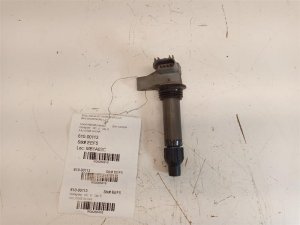
- Ignition Coil
(OEM #12666339 (superseded by 12741091 for 3.6L V6), 12707304 (for 2.5L I4))— This is one of the most common failure points for a single-cylinder misfire.
Trusted brands: ACDelco, Delphi, NGK
OEM price range: $50-$90
Aftermarket price range: $30-$60 - Spark Plug
(OEM #12646780 (ACDelco 41-123 for 3.6L V6), 12680074 (for 2.5L I4))— Spark plugs are a routine maintenance item and can cause misfires when worn or fouled.
Trusted brands: ACDelco, NGK, Bosch
OEM price range: $15-$30
Aftermarket price range: $10-$20 - Oil Control Valve (OCV) Solenoid (AFM)
(OEM #12662736 (Intake, may be related))— A known issue on the 3.6L V6 platform, as cited in GM TSB #21-NA-036, which can cause oil leaks and misfires on AFM cylinders.
Trusted brands: ACDelco
OEM price range: $60-$100
Aftermarket price range: $40-$80
Related Codes That Often Appear With This One
- P0300 — If the misfire is intermittent or affects other cylinders, a P0300 (Random/Multiple Cylinder Misfire) may be stored alongside P0302.
- P0305 — The specific TSB #21-NA-036 mentions that a faulty AFM OCV solenoid can also cause a P0305 (Cylinder 5 Misfire), indicating a potential pattern failure on V6 engines as cylinders 2 and 5 are the AFM cylinders.
Technical Service Bulletins (TSBs) & Recalls
- 21-NA-036: Details a potential issue with a damaged AFM OCV solenoid on 3.6L V6 engines that may cause an oil leak and misfire on cylinders 2 and/or 5. The solenoid can break, leaving part of it in the camshaft cover bore.
- 21-NA-147: Describes a condition of fluid (oil or coolant) found in spark plug tubes due to cylinder head porosity, which can cause misfires.
Platform-Specific Known Issues
- TSB #21-NA-036: On the 3.6L V6, a damaged Active Fuel Management (AFM) Oil Control Valve (OCV) solenoid may cause an oil leak or break apart, leading to inadequate oil pressure and a misfire on AFM cylinders (2 or 5). The bulletin advises inspecting the solenoid and its bore in the camshaft cover for damage.
- TSB #21-NA-147: A rare manufacturing defect can cause porosity in the cylinder head, allowing oil or coolant to seep into the spark plug tubes. This will foul the spark plug and ignition coil, causing persistent misfires. The only fix is cylinder head replacement.
Helpful Videos

Used OEM Parts in Stock
New Aftermarket Parts Available


The information in this article is provided for general reference and educational purposes only. Vehicle specifications, procedures, and part compatibility can vary by production date, trim level, and region. Always consult your vehicle's factory service manual and verify part numbers before purchasing or performing repairs. Safety-critical components such as airbags, seat belts, and braking systems should be installed by a qualified professional.
- Gmc ACADIA:
- 🧭 Diagnostic Flowchart
- 🎬 Helpful Videos
- 🛍️ Shop This Part
- What's Unique About the 2017-2022 Gmc ACADIA
- Symptoms You May Notice
- Most Likely Causes
- Rare But Worth Checking
- Diagnosis Steps
- Parts You'll Likely Need
- Related Codes That Often Appear With This One
- Technical Service Bulletins (TSBs) & Recalls
- Platform-Specific Known Issues
- 🎟️ Get 5% Off