

P0302 on 2010-2012 GMC Canyon: Cylinder 2 Misfire Causes and Fixes
P0302 on a 2010-2012 GMC Canyon means cylinder #2 is misfiring. The most common causes are a bad ignition coil or a worn-out spark plug. A loose spark plug wire is also a known issue on V8 models per a GM Technical Service Bulletin. For the I4 and I5 engines, a more serious but known issue is potential valve seat wear causing low compression. A DIY fix for ignition components is often under $75 and takes less than an hour.
- P0302 means cylinder #2 is misfiring, which is a common issue on the 2010-2012 Canyon.
- The most likely cause is a bad ignition coil or a worn spark plug, both of which are inexpensive and easy to replace for a DIYer.
- Always check the spark plug wire connection on V8 models, as a GM TSB identifies this as a specific weak point. [⭐ MANUFACTURER TSB — highest authority]
- Do not drive if the check engine light is flashing, as this can cause rapid and expensive damage to the catalytic converter.
What's Unique About the 2010-2012 Gmc CANYON
The 2010-2012 Canyon uses the GM Atlas engine family (2.9L I4, 3.7L I5) or the 5.3L V8. While ignition component failure is typical, these trucks have specific known issues. For the 5.3L V8, GM issued Technical Service Bulletin (PIP4819A) pointing to loose spark plug wires as a cause for misfires. [⭐ MANUFACTURER TSB — highest authority] For the I4 and I5 engines, a more serious and well-documented issue is premature valve seat wear, which can lead to low compression and a persistent misfire that a tune-up won't fix. This was more common on earlier (pre-2008) models but can still occur on later trucks.
Diagnostic Flowchart
Tap your situation to follow the diagnostic path that matches what you're seeing on this vehicle.
Symptoms You May Notice
- Rough or shaky engine idle 🎬 Watch: How to fix a rough idle and replace coils
- Noticeable loss of power and sluggish acceleration
- Hesitation or stumbling during acceleration
- Solid or flashing Check Engine Light
- Increased fuel consumption
- Smell of unburned gasoline from the exhaust
- Engine tapping or knocking noise, especially at idle
- Replacing the oxygen sensor. An O2 sensor will not cause a single-cylinder misfire.
- Replacing the catalytic converter. A misfire can damage a catalytic converter, but a bad converter will not cause the misfire code.
- Ignoring a flashing check engine light. This indicates a severe misfire that requires immediate attention to prevent catalytic converter damage.
Most Likely Causes
- Faulty Ignition Coil 🔴 High Probability → Shop Ignition Coil Ignition coil failure is a very common issue on the GM Atlas and V8 engine families used in these trucks. The coil-on-plug design is subject to failure from heat and vibration over time.
How to confirm: Swap the ignition coil from cylinder #2 with another cylinder (e.g., cylinder #1). Clear the codes and run the engine. If the code changes to P0301, the ignition coil is faulty. This is a widely accepted and effective diagnostic step. 🎬 See a mechanic diagnose a misfire on the Atlas engine
Typical fix: Replace the faulty ignition coil. It's often recommended to replace all coils if they are original and the vehicle has high mileage, but replacing only the failed one is a common and acceptable repair.
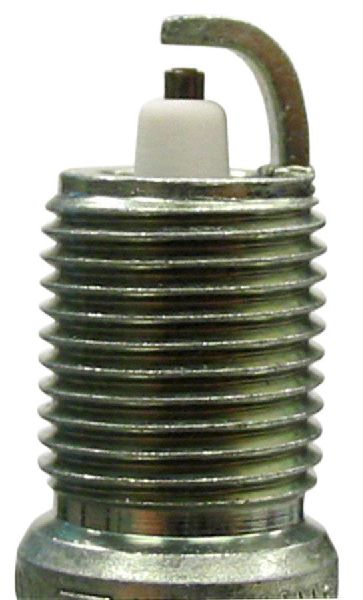
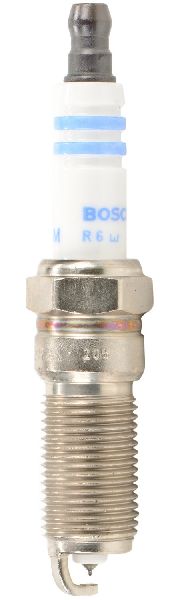
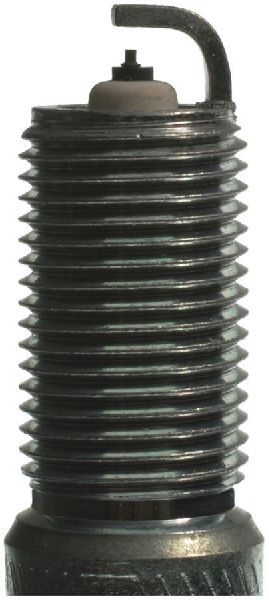
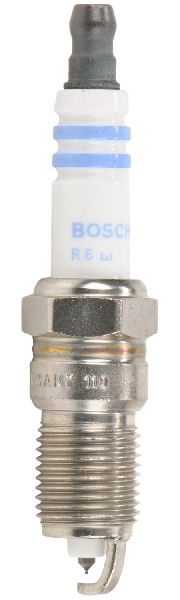
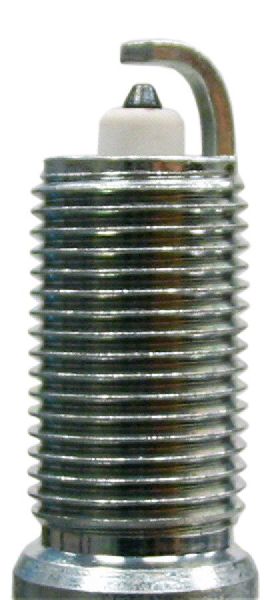
Est. part cost: $30-$110 - Worn or Fouled Spark Plug 🔴 High Probability → Shop Spark Plug Spark plugs are a routine maintenance item. A worn electrode, incorrect gap, or fouling from carbon or oil can prevent a proper spark.
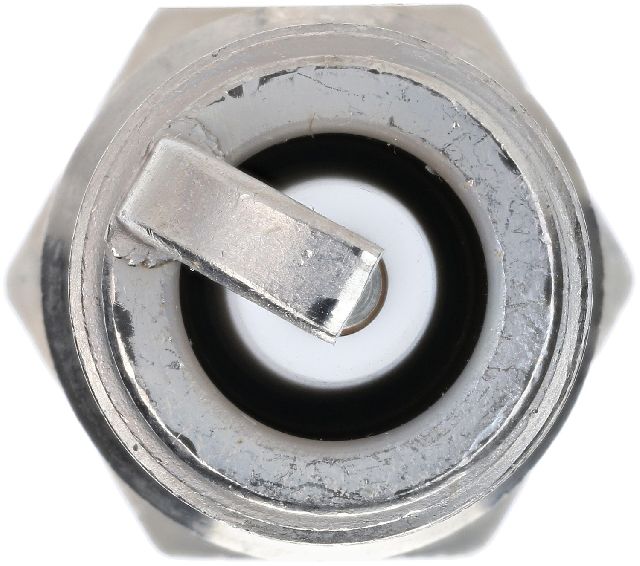
How to confirm: Remove the spark plug from cylinder #2 and inspect it for wear, damage, or deposits. Compare it to a new plug. The gap for the OEM ACDelco Iridium plug (41-103) should be around .040-.043 inches.
Typical fix: Replace the spark plug. It is best practice to replace all spark plugs at the same time to ensure even performance and avoid future misfires.
Est. part cost: $8-$20 per plug - Loose or Damaged Spark Plug Wire (5.3L V8 Only) 🟡 Medium Probability → Shop Spark Plug A GM Technical Service Bulletin (PIP4819A) specifically calls out inspecting and replacing loose spark plug wires as a fix for misfire codes on these vehicles. This applies to the 5.3L V8 engine, as the I4 and I5 use a direct coil-on-plug design without traditional wires.
How to confirm: Visually inspect the spark plug wire for cylinder #2. Ensure it is securely connected at both the ignition coil and the spark plug. Check for any signs of damage, arcing (burn marks), or corrosion on the boots and wire.
Typical fix: Securely reconnect or replace the faulty spark plug wire. It is often recommended to replace the full set if they are old. [⭐ MANUFACTURER TSB — highest authority]
Est. part cost: $40-$80 for a set - Clogged or Faulty Fuel Injector ⚪ Low Probability → Shop Fuel Injector
How to confirm: A professional can perform a fuel injector balance test. A DIY method is to swap the fuel injector from cylinder #2 with another cylinder, but this is more labor-intensive than swapping a coil. Another test involves using a 'noid light' to confirm the injector is receiving an electrical pulse from the PCM.
Typical fix: Clean or replace the faulty fuel injector. Sometimes, running a high-quality fuel system cleaner can resolve minor clogs.
Est. part cost: $50-$150
Rare But Worth Checking
- Low Engine Compression (Worn Valve Seats): A known issue, particularly on the 3.7L I5 and 2.9L I4 Atlas engines, is premature wear of the valve seats in the cylinder head. This leads to a loss of compression, causing a persistent misfire that ignition or fuel part replacement will not fix. GM issued an extended warranty for this on earlier models. Diagnosis requires a cylinder compression test and a leak-down test. If found, the cylinder head needs to be replaced or rebuilt with hardened valve seats.
- Intake Manifold Gasket Leak: → Shop Engine Intake Manifold A vacuum leak near the intake runner for cylinder #2 can lean out the air/fuel mixture and cause a misfire. This would often be accompanied by other codes like P0171 (System Too Lean). A smoke test is the most effective way to diagnose this leak.
- Faulty Camshaft Position Actuator Solenoid: → Shop Engine Camshaft A failing VVT solenoid can disrupt camshaft timing and cause misfires, often accompanied by codes like P0014 or P0017. This is a relatively common and easy part to replace on the Atlas engines.
Diagnosis Steps
- Read the code with an OBD-II scanner to confirm P0302 is the primary code.
- Check for any other pending or active codes, such as P0300 or P0171.
- If the engine is the 5.3L V8, inspect the spark plug wire for cylinder #2 for a secure fit and any damage, as per TSB #PIP4819A. [⭐ MANUFACTURER TSB — highest authority]
- Swap the ignition coil from cylinder #2 with an adjacent cylinder (e.g., cylinder #1). Clear the codes and drive the vehicle. If the code changes to P0301, the coil is bad. This is the most common first step.
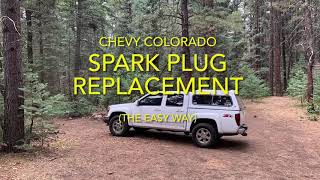
- If the code remains P0302, remove and inspect the spark plug from cylinder #2. Look for wear, fouling, or an incorrect gap. Replace if necessary, preferably as a full set. 🎬 Watch this walkthrough for replacing spark plugs on your truck
- If the coil and plug are good, consider a clogged fuel injector. A more advanced DIY step is to swap injectors between cylinders, but this is labor-intensive.
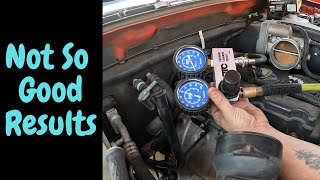
- If ignition and fuel components for cylinder #2 check out, perform an engine compression test and a cylinder leak-down test to rule out mechanical issues like worn valve seats, which is a known problem on the I4 and I5 engines.
Parts You'll Likely Need
- Ignition Coil
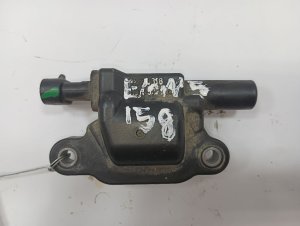
(OEM #12573190)— This is one of the most frequent failure points for a P0302 code on this platform. The ACDelco part number is D514A, corresponding to GM part 12573190.
Trusted brands: ACDelco (D514A), Delphi (GN10309), NGK, Denso
OEM price range: $50-$110
Aftermarket price range: $30-$70 - Iridium Spark Plug
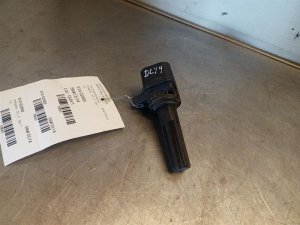
(OEM #41-103)— Spark plugs are a common wear item and a primary cause of misfires. The OEM ACDelco Iridium plug is recommended for longevity and performance.
Trusted brands: ACDelco, NGK, Bosch
OEM price range: $10-$15
Aftermarket price range: $8-$12 - Spark Plug Wire Set (5.3L V8 only)
(OEM #9748RR (ACDelco Professional))— A GM TSB specifically mentions loose spark plug wires as a cause for misfires on these trucks. Replacing as a set is recommended if they are original. [⭐ MANUFACTURER TSB — highest authority]
Trusted brands: ACDelco, NGK
OEM price range: $60-$90
Aftermarket price range: $40-$70
Related Codes That Often Appear With This One
- P0300 — If the misfire is intermittent or affects other cylinders randomly, a P0300 (Random/Multiple Cylinder Misfire) code may appear alongside P0302. This can happen before the PCM isolates the fault to cylinder 2.
- P0301, P0303, P0304, P0305 — If multiple ignition components are failing due to age, or if there is a systemic problem like low fuel pressure or a major vacuum leak, you may see misfire codes for other cylinders as well.
- P0171 — This code for 'System Too Lean (Bank 1)' can appear with P0302 if the misfire is caused by a vacuum leak (like an intake gasket) or a clogged fuel injector that isn't providing enough fuel to cylinder 2.
Technical Service Bulletins (TSBs) & Recalls
- PIP4819A: Addresses engine misfires (P0300-P0308) and points to inspecting and replacing loose spark plug wires on V8 models.
- 07-06-01-019 (and related): Discusses diagnosis and replacement of the cylinder head for valve seat wear issues on the LLR (3.7L) and LLV (2.9L) engines.
Platform-Specific Known Issues
- Valve Seat Wear on I4 and I5 Engines: The 2.9L and 3.7L Atlas engines have a documented history of premature exhaust valve seat wear, leading to low compression and a misfire (P0300, P0302, etc.). This was subject to an extended warranty from GM (7yr/100k miles) for earlier models. If basic tune-up parts don't solve the misfire, a compression test is critical. The fix is a new or rebuilt cylinder head.
Mechanic-Grade Diagnostic Values
- Fuel Pressure (All Engines) — expected: 44-50 PSI with Key On, Engine Off (KOEO); 56-60 PSI at idle.. Failure: Significantly lower pressure indicates a weak fuel pump or clogged filter. Pressure that drops off quickly after the pump primes can indicate a leak or faulty check valve.
- Ignition Coil Primary Resistance (5.3L V8) — expected: ~0.64 ohms. Failure: A reading that is significantly higher (open circuit) or lower (shorted) indicates a failed coil.
- Ignition Coil Secondary Resistance (5.3L V8) — expected: ~7.98k ohms. Failure: A reading that is significantly outside this range points to a faulty coil winding.
- Scan Tool Misfire Counter (Mode 6) — expected: Near zero counts for all cylinders on a healthy engine.. Failure: A rapidly increasing count for Test ID $A3 (Cylinder 2) confirms an active misfire, even if it's not yet severe enough to keep the CEL on.
Hidden / Shadow Codes Worth Checking
- Mode 6, TID $A3: This is not a traditional DTC, but a Test ID within the scanner's Mode 6 data that shows the raw misfire count for cylinder 2 for the current and last 10 drive cycles. (see via An advanced OBD-II scan tool capable of displaying Mode $06 data. This is invaluable for confirming which cylinder is misfiring when only a P0300 is present or for tracking intermittent issues.)
- P1336: Crankshaft Position (CKP) System Variation Not Learned. This code can appear if the crankshaft position sensor, or the ECM itself, has been replaced and the mandatory 'CASE Relearn' procedure was not performed. (see via Standard OBD-II scanner. Its presence alongside a misfire code is a strong clue that a relearn procedure is needed.)
Scan Tool Commands That Help
- GM Tech2 / GDS2 or equivalent pro-level scanner: Cylinder Power Balance Test — Use this when the cause of the misfire is not obvious (plugs and coils seem okay). The tool deactivates each cylinder one by one; if disabling cylinder #2 causes little or no change in engine RPM, it confirms that cylinder was not contributing power.
- GM Tech2 / GDS2 or equivalent pro-level scanner: Crankshaft Position Variation Learn — This procedure MUST be performed after replacing the crankshaft position sensor or the Engine Control Module (ECM). It synchronizes the sensor with the actual position of the crankshaft reluctor wheel. Failure to do so can cause false misfire codes.
- GM Tech2 / GDS2 or equivalent pro-level scanner: Misfire History Graph/Table — To diagnose intermittent misfires. This function shows misfire counts broken down by RPM and engine load, helping to identify the exact operating conditions under which the misfire occurs.
Wiring & Ground Locations
- SP-105 & SP-106 — These are ground splice packs located under the hood. SP-105 is on the driver's side near the battery/EBCM, and SP-106 is on the passenger side behind the engine airbox.. These splice packs are not weather-sealed and are a notorious source of corrosion, leading to poor grounds for numerous components, including the fuel pump, EBCM, and various relays. A bad ground here can cause intermittent and difficult-to-diagnose electrical problems that could mimic fuel or ignition faults.
- G104 (V8 Engine) — Located on the back of the left (driver's side) cylinder head. A main ground strap from the firewall connects here.. This is a primary engine-to-body ground. A loose or corroded connection here can affect the entire engine management system, including creating reference voltage issues for sensors and the ignition system, potentially leading to misfires.
- Injector Wiring Harness — The harness runs across the top of the engine to each fuel injector.. On some GM trucks, the wiring harness to the injectors can rub against engine components or brackets, eventually wearing through the insulation and causing a short to ground. This can cause a specific injector to fail or operate erratically, leading to a single-cylinder misfire code.
Real Owner Repair Stories
- Reddit user on r/GMCcanyon (2024 GMC Canyon (newer generation, but principle is relevant)) — Misfire codes P0300, P0303, and P0267 (injector circuit fault).
❌ Tried (didn't work) Replacing fuel injectors, Replacing the ECU
✅ What actually fixed it The dealership found that the wires routed to the injectors were positioned in a way that caused them to wear and short out. Repairing and rerouting the wiring harness resolved the misfire.
OEM Part Supersession History
12573190 (Ignition Coil)→12611424, then 12699382— GM often updates parts to improve durability, change suppliers, or consolidate part numbers.
Heads up: While older numbers like 12570616 are also in the chain, it is always best practice to use the latest superseded part number (12699382) for the most current design.
Helpful Videos

Used OEM Parts in Stock
New Aftermarket Parts Available

The information in this article is provided for general reference and educational purposes only. Vehicle specifications, procedures, and part compatibility can vary by production date, trim level, and region. Always consult your vehicle's factory service manual and verify part numbers before purchasing or performing repairs. Safety-critical components such as airbags, seat belts, and braking systems should be installed by a qualified professional.
- Gmc CANYON:
- 🧭 Diagnostic Flowchart
- 🎬 Helpful Videos
- 🛍️ Shop This Part
- What's Unique About the 2010-2012 Gmc CANYON
- Symptoms You May Notice
- Most Likely Causes
- Rare But Worth Checking
- Diagnosis Steps
- Parts You'll Likely Need
- Related Codes That Often Appear With This One
- Technical Service Bulletins (TSBs) & Recalls
- Platform-Specific Known Issues
- Mechanic-Grade Diagnostic Values
- Hidden / Shadow Codes Worth Checking
- Scan Tool Commands That Help
- Wiring & Ground Locations
- Real Owner Repair Stories
- OEM Part Supersession History
- 🎟️ Get 5% Off