

P0302 on 2010-2013 GMC Sierra Denali: Cylinder 2 Misfire Causes & Fixes
For a 2010-2013 GMC Sierra Denali with a P0302 code, the issue is a misfire in cylinder 2. The most common causes are a faulty spark plug, a bad spark plug wire, or a failed ignition coil. A more serious, but known, issue for this truck's 6.2L V8 is a failed Active Fuel Management (AFM) lifter, which can cause a persistent misfire often accompanied by a ticking sound.
- P0302 on your Sierra Denali means cylinder 2 (front passenger side) is misfiring.
- Always check the spark plug wire first, as a GM bulletin identifies this as a common problem.
- The easiest DIY diagnostic is to swap the ignition coil and then the spark plug from cylinder 2 to another cylinder to see if the code follows.
- If ignition parts are good, the problem could be a fuel injector or a more serious mechanical issue like a failed AFM lifter, which is a known problem on this engine.
- Do not ignore a flashing check engine light, as it signals a severe misfire that can quickly damage your catalytic converter.
What's Unique About the 2010-2013 Gmc SIERRA DENALI
The GMC Sierra Denali from this era primarily uses the 6.2L V8 (L94) engine. While standard ignition issues are common, these engines are also known for problems with the Active Fuel Management (AFM) system, also called Displacement on Demand (DOD). This system deactivates cylinders to save fuel but uses special hydraulic lifters that are a known failure point. A collapsed lifter can lead to a misfire in a single cylinder like P0302. 🎬 Watch: This video explains the P0302 code and simple fixes. Additionally, a GM Technical Service Bulletin (TSB #PIP4819A) specifically points to loose spark plug wires as a potential cause for misfires on these trucks.
Diagnostic Flowchart
Tap your situation to follow the diagnostic path that matches what you're seeing on this vehicle.
Symptoms You May Notice
- Rough or shaking idle
- Hesitation or stumbling during acceleration
- Reduced engine power
- Solid or flashing Check Engine Light
- Noticeable decrease in fuel economy
- A smell of raw fuel from the exhaust
- A distinct ticking or tapping noise from the upper engine.
- A 'Service StabiliTrak' message appearing on the dashboard.
- Replacing only the spark plug when the spark plug wire is the actual cause, as highlighted by the TSB.
- Assuming a major mechanical failure like a lifter before thoroughly testing the simpler and more common ignition and fuel components.
- Replacing ignition parts repeatedly when the root cause is a vacuum leak from a bad PCV hose or intake gasket.
Most Likely Causes
- Faulty Spark Plug Wire 🔴 High Probability → Shop Spark Plug A manufacturer TSB (#PIP4819A) specifically calls out inspecting and replacing loose spark plug wires as a fix for misfire codes (P0300-P0308) on these trucks. Wires can become loose at the coil or plug, or degrade from heat and age.
How to confirm: Visually inspect the wire for damage, cracks, or loose connections at the spark plug and ignition coil. Ensure it 'clicks' into place on both ends. You can also measure the wire's resistance with a multimeter; a high or infinite reading indicates a bad wire. A typical OEM spec is less than 30,000 ohms.
Typical fix: Replace the spark plug wire for cylinder 2. It is best practice to replace the entire set of wires at the same time 🎬 See this walkthrough for changing your spark plugs and wires. with a quality set like ACDelco OEM.
Est. part cost: $50-$100 - Worn or Fouled Spark Plug 🔴 High Probability → Shop Spark Plug
How to confirm: Remove the spark plug from cylinder 2 and inspect it. Look for a worn electrode, carbon buildup, or oil/fuel fouling. A simple diagnostic step is to swap the cylinder 2 spark plug with one from another cylinder (e.g., cylinder 4). If the code changes to P0304, the spark plug is the culprit.
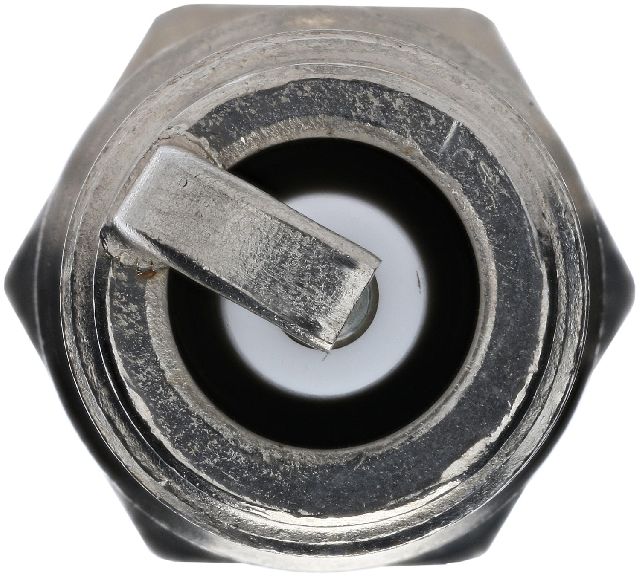
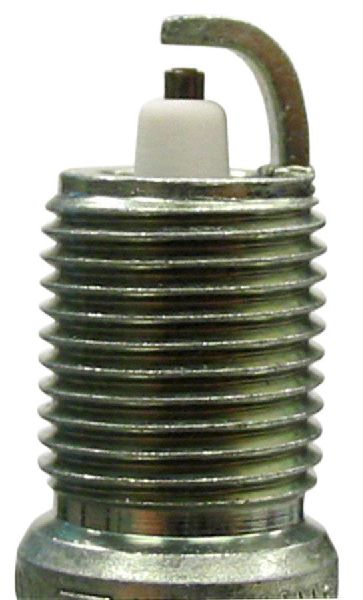
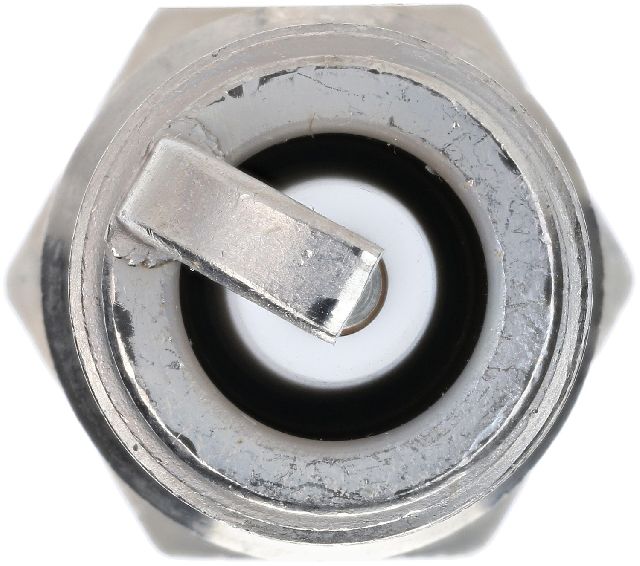
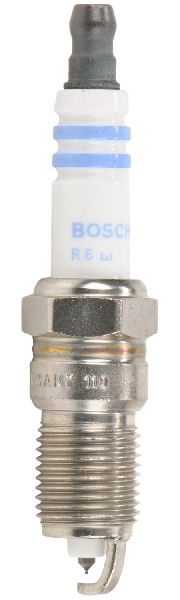
Typical fix: Replace the spark plug. The recommended OEM part is an ACDelco 41-110 Iridium plug. It is highly recommended to replace all 8 spark plugs at the same time to ensure even performance. The factory gap is preset at 0.040 inches and should not be adjusted.
Est. part cost: $10-$20 per plug - Failed Ignition Coil 🟡 Medium Probability → Shop Ignition Coil
How to confirm: Swap the ignition coil from cylinder 2 with another cylinder (e.g., cylinder 4). Clear the codes and drive the vehicle. If the misfire code changes to P0304, the ignition coil is faulty.
Typical fix: Replace the failed ignition coil. The OEM ACDelco part is D510C. Coils can be replaced individually and are held on by a single bolt.
Est. part cost: $40-$95 - Failed Active Fuel Management (AFM) Lifter 🟡 Medium Probability → Shop Engine Valve Lifter The 6.2L L94 V8 engine features AFM, which is prone to lifter failure. A collapsed or stuck lifter will prevent the valve from opening correctly, causing a persistent misfire on that cylinder. This is a widely documented problem, leading to class-action lawsuits. While cylinder 2 is not an AFM cylinder, issues within the system (like oil aeration or debris) can sometimes cause failures in non-AFM lifters.
How to confirm: This is a more complex diagnosis that usually follows ruling out ignition and fuel issues. A persistent ticking noise from the engine is a strong indicator. A compression test will show low or zero compression on the affected cylinder. A mechanic may need to remove the valve cover to visually confirm a rocker arm is not moving, indicating a collapsed lifter. 🎬 Watch: How to diagnose a misfire caused by collapsed AFM lifters.
Typical fix: This is a significant repair requiring replacement of the failed lifter, and often the camshaft if it is damaged. Many owners opt to perform an 'AFM delete' at this time, which involves replacing the AFM components (lifters, camshaft, VLOM) with standard, non-AFM parts. This requires professional service.
Est. part cost: $500-$2000+ - Clogged or Faulty Fuel Injector ⚪ Low Probability → Shop Fuel Injector
How to confirm: Listen to the injector with a mechanic's stethoscope to ensure it is clicking; compare the sound to an adjacent injector. You can also swap the injector with another cylinder to see if the misfire code follows, though this is more labor-intensive. A dedicated code like P0202 would more directly point to an injector circuit fault. You can also test the injector's resistance with a multimeter; it should be between 11 and 14 ohms.
Typical fix: Replace the faulty fuel injector. It is often recommended to replace the full set if they are high-mileage.
Est. part cost: $60-$120
Rare But Worth Checking
- Intake Manifold Gasket Leak: → Shop Engine Intake Manifold A vacuum leak near the cylinder 2 intake runner can lean out the air/fuel mixture and cause a misfire. This may be accompanied by a hissing sound or lean codes like P0171/P0174.
- Low Engine Compression: Beyond a failed lifter, low compression can result from worn piston rings, a damaged cylinder head, or a poor-sealing valve. In one documented case on a similar 6.2L engine, a loose intake valve seat caused a P0302 with inconsistent compression readings.
- Faulty PCV System: The valve cover has an integrated PCV baffle that can fail, causing oil to be sucked into the intake and foul spark plugs, leading to misfires. A stuck PCV valve can also create a vacuum leak, causing a rough idle and misfires.
Diagnosis Steps
- Read the code with an OBD-II scanner to confirm P0302 is present. Note any other codes and check freeze frame data.
- Inspect the spark plug wire for cylinder 2 for any visible damage, corrosion, or loose connections, as suggested by TSB PIP4819A. Ensure it is fully seated.
- Swap the ignition coil from cylinder 2 with another cylinder (like cylinder 4). Clear the codes and run the engine. If the code changes to P0304, the coil is bad.
- If the code remains P0302, swap the spark plug from cylinder 2 with cylinder 4. If the code then changes to P0304, the spark plug is bad.
- If ignition components are ruled out, listen to the fuel injector on cylinder 2 with a stethoscope to confirm it is clicking. Compare the sound to an adjacent injector.
- Check for vacuum leaks. A smoke test is effective. Pay close attention to the intake manifold gasket near cylinder 2 and all PCV system hoses.
- If a persistent ticking noise is present, or if all else fails, perform an engine compression test on cylinder 2. A low or zero reading strongly suggests a mechanical issue like a failed AFM lifter or other valve train problem.
- If compression is low, professional diagnosis is needed to remove the valve cover and inspect the lifters and camshaft for damage.
Parts You'll Likely Need
- Spark Plug Wire Set
(OEM #9748UU)— A known failure point according to a manufacturer TSB. Wires degrade over time, causing weak spark.
Trusted brands: ACDelco
OEM price range: $70-$100
Aftermarket price range: $40-$70 - Spark Plugs
(OEM #ACDelco 41-110)— Spark plugs are a routine maintenance item and a primary cause of misfires as they wear out. Oil fouling from PCV or AFM issues can also cause premature failure.
Trusted brands: ACDelco, NGK
OEM price range: $10-$20 per plug
Aftermarket price range: $8-$15 per plug - Ignition Coil
(OEM #D510C (GM 12611424))— The ignition coil provides the high voltage needed to create a spark. It can fail from heat and age, leading to a misfire.
Trusted brands: ACDelco, Delphi
OEM price range: $60-$95
Aftermarket price range: $35-$60
Related Codes That Often Appear With This One
- P0300 — If the misfire is intermittent or affects other cylinders randomly, a general 'Random/Multiple Cylinder Misfire' code P0300 may appear alongside P0302.
- P0171/P0174 — If the misfire is caused by a vacuum leak, a 'System Too Lean' code for Bank 1 (P0171) or Bank 2 (P0174) may also be present.
Technical Service Bulletins (TSBs) & Recalls
- PIP4819A: Engine misfires due to loose spark plug wires.
- 15-06-01-002D: Details diagnosis and repair for engine misfire/tick noise caused by a collapsed or stuck AFM lifter.
Platform-Specific Known Issues
- TSB PIP4819A: The manufacturer issued a technical service bulletin for 2010 models indicating that misfire co
Mechanic-Grade Diagnostic Values
- Fuel Injector Resistance — expected: 11 - 14 ohms. Failure: A reading outside this range, or one that is significantly different from the other injectors, points to a faulty injector coil.
- Ignition Coil Primary Resistance — expected: 0.4 - 2.0 ohms. Failure: A reading of zero (short) or infinity/OL (open) indicates a bad primary winding.
- Ignition Coil Secondary Resistance — expected: 6,000 - 10,000 ohms (6kΩ - 10kΩ). Failure: Readings significantly outside this range suggest a failure in the secondary windings.
- Spark Plug Wire Resistance — expected: Typically 4,000 - 20,000 ohms, but should not exceed 30,000 ohms. Aftermarket performance wires may be much lower, around 40-50 ohms per foot.. Failure: A reading above 30,000 ohms on an OEM-style wire indicates excessive resistance or an open circuit.
- Fuel Pressure (Key On, Engine Off) — expected: 345-414 kPa (50-60 psi). Failure: Low fuel pressure can cause lean conditions and misfires, though it would typically affect multiple cylinders and set a P0300 code.
Hidden / Shadow Codes Worth Checking
- Misfire History Counters: A professional scan tool like a Tech2 or GDS2 can display 'Current Misfire' and 'Misfire History' counters for each individual cylinder. This is invaluable for diagnosis, as it shows not just the primary failing cylinder (P0302), but also reveals if other cylinders are misfiring intermittently, even if not enough to set their own codes. This can help differentiate a single component failure from a systemic issue. (see via GM Tech2 or GDS2 Scan Tool)
Scan Tool Commands That Help
- GDS2 / Tech2: Crankshaft Position Variation Learn — This procedure must be performed after replacing the crankshaft position sensor, the ECM, or after major engine work (flywheel, balancer). Failure to perform the relearn can cause the ECM to misinterpret normal crankshaft speed variations as misfires, potentially setting false P030x codes.
- GDS2 / Tech2: Fuel Injector Balance Test — This bidirectional test allows the technician to command each injector to fire for a set duration and measures the corresponding drop in fuel pressure. It's a definitive way to identify a weak or clogged injector without having to physically remove it for flow testing.
- GDS2 / Tech2: Cylinder Power Balance — This function allows the technician to disable individual cylinders one by one while the engine is running. When a healthy cylinder is disabled, the engine RPM should drop noticeably. If disabling cylinder #2 causes little or no change in engine RPM, it confirms that cylinder is not contributing power, narrowing the focus of the diagnosis.
Wiring & Ground Locations
- G102 — Located at the left rear of the engine.. This is the primary ground for all 8 ignition coils. A loose or corroded G102 ground can cause intermittent and hard-to-diagnose misfires on multiple cylinders, including cylinder 2.
- Cylinder 2 Ignition Coil Connector — On the passenger side valve cover, first coil from the front.. The connector provides power, ground, and the trigger signal from the ECM. The pins can be tested for voltage and signal. A common issue is a loose or damaged connector causing an intermittent connection and misfire.
- G105 — Located at the left front of the engine compartment, near the cooling fan relays.. While not directly for the ignition coils, this ground serves multiple components in the engine bay. A compromised ground here can introduce electrical noise that may affect sensor readings related to the ignition and fuel systems.
Real Owner Repair Stories
- GM-Trucks.com Forum User (2011 GMC Sierra 6.2L) — P0302, rough idle, ticking noise that was inconsistent.
❌ Tried (didn't work) Replaced spark plug, Replaced spark plug wire, Swapped ignition coil
✅ What actually fixed it The owner took it to a shop that specialized in engine work. After a compression test showed inconsistent readings, they removed the cylinder head. The final cause was a loose intake valve seat on cylinder #2, which would move slightly and cause a loss of compression, mimicking a lifter failure. The cylinder head had to be sent to a machine shop to have a new valve seat installed.
OEM Part Supersession History
GM 12571595, 12619820, 12639516 (AFM Lifters)→GM 12698946— Updated design to improve durability and reduce the likelihood of failure.
Heads up: When replacing failed AFM lifters, it is highly recommended to replace all AFM lifters at the same time with the latest part number to prevent future failures. It is also recommended to replace the Valve Lifter Oil Manifold (VLOM) with the updated design (GM #12571609).
Helpful Videos

We Have This Part in Stock

The information in this article is provided for general reference and educational purposes only. Vehicle specifications, procedures, and part compatibility can vary by production date, trim level, and region. Always consult your vehicle's factory service manual and verify part numbers before purchasing or performing repairs. Safety-critical components such as airbags, seat belts, and braking systems should be installed by a qualified professional.
- Gmc SIERRA DENALI:
- 🧭 Diagnostic Flowchart
- 🎬 Helpful Videos
- 🛍️ Shop This Part
- What's Unique About the 2010-2013 Gmc SIERRA DENALI
- Symptoms You May Notice
- Most Likely Causes
- Rare But Worth Checking
- Diagnosis Steps
- Parts You'll Likely Need
- Related Codes That Often Appear With This One
- Technical Service Bulletins (TSBs) & Recalls
- Platform-Specific Known Issues
- Mechanic-Grade Diagnostic Values
- Hidden / Shadow Codes Worth Checking
- Scan Tool Commands That Help
- Wiring & Ground Locations
- Real Owner Repair Stories
- OEM Part Supersession History
- 🎟️ Get 5% Off