

P0302 on 2010-2017 GMC Terrain 2.4L: Cylinder 2 Misfire Causes and Fixes
On a 2010-2017 GMC Terrain with the 2.4L engine, code P0302 is most often caused by a spark plug fouled by oil due to excessive oil consumption, or a failing ignition coil. The oil consumption is a well-documented factory defect related to piston rings. A coil swap is a simple first diagnostic step to rule out a bad coil before investigating the more serious oil issue.
- P0302 on a 2.4L Terrain is a strong indicator of deeper engine issues beyond a simple tune-up.
- Always check the engine oil level first. Low oil points directly to the most common underlying cause: worn piston rings fouling the spark plugs.
- A simple ignition coil swap between cylinder 2 and another cylinder is the fastest way to rule out a bad coil.
- Do not ignore a flashing check engine light. Pull over safely to prevent destroying the catalytic converter.
- Be aware of the numerous GM Special Coverage programs and recalls for oil consumption, PCV issues, and fuel pumps, as your vehicle may be eligible for a no-cost repair.
What's Unique About the 2010-2017 GMC Terrain
For the 2010-2017 GMC Terrain with the 2.4L Ecotec engine, a P0302 code is frequently a symptom of a larger, well-documented problem: excessive oil consumption due to premature piston ring wear. This allows oil to enter the combustion chamber, fouling the spark plugs and directly causing misfires. GM issued multiple special coverage adjustments for this issue. Additionally, these engines can suffer from a clogged PCV orifice in the intake manifold, which increases crankcase pressure and can force oil past seals and rings, exacerbating oil-related issues. While standard ignition or fuel problems can still be the cause, the oil consumption issue is a primary suspect specific to this platform.
Symptoms You May Notice
- Rough idle
- Hesitation or stumbling during acceleration
- Reduced engine power
- Flashing or solid Check Engine Light
- Poor fuel economy
- Smell of unburned gasoline from the exhaust
- Engine shaking or vibrating noticeably
- Replacing only the oxygen sensors without diagnosing the root cause of the misfire.
- Replacing the catalytic converter when it has been damaged by a persistent misfire, without fixing the misfire itself. The P0420 code will return quickly if the oil consumption or misfire is not repaired first.
Most Likely Causes
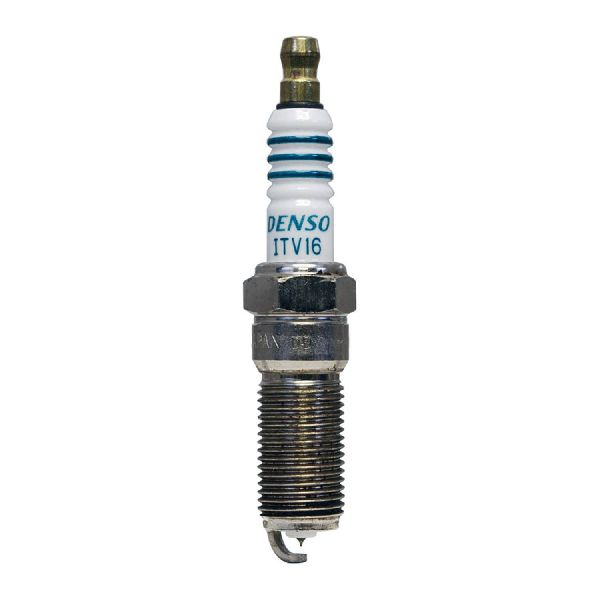
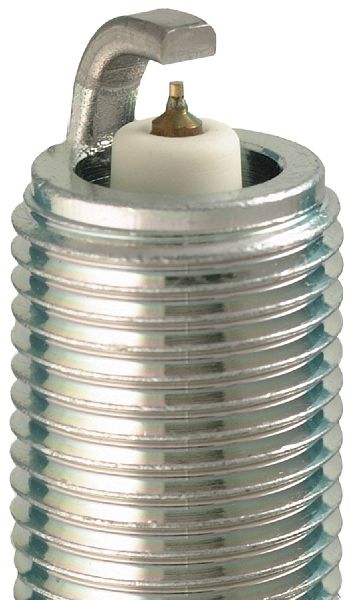
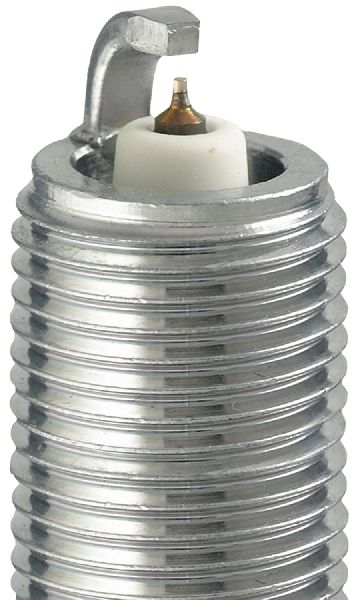
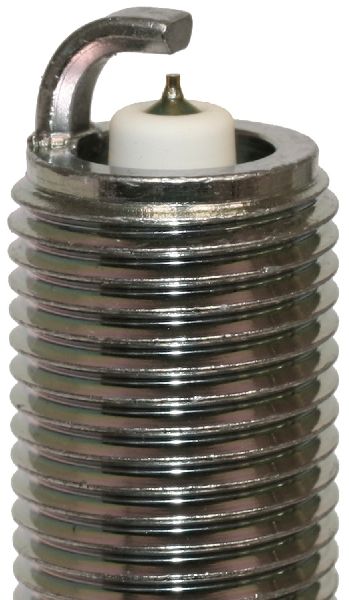
- Worn or Fouled Spark Plug 🔴 High Probability → Shop Spark Plug The 2.4L Ecotec engine is notorious for excessive oil consumption due to piston ring issues, which quickly fouls spark plugs with oil and carbon deposits, causing a misfire. This is the most common starting point for a P0302.
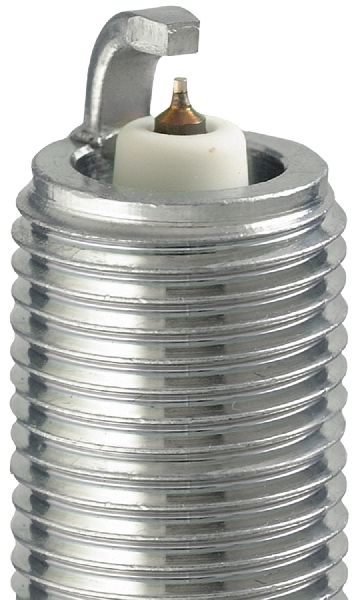
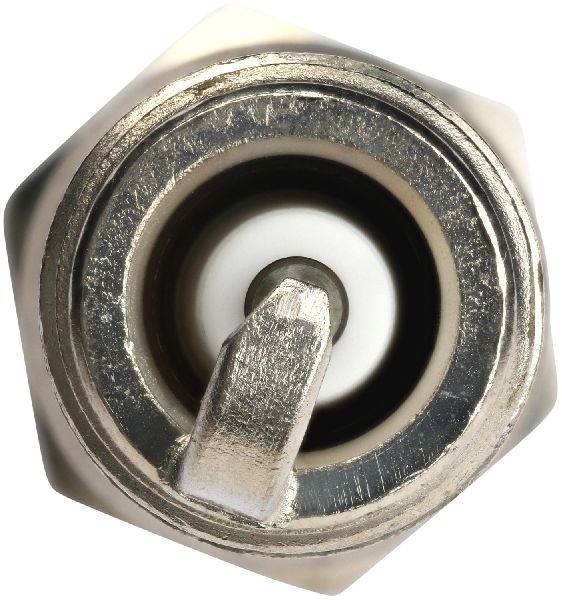
How to confirm: Remove the spark plug from cylinder 2. Inspect it for a worn electrode, heavy black carbon buildup, or a wet, oily residue. An oil-fouled plug is a strong indicator of the underlying consumption issue. Compare it to other plugs to see if the fouling is isolated.
Typical fix: Replace the spark plug in cylinder 2. It is highly recommended to replace all four spark plugs at the same time with high-quality Iridium plugs. Note that this may only be a temporary fix if the root cause is oil consumption.
Est. part cost: $20-$50 for a set of four iridium plugs - Failing Ignition Coil 🔴 High Probability → Shop Ignition Coil Ignition coils are a common wear item on most modern vehicles and a frequent cause of single-cylinder misfires.
How to confirm: Swap the ignition coil from cylinder 2 with another cylinder (e.g., cylinder 3). Clear the codes and drive the vehicle. If the code changes to P0303, the ignition coil is faulty. This is a definitive and simple DIY test.
Typical fix: Replace the faulty ignition coil. It's wise to also replace the spark plug for that cylinder at the same time.
Est. part cost: $35-$80 for one OEM coil - Excessive Oil Consumption / Worn Piston Rings 🟡 Medium Probability This is a well-documented factory defect. The original piston rings in 2010-2013 models were of a design that failed to maintain tension, allowing oil into the combustion chamber. GM issued Special Coverage Adjustments (e.g., 14159 for 2010, 15285 for 2011) for this issue.
How to confirm: Monitor oil levels frequently; consumption greater than 1 quart every 2,000 miles is considered excessive by GM. An engine compression or leak-down test will provide definitive proof of poor piston ring sealing.
Typical fix: The official GM repair is to replace the pistons and rings, a major engine repair. Some owners opt for more frequent oil changes and spark plug replacements to manage the issue, or use engine cleaning additives, though this is not a permanent solution.
Est. part cost: $400-$1500+ for engine internals - Clogged or Faulty Fuel Injector 🟡 Medium Probability → Shop Fuel Injector These engines use direct injection, and injectors can become clogged with carbon or fail electronically. A related code, P0202 (Injector Circuit Malfunction), is also common and points to an electrical issue with the injector or its wiring.
How to confirm: Swap the fuel injector from cylinder 2 with another cylinder. This is more labor-intensive than a coil swap. If the misfire code follows the injector, the injector is the problem. A professional can perform a fuel injector balance test to confirm flow rates.
Typical fix: Replace the faulty fuel injector. It's often recommended to replace the seals for the other injectors at the same time.
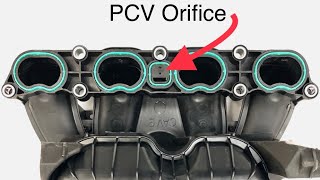
Est. part cost: $50-$150 - Clogged PCV Orifice ⚪ Low Probability → Shop PCV Valve The fixed PCV orifice in the intake manifold is known to clog with sludge or freeze in cold weather, increasing crankcase pressure. This can force oil past seals (like the rear main seal) and piston rings, contributing to oil consumption and misfires. GM issued Special Coverage Adjustment 14882 for this.
How to confirm: Check for excessive pressure or suction at the oil fill cap while the engine is running. A definitive check requires removing the intake manifold to visually inspect the orifice. This is often done when other major service is being performed.
Typical fix: Remove the intake manifold and drill out the clogged PCV orifice per GM procedures. 🎬 Watch: How to clean the clogged PCV orifice yourself. In some cases, the manifold may be too clogged and require replacement.
Est. part cost: $150-$300 for a new intake manifold if needed
Rare But Worth Checking
- Low Engine Compression: While often linked to the common piston ring issue, low compression can also be caused by a burnt valve, a leaking head gasket, or a stretched timing chain causing valve timing to be off. A compression test is required to diagnose this.
- Leaking High-Pressure Fuel Pump (HPFP): → Shop Fuel Pump The HPFP can leak fuel internally into the crankcase, diluting the engine oil. This thinned oil provides poor lubrication, which can accelerate wear on timing components and piston rings, leading to misfires. Check the oil dipstick for a strong smell of gasoline. GM issued recall 43180 for this on 2010-2011 models.
- Damaged Injector Wiring: The fuel injector wiring harness can chafe against the intake manifold or cylinder head, causing a short or open circuit. This would typically set a P0202 code along with P0302.
Diagnosis Steps
- Read the code with an OBD-II scanner and confirm P0302 is present. Note any other codes, especially P0300, P0202, or P0420.
- Check the engine oil level and condition. If it is low or smells like gasoline, this is a strong clue pointing towards either the known oil consumption issue or a leaking HPFP.
- Swap the ignition coil from cylinder 2 with another cylinder (e.g., cylinder 3). Clear the codes and run the engine. If the code changes to P0303, the ignition coil is bad.
- If the misfire stays on cylinder 2, remove the spark plug. Inspect for heavy oil fouling, carbon tracking, or a cracked insulator. An oil-soaked plug is a near-certain sign of the piston ring problem. Replace the spark plugs if they are worn or fouled.
- If plugs and coils are good, the next step is to check the fuel injector. This can be done by swapping it with another cylinder, which is more labor-intensive, or by listening for its 'tick' with a mechanic's stethoscope.
- If the misfire persists on cylinder 2 after swapping ignition and fuel components, perform an engine compression test. A low reading on cylinder 2 indicates a serious mechanical problem like worn piston rings or a valve issue.
- Inspect the PCV system for clogs, especially the orifice in the intake manifold, as described in TSB 14882.
- Inspect the wiring harness for the cylinder 2 fuel injector and ignition coil for any signs of chafing or damage, particularly where the harness may rub against the engine.
Parts You'll Likely Need
- Spark Plugs (Set of 4)
Related Codes That Often Appear With This One
- P0300 — If the underlying cause, like oil consumption or a vacuum leak, begins to affect multiple cylinders, a random misfire code (P0300) may appear alongside the specific P0302.
- P0202 — This code for 'Cylinder 2 Injector Circuit Malfunction' points to an electrical problem with the injector or its wiring. Since this prevents proper fueling, it will almost always be accompanied by a P0302 misfire code.
- P0420 — A 'Catalyst System Efficiency Below Threshold' code is a very common consequence of the P0302 on this engine. The constant misfires and/or oil burning from the root cause will destroy the catalytic converter over time.
- P0016 / P0017 — These codes indicate a correlation issue between the crankshaft and camshaft, usually caused by a stretched timing chain. A stretched chain can alter valve timing enough to cause misfires.
Technical Service Bulletins (TSBs) & Recalls
- 14159: Special Coverage for Excessive Engine Oil Consumption (2010 models).
- 15285: Special Coverage for Excessive Engine Oil Consumption (2011 models).
- 14882: Special Coverage for Plugged PCV Orifice in Intake Manifold.
- 43180: Emission Recall for Leaking High-Pressure Fuel Pump (2010-2011 models).
- 15810: Special Coverage for Catalytic Converter Replacement (2010-2011 models).
- 01-06-01-011: General bulletin defining excessive oil consumption as more than 1 quart per 2,000 miles.
- Bulletin #PIE0505: A manufacturer bulletin seeking information from the field to determine a root cause for an engine running rough and/or Check Engine Light illuminated with DTCs P0300-P0304 set.
- Bulletin #PIE0505A: An updated bulletin regarding the condition of the engine running rough and/or Check Engine Light illuminated with DTCs P0300, P0301, P0302, P0303, and P0304 set.
Platform-Specific Known Issues
- Excessive Oil Consumption: Caused by faulty piston rings, leading to fouled spark plugs and misfires. GM issued multiple Special Coverage Adjustments (14159 for 2010, 15285 for 2011, etc.) to cover piston and ring replacement for affected vehicles.
- Clogged PCV Orifice: The PCV orifice in the intake manifold can clog or freeze, increasing crankcase pressure and leading to oil leaks and consumption. Special Coverage Adjustment 14882 was issued to address this.
- High-Pressure Fuel Pump Failure: On 2010-2011 models with the LAF engine, the HPFP was prone to failure, leaking fuel into the crankcase. This was covered by Emission Recall 43180.
Mechanic-Grade Diagnostic Values
- Fuel Injector Coil Resistance (2.4L I4) — expected: 11.0 to 14.6 ohms. Failure: A reading outside this range, or one that differs by more than 1.0 ohm from other injectors, indicates a faulty injector.
- Low-Side Fuel Pressure (Scan Tool) — expected: 300-400 kPa (43-58 psi) at idle. Failure: Significantly lower pressure indicates a weak in-tank fuel pump or clogged filter.
- High-Side Fuel Rail Pressure (Scan Tool) — expected: ~3.4 MPa (500 psi) at idle, increasing with engine load/RPM.. Failure: Pressure that is erratic, doesn't build with RPM, or is significantly different from the 'desired' pressure PID points to a failing High-Pressure Fuel Pump (HPFP) or sensor.
- Short/Long Term Fuel Trims (Scan Tool) — expected: Within +/- 10% at idle.. Failure: High positive fuel trims (e.g., >15%) on one bank can indicate a vacuum leak or a clogged injector on that bank, while high negative trims can indicate a leaking injector.
Hidden / Shadow Codes Worth Checking
- Mode 6, Test ID $A2-$A7: These Test IDs correspond to misfire counts for each cylinder (e.g., $A3 for Cylinder 2). A high count, even without setting a P0302, can indicate an intermittent misfire that hasn't yet crossed the threshold to trigger the Check Engine Light. (see via A professional scan tool capable of displaying Mode 6 data.)
Scan Tool Commands That Help
- GDS2 (GM Factory Scan Tool): Injector Test / Fuel Injector Balance — This function allows a technician to individually disable injectors to see the effect on RPM, or to measure the pressure drop during an injector pulse. It's the most accurate way to confirm if a GDI injector is clogged, leaking, or electrically faulty, beyond a simple resistance test.
- GDS2 / Professional Scan Tool: Crankshaft Position Variation Learn (Crank Relearn) — After replacing a crankshaft position sensor, ECM, or performing major engine work. The ECM uses this learned profile to accurately detect misfires. If this profile is corrupt or not learned, it can lead to false misfire codes.
Wiring & Ground Locations
- G107 — On the left side (driver's side) of the cylinder head.. This is a primary ground for the Engine Control Module (ECM) and various sensors. A loose or corroded connection here can cause erratic signals for the ignition and fuel systems, leading to misfires or false injector circuit codes.
- Injector Wiring Harness Chafe Point — Where the harness routes near the intake plenum, valve cover bolts, and the side of the cylinder head.. As documented in GM TSB #PIP4924D, the harness is known to rub through in these locations, causing a short or open in the injector control circuit for cylinder 2. This will typically set a P0202 code along with P0302.
- ECM Connector X1, Pin 53 — At the Engine Control Module (ECM).. This is the specific pin for the cylinder 2 injector control wire on the 2.4L engine. It is the terminal to test for continuity back to the injector connector when diagnosing a persistent P0202/P0302 after the injector and harness at the engine have been checked.
Real Owner Repair Stories
- equinoxforum.net user (2011 Chevy Equinox 2.4L) — P0302, rough idle, stalling.
❌ Tried (didn't work) Replaced spark plugs, Swapped ignition coils
✅ What actually fixed it The user eventually received a letter from GM about the oil consumption issue. The dealer performed an oil consumption test, confirmed the failure, and replaced the pistons and rings under the special coverage warranty, which resolved the misfire. - terrainforum.net user (2012 GMC Terrain 2.4L with 140,000 miles) — P0302, P0300, P0420, engine shaking.
❌ Tried (didn't work) Replaced spark plugs, Replaced ignition coils, Replaced fuel injectors
✅ What actually fixed it After all common ignition and fuel fixes failed, the owner took it to a shop that diagnosed a completely clogged catalytic converter. The extreme backpressure from the clogged converter was causing the misfires. Replacing the catalytic converter and both O2 sensors finally resolved all codes.
OEM Part Supersession History
12633784→12669384— Updated design for the 2.4L fuel injector.
Heads up: While the newer part number is the correct replacement, it's crucial to ensure all injectors in the engine are of the same type for balanced flow. Mixing old and new designs is not recommended.
Model Year Variations Within This Range
- 2010-2011: These models use the LAF version of the 2.4L engine. They were part of recall 43180 for a high-pressure fuel pump that could leak fuel into the crankcase.
- 2012-2017: These models use the LEA version of the 2.4L engine, which is FlexFuel (E85) capable. This means the fuel injectors and some fuel system components are designed to handle higher ethanol content.
- 2010-2013: These model years are most prone to the original, flawed piston ring design that leads to excessive oil consumption. While later years can still consume oil, the problem was most acute in this range before GM updated the piston ring design.
Diagnostic Flowchart
Other Known Issues on This Vehicle
Issues unrelated to this code that are worth knowing about as an owner of this generation:
- Premature Timing Chain Stretch/Failure 🔴 High — Very common, especially on vehicles with a history of oil consumption. A rattling noise on cold starts is the primary warning sign. Failure can be catastrophic to the engine. (Ref: Special Coverage #12313C (for balance chain))
- Catalytic Converter Failure 🔴 High — Widespread issue, almost always a direct consequence of the excessive oil consumption problem. The unburned oil contaminates and clogs the converter. (Ref: Special Coverage #15810)
- Excessive Oil Consumption 🔴 High — Extremely common on 2010-2013 models due to defective piston rings. GM's standard for excessive is over 1 quart per 2,000 miles. (Ref: TSB 14159, 15285)
- Rear Main Seal Leak 🟠 Medium — Often caused by a frozen or clogged PCV orifice in the intake manifold, which increases crankcase pressure and forces oil out of the rear main seal. (Ref: TSB 14882)
- High-Pressure Fuel Pump (HPFP) Failure 🔴 High → Shop Fuel Pump — Common on 2010-2011 models, the pump can leak fuel internally into the crankcase, diluting the oil and causing lubrication issues. (Ref: Recall 43180)
Used vs. New Parts: Buying Guide for This Vehicle
When a used part is the smart pick: For major external components like an intake manifold (if inspected for cracks) or an ignition coil for diagnostic swapping, a used part can be a cost-effective choice. A complete used engine can also be an option if the donor vehicle has documented low mileage and proof it did not suffer from the oil consumption issue.
Donor-vehicle mileage cap: roughly under 80000 miles for the part to have meaningful remaining life.
What to inspect on the donor part:
- For an engine, check the oil fill cap and dipstick for signs of heavy sludge or a gasoline smell.
- Ask for the VIN of the donor vehicle to check for open recalls or a history of related service bulletins.
- Inspect ignition coil and injector connectors for brittle plastic or corrosion.
OEM-only on this vehicle (don't cheap out):
- Timing Chain Kit: Due to the high failure rate of original components, only use an updated OEM or a top-tier aftermarket kit. Avoid generic, no-name kits.
- High-Pressure Fuel Pump (HPFP): Many owners report issues with aftermarket HPFPs causing fuel pressure codes (like P0191) and drivability problems. Sticking with ACDelco is highly recommended for this part.
- Pistons and Rings: If performing an engine rebuild for oil consumption, use the updated GM parts to ensure the problem is actually solved.
Aftermarket brands forum-validated for this vehicle:
- Spark Plugs: NGK, ACDelco (Iridium)
- Ignition Coils: Delphi, NGK, Standard Motor Products (SMP)
- Fuel Injectors: Bosch, Standard Motor Products (SMP)
Brands owners have reported issues with on this vehicle:
- Unbranded or 'white-box' ignition coils and fuel injectors from online marketplaces are frequently reported to fail prematurely.
Real Owner Stories
Aggregated from forums and TSBs cited above. Mileages and costs reflect what owners reported in those sources.
2010-2017 GMC Terrain 2.4L I4
Symptoms: P0302 code, checked the spark plug and found it was heavily oil-fouled.
What fixed it: The owner discussed the underlying oil consumption issue as the root cause after finding the fouled plug.
Source hint: terrainforum.net - "P0302 code... what to do?"
Related OBD-II Codes
Frequently Asked Questions
Is there a recall for the oil consumption causing my P0302 misfire on a 2010 GMC Terrain?
My 2011 Terrain is misfiring and the oil is low; does GM have a policy for this?
Can a clogged PCV system cause a cylinder 2 misfire on the 2.4L engine?
I have a 2010 Terrain with a P0302 and gas-smelling oil. Is the fuel pump at fault?
What spark plugs should I use to fix the P0302 in my 2.4L Ecotec?
Will GM help with my catalytic converter if it failed after a long-term misfire?
Helpful Videos
We Have This Part in Stock

The information in this article is provided for general reference and educational purposes only. Vehicle specifications, procedures, and part compatibility can vary by production date, trim level, and region. Always consult your vehicle's factory service manual and verify part numbers before purchasing or performing repairs. Safety-critical components such as airbags, seat belts, and braking systems should be installed by a qualified professional.
- GMC Terrain:
- 🧭 Diagnostic Flowchart
- 🎬 Helpful Videos
- 🛍️ Shop This Part
- What's Unique About the 2010-2017 GMC Terrain
- Symptoms You May Notice
- Most Likely Causes
- Rare But Worth Checking
- Diagnosis Steps
- Parts You'll Likely Need
- Related Codes That Often Appear With This One
- Technical Service Bulletins (TSBs) & Recalls
- Platform-Specific Known Issues
- Mechanic-Grade Diagnostic Values
- Hidden / Shadow Codes Worth Checking
- Scan Tool Commands That Help
- Wiring & Ground Locations
- Real Owner Repair Stories
- OEM Part Supersession History
- Model Year Variations Within This Range
- Other Known Issues on This Vehicle
- Used vs. New Parts: Buying Guide for This Vehicle
- Real Owner Stories
- 2010-2017 GMC Terrain 2.4L I4
- Related OBD-II Codes
- Frequently Asked Questions
- 🎟️ Get 5% Off