

P0302 on 2010-2017 GMC Yukon: Cylinder 2 Misfire Causes and Fixes
Code P0302 on a GMC Yukon means cylinder 2 is misfiring. The most common fixes are replacing the spark plug or ignition coil for cylinder 2, which are affordable DIY repairs. However, be aware that these engines can suffer from more serious Active Fuel Management (AFM) lifter failure, which also causes this code and is a well-documented, expensive repair.
- P0302 specifically points to the front passenger-side cylinder.
- Always start diagnosis with the easiest and cheapest parts: swap the ignition coil with another cylinder to see if the misfire moves.
- Do not ignore a flashing check engine light, as severe catalytic converter damage can occur quickly.
- If new plugs, wires, and coils do not fix the misfire, the problem is likely a fuel injector or a more serious internal engine issue, such as a failed AFM lifter.
What's Unique About the 2010-2017 Gmc YUKON
The 2010-2017 GMC Yukon spans two vehicle generations with different engines. The 2010-2014 models use the Vortec V8s, while the 2015-2017 models feature the newer EcoTec3 direct-injection engines. While both are susceptible to common ignition failures, they are particularly known for issues with the Active Fuel Management (AFM) system. A failed AFM lifter can become stuck or collapse, causing a persistent misfire on a single cylinder that won't be resolved by replacing ignition or fuel parts. This is a well-documented and serious potential cause for a P0302 code on this platform, often requiring cylinder head removal to fix.
Diagnostic Flowchart
Tap your situation to follow the diagnostic path that matches what you're seeing on this vehicle.
Generation note: This range covers the end of the third generation (2010-2014, GMT900 platform) and the beginning of the fourth generation (2015-2017, K2UG platform). The 2015+ models have EcoTec3 engines with direct injection, which can also be prone to carbon buildup on intake valves and issues with the high-pressure fuel system, adding another potential cause for misfires. The AFM/DOD lifter issue is prevalent across both generations covered in this range.
Symptoms You May Notice
- Rough or shaky idle, sometimes only after the engine warms up.
- Engine hesitation or stumbling during acceleration.
- Noticeable loss of power.
- Solid or flashing Check Engine Light.
- Increased fuel consumption.
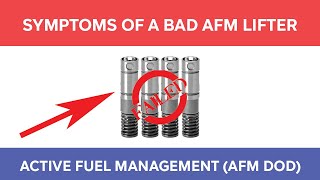
- A distinct ticking or tapping noise from the engine, which is a strong indicator of a lifter issue. 🎬 See this video to identify common symptoms of AFM lifter failure.
- Replacing oxygen sensors. O2 sensors report the results of combustion; they do not cause a single-cylinder misfire.
- Replacing the catalytic converter. A misfire can damage a catalytic converter, but a bad converter will not cause a P0302 code. A clogged converter may cause multiple misfires (P0300).
Most Likely Causes
- Worn or Fouled Spark Plug 🔴 High Probability → Shop Spark Plug Spark plugs are a standard wear-and-tear item. Oil consumption, a known issue on some of these engines (see TSB 10-06-01-008K), can foul the plugs with oil or carbon, leading to a misfire.
How to confirm: Remove the spark plug from cylinder 2 and inspect it. Look for a worn electrode, heavy carbon deposits, oil fouling, or a cracked porcelain insulator. Compare it to a plug from a healthy cylinder.
Typical fix: Replace the spark plug. It is best practice to replace all 8 spark plugs at the same time for consistent performance. Use high-quality Iridium plugs like ACDelco 41-110 (for 2010-2014) or 41-162 (for 2015+).
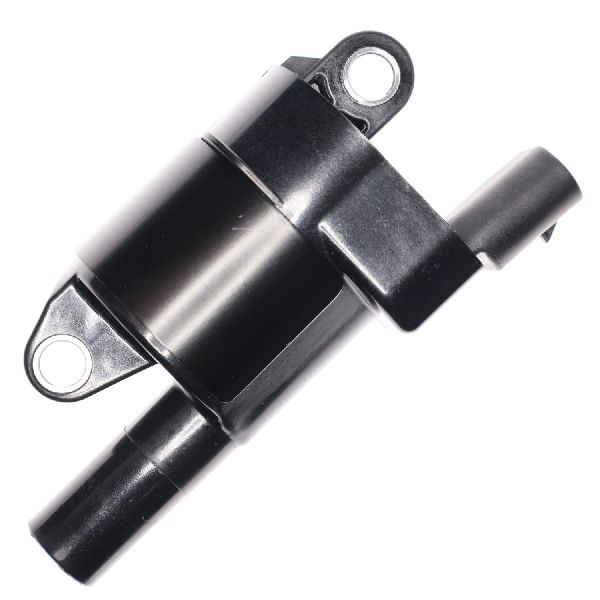
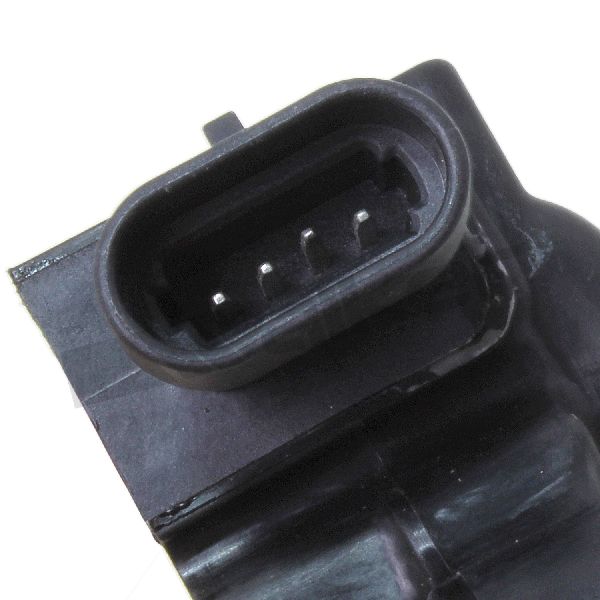
Est. part cost: $8-$20 per plug - Failed Ignition Coil 🔴 High Probability → Shop Ignition Coil
How to confirm: Swap the ignition coil from cylinder 2 with another cylinder (cylinder 4, the next one back on the same side, is a good choice). Clear the codes and drive the vehicle. If the code changes to P0304, the ignition coil is faulty. This is a definitive and common DIY diagnostic step.
Typical fix: Replace the failed ignition coil. 🎬 Watch this DIY guide for replacing your spark plugs and coils. It is only necessary to replace the one that has failed. Use a reputable brand like ACDelco or Delphi.
Est. part cost: $40-$90 - Defective Spark Plug Wire 🟡 Medium Probability → Shop Spark Plug The manufacturer issued a Technical Service Bulletin (TSB #PIP4819A) regarding loose-fitting spark plug wires causing misfires on these vehicles. Heat and vibration can also cause the wire to degrade or break internally.
How to confirm: Visually inspect the spark plug wire for cylinder 2 for any signs of damage, arcing (white marks), or a loose connection at the coil or spark plug. Ensure it is fully seated with an audible 'click'. A resistance test should show less than 30,000 ohms.
Typical fix: Replace the spark plug wire. It's often recommended to replace the full set to ensure reliability and consistent resistance.
Est. part cost: $50-$100 for a set - Clogged or Failed Fuel Injector 🟡 Medium Probability → Shop Fuel Injector
How to confirm: After ruling out ignition issues, the fuel injector is a likely suspect. A DIY method is to listen to the injector with a mechanic's stethoscope to ensure it's clicking. Swapping injectors between cylinders is also possible but is more labor-intensive. A professional can perform a fuel injector balance test for a more precise diagnosis.
Typical fix: Replace the faulty fuel injector. For direct injection models (2015+), this is a more complex job. It's also wise to clean the fuel rail during replacement.
Est. part cost: $70-$150 for port injection, $100-$250+ for direct injection - Failed AFM/DOD Lifter 🟡 Medium Probability → Shop Engine Valve Lifter The Active Fuel Management (AFM) system has a well-documented history of lifter failure. The special hydraulic lifters can collapse, get stuck, or have their internal locking pin shear, resulting in a valve not opening. This creates a dead cylinder and a persistent misfire code that ignition and fuel part swaps will not fix.
How to confirm: This is a mechanical failure. A key symptom is a persistent ticking noise from the top of the engine. If spark and fuel are confirmed good, the next step is a compression test; a cylinder with a failed lifter will show very low or zero compression. Another diagnostic step is to remove the valve cover and observe the valve train while the engine is cranked; the rocker arms for cylinder 2 will show no movement or significantly less movement if the lifter has collapsed.
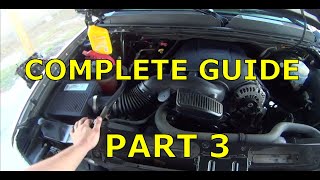
Typical fix: This is a major repair that involves removing the cylinder head 🎬 Watch this complete walkthrough on replacing lifters and head gaskets. to replace the failed lifters and lifter guides. The camshaft is often damaged by the failed lifter and must also be inspected and likely replaced. Many owners and shops recommend replacing all AFM lifters (or all 16 lifters) and the camshaft at the same time. Many also opt to install an AFM-delete kit to prevent future failures.
Est. part cost: $400-$1500 for parts (lifters, gaskets, camshaft, etc.)
Rare But Worth Checking
- Intake Manifold Gasket Leak: → Shop Engine Intake Manifold A vacuum leak near the intake port for cylinder 2 can lean out the air/fuel mixture and cause a misfire. This would typically be accompanied by a hissing sound and possibly other lean codes.
- Broken Valve Spring: Though less common than a lifter failure, a broken valve spring will also prevent the valve from operating correctly, leading to zero compression and a misfire. This can be visually confirmed by removing the valve cover.
- Faulty Valve Cover / PCV System: → Shop Engine Valve Cover GM has issued TSBs (e.g., PIP5161) for issues with the valve cover's integrated PCV baffle, particularly on the driver's side, which can fail and allow excessive oil to be sucked into the intake, fouling spark plugs (primarily on other cylinders, but a known issue on the platform).
- Low Engine Compression: Beyond a failed lifter, worn piston rings or a poor valve seal can cause low compression, resulting in a misfire. A compression test and a cylinder leak-down test can diagnose this.
Diagnosis Steps
- Check if the Check Engine Light is steady or flashing. A flashing light indicates a severe misfire requiring you to stop driving to prevent catalytic converter damage.
- Read the trouble codes with an OBD-II scanner to confirm P0302 and check for any other codes like P0300.
- Locate cylinder 2 (front cylinder on the passenger side).
- Perform an ignition coil swap. Switch the ignition coil from cylinder 2 with the coil from cylinder 4. Clear the codes and run the engine. If the code changes to P0304, the ignition coil is bad and needs replacement.
- If the code remains P0302, inspect the spark plug. Remove it and check for wear, fouling, or damage. Replace if necessary. Even if it looks okay, swapping it with cylinder 4's plug is a valid test.
- Inspect the spark plug wire for damage and ensure it is securely connected at both ends, per TSB #PIP4819A.
- If ignition components are good, check the fuel injector. Listen for a consistent clicking sound. Check the wiring harness for damage.
- If the misfire persists and especially if a ticking noise is present, suspect a mechanical issue. Remove the valve cover to inspect the valve train for cylinder 2. Look for a stationary rocker arm, which indicates a collapsed lifter.
- Perform an engine compression test on cylinder 2. A significant loss of compression (compared to other cylinders) confirms a mechanical fault like a failed AFM lifter, broken valve spring, or piston ring/valve problem.
Parts You'll Likely Need
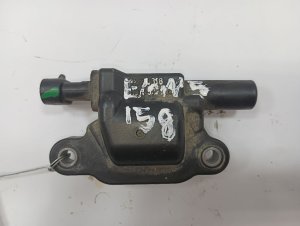
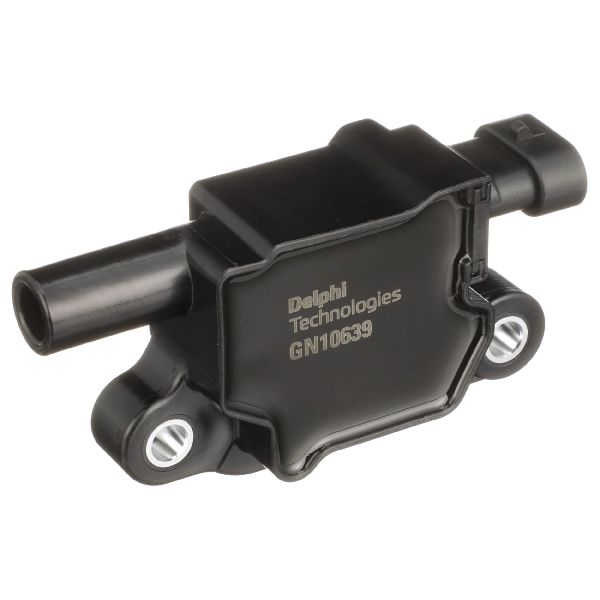
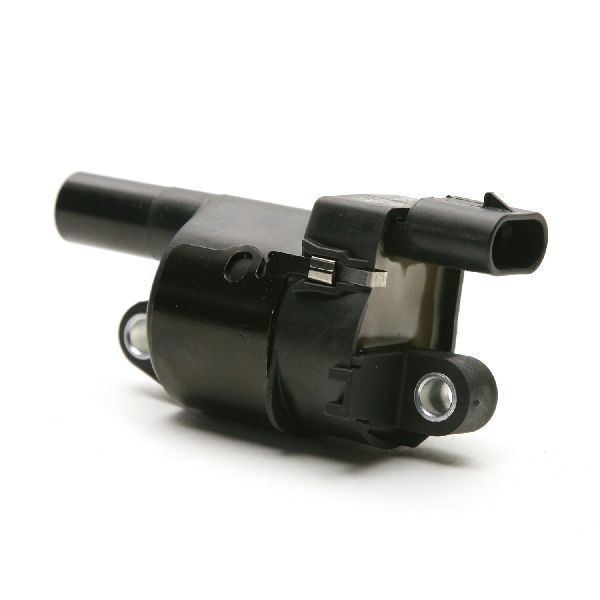
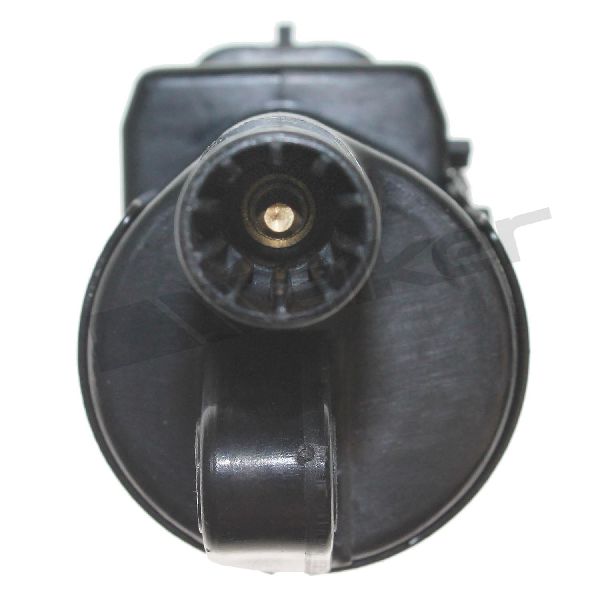
- Ignition Coil
(OEM #12632479 (supersedes 12611424))— Ignition coils are a very common failure item that directly causes a single-cylinder misfire. The swap test is a quick and definitive diagnostic.
Related Codes That Often Appear With This One
- P0300 — If the underlying issue (like low fuel pressure or a major vacuum leak) begins to affect multiple cylinders, a P0300 (Random Misfire) code may appear alongside P0302. Sometimes a single cylinder misfire is initially registered as P0300 before the PCM isolates it.
Technical Service Bulletins (TSBs) & Recalls
- PIP4819A: Addresses misfire codes (P0300-P0308) caused by loose-fitting spark plug wires. Instructs technicians to check for and replace loose wires.
- 15-06-01-002 (multiple revisions): A key bulletin for engine misfire and ticking noise related to collapsed or stuck AFM lifters.
- 19-NA-218: Discusses engine ticking noise on a cold start, which may be caused by a lifter not getting sufficient oil.
- 21-NA-283: Notes that a broken terminal pin in the fuel injector wiring harness connector can cause a single-cylinder misfire.
- 03-06-01-023E: Details acceptable oil consumption rates and diagnostic procedures, relevant because high consumption can foul plugs.
Platform-Specific Known Issues
- Active Fuel Management (AFM) / Displacement on Demand (DOD) lifter failure is a significant and well-documented problem. A collapsed lifter will cause a constant misfire and requires extensive mechanical repair.
Mechanic-Grade Diagnostic Values
- Fuel Pressure (2010-2014 Vortec Engines) — expected: 50-62 PSI (Key On, Engine Off). Failure: Pressure below 50 PSI can indicate a weak fuel pump or clogged filter.
- Fuel Pressure, Low Side (2015-2017 EcoTec3 Engines) — expected: 55-62 PSI. Failure: Low pressure from the in-tank pump will starve the high-pressure pump, causing misfires under load.
- Fuel Pressure, High Side (2015-2017 EcoTec3 Engines) — expected: Varies widely from ~300 PSI at idle to over 2,000 PSI under load.. Failure: Readings that don't match the PCM's desired fuel pressure on a scan tool indicate a failing high-pressure fuel pump or sensor.
- Fuel Injector Resistance (Port Injection, 2010-2014) — expected: 11 - 14 ohms. Failure: A reading significantly outside this range indicates a faulty injector coil.
- Spark Plug Wire Resistance (2010-2014) — expected: 4,000 - 20,000 ohms. Failure: A reading over 30,000 ohms indicates excessive resistance or a break in the wire.
Hidden / Shadow Codes Worth Checking
- Mode $06, Test ID $A2, Component ID $02: This is not a DTC, but a specific monitor in the PCM that tracks the misfire count for Cylinder 2. Accessing this data with an advanced scan tool can show if misfires are occurring even if they aren't frequent enough to set a P0302 code. (see via An OBD-II scanner that supports Mode $06 data.)
Scan Tool Commands That Help
- GDS2/Tech2: Cylinder Power Balance Test — This is a primary diagnostic step for a technician. It graphically displays the RPM contribution of each cylinder, instantly confirming if cylinder 2 is underperforming compared to the others before any parts are replaced.
- GDS2/Tech2: Fuel Injector Balance Test — After ruling out ignition issues, this function commands each injector to fire for a set time and measures the corresponding drop in fuel rail pressure. It can definitively identify a clogged or weak injector on cylinder 2.
- GDS2/Tech2: AFM System Test / Cylinder Deactivation — This function allows the technician to command the AFM system on and off to check the response of the solenoids in the Valve Lifter Oil Manifold (VLOM) and observe if the misfire is related to AFM activation/deactivation.
Wiring & Ground Locations
- G102 — At the left rear of the engine.. This is the primary ground for all 8 ignition coils. A loose or corroded connection here can cause weak spark and random misfires, though it would typically affect more than just one cylinder.
- G103 / G106 — G103 is on the cowl above the brake booster; G106 is on the front center of the frame cross rail under the crank pulley.. These are critical grounds for the Engine Control Module (ECM). A poor connection can cause a wide range of erratic engine behaviors, including phantom misfire codes.
- Cylinder 2 Fuel Injector Connector — On the fuel rail, at the front-most injector on the passenger side of the engine.. The wiring harness to the injector can become brittle from heat cycles. Check for chafing, breaks, or corrosion on the pins within the connector itself, which can interrupt the signal to the injector.
Real Owner Repair Stories
- Tahoe Yukon Forum user (2007 GMC Yukon, 137k miles) — Persistent P0302 code, rough idle.
❌ Tried (didn't work) Replacing the spark plug for cylinder 2, Replacing the ignition coil for cylinder 2
✅ What actually fixed it The issue was diagnosed by a dealer as a failed AFM/DOD (Displacement on Demand) lifter. The owner was quoted $3500 for the repair and opted not to do it, continuing to drive with a rough idle. This confirms the lifter as a root cause when basic ignition parts don't solve the problem.
OEM Part Supersession History
Original AFM Lifter (e.g., Elgin HL-7011)→Newer DFM-style Lifter (e.g., Elgin HL-7025)— The newer lifter design, intended for Dynamic Fuel Management (DFM) engines, is more robust and is backward-compatible with older AFM engines.
Heads up: The new DFM lifter (HL-7025) can be used in older AFM applications, but the original AFM lifter (HL-7011) CANNOT be used in newer DFM engines. When replacing lifters, it is recommended to use the newest available design.Pre-2011 Left (Driver's Side) Valve Cover→Post-2011 Left Valve Cover (e.g., GM 12582224)— The original valve cover design had a PCV baffle that was prone to allowing excessive oil consumption. The updated part has a redesigned baffle to combat this.
Heads up: Per TSB 10-06-01-008K, vehicles built before Feb 1, 2011, with excessive oil consumption may require this updated valve cover to resolve oil fouling of spark plugs.
Model Year Variations Within This Range
- 2010-2014: These models use Vortec engines with port fuel injection. Misfire diagnosis is more traditional, focusing on spark plugs, wires, coils, and port injectors. They do not have high-pressure fuel system components.
- 2015-2017: These models use EcoTec3 engines with direct injection (GDI). This introduces new potential causes for P0302, including a failing high-pressure fuel pump, faulty high-pressure injector, and carbon buildup on intake valves, which is not a factor in the earlier port-injected engines. They also use a different AFM system (and later, DFM) with different lifter designs.
Helpful Videos

Used OEM Parts in Stock
New Aftermarket Parts Available


The information in this article is provided for general reference and educational purposes only. Vehicle specifications, procedures, and part compatibility can vary by production date, trim level, and region. Always consult your vehicle's factory service manual and verify part numbers before purchasing or performing repairs. Safety-critical components such as airbags, seat belts, and braking systems should be installed by a qualified professional.
- Gmc YUKON:
- 🧭 Diagnostic Flowchart
- 🎬 Helpful Videos
- 🛍️ Shop This Part
- What's Unique About the 2010-2017 Gmc YUKON
- Symptoms You May Notice
- Most Likely Causes
- Rare But Worth Checking
- Diagnosis Steps
- Parts You'll Likely Need
- Related Codes That Often Appear With This One
- Technical Service Bulletins (TSBs) & Recalls
- Platform-Specific Known Issues
- Mechanic-Grade Diagnostic Values
- Hidden / Shadow Codes Worth Checking
- Scan Tool Commands That Help
- Wiring & Ground Locations
- Real Owner Repair Stories
- OEM Part Supersession History
- Model Year Variations Within This Range
- 🎟️ Get 5% Off