

P0302 on 2017-2019 Honda CR-V 1.5L Turbo: Cylinder 2 Misfire Causes and Fixes
On a 2017-2019 CR-V 1.5L Turbo, P0302 is most often caused by a faulty fuel injector due to a known fuel dilution issue. Before buying parts, check with a Honda dealer for warranty extensions or software updates under TSB A19-032. If not covered, expect to pay $70-$150 for a single injector, but a full set replacement is common and can cost over $1,600 at a dealership. Often, this code appears with P0172 (System Too Rich), reinforcing the fuel-related diagnosis.
- P0302 on a 2017-2019 CR-V 1.5T is not a typical misfire; it is strongly linked to a known fuel injector problem caused by fuel dilution.
- Before any DIY diagnosis, contact a Honda dealer with your VIN to check for open recalls or warranty extensions (like TSB A19-032) that could provide a free fix.
- The standard diagnostic procedure is to swap the coil, then the spark plug from cylinder 2 to another cylinder to see if the misfire follows.
- If the misfire stays on cylinder 2 after swapping the coil and plug, the fuel injector is the most likely failed component.
- If you replace the fuel injectors, it is highly recommended to replace them as a full set of four, not just the single failing one.
What's Unique About the 2017-2019 Honda CR-V
The L15B7 1.5L Turbo engine in this generation of CR-V is known for a significant issue with fuel dilution, where gasoline seeps past the piston rings and contaminates the engine oil. This problem, which is more common in cold climates and with short-trip driving, can lead to premature spark plug fouling and is a primary cause of fuel injector failure. Honda has acknowledged this with warranty extensions and software updates (TSB A19-032) to help correct the engine and transmission control logic. The fix involves software updates and, in some cases, replacing the A/C control unit to help the engine warm up faster. Manufacturer Bulletin #ONLX4A07112019 specifically notes that these driveability issues frequently result in DTC P0302 (No. 2 cylinder misfire detected) alongside other cylinder misfire codes.
Symptoms You May Notice
- Rough or shaking idle, especially on a cold start
- Hesitation or stumbling during acceleration
- Flashing or solid Check Engine Light
- Reduced engine power
- Poor fuel economy
- Strong smell of gasoline in the engine oil
- Multiple warning lights on the dashboard (e.g., emissions, power steering, stability assist)
- Replacing only the spark plug without addressing the root cause (a faulty fuel injector) may lead to the new plug fouling and the code returning quickly.
- Attributing the misfire solely to a bad coil pack without considering the high frequency of injector failures on this specific engine.
- Ignoring the associated P0172 code, which is a critical clue pointing towards a fuel system problem rather than ignition.
Most Likely Causes
- Faulty Fuel Injector 🔴 High Probability → Shop Fuel Injector The widespread fuel dilution issue on the L15B7 engine can cause injectors to become clogged, leak, or fail electronically. Debris from the high-pressure fuel system can also be a factor. Many owners report this failure occurring well before 100,000 miles.
How to confirm: After ruling out spark plugs and ignition coils, the fuel injector is the next logical step. A professional can perform a flow test, but given the high failure rate on this engine, replacement is a common diagnostic step. Often seen with code P0172 (Fuel System Too Rich), which strongly points to a leaking injector.
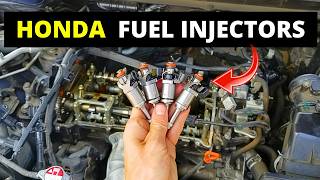
Typical fix: Replace the fuel injector for cylinder 2. Many technicians and owners recommend replacing all four injectors as a set due to the systemic nature of the problem and to prevent future failures. 🎬 Watch: This complete guide shows you how to replace the injectors.
Est. part cost: $70-$150 for one aftermarket injector; $450-$800 for an OEM set of four. - Fouled Spark Plug 🔴 High Probability → Shop Spark Plug Excess fuel from the dilution issue or a leaking injector can quickly foul the spark plug with carbon or fuel, preventing a proper spark. This is often a symptom of a failing injector, not the root cause.
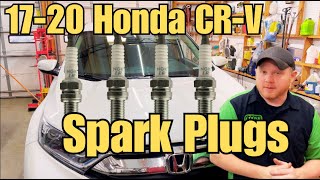
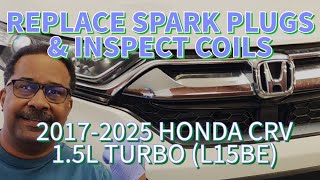
How to confirm: After swapping the ignition coil fails to move the misfire, remove the spark plug from cylinder 2. Inspect it for black, sooty deposits, fuel wetness, or damage to the electrode compared to a plug from another cylinder. 🎬 See this walkthrough for replacing spark plugs on the 1.5L engine.
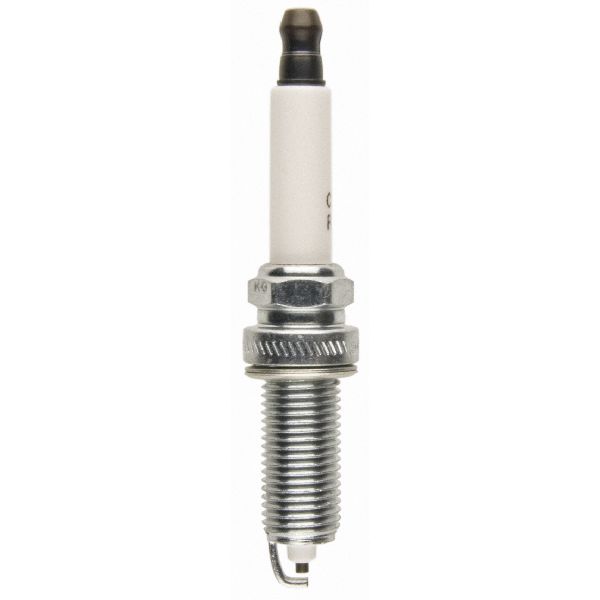
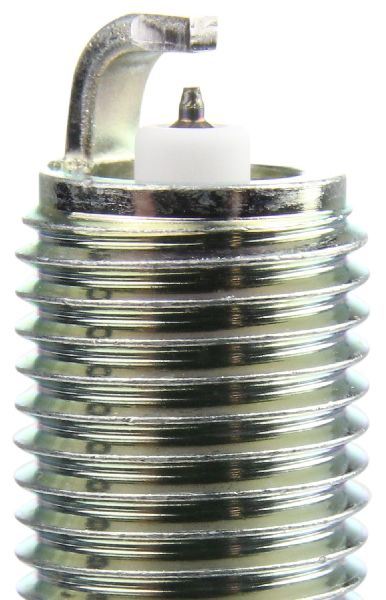
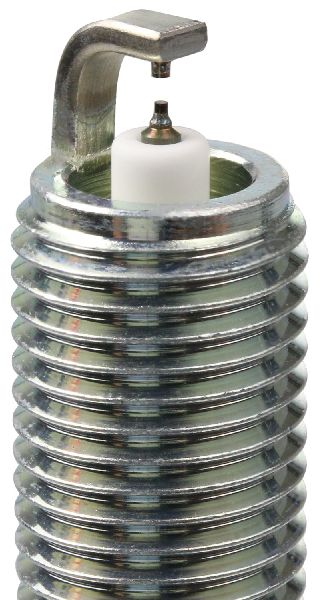
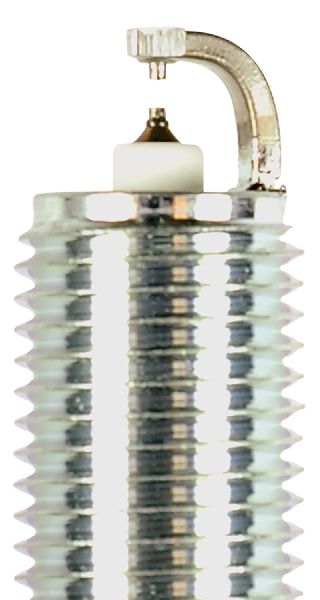
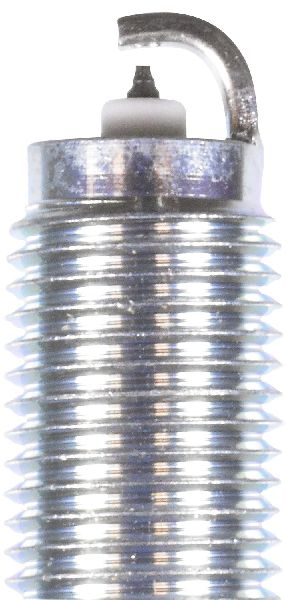
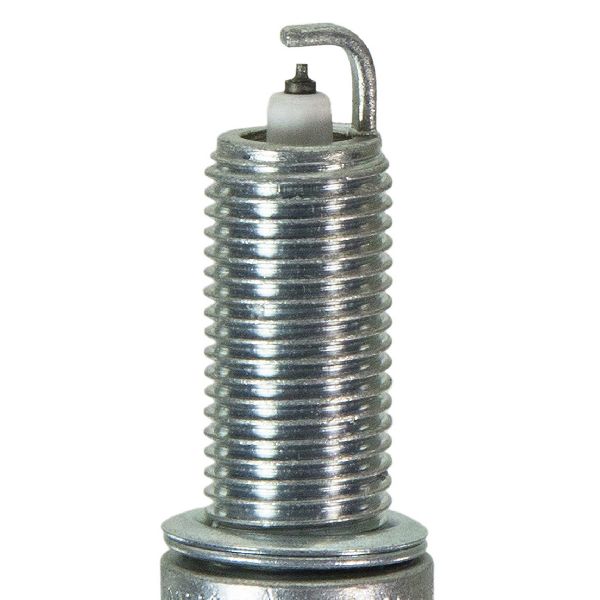
Typical fix: Replace the spark plug. It is best practice to replace all four spark plugs at the same time. Use the specified OEM NGK Iridium plugs (ILZKAR8J8SY) for best performance.
Est. part cost: $20-$35 per plug. - Faulty Ignition Coil 🟡 Medium Probability → Shop Ignition Coil Coil-on-plug systems are a common failure point on most modern engines due to heat and vibration, though less common than injectors for this specific code on this engine.
How to confirm: Swap the ignition coil from cylinder 2 with one from another cylinder (e.g., cylinder 3). Clear the codes and drive the vehicle. If the code changes to P0303, the ignition coil is faulty.
Typical fix: Replace the faulty ignition coil.
Est. part cost: $30-$75 for a quality aftermarket coil.
Rare But Worth Checking
- Low Cylinder Compression / Blown Head Gasket: While less common, some owners have reported head gasket failures on the 1.5T engine, which can cause a misfire. This is a major repair and would be suspected if ignition and fuel system checks do not resolve the issue. A compression test and coolant system pressure test would be needed to confirm.
- Intake Valve Carbon Buildup: Direct injection engines are prone to carbon buildup on the intake valves, which can disrupt airflow and cause misfires, especially at idle. This typically requires professional cleaning (e.g., walnut blasting).
- Worn Camshafts: → Shop Engine Camshaft As a consequence of severe, long-term oil dilution, premature wear of internal engine components like camshafts can occur. This would cause a persistent misfire and likely other engine noises, requiring significant mechanical repair.
Diagnosis Steps
- Check your vehicle's VIN with a Honda dealer to see if it is covered by Warranty Extension 19-032 or others related to fuel dilution and misfires. A free software update or component replacement may be available.
- If not covered, use an OBD-II scanner to confirm P0302 and check 🎬 Watch: A helpful breakdown of what causes a P0302 code. for other codes like P0172. Note if the misfire occurs only on cold start or persistently.
- Swap the ignition coil from cylinder 2 to cylinder 1. Clear the codes and test drive. If the code changes to P0301, the coil is bad.
- If the code remains P0302, move the spark plug from cylinder 2 to cylinder 1. If the code changes to P0301, the spark plug is bad. Inspect the old plug for fuel or carbon fouling.
- If the code remains P0302, the fuel injector on cylinder 2 is the most likely cause.
- Inspect the wiring and connector for the cylinder 2 fuel injector for any visible damage.
- For advanced diagnosis, a mechanic might perform a cylinder compression test to rule out mechanical issues like a head gasket or valve problems, especially if the car has high mileage or a history of overheating.
Parts You'll Likely Need
- Fuel Injector Kit (Set of 4)
(OEM #06160-5PA-305)— This is the most probable cause for P0302 on this engine due to the fuel dilution issue. Replacing all four is recommended to prevent future failures of the other original injectors. This part is shared with other Honda/Acura models with the 1.5L Turbo engine.
Trusted brands: Honda Genuine Parts, Standard Motor Products, Beck Arnley
OEM price range: $750-$850
Aftermarket price range: $200-$400 - Spark Plug
(OEM #12290-5PA-A01)— Often becomes fouled as a direct result of a leaking fuel injector or the general fuel dilution problem. It's a necessary replacement when addressing the misfire. The OEM plug is NGK ILZKAR8J8SY.
Trusted brands: NGK (ILZKAR8J8SY), Denso
OEM price range: $25-$38
Aftermarket price range: $15-$25 - Ignition Coil
(OEM #30520-59B-013)— A standard wear-and-tear component that can fail and cause a single-cylinder misfire. It's the easiest part to check via swapping.
Trusted brands: NGK, Denso, Hitachi, Delphi
OEM price range: $80-$120
Aftermarket price range: $30-$75
Related Codes That Often Appear With This One
- P0172 — Stands for 'System Too Rich (Bank 1)'. This code is very common with P0302 on this engine and strongly points to the fuel dilution issue or a leaking fuel injector dumping excess fuel.
- P0300, P0301, P0303, P0304 — These are misfire codes for random misfires or other specific cylinders. If the fuel dilution or injector problem is severe, it can affect multiple cylinders, not just cylinder 2.
Technical Service Bulletins (TSBs) & Recalls
- A19-032 (or 19-032): Warranty Extension for 2017-18 CR-V for drivability issues (including P030x misfire codes) related to oil dilution. The fix involves a software update for the PGM-FI and TCU, and potentially replacing the A/C control unit to help the engine warm up faster. The warranty for certain components was extended to 6 years/unlimited miles.
- 19-072: While primarily listing other Honda models (Pilot, Ridgeline, Odyssey), this TSB discusses misfires (P030x) and rich codes (P219A/B) caused by PCM software and debris from the fuel injector machining process or high-pressure fuel pump. This provides relevant context for the CR-V's injector issues.
- 19-037: A warranty extension for 2017-18 CR-Vs that covers drivability issues like misfires (P0300-P0304) and rich conditions (P0172). It also addresses a potential 'whirling noise' from the engine. The corrective action may involve replacing camshafts and rocker arm assemblies if damage from oil dilution is found.
- Bulletin #A19-037: This manufacturer bulletin explicitly links drivability issues to DTCs P0300, P0301, P0302, P0303, P0304, and P0172, noting that the vehicle may experience these codes due to fuel system concerns.
Platform-Specific Known Issues
- Fuel Dilution: The L15B7 engine is subject to a widely documented issue where gasoline mixes with engine oil, reducing the oil's effectiveness and causing a cascade of problems, including misfires and premature engine wear. Honda has issued TSBs and warranty extensions to address this with software updates and potential parts replacement.
Mechanic-Grade Diagnostic Values
- Ignition Coil Primary Winding Resistance — expected: ~0.46 to 1.5 Ohms. Failure: A reading significantly outside this range or an open circuit (infinite resistance).
- Ignition Coil Secondary Winding Resistance — expected: ~15.70 kOhms. Failure: A reading significantly outside this range, indicating a compromised secondary winding.
- MAP Sensor Voltage at Idle (Engine Hot) — expected: Stable reading with minimal fluctuation.. Failure: Heavy, rapid fluctuations exceeding 0.4 volts, which can indicate a mechanical engine failure like worn camshafts or valve issues, rather than a fuel/ignition component failure.
- Short-Term Fuel Trim (STFT) at Idle — expected: Hovering between -10% and +10%.. Failure: A consistently high negative number (e.g., -25%) strongly suggests a leaking fuel injector, which is a common cause for P0302 on this engine.
Hidden / Shadow Codes Worth Checking
- Mode $06, TID $A2-$AB, CID $01-$04: This refers to the onboard diagnostic system's raw data for misfire counts per cylinder. TID $A3 corresponds to Cylinder 2. Monitoring this value with an advanced scan tool can show misfires occurring even before they are frequent enough to set a P0302 code. (see via An OBD-II scanner capable of displaying Mode $06 data.)
Scan Tool Commands That Help
- Honda i-HDS (Honda Diagnostic System): Power Balance Test — This function allows a technician to disable one cylinder at a time to observe the drop in engine RPM. If disabling cylinder 2 causes little or no change in RPM, it confirms that cylinder is not contributing power, pinpointing the misfire.
- Honda i-HDS (Honda Diagnostic System): PCM Idle Learn Procedure — This procedure must be performed after replacing major components like fuel injectors or the throttle body to allow the PCM to relearn the engine's idle characteristics.
Wiring & Ground Locations
- G101 (example identifier) — A key engine/transmission ground is located on the transmission housing, near the top. It often consists of smaller wires bolted to the case.. Corrosion or looseness at this primary ground point can cause erratic behavior in sensors and actuators, including ignition coils and fuel injectors, leading to intermittent misfires that are difficult to diagnose. Owners have reported finding this ground point 'crusty green' with corrosion.
- Cylinder 2 Fuel Injector Connector — The second fuel injector from the timing chain side of the engine, underneath the fuel rail.. Testing for voltage at this connector is a key diagnostic step. With the key on, one wire should have constant 12V power. The other wire is the ground pulse from the PCM. A noid light can be used to verify the PCM is sending the pulse signal, ruling out a wiring or PCM driver issue.
Real Owner Repair Stories
- Reddit user on r/crv (2018 Honda CR-V EX, ~157,000 miles) — All dashboard lights cycling, rough idle on cold start, persistent P0302 code.
❌ Tried (didn't work) Replaced all four fuel injectors at the dealership ($1600)., Replaced all spark plugs.
✅ What actually fixed it The issue was not fully resolved. After the initial repairs failed, the dealership suspected a blown head gasket due to low coolant levels and proceeded with a compression test. This highlights a scenario where the common fuel/ignition fixes do not work, pointing to a deeper mechanical engine problem. - Reddit user on r/crv (2017 Honda CR-V, 140,000 miles) — All warning lights on, engine missing, persistent P0302 code.
❌ Tried (didn't work) Fuel additives., Changed all spark plugs., Swapped ignition coil from cylinder 2 to cylinder 4 (code remained P0302).
✅ What actually fixed it The final diagnosis pointed towards faulty fuel injectors as the most likely cause after ruling out spark plugs and ignition coils. Another user in the same thread reported replacing injectors, plugs, and coils and still having a misfire on cylinder 2, eventually suspecting a PCM issue after ruling out a head gasket. - NHTSA ODI #11721063 — An owner reported a loss of engine power followed by a flashing check engine light. After a restart, a scanner revealed a pending P0302 error code, and the engine started roughly before settling.
- NHTSA ODI #11727234 — An owner reported receiving a P0302 code at least five times, noting that they now drive with a code reader in the car to monitor the fault.
- NHTSA ODI #11722958 — An owner reported that both an independent shop and a Honda dealership diagnosed the need for fuel injector replacement after finding codes P0172, P0301, and P0302, noting the symptoms were consistent with TSB 19-037.
OEM Part Supersession History
16010-5PA-305→06160-5PA-305— The original fuel injector set was superseded by a new part number. This is common when a manufacturer revises a part to improve reliability. The new part number is a kit that includes all four injectors and the fuel feed pipe.
Heads up: The new kit 06160-5PA-305 is the correct and current replacement. Sourcing the old 16010-5PA-305 part number may result in receiving the original, potentially less reliable design. There have been periods of significant backorder for these parts.
Model Year Variations Within This Range
- 2017-2018: These model years were the primary focus of the oil dilution problem. While the hardware is largely the same as the 2019 model, the original engine and A/C control software was more susceptible to causing dilution in cold weather and short-trip driving.
- 2019: The 2019 model year incorporated factory calibration changes intended to mitigate the oil dilution issue found in earlier models by helping the engine warm up faster. While not completely immune, they are generally considered less prone to the problem than the 2017-2018 models that require the TSB software update.
Diagnostic Flowchart
Other Known Issues on This Vehicle
Issues unrelated to this code that are worth knowing about as an owner of this generation:
- Parasitic Battery Drain 🔴 High — Very common across 2017-2019 models. Many owners report dead batteries after the vehicle sits for a few days. (Ref: TSB 17-032 (VSA modulator software update), TSB 19-039 (PCM software update).)
- Sticky / Notchy Steering 🔴 High — Affects later models more (2022+) but the underlying steering rack design is similar. A massive recall was issued for newer models. (Ref: Recall 24V-744 (for 2023+ models), TSB 23-037. While the 2017-19 CR-V is not in the recall, it highlights potential issues with Honda's EPS systems.)
- A/C System Failure 🟠 Medium — Reports of A/C compressors failing or blowing warm air are common. Some failures can contaminate the system with metal shavings ('Black Death').
- Honda Sensing System Malfunctions 🟠 Medium — Owners report random phantom braking or sensor errors, especially in adverse weather or when the front radar sensor is obstructed by snow or debris.
- Failing Door Lock Actuators 🟡 Low — A common annoyance where door locks may fail to engage or disengage, or actuate randomly.
Used vs. New Parts: Buying Guide for This Vehicle
When a used part is the smart pick: For this specific P0302 issue on the L15B7 engine, buying used fuel system components is NOT recommended. The primary cause is a known design-related issue (fuel injectors failing due to oil dilution), so a used injector from a junkyard likely has the same wear or is prone to the same failure. A used ignition coil could be a viable short-term option if tested, as its failure is less specific to this engine's systemic problems.
Donor-vehicle mileage cap: roughly under 50000 miles for the part to have meaningful remaining life.
What to inspect on the donor part:
- For an ignition coil, check for cracks in the housing or corrosion on the electrical connector.
- Avoid any parts from a donor vehicle that shows signs of a front-end collision or engine fire.
- Check the donor vehicle's oil dipstick if possible; a strong smell of gasoline is a red flag for severe oil dilution and related component stress.
OEM-only on this vehicle (don't cheap out):
- Fuel Injectors: Given the high failure rate and subsequent part number supersession, only the latest OEM kit (06160-5PA-305) should be used to ensure you have the most revised and reliable version. Aftermarket injectors for GDI systems can be hit-or-miss.
Aftermarket brands forum-validated for this vehicle:
- NGK or Denso for spark plugs and ignition coils are widely considered OEM-quality or are the original equipment suppliers.
Brands owners have reported issues with on this vehicle:
- Unnamed, low-cost fuel injector sets from online marketplaces should be avoided. The precision required for high-pressure direct injectors is critical, and poor quality control can lead to immediate running issues or catastrophic engine damage.
Real Owner Stories
Aggregated from forums and TSBs cited above. Mileages and costs reflect what owners reported in those sources.
2017-2018 Honda CR-V 1.5L Turbo
Symptoms: Drivability issues including P030x misfire codes and oil dilution.
What fixed it: Software update for the PGM-FI and TCU, and replacement of the A/C control unit to help the engine warm up faster.
Source hint: A19-032 (or 19-032): Warranty Extension for 2017-18 CR-V
2017-2019 Honda CR-V 1.5L Turbo — ~85000 miles
Symptoms: P0302 code appearing alongside P0172 (System Too Rich).
What fixed it: Replacement of all four fuel injectors.
Cost: $1600-$2000
Source hint: crvownersclub.com
2017-2019 Honda CR-V 1.5L Turbo
Symptoms: Misfire code P0302; replacing injectors and spark plugs did not resolve the issue.
What fixed it: Diagnosis of head gasket failure.
Source hint: Reddit (r/crv, r/AskMechanics)
Related OBD-II Codes
Frequently Asked Questions
Is there a warranty extension for the P0302 misfire on my 2017-2018 Honda CR-V?
My CR-V has a P0302 and a P0172 code at the same time. What does this mean?
Which specific spark plugs should I use for my 1.5L Turbo CR-V?
Can I just replace the one faulty injector for cylinder 2?
Why does my CR-V have multiple warning lights like power steering and stability assist when I only have a misfire code?
Could the oil dilution issue in my L15B7 engine be causing my P0302 code?
Helpful Videos


We Have This Part in Stock

The information in this article is provided for general reference and educational purposes only. Vehicle specifications, procedures, and part compatibility can vary by production date, trim level, and region. Always consult your vehicle's factory service manual and verify part numbers before purchasing or performing repairs. Safety-critical components such as airbags, seat belts, and braking systems should be installed by a qualified professional.
- Honda CR-V:
- 🧭 Diagnostic Flowchart
- 🎬 Helpful Videos
- 🛍️ Shop This Part
- What's Unique About the 2017-2019 Honda CR-V
- Symptoms You May Notice
- Most Likely Causes
- Rare But Worth Checking
- Diagnosis Steps
- Parts You'll Likely Need
- Related Codes That Often Appear With This One
- Technical Service Bulletins (TSBs) & Recalls
- Platform-Specific Known Issues
- Mechanic-Grade Diagnostic Values
- Hidden / Shadow Codes Worth Checking
- Scan Tool Commands That Help
- Wiring & Ground Locations
- Real Owner Repair Stories
- OEM Part Supersession History
- Model Year Variations Within This Range
- Other Known Issues on This Vehicle
- Used vs. New Parts: Buying Guide for This Vehicle
- Real Owner Stories
- 2017-2018 Honda CR-V 1.5L Turbo
- 2017-2019 Honda CR-V 1.5L Turbo — ~85000 miles
- 2017-2019 Honda CR-V 1.5L Turbo
- Related OBD-II Codes
- Frequently Asked Questions
- 🎟️ Get 5% Off