

P0302 on 2008-2015 Honda Odyssey: Cylinder 2 Misfire Causes and Fixes
P0302 on a 2008-2015 Honda Odyssey almost always indicates an oil-fouled spark plug in cylinder 2. This is a well-known issue caused by the engine's Variable Cylinder Management (VCM) system, which deactivates cylinders, leading to oil seeping past piston rings. The common fix involves replacing the spark plugs and addressing the root oil consumption problem, often by installing a VCM disabling device ('muzzler') or, in severe cases, undergoing piston ring repair.
- P0302 on a 2008-2015 Odyssey is almost certainly caused by an oil-fouled spark plug in cylinder 2.
- The root cause is the Variable Cylinder Management (VCM) system, which is a known issue acknowledged by Honda through TSBs and a lawsuit settlement.
- A simple coil swap is the first diagnostic step to rule out a bad ignition coil.
- Replacing the spark plugs will fix the immediate misfire, but the problem will likely return unless the underlying oil consumption is addressed.
- The most common long-term solution used by owners is installing an aftermarket VCM disabling device, which costs around $100 and is a DIY-friendly install.
What's Unique About the 2008-2015 Honda ODYSSEY

The 3.5L V6 engine (J35 family) in this generation of Odyssey is equipped with a Variable Cylinder Management (VCM) system. This system is designed to improve fuel economy by deactivating cylinders 1, 2, and 3 (the rear bank) during light-load conditions like highway cruising. However, this repeated deactivation can cause the piston rings on those cylinders to become stuck or aligned, allowing oil to seep into the combustion chamber. This oil fouls the spark plugs, leading to misfires. This design characteristic makes the 2008-2015 Odyssey and its platform mates uniquely susceptible to P0301, P0302, P0303, and P0304 codes. The issue was so prevalent it led to a class-action lawsuit (Soto, et al. v. Honda Motor Co. Inc.) which resulted in a settlement extending the warranty on affected components to 8 years/unlimited miles for many owners.
🎬 Watch: Everything you need to know about Honda's VCM system.Diagnostic Flowchart

Tap your situation to follow the diagnostic path that matches what you're seeing on this vehicle.
Generation note: This range covers the end of the third generation (2008-2010, RL3/RL4) and the start of the fourth generation (2011-2015, RL5). Both generations use a 3.5L V6 engine with VCM and are known to suffer from the oil consumption issue that leads to spark plug fouling and P030x codes. The class-action settlement specifically covered 2008-2013 Odyssey models, offering an extended warranty to address the piston ring issue.
Symptoms You May Notice
- Engine shaking or vibrating, especially at idle.
- Flashing or solid Check Engine Light.
- Noticeable loss of power and acceleration.
- Rough or hesitant engine operation.
- Reduced fuel economy.
- Activation of other warning lights like Vehicle Stability Assist (VSA) or Forward Collision Warning (FCW) system off.
- Replacing only the ignition coil without inspecting the spark plug. If the plug is oil-fouled, the misfire will return quickly.
- Replacing only the single failed spark plug. If one plug is fouled due to the VCM issue, others on the rear bank (1, 3) are likely in similar condition or will fail soon.
- Paying for an expensive piston ring job without first trying the much cheaper and often effective solution of replacing the fouled plugs and installing a VCM disabling device.
- Replacing fuel injectors before thoroughly diagnosing the ignition system, which is the more common point of failure.
Most Likely Causes

- Oil-Fouled Spark Plug in Cylinder 2 🔴 High Probability → Shop Spark Plug This is the primary symptom of the VCM-related oil consumption issue. The provided NHTSA TSBs A26-001 and A13-081 directly link spark plug fouling to P0302 on these vehicles. Owner complaints and forum discussions consistently report finding a wet, oily spark plug in cylinder 2.
How to confirm: Remove the spark plug from cylinder 2 and inspect it. It will likely be black, wet, and oily compared to a new plug or a plug from the front bank (cylinders 4, 5, 6).
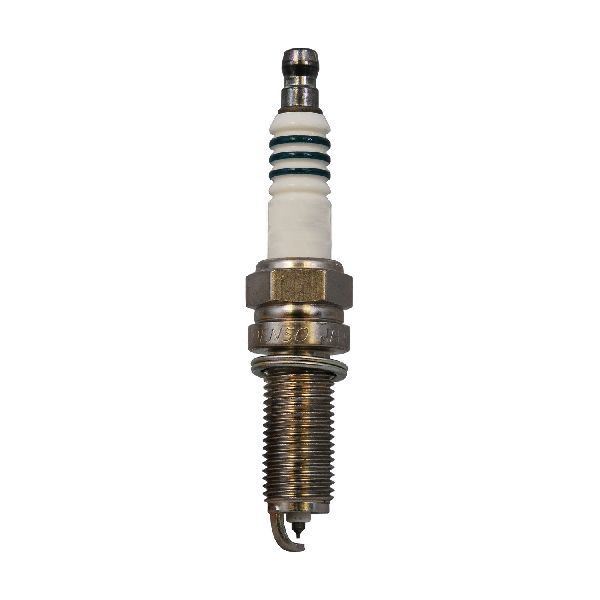
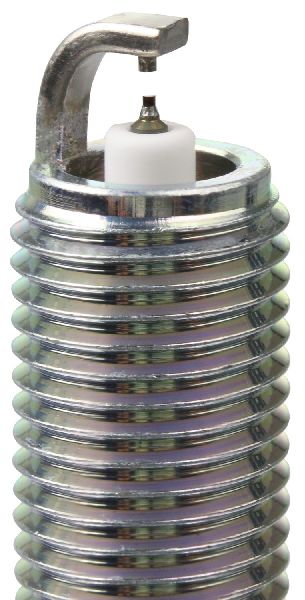
Typical fix: Replace the spark plug. It is highly recommended to replace all six spark plugs at the same time using OEM-quality NGK or Denso Iridium plugs. This is often a temporary fix if the underlying oil consumption is not addressed.
Est. part cost: $60-$150 for a set of 6 OEM-quality plugs - VCM-Related Piston Ring Issues 🔴 High Probability This is the root cause of the oil-fouled spark plugs. TSB A13-081 states that piston rings on the VCM-deactivated cylinders can rotate and align, allowing oil to pass. This was the central issue in a class-action lawsuit against Honda. Many owners on forums like Odyclub and Reddit report this as the ultimate cause.
How to confirm: Perform an engine oil consumption test by tracking oil level over 1,000 miles. A compression or leak-down test can also help identify poor ring sealing, though some owners report passing these tests despite the issue.
Typical fix: The official Honda repair, often performed under the warranty extension, is a costly piston ring replacement. A widely adopted and effective preventative fix among owners is to install an aftermarket VCM disabling device (e.g., VCMuzzler II, S-VCM Controller), which keeps the engine running on all six cylinders, preventing the conditions that lead to oil consumption. Some owners report that after installing the device and cleaning the plugs, the issue does not return. 🎬 Watch: How to install a VCM disabling device yourself.
Est. part cost: $80-$120 for a VCM disabling device; $2000-$5000+ for piston ring repair out of warranty. - Failed Ignition Coil on Cylinder 2 🟡 Medium Probability → Shop Ignition Coil While not specific to the VCM issue, ignition coils are a common wear item that can fail and cause a single-cylinder misfire.
How to confirm: Swap the ignition coil from cylinder 2 with another cylinder (e.g., cylinder 5 on the front bank). Clear the codes and drive. If the code changes to P0305, the ignition coil is faulty. 🎬 See how to diagnose a misfire using the coil swap method.
Typical fix: Replace the failed ignition coil. It's good practice to use an OEM or OEM-supplier part (Denso, NGK, Hitachi).
Est. part cost: $40-$100 for one aftermarket coil, $150-$200 for one OEM coil - Clogged or Faulty Fuel Injector ⚪ Low Probability → Shop Fuel Injector
How to confirm: This is less common than ignition issues. A professional can test the injector's flow rate and spray pattern. Swapping injectors between cylinders is a more involved diagnostic step. Some owners try a high-quality fuel system cleaner first.
Typical fix: Replace the faulty fuel injector.
Est. part cost: $70-$150
Rare But Worth Checking
- Valve Adjustment Needed: Honda J-series engines use solid lifters and require periodic valve lash adjustments, typically around 100,000 miles. Tight valves can cause a loss of compression and lead to misfires, especially when the engine is cold. This is sometimes suggested on forums as a potential cause if plugs and coils are good.
- Low Engine Compression: Beyond piston rings, this can be caused by a burnt valve or, in rare cases, a head gasket issue. A compression test is required for diagnosis.
Diagnosis Steps
- Read the trouble codes with an OBD-II scanner and confirm P0302. Note any other codes present, especially P0300, P0301, P0303, or P0304.
- Identify the cylinder location. On the Honda J35 V6, the engine is transverse-mounted. The rear bank (near the firewall/bulkhead) contains cylinders 1, 2, and 3 (from passenger to driver side). The front bank (near the radiator) contains cylinders 4, 5, and 6 (passenger to driver side). Cylinder 2 is the middle cylinder on the difficult-to-access rear bank.
- Swap the ignition coil from cylinder 2 with the coil from cylinder 5 (an easier-to-access cylinder on the front bank).
- Clear the codes, start the engine, and drive until the check engine light returns.
- Re-scan the codes. If the code has moved to P0305, the ignition coil is the problem. Replace the bad coil.
- If the code remains P0302, the coil is likely good. Turn off the engine and prepare to remove the spark plug from cylinder 2. This may require a swivel socket and extensions.
- Inspect the spark plug's tip. Look for heavy black, wet, oily deposits, which confirms oil fouling. Compare it to cylinder 5's plug, which should look much cleaner.
- If the plug is fouled, replace it. It is strongly recommended to replace all six spark plugs. The correct torque spec is between 13-16 lb-ft (18-22 Nm). Do not overtighten.
- If plugs and coils are confirmed good, the issue may be a fuel injector or a mechanical problem requiring professional diagnosis (compression test, leak-down test).
- Crucially, monitor engine oil levels closely over the next 1,000 miles. Significant oil loss confirms the underlying VCM/piston ring issue is the root cause.
- For a long-term fix, seriously consider installing a VCM disabling device to prevent the issue from recurring.
Parts You'll Likely Need
- Iridium Spark Plugs
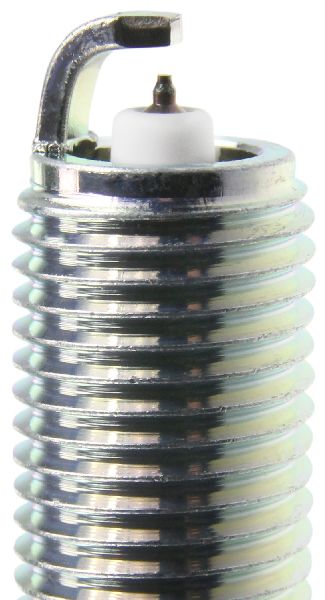
(OEM #NGK: ILZKR7B-11S (Stock #5787) / Denso: SXU22HCR11S (Stock #3461))— This is the most common failure point. Oil fouling from the VCM issue destroys the spark plug's ability to fire correctly.
Trusted brands: NGK, Denso
OEM price range: $18-$25 per plug
Aftermarket price range: $10-$18 per plug - Ignition Coil
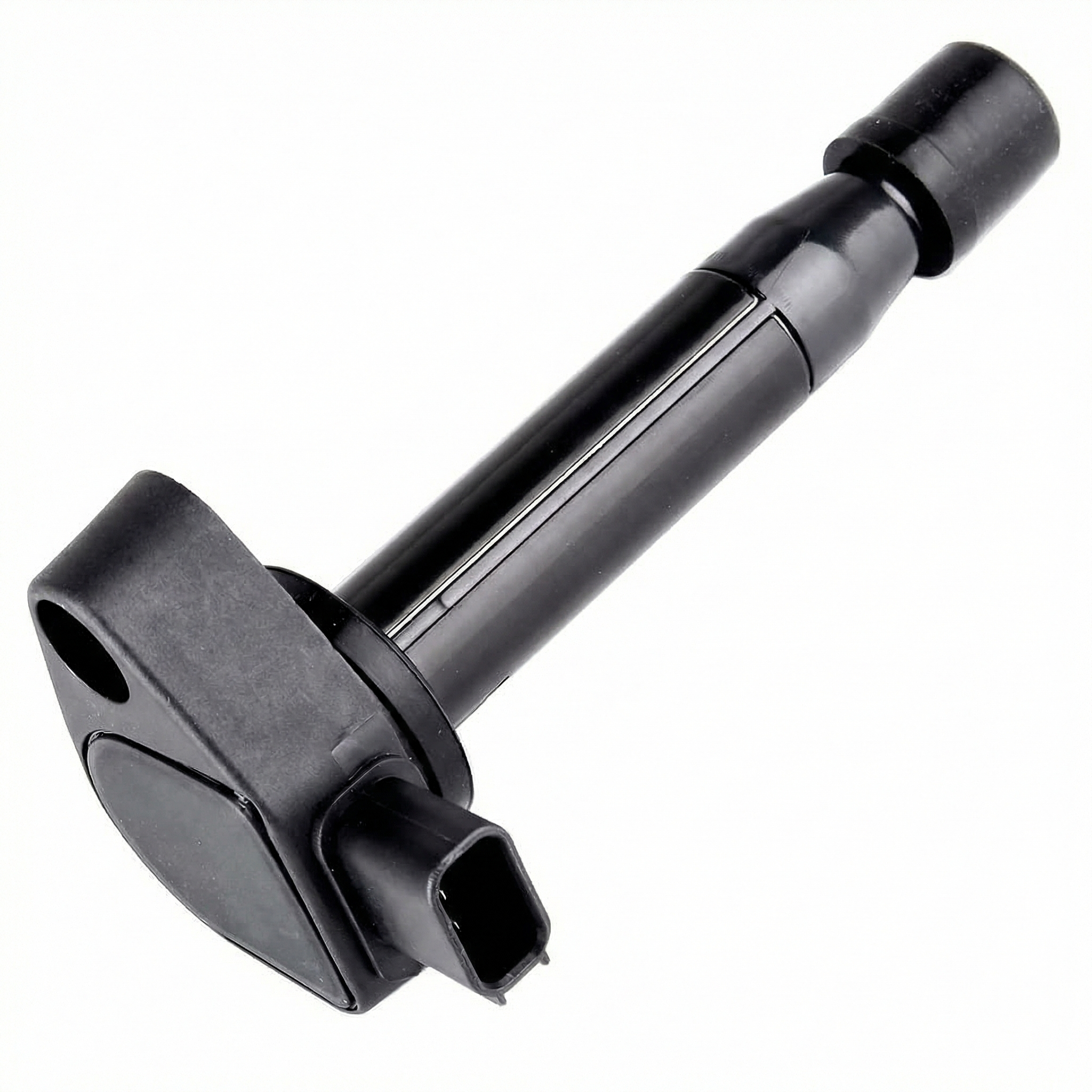
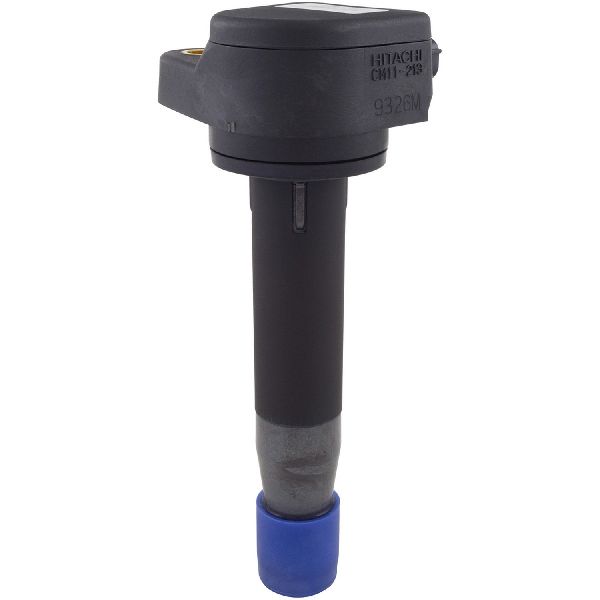
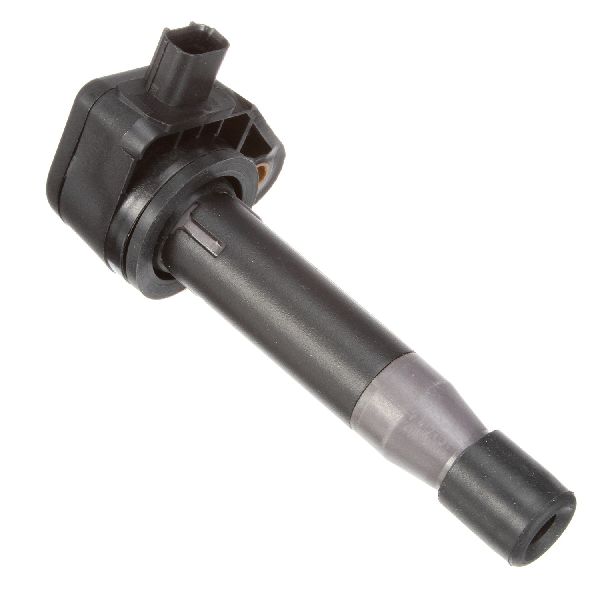
(OEM #30520-RN0-A01)— A common wear-and-tear item that can fail and cause a misfire on a single cylinder. It is often misdiagnosed as the root cause when the real issue is an oil-fouled plug.
Trusted brands: Honda (OEM), Denso, Hitachi
OEM price range: $70-$100 per coil
Aftermarket price range: $40-$70 per coil - VCM Disabler / Muzzler — An aftermarket device that prevents the VCM system from activating, which stops the oil consumption and spark plug fouling issue at its source. This is a preventative, long-term fix.
Trusted brands: VCMuzzler II, S-VCM Controller, VCMTuner
Aftermarket price range: $80-$120
Related Codes That Often Appear With This One
- P0300 — Random Misfire. This can occur if multiple cylinders are beginning to misfire intermittently due to widespread spark plug fouling across the VCM-affected bank.
- P0301, P0303, P0304 — These codes indicate misfires in cylinders 1, 3, and 4. They often appear with P0302 because the VCM system deactivates the entire bank of cylinders (1-3), causing the same oil-fouling issue across all of them.
- P3400, P3497 — These codes are related to the VCM system itself (specifically, the rocker arm oil pressure switches). Honda issued TSB 11-033 which involved a software update to address these codes, which could appear in conjunction with oil consumption issues. A faulty switch can cause VCM engagement problems.
Technical Service Bulletins (TSBs) & Recalls
- A26-001
- A13-081
- A13-080
- A25-061
- 11-033
Platform-Specific Known Issues
- VCM-Induced Oil Consumption and Misfires: The Variable Cylinder Management (VCM) system is the primary documented cause of premature spark plug fouling and misfire codes P0301-P0304. By shutting down the rear bank of cylinders (1-3) under light loads, it creates temperature and pressure differences that allow oil to bypass the piston rings. This fouls the plugs, causing misfires. Honda acknowledged this via TSBs (e.g., A13-081) and a class-action lawsuit settlement that extended the powertrain warranty for this specific issue to 8 years/unlimited miles for 2008-2013 models.
- Community-Recommended Fix: VCM Disabler: The overwhelming consensus in owner communities like Odyclub.com is to disable the VCM system using an aftermarket electronic device. These 'muzzlers' work by slightly modifying the coolant temperature reading sent to the ECU, preventing it from ever entering VCM mode. This keeps the engine running on all 6 cylinders, which resolves the oil consumption and plug fouling issue for most owners without a significant, or sometimes any, decrease in real-world fuel economy.
Mechanic-Grade Diagnostic Values
- Ignition Coil Secondary Resistance — expected: 9.5 - 11.1 kΩ (kilohms). Failure: A reading of OL (overload/open circuit) or a value outside the specified range indicates a faulty coil.
- Ignition Coil Primary Resistance — expected: 0.49 - 0.57 Ω (ohms). Failure: A reading outside this very low resistance range suggests a problem with the primary winding.
- Mode $06 Misfire Count — expected: Zero or very low counts per driving cycle.. Failure: Using an advanced OBD-II scanner, a technician can view Mode $06 data. A high or incrementing value for Test ID $A3, Component ID $02 (Cylinder 2 Misfire Data) confirms the misfire before it's frequent enough to keep the MIL on.
Scan Tool Commands That Help
- Honda Diagnostic System (HDS) or compatible J2534 device: Cylinder Power Balance / Contribution Test — This bidirectional test allows a technician to individually disable fuel injectors for each cylinder. When cylinder 2's injector is disabled, if there is little to no change in engine RPM, it confirms that cylinder 2 was not contributing power, pinpointing the misfire without disassembly. This is useful for verifying the misfire location before swapping parts.
- Honda Diagnostic System (HDS): CKP Pattern Clear/Learn — This function is used to relearn the crankshaft position sensor's pattern. While not a direct fix for a component-level misfire, it is a required step after major engine work (like a piston ring job) to ensure the PCM is accurately detecting crankshaft speed variations, which is how it identifies misfires.
- Advanced Bi-Directional Scanners (Autel, Foxwell, Launch): Fuel Injector Balance Test — Some advanced scanners can perform an injector balance test, which can help identify a clogged or failing injector as the cause of the P0302 code.
Wiring & Ground Locations
- G101 — On the intake manifold, near the throttle body.. This is a primary sensor ground for many engine management components. A loose or corroded G101 ground can introduce electrical noise and cause erratic sensor readings, potentially leading to misfire detection issues.
- G201 / G3 — On the transmission housing, at the bottom left side of the engine compartment.. This is a main engine-to-chassis ground. Corrosion or looseness here can affect the entire ignition system's ability to find a proper ground path, weakening spark and potentially causing misfires. A video shows a heavily corroded transmission-to-body ground strap on a 2011 Odyssey causing issues.
- G202 — Lower right rear of the engine compartment.. Another critical engine ground point. Ensuring all major engine and transmission grounds are clean and tight is a crucial step in diagnosing persistent or intermittent electronic issues like a misfire that doesn't have an obvious mechanical cause.
Real Owner Repair Stories
- Odyclub forum user (2013 Honda Odyssey EX-L, ~100,000 miles) — Flashing check engine light, P0302, P0303, P0304 codes. Vehicle running rough.
❌ Tried (didn't work) Initial dealer diagnosis suggested piston ring replacement., Replacing spark plugs provided a temporary fix, but the misfire returned.
✅ What actually fixed it The owner had a valve adjustment performed by an independent mechanic. The mechanic noted the valves were significantly out of spec (too tight). After the valve adjustment, the misfires were completely resolved. This highlights that incorrect valve lash can be a root cause, especially around the 100k mile service interval. - Odyclub forum user (2011 Honda Odyssey Touring Elite, 140,000 miles) — Check engine light with P0302, P0303, and P3400 codes.
❌ Tried (didn't work) Replacing the spark plugs for cylinders 1, 2, and 3., Swapping ignition coils, which did not change the misfire location.
✅ What actually fixed it The owner replaced the rear rocker arm oil pressure switch (related to code P3400). After replacing the switch and clearing the codes, the misfire codes did not return. This suggests a faulty VCM oil pressure switch can sometimes contribute to or be associated with the misfire condition.
OEM Part Supersession History
30520-RN0-A01→30520-RN0-S01— Standard part revision by the manufacturer.
Heads up: The parts are interchangeable for the specified model years. However, it's critical not to confuse this with the coil for the 2016+ models (30520-5G0-A01), which is for a different engine generation and will not work.
Model Year Variations Within This Range
- 2011-2013: These models use the J35Z8 engine with VCM-2, which can switch between 3, 4, and 6 cylinder modes, unlike the earlier VCM-1 which only used 3 or 6. Additionally, Honda TSB 13-081 specifies that 2011 models may require a PCM software update as part of the piston ring repair procedure, whereas 2012-2013 models came with the updated software from the factory.
- 2008-2010: These models use a version of the J35 engine (e.g., J35A7) with VCM-1, which deactivates one bank of three cylinders (1-2-3). While still prone to the same oil consumption issue, the VCM operation is less complex than the VCM-2 system found in later models.
Helpful Videos
Used OEM Parts in Stock
New Aftermarket Parts Available

The information in this article is provided for general reference and educational purposes only. Vehicle specifications, procedures, and part compatibility can vary by production date, trim level, and region. Always consult your vehicle's factory service manual and verify part numbers before purchasing or performing repairs. Safety-critical components such as airbags, seat belts, and braking systems should be installed by a qualified professional.
- Honda ODYSSEY:
- 🧭 Diagnostic Flowchart
- 🎬 Helpful Videos
- 🛍️ Shop This Part
- What's Unique About the 2008-2015 Honda ODYSSEY
- Symptoms You May Notice
- Most Likely Causes
- Rare But Worth Checking
- Diagnosis Steps
- Parts You'll Likely Need
- Related Codes That Often Appear With This One
- Technical Service Bulletins (TSBs) & Recalls
- Platform-Specific Known Issues
- Mechanic-Grade Diagnostic Values
- Scan Tool Commands That Help
- Wiring & Ground Locations
- Real Owner Repair Stories
- OEM Part Supersession History
- Model Year Variations Within This Range
- 🎟️ Get 5% Off