

P0302 on 2017-2019 Kia Forte: Cylinder 2 Misfire Causes & Fixes
On a 2017-2019 Kia Forte, P0302 is most often caused by a failed ignition coil on cylinder 2. Kia has issued service bulletins for both faulty coils and ECU software updates. A new coil costs around $40-$80 and is a very easy DIY fix. Swapping the coil from cylinder 2 to another cylinder is the definitive way to diagnose the problem.
- P0302 on a 2017-2019 Forte is almost always an ignition issue on cylinder #2.
- The most likely cause is a bad ignition coil, a known weak point on this vehicle.
- A simple diagnostic test is to swap the coil from cylinder #2 with another cylinder to see if the misfire code follows it.
- Replacing an ignition coil is a very easy, 10-minute DIY job that can save you hundreds in labor costs.
- If new coils and plugs don't fix the issue, ask a Kia dealer about the ECU software update TSBs before pursuing more expensive repairs.
What's Unique About the 2017-2019 Kia FORTE
The 2017-2019 Kia Forte with the 2.0L MPI 'Nu' engine is known for two specific, well-documented issues that can trigger a P0302 code. First, Kia acknowledged premature ignition coil failure in Technical Service Bulletin (TSB) TSBENG181_R1, which applies to 2017-2018 models. This TSB instructs dealers to replace all four ignition coils if a misfire DTC is present. Second, multiple TSBs (including TSBENG204_R1 and TSB_ENG208_R2) were released for an "ECU Logic Improvement," indicating the factory software was overly sensitive and could falsely detect misfires. These documented issues mean the cause is often more specific than just a simple worn-out part and may require a dealer visit for a software update.
Diagnostic Flowchart
Tap your situation to follow the diagnostic path that matches what you're seeing on this vehicle.
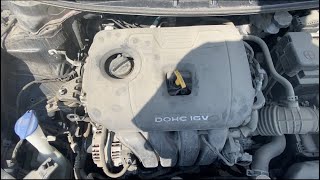
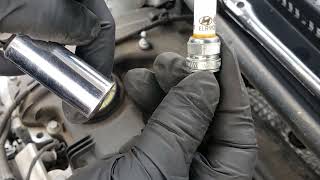
Generation note: The 2017-2019 year range covers the end of the second generation (YD, through 2018) and the start of the third generation (BD, beginning in 2019). Both generations used a similar 2.0L 4-cylinder 'Nu' engine, but with a key change. The 2017-2018 models use the G4NA MPI engine, while the 2019 model uses the G4NH Atkinson Cycle MPI engine (G4NH), which includes features like a cooled EGR system for improved efficiency. 🎬 See how to replace coils and plugs on 2019+ models. While many causes are similar, this change introduces different potential failure points for the 2019 model.
Symptoms You May Notice
- Rough or vibrating idle
- Engine hesitation or stumbling during acceleration
- Noticeable loss of power
- Check Engine Light is on and may be flashing
- Reduced fuel economy
- Difficulty starting the engine
- Engine shaking, especially at idle or on a cold start
- Replacing only the spark plug when the ignition coil is the actual culprit. Given the high coil failure rate, it's the primary suspect.
- Replacing fuel system components before checking for the well-documented ignition coil and ECU software issues.
- Assuming a single coil replacement is a permanent fix. Owners report subsequent failures of the other original coils months later.
Most Likely Causes
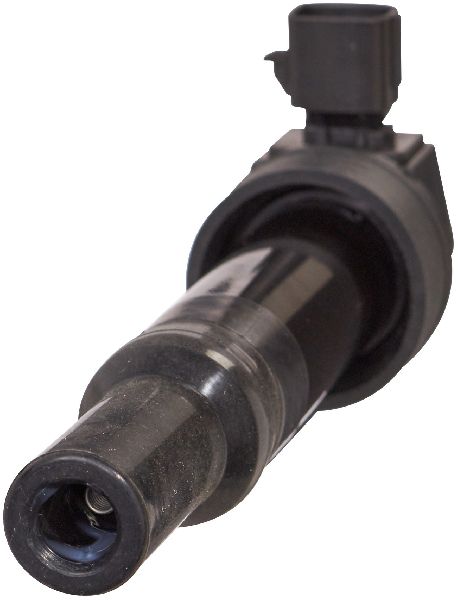
- Faulty Ignition Coil 🔴 High Probability → Shop Ignition Coil Kia issued TSB TSBENG181_R1 (also known as SA321) specifically for replacing ignition coils on 2017-2018 Fortes due to a high failure rate. Owner forums are filled with accounts of repeated coil failures, sometimes occurring every 30,000-40,000 miles. The OEM coils were made by a company called YURA, and some owners report better longevity with aftermarket brands like Delphi or NGK.
How to confirm: Swap the ignition coil from cylinder #2 with another cylinder (e.g., #3). Clear the codes and drive the vehicle. If the code changes to P0303, the ignition coil is confirmed to be faulty. This is the most common and definitive diagnostic step. A technician can also test the coil's resistance.
Typical fix: Replace the faulty ignition coil. It is strongly recommended to replace all four coils at the same time as a preventative measure, as the others are likely of the same age and batch and prone to failure.
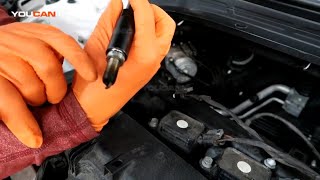
Est. part cost: $40-$80 per coil 🎬 Follow this DIY walkthrough for 2018 and similar year models.
- ECU Software Update Required 🟡 Medium Probability Kia released multiple TSBs (TSBENG204_R1, TSB_ENG208_R2, SA285) for an "ECU Logic Improvement" to correct false or overly sensitive misfire detection. TSB ENG208 specifically instructs dealers to first confirm that the coil service action (SA321) has been performed before applying the software update. This indicates a known software issue that can persist even with good hardware.
How to confirm: A Kia dealership or a qualified independent shop with access to Kia's diagnostic software (KDS/GDS) can check your vehicle's VIN against the TSBs and verify the currently installed ROM ID (software version) to see if an update is available.
Typical fix: The ECU needs to be reprogrammed (reflashed) with the updated software. This must be done by a dealer or a shop with the proper equipment.
Est. part cost: $0-$200 (cost varies; may be free if covered under a service campaign or warranty) - Worn or Fouled Spark Plug 🟡 Medium Probability → Shop Spark Plug Spark plugs are a standard maintenance item. While the service interval can be long, a plug can fail prematurely or become fouled by issues like minor oil consumption, which has also been noted on some Kia engines (see TSB ENG222). Kia also issued a service action (SA342) for some 2018 models for spark plugs with porcelain that could crack.
How to confirm: Remove the spark plug from cylinder #2 and inspect it for wear (worn electrode), carbon buildup, or oil fouling. A wet or fuel-smelling plug points to an ignition or compression issue, while a black, sooty plug indicates a rich condition. You can also swap the spark plug with another cylinder to see if the misfire code follows the plug.
Typical fix: Replace the spark plug. It is best practice to replace all four spark plugs at the same time with OEM-equivalent plugs from brands like NGK or Denso.
Est. part cost: $10-$25 per plug - Clogged or Faulty Fuel Injector ⚪ Low Probability → Shop Fuel Injector While less common than ignition issues on this platform, fuel injectors can become clogged over time, leading to a lean misfire. This is not a widely reported systemic issue for the Forte, but remains a possibility for any gasoline engine.
How to confirm: This is more difficult to diagnose. A professional may use a scan tool to monitor fuel trims or perform a fuel injector balance test. A DIY method is to listen to the injector with a mechanic's stethoscope to ensure it's clicking, or swap the injector with another cylinder (a more involved job) to see if the code follows.
Typical fix: Replace the fuel injector for cylinder #2. It's often recommended to replace the set if they are high mileage.
Est. part cost: $50-$150
Rare But Worth Checking
- Low Engine Compression: Though rare on its own, this can be a serious issue caused by internal engine problems like a bad valve, worn piston rings, or a leaking head gasket. An oil-fouled spark plug can be a clue. A compression test is needed to confirm. If compression is low, a cylinder leak-down test can pinpoint the cause.
- Damaged Wiring Harness: The wiring or connector to the ignition coil or fuel injector can become damaged or corroded, causing an intermittent connection and misfires. A visual inspection of the harness leading to cylinder 2 is a good diagnostic step.
Diagnosis Steps
- Read the code with an OBD-II scanner to confirm P0302 and check for any other codes.
- Identify cylinder #2. On the 2.0L Forte engine, the cylinders are numbered 1-2-3-4 sequentially, starting from the side with the belts (passenger side in the US) and going toward the transmission (driver's side).
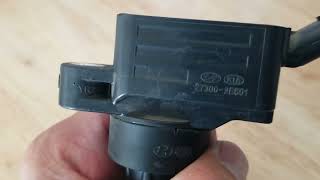
- Perform the Ignition Coil Swap Test. This is the most crucial step. 🎬 Watch this guide to find and fix your Forte misfire. Label and swap the ignition coil from cylinder #2 with the coil from cylinder #3. Use a 10mm socket to remove the retaining bolt. Clear the codes with the scanner.
- Drive the car until the check engine light returns. Re-scan the codes.
- If the code is now P0303, the ignition coil is bad. Replace all four coils for best results.
- If the code remains P0302, the coil is likely good. Put the original coil back on cylinder #2. Now, swap the spark plug from cylinder #2 to cylinder #3. Clear codes and repeat the drive test. If the code changes to P0303, the spark plug is bad. Replace all four.
- If the code still remains P0302, the issue is not the coil or plug. Visually inspect the wiring and connector for the ignition coil and fuel injector on cylinder #2 for any damage or corrosion. Check pin voltages against the wiring diagram.
- If all hardware checks out, the issue is likely the ECU software. Contact a Kia dealership, reference TSBs SA321 and SA378 (or TSBENG208), and ask them to check if your VIN is affected and if the ECU logic update has been performed.
- If the problem persists after all of the above, more advanced diagnostics like a fuel injector test or a compression/leak-down test are necessary.
Parts You'll Likely Need
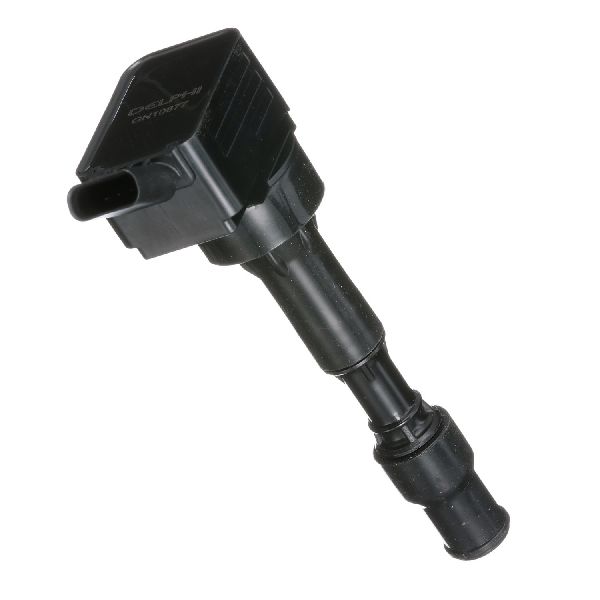
- Ignition Coil
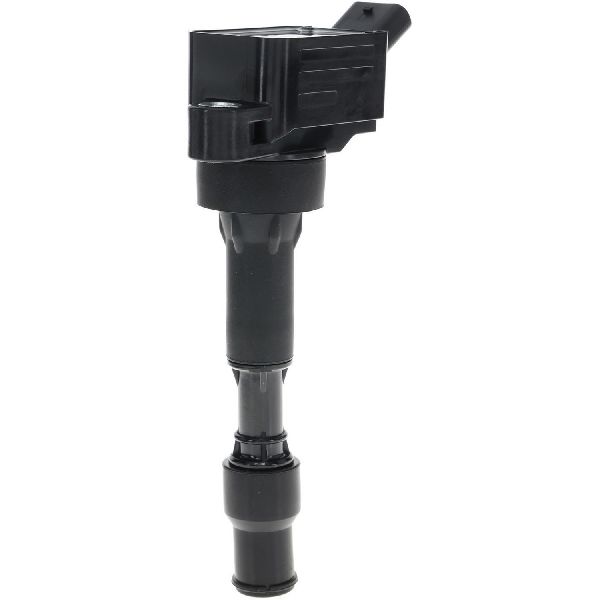
(OEM #27300-2E601)— This is the most common failure part for P0302 on this vehicle, as documented by Kia's own service bulletins and countless owner reports.
Trusted brands: Kia (OEM - YURA), NGK, Denso, Delphi (GN10877), Duralast (from AutoZone)
OEM price range: $70-$100
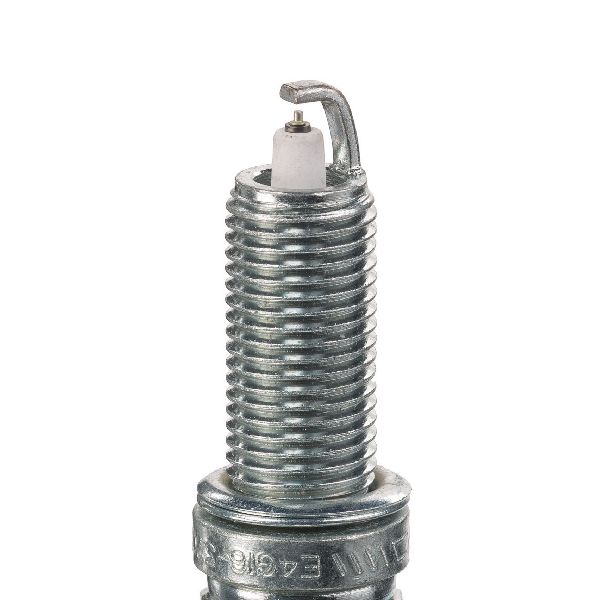
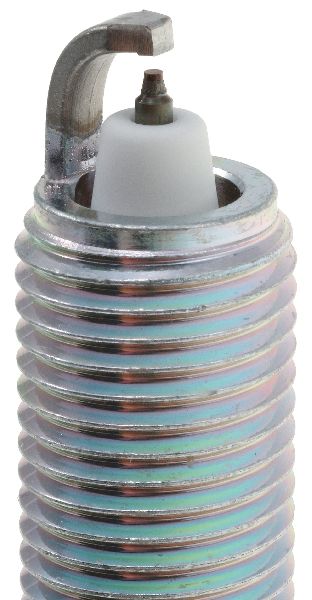
Aftermarket price range: $40-$80 - Spark Plug
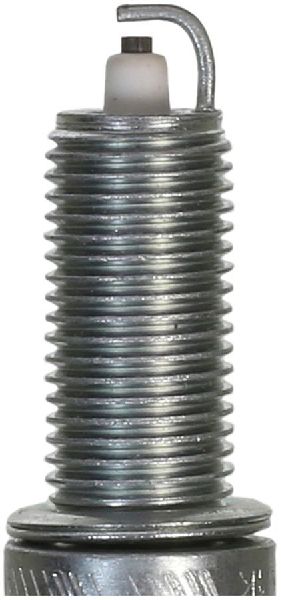
(OEM #18867-09095)— A standard maintenance item that is a common cause of misfires if worn or fouled. The OEM plug is typically an NGK Laser Iridium.
Trusted brands: NGK (Laser Iridium), Denso, Champion
OEM price range: $20-$30
Aftermarket price range: $10-$25
Related Codes That Often Appear With This One
- P0300 — If the misfire is intermittent, severe enough to affect crankshaft speed randomly, or if other cylinders begin to fail, a P0300 (Random/Multiple Cylinder Misfire) code may appear alongside P0302.
- P0301, P0303, P0304 — These codes indicate misfires in other cylinders. If they appear with P0302, it could point to a systemic problem like a needed ECU update, a vacuum leak, low fuel pressure, or multiple failing ignition coils.
- P219C00, P219D00, P219E00, P219F00 — These codes for Air-Fuel Ratio Imbalance are specifically mentioned alongside the P030x codes in TSB ENG208, indicating the ECU logic issue can manifest as either type of code.
Technical Service Bulletins (TSBs) & Recalls
- TSBENG181_R1: SERVICE ACTION: IGNITION COIL OR COIL RFI SPRING REPLACEMENT FOR DTC P0300, P0301, P0302, P0303, AND/OR P0304 (SA321)
- TSBENG204_R1: SERVICE ACTION: ECU LOGIC IMPROVEMENT FOR P0300, P0301, P0302, P0303, P0304 AND/OR P219C00, P219D00, P219E00, P219F00 (SA378)
- TSB_ENG208_R2: TECHNICAL SERVICE BULLETIN - ECU LOGIC IMPROVEMENT FOR P0300, P0301, P0302, P0303, P0304...
- TSBENG165R1 / SA285: ECU LOGIC IMPROVEMENT FOR DTC P030X (For early 2017 models)
Platform-Specific Known Issues
- TSB TSBENG181_R1 (SA321): For 2017-2018 Forte 2.0L MPI, this service action addresses premature ignition coil failure. If a misfire code (P030x) is found, the procedure is to replace all four (4) ignition coils. If no misfire code is present but other drivability issues exist, the procedure is to replace the RFI springs inside the coil boots.
- TSB TSBENG204_R1 / TSB_ENG208_R2 (SA378): Details a service action for an "ECU Logic Improvement" on 2017-2018 models to prevent the engine control module from incorrectly setting misfire codes (P030x) and air-fuel imbalance codes. This requires a software update at a dealership and should be performed after verifying the ignition coil TSB has been completed.
- Chronic Coil Failure: Many owners report replacing ignition coils multiple times, suggesting either the OEM replacement parts are also prone to failure or an underlying issue is causing them to fail. One user on Reddit reported failures at 38k, 60k, and 108k miles.
Mechanic-Grade Diagnostic Values
- Ignition Coil Primary Resistance — expected: 0.75 Ω ± 15% at 20°C (68°F). Failure: A reading significantly outside this range indicates a faulty coil.
- Ignition Coil Secondary Resistance — expected: 5.9 kΩ ± 15% at 20°C (68°F). Failure: A reading significantly outside this range (e.g., open circuit) indicates a faulty coil.
Scan Tool Commands That Help
- Kia GDS (Global Diagnostic System): Power Balance Test — To identify which cylinder is contributing less power by analyzing crankshaft speed variations, confirming the misfiring cylinder without swapping parts.
- Kia GDS (Global Diagnostic System): Flight Record Function — To capture vehicle data during a test drive, which is useful for diagnosing intermittent misfires that don't occur at idle.
- Advanced OBD-II Scanner: Injector Status Monitoring — To observe if the PCM is disabling the fuel injector for cylinder 2 when a severe misfire is detected, which confirms the misfire is consistent and protects the catalytic converter.
Wiring & Ground Locations
- Ignition Coil Connector (Cyl 1-4) — On top of the valve cover, connecting to each ignition coil.. Testing for power, ground, and signal at the connector is a key diagnostic step. Per the 2018 wiring diagram, Pin 1 is Ground (Black), Pin 4 is Power (Red), and Pin 2 is the ECU signal wire (White for coils 1 & 2, Pink for coils 3 & 4).
- Engine Ground Strap (91860A7140) — Connects the engine block/cylinder head to the vehicle chassis.. A poor engine ground can cause a weak spark and lead to intermittent, hard-to-diagnose misfires across multiple cylinders, or on a single cylinder if the local ground path is compromised.
Real Owner Repair Stories
- Reddit user on r/MechanicAdvice (2017 Kia Forte) — Check engine light comes on when hitting the gas, codes P0300, P0302, P0303. Engine barely started and was shaking at idle.
❌ Tried (didn't work) A previous repair attempt included replacing spark plugs, ignition wires, and ignition coils, but the misfire returned.
✅ What actually fixed it Replacing all spark plugs a second time resolved the issue. The car ran for a month and 250 miles with no further problems.
Model Year Variations Within This Range
- 2017-2018: These models use the 2.0L Nu MPI engine (G4NA). They are subject to Kia Recall SC210 for potential oil pump failure due to foreign particles.
- 2019: This model uses the 2nd-generation 2.0L Nu Atkinson Cycle engine (G4NH) and an IVT transmission. The engine has a cooled EGR system and runs the Atkinson cycle for better fuel economy. An issue with the EGR system could be a potential cause of misfires not present on earlier models.
Helpful Videos
We Have This Part in Stock

The information in this article is provided for general reference and educational purposes only. Vehicle specifications, procedures, and part compatibility can vary by production date, trim level, and region. Always consult your vehicle's factory service manual and verify part numbers before purchasing or performing repairs. Safety-critical components such as airbags, seat belts, and braking systems should be installed by a qualified professional.
- Kia FORTE:
- 🧭 Diagnostic Flowchart
- 🎬 Helpful Videos
- 🛍️ Shop This Part
- What's Unique About the 2017-2019 Kia FORTE
- Symptoms You May Notice
- Most Likely Causes
- Rare But Worth Checking
- Diagnosis Steps
- Parts You'll Likely Need
- Related Codes That Often Appear With This One
- Technical Service Bulletins (TSBs) & Recalls
- Platform-Specific Known Issues
- Mechanic-Grade Diagnostic Values
- Scan Tool Commands That Help
- Wiring & Ground Locations
- Real Owner Repair Stories
- Model Year Variations Within This Range
- 🎟️ Get 5% Off