

P0302 on 2016-2020 Kia Optima: Cylinder 2 Misfire Causes and Fixes
On a 2016-2020 Kia Optima, code P0302 is most often caused by a bad ignition coil or a worn spark plug in cylinder 2. A DIY fix for these parts costs between $30 and $100. However, this code can also be an early sign of more serious engine issues common to these models, like carbon buildup or internal damage leading to low compression.
- P0302 on a 2016-2020 Optima is a misfire in cylinder 2, the second cylinder from the driver's side.
- Start your diagnosis with the easiest and most likely culprits: the ignition coil and the spark plug. Swapping them with another cylinder is a free and effective diagnostic test.
- If a new coil and plug don't fix the issue, be aware of this platform's specific issues with GDI carbon buildup and internal engine health.
- A flashing check engine light means STOP driving to prevent expensive catalytic converter damage.
- If basic fixes fail, a compression test is a critical next step to rule out serious mechanical engine failure.
What's Unique About the 2016-2020 Kia Optima
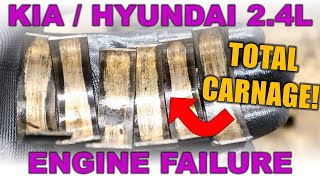
While a misfire on any car can be a simple fix, on the 2016-2020 Kia Optima with its Gasoline Direct Injection (GDI) engines, a P0302 code requires extra attention. These Theta II engines are known for issues with carbon buildup on intake valves and, more seriously, potential internal engine problems that were the subject of recalls and class-action lawsuits. 🎬 See why these Theta II engines often experience internal failure. A misfire code can be the first symptom of these deeper issues, such as oil fouling the spark plug due to piston ring problems or scoring on the cylinder walls. Therefore, diagnosis should not stop at just the ignition system if the simple fixes don't work, and a compression test is highly recommended.
Symptoms You May Notice
- Rough or shaking idle.
- Hesitation or stumbling during acceleration.
- Flashing or solid Check Engine Light.
- Noticeable loss of engine power.
- Decreased fuel economy.
- Difficulty starting or extended cranking.
- Unusual fuel or burning oil odor from the exhaust.
- Replacing the oxygen sensor. A misfire can cause strange O2 sensor readings, but the sensor is rarely the root cause of a single-cylinder misfire code.
- Replacing the catalytic converter. A persistent misfire will damage a catalytic converter, but a bad converter does not cause a P0302 code. The converter failure is a symptom, not the cause.
Most Likely Causes
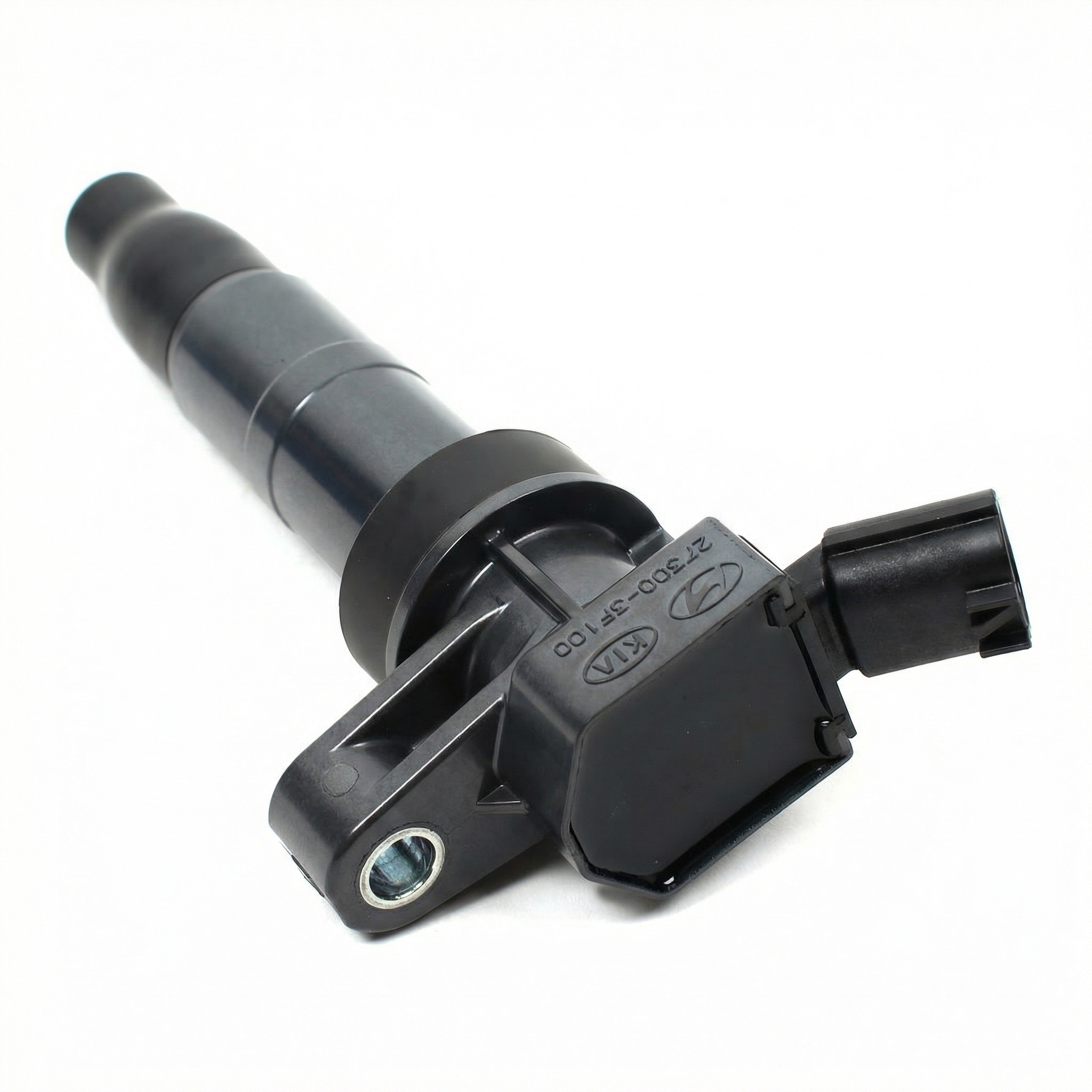
- Faulty Ignition Coil 🔴 High Probability → Shop Ignition Coil Ignition coils are a common failure item on many modern vehicles, including Kias. Heat and vibration cause the internal windings to break down over time, leading to a weak or no spark.
How to confirm: Swap the ignition coil from cylinder 2 with the coil from another cylinder (e.g., cylinder 1). Clear the codes and drive the car. If the code changes to P0301 (Cylinder 1 Misfire), the coil is faulty. This is a standard and effective diagnostic step confirmed by many owners.
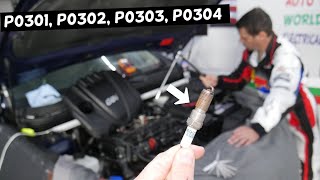
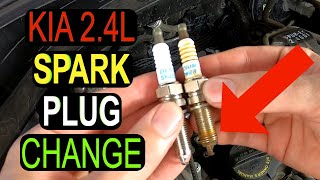
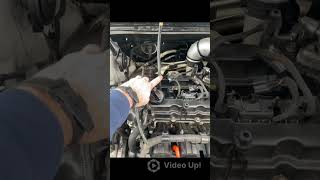
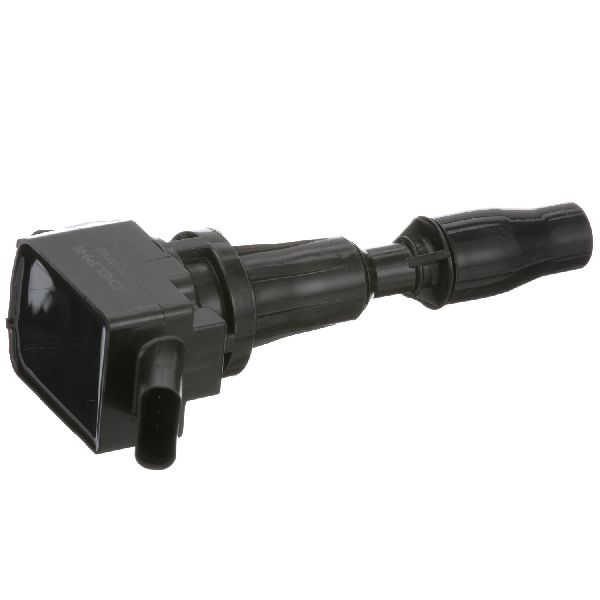
Typical fix: Replace the faulty ignition coil. It is held on by a single 10mm bolt and is easily accessible after removing the engine cover. 🎬 Watch: Step-by-step coil pack and spark plug replacement guide.
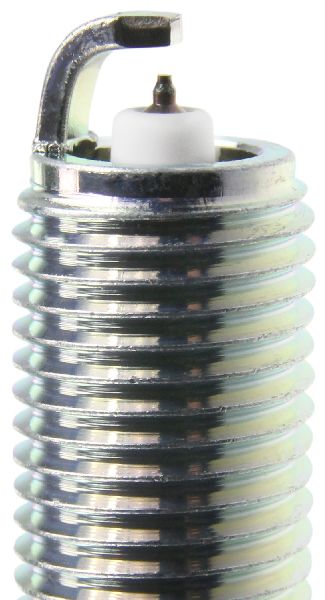
Est. part cost: $40-$80 - Worn or Fouled Spark Plug 🔴 High Probability → Shop Spark Plug Spark plugs are a regular maintenance item. On these GDI engines, they can become fouled by carbon or oil deposits, especially if the engine has underlying oil consumption issues. An incorrect spark plug gap can also cause a misfire.
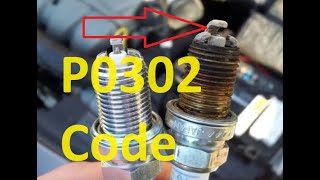
How to confirm: After confirming the coil is good, swap the spark plug from cylinder 2 with another cylinder. If the misfire code follows the plug, the plug is bad. Visually inspect the plug for wear, carbon tracking, oil, or damage to the electrode. An oil-wet plug is a major red flag for engine health.
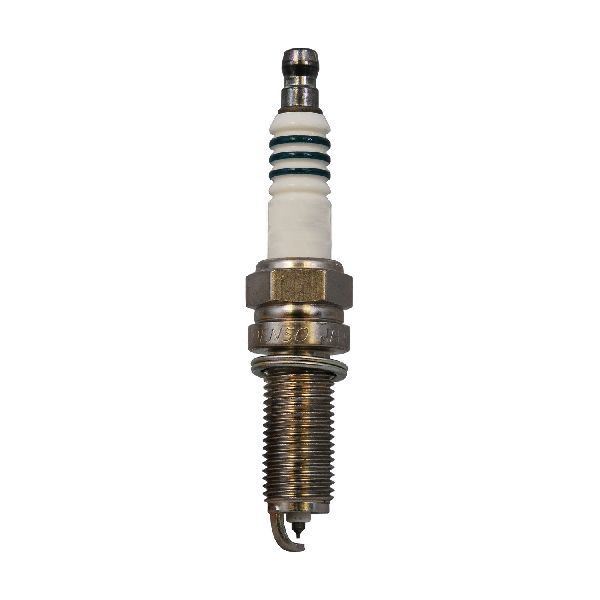
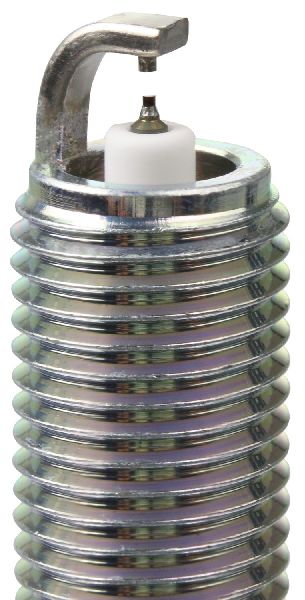
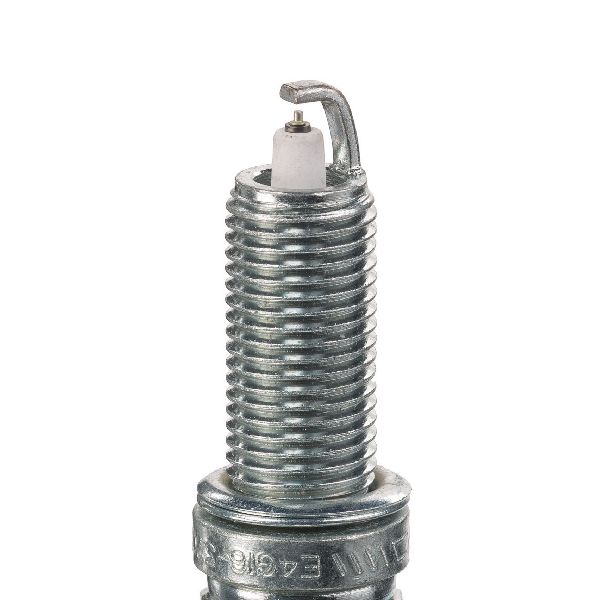
Typical fix: Replace the spark plug. It's recommended to replace all four spark plugs at the same time for even performance, using OEM-spec NGK or Denso plugs.
Est. part cost: $10-$25 per plug - Clogged Fuel Injector 🟡 Medium Probability → Shop Fuel Injector GDI injectors operate under very high pressure and are located directly in the combustion chamber, making them susceptible to clogging from fuel deposits and carbon buildup over time.
How to confirm: This is more difficult to diagnose. A professional can perform a fuel injector balance test. A DIY method involves listening to the injector with a mechanic's stethoscope to ensure it's clicking. Swapping injectors is possible but more involved than coils or plugs.
Typical fix: Try a high-quality GDI-specific fuel system cleaner first. If that fails, professional cleaning or replacement of the faulty injector is necessary.
Est. part cost: $70-$150 per injector - Carbon Buildup on Intake Valves 🟡 Medium Probability GDI engines spray fuel directly into the cylinder, so gasoline detergents don't wash over the intake valves. Oil vapor from the PCV system bakes onto the hot valves, restricting airflow and causing misfires, especially on cold starts.
How to confirm: Requires a borescope inspection of the intake ports and valves to visually confirm the presence of thick carbon deposits.
Typical fix: The intake manifold must be removed and the valves cleaned manually, often through walnut blasting for best results.
Est. part cost: $0 (if cleaning yourself) to $400-$800 for a professional service
Rare But Worth Checking
- Low Engine Compression: This is a critical check on this specific vehicle due to known Theta II engine issues. A misfire can be a symptom of a failing engine. Causes include worn piston rings, scored cylinder walls, or a burnt valve. A compression test is essential if ignition and fuel-related causes are ruled out. A Reddit user with a 2018 Optima reported a P0302 code and found cylinder 2 had only 40 PSI of compression, indicating a severe internal problem.
- Leaking Valve Cover Gasket: → Shop Engine Valve Cover The valve cover gasket can fail and allow oil to leak into the spark plug tubes, shorting out the ignition coil and fouling the spark plug. If you find a pool of oil when you pull the ignition coil out of cylinder 2, this is your problem.
- Faulty Cam/Crank Sensors: While less common for a single-cylinder misfire, a failing crankshaft or camshaft position sensor can send incorrect timing data to the PCM, leading to misfires. If the issue is intermittent or accompanied by other timing-related codes, these sensors should be investigated.
Diagnosis Steps
- Read the code with an OBD-II scanner to confirm P0302 and check for any other codes like P0300 or P0202.
- Identify cylinder 2. It is the second cylinder from the driver's side (belt side) of the engine. The firing order is typically 1-3-4-2, but the cylinder numbering is 1-2-3-4 from left to right.
- Remove the engine cover. Pull the ignition coil from cylinder 2. Inspect the spark plug well for any standing oil. Oil indicates a leaking valve cover gasket that must be replaced.
- Swap the ignition coil from cylinder 2 with cylinder 1. Use a 10mm socket to remove the retaining bolt. Clear the codes and run the engine. If the code changes to P0301, you have a bad ignition coil.
- If the code remains P0302, move the original coil back. Using a 5/8" spark plug socket with an extension, remove the spark plug from cylinder 2 and swap it with cylinder 1. If the code changes to P0301, you have a bad spark plug.
- If ignition components are good, the next likely causes are a clogged fuel injector or carbon buildup. Consider using a bottle of high-quality GDI-specific fuel injector cleaner.
- If none of the above solve the issue, perform an engine compression test. A healthy reading should be around 180-210 PSI. 🎬 Watch: How to perform a professional engine compression test. A significantly lower reading in cylinder 2 (like the 40 PSI reported by one owner) indicates a serious mechanical engine problem.
- If compression is good, the issue may be a clogged fuel injector, which may require professional testing or replacement.
Parts You'll Likely Need
- Ignition Coil
(OEM #27300-2E600 (2.4L), 27301-2G000 (2.0T), 27301-2B100 (1.6T) - Always verify by VIN)— This is one of the most common failure parts for a P0302 code. It's responsible for generating the spark.
Trusted brands: Kia/Hyundai (OEM), Denso, NGK, Delphi
OEM price range: $80-$130
Aftermarket price range: $40-$80 - Spark Plug
(OEM #18849-09085 (SILZKR8E9G for 2.4L), 18846-11070 (SILZKR7B11 for 2.0T), 18857-09085 (SILZKR8E9G for 1.6T) - Always verify by VIN)— A worn or fouled spark plug is the second most common cause. It's a routine maintenance item that directly causes misfires when it fails.
Trusted brands: NGK (often the OEM supplier), Denso
OEM price range: $20-$30
Aftermarket price range: $10-$20
Related Codes That Often Appear With This One
- P0300 — If the misfire becomes more frequent or other cylinders start to misfire, the generic P0300 (Random/Multiple Cylinder Misfire) code may appear, pointing to a more systemic issue.
- P0301, P0303, P0304 — If other cylinder-specific misfire codes appear, it points towards a systemic issue affecting the whole engine, such as low fuel pressure, a large vacuum leak, or severe carbon buildup.
- P0202 — This code indicates a malfunction in the cylinder 2 injector circuit. If you see P0302 and P0202 together, it strongly suggests the problem is with the fuel injector for cylinder 2 or its wiring.
Technical Service Bulletins (TSBs) & Recalls
- SC147 / Recall 17V224 - While not for a P0302 code directly, this campaign addresses the root cause of potential engine failures (connecting rod bearing wear) that could present as a misfire in their early stages.
- Service Campaign 929 (PI1802/TSB ENG177) - This is the Knock Sensor Detection System (KSDS) software update designed to monitor for vibrations indicative of rod bearing wear. A misfire could potentially be an early event that this system is designed to watch for.
- Bulletin #TSB-FUE025 - This manufacturer service bulletin notes an ECM software upgrade specifically for instances where the MIL is on with DTC P0302 and other misfire codes.
Platform-Specific Known Issues
- Theta II GDI Engine Concerns: The 2.4L and 2.0T GDI engines in this generation Optima are known for potential issues including excessive oil consumption and premature engine bearing wear, which can lead to catastrophic failure. A misfire code like P0302 can be an early symptom of oil fouling a spark plug or other internal problems. Kia has issued recalls and warranty extensions (e.g., Service Campaign 929, updating the KSDS) and developed a Knock Sensor Detection System (KSDS) software update to detect early signs of engine failure.
Mechanic-Grade Diagnostic Values
- GDI Fuel Injector Resistance (2.0T Engine) — expected: Approximately 1.4 Ohms. Failure: A reading that is significantly higher, lower, or open loop (OL) indicates a faulty injector coil.
- Long-Term and Short-Term Fuel Trim (LTFT/STFT) — expected: Between -5% and +5% at idle on a warm engine.. Failure: Sustained readings above +10% indicate the ECU is adding fuel to compensate for a lean condition (e.g., clogged injector, vacuum leak). Sustained readings below -10% indicate a rich condition (e.g., leaking injector).
- High-Pressure Fuel System (GDI) — expected: 2,000 to 2,800 PSI under operation.. Failure: Pressure significantly below this range under load can cause misfires across all cylinders, but a failing pump could present intermittently.
- Low-Pressure Fuel System (In-tank pump) — expected: 50-60 PSI. Failure: Low pressure from the in-tank pump will starve the high-pressure pump, leading to misfires, typically under high load.
- Ignition Timing Advance at Idle — expected: Between 5 and 20 degrees.. Failure: Erratic or highly retarded/advanced timing at idle could indicate a problem with crank or cam sensor inputs, which can lead to misfires.
Hidden / Shadow Codes Worth Checking
- Mode 6, Misfire Counts: Mode 6 data provides raw test results from the PCM's self-diagnostics. A technician can view misfire counts per cylinder for the current and previous 10 drive cycles. This can reveal which cylinder is misfiring even if the check engine light is not on or the code is only pending. (see via Requires a professional scan tool or an advanced DIY scanner (like a YOUCANIC scanner or others with Mode 6 capability). The Kia GDS/KDS dealer tool has a dedicated 'Current Misfire Counts' monitor.)
Scan Tool Commands That Help
- Kia GDS/KDS: Power Balance Test — This function allows a technician to selectively disable the fuel injector for each cylinder one by one. When the injector for a healthy cylinder is disabled, the engine RPM will drop noticeably. If disabling the injector for cylinder 2 causes little or no change in RPM, it confirms that cylinder 2 was not contributing power, pinpointing the issue to that cylinder.
- Kia GDS/KDS: ECU Upgrade (Logic Improvement) — Kia has issued Technical Service Bulletins (TSBs) to update the ECM logic for misfire detection, particularly for cold start misfires. If common causes are ruled out, checking for an available ECU update is a critical step, as the issue may be software-related.
- Kia GDS/KDS: Reset Adaptive Values — After replacing a component like a fuel injector or cleaning the intake valves, resetting the engine's learned fuel trim and other adaptive values is necessary to force the ECU to relearn with the new, correct parameters.
Wiring & Ground Locations
- Engine Ground Cable (Chassis Side) — A primary engine-to-chassis ground strap is typically located on the driver's side frame rail in the engine bay. Part number 91860-D5010 is a reference for this cable on a 2018 Optima.. A poor engine ground can cause a host of electrical issues, including weak spark or erratic sensor readings that can lead to misfires. While it usually affects multiple systems, a borderline connection could manifest as an intermittent misfire.
- Interior Ground Bolt — There is a common grounding point with a silver bolt to the right of the interior fuse panel (driver's side, under dash) where multiple ground wires are connected.. This is a central ground point for many interior and control modules. A loose connection here could potentially affect the PCM or its inputs, leading to strange behavior including misfire codes.
- Connector Naming Convention — On Kia wiring diagrams, connectors are identified with a letter and number (e.g., E10, C34). The letter corresponds to the harness location (e.g., 'E' for Engine Harness, 'M' for Main Harness).. When testing the wiring for the cylinder 2 ignition coil or injector, understanding this convention is essential to locate the correct connector and pins on a factory schematic for voltage or continuity checks.
Real Owner Repair Stories
- YouTube Commenter (Vehicle with P0302, model year not specified but symptoms match.) — Really bad rough idle, engine shaking, and stalling.
❌ Tried (didn't work) Replacing ignition coils, Replacing spark plugs
✅ What actually fixed it The owner used Redline fuel injector cleaner in the fuel tank. After running the car for a while, the misfire and rough idle were gone, and the code cleared, indicating the cause was a clogged fuel injector. - Valley Mobile Automotive (YouTube) (2016 Kia Optima with 100,960 miles (P0304 code, but diagnosis is identical for P0302).) — Solid, dead misfire on one cylinder, confirmed with scan tool misfire counter.
❌ Tried (didn't work) Swapping ignition coil with another cylinder., Swapping spark plug with another cylinder.
✅ What actually fixed it A compression test showed zero compression on the misfiring cylinder. A subsequent borescope inspection revealed catastrophic scoring on the cylinder wall and a damaged piston. The final diagnosis was a failed engine, a known issue with the Theta II platform. - Reddit user on r/kia (2018 Kia Optima with 112,xxx miles.) — P0302 misfire, hissing/spitting from spark plug hole, heavy fuel smell.
❌ Tried (didn't work) Moving the ignition coil., Changing all spark plugs.
✅ What actually fixed it The user reported extreme oil consumption (1 qt per 500 miles) and the spark plug for cylinder 2 was black with carbon/oil. The community and evidence strongly pointed to low compression from clogged/failed piston rings, requiring an engine rebuild or replacement under Kia's extended warranty. - NHTSA ODI #11438984 — An owner reported that oil on the spark plug caused a misfire and a P0302 trouble code. Eventually, the engine misfired enough to lead to a backfire, decreased fuel mileage, and other performance issues.
When the Usual Fixes Don't Work
- In several documented cases, the standard 'swap the coil and plug' diagnostic steps did not resolve the P0302 code. One owner on a forum and another in a detailed video diagnosis ultimately found the cause to be severe internal engine damage (zero compression), a known major issue with the Theta II engine, where the misfire code was merely the first observable symptom. In another instance, after coils and plugs failed to fix the issue, the problem was resolved with a chemical fuel injector cleaner, proving the fault was a clogged injector, not the ignition system.
OEM Part Supersession History
27300-2E600 (For 2.4L)→27300-2E601— Part update or manufacturer change. The 27300-2E601 is listed for many 2.0L Kia/Hyundai engines from 2017 onwards, including the Optima.
Heads up: While these parts may be physically similar, using the incorrect coil can lead to improper dwell times and weak spark. Always verify the correct part number for your specific engine (2.4L, 2.0T, 1.6T) by VIN, as multiple different coils were used across this vehicle's production run.
Model Year Variations Within This Range
- 2019-2020: The Kia Optima received a mid-cycle refresh for the 2019 model year, which included updated styling and features. However, the core powertrain options (2.4L, 1.6T, 2.0T) and the underlying causes for a P0302 code remained the same as the 2016-2018 models.
- 2016-2020: Kia issued several Technical Service Bulletins (TSBs) and software updates for the Engine Control Module (ECM) throughout this period. Some updates specifically addressed misfire detection logic. Therefore, a 2016 model may have different factory software than a 2020 model, and an ECU update could be a required fix regardless of year.
Diagnostic Flowchart
Real Owner Stories
Aggregated from forums and TSBs cited above. Mileages and costs reflect what owners reported in those sources.
2018 Kia Optima
Symptoms: Experienced a P0302 code along with a significant oil consumption issue, burning about 1 quart of oil every 500 miles.
What fixed it: Replaced a broken gasket that was leaking oil directly into the cylinders, which was fouling the spark plugs.
Source hint: Reddit - r/kia - P0302 Kia Optima 2018
2018 Kia Optima Hybrid
Symptoms: Chased a recurring P0302 misfire code. Initially replaced spark plugs, fuel lines, and the catalytic converter, but the misfire persisted.
What fixed it: Replaced a failed ignition coil on cylinder 2. This proved that even with new parts thrown at the car, the standard coil swap diagnostic is crucial.
Source hint: Reddit - r/kia - PO302 for the 4th time!
2018 Kia Optima
Symptoms: Vehicle had a misfire code and was found to have extremely low compression (40 PSI) in the misfiring cylinder.
What fixed it: Mechanic diagnosed internal engine damage resulting from a lack of lubrication due to the engine's high oil consumption.
Source hint: Reddit - r/AskMechanics - 2018 Kia Optima: Cylinder 4 Misfire & Other issues
Related OBD-II Codes
Frequently Asked Questions
Is my 2016-2020 Kia Optima's P0302 code related to the known Theta II engine recalls?
Why is there oil on the spark plug when I check cylinder 2 on my Optima?
Does Service Campaign 929 fix the P0302 misfire code?
How do I test if the ignition coil is causing the P0302 on my Optima?
Can carbon buildup cause a P0302 on my 2.4L or 2.0T engine?
What should the engine compression be if I'm diagnosing a P0302 on my Optima?
Helpful Videos
Used OEM Parts in Stock
New Aftermarket Parts Available


The information in this article is provided for general reference and educational purposes only. Vehicle specifications, procedures, and part compatibility can vary by production date, trim level, and region. Always consult your vehicle's factory service manual and verify part numbers before purchasing or performing repairs. Safety-critical components such as airbags, seat belts, and braking systems should be installed by a qualified professional.
- Kia Optima:
- 🧭 Diagnostic Flowchart
- 🎬 Helpful Videos
- 🛍️ Shop This Part
- What's Unique About the 2016-2020 Kia Optima
- Symptoms You May Notice
- Most Likely Causes
- Rare But Worth Checking
- Diagnosis Steps
- Parts You'll Likely Need
- Related Codes That Often Appear With This One
- Technical Service Bulletins (TSBs) & Recalls
- Platform-Specific Known Issues
- Mechanic-Grade Diagnostic Values
- Hidden / Shadow Codes Worth Checking
- Scan Tool Commands That Help
- Wiring & Ground Locations
- Real Owner Repair Stories
- When the Usual Fixes Don't Work
- OEM Part Supersession History
- Model Year Variations Within This Range
- Real Owner Stories
- 2018 Kia Optima
- 2018 Kia Optima Hybrid
- 2018 Kia Optima
- Related OBD-II Codes
- Frequently Asked Questions
- 🎟️ Get 5% Off