

P0302 on 2008-2012 Land Rover LR2: Cylinder 2 Misfire Causes and Fixes
P0302 on a 2008-2012 Land Rover LR2 indicates a misfire in cylinder 2. The most common causes are a bad ignition coil or a worn spark plug. A failing fuel injector is also a known issue for this vehicle, as noted in a Land Rover technical bulletin. Less common but possible causes include a faulty PCV system.
- P0302 signifies a misfire on cylinder 2.
- Start your diagnosis with the easiest and most likely culprits: the ignition coil and spark plug on cylinder 2.
- Use the 'swap test' to confirm a bad ignition coil before buying parts.
- Be aware that failing fuel injectors are a documented issue on the 2008-2012 LR2 and may be the cause if ignition parts check out.
- A failed PCV system is another known issue on this engine that can cause misfires and should be checked by listening for a whistle or feeling for strong suction at the oil cap.
- Do not drive the vehicle if the Check Engine Light is flashing to avoid costly catalytic converter damage.
What's Unique About the 2008-2012 Land Rover LR2
The 2008-2012 LR2 uses a Volvo-designed 3.2L inline-6 engine, also known as the SI6 ('Short Inline 6'). This engine is shared with several Volvo models like the XC90 and XC70. While ignition components like coils and plugs are common failure points for any engine, this platform has a documented history of fuel injector issues. Land Rover issued Technical Service Bulletin #SSM71894 specifically to investigate the cause of fuel injector failures leading to misfire codes, including P0302, on this engine. Additionally, the PCV system on this engine can fail, leading to various symptoms including rough idle and misfires.
Diagnostic Flowchart
Tap your situation to follow the diagnostic path that matches what you're seeing on this vehicle.
Symptoms You May Notice
- Rough or vibrating idle
- Engine hesitation or stumbling during acceleration
- Noticeable loss of power
- Solid or flashing Check Engine Light
- Reduced fuel economy
- Engine may be difficult to start
- Replacing oxygen (O2) sensors. A misfire can cause the O2 sensors to report incorrect readings, sometimes triggering other codes. The root cause is the misfire itself, not the sensor.
- Replacing the Mass Airflow (MAF) sensor. While a faulty MAF can cause running issues, it typically results in random/multiple misfire codes (P0300) rather than a single cylinder misfire like P0302.
Most Likely Causes
- Faulty Ignition Coil 🔴 High Probability → Shop Ignition Coil Coil-on-plug ignition systems are a common failure point due to constant heat and vibration. Failure is considered a normal wear and tear item on the 3.2L I6 engine.
How to confirm: Swap the ignition coil from cylinder 2 with another cylinder (e.g., cylinder 1). Clear the codes and drive. If the code changes to P0301, the coil is the confirmed fault. This is the most common and effective DIY diagnostic step.
Typical fix: Replace the faulty ignition coil. It is often recommended to replace all six coils and spark plugs at the same time for preventative maintenance, especially if they are original or high-mileage.
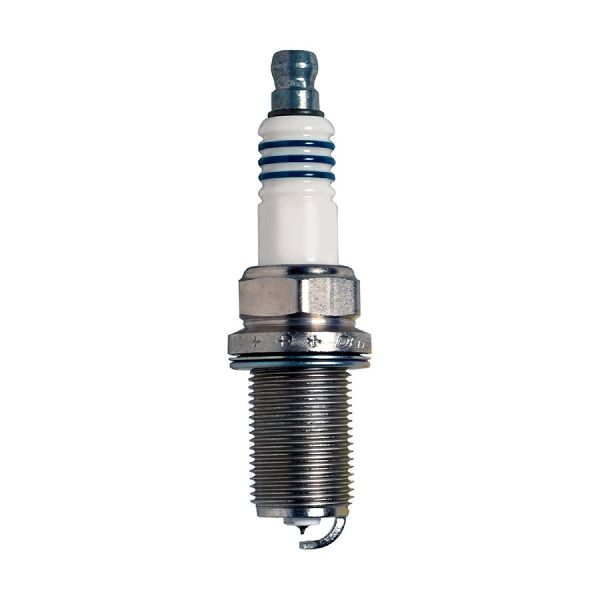
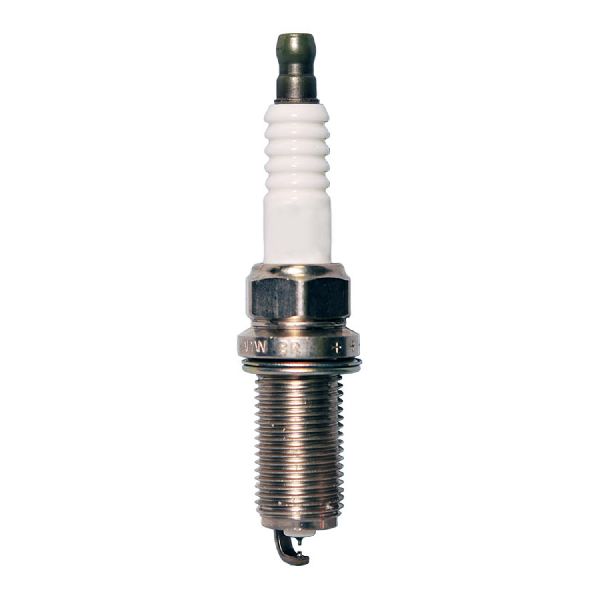
Est. part cost: $40-$90 per coil - Worn Spark Plug 🔴 High Probability → Shop Spark Plug Spark plugs are a regular maintenance item with a service interval of around 75,000 miles on the 3.2L I6. A worn electrode, carbon fouling, or oil contamination from a leaking valve cover gasket can prevent a strong spark, causing a misfire.
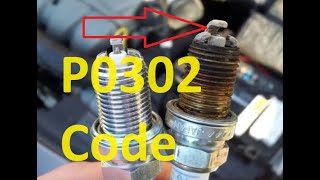
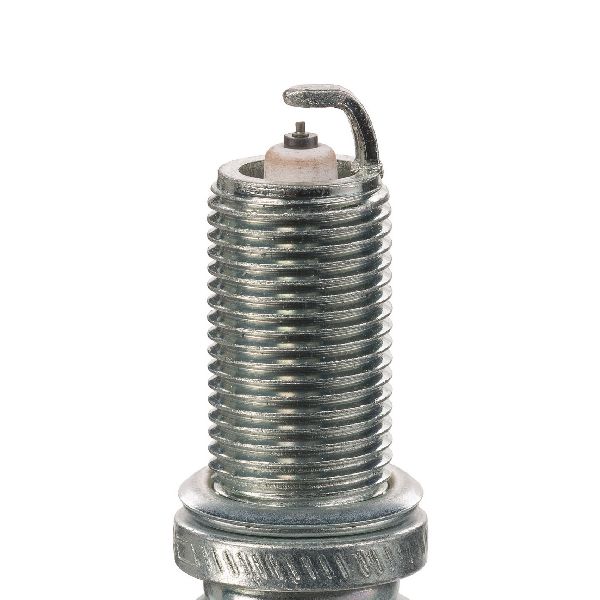
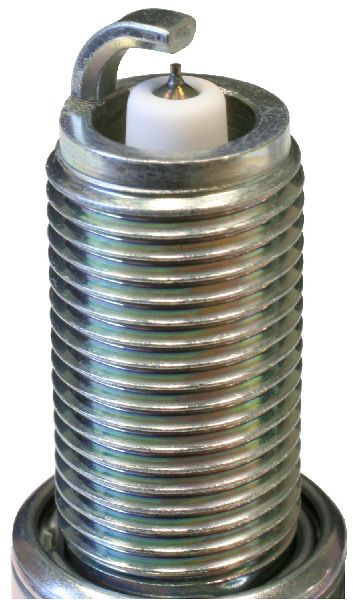
How to confirm: After ruling out the ignition coil, remove the spark plug from cylinder 2. Inspect it for wear (worn electrode), damage (cracked ceramic), or fouling (black soot or oil). Compare it to a plug from a working cylinder.
Typical fix: Replace the spark plug in cylinder 2. It is best practice to replace all six spark plugs at once if they are near their service interval. Ensure you use the correct plug type (Platinum or Iridium).
Est. part cost: $15-$25 per plug - Failing Fuel Injector 🟡 Medium Probability → Shop Fuel Injector Land Rover issued TSB #SSM71894 specifically mentioning an investigation into fuel injector failures causing misfires (including P0302) on this engine. They can become clogged or fail electrically over time.
How to confirm: If the coil and plug are good, the injector is a likely suspect. A mechanic can perform a fuel injector balance test. A DIY method is to listen to the injector with a stethoscope; it should have a consistent clicking sound. Another test is to swap the injector with another cylinder, similar to the coil test, though this is a more involved job.
Typical fix: Replace the fuel injector for cylinder 2. This requires depressurizing the fuel system and removing the fuel rail. It is recommended to replace all injector seals at the same time.
Est. part cost: $50-$300 per injector
Rare But Worth Checking
- Failed PCV System/Oil Separator: The Positive Crankcase Ventilation (PCV) valve diaphragm can tear on the 3.2L engine, creating a large vacuum leak. This can cause a loud whistling noise, a very rough idle, multiple misfire codes, and a strong vacuum at the oil filler cap when the engine is running. The entire PCV assembly, which is bolted to the engine, usually needs to be replaced.
- Low Engine Compression: If ignition and fuel delivery components are confirmed to be good, a mechanical issue like a worn piston ring, bad valve, or a failing head gasket could be the cause. A compression test is needed to diagnose this.
- Vacuum Leak: A vacuum leak isolated to the intake runner for cylinder 2 could lean out the air/fuel mixture and cause a misfire. This is less common for a single-cylinder misfire code than a generalized vacuum leak from the PCV system.
Diagnosis Steps
- Read the trouble codes with an OBD-II scanner and note any other codes present.
- Perform the 'swap test': Switch the ignition coil from cylinder 2 with an adjacent cylinder (like cylinder 1 or 3). Cylinder 2 is the second cylinder from the front of the engine (passenger side).
- Clear the codes using the scanner and start the engine. Drive until the check engine light returns.
- Re-scan for codes. If the code has moved to the cylinder where you placed the coil (e.g., P0301 or P0303), the ignition coil is faulty and needs to be replaced.
- If the code remains P0302, inspect the spark plug in cylinder 2. Look for wear, fouling, or damage. If in doubt, swap it with another cylinder's plug and see if the misfire code moves.
- If the code still remains P0302, the issue is likely the fuel injector or a mechanical problem.
- Listen to the fuel injector on cylinder 2 with a mechanic's stethoscope or a long screwdriver. It should have a steady, rhythmic clicking sound. Compare it to an adjacent injector.
- Check for a failed PCV system. With the engine running, carefully try to remove the oil filler cap. If there is a strong suction making it difficult to remove, or if you hear a loud whistling sound from the engine, the PCV diaphragm has likely failed.
- If all else fails, perform an engine compression test and a cylinder leak-down test to rule out mechanical issues like bad valves or piston rings.
Parts You'll Likely Need
- Ignition Coil
(OEM #LR002954)— This is the most common cause of a single-cylinder misfire and is a simple part to replace during diagnosis.
Trusted brands: Denso, Bosch (0221604018), NGK, Lucas
OEM price range: $70-$120
Aftermarket price range: $40-$90 - Spark Plug
(OEM #LR005483)— Spark plugs are a routine wear item and the second most likely cause of a misfire. They are inexpensive and should be replaced if their age is unknown.
Trusted brands: Champion, NGK, Denso, Bosch
OEM price range: $15-$25
Aftermarket price range: $10-$20 - Fuel Injector
(OEM #LR001982)— A known issue on this specific vehicle, as documented by a manufacturer TSB. It's the next logical part to replace if ignition components are good.
Trusted brands: Bosch, GB Remanufacturing (852-12246)
OEM price range: $250-$300
Aftermarket price range: $50-$150
Related Codes That Often Appear With This One
- P0300 — If the misfire is intermittent or begins to affect other cylinders, a P0300 (Random/Multiple Cylinder Misfire) code may appear alongside P0302. This could point to a systemic issue like a vacuum leak or low fuel pressure.
- P0301, P0303, P0304, P0305, P0306 — If other cylinder-specific misfire codes are present, it points towards a problem common to all cylinders, such as a major vacuum leak (like a failed PCV system), low fuel pressure, or contaminated fuel.
Technical Service Bulletins (TSBs) & Recalls
- SSM71894: Intermittent rough running at cold start or normal temperature, with various misfire DTCs stored. The cause was noted as a subject of investigation into fuel injector failures.
Platform-Specific Known Issues
- TSB SSM71894 was issued by Land Rover for intermittent rough running and misfire codes (P0300, P0301, P0302, etc.) on this engine. The bulletin states that engineering was investigating the cause of fuel injector failures.
- Oil in the spark plug wells is a common finding on the 3.2L I6. This is usually caused by a failed valve cover gasket or a clogged/failed PCV system creating excess crankcase pressure. The oil can saturate the ignition coil boot and cause a misfire.
Mechanic-Grade Diagnostic Values
- Fuel Injector Resistance — expected: 10-16 Ohms. All six injectors should measure within 0.5 Ohms of each other. Another source suggests 14.5 ± 0.7 Ohms at 20°C (68°F).. Failure: A reading of infinite resistance (open circuit), near zero resistance (short circuit), or a value that is an outlier compared to the other injectors.
- Fuel Rail Pressure — expected: Approximately 55 PSI (3.8 bar) under normal conditions. May spike over 60 PSI during a cold start. A workshop manual specifies 3.45 bar (50 PSI) at 4000 RPM.. Failure: Significantly lower pressure (e.g., below 40 PSI) can indicate a weak fuel pump. Significantly higher pressure can indicate a faulty fuel pressure regulator.
Hidden / Shadow Codes Worth Checking
- Mode $06, Test ID $A2-$AB: These are not 'codes' but test results accessible via an advanced OBD-II scanner. They show misfire counts for each individual cylinder during the current and last ten driving cycles. This data can reveal which cylinder is misfiring, and how frequently, even before the count is high enough to trigger a P030x trouble code. (see via An advanced OBD-II scan tool with Mode $06 functionality.)
Scan Tool Commands That Help
- Advanced OBD-II Scanner / JLR SDD: Live Data - Misfire Counter per Cylinder — This is used during diagnosis to confirm which cylinder is actively misfiring. A technician can observe the counters for all six cylinders while the engine is running to see if the misfires are isolated to cylinder 2 or occurring randomly across other cylinders.
Wiring & Ground Locations
- Engine Control Module (ECM) — Located at the top center of the firewall in the engine compartment.. The ECM sends the command signals to both the ignition coil and the fuel injector for cylinder 2. Any wiring tests for these components would trace back to this module.
- Main Engine Ground Strap — Connects between the chassis rail (located under the battery tray) and the gearbox/engine assembly.. A poor or corroded main engine ground can cause a variety of electrical issues, including weak spark or erratic injector behavior that could lead to misfires. Ensuring this connection is clean and tight is a critical step in diagnosing electrical faults.
Real Owner Repair Stories
- Land Rover Forums user 'LR2driver' (2008 LR2, 167,000 miles) — Intermittent misfire on a single cylinder during cold starts when ambient temperature was below 60°F.
❌ Tried (didn't work) Replaced the spark plug on the affected cylinder., Replaced the ignition coil on the affected cylinder.
✅ What actually fixed it The owner had the original fuel injectors professionally tested and cleaned. The test revealed the injector from the misfiring cylinder was partially clogged, causing a 5% reduction in flow. A sonic cleaning restored the injector to full function, resolving the issue.
OEM Part Supersession History
LR002954 (Ignition Coil)→No supersession found.
Heads up: This part is also sold under Volvo part number 30684245 and Denso part number 099700-1070.LR001982 (Fuel Injector)→No supersession found.
Heads up: This is a Denso injector, part number 297500-0250. It also cross-references to Volvo part number 30777501.
Model Year Variations Within This Range
- 2008-2012: The 3.2L I6 engine was used consistently throughout this period. In 2013, the LR2 was updated with a 2.0L 4-cylinder turbo engine, so these specific parts and diagnostic values do not apply to 2013 and later models.
Helpful Videos

We Have This Part in Stock


The information in this article is provided for general reference and educational purposes only. Vehicle specifications, procedures, and part compatibility can vary by production date, trim level, and region. Always consult your vehicle's factory service manual and verify part numbers before purchasing or performing repairs. Safety-critical components such as airbags, seat belts, and braking systems should be installed by a qualified professional.
- Land Rover LR2:
- 🧭 Diagnostic Flowchart
- 🎬 Helpful Videos
- 🛍️ Shop This Part
- What's Unique About the 2008-2012 Land Rover LR2
- Symptoms You May Notice
- Most Likely Causes
- Rare But Worth Checking
- Diagnosis Steps
- Parts You'll Likely Need
- Related Codes That Often Appear With This One
- Technical Service Bulletins (TSBs) & Recalls
- Platform-Specific Known Issues
- Mechanic-Grade Diagnostic Values
- Hidden / Shadow Codes Worth Checking
- Scan Tool Commands That Help
- Wiring & Ground Locations
- Real Owner Repair Stories
- OEM Part Supersession History
- Model Year Variations Within This Range
- 🎟️ Get 5% Off