

P0302 on 2008-2012 Land Rover LR2 3.2L: Cylinder 2 Misfire Causes and Fixes
P0302 on a 2008-2012 LR2 indicates a misfire on cylinder 2. The most common cause is a faulty ignition coil or a worn spark plug. Swapping the cylinder 2 coil with another is the first diagnostic step. A single coil costs between $40-$80. However, this platform has known issues with fuel injectors and the PCV system that can also cause this code.
- P0302 on the LR2 3.2L is a misfire on cylinder 2, the second cylinder from the passenger side.
- Start your diagnosis by swapping the cylinder 2 ignition coil with another cylinder to see if the code follows. This is the most effective and common first step.
- The most likely causes are a bad ignition coil or a worn spark plug. These are common wear items.
- Be aware that failing fuel injectors are a documented issue (TSB SSM71894) on this engine and may be the cause if ignition parts check out.
- Do not drive the vehicle if the Check Engine Light is flashing to avoid expensive catalytic converter damage.
What's Unique About the 2008-2012 Land Rover LR2
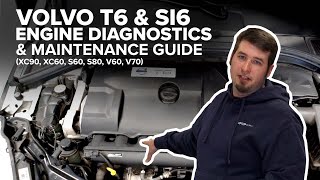
The 2008-2012 LR2 uses a Volvo-designed 3.2L inline-6 engine, also known as the SI6 🎬 Watch: A complete diagnostic and maintenance guide for this engine. ('Short Inline 6'). This engine is shared with several Volvo models like the XC90, S80, XC70, and XC60, which often experience the same failure patterns. While ignition components are common failure points on any engine, this platform has a documented history of fuel injector issues leading to misfires. Land Rover issued Technical Service Bulletin #SSM71894 to investigate fuel injector failures causing misfire codes, including P0302, on this specific engine, particularly at cold start. Additionally, a failed PCV system (oil trap/breather box) is another well-documented issue on this engine that can create a significant vacuum leak, leading to single or multiple misfires.
Symptoms You May Notice
- Rough or shaky idle, especially when cold.
- Engine hesitation or stumbling during acceleration
- Flashing or solid Check Engine Light
- Reduced engine power
- Increased fuel consumption
- Engine sounds uneven or stutters.
- Loud whistling or hissing noise from the engine bay at idle (indicative of PCV failure).
- Replacing the oxygen (O2) sensors. A misfire will often cause the O2 sensors to report unusual readings, but they are not the cause of the P0302 code.
Most Likely Causes
- Faulty Ignition Coil 🔴 High Probability → Shop Ignition Coil Coil-on-plug ignition systems are a very common failure point on modern engines due to constant heat and vibration. They are a normal wear-and-tear item on the 3.2L I6 engine. The original coils are often made by Denso.
How to confirm: Swap the ignition coil from cylinder 2 with another cylinder (e.g., cylinder 1 or 3). Clear the codes and drive the vehicle. If the code changes to P0301 or P0303, the coil is faulty. This is the most effective first diagnostic step. 🎬 See a real-world walkthrough of diagnosing a pesky misfire.
Typical fix: Replace the failed ignition coil. It is often recommended to replace all six coils and spark plugs at the same time for preventative maintenance, especially if they are original or have high mileage.
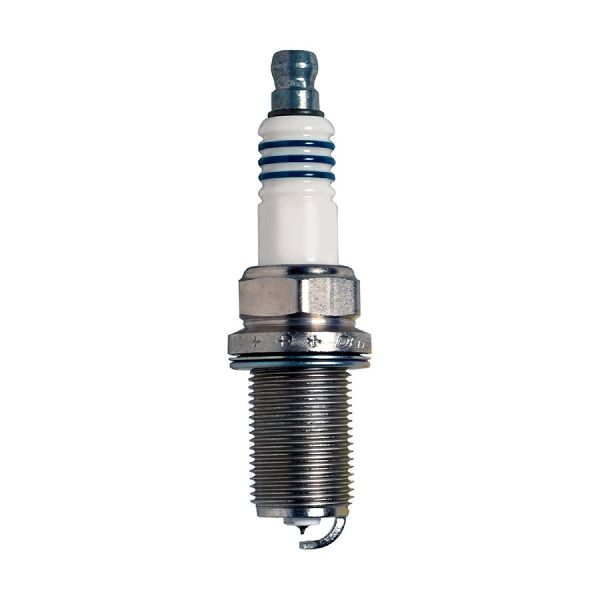
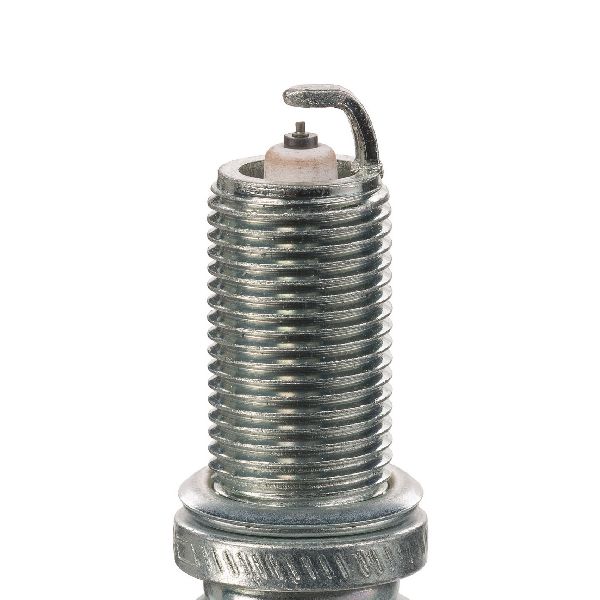
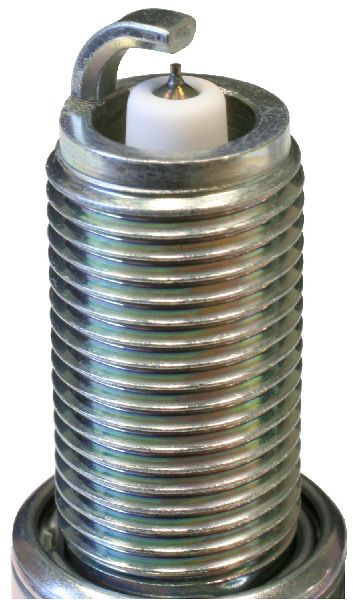
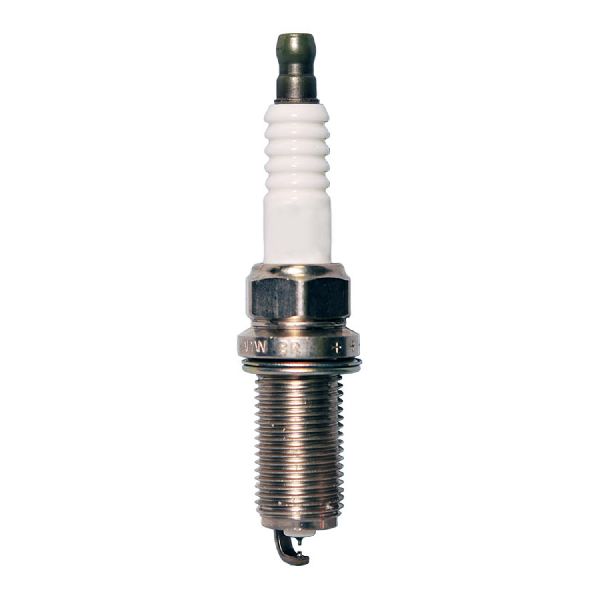
Est. part cost: $40-$80 per coil - Worn or Fouled Spark Plug 🔴 High Probability → Shop Spark Plug Spark plugs are a regular maintenance item with a recommended service interval of around 75,000 miles on the 3.2L I6. An overdue plug change is a very common cause for misfires. Oil leaking from a failed valve cover gasket can also foul the plugs and cause misfires.
How to confirm: After ruling out the ignition coil, remove and inspect the spark plug in cylinder 2. Look for a worn electrode, carbon fouling, oil, or coolant contamination. A worn plug is a primary suspect for multiple misfires on a higher mileage engine.
Typical fix: Replace the spark plug in cylinder 2. It is best practice to replace all six spark plugs as a set to ensure even performance and prevent future misfires.
Est. part cost: $15-$25 per plug - Failing Fuel Injector 🟡 Medium Probability → Shop Fuel Injector Land Rover issued TSB #SSM71894 specifically mentioning an investigation into fuel injector failures causing misfires (including P0302) on this engine, especially during cold starts. This makes it a more probable cause on the LR2 and its Volvo platform mates than on other vehicles.
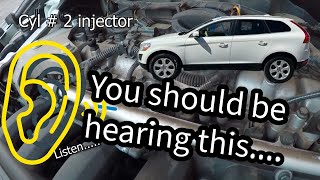
How to confirm: If the coil and plug are good, listen to the cylinder 2 fuel injector with a mechanic's stethoscope. It should have a regular, audible clicking sound. Compare its sound to the other injectors. A more advanced test involves checking injector resistance or performing a flow test, which may require a professional.
Typical fix: Replace the failing fuel injector. This is more involved than a coil or plug change and requires relieving fuel pressure.
Est. part cost: $50-$150
Rare But Worth Checking
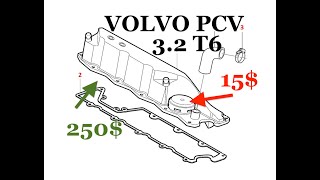
- Failed PCV System (Oil Trap): The Volvo-sourced 3.2L I6 engine has a known issue with the PCV breather box (oil trap) diaphragm failing. This creates a large vacuum leak that can cause random misfires (P0300) or single-cylinder misfires like P0302. A key symptom is a loud whistling or hissing noise from the engine at idle, or strong suction at the oil filler cap when the engine is running. The entire PCV assembly, which is integrated into the valve cover, typically needs to be replaced. The part number is LR023777. 🎬 Watch: How to replace the PCV oil trap assembly.
- Low Engine Compression: If ignition and fuel delivery components are confirmed to be good, a mechanical issue could be the cause. This can include a worn piston ring, a bad valve, or a leaking head gasket. A compression test and possibly a cylinder leak-down test are required to diagnose this.
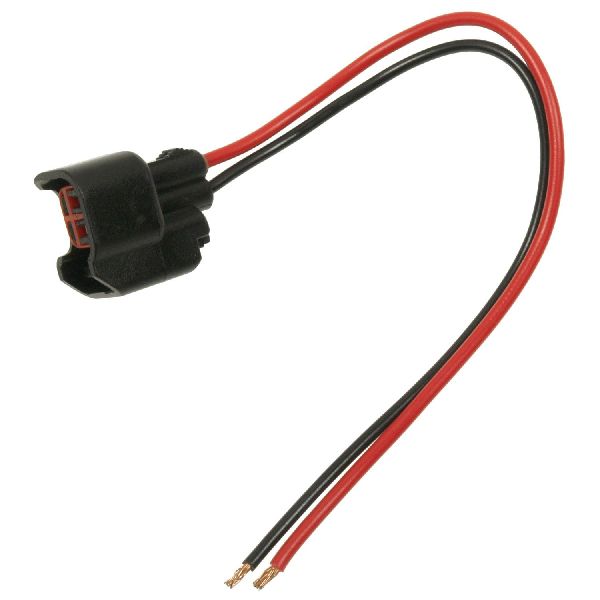
- Damaged Wiring or Connector: The wiring harness or electrical connector for the ignition coil or fuel injector on cylinder 2 could be damaged, loose, or corroded, causing an intermittent connection. A visual inspection of the harness is recommended.
Diagnosis Steps
- Read the code with an OBD-II scanner to confirm P0302 and check for any other codes, such as P0300 or P1315.
- Note if the Check Engine Light is solid or flashing. A flashing light indicates a severe, catalyst-damaging misfire that requires you to stop driving immediately.
- Identify cylinder 2 (the second cylinder from the passenger side/belt side).
- Swap the ignition coil from cylinder 2 with an adjacent cylinder (e.g., cylinder 1).
- Clear the codes, start the engine, and drive until the Check Engine Light returns.
- Re-scan for codes. If the code has moved to the new cylinder (e.g., P0301), the ignition coil is faulty and needs replacement.
- If the code remains P0302, move the spark plug from cylinder 2 to the cylinder with the known-good coil. Repeat the process. If the code now follows the spark plug, the plug is faulty.
- If the code still remains P0302, the issue is likely the fuel injector, PCV system, or a mechanical problem.
- Check for a failed PCV system. Listen for a loud whistling or hissing sound at idle. With the engine running, carefully try to remove the oil filler cap. Strong suction making it difficult to remove is a classic sign of a failed PCV diaphragm.
- Listen to the fuel injector on cylinder 2 with a mechanic's stethoscope. Compare the clicking sound to adjacent injectors. An absent or irregular click indicates a problem.
- If all else fails, perform a compression test on cylinder 2 to check for mechanical engine problems like bad valves or piston rings.
Parts You'll Likely Need
- Ignition Coil
(OEM #LR002954)— This is the most common failure point for a single-cylinder misfire. The original coils are made by Denso. This part is also cross-referenced with Volvo part number 30684245.
Trusted brands: Denso, Bosch, NGK, Lucas
OEM price range: $70-$100
Aftermarket price range: $35-$80 - Spark Plug
(OEM #LR005483)— Spark plugs are a routine maintenance item. A worn or fouled plug is a high-probability cause for a misfire.
Trusted brands: Champion, NGK, Bosch
OEM price range: $20-$30
Aftermarket price range: $15-$25 - Fuel Injector
(OEM #LR001982)— A known issue on this specific engine, as documented by Land Rover TSB SSM71894, makes this a more likely cause than on other vehicles.
Trusted brands: Bosch
OEM price range: $150-$250
Aftermarket price range: $50-$150 - PCV Valve Cover Assembly (Oil Trap)
(OEM #LR023777)— The diaphragm in the PCV system is a very common failure point on the 3.2L I6, causing a major vacuum leak and misfires. The entire assembly, which is part of the valve cover, must be replaced. Some aftermarket kits may offer just the membrane.
Trusted brands: Genuine Land Rover, Pro Parts Sweden
OEM price range: $135
Aftermarket price range: $80-$110
Related Codes That Often Appear With This One
- P0300 — If the underlying cause (like a vacuum leak from the PCV system or a fuel delivery problem) begins to affect other cylinders, a P0300 (Random/Multiple Cylinder Misfire) code may be stored.
- P0301, P0303, P0304, P0305, P0306 — These codes indicate misfires on other specific cylinders. They may appear if the root cause affects multiple cylinders or when swapping components for diagnosis.
- P1315 — This is a Land Rover-specific code for 'Persistent Misfire'. It is frequently cited in TSBs alongside P030x codes and indicates the misfire is severe enough to potentially cause catalytic converter damage. TSB SSM71894 links this code directly to the fuel injector failures on this engine.
- P0316 — This code indicates a 'Misfire Detected on Startup (First 1000 Revolutions)'. It often appears with other misfire codes and is also linked to the known fuel injector issues on this platform per TSB SSM71894.
Technical Service Bulletins (TSBs) & Recalls
- SSM71894: Land Rover Engineering acknowledged investigating a high volume of fuel injector failures on the 3.2L I6 engine causing misfires (P0300, P0301, P0302, etc.) and rough running, particularly at cold start. The bulletin notes that on some occasions, intermittent rough running also occurs at normal operating temperature.
Platform-Specific Known Issues
- TSB SSM71894 was issued by Land Rover for intermittent rough running and misfire codes (P0300, P0301, P0302, etc.) on this engine. The bulletin points to fuel injector failures as a likely cause, especially for cold start misfires.
- Oil in the spark plug wells is a common finding on the 3.2L I6. This is usually caused by a failed valve cover gasket or a clogged/failed PCV system creating excess crankcase pressure. The oil can saturate the ignition coil boot and cause a misfire.
- A user on Land Rover Forums with a 2008 LR2 experienced multiple misfire codes (P0300, P0301, P0302, P0305, P0306) and was advised that for a higher mileage engine, spark plugs were the most likely culprit for a non-cold-start related random misfire.
Mechanic-Grade Diagnostic Values
- Fuel Injector Resistance — expected: 11.8 to 12.3 ohms. All injectors should be within 0.5 ohms of each other.. Failure: A reading significantly outside the 10-16 ohm range, or one injector that is an outlier compared to the others, indicates a faulty injector coil.
- Fuel Rail Pressure (Low-Side) — expected: Normal operation is around 55 PSI (3.8 bar or 380 kPa). Minimum pressure during engine starting should be 51 ±7 psi (3.5 ±0.5 bar).. Failure: Pressure that is significantly lower or higher than the specified range can indicate a problem with the fuel pump or pressure sensor, leading to misfires.
Hidden / Shadow Codes Worth Checking
- Mode $06, Test ID $A2-$AB: These are not codes, but onboard test results for misfire counts per cylinder for the current and last ten drive cycles. Monitoring Test ID $A3 (Cylinder 2) can show misfires occurring before they are frequent enough to set the P0302 code. (see via An advanced OBD-II scan tool with Mode $06 functionality.)
Scan Tool Commands That Help
- JLR SDD (Symptom Driven Diagnostics): Power Balance Test — This function allows a technician to electronically disable each cylinder one by one to observe the drop in engine RPM. If disabling cylinder 2 causes little or no change in RPM, it confirms that cylinder is not contributing power, pinpointing the misfire without swapping physical parts.
Real Owner Repair Stories
- Go-Parts.com forum compilation (2008-2012 LR2 3.2L I6) — Persistent P0302 misfire code.
❌ Tried (didn't work) Replacing spark plug, Swapping ignition coils
✅ What actually fixed it The owner had the original fuel injectors professionally tested. The test revealed the injector from cylinder 2 was partially clogged, causing a 5% reduction in flow. A professional ultrasonic cleaning restored the injector to full function, which resolved the P0302 code.
OEM Part Supersession History
lr004300, lr006860, lr009326→LR023777— Part revision and consolidation for the PCV Valve Cover Assembly.LR005493→LR015294— Part revision for the fuel pressure regulator/sensor.
Model Year Variations Within This Range
- Pre-2012: Some engines built before 2012 were known to have piston rings that could lead to excessive oil consumption. This can cause oil fouling of the spark plugs, leading to misfire codes like P0302. Most affected engines were likely repaired under warranty, but it is a point of consideration for higher-mileage examples.
Diagnostic Flowchart
Real Owner Stories
Aggregated from forums and TSBs cited above. Mileages and costs reflect what owners reported in those sources.
2008 Land Rover LR2 3.2L — ~120000 miles
Symptoms: The vehicle started a bit rough from time to time and stumbled occasionally, triggering 5 misfire codes (P0300, P0301, P0302, P0305, P0306). After clearing the codes, it would run great for a couple of days before the Check Engine Light and random driving impairments returned.
What fixed it: The owner was advised that for a higher mileage engine experiencing non-cold-start related random misfires, replacing the spark plugs was the most likely solution after ruling out the MAF sensor and air filter.
Source hint: landroverforums.com thread titled '2008 LR2 Multiple Misfire - Please Help'
Related OBD-II Codes
Frequently Asked Questions
Does TSB SSM71894 apply to my LR2 for the P0302 code?
How do I identify which one is cylinder 2 on the 3.2L I6 engine?
I hear a loud whistling noise from the engine bay along with the P0302 code. What does this mean?
Why is there oil in my spark plug well on cylinder 2?
What is the recommended replacement interval for spark plugs on the LR2 3.2L?
Can I use parts from a Volvo to fix my LR2's P0302 code?
Helpful Videos
We Have This Part in Stock


The information in this article is provided for general reference and educational purposes only. Vehicle specifications, procedures, and part compatibility can vary by production date, trim level, and region. Always consult your vehicle's factory service manual and verify part numbers before purchasing or performing repairs. Safety-critical components such as airbags, seat belts, and braking systems should be installed by a qualified professional.
- Land Rover LR2:
- 🧭 Diagnostic Flowchart
- 🎬 Helpful Videos
- 🛍️ Shop This Part
- What's Unique About the 2008-2012 Land Rover LR2
- Symptoms You May Notice
- Most Likely Causes
- Rare But Worth Checking
- Diagnosis Steps
- Parts You'll Likely Need
- Related Codes That Often Appear With This One
- Technical Service Bulletins (TSBs) & Recalls
- Platform-Specific Known Issues
- Mechanic-Grade Diagnostic Values
- Hidden / Shadow Codes Worth Checking
- Scan Tool Commands That Help
- Real Owner Repair Stories
- OEM Part Supersession History
- Model Year Variations Within This Range
- Real Owner Stories
- 2008 Land Rover LR2 3.2L — ~120000 miles
- Related OBD-II Codes
- Frequently Asked Questions
- 🎟️ Get 5% Off