

P0302 on 2013-2015 Land Rover LR2: Cylinder 2 Misfire Causes and Fixes
P0302 on a 2013-2015 LR2 indicates a misfire in cylinder 2. The most common causes are a failed ignition coil or a worn-out spark plug. Start by swapping the ignition coil from cylinder 2 with another cylinder to see if the code follows. A single coil costs about $30-$80. This issue is also common on its platform-mate, the Range Rover Evoque.
- P0302 on your LR2 is a misfire on cylinder 2, most likely caused by a bad ignition coil or spark plug.
- The easiest first diagnostic step is to swap the ignition coil from cylinder 2 to another cylinder and see if the code follows.
- Always use a high-quality Iridium spark plug, as specified for this turbocharged, direct-injection engine.
- Be aware of manufacturer TSBs that point to more serious issues like fuel injectors and the high-pressure fuel pump if simple ignition fixes don't work.
- Do not ignore a flashing check engine light, as it signals a severe misfire that can quickly destroy your catalytic converter.
What's Unique About the 2013-2015 Land Rover LR2
The 2013-2015 LR2 uses a 2.0L turbocharged direct-injection engine, also known as the Si4, which is a version of the Ford 2.0L EcoBoost. This engine replaced the prior 3.2L I6. While common ignition issues are prevalent, this platform is also subject to specific fuel system problems. Land Rover issued technical service bulletins pointing towards faulty fuel injectors (SSM71894) and issues with the high-pressure fuel pump's metering valve (LTB00730NAS1) as potential causes for misfires on this engine. This engine is shared with the Range Rover Evoque (2012-2017), which experiences identical P0302 failure patterns.
Diagnostic Flowchart
Tap your situation to follow the diagnostic path that matches what you're seeing on this vehicle.
Symptoms You May Notice
- Rough or shaking idle
- Hesitation or stumbling during acceleration
- Noticeable loss of engine power
- Flashing or solid Check Engine Light
- Reduced fuel economy
- "Reduced Engine Performance" message on the dashboard.
- Engine knocking sound in severe cases.
- Replacing oxygen (O2) sensors. O2 sensor codes (like P2096 or P2097) may appear alongside a misfire code, but they are usually a symptom of the misfire (due to unburnt fuel or air/fuel ratio issues), not the cause. TSBs confirm misfire codes are often a consequence of other primary faults.
Most Likely Causes
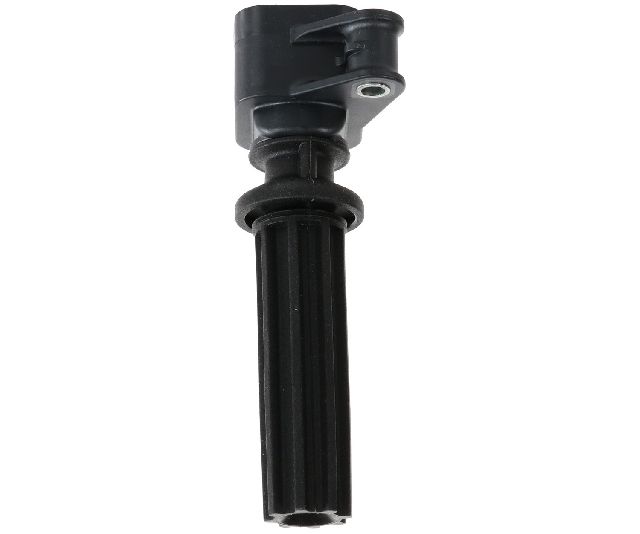
- Faulty Ignition Coil 🔴 High Probability → Shop Ignition Coil Coil-on-plug ignition systems are a very common failure point on the 2.0L Si4 engine due to constant heat exposure in the compact engine bay.
How to confirm: Swap the ignition coil from cylinder 2 with another cylinder (e.g., cylinder 3). Clear the codes and drive the vehicle. If the code changes to P0303, the coil is faulty. This is the standard and most effective first diagnostic step.
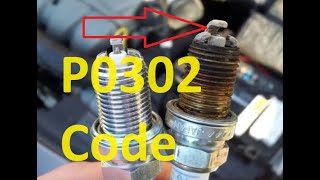
Typical fix: Replace the failed ignition coil. It is often recommended to replace all four coils and spark plugs 🎬 See this walkthrough for replacing your spark plugs and coils. at the same time for preventative maintenance, especially if they are original or have high mileage.
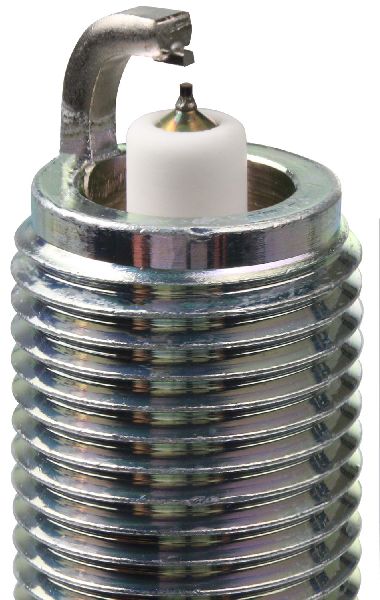
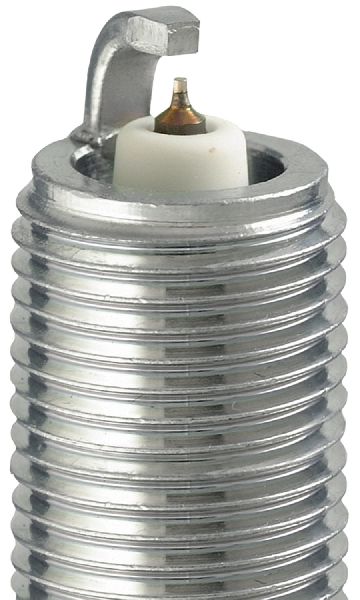
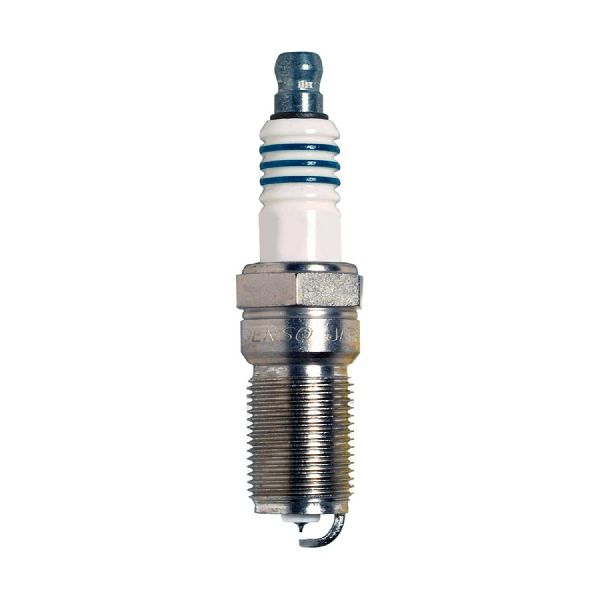
Est. part cost: $30 - $80 per coil - Worn or Fouled Spark Plug 🔴 High Probability → Shop Spark Plug Spark plugs are a regular maintenance item. Turbocharged, direct-injection engines like the Si4 are harder on plugs, leading to faster wear and a greater chance of fouling, which causes a weak or inconsistent spark.
How to confirm: After ruling out the ignition coil, remove the spark plug from cylinder 2 and inspect it. Look for heavy carbon buildup, oil fouling, or a worn-out electrode. Compare it to a plug from a working cylinder.
Typical fix: Replace the spark plug in cylinder 2. It is best practice to replace all four spark plugs as a set. Use of Iridium-tipped plugs is recommended for longevity.
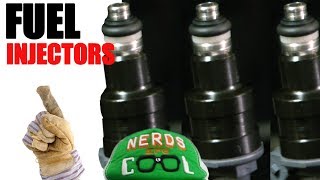
Est. part cost: $10 - $35 per plug - Faulty Fuel Injector 🟡 Medium Probability → Shop Fuel Injector Land Rover issued a Technical Service Bulletin (SSM71894) specifically acknowledging a high volume of fuel injector failures on this engine, causing misfires at cold start and rough running. Forum discussions confirm owners have experienced injectors getting stuck open, leading to serious misfires.
How to confirm: A professional can perform a fuel injector balance test. A DIY method involves using a mechanic's stethoscope to listen for a consistent clicking sound from the injector. If cylinder 2's injector is silent or sounds different from the others, it may be faulty. A leaking injector can sometimes be diagnosed via a fuel pressure leak-down test.
Typical fix: Replace the fuel injector for cylinder 2. This is a more involved job due to the direct injection system and may require special tools.
Est. part cost: $60 - $130 per injector
Rare But Worth Checking
- High-Pressure Fuel Pump Failure: → Shop Fuel Pump A Land Rover TSB (LTB00730NAS1) notes that an internal fault in the high-pressure fuel pump's metering valve can cause misfires, rough idle, and hard starting. This would typically cause multiple or random misfire codes (P0300) but could begin with a single cylinder.
- Low Engine Compression: Internal engine issues like a burnt valve, worn piston rings, or even a damaged piston from a failed injector can cause a loss of compression, leading to a misfire. This is less common and much more expensive to fix. A compression test is the definitive diagnostic step.
- Vacuum Leak: A leak in a vacuum hose or intake manifold gasket can introduce unmetered air, leaning out the air/fuel mixture and causing a misfire. This usually affects multiple cylinders (P0300) but can sometimes manifest on a single cylinder initially.
- Cracked Exhaust Manifold: The integrated turbo/exhaust manifold on the 2.0L Si4 engine is known to develop stress cracks. While this more commonly triggers lean codes like P2096, it can disrupt exhaust flow and backpressure, potentially contributing to misfire conditions.
Diagnosis Steps
- Read the trouble codes with an OBD-II scanner to confirm P0302 and check for any other codes, especially P1315, P0300, or fuel system codes.
- Identify Cylinder 2: On the transverse 2.0L engine, it is the second cylinder from the belt/passenger side.
- Swap the Ignition Coil: Swap the ignition coil from cylinder 2 with cylinder 3. Clear the codes and run the engine. If the code changes to P0303, the ignition coil is bad and needs replacement. This is the most crucial first step.
- Inspect the Spark Plug: If the code remains P0302, remove and inspect the spark plug in cylinder 2. Replace it if it appears worn, fouled, or damaged. It's best practice to replace all four as a set.
- Check the Fuel Injector: If the coil and plug are good, listen to the cylinder 2 fuel injector with a mechanic's stethoscope. It should have a regular, audible clicking sound. Compare its sound to the other injectors.
- Inspect for Vacuum Leaks: Perform a visual inspection of all vacuum hoses connected to the intake manifold. For hard-to-find leaks, use a smoke machine to pressurize the intake system and look for smoke.
- Check Fuel Pressure: If multiple misfires are present, check the low and high-pressure fuel systems. A failure in the high-pressure fuel pump is a known issue.
- Perform a Compression Test: If no cause is found, perform an engine compression test on all cylinders to check for mechanical engine problems like bad rings or valves. A significant drop in cylinder 2 indicates a serious internal issue.
Parts You'll Likely Need
- Ignition Coil
(OEM #LR084889)— This is one of the most frequent causes of a single-cylinder misfire and is a straightforward part to replace.
Trusted brands: Bosch (OEM supplier), Delphi, NGK, Eldor
OEM price range: $75-$110
Aftermarket price range: $30-$80 - Spark Plug
(OEM #LR123892)— Spark plugs are a routine wear item and a common cause of misfires. They are inexpensive and should be replaced regularly.
Trusted brands: NGK (OEM supplier), Bosch, Denso
OEM price range: $20-$40
Aftermarket price range: $10-$25 - Fuel Injector
(OEM #LR024998)— A known issue on this platform, as documented by manufacturer TSB SSM71894. Bosch is the OEM supplier.
Trusted brands: Bosch
OEM price range: $120-$180
Aftermarket price range: $60-$130
Related Codes That Often Appear With This One
- P0300 — If the misfire is intermittent or the underlying cause (like a failing fuel pump or vacuum leak) begins to affect other cylinders, a P0300 (Random/Multiple Cylinder Misfire) code will be stored.
- P0301, P0303, P0304 — If the root cause (like a failing fuel pump or vacuum leak) affects more than just cylinder 2, codes for other cylinders may appear. Also seen when swapping components for diagnosis.
- P1315 — This is a Land Rover-specific code for 'Persistent Misfire'. It is frequently cited in TSBs alongside P030x codes and indicates the misfire is severe enough to potentially cause catalytic converter damage.
- P00C6, P228D-00 — These codes relate to fuel rail pressure and are mentioned in TSB LTB00730NAS1 in conjunction with misfire codes when the high-pressure fuel pump is failing.
Technical Service Bulletins (TSBs) & Recalls
- SSM71894: Notes that engineering is investigating fuel injector failures causing various misfire DTCs, including P0302, on the 2.0L GTDI engine.
- LTB00730NAS1: Links rough running and misfire codes (P0300, P0301, P0302, P0303, P0304, and P1315) to a possible internal fault with the high-pressure fuel pump's metering valve.
- LTB01101NAS4, LTB01101NAS3, LTB01101NAS2: Address customer concerns of rough running, poor starting, and MIL illumination with P030x and P1315 codes stored, pointing to a persistent issue tracked by Land Rover.
Platform-Specific Known Issues
- TSB SSM71894: Land Rover Engineering acknowledged investigating a high volume of fuel injector failures on the 2.0L GTDI engine causing misfires (P0300, P0301, P0302, etc.) and rough running, particularly at cold start.
- TSB LTB00730NAS1: This bulletin points to a potential internal fault in the high-pressure fuel pump's metering valve. This can lead to rough running, hard starting, and multiple misfire codes.
Mechanic-Grade Diagnostic Values
- High-Pressure Fuel Rail Pressure (at idle) — expected: approx. 3,000 kPa. Failure: Significantly lower or wildly fluctuating pressure.
- High-Pressure Fuel Rail Pressure (Key On, Engine Off) — expected: 5,000 - 6,000 kPa (desired pressure reading). Failure: Actual pressure does not meet desired pressure, indicating a pump or sensor issue.
- Ignition Coil Primary Resistance — expected: ~3.0 - 3.6 Ohms. Failure: A reading that is significantly higher (open circuit) or lower (shorted).
- Ignition Coil Secondary Resistance — expected: ~6.2 kOhms (6,200 Ohms). Failure: A reading that is significantly outside of this range.
Hidden / Shadow Codes Worth Checking
- Mode 6, Test ID $A2-$A7: These Test IDs typically correspond to misfire counts for each cylinder (Cylinder 1 through 6). A high count for Test ID $A3 (Cylinder 2) can confirm the P0302 fault even if the Check Engine Light is not consistently on. (see via A professional scan tool capable of reading Mode 6 data, such as the Land Rover SDD system.)
Scan Tool Commands That Help
- JLR SDD (Symptom Driven Diagnostics): Power Balance Test — To electronically disable each cylinder one by one to see which one causes the least change in engine RPM. This confirms which cylinder is misfiring without swapping parts.
- JLR SDD (Symptom Driven Diagnostics): Relative Injector Flow Test — To analyze the performance of each fuel injector and identify if the injector for cylinder 2 is flowing differently than the others, indicating a fault.
- JLR SDD (Symptom Driven Diagnostics) or equivalent: Injector Coding / Program New Injector — This is required after replacing a fuel injector. The unique 10-digit calibration code from the new injector must be programmed into the ECM to ensure balanced fuel delivery. Failure to do so will cause rough running.
Wiring & Ground Locations
- Ignition Coil Connector (C1E123) — On top of the valve cover, connecting to the ignition coil for cylinder 2.. This 3-pin connector provides power, ground, and the trigger signal from the PCM to fire the coil. Corrosion or damage to the pins or wiring at this connector can directly cause a P0302 misfire. One pin is a 12V+ feed, one is a ground, and the third is the signal wire from the PCM.
OEM Part Supersession History
LR024998 (Fuel Injector)→LR072564— Part revision and update by the manufacturer.
Heads up: A new fuel injector, regardless of part number, must have its unique 10-digit calibration code programmed into the Engine Control Module (ECM) using a compatible diagnostic tool. The engine will not run smoothly if this step is skipped.
Model Year Variations Within This Range
- 2013-2014 vs 2015: The 2013 and 2014 models use a 6-speed automatic transmission. The 2015 model year was updated to a 9-speed automatic transmission. While this does not directly cause engine misfires, it represents a significant difference in the vehicle's drivetrain and control software.
Helpful Videos

We Have This Part in Stock


The information in this article is provided for general reference and educational purposes only. Vehicle specifications, procedures, and part compatibility can vary by production date, trim level, and region. Always consult your vehicle's factory service manual and verify part numbers before purchasing or performing repairs. Safety-critical components such as airbags, seat belts, and braking systems should be installed by a qualified professional.
- Land Rover LR2:
- 🧭 Diagnostic Flowchart
- 🎬 Helpful Videos
- 🛍️ Shop This Part
- What's Unique About the 2013-2015 Land Rover LR2
- Symptoms You May Notice
- Most Likely Causes
- Rare But Worth Checking
- Diagnosis Steps
- Parts You'll Likely Need
- Related Codes That Often Appear With This One
- Technical Service Bulletins (TSBs) & Recalls
- Platform-Specific Known Issues
- Mechanic-Grade Diagnostic Values
- Hidden / Shadow Codes Worth Checking
- Scan Tool Commands That Help
- Wiring & Ground Locations
- OEM Part Supersession History
- Model Year Variations Within This Range
- 🎟️ Get 5% Off