

P0302 on 2011-2017 Lexus CT200h: Cylinder 2 Misfire Causes and Fixes
On a 2011-2017 Lexus CT200h, code P0302 is most often caused by a clogged EGR system, a bad ignition coil, or a worn spark plug. While ignition parts are a simple fix, cleaning the EGR system is a common repair for this engine. In some cases, this code can be an early sign of head gasket failure, another significant issue for this platform.
- P0302 on a CT200h is not just a simple spark plug issue; it's very often linked to a clogged EGR system, a known weakness of this engine.
- Always start diagnosis by swapping the ignition coil and then the spark plug from cylinder 2 to another cylinder to quickly and cheaply rule out ignition problems.
- If ignition components are not the cause, a thorough cleaning of the EGR cooler, EGR valve, and intake manifold passages is the next logical and most likely fix.
- Be aware of the symptoms of head gasket failure (coolant loss, cold start rattle) as P0302 can be an early warning sign for this more serious repair.
- Ignoring a persistent misfire can lead to expensive damage to the catalytic converter.
What's Unique About the 2011-2017 Lexus CT200h
The 2ZR-FXE engine in the Lexus CT200h, which is shared with the Toyota Prius, has a well-documented weakness in its Exhaust Gas Recirculation (EGR) system. Over time, especially after 100,000 miles, carbon buildup can clog the EGR cooler, valve, and passages in the intake manifold. This disrupts airflow and is a primary cause of misfire codes like P0302, particularly on cold starts or under light acceleration. While this is the most common platform-specific issue, this code can also be an early symptom of head gasket failure, another known problem with this engine, often preceded by a rough, rattling sound on cold starts.
Generation note: The Lexus CT200h had one generation from 2011-2017, with a facelift for the 2014 model year. The core powertrain (2ZR-FXE engine) and its related issues, such as EGR clogging and potential head gasket failure, are consistent across all model years. Technical Service Bulletin L-SB-0019-16, which addresses misfires caused by clogged EGR ports, covers vehicles from 2011 through 2016.
Symptoms You May Notice
- Rough or shaky engine idle, sometimes described as a vigorous cabin shake.
- Hesitation or stumbling during acceleration.
- Flashing or solid Check Engine Light.
- Reduced power and fuel economy.
- A knocking, rattling, or clattering noise on a cold start that may last for a few seconds before smoothing out.
- Sweet-smelling white smoke from the exhaust, indicating a potential coolant leak into the combustion chamber.
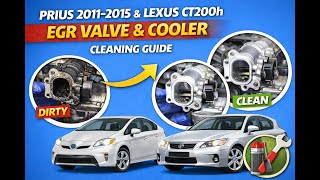
- Replacing the intake manifold when only a thorough cleaning of the EGR passages was necessary. A Lexus TSB does recommend replacement, but many owners find cleaning effective and much more affordable. 🎬 Watch: Step-by-step guide to cleaning the EGR valve and cooler.
- Assuming a head gasket failure without performing a combustion leak test or checking for coolant loss, when the actual cause is a severely clogged EGR system causing a rough start.
- Replacing spark plugs and coils when the root cause is a clogged EGR system or a failing head gasket.
Most Likely Causes
- Clogged EGR System (Cooler, Valve, and Intake Manifold) 🔴 High Probability The 2ZR-FXE engine design is prone to heavy carbon accumulation in the EGR circuit, which restricts airflow to the cylinders, causing misfires. This is a widely documented issue for the CT200h and its platform-mate, the Toyota Prius.
How to confirm: Inspect the EGR pipe connecting the valve to the intake manifold for heavy carbon buildup. If it's clogged, the entire system (cooler, valve, manifold passages) needs cleaning. Code P0401 (Insufficient EGR Flow) appearing alongside P0302 is a strong indicator. The misfire often occurs specifically during light acceleration when the EGR system is active. A simple diagnostic test is to disconnect the EGR valve connector and drive the car; if the misfire disappears (though a new EGR code will set), the clogging is confirmed.
Typical fix: A thorough cleaning of the EGR valve, EGR cooler, and intake manifold passages is required. Many owners find this DIY-able with basic tools and carburetor cleaner. Lexus issued a TSB (L-SB-0019-16) that recommends replacing the intake manifold, but many owners and independent shops find cleaning to be an effective and much cheaper solution.
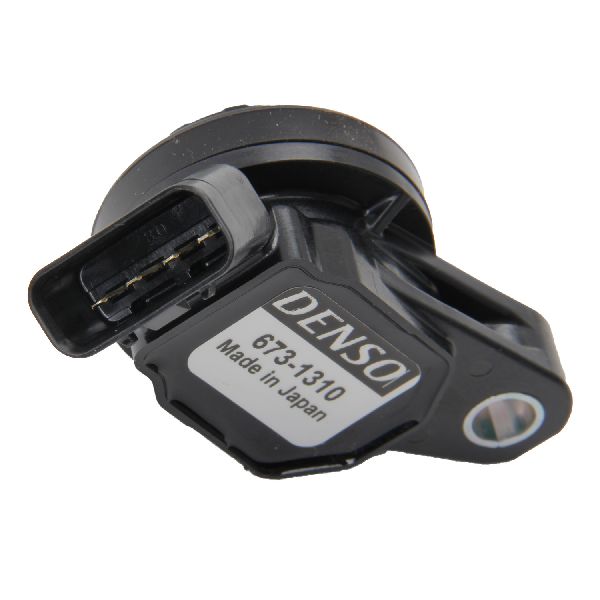
Est. part cost: $20-$50 for gaskets and cleaner - Failed Ignition Coil 🔴 High Probability → Shop Ignition Coil Ignition coils are a common wear item on most modern engines. Heat and vibration eventually cause them to fail, typically after 100,000 miles.
How to confirm: Swap the ignition coil from cylinder 2 with another cylinder (e.g., cylinder 4). Clear the codes and drive the vehicle. If the code changes to P0304, the ignition coil is faulty. 🎬 Watch: How to troubleshoot and fix common misfire codes. This is the universally recommended first diagnostic step.
Typical fix: Replace the failed ignition coil. It is often recommended to replace all four if they are original and high-mileage.
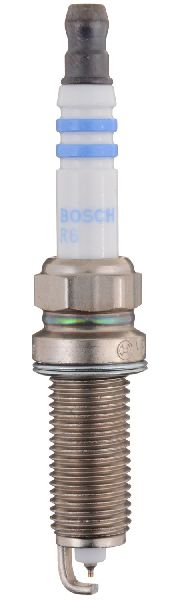
Est. part cost: $40-$90 per coil - Worn or Fouled Spark Plug 🟡 Medium Probability → Shop Spark Plug Spark plugs are a routine maintenance item with a finite lifespan, typically replaced around 100,000-120,000 miles. Counterfeit spark plugs are a known issue in the market and can fail prematurely.
How to confirm: After confirming the coil is good, swap the spark plug from cylinder 2 with another cylinder. If the misfire code follows the plug, the spark plug is the issue. Visually inspect the plug for wear, fouling, or damage.
Typical fix: Replace the spark plug. It is best practice to replace all four spark plugs at the same time with high-quality plugs from a reputable source.
Est. part cost: $8-$20 per plug - Leaking or Clogged Fuel Injector ⚪ Low Probability → Shop Fuel Injector
How to confirm: Listen for a consistent clicking sound from the injector. You can also test its resistance with a multimeter (should be 11.6-12.4 Ω at 68°F). A professional fuel system cleaning or flow test can also confirm a bad injector. A misfire that follows the injector when swapped to another cylinder is definitive.
Typical fix: Replace the faulty fuel injector and its seals. Some owners have had success with professional injector cleaning services.
Est. part cost: $100-$250
Rare But Worth Checking
- Failing Head Gasket: This is a significant and well-documented issue on the 2ZR-FXE engine, though less common than EGR or ignition problems. Coolant leaks into the cylinder (often cylinder 2), causing a misfire on startup as it burns off. Symptoms include a rough, rattling cold start, unexplained coolant loss, and a 'steam-cleaned' appearance on the piston head, visible with a borescope. 🎬 See how to diagnose a leaking head gasket on this engine. A combustion leak test (block test) can confirm the presence of exhaust gases in the coolant. This issue is frequently discussed in owner forums as a major potential repair.
- Excessive Oil Consumption: Early 2ZR-FXE engines (pre-2014) were prone to excessive oil consumption due to piston ring design. This can lead to fouled spark plugs and carbon buildup in the EGR system, indirectly causing misfires. Toyota issued TSBs T-SB-0168-16 and T-SB-0169-16 for the Prius, outlining inspection and repair procedures involving new pistons and rings. A misfire code can be a symptom of this underlying oil consumption.
- Low Engine Compression: Caused by internal engine wear on components like piston rings or valves. A mechanical compression test is needed to diagnose this. A leak-down test can further pinpoint the source of the leak.
- Faulty Engine Control Module (ECM): → Shop Engine Control Module (ECM) Extremely rare. The ECM should only be considered after all other possibilities have been exhaustively ruled out.
Diagnosis Steps
- Read the trouble codes with an OBD-II scanner and check for any other pending or stored codes, especially P0401.
- Start with the simplest ignition tests. Swap the ignition coil from cylinder 2 to another cylinder (e.g., cylinder 4). Clear the codes, drive the car, and see if the misfire moves (e.g., P0304 appears). If it does, the coil is bad.
- If the misfire stays on cylinder 2, repeat the swap test with the spark plug. If the code follows the plug, replace the spark plugs.
- If ignition parts are good, inspect the EGR system. This is the next most likely culprit. Remove the EGR pipe between the valve and intake manifold and check for heavy carbon buildup. If it is clogged, the EGR cooler, valve, and intake manifold passages require a thorough cleaning.
- If you are losing coolant or hear a loud engine rattle on cold starts, suspect a head gasket. Perform a combustion leak test ('block test') on the cooling system reservoir.
- Use a borescope to inspect the top of the piston in cylinder 2. A very clean, 'steam-cleaned' appearance suggests coolant is leaking into the cylinder from a bad head gasket.
- Check the fuel injector on cylinder 2. Listen for its operation and consider swapping it with another cylinder to see if the misfire follows.
- Perform a mechanical compression test and a leak-down test on all cylinders to rule out internal engine wear.
Parts You'll Likely Need
- Ignition Coil
(OEM #90919-02258)— A very common failure point for misfires. Easy to diagnose by swapping between cylinders.
Trusted brands: Denso, NGK
OEM price range: $90-$120
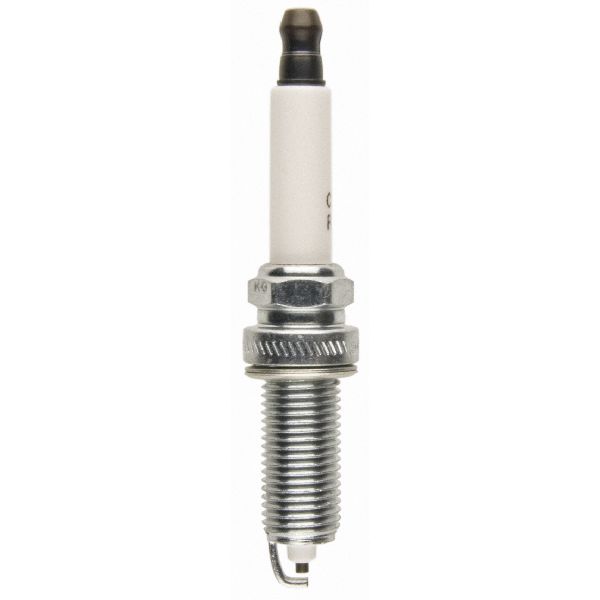
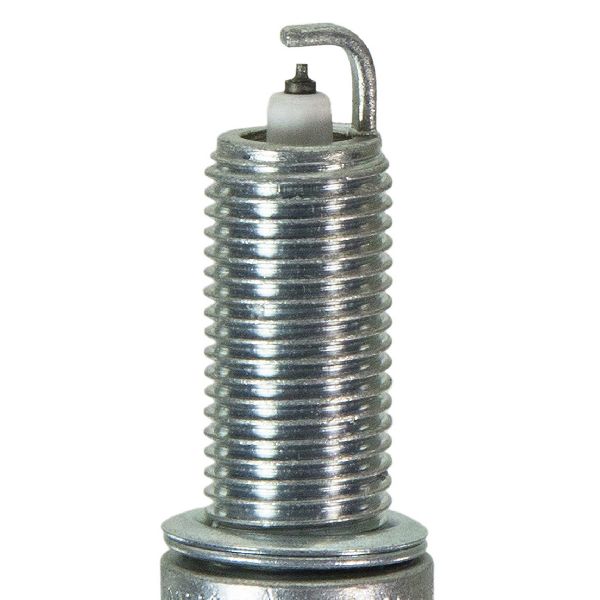
Aftermarket price range: $40-$70 - Spark Plug
(OEM #90919-01275)— A standard maintenance item that can cause misfires when worn. Should be replaced as a set.
Trusted brands: Denso (SC16HR11), NGK (ILKAR7B11)
OEM price range: $15-$25
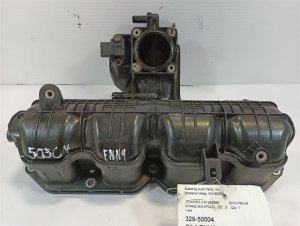
Aftermarket price range: $8-$20 - Intake Manifold Gasket
(OEM #17177-37030)— Required when removing the intake manifold to clean the EGR passages.
Trusted brands: OEM (Toyota/Lexus), Fel-Pro
OEM price range: $15-$25
Aftermarket price range: $10-$15 - EGR Pipe Gasket
(OEM #25634-37030)— Required when removing the EGR pipe for inspection or cleaning. TSB L-SB-0019-16 lists this part.
Trusted brands: OEM (Toyota/Lexus)
OEM price range: $5-$10
Aftermarket price range: $3-$7
Related Codes That Often Appear With This One
- P0300 — Indicates a random/multiple cylinder misfire. It may appear with P0302 if the root cause, like a clogged EGR system or failing head gasket, is starting to affect other cylinders.
- P0301, P0303, P0304 — Misfire codes for other cylinders. Seeing multiple cylinder misfire codes strongly suggests a systemic issue like the EGR system, a vacuum leak, or a head gasket failure.
- P0401 — Stands for 'Insufficient EGR Flow'. If this code is present with P0302, a clogged EGR system is almost certainly the cause of the misfire. This is considered a 'smoking gun' for this platform.
Technical Service Bulletins (TSBs) & Recalls
- L-SB-0019-16: Addresses misfire codes P0300-P0304 on 2011-2016 models caused by clogged EGR ports in the intake manifold. The official fix is to replace the intake manifold assembly.
- T-SB-0168-16 & T-SB-0169-16 (for Toyota Prius): Outlines the inspection and repair procedure for excessive oil consumption on the 2ZR-FXE engine, which involves replacing pistons and piston rings. This is relevant as oil consumption contributes to the EGR and misfire issues.
- 21LE01 (Customer Support Program): Extended warranty coverage for brake booster and pump assemblies on 2011-2013 models, a common non-engine-related failure.
Platform-Specific Known Issues
- Lexus issued Technical Service Bulletin L-SB-0019-16 for 2011-2016 models, acknowledging that misfire codes (P0300-P0304) can be caused by clogged EGR ports in the intake manifold during light acceleration. The bulletin recommends replacing the intake manifold assembly.
- An earlier TSB, L-SB-0004-13, addresses misfires and a loud rattle noise on cold starts for 2011-2013 models, also pointing to an intake manifold replacement.
Mechanic-Grade Diagnostic Values
- Injector Pulse Width at Idle — expected: Approximately 1.5ms to 2.9ms when the engine is warm and at idle.. Failure: A significantly higher value on cylinder 2 could indicate a vacuum leak affecting that cylinder, while a lower value could suggest a clogged injector. When performing a 'Cylinder Fuel Cut' active test, the pulse width on other cylinders should increase to compensate; if it doesn't, it points to a wider fuel system issue.
- Ignition Coil Primary Resistance — expected: 0.49 - 0.57 Ohms (general specification, not vehicle-specific).. Failure: A reading outside this range indicates a faulty primary winding in the coil.
- Ignition Coil Secondary Resistance — expected: 9.5 - 11.1 kOhms (general specification, not vehicle-specific).. Failure: A reading outside this range indicates a faulty secondary winding in the coil.
- Mode 6 Misfire Counts — expected: Near zero for all cylinders on a healthy engine.. Failure: Using a scan tool capable of reading Mode 6 data, a technician can see the raw misfire count for each cylinder (e.g., EWMA MISFIRE2, MISFIRE RATE2 for cylinder 2). A high count on cylinder 2, even without a set P0302 code, confirms it is the problem cylinder and can help diagnose intermittent issues.
Scan Tool Commands That Help
- Toyota Techstream: Control the Select Cylinder Fuel Cut — This active test allows the technician to shut off fuel to a specific cylinder (e.g., cylinder 2). If there is little to no change in engine RPM or smoothness when cylinder 2 is cut, it confirms that cylinder was not contributing power, definitively isolating the misfire.
- Toyota Techstream: Check the Cylinder Compression — This active test cranks the engine with fuel and ignition cut and measures the relative speed of each cylinder. It can quickly identify a cylinder with low compression without needing a mechanical gauge for an initial diagnosis.
- Toyota Techstream: Monitor / Misfire Data — To view the live misfire counter for each cylinder (e.g., MISFIRE RATE2) and the historical count (EWMA MISFIRE2). This is more accurate than the standard data list, especially for capturing misfires that only occur under specific load conditions, as it provides a snapshot of recorded events.
Wiring & Ground Locations
- D1 — Top of the engine.. This is a primary engine ground point. A loose or corroded connection here could potentially cause erratic behavior in engine sensors or actuators, including the ignition coil or fuel injector for cylinder 2.
- Engine Block to Chassis Ground — A ground strap connecting the engine block/transmission to the vehicle's chassis/frame.. A poor engine-to-chassis ground is a classic cause of hard-to-diagnose electrical issues, including misfires. The ignition system relies on a solid ground path to complete the spark circuit. Verifying this connection is clean and tight is a crucial step in eliminating electrical causes.
Real Owner Repair Stories
- ClubLexus user (2012 Lexus CT200h, 159k miles) — Engine stalling, rough idling, Check Engine Light with code P0302.
❌ Tried (didn't work) Replaced the intake manifold assembly as per dealer recommendation (~$1100). The problem persisted.
✅ What actually fixed it The story is a cautionary tale of misdiagnosis. The dealer then suggested a potential head gasket failure (~$4500) or a new engine (~$5500) without a definitive diagnosis. The forum community advised the owner to seek a second opinion from an independent shop and start with basic diagnostics (plugs, coils) which the dealer had skipped. The final fix was not posted, but the story highlights the common misdiagnosis of immediately blaming expensive components.
OEM Part Supersession History
17120-37050, 17120-37051, 17120-37052, 17120-37053→17120-37054— Lexus TSB L-SB-0019-16, which addresses misfires from clogged EGR ports, lists these previous part numbers and specifies the new part number for the replacement intake manifold assembly.25620-37110 (EGR Valve)→25620-37120 (included in kit 04004-58137)— An updated EGR valve was released to address issues of sticking and carbon buildup leading to P0401, which is often related to P030x misfires. This is detailed in TSB L-SB-0015-16 REV.
Heads up: The updated valve is recommended for 2011-2012 models and may require an ECU reprogram.
Model Year Variations Within This Range
- 2011-2016: TSB L-SB-0019-16 specifically covers these model years for misfires caused by clogged EGR ports in the intake manifold. While the 2017 model has the same engine, it is not included in this specific TSB, suggesting a possible minor revision or simply that the bulletin was issued before sufficient data from 2017 models was available.
- 2011-2012: Early models up to VIN JTHKD5BH#C2118326 are covered by TSB L-SB-0015-16 REV, which recommends an updated EGR valve and an ECU reprogram for P0401 issues, which are a root cause of misfires. Later models may already have the updated parts/software.
Diagnostic Flowchart
Other Known Issues on This Vehicle
Issues unrelated to this code that are worth knowing about as an owner of this generation:
- Brake Actuator / Booster Failure 🔴 High — Common on models approaching 10 years or over 100,000 miles. Can result in a sudden loss of braking assistance. (Ref: Lexus Customer Support Program 21LE01 extended the warranty for this part on 2011-2013 models to 10 years/150,000 miles, but many owners of later models or outside the window face expensive repairs.)
- Hybrid Inverter Failure 🔴 High — Can occur at higher mileage or age, often due to overheating from a failing inverter cooling pump. Results in 'Check Hybrid System' light and potential loss of power. (Ref: Some models qualified for warranty extensions, but it is a known expensive failure point out of warranty.)
- Excessive Oil Consumption 🟠 Medium — Most prevalent on pre-2014 models due to piston ring design. Can begin around 100k miles and contributes to other engine problems like clogged EGR and head gasket failure. (Ref: Toyota TSBs T-SB-0168-16 & T-SB-0169-16 address this for the Prius, but no specific recall for Lexus was issued.)
- Hybrid Battery Degradation 🟠 Medium — A natural wear item for any hybrid, with significant degradation typically seen after 10-12 years or 150,000-200,000 miles. Symptoms include reduced fuel economy and 'Check Hybrid System' warnings.
- Water Pump Failure 🟠 Medium — The electric water pump for the engine can fail, leading to overheating. It's a common maintenance item to be aware of at higher mileage.
Used vs. New Parts: Buying Guide for This Vehicle
When a used part is the smart pick: A used ignition coil from a low-mileage donor car can be a cost-effective diagnostic tool or replacement. A used intake manifold is also a viable option if you are willing to perform the thorough cleaning of the EGR passages yourself before installation, which is the primary failure mode.
Donor-vehicle mileage cap: roughly under 80000 miles for the part to have meaningful remaining life.
What to inspect on the donor part:
- For ignition coils, check for cracks in the plastic housing or corrosion on the electrical connector.
- For an intake manifold, inspect for any cracks, warping, or signs of extreme heat damage. Assume it will need to be cleaned internally regardless of appearance.
- Check the vehicle history of the donor car if possible to avoid parts from vehicles with known head gasket failure or severe overheating.
OEM-only on this vehicle (don't cheap out):
- Head Gasket
- Engine Control Module (ECM)
Aftermarket brands forum-validated for this vehicle:
- Denso and NGK are the OEM suppliers for ignition coils and spark plugs; their aftermarket versions are highly recommended.
- Fel-Pro for gaskets.
Brands owners have reported issues with on this vehicle:
- Unnamed, generic 'white box' ignition coils and fuel injectors from online marketplaces. These are known for high failure rates and can cause more diagnostic headaches than they solve.
Real Owner Stories
Aggregated from forums and TSBs cited above. Mileages and costs reflect what owners reported in those sources.
2012 Lexus CT200h 1.8L — 159000 miles
Symptoms: Owner was initially told the issue was the intake manifold, which then escalated to a head gasket diagnosis.
What fixed it: The diagnostic path moved from intake manifold to head gasket, illustrating high repair costs quoted by dealers for these symptoms.
Source hint: ClubLexus forum thread '2012 ct200 engine problem'
2015 Lexus CT200h 1.8L — ~125000 miles
Symptoms: Rough idle, coolant loss, and sweet-smelling white smoke. Code P0302 eventually evolved into multiple codes including P0300 and P0304.
What fixed it: Head gasket failure (indicated by symptoms despite a good compression test).
Source hint: Reddit r/CT200h thread '2015 head_gasket_or_not'
2011-2017 Lexus CT200h 1.8L — 96000 miles
Symptoms: Vigorous cabin shake and a P0302 code.
What fixed it: Standard diagnostic steps were advised, including swapping coils/plugs and performing a combustion leak test for the head gasket.
Source hint: Reddit r/CT200h thread 'p0302 problem'
2012 Lexus CT200h 1.8L — 243000 miles
Symptoms: Multiple misfire codes (P0300, P0302, P0304) accompanied by a rough cold start.
What fixed it: Head gasket failure, described as a classic symptom pattern for this high-mileage platform.
Source hint: Reddit r/CT200h thread 'codes p0300 p0302p0304'
2010-2015 Toyota Prius (2ZR-FXE) — ~130000 miles
Symptoms: Rough running on startup and P0302 code.
What fixed it: Diagnostic steps included a combustion leak test and inspecting spark plugs to confirm head gasket leak.
Source hint: PriusChat thread 'p0302-code-rough-running-on-startup'
Related OBD-II Codes
Frequently Asked Questions
Does Lexus TSB L-SB-0019-16 apply to my 2015 CT200h?
My 2012 CT200h has a loud rattle on cold starts; is there a specific bulletin for this?
Can I clean the EGR system myself instead of replacing the manifold as Lexus suggests?
Is the P0302 code on my CT200h related to the excessive oil consumption issues found in the Toyota Prius?
How can I tell if my P0302 code is a head gasket failure or just a clogged EGR system?
Is there any extended warranty coverage for other common issues on the 2011-2013 CT200h?
Helpful Videos
Used OEM Parts in Stock
New Aftermarket Parts Available


The information in this article is provided for general reference and educational purposes only. Vehicle specifications, procedures, and part compatibility can vary by production date, trim level, and region. Always consult your vehicle's factory service manual and verify part numbers before purchasing or performing repairs. Safety-critical components such as airbags, seat belts, and braking systems should be installed by a qualified professional.
- Lexus CT200h:
- 🧭 Diagnostic Flowchart
- 🎬 Helpful Videos
- 🛍️ Shop This Part
- What's Unique About the 2011-2017 Lexus CT200h
- Symptoms You May Notice
- Most Likely Causes
- Rare But Worth Checking
- Diagnosis Steps
- Parts You'll Likely Need
- Related Codes That Often Appear With This One
- Technical Service Bulletins (TSBs) & Recalls
- Platform-Specific Known Issues
- Mechanic-Grade Diagnostic Values
- Scan Tool Commands That Help
- Wiring & Ground Locations
- Real Owner Repair Stories
- OEM Part Supersession History
- Model Year Variations Within This Range
- Other Known Issues on This Vehicle
- Used vs. New Parts: Buying Guide for This Vehicle
- Real Owner Stories
- 2012 Lexus CT200h 1.8L — 159000 miles
- 2015 Lexus CT200h 1.8L — ~125000 miles
- 2011-2017 Lexus CT200h 1.8L — 96000 miles
- 2012 Lexus CT200h 1.8L — 243000 miles
- 2010-2015 Toyota Prius (2ZR-FXE) — ~130000 miles
- Related OBD-II Codes
- Frequently Asked Questions
- 🎟️ Get 5% Off