

P0302 on 2015-2018 Lincoln MKZ: Cylinder 2 Misfire Causes and Fixes
P0302 means cylinder 2 is misfiring. On V6 models, this is likely a bad ignition coil or spark plug. On the 2.0L EcoBoost engine, this code is a critical warning for potential coolant intrusion due to a known engine block flaw, a repair that could require engine replacement.
- P0302 is a cylinder 2 misfire, but the cause depends heavily on your engine.
- For 2.0L EcoBoost engines, this code is a serious warning sign of a known coolant leak issue that may require engine replacement.
- For 3.7L V6 and 3.0L V6 engines, the cause is more likely a standard ignition part like a spark plug or ignition coil.
- A flashing check engine light indicates a severe misfire; pull over safely to prevent expensive catalytic converter damage.
- Always check for coolant loss if you have a 2.0L EcoBoost engine and receive any misfire code.
What's Unique About the 2015-2018 Lincoln MKZ
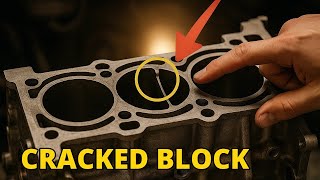
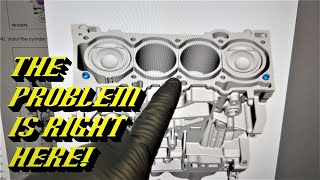
For the 2015-2018 Lincoln MKZ, the significance of P0302 varies dramatically by engine. While it can be a routine ignition issue on the V6 models, it is a well-documented and serious concern for the 2.0L EcoBoost engine. The issue stems from the 'open-deck' design of the engine block, which has a thin passage or 'slit' for coolant between the cylinders. This design provides an insufficient sealing surface for the head gasket, allowing coolant to leak directly into the cylinders (most commonly cylinders 2 and 3), causing misfires. Multiple Technical Service Bulletins (TSBs) confirm this design flaw, transforming a simple misfire code into a potential indicator of catastrophic engine failure requiring a full long block replacement.
Diagnostic Flowchart
Tap your situation to follow the diagnostic path that matches what you're seeing on this vehicle.
Generation note: This range covers the second generation (2013-2020) of the Lincoln MKZ, including its 2017 facelift. Engine options are key: the 2.0L EcoBoost I4 was available throughout, the 3.7L V6 was offered in 2015-2016, and the new 3.0L twin-turbo V6 was introduced for 2017-2018. The most severe issues related to P0302 are specific to the 2.0L EcoBoost engine used in 2017-2019 models.
Symptoms You May Notice
- Rough idle or engine vibration
- Hesitation or stumbling during acceleration
- Noticeable loss of engine power
- Flashing or solid Check Engine Light
- Smell of unburnt fuel from the exhaust
- For 2.0L EcoBoost: Unexplained coolant loss with no visible leaks
- For 2.0L EcoBoost: White, sweet-smelling smoke from the exhaust, especially on startup
- For 2.0L EcoBoost: Engine temperature rising or overheating warnings
- Replacing only spark plugs and ignition coils on a 2.0L EcoBoost without checking for coolant intrusion. This fixes the symptom temporarily but does not address the underlying engine failure, leading to recurring misfires.
Most Likely Causes
- Coolant Intrusion into Cylinder (2.0L EcoBoost Engine) 🔴 High Probability A known design flaw in the 2.0L EcoBoost's open-deck engine block can allow coolant to leak into the cylinders, causing misfires. This is documented in multiple Ford/Lincoln TSBs, including 19-2346 and the superseding TSB 22-2229. This issue is widespread across other Ford/Lincoln models with the same engine.
How to confirm: Perform a cooling system pressure test. With the engine warm, pressurize the system to 20 psi and monitor for at least 5 hours. A pressure drop over 4 psi suggests a leak. Use a borescope to visually inspect inside the cylinders for coolant or an unusually 'steam-cleaned' piston head.
Typical fix: The only official manufacturer-recommended repair is the replacement of the engine long block assembly with an updated part manufactured after mid-2019, which has a revised block design. 🎬 Watch: A mechanic explains the 2.0L EcoBoost coolant intrusion issue. Using stop-leak products is not recommended and can cause further damage to the cooling system.
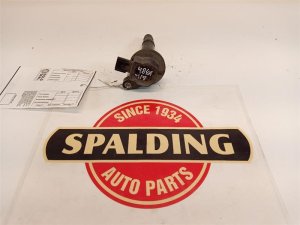
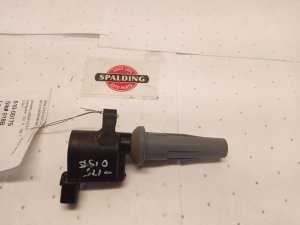
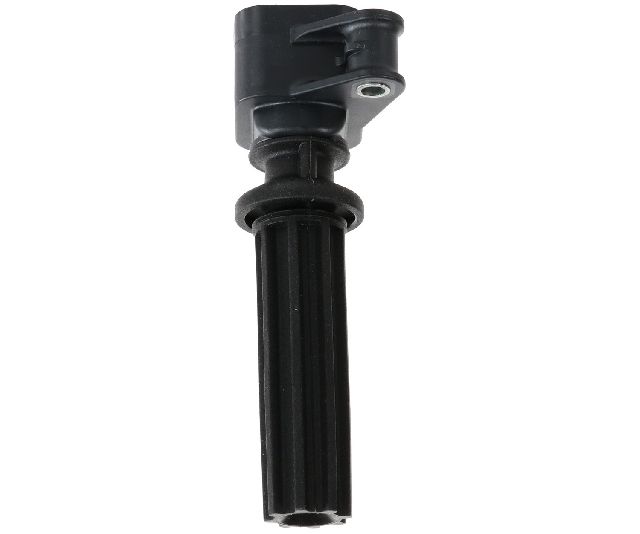
Est. part cost: $4000-$9600 - Faulty Ignition Coil 🟡 Medium Probability → Shop Ignition Coil Coil-on-plug systems are common failure points on most modern vehicles. Heat and vibration cause the internal windings to fail over time. On V6 models, oil leaks from the valve cover gasket can also saturate the coil boots and cause failure.
How to confirm: Swap the ignition coil from cylinder 2 with another cylinder (e.g., cylinder 1). Clear the codes and drive the vehicle. If the code changes to P0301, the ignition coil is faulty.
Typical fix: Replace the faulty ignition coil. It is often recommended to replace all coils at the same time, especially on V6 models where access to the rear bank is labor-intensive.
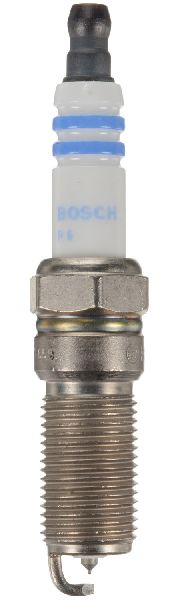
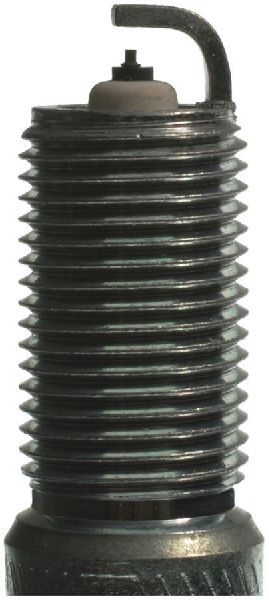
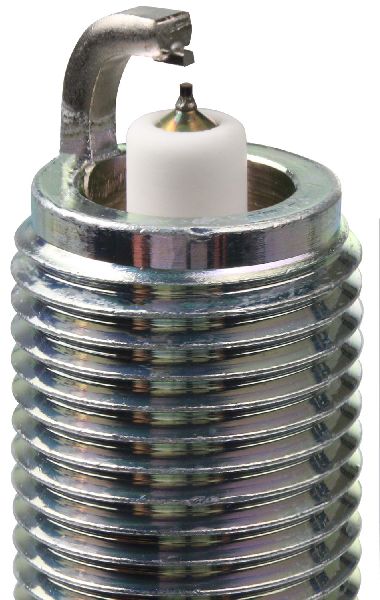
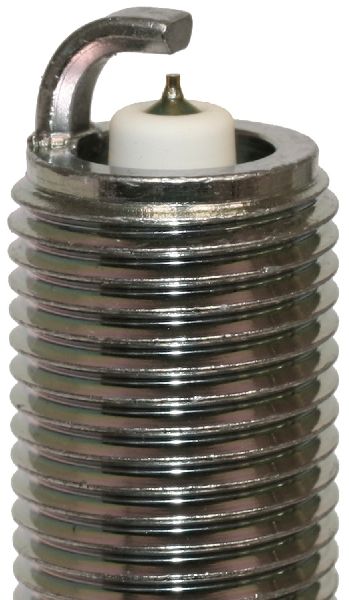
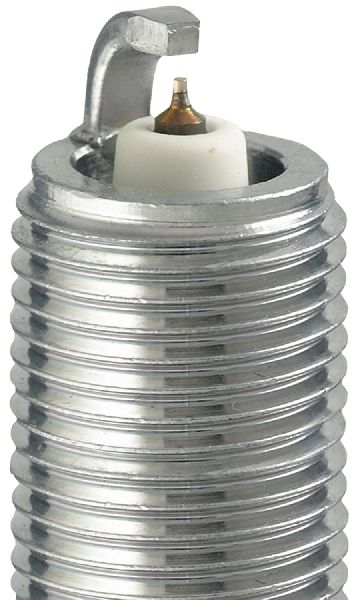
Est. part cost: $40-$80 - Worn or Fouled Spark Plug 🟡 Medium Probability → Shop Spark Plug Spark plugs are a regular maintenance item with a typical service life under 100,000 miles. On the 2.0L EcoBoost, a plug can become fouled by coolant from the engine defect, leading to a misfire.
How to confirm: Remove the spark plug from cylinder 2 and inspect it. Look for a worn electrode, heavy carbon deposits, or signs of coolant contamination (white/greenish crystals). Compare it to a plug from a working cylinder.
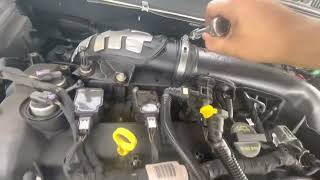
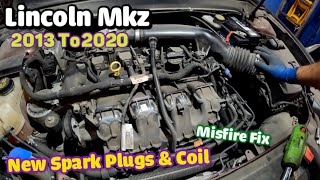
Typical fix: Replace the spark plug. It is best practice to replace all spark plugs as a set 🎬 See this walkthrough for replacing MKZ spark plugs and coils. when performing maintenance.
Est. part cost: $10-$25 - Faulty Fuel Injector ⚪ Low Probability → Shop Fuel Injector
How to confirm: Listen for a clicking sound from the injector with a mechanic's stethoscope. You can also check the injector's resistance with a multimeter or swap it with another cylinder to see if the misfire code follows. A faulty injector may also trigger a P0202 code.
Typical fix: Replace the faulty fuel injector. On high-mileage vehicles, replacing all injectors as a set is sometimes recommended.
Est. part cost: $50-$150
Rare But Worth Checking
- PCM Reprogram Needed: TSB 16-0113 notes that some vehicles may experience a rough idle with misfire codes that can be resolved by reprogramming the PCM to the latest calibration.
- Cylinder Head Issue: → Shop Engine Cylinder Head TSB SSM 46364 suggests that if excessive oil consumption and white smoke are present with misfire codes, the cylinder heads may be the cause.
- Faulty Powertrain Control Module (PCM): → Shop Engine Control Module (ECM) In one documented case on a V6 model, a P0302 was caused by a damaged 5V driver circuit in the ECU itself, which was shorted by a failing ignition coil. Simply replacing the coil did not fix the issue; the PCM also required replacement. 🎬 Watch: How a misfire misdiagnosis can lead to the wrong fix.
Diagnosis Steps
- Read the code with an OBD-II scanner and note any other codes present, such as P0300, P0316, or P0202.
- If driving a 2.0L EcoBoost, immediately check the coolant level. If it is low with no visible external leaks, suspect coolant intrusion.
- Swap the ignition coil from cylinder 2 to another cylinder (e.g., cylinder 1). Clear codes and see if the misfire moves to P0301. If so, the coil is bad.
- If the misfire remains on cylinder 2, swap the spark plug from cylinder 2 to another cylinder. If the misfire moves, the spark plug was fouled or has failed.
- While the spark plug is out, inspect it for signs of coolant fouling (white, chalky deposits) or oil.
- If the misfire remains, inspect the fuel injector and its wiring. Check for an open circuit or swap the injector if possible.
- For 2.0L EcoBoost models, if the above steps don't resolve the issue, perform a cooling system pressure test and borescope inspection as detailed in TSB 19-2346 to confirm or rule out coolant intrusion.
- Perform a compression test on cylinder 2 to check for mechanical engine problems like bad piston rings or valves.
Parts You'll Likely Need
- Ignition Coil
(OEM #DG-549)— A common failure item causing a single-cylinder misfire. It's a primary diagnostic step to swap this part. Reviews confirm it is a direct OEM replacement that resolves misfires when the coil is the true cause.
Trusted brands: Motorcraft
OEM price range: $60-$80
Aftermarket price range: $30-$50 - Spark Plug
(OEM #SP-537)— A standard maintenance part that wears out over time. A fouled or worn plug is a very common cause of misfires.
Trusted brands: Motorcraft, NGK, Bosch
OEM price range: $10-$20
Aftermarket price range: $5-$15 - Engine Long Block Assembly
(OEM #J2GZ6006E (example of a revised part number))— This is the official fix for the P0302 code when caused by the coolant intrusion issue on 2.0L EcoBoost engines, as specified in TSBs. The replacement should be a revised block made after mid-2019.
Trusted brands: Motorcraft
OEM price range: $4000-$9600
Aftermarket price range: N/A
Related Codes That Often Appear With This One
- P0300 — If the condition causing the misfire on cylinder 2 is severe or intermittent, it may also be detected randomly across other cylinders, triggering a P0300 (Random Misfire) code.
- P0316 — This code indicates a misfire was detected within the first 1,000 engine revolutions on startup. It frequently appears with specific cylinder misfire codes like P0302, especially when coolant has pooled in the cylinder overnight.
- P0202 — This code indicates a malfunction in the fuel injector circuit for cylinder 2. It can appear alongside P0302 if the injector or its wiring is the root cause of the misfire.
- P0217, P1299 — These codes indicate an engine overheat condition. They are commonly associated with the coolant intrusion issue on the 2.0L EcoBoost engine and may appear alongside misfire codes.
Technical Service Bulletins (TSBs) & Recalls
- SSM 47204: Notes that a rough running condition with P0302 on 2.0L EcoBoost engines may be due to coolant intrusion from corrosion on the engine block, requiring a long block replacement.
- TSB 19-2346: Supersedes earlier bulletins, detailing the diagnosis and replacement of the long block for 2.0L EcoBoost engines in the MKZ and other models exhibiting coolant intrusion, white smoke, and misfire codes including P0302.
- TSB 22-2229: Supersedes TSB 19-2346, reaffirming the coolant intrusion issue and the long block replacement procedure for affected 2.0L EcoBoost engines.
Platform-Specific Known Issues
- 2.0L EcoBoost Coolant Intrusion: A significant number of 2017-2019 MKZ models with the 2.0L EcoBoost engine are affected by a design flaw where a coolant passage in the engine block can leak into the cylinders. This causes misfires (like P0302), white smoke, and eventual engine failure. Ford has issued multiple TSBs (e.g., 19-2346, 22-2229) acknowledging this issue, with the prescribed fix being a complete engine long block replacement with a redesigned part. This issue is the subject of class-action lawsuits.
Mechanic-Grade Diagnostic Values
- Ignition Coil Primary Resistance — expected: 0.52 - 0.64 Ohms. Failure: A reading outside of this range, or an open circuit (infinite resistance), indicates a faulty coil.
- Fuel Injector Coil Resistance (GTDI) — expected: 1.0 - 2.0 Ohms. Failure: A reading significantly outside this range or an open circuit suggests a bad injector. Ford warns against back-probing the connector while the engine is running to avoid PCM damage.
- Fuel Pressure (High Side) — expected: 65 to 2150 psi, depending on engine load and demand.. Failure: Pressure that is consistently low or does not increase under load can indicate a problem with the high-pressure fuel pump, which could cause misfires.
Hidden / Shadow Codes Worth Checking
- Mode $06, Test ID $A2-$AB: Mode $06 provides access to raw data from the PCM's self-tests before a full-blown DTC is set. For Ford, Test IDs $A2 through $AB typically correspond to misfire counts for each cylinder (e.g., $A2 for cylinder 1, $A3 for cylinder 2, etc.). A technician can view these counts to see if cylinder 2 is experiencing misfires that aren't yet severe enough to trigger the P0302 code and flashing MIL. (see via A professional scan tool capable of displaying Mode $06 data, such as Forscan or high-end Snap-on/Autel scanners.)
Scan Tool Commands That Help
- Ford IDS (Integrated Diagnostic System): Power Balance Test — This is a key bidirectional function for diagnosing misfires. The tool disables one cylinder at a time and graphically displays the RPM drop for each. A cylinder with a smaller RPM drop than the others is not contributing as much power, confirming the location of the misfire (e.g., cylinder 2) without needing to swap parts. It's the professional way to confirm the misfiring cylinder before physical inspection.
Wiring & Ground Locations
- Fuse F11 — In the engine compartment fuse box (also called the Power Distribution Box), located on the driver's side of the engine bay.. Fuse F11 (a 20A fuse in the 2017 diagram) is listed as powering the ignition coils. A faulty or blown fuse here would cut power to all coils, typically causing a no-start or multiple misfire codes, but it's a crucial power source to check in the diagnostic process.
- Ignition Coil Connector — On top of the valve cover, plugging directly into the ignition coil for cylinder 2.. This is a 3-pin connector. Technicians test for power, ground, and the PCM command signal at this connector's pins. A damaged connector or wiring harness here will cause a misfire isolated to cylinder 2.
Real Owner Repair Stories
- Ford Fusion Forum / YouTube (Multiple 2017-2019 Ford Fusion & Lincoln MKZ with 2.0L EcoBoost) — Low coolant with no visible leaks, white smoke from exhaust on startup, and a cylinder-specific misfire code (P0302 or P0303).
❌ Tried (didn't work) Replacing spark plugs, Replacing ignition coils, Using liquid head gasket sealer / stop-leak products
✅ What actually fixed it The only permanent repair was the replacement of the entire engine long block with the redesigned version, as specified in Ford's TSBs (like 22-2229). The issue is a crack or sealing failure in the block itself between cylinders 2 and 3.
OEM Part Supersession History
JS7Z-6006-A, JS7Z-6006-C, JJ7Z-6006-B→J2GZ-6006-E (and subsequent revisions)— The original engine block design used a thin 'slit' for coolant to pass between the cylinders. This provided an insufficient sealing surface for the head gasket, leading to coolant intrusion. The revised long block (J2GZ-6006-E and newer) uses smaller, drilled holes, which provides more surface area for the gasket to seal against, correcting the flaw.
Heads up: Using an older part number for replacement will lead to a repeat failure of the same coolant intrusion issue. Only the redesigned long block is considered a permanent fix.
Model Year Variations Within This Range
- 2017-2018: The 2017 model year marked a significant facelift for the MKZ, introducing a new grille design and updated interior with the SYNC 3 system. More importantly for P0302, the 3.7L V6 was discontinued and replaced with a new 3.0L twin-turbo V6 option. The problematic 2.0L EcoBoost engine block design was used in the 2017-early 2019 models before being revised.
Helpful Videos

Used OEM Parts in Stock
New Aftermarket Parts Available

The information in this article is provided for general reference and educational purposes only. Vehicle specifications, procedures, and part compatibility can vary by production date, trim level, and region. Always consult your vehicle's factory service manual and verify part numbers before purchasing or performing repairs. Safety-critical components such as airbags, seat belts, and braking systems should be installed by a qualified professional.
- Lincoln MKZ:
- 🧭 Diagnostic Flowchart
- 🎬 Helpful Videos
- 🛍️ Shop This Part
- What's Unique About the 2015-2018 Lincoln MKZ
- Symptoms You May Notice
- Most Likely Causes
- Rare But Worth Checking
- Diagnosis Steps
- Parts You'll Likely Need
- Related Codes That Often Appear With This One
- Technical Service Bulletins (TSBs) & Recalls
- Platform-Specific Known Issues
- Mechanic-Grade Diagnostic Values
- Hidden / Shadow Codes Worth Checking
- Scan Tool Commands That Help
- Wiring & Ground Locations
- Real Owner Repair Stories
- OEM Part Supersession History
- Model Year Variations Within This Range
- 🎟️ Get 5% Off