

P0302 on 2007-2015 Mazda CX-9: Cylinder 2 Misfire Causes and Fixes
P0302 means your Mazda CX-9 has a misfire in cylinder 2. This is almost always a bad ignition coil or a worn spark plug. The challenge is that cylinder 2 is on the rear bank of the engine against the firewall, requiring removal of the intake manifold to access. This makes the repair much more difficult and costly than a front-cylinder misfire. A known and serious secondary issue is the potential for a failed coil to damage the engine computer (PCM).
- P0302 on a 2007-2015 CX-9 points to a misfire on cylinder 2, which is on the rear bank against the firewall.
- Accessing cylinder 2 requires removing the upper intake manifold, making this a labor-intensive repair (DIY difficulty 4/5).
- The most likely causes are a bad ignition coil or a worn spark plug.
- Due to the difficult access, it is strongly recommended to replace all three rear coils, all six spark plugs, and the intake gaskets at the same time.
- Be aware that a failed coil can damage the engine computer (PCM), a known issue for this vehicle. If a new coil doesn't fix the misfire, the PCM may be at fault.
What's Unique About the 2007-2015 Mazda CX-9
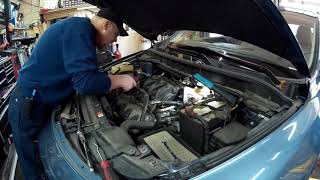
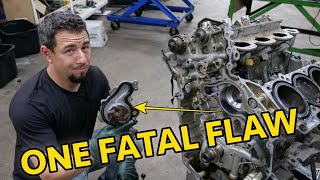
On the 2007-2015 CX-9's transverse V6 engine (a variant of the Ford Cyclone engine 🎬 Learn more about common failures on this engine family.), the cylinders are split into two banks. The front bank (cylinders 4, 5, 6) is easy to access, but cylinder 2 is on the rear bank, against the firewall. This means any work on cylinder 2, including changing a spark plug or ignition coil, requires removing the entire upper intake manifold, a significantly more labor-intensive job. Furthermore, this engine family has a known issue where a failing ignition coil can send a voltage spike back to the engine computer (PCM), damaging the driver circuit for that coil. This can require a PCM repair or replacement in addition to the coil itself, turning a simple misfire into a very expensive repair.
Symptoms You May Notice
- Rough or choppy idle
- Engine shaking or vibrating
- Noticeable loss of power and acceleration
- Flashing or solid Check Engine Light
- Hesitation during acceleration
- Poor fuel economy
- Smell of unburnt gasoline from the exhaust
- Replacing only the cylinder 2 ignition coil and spark plug. While this fixes the immediate problem, the other two rear coils and plugs have the same age and wear. Given the high labor cost to remove the intake manifold, it's inefficient not to replace all rear-bank ignition components at the same time.
- Assuming the new coil fixed the problem without checking the PCM. If a new coil is installed and the P0302 code returns instantly, the PCM driver was likely the original failure point (or was damaged by the old coil), and the new coil may now be damaged as well.
Most Likely Causes
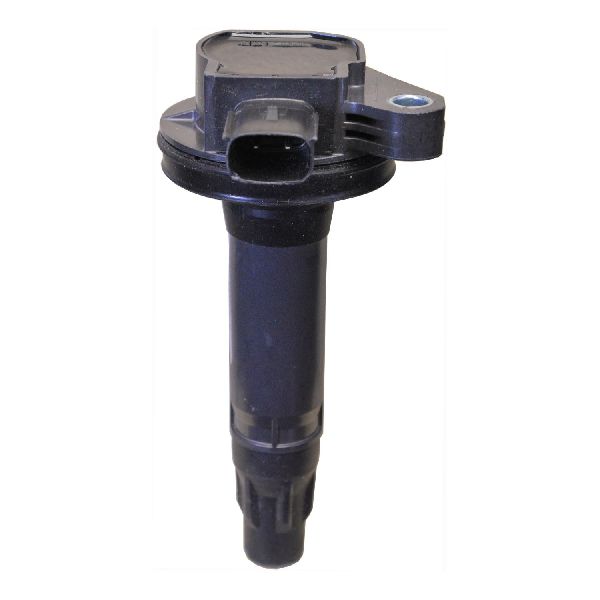
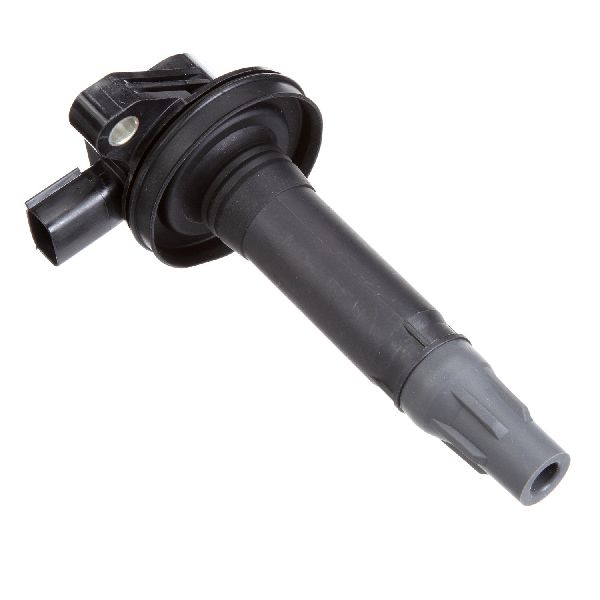
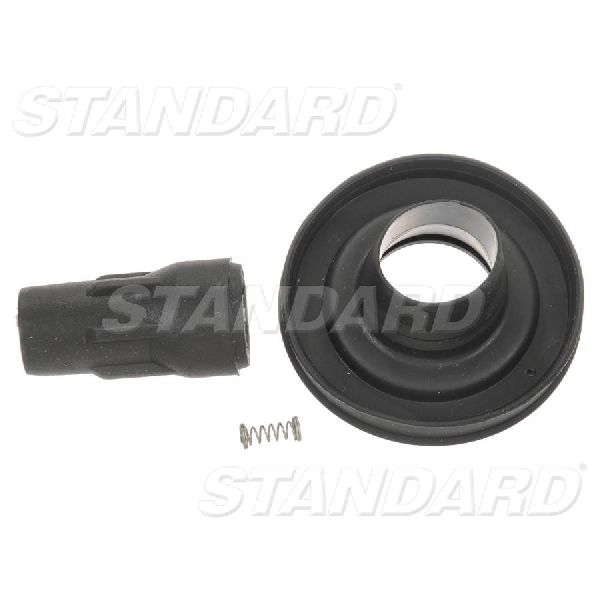
- Failed Ignition Coil 🔴 High Probability → Shop Ignition Coil The coil-on-plug ignition system is a common failure point due to constant exposure to heat and vibration. The rear bank on the CX-9 V6, where cylinder 2 is located, experiences significant heat soak, which can shorten the life of electrical components. This is a widely reported issue on owner forums.
How to confirm: The most definitive test is to swap the ignition coil from cylinder 2 with one from an accessible front cylinder (e.g., cylinder 5). This requires removing the intake manifold. After swapping and reassembling, clear the codes and run the engine. If the code changes to P0305, the coil is confirmed bad. A bad coil may also show signs of arcing (white or dark marks) or melting.
Typical fix: Replace the faulty ignition coil. Given the labor involved to access the rear bank, it is highly recommended to replace all three rear ignition coils (cylinders 1, 2, 3) and all six spark plugs at the same time to prevent near-future failures of the adjacent, equally-worn components.
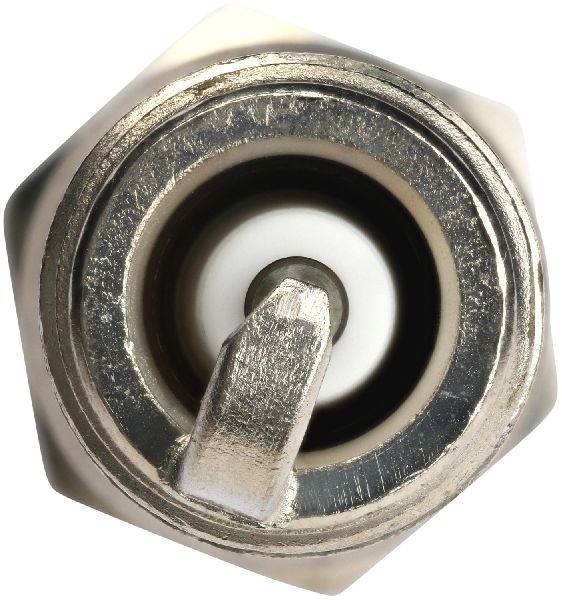
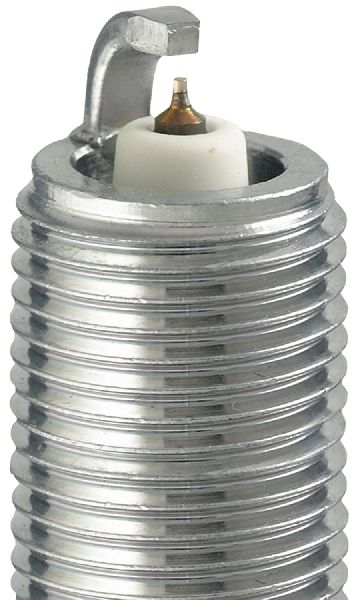
Est. part cost: $40-$80 per coil - Worn or Fouled Spark Plug 🟡 Medium Probability → Shop Spark Plug Spark plugs are a routine maintenance item. The manufacturer's recommended interval is between 60,000 and 100,000 miles for iridium plugs. If the vehicle is near or over this mileage and they haven't been replaced, they are a likely cause of a misfire.
How to confirm: After removing the intake manifold and ignition coil, remove the spark plug from cylinder 2. Inspect it for wear (a rounded center electrode), fouling (black, oily, or white deposits), or physical damage. A plug from a misfiring cylinder may look visibly different than others.
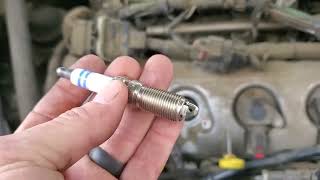
Typical fix: Replace the spark plug. It is best practice to replace all six spark plugs at the same time, especially since the rear three are so difficult to access. Using the correct OEM-spec plugs 🎬 See this walkthrough for replacing all six spark plugs. (often NGK or Motorcraft) is critical.
Est. part cost: $10-$25 per iridium plug - Faulty Fuel Injector ⚪ Low Probability → Shop Fuel Injector While less common than ignition issues, fuel injectors can become clogged or fail electrically over time, preventing the correct amount of fuel from reaching the cylinder. Some owners on forums have chased a P0302 code to a bad injector after replacing coils and plugs.
How to confirm: After confirming the spark plug and coil are good, the fuel injector is the next suspect. A professional can perform a fuel injector balance test. A DIY method is to listen to the injector with a mechanic's stethoscope; it should make a consistent clicking sound. Resistance can also be checked with a multimeter across its two pins; the expected value is between 11.3 and 12.7 ohms.
Typical fix: Replace the faulty fuel injector. Similar to coils and plugs, it may be wise to replace all three rear injectors if one fails due to the labor involved in accessing them.
Est. part cost: $50-$150 per injector
Rare But Worth Checking
- Damaged Powertrain Control Module (PCM): → Shop Engine Control Module (ECM) A known, critical issue on this platform is for a shorted ignition coil to send a voltage spike to the PCM, damaging the internal driver for that cylinder's coil. If you replace the coil and plug for cylinder 2 and the misfire immediately returns on the same cylinder, this is a strong possibility. The fix requires repairing the PCM (by a specialist) or replacing it, which is very costly and requires programming to the vehicle.
- Leaking Intake Manifold Gaskets: → Shop Engine Intake Manifold When the intake manifold is removed to service the rear cylinders, the gaskets must be replaced. They are a one-time use part. If old gaskets are reused or new ones are installed incorrectly, they can create a vacuum leak that can cause misfires or a lean condition.
- Low Engine Compression: Mechanical engine problems like a burnt valve, worn piston rings, or a failing head gasket are rare but can cause a persistent misfire that ignition and fuel system repairs won't fix. A compression test is the definitive diagnostic step for this. This is a major engine repair.
Diagnosis Steps
- Confirm the presence of code P0302 with an OBD-II scanner. Note if any other codes are present, like P0352 or P0202.
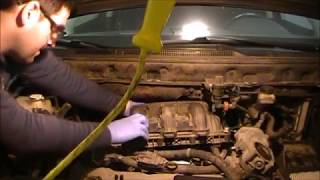
- Acknowledge that cylinder 2 is on the rear bank and requires removal of the upper intake manifold for access. This is a significant job estimated at 2.5-4 labor hours. 🎬 Watch: Step-by-step guide to removing the intake manifold.
- Once the intake manifold is removed, locate cylinder 2 (the middle cylinder on the rear bank). The rear bank cylinders are 1-2-3, and the front bank are 4-5-6.
- Swap the ignition coil from cylinder 2 with the coil from cylinder 5 (middle cylinder, front bank). This is the most common professional diagnostic step.
- Temporarily reinstall the intake manifold using the old gaskets for testing purposes. Run the engine to see if the misfire code moves. If you now have a P0305, the ignition coil is the confirmed fault.
- If the code remains P0302, the coil is likely good. Proceed to inspect the spark plug. Replace if it is worn, fouled, or past its service life.
- While the rear bank is accessible, it is highly recommended to replace all three rear ignition coils, all six spark plugs, and the upper and lower intake manifold gaskets to avoid repeating the labor-intensive disassembly.
- If the misfire persists after replacing the coil and plug, investigate the fuel injector for cylinder 2. Check for a consistent clicking sound and test the resistance of the injector.
- If a new coil fails immediately or the misfire is unchanged, test the signal from the PCM to the ignition coil connector using a noid light or oscilloscope to check for a damaged PCM driver circuit.
- If all ignition and fuel components test good, perform an engine compression test to rule out mechanical issues.
Parts You'll Likely Need
- Ignition Coil
(OEM #CY01-18-100B)— This is the most common cause of a single-cylinder misfire on the Mazda CX-9's V6 engine.
Trusted brands: Mazda OE, NGK, Denso, Motorcraft (DG520)
OEM price range: $70-$100
Aftermarket price range: $40-$80 - Iridium Spark Plug
(OEM #Motorcraft AYFS22FM or NGK LTR6BP13)— A primary wear item in the ignition system. Due to the labor required to access the rear bank, it is critical to replace them whenever the intake is removed.
Trusted brands: NGK, Motorcraft, Bosch
OEM price range: $20-$30
Aftermarket price range: $10-$25
Related Codes That Often Appear With This One
- P0300 — If the misfire is intermittent or begins to affect other cylinders due to a systemic issue like a vacuum leak or fuel pressure problem, a P0300 (Random Misfire) code may appear alongside P0302.
- P0352 — This code indicates an 'Ignition Coil 'B' (Cylinder 2) Primary/Secondary Circuit Malfunction'. It points directly to an electrical fault with the ignition coil or its wiring, and is often a precursor to or accompanies P0302. A failed coil or a bad PCM driver can trigger this code.
- P0202 — This code for 'Injector Circuit/Open - Cylinder 2' can appear with P0302 if the root cause is a faulty fuel injector or a problem in its wiring harness. One Reddit user reported having both codes simultaneously.
Technical Service Bulletins (TSBs) & Recalls
- Mazda Special Service Program (SSP 93) - Extends warranty for power brake booster failure on 2007-2013 CX-9s, a common unrelated issue.
- TSB Bulletin #01-010-18-3442b — Notes that some vehicles may exhibit an engine misfire during acceleration with the check engine light flashing and DTC P0302:00 stored. The bulletin mentions that even if a misfire occurs, the DTCs may not always be stored.
- TSB Bulletin #01-001-23a — Describes customer complaints regarding poor acceleration, rough idling, or the Check Engine light being on with DTC P0302:00. This bulletin specifies it applies only to turbo engines.
Platform-Specific Known Issues
- PCM Damage: A failing ignition coil can short and send a voltage spike back to the Powertrain Control Module (PCM), destroying the driver circuit for that coil. This is a known issue and may require PCM repair or replacement.
- Difficult Rear Bank Access: The most significant issue for a P0301, P0302, or P0303 code is that the rear bank of cylinders is located under the upper intake manifold. This turns a simple coil or plug replacement into a multi-hour job.
Mechanic-Grade Diagnostic Values
- Fuel Injector Resistance — expected: 11.3 - 12.7 Ohms. Failure: A reading outside this range indicates an electrical fault in the injector coil.
- Fuel Pump System Pressure — expected: 58 psi. Failure: Significantly lower pressure could indicate a weak fuel pump, causing lean conditions and misfires, though it would typically affect multiple cylinders.
- Fuel Injector Flow Rate (at 43.5 psi / 3 bar) — expected: 238.9 cc/min or 22.8 lb/hr. Failure: A lower flow rate indicates a clogged or failing injector. This test requires specialized equipment.
- Ignition Coil Primary/Secondary Resistance — expected: Not specified for diagnosis. Modern coil-on-plug units are difficult to test accurately with a multimeter.. Failure: The primary diagnostic method is swapping the coil to another cylinder to see if the misfire code follows. Visual inspection for cracks or arc-through marks is also key.
Hidden / Shadow Codes Worth Checking
- Mode $06, TID $A2-$A5: Misfire counts for each cylinder (Cylinders 1-4, with subsequent IDs for V6). This is not a 'code' but raw data the PCM uses to trigger a P030x code. Accessing it can reveal intermittent misfires on cylinder 2 (or other cylinders) before they are frequent enough to set a Check Engine Light. (see via Requires an advanced OBD-II scanner or professional tool like the Mazda M-MDS that can display Mode $06 test results.)
Scan Tool Commands That Help
- Mazda IDS (or equivalent professional scanner): Power Balance Test — This function allows the technician to disable one cylinder at a time while the engine is running and observe the drop in RPM. If disabling cylinder 2 causes little or no change in RPM compared to other cylinders, it confirms that cylinder 2 is not contributing power, pinpointing the misfire without disassembly.
- Mazda IDS (or equivalent professional scanner): Injector-Specific Commands — A professional scan tool can command the fuel injector for cylinder 2 to operate while listening for the click, or can perform an automated injector flow/balance test, which is a more precise way to diagnose a faulty injector than resistance tests alone.
Wiring & Ground Locations
- PCM / TCM Ground — A wiring diagram for a 2011 CX-9 indicates a shared ground point for the PCM and Transaxle Control Module.. A poor ground at this location can cause erratic behavior from the PCM, including false sensor readings or improper firing of ignition coils and fuel injectors. While it would likely cause more codes than just P0302, it's a critical point to check if electrical issues are suspected.
- Cylinder 2 Ignition Coil Connector — On the rear valve cover, middle cylinder. The connector has 2 pins.. This is the connection point for testing the command signal from the PCM. A noid light or oscilloscope can be used here to verify if the PCM's driver for cylinder 2 is sending a signal. If there is no signal, the PCM or wiring is the fault, not the coil.
- General Ground Distribution — Service manuals provide diagrams for all ground points on the vehicle.. Corrosion or loose connections at any engine-to-chassis ground can create resistance, weakening spark intensity and potentially causing misfires, especially under load. Checking the main ground straps is a fundamental step in diagnosing any electrical issue.
Real Owner Repair Stories
- MazdaSpeeds forum user (MazdaSpeed (engine shares characteristics with CX-9's direct injection system)) — Rough idle, very rough stuttering under acceleration, and a flashing P0302 check engine light.
❌ Tried (didn't work) New NGK spark plugs, New ignition coil (and swapping coils between cylinders), Compression test (was good), Cleaned and tested injectors (resistance and flow were okay), Replaced camshaft position sensor
✅ What actually fixed it Upon removing the fuel injectors again, the user found the cylinder 2 injector was completely caked with deposits, blocking the spray holes. Replacing the fuel injectors and cleaning the intake valves resolved the P0302 misfire. - Reddit user in r/MechanicAdvice (2012 Mazda CX-9) — Bad idle, rough acceleration, and intermittent A/C issues. Codes P0302 and P0202 were present.
❌ Tried (didn't work) Replaced all coil packs, Replaced all spark plugs, Replaced the fuel injector for cylinder 2 with a new Bosch OEM part
✅ What actually fixed it The user's next step was to test the wiring harness for the fuel injector, suspecting an electrical issue between the PCM and the injector since all components had been replaced. The thread did not have a final confirmed fix, but points strongly to a wiring or PCM driver issue.
OEM Part Supersession History
CY01-18-100A→CY01-18-100B— Standard part revision, likely for improved reliability or manufacturing process.
Heads up: The new part number (CY01-18-100B) is a direct replacement for the old one and is fully compatible.
Model Year Variations Within This Range
- 2007: The 2007 Mazda CX-9 was equipped with the 3.5L MZI V6.
- 2008-2015: From 2008 onwards, the CX-9 was equipped with the larger 3.7L MZI V6. While they are from the same Ford Cyclone engine family and share the same fundamental design and issues (including the difficult rear bank access and potential for PCM damage), some parts may have different part numbers. However, the ignition coils and fuel injectors are often listed as compatible with both engine sizes.
Diagnostic Flowchart
Other Known Issues on This Vehicle
Issues unrelated to this code that are worth knowing about as an owner of this generation:
- Internal Water Pump Failure 🔴 High — Common at higher mileage (typically over 80,000 miles). The pump is driven by the timing chain inside the engine. When the seal fails, it leaks coolant directly into the engine oil.
- AWD Transfer Case (PTO) Failure 🔴 High — A very common and expensive failure on AWD models. The fluid overheats and degrades, leading to gear and bearing failure. Symptoms include a burning oil smell, grinding noises, and eventual loss of AWD. (Ref: Mazda issued a warranty extension (SSP 92) in the USA for some model years.)
- Power Brake Booster Failure 🟠 Medium — Widespread issue causing a hard brake pedal and a hissing sound from the driver's footwell upon braking. (Ref: Mazda issued Special Service Program SSP 93, extending the warranty for this part to 7 years or 90,000 miles.)
- Leaking/Noisy Front Strut Mounts 🟡 Low — A common source of squeaking or creaking noises from the front suspension when going over bumps. The mounts can wear out and require replacement.
Used vs. New Parts: Buying Guide for This Vehicle
When a used part is the smart pick: For this repair, used parts are generally not recommended due to the high labor cost. You don't want to remove the intake manifold twice. The only exception might be a complete, low-mileage engine if a major mechanical failure is diagnosed. A used PCM from a reputable seller can be a cost-effective option if it's tested and comes with a warranty, but it will require programming to your vehicle's VIN and key information.
Donor-vehicle mileage cap: roughly under 60000 miles for the part to have meaningful remaining life.
What to inspect on the donor part:
- For a PCM: Ensure the part number matches exactly. Ask for a guarantee that the unit is not 'locked' and is ready for reprogramming.
- For an engine: Look for evidence of regular maintenance, check for sludge under the oil cap, and get a vehicle history report to check for accidents or flood damage.
OEM-only on this vehicle (don't cheap out):
- Intake Manifold Gaskets: These are single-use and crucial for preventing vacuum leaks. Always use new, high-quality gaskets.
- Powertrain Control Module (PCM): While a used OEM unit can work, avoid un-tested, no-name aftermarket PCM 'repairs'. Stick with either a new OEM unit, a reputable specialist repair service, or a warrantied used OEM part.
Aftermarket brands forum-validated for this vehicle:
- Ignition Coils: NGK, Denso, Motorcraft (DG520)
- Spark Plugs: NGK, Motorcraft
- Fuel Injectors: Bosch, Standard Motor Products (SMP)
Brands owners have reported issues with on this vehicle:
- Unbranded, 'no-name' ignition coil and fuel injector sets from online marketplaces. The failure rate is high, and the labor to replace them again negates any initial cost savings.
Real Owner Stories
Aggregated from forums and TSBs cited above. Mileages and costs reflect what owners reported in those sources.
2012 Mazda CX-9 3.7L V6
Symptoms: Owner reported a P0302 and P0202 code and had already tried replacing the coil and spark plug without success.
What fixed it: The issue was traced to a potential fuel injector failure or a PCM driver circuit issue after standard ignition components failed to resolve the code.
Source hint: Reddit r/AskMechanics thread titled '2012 mazda cx9 help p0302p0202 already tried coil/'
Mazda CX-9 V6
Symptoms: Owner expressed significant stress over a P0302 code on the rear bank.
What fixed it: Diagnosis required removing the intake manifold to access the rear bank for coil and plug inspection.
Source hint: mazdas247.com forum thread titled 'p0302-so-stressed'
Related OBD-II Codes
Frequently Asked Questions
Where is cylinder 2 located on the Mazda CX-9 V6 engine?
Does the Mazda Special Service Program (SSP 93) cover my P0302 misfire code?
Why is the labor cost so high for a simple spark plug or coil replacement on this vehicle?
Can a bad ignition coil on my CX-9 damage other parts of the car?
What spark plugs should I use for the 2007-2015 CX-9 MZI engine?
If I am already removing the intake manifold to fix P0302, what else should I replace?
Helpful Videos
We Have This Part in Stock


The information in this article is provided for general reference and educational purposes only. Vehicle specifications, procedures, and part compatibility can vary by production date, trim level, and region. Always consult your vehicle's factory service manual and verify part numbers before purchasing or performing repairs. Safety-critical components such as airbags, seat belts, and braking systems should be installed by a qualified professional.
- Mazda CX-9:
- 🧭 Diagnostic Flowchart
- 🎬 Helpful Videos
- 🛍️ Shop This Part
- What's Unique About the 2007-2015 Mazda CX-9
- Symptoms You May Notice
- Most Likely Causes
- Rare But Worth Checking
- Diagnosis Steps
- Parts You'll Likely Need
- Related Codes That Often Appear With This One
- Technical Service Bulletins (TSBs) & Recalls
- Platform-Specific Known Issues
- Mechanic-Grade Diagnostic Values
- Hidden / Shadow Codes Worth Checking
- Scan Tool Commands That Help
- Wiring & Ground Locations
- Real Owner Repair Stories
- OEM Part Supersession History
- Model Year Variations Within This Range
- Other Known Issues on This Vehicle
- Used vs. New Parts: Buying Guide for This Vehicle
- Real Owner Stories
- 2012 Mazda CX-9 3.7L V6
- Mazda CX-9 V6
- Related OBD-II Codes
- Frequently Asked Questions
- 🎟️ Get 5% Off