

P0302 on 2016-2020 Mazda CX-9: Cylinder 2 Misfire Causes and Fixes
P0302 indicates a misfire in cylinder #2. The most common causes are a faulty ignition coil or a worn spark plug. A coil swap is a simple diagnostic test. However, be aware of Mazda TSBs for this engine that point to more serious issues like a cracked cylinder head or faulty exhaust manifold if the simple fixes don't work. These TSBs are well-documented and have led to warranty extensions and lawsuits.
- P0302 is a misfire on cylinder 2. Do not drive with a flashing check engine light to avoid catalytic converter damage.
- Start your diagnosis by swapping the ignition coil from cylinder 2 to cylinder 3. If the code moves to P0303, you've found the problem.
- The spark plugs on this engine have a 40,000-mile service life. If you're near or over that mileage, replace them as a set.
- If new coils and plugs do not fix the issue, be aware of the specific Mazda TSBs for this engine regarding exhaust manifold and cylinder head issues, which require professional repair.
What's Unique About the 2016-2020 Mazda CX-9
The 2016-2020 Mazda CX-9's Skyactiv-G 2.5T is a direct-injection turbocharged engine. While efficient, this design makes it sensitive to ignition and fuel system integrity. More importantly, Mazda has issued several critical Technical Service Bulletins (TSBs) for this engine family related to misfires. These bulletins address serious underlying issues beyond typical spark plugs and coils. TSB 01-001-23a describes a seizing exhaust manifold valve that causes compression loss, and TSB 01-013/21 details cracks in the cylinder head causing external coolant leaks and potential internal issues. These problems are significant enough to have prompted a class-action lawsuit. Manufacturer service bulletin TSB Bulletin #01-001-23a specifically notes that customers may complain of poor acceleration and rough idling alongside the P0302 code.
Symptoms You May Notice
- Check Engine Light (CEL) is on or flashing
- Rough or shaky idle
- Hesitation or stumbling during acceleration
- Reduced engine power
- Poor fuel economy
- Rotten egg or fuel smell from the exhaust
- For coolant-related issues (cracked head): sweet, syrupy coolant smell from the engine bay and visible coolant residue near the oil filter.
- Replacing only the spark plug when the ignition coil is the actual culprit.
- Assuming the issue is resolved after replacing coils and plugs, without considering the possibility of carbon buildup or the more serious TSB-related engine issues.
- Attributing a persistent misfire to fuel or ignition when it is actually an early sign of a mechanical issue like compression loss from the seizing exhaust manifold valve.
Most Likely Causes
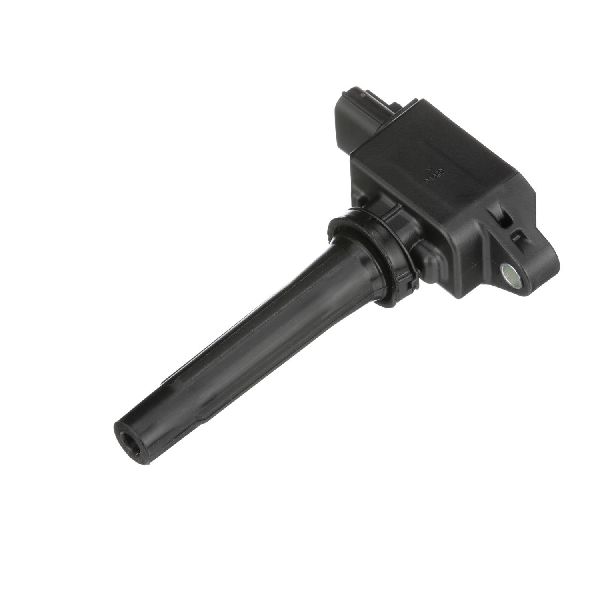
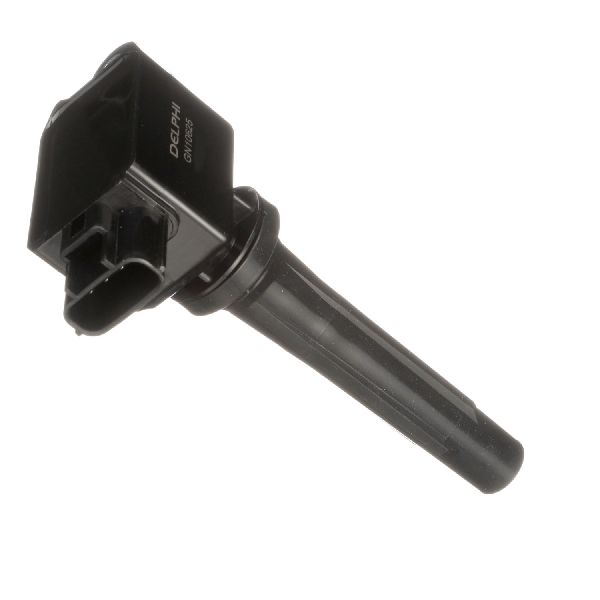
- Faulty Ignition Coil 🔴 High Probability → Shop Ignition Coil Ignition coils are a common wear item on modern direct-injection engines due to high heat and electrical stress. On pre-2019 2.5T engines, a poor PCV system design could also lead to oil vapors fouling coils and plugs more quickly. Forum discussions frequently point to a bad coil pack as the first thing to check for a single-cylinder misfire.
How to confirm: Swap the ignition coil from cylinder 2 with another cylinder (e.g., cylinder 3). Clear the codes and drive. If the code changes to P0303, the coil is faulty.
Typical fix: Replace the faulty ignition coil. It is often recommended to replace all four if they are original 🎬 Watch: Step-by-step guide to replacing your coils and spark plugs. and the vehicle has high mileage.
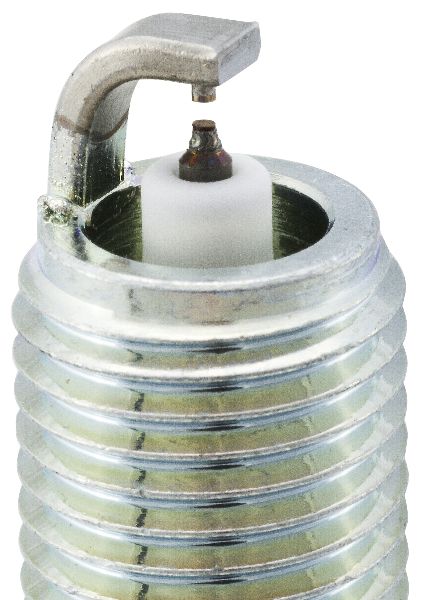
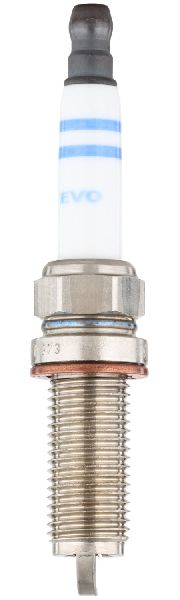
Est. part cost: $65-$95 - Worn or Fouled Spark Plug 🔴 High Probability → Shop Spark Plug The Skyactiv-G 2.5T engine has a recommended spark plug replacement interval of 40,000 miles. Exceeding this interval is a very common reason for misfires.
How to confirm: After confirming the coil is good, inspect the spark plug from cylinder 2. Look for wear on the electrode, cracks in the porcelain, or heavy carbon/oil fouling. A white, ashy appearance on the plug can indicate a lean condition or not enough fuel.
Typical fix: Replace the spark plug. It is best practice to replace all four spark plugs at the same time to ensure consistent performance.
Est. part cost: $60-$120 for a set of four - Intake Valve Carbon Buildup 🟡 Medium Probability As a direct-injection engine, fuel is sprayed directly into the cylinder, not over the intake valves. This means there is no fuel to wash away carbon deposits from the PCV system. This buildup can restrict airflow and cause misfires, especially on cold starts, often becoming noticeable after 50,000-60,000 miles.
How to confirm: This requires a visual inspection of the intake valves using a borescope after removing the intake manifold. A user with a P0302 code confirmed this was the cause after plugs and coils didn't solve it.
Typical fix: The intake valves need to be physically cleaned. While some use spray-in cleaners as a preventative measure, heavy buildup requires manual scrubbing or media blasting (walnut blasting) 🎬 See how to inspect and clean carbon from your intake valves. for effective removal.
Est. part cost: $0 (if DIY), but shop service can be $400-$800
Rare But Worth Checking
- Cracked Cylinder Head: → Shop Engine Cylinder Head Mazda TSB 01-002/23 (superseding 01-013/21) addresses an issue where cracks form in the cylinder head near the exhaust manifold on 2016-2021 models, causing coolant leaks. While the primary symptom is an external coolant leak, if the crack compromises a coolant passage into the cylinder, it can cause a misfire (P030x). This is a known manufacturing defect that has led to a class-action lawsuit and a warranty extension (CSP 11) to 10 years/120,000 miles for this specific issue. 🎬 Watch: How the CSP11 warranty covers your cylinder head repair.
- Seizing Exhaust Manifold Valve: Mazda TSB 01-001-23a describes a serious issue where a seizing valve in the integrated exhaust manifold causes excessive heat, leading to uneven wear on exhaust valve seats, loss of compression, and misfires (P0301-P0304). The repair involves replacing the cylinder head and the redesigned exhaust manifold.
- Faulty Fuel Injector: → Shop Fuel Injector While less common than ignition issues, a clogged or electronically failed fuel injector can cause a misfire by delivering an incorrect amount of fuel to cylinder 2. Diagnosis can involve swapping injectors between cylinders, similar to a coil swap, but is more labor-intensive.
Diagnosis Steps
- Read the fault codes using an OBD-II scanner and confirm P0302 is present. Note any other codes, especially P0300 or other cylinder misfires.
- Check freeze frame data to understand the engine conditions (speed, load, temperature) when the misfire occurred. TSB Bulletin #01-010-18-3442b notes that even if a misfire occurred, the DTCs may not be stored in some instances.
- Perform an ignition coil swap. Switch the coil from cylinder 2 with the coil from cylinder 3. Clear the codes and drive the vehicle. If the code returns as P0303, the ignition coil is faulty and needs replacement.
- If the code remains P0302, the coil is likely good. Proceed to inspect the spark plug.
- Remove the spark plug from cylinder 2. Check for wear, damage, or heavy deposits. If the plug is old (near or over 40,000 miles) or visibly worn, replace all four spark plugs.
- If the coil and plug are good but the misfire persists, inspect for signs of the more serious known issues. Check the coolant level in the reservoir. Look for a sweet coolant smell or greenish residue on the back of the engine block or near the oil filter, which indicates a cracked cylinder head.
- If no coolant leak is evident, consider carbon buildup. This may require a professional diagnosis with a borescope to inspect the intake valves.
- If all else fails, a compression test and cylinder leak-down test are necessary to check for mechanical engine problems, such as the compression loss described in TSB 01-001-23a.
Parts You'll Likely Need
- Ignition Coil
(OEM #PY8W-18-100)— This is the most common cause of a single-cylinder misfire on this engine.
Trusted brands: Mazda (OEM), NGK (P/N: 49130), Denso (P/N: 673-4303)
OEM price range: $80-$110
Aftermarket price range: $50-$85 - Iridium Spark Plug
(OEM #PE5R-18-110A)— Spark plugs are a routine maintenance item with a 40,000-mile replacement interval on this engine; exceeding it is a common cause of misfires.
Trusted brands: NGK (Laser Iridium, P/N: 94931), Denso
OEM price range: $20-$30 per plug
Aftermarket price range: $15-$25 per plug
Related Codes That Often Appear With This One
- P0300 — If the misfire is intermittent or begins to affect other cylinders, a P0300 (Random Misfire) code may appear alongside P0302.
- P0301, P0303, P0304 — These codes indicate misfires in other cylinders. Seeing them can point to a systemic issue like carbon buildup, a bad batch of fuel, or the more serious engine issues described in Mazda's TSBs, which often list multiple P030x codes.
- U0401:00 — TSB 01-010/18 notes that this ABS code (Signal error from PCM) can be stored with P0302/P0303 when the misfire is caused by the exhaust manifold variable valve issue on 2016-2017 models.
- P111A — TSB 01-013/21 notes that DTC P111A (Engine Coolant Temperature Sensor 1/2 Correlation) may be stored in memory if the cracked cylinder head has caused a significant coolant issue.
Technical Service Bulletins (TSBs) & Recalls
- 01-001-23a: Poor acceleration, rough idle, and misfire DTCs (P0301-P0304) on turbo engines due to a seizing exhaust manifold valve causing compression leakage.
- 01-010-18-3442b: Misfire on cylinder 2 or 3 (P0302, P0303) during acceleration on some 2016-2017 models, potentially related to the exhaust manifold variable valve.
- 01-013/21: Coolant leaks at the cylinder head around the exhaust manifold due to cracks, which can potentially cause misfires.
- TSB Bulletin #01-010-18-3442b: Specifically addresses vehicles exhibiting an engine misfire during acceleration with the check engine light flashing and DTC P0302:00 or P0303:00.
Platform-Specific Known Issues
- TSB #01-001-23a: Affects 2016-2020 CX-9 turbo models. A seizing variable valve in the exhaust manifold can cause excessive heat, leading to uneven wear on exhaust valve seats and compression loss, resulting in misfires (P030x). The fix involves replacing the cylinder head and the redesigned exhaust manifold.
- TSB #01-002/23: Details an issue with coolant leaks around the exhaust manifold on 2016-2021 models due to cracks forming in the cylinder head. A coolant leak into a cylinder can cause a misfire and may present with P030x codes. This issue has also led to a Customer Satisfaction Program (CSP11) and a class-action lawsuit.
- TSB #01-010-18-3442b: Affects 2016-2017 CX-9 models produced before Dec. 27, 2016. Describes misfires (P0302, P0303) during acceleration due to an out-of-alignment exhaust manifold variable valve shaft, requiring replacement of the exhaust manifold and turbocharger assembly.
Mechanic-Grade Diagnostic Values
- Ignition Coil Primary Winding Resistance — expected: 0.49 - 0.57 Ohms at 20°C (68°F). Failure: A reading outside this range indicates a faulty coil. Note that a coil can still be faulty when hot even if it tests good when cold.
- High-Pressure Fuel System Pressure (at idle) — expected: Approx. 3.0 MPa (435 psi). Failure: Significantly lower pressure could indicate a failing high-pressure fuel pump, though this would likely cause multiple/random misfires (P0300) rather than a single cylinder misfire.
- Mode 6 Misfire Counts (EWMA) — expected: 0 or very low counts for all cylinders.. Failure: A significantly higher count for cylinder 2 (e.g., TID $A3) compared to others, even without a CEL, confirms the misfire is isolated to that cylinder. This data is crucial for diagnosing intermittent misfires.
Hidden / Shadow Codes Worth Checking
- Mode 6, TID $A3: This is not a traditional DTC, but a Test ID within OBD-II Mode 6 diagnostics. It represents the misfire counter for cylinder #2. Technicians use this to see if cylinder 2 is registering misfires even if they aren't frequent enough to set a P0302 code and turn on the Check Engine Light. (see via An advanced OBD-II scan tool that can access and interpret Mode 6 data. It will be listed under misfire monitors.)
Wiring & Ground Locations
- Cylinder #2 Location — On the inline 4-cylinder Skyactiv-G 2.5T, the cylinders are numbered 1-2-3-4 from front (belt side) to back (firewall side). Cylinder #2 is the second one from the front of the engine.. Correctly identifying cylinder #2 is the first step for any hands-on diagnosis, such as swapping ignition coils or inspecting the spark plug.
Real Owner Repair Stories
- MazdaSpeeds forum user (Mazdaspeed (similar direct-injection turbo engine architecture)) — Rough idle, stuttering under acceleration, and a blinking check engine light for P0302.
❌ Tried (didn't work) New NGK spark plugs, New ignition coil (and swapping coils between cylinders), Compression test (was good and equal), Replaced camshaft position sensor
✅ What actually fixed it The fuel injector for cylinder 2 was found to be completely caked with deposits, blocking the spray holes. After cleaning the injectors and intake valves (which were exposed during the repair), the misfire was resolved. The user noted the spark plug for cylinder 2 looked dry and white, indicating a lack of fuel. - YouTube user Gil (2016 Mazda CX-9, 37,000 miles) — Poor throttle response; hesitation when accelerating from a stop, requiring extra throttle input which then caused the vehicle to lurch forward.
✅ What actually fixed it The owner used a can of CRC GDI Intake Valve and Turbo cleaner. The throttle response issue was resolved after the cleaning procedure, suggesting that mild carbon buildup on the intake valves or throttle body was the likely cause of the hesitation, which can be a precursor to a misfire code.
When the Usual Fixes Don't Work
- In several documented cases, owners replaced both the ignition coil and spark plug for cylinder 2, yet the P0302 code persisted. One such case on a similar Mazda direct-injection engine was only resolved after discovering the fuel injector was completely clogged with carbon deposits, starving the cylinder of fuel. Another owner of a 2016 CX-9 with only 37,000 miles resolved a hesitation issue (a precursor to misfires) not with ignition parts, but with a chemical intake valve cleaning, pointing to early carbon buildup as the root cause. These instances highlight that on the Skyactiv-G 2.5T, fuel delivery and airflow (carbon buildup) issues should be considered strong possibilities if the standard ignition system fixes fail.
OEM Part Supersession History
Unknown (Cylinder Head for 2016-2020 models)→Redesigned Cylinder Head (part of TSB 01-002/23 repair)— The original cylinder head design had material stress and was susceptible to cracking near the exhaust manifold due to thermal stress and deformation of the manifold. The new head is designed to better withstand these forces.
Heads up: When replacing the cylinder head under this TSB, a modified exhaust manifold gasket must also be used.
Model Year Variations Within This Range
- 2016 - early 2019: These earlier models feature a PCV valve design integrated into the valve cover that is prone to causing higher crankcase pressure. This can lead to excessive oil consumption, turbocharger oil seal leaks, and more rapid fouling of spark plugs and ignition coils.
- mid-2019 - 2020: Mazda introduced a redesigned, external PCV system and improved valve cover design. These later models are less prone to the oil consumption and related fouling issues seen in the earlier 2.5T engines.
- 2016-2017: TSB #01-010-18-3442b specifically calls out 2016-2017 models for misfires (P0302, P0303) caused by an out-of-alignment exhaust manifold variable valve shaft, requiring a specific manifold/turbo replacement.
Diagnostic Flowchart
Other Known Issues on This Vehicle
Issues unrelated to this code that are worth knowing about as an owner of this generation:
- Cracked Cylinder Head / Coolant Leak 🔴 High → Shop Engine Cylinder Head — Affects 2016-2020 models most prominently. A Reddit poll suggests a minority of owners, but it is a well-documented failure leading to a class-action lawsuit. Failure can occur anywhere from 60k to over 100k miles. (Ref: TSB 01-013/21 (later superseded by 01-002/23) describes coolant leaks from cracks in the cylinder head near the exhaust manifold.)
- Seizing Exhaust Manifold Valve 🔴 High — Affects all 2.5T models within the specified VIN ranges. Can lead to loss of compression and misfires. The TSB suggests this is a design flaw corrected in later parts. (Ref: TSB 01-001-23a details how a seizing valve causes excessive heat, uneven valve seat wear, compression loss, and misfire codes (P030x).)
- Intake Valve Carbon Buildup 🟠 Medium — Inherent to all gasoline direct injection (GDI) engines. Becomes a potential issue causing misfires, especially on cold starts, typically after 50,000-60,000 miles.
Used vs. New Parts: Buying Guide for This Vehicle
When a used part is the smart pick: For standard electronic components like ignition coils, a used OEM part from a low-mileage (under 50k miles) donor vehicle can be a cost-effective alternative to a new aftermarket part. Given the high failure rate of some aftermarket electronics, a known-good used OEM part is often more reliable.
Donor-vehicle mileage cap: roughly under 50000 miles for the part to have meaningful remaining life.
What to inspect on the donor part:
- For ignition coils, check for cracks in the plastic housing or corrosion on the electrical connector pins.
- Verify the donor vehicle's VIN does not fall within the range of major TSBs for engine-internal issues.
- Avoid parts from vehicles that show signs of overheating (discolored plastics, melted connectors) or have been sitting in a junkyard with the hood open, exposed to weather.
OEM-only on this vehicle (don't cheap out):
- Cylinder Head: Due to the specific manufacturing defect and subsequent redesign, only the latest OEM-spec cylinder head (as specified in TSB 01-002/23) should be used. A used head from another 2016-2020 vehicle will have the same defect.
- Fuel Injectors: While aftermarket injectors exist, the precision required for direct injection makes OEM or a top-tier OEM supplier (like Bosch) the safest bet to avoid further issues.
Aftermarket brands forum-validated for this vehicle:
- Ignition Coils: NGK and Denso are OEM suppliers to Mazda and other Japanese automakers; their aftermarket coils are generally considered as reliable as OEM.
- Spark Plugs: NGK (Laser Iridium) is the OEM plug and is highly recommended. Denso is also a reliable alternative.
Brands owners have reported issues with on this vehicle:
- Unbranded, 'white box' ignition coils and sensors from online marketplaces. While cheap, they have a very high failure rate and can cause diagnostic headaches.
Real Owner Stories
Aggregated from forums and TSBs cited above. Mileages and costs reflect what owners reported in those sources.
2016-2023 Mazda CX-9 2.5T
Symptoms: Coolant smell and low coolant levels in the reservoir.
What fixed it: Full engine replacement (long block) under warranty due to a cracked cylinder head.
Source hint: Reddit r/MazdaCX9 - '2nd Generation (2016-2023) CX-9 owners Regarding coolant leakage/cylinder head damage - MEGATHREAD'
2017 Mazda CX-9 2.5T — 58000 miles
Symptoms: P0302 code present; replacing plugs and coils did not solve the misfire.
What fixed it: DIY removal of the intake manifold to perform a manual cleaning of heavy carbon buildup from the intake valves.
Source hint: Reddit r/mazda - 'Skyactiv 2.5L Intake Valve Cleaning - Just Completed'
2018 Mazda6 2.5T — 117000 miles
Symptoms: Check Engine Light (CEL) for a misfire.
What fixed it: Diagnosis revealed a seizing exhaust manifold valve causing compression loss, as described in TSB 01-001/23.
Source hint: Mazdas247 - Thread 'Mazda TSB 01-001/23: Valve in exhaust manifold overheating'
Related OBD-II Codes
Frequently Asked Questions
Does TSB #01-001-23a apply to my 2016-2020 Mazda CX-9?
How often should I change the spark plugs on my Skyactiv-G 2.5T to avoid P0302?
I smell a sweet, syrupy scent near my oil filter along with the misfire; what is this?
Can I fix the P0302 misfire by just using a spray-in intake cleaner?
Is there a specific issue for 2016-2017 CX-9 models regarding Cylinder 2 misfires?
What is the estimated cost to fix the intake valve carbon buildup at a shop?
Helpful Videos
![How to Fix P0302 Engine Code in 3 Minutes [2 DIY Methods / Only $4.22]](https://img.youtube.com/vi/GG0XtnX35RY/mqdefault.jpg)




We Have This Part in Stock


The information in this article is provided for general reference and educational purposes only. Vehicle specifications, procedures, and part compatibility can vary by production date, trim level, and region. Always consult your vehicle's factory service manual and verify part numbers before purchasing or performing repairs. Safety-critical components such as airbags, seat belts, and braking systems should be installed by a qualified professional.
- Mazda CX-9:
- 🧭 Diagnostic Flowchart
- 🎬 Helpful Videos
- 🛍️ Shop This Part
- What's Unique About the 2016-2020 Mazda CX-9
- Symptoms You May Notice
- Most Likely Causes
- Rare But Worth Checking
- Diagnosis Steps
- Parts You'll Likely Need
- Related Codes That Often Appear With This One
- Technical Service Bulletins (TSBs) & Recalls
- Platform-Specific Known Issues
- Mechanic-Grade Diagnostic Values
- Hidden / Shadow Codes Worth Checking
- Wiring & Ground Locations
- Real Owner Repair Stories
- When the Usual Fixes Don't Work
- OEM Part Supersession History
- Model Year Variations Within This Range
- Other Known Issues on This Vehicle
- Used vs. New Parts: Buying Guide for This Vehicle
- Real Owner Stories
- 2016-2023 Mazda CX-9 2.5T
- 2017 Mazda CX-9 2.5T — 58000 miles
- 2018 Mazda6 2.5T — 117000 miles
- Related OBD-II Codes
- Frequently Asked Questions
- 🎟️ Get 5% Off