

P0302 on 2007-2010 Saturn Outlook: Cylinder 2 Misfire Causes and Fixes
P0302 on a Saturn Outlook most often means a bad ignition coil on cylinder 2. This is an easy DIY fix costing about $40-$90 for the part. Cylinder 2 is conveniently located on the front, passenger side of the engine. If a new coil doesn't fix it, check the spark plug next. Be aware of engine-specific issues like timing chains on 2007-08 models and carbon buildup on 2009-10 models.
- P0302 on a Saturn Outlook is a misfire in cylinder 2, which is the easiest to access: front of the engine, passenger side.
- Start your diagnosis by swapping the cylinder 2 ignition coil with cylinder 4. If the code changes to P0304, you've found the problem.
- If you have a 2009-2010 model and new coils/plugs don't fix the misfire (especially if it's worse when cold), the cause is likely carbon buildup on the intake valves, which requires professional cleaning.
- If you have a 2007-2008 model and hear a brief rattle on cold starts, be aware that a stretched timing chain could be the underlying cause of the misfire.
- Do not drive if the check engine light is flashing, as this can quickly ruin your catalytic converter.
What's Unique About the 2007-2010 Saturn Outlook
The 2007-2010 Saturn Outlook and its GM Lambda platform mates (GMC Acadia, Buick Enclave, Chevy Traverse) use two different versions of the 3.6L V6, and the likely cause of a misfire can differ between them. The 2007-2008 models with the LY7 engine are notorious for stretched timing chains, which can be a deep-seated cause of misfires, often setting codes like P0008 first. The 2009-2010 models with the LLT direct-injection engine are highly susceptible to carbon buildup on the intake valves, a common cause of misfires (especially when cold) that new coils and plugs won't fix. Fortunately, for a simple P0302 code, the root cause is still most often a simple ignition coil failure on either engine.
Symptoms You May Notice
- Rough or shaking idle
- Hesitation or stumbling during acceleration
- Noticeable loss of engine power
- Flashing Check Engine Light (in severe cases)
- Service Stabilitrak / Traction Control message may appear
- Potential smell of gasoline from the exhaust
- Hard shifting from the transmission as it tries to compensate for engine power loss
- Replacing all six ignition coils and spark plugs when only the single, easily-accessible coil on cylinder 2 was needed.
- Replacing fuel injectors on a 2009-2010 LLT engine when the actual cause is carbon buildup on the intake valves.
- Performing an intake-side smoke test for a vacuum leak when the cause is an exhaust-side clogged or cracked catalytic converter creating backpressure.
Most Likely Causes
- Failed Ignition Coil 🔴 High Probability → Shop Ignition Coil Ignition coils on the GM 3.6L V6 are a very common failure item due to age and heat cycles. Oil leaking from valve cover gaskets into the spark plug tubes is also a frequent cause of premature coil failure.
How to confirm: Swap the ignition coil from cylinder 2 with the coil from cylinder 4 (the middle cylinder on the front bank). Clear the codes and drive. If the code changes to P0304, the coil is faulty. This is the definitive DIY diagnostic step.
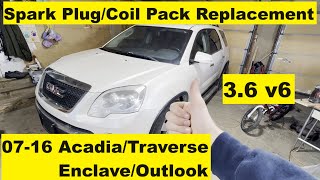
Typical fix: Replace the failed ignition coil. Since cylinder 2 is on the easily accessible front bank, this is a simple, single-part replacement requiring only a 10mm socket. 🎬 Watch: How to access and replace the front bank ignition coils.
Est. part cost: $40-$150 - Worn or Fouled Spark Plug 🟡 Medium Probability → Shop Spark Plug Spark plugs are a standard maintenance item with a finite life. If original or high-mileage, they are a likely cause. Oil leaks from valve cover gaskets can also foul the plugs, causing a misfire.
How to confirm: After ruling out the ignition coil, remove the spark plug from cylinder 2. Inspect for a worn electrode, cracks in the ceramic, or heavy deposits of carbon or oil. A fuel-dampened plug could indicate an injector issue.
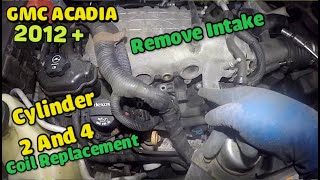
Typical fix: Replace the spark plug. It is best practice to replace all six plugs at the same time to ensure consistent performance, though this is more labor-intensive as the rear bank requires removing the intake manifold. 🎬 See this walkthrough for removing the intake to reach rear plugs.
Est. part cost: $10-$25 per plug - Carbon Buildup on Intake Valves (2009-2010 LLT Engine) 🟡 Medium Probability The LLT V6 uses direct injection, where fuel is sprayed directly into the cylinder. This means no fuel washes over the intake valves, allowing oil vapor from the PCV system to bake on, restricting airflow and causing misfires, especially when cold.
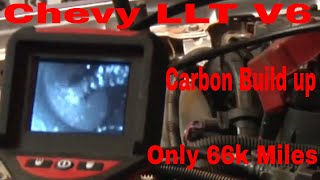
How to confirm: This is difficult to confirm without a borescope to visually inspect the valves. It's often diagnosed after new coils and plugs fail to resolve the misfire, particularly if the misfire is worse on cold starts. GM issued TSB PIP5029 to address this. 🎬 Watch: See what carbon buildup looks like on these intake valves.
Typical fix: The intake valves must be professionally cleaned, typically using a media blasting process (like walnut shell blasting) or chemical soaks as outlined by GM.
Est. part cost: $0 (service cost is labor, typically $500-$800) - Clogged or Faulty Fuel Injector ⚪ Low Probability → Shop Fuel Injector
How to confirm: After confirming spark is good, check the injector. Listen for a consistent clicking sound with a mechanic's stethoscope. A 'noid light' can be used to verify the electrical pulse from the PCM. You can also swap the injector with another cylinder, but this requires removing the fuel rail and is more involved.
Typical fix: Replace the faulty fuel injector. It's recommended to replace the seals on all injectors on that fuel rail if it's removed. Using a fuel system cleaner like Chevron Techron is a common first step but often insufficient for a truly clogged injector.
Est. part cost: $50-$150
Rare But Worth Checking
- Stretched Timing Chains (2007-2008 LY7 Engine): This is a notorious issue on the LY7 engine. While it often sets timing correlation codes like P0008 or P0017, it can manifest as a misfire. A brief engine rattle on a cold start is a key symptom. This is a major and expensive repair, often costing over $2,000.
- Intake Manifold Gasket Leak: → Shop Engine Intake Manifold A vacuum leak can lean out the mixture to a single cylinder or bank, causing a misfire. Listen for a hissing sound near the intake manifold when the engine is running. A smoke test is the proper way to diagnose this.
- Low Engine Compression: If all else fails, a mechanical issue like a worn piston ring, bad valve, or damaged head gasket could be the cause. A compression test on cylinder 2 is required to diagnose this.
- Loose Ignition Coil Ground: → Shop Ignition Coil GM TSB #PIP5038B mentions that a loose ground bolt for the ignition coils on the cylinder head can cause misfires on an entire bank. Check that the ground connection for the front bank (G114) is clean and tight.
Diagnosis Steps
- Read the code with an OBD-II scanner to confirm P0302 and check for any other codes.
- Identify Cylinder 2: It is the cylinder on the front bank (closest to the radiator), on the passenger side of the vehicle. The front bank cylinders are 2-4-6, from passenger to driver side.
- Perform the 'Ignition Coil Swap Test': Swap the ignition coil from cylinder 2 with the one from cylinder 4 (middle front). Clear the codes.
- Drive the vehicle until the check engine light returns. If the new code is P0304, the ignition coil is bad and needs replacement.
- If the code remains P0302, the coil is likely good. Move the coil back to its original position.
- Inspect the Spark Plug: Remove the spark plug from cylinder 2. Check for wear, damage, or fouling from oil or carbon. Check for oil in the spark plug tube, which indicates a leaking valve cover gasket.
- If the plug is bad, replace it. Consider replacing all six for preventative maintenance, but be aware the rear three require removing the intake manifold.
- Check the Fuel Injector: Listen to the injector with a stethoscope for a steady clicking. Use a 'noid light' to confirm it's receiving an electrical signal.
- Inspect for Vacuum Leaks: Listen for hissing sounds around the intake manifold gaskets. A professional smoke test is more definitive.
- If you have a 2009-2010 LLT and the misfire is worse when cold, suspect carbon buildup on the intake valves per TSB PIP5029.
- If you have a 2007-2008 LY7 and hear a rattle on startup, suspect a stretched timing chain.
- Check Ignition Coil Ground: Per TSB PIP5038B, ensure the G114 ground bolt on the front cylinder head is clean and torqued to 15 lb-ft.
- If all else fails, perform a compression test on cylinder 2 to check for mechanical engine problems.
Parts You'll Likely Need
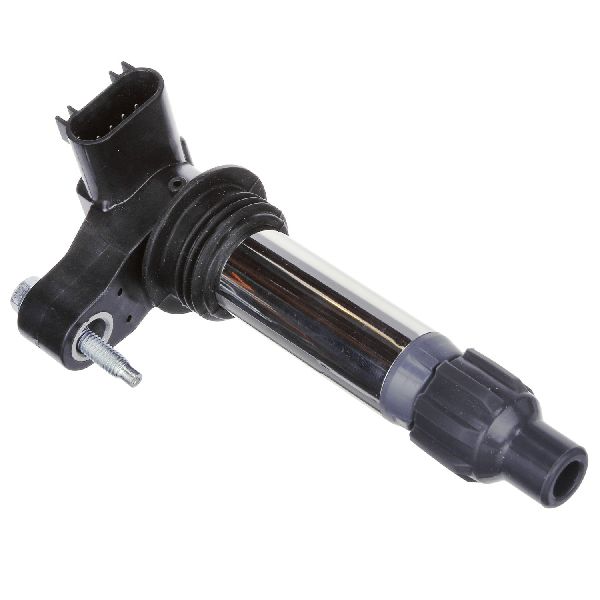
- Ignition Coil
(OEM #12632479 (ACDelco D515C))— This is the most common failure part for a single-cylinder misfire on this engine. Delphi was often the original manufacturer for GM.
Trusted brands: ACDelco, Delphi, NGK
OEM price range: $70-$150
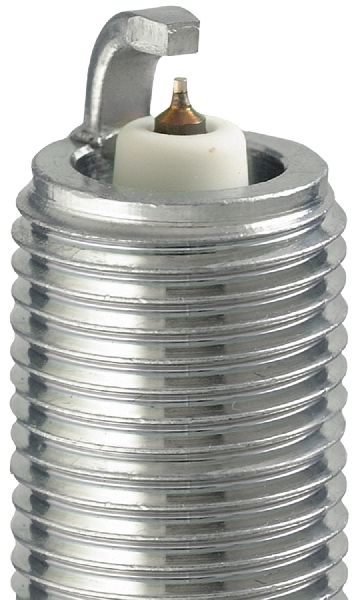
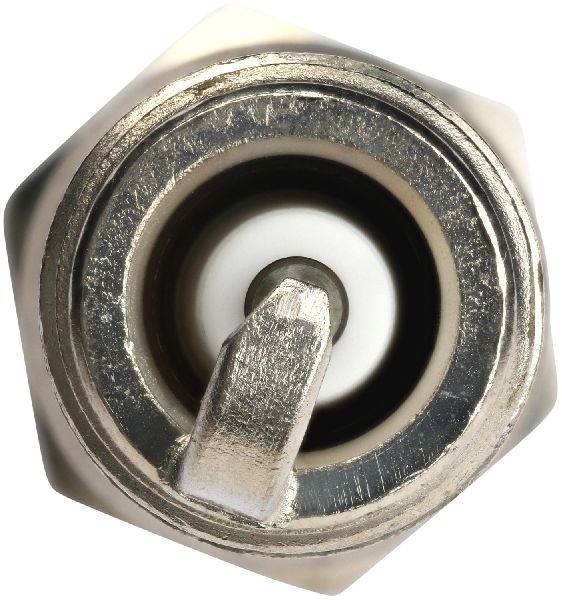
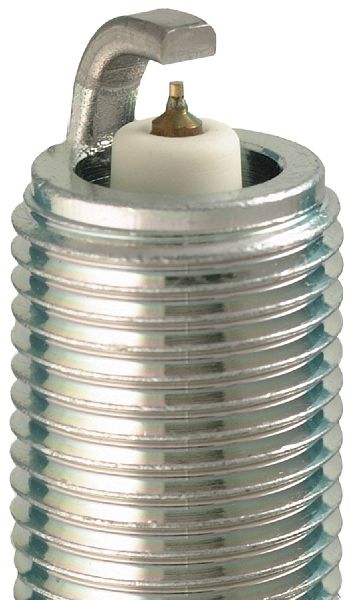
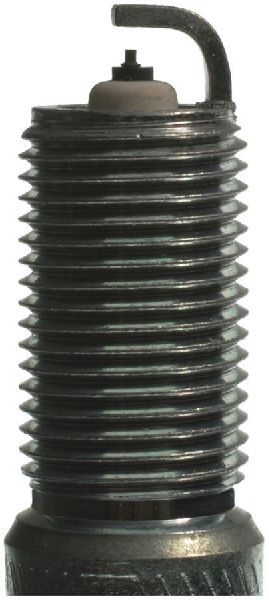
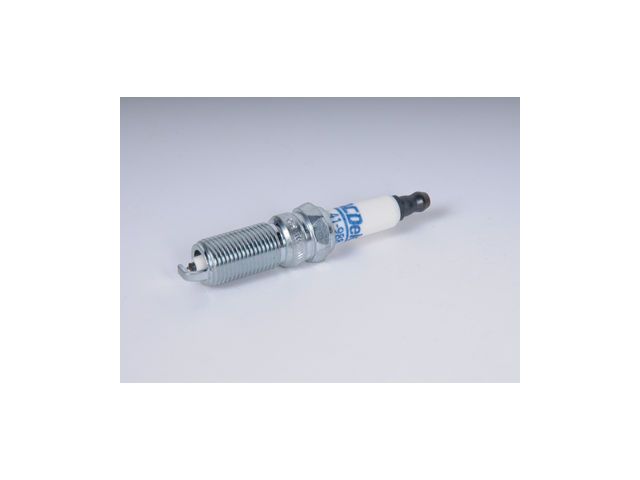
Aftermarket price range: $40-$90 - Spark Plug
(OEM #ACDelco 41-109 (Iridium))— Spark plugs are a routine maintenance item and can become fouled or worn, causing a misfire. The ACDelco 41-109 is the specified Iridium plug for the LLT engine.
Trusted brands: ACDelco, NGK, Denso
OEM price range: $15-$25
Aftermarket price range: $10-$20
Related Codes That Often Appear With This One
- P0300 — If the misfire is intermittent or affects other cylinders, a P0300 (Random Misfire) may be stored alongside P0302. This is common with timing chain or carbon buildup issues.
- P0017 / P0008 — On 2007-2008 LY7 engines, seeing these timing correlation codes with a P0302 is a strong indicator that a stretched timing chain is the root cause of the misfire.
- P0304 / P0306 — Misfires on the other front-bank cylinders. If seen with P0302, it could point to a systemic issue for that bank, like the G114 ground bolt or a clogged catalytic converter for Bank 2.
- P0202 / P0264 / P0265 — These codes for the cylinder 2 injector circuit point directly to a fuel delivery problem (injector or wiring) as the cause of the P0302 misfire.
Technical Service Bulletins (TSBs) & Recalls
- TSB PIP5029: Addresses misfires on direct-injection (LLT) engines due to carbon buildup on intake valves.
- TSB PIP5038B: Addresses misfires caused by electrical issues, specifically calling out loose or corroded ignition coil ground bolts (G114 for the front bank).
- Special Coverage 14404B: Not for P0302, but a critical TSB for this platform regarding the 3-5-R transmission wave plate failure.
Platform-Specific Known Issues
- Owner Experience: P0302 Fixed with Coil Swap: Multiple owners on forums like saturnfans.com and acadiaforum.net report successfully diagnosing a P0302 code by swapping the cylinder 2 ignition coil with the adjacent cylinder 4 coil. When the code changed to P0304, they confirmed the coil was the sole issue and replaced it, resolving the problem.
- The Carbon Buildup Trap (2009-2010 LLT): An owner on a Traverse forum spent hundreds replacing all coils and plugs for a persistent cold-start P0302, only to find the issue remained. A dealership eventually diagnosed severe carbon buildup on the intake valves, which required a walnut-shell blasting service to fix, as outlined in TSB PIP5029.
- The Loose Ground Bolt Mystery: A technician on a GM-focused forum described chasing intermittent misfires on Bank 2 (P0302, P0304, P0306). After checking coils, plugs, and injectors, the cause was found to be a loose G114 ground bolt on the cylinder head, as described in TSB PIP5038B. Tightening the bolt resolved the issue completely.
Mechanic-Grade Diagnostic Values
- Ignition Coil Primary Resistance — expected: 0.4 to 2.0 Ohms. Failure: A reading of 0 Ohms (short) or infinite/OL (open) indicates a faulty primary winding.
- Ignition Coil Secondary Resistance — expected: 5,000 to 10,000 Ohms (5kΩ - 10kΩ). Failure: A reading significantly outside this range, especially an open circuit (OL), points to a failed secondary winding.
- Fuel Injector Resistance (2009-2010 LLT Engine) — expected: 11 to 14 Ohms. Failure: A reading of 'OL' (open), near zero (short), or significantly outside this range indicates a failed injector.
- Short Term & Long Term Fuel Trims — expected: Within +/- 10% at idle and steady cruise. Failure: Consistently high positive fuel trims (>10%) suggest a vacuum leak, while high negative trims can indicate a leaking injector.
- Ignition Coil Ground Bolt Torque — expected: 15 lb-ft (20 Nm). Failure: A loose ground bolt can cause intermittent misfires across the entire bank.
Hidden / Shadow Codes Worth Checking
- Misfire History Counter: This is not a DTC, but a live data parameter that shows a running count of misfire events for each cylinder. A high or rapidly incrementing count on cylinder 2, even without a constant Check Engine Light, confirms an intermittent issue. (see via GM Tech2, GDS2, or a high-end bidirectional scan tool with GM-specific software.)
Scan Tool Commands That Help
- GDS2 / Tech2 / High-End Bidirectional Scanner: Cylinder Power Balance / Injector Kill — Use this when the engine is idling rough to confirm which cylinder is not contributing. The tool deactivates one fuel injector at a time. If disabling cylinder 2 causes little or no change in RPM drop compared to other cylinders, it confirms cylinder 2 is the source of the misfire.
- GDS2 / Tech2 / High-End Bidirectional Scanner: Fuel Injector Balance Test (AFIT) — Use after ruling out ignition components. This test fires each injector and measures the corresponding fuel pressure drop. If the pressure drop for cylinder 2 is significantly different from the others, it indicates a clogged or leaking injector without requiring physical removal.
- GDS2 / Tech2: Crankshaft Position (CKP) Variation Learn — This procedure must be performed after replacing a crankshaft sensor, timing components, or the ECM. It recalibrates the PCM's ability to accurately detect misfires. Failure to perform this can lead to false misfire codes.
Wiring & Ground Locations
- G114 — On the left rear of the engine (which is the front cylinder head on a transverse-mounted engine), near the ignition coils for cylinders 2, 4, and 6.. This is the primary ground for the ignition coils on Bank 2 (the front bank). A loose or corroded G114 bolt is a known cause of misfires on cylinders 2, 4, and 6, as documented in GM TSB #PIP5038B.
- Cylinder 2 Ignition Coil Connector — The electrical connector on the ignition coil for the front-most cylinder on the passenger side.. The pink wire in the connector should have battery voltage (~12V) with the key on, engine off. The other wire is the trigger from the ECM. Checking for voltage here confirms the coil is receiving power.
Real Owner Repair Stories
- Aggregated from multiple owner forums and TSBs (2009-2010 Saturn Outlook / GMC Acadia (LLT Engine)) — Persistent P0302, P0304, P0306 codes (misfires on all of Bank 2).
❌ Tried (didn't work) Replaced all spark plugs, Replaced all three front ignition coils
✅ What actually fixed it The ground bolt for the front ignition coils (G114) was found to be loose. Cleaning the ground contact area and tightening the bolt to 15 lb-ft resolved the multiple misfire codes. - Aggregated from GM TSB 17-NA-321 and forum reports (2007-2010 Saturn Outlook / GMC Acadia / Chevy Traverse) — P0302 or other single-cylinder misfire, sometimes accompanied by a ticking/hissing exhaust noise when cold and reduced power.
❌ Tried (didn't work) Replaced ignition coil and spark plug for the misfiring cylinder., Performed an intake smoke test which showed no vacuum leaks.
✅ What actually fixed it A visual inspection revealed a crack in the catalytic converter housing, specifically near the mounting flange where it bolts to the cylinder head. The exhaust leak was disrupting O2 sensor readings and causing backpressure, leading to the misfire. Replacing the cracked catalytic converter assembly fixed the issue.
"I Checked Everything" — The Actual Cause
- A common scenario on the Lambda platform is a persistent misfire code (like P0302) where a smoke test of the intake system shows no leaks. The actual cause is often a crack in the Bank 2 (front) catalytic converter flange. This exhaust leak creates backpressure and skews oxygen sensor readings but will not be found by an intake smoke test, leading to misdiagnosis.
When the Usual Fixes Don't Work
- While the most common fix for a P0302 is an ignition coil or spark plug, numerous owner reports on forums for the Saturn Outlook and its sister vehicles (Acadia, Enclave) detail scenarios where these parts were replaced multiple times without solving the problem. In a significant number of cases involving the 2009-2010 LLT engine, the final solution was a professional intake valve cleaning to remove carbon buildup. In other cases, particularly when misfires appeared on the entire front bank (P0302, P0304, P0306), the root cause was a simple loose G114 ground bolt on the cylinder head, a fix requiring no parts.
OEM Part Supersession History
12632479→ACDelco D515C (This is the service part number for 12632479)— Standard part numbering and packaging for retail service.
Heads up: The GM part number 12632479 and the ACDelco part number D515C refer to the same OEM part and are fully interchangeable.
Model Year Variations Within This Range
- 2007-2008 (LY7 Engine): These models use port fuel injection and are highly susceptible to stretched timing chains causing misfires, often with P0008/P0017 codes. GM issued a special coverage program (11340B) to address this.
- 2009-2010 (LLT Engine): These models use direct injection (DI) and are prone to heavy carbon buildup on intake valves, which restricts airflow and causes misfires, especially when cold. This issue is not prevalent on the earlier LY7 engine.
Diagnostic Flowchart
Other Known Issues on This Vehicle
Issues unrelated to this code that are worth knowing about as an owner of this generation:
- 3-5-R Transmission Wave Plate Failure 🔴 High — Very common, typically between 50,000-110,000 miles. Leads to sudden loss of Reverse, 3rd, and 5th gears. (Ref: GM Special Coverage 14404B extended warranty to 10 years/120,000 miles.)
- Power Steering Rack and/or Pump Failure 🔴 High — Common issue causing whining noises, fluid leaks, and sudden loss of power assist at low speeds.
- Stretched Timing Chains (LY7 Engine) 🔴 High — Extremely common on 2007-2008 models, often before 100,000 miles. Causes check engine light for codes P0008, P0017, etc., and can lead to misfires. A major engine-out repair. (Ref: GM offered a special coverage adjustment for some vehicles, but it has since expired.)
- Clogged Sunroof Drain Tubes 🟠 Medium — Widespread issue where drain tubes clog or detach, causing water to leak into the cabin, often onto the fuse block, leading to bizarre electrical problems. (Ref: Multiple TSBs exist to address cleaning and rerouting drains, but no recall.)
- Carbon Buildup on Intake Valves (LLT Engine) 🟠 Medium — Inevitable on the 2009-2010 direct-injection engine, often causing cold-start misfires (like P0302) starting around 60,000-80,000 miles. (Ref: TSB PIP5029)
Used vs. New Parts: Buying Guide for This Vehicle
When a used part is the smart pick: For an expensive component like a complete engine assembly or cylinder head, a low-mileage used part from a reputable salvage yard can be a cost-effective choice. For a simple P0302, buying a single used ignition coil is also a viable, cheap option to confirm a diagnosis before buying a new part.
Donor-vehicle mileage cap: roughly under 80000 miles for the part to have meaningful remaining life.
What to inspect on the donor part:
- For ignition coils, inspect the plastic housing for any fine cracks, melting, or white/brown burn marks near the boot.
- Check the electrical connector for corrosion or broken locking tabs.
- If possible, choose parts from a vehicle with documented lower mileage and evidence of regular maintenance.
- Avoid parts from vehicles that show signs of being in a major front-end collision or engine fire.
OEM-only on this vehicle (don't cheap out):
- Ignition Coils: While aftermarket coils are cheaper, forum users and mechanics consistently recommend sticking with OEM ACDelco or Delphi coils for longevity and to avoid intermittent electrical issues.
- Timing Chain Components: Given the engine's sensitivity to timing chain issues, using OEM or top-tier OEM-supplier kits is critical for a lasting repair.
- Sensors (Crank/Cam): OEM sensors are recommended to ensure correct voltage signals and avoid false codes.
Aftermarket brands forum-validated for this vehicle:
- NGK (Ignition Coils and Spark Plugs)
- Denso (Spark Plugs)
Brands owners have reported issues with on this vehicle:
- Unbranded, 'white box' ignition coils and sensors from online marketplaces are frequently cited as failing quickly or being dead-on-arrival.
Real Owner Stories
Aggregated from forums and TSBs cited above. Mileages and costs reflect what owners reported in those sources.
2008 Saturn Outlook 3.6L LY7 V6
Symptoms: The owner experienced a P0302 code and successfully diagnosed it by swapping the cylinder 2 ignition coil with the adjacent cylinder 4 coil.
What fixed it: Replacing the ignition coil after the code moved to P0304 following the swap test.
Source hint: saturnfans.com and acadiaforum.net reports mentioned in 'Owner Experience: P0302 Fixed with Coil Swap'
2009 Chevrolet Traverse 3.6L LLT V6
Symptoms: Persistent cold-start P0302 misfire. The owner spent hundreds of dollars replacing all coils and spark plugs, but the issue remained.
What fixed it: A walnut-shell blasting service to remove severe carbon buildup on the intake valves as outlined in TSB PIP5029.
Source hint: Traverse forum report cited in 'The Carbon Buildup Trap (2009-2010 LLT)'
2007-2010 Saturn Outlook 3.6L V6
Symptoms: Intermittent misfires across the entire front bank, specifically codes P0302, P0304, and P0306.
What fixed it: Tightening a loose G114 ground bolt on the cylinder head.
Source hint: GM-focused forum technician report in 'The Loose Ground Bolt Mystery' and TSB PIP5038B
Related OBD-II Codes
Frequently Asked Questions
Which cylinder is Cylinder 2 on my Saturn Outlook 3.6L V6?
My 2009 Outlook has a P0302 that is worse when the engine is cold. Does TSB PIP5029 apply to me?
I have misfire codes for the entire front bank (P0302, P0304, P0306). Could this be an electrical grounding issue?
Can I swap parts to test if my Cylinder 2 ignition coil is bad?
Why does my 'Service Stabilitrak' message come on when I have a P0302 misfire code?
Is the 3-5-R transmission wave plate failure related to my P0302 code?
Helpful Videos

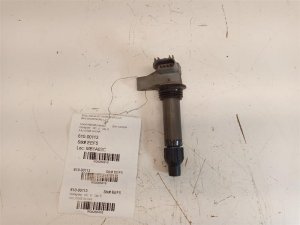
Used OEM Parts in Stock
New Aftermarket Parts Available

The information in this article is provided for general reference and educational purposes only. Vehicle specifications, procedures, and part compatibility can vary by production date, trim level, and region. Always consult your vehicle's factory service manual and verify part numbers before purchasing or performing repairs. Safety-critical components such as airbags, seat belts, and braking systems should be installed by a qualified professional.
- Saturn Outlook:
- 🧭 Diagnostic Flowchart
- 🎬 Helpful Videos
- 🛍️ Shop This Part
- What's Unique About the 2007-2010 Saturn Outlook
- Symptoms You May Notice
- Most Likely Causes
- Rare But Worth Checking
- Diagnosis Steps
- Parts You'll Likely Need
- Related Codes That Often Appear With This One
- Technical Service Bulletins (TSBs) & Recalls
- Platform-Specific Known Issues
- Mechanic-Grade Diagnostic Values
- Hidden / Shadow Codes Worth Checking
- Scan Tool Commands That Help
- Wiring & Ground Locations
- Real Owner Repair Stories
- "I Checked Everything" — The Actual Cause
- When the Usual Fixes Don't Work
- OEM Part Supersession History
- Model Year Variations Within This Range
- Other Known Issues on This Vehicle
- Used vs. New Parts: Buying Guide for This Vehicle
- Real Owner Stories
- 2008 Saturn Outlook 3.6L LY7 V6
- 2009 Chevrolet Traverse 3.6L LLT V6
- 2007-2010 Saturn Outlook 3.6L V6
- Related OBD-II Codes
- Frequently Asked Questions
- 🎟️ Get 5% Off