

P0302 on 2008-2010 Saturn Vue: Cylinder 2 Misfire Causes and Fixes
P0302 means your Saturn Vue has a misfire in cylinder #2. The most common fix is replacing the ignition coil and/or spark plug for that cylinder. This is a straightforward DIY repair, with parts costing between $30 and $100. On V6 models, check for oil in the spark plug tube, as a leaking valve cover gasket is a very common root cause.
- P0302 on a 2008-2010 Saturn Vue is a misfire on cylinder 2, most often caused by a bad ignition coil or spark plug.
- The easiest diagnostic step is to swap the ignition coil from cylinder 2 to another cylinder and see if the trouble code follows.
- On V6 models, if you find oil in the spark plug well, you must replace the valve cover gasket along with the coil and plug to fix the problem permanently.
- Cylinder 2 is on the front bank of V6 engines (near the radiator) and is the second cylinder from the front on 4-cylinder engines, making it relatively easy to access.
- Do not ignore a flashing check engine light, as it signals a severe misfire that can quickly destroy your catalytic converter.
What's Unique About the 2008-2010 Saturn Vue
The 2008-2010 Saturn Vue was offered with three different engines: a 2.4L I4, a 3.5L V6 (Honda-based, less common), and a 3.6L V6 (GM High Feature LY7). While the cause of P0302 is usually a simple ignition component, the location of cylinder #2 and specific failure points vary. On the 2.4L I4, the coils are part of a single cassette that can be a common failure point. On the V6 models, cylinder #2 is on the front bank (near the radiator), making it easier to access than the rear cylinders. However, the 3.5L and 3.6L V6 engines are known for valve cover gasket leaks that can fill the spark plug tubes with oil, ruining the ignition coil and boot. The 3.6L V6 is also infamous for premature timing chain stretching, which can be a more severe cause of misfires.
Symptoms You May Notice
- Rough or shaking idle
- Hesitation or stumbling during acceleration
- Noticeable loss of engine power
- Flashing or solid Check Engine Light
- Reduced fuel economy
- Engine may stall at stops
- Smell of raw gasoline from the exhaust
- Replacing only the ignition coil on a V6 model when the valve cover gasket has leaked oil into the spark plug tube. The new coil will fail quickly if the oil leak is not also fixed.
- Replacing parts without confirming the diagnosis. Swapping components (coils, plugs) between cylinders is a free and effective way to pinpoint the faulty part before spending money.
Most Likely Causes
- Faulty Ignition Coil 🔴 High Probability → Shop Ignition Coil Heat and vibration cause ignition coils to fail over time. On V6 models, leaking valve cover gaskets are extremely common and allow oil to pool in the spark plug tube, which saturates the coil boot and shorts out the coil.
How to confirm: The easiest way is to swap the ignition coil from cylinder #2 with another cylinder (e.g., cylinder #4 on a V6, or #3 on an I4). Clear the codes and drive. If the code changes to P0304 or P0303 respectively, the coil is bad. When you remove the coil, inspect the boot and the spark plug tube for any signs of oil.
Typical fix: Replace the faulty ignition coil. If oil is present in the spark plug tube on a V6, you must also replace the valve cover gasket to prevent repeat failure.
Est. part cost: $40-$90 - Worn or Fouled Spark Plug 🔴 High Probability → Shop Spark Plug
How to confirm: Remove the spark plug from cylinder #2 and inspect it. Look for a worn electrode, heavy carbon or oil fouling, a cracked insulator, or an incorrect gap. If the coil swap test did not isolate the problem, swap the spark plugs next.
Typical fix: Replace the spark plug. It is best practice to replace all spark plugs as a set to ensure even performance, especially if they are near the end of their service life.
Est. part cost: $5-$20 per plug - Clogged or Faulty Fuel Injector 🟡 Medium Probability → Shop Fuel Injector
How to confirm: After ruling out the ignition system, listen to the injector with a mechanic's stethoscope to hear if it's clicking. You can also test its resistance with a multimeter or perform an injector balance test. The most definitive DIY method is to swap the #2 injector with another cylinder's injector to see if the misfire code follows.
Typical fix: Replace the faulty fuel injector. On V6 models, this requires removing the upper intake manifold, so it's wise to replace all injectors or at least the gaskets and seals at the same time.
Est. part cost: $50-$120 - Damaged Wiring Harness ⚪ Low Probability On the V6 models, the engine wiring harness is known to chafe against engine components like brackets and the intake manifold, which can cause an open or short in the injector or coil circuit. GM issued a TSB (PIP4924D) regarding this issue, specifically for injector circuit faults that would cause a misfire.
How to confirm: Visually inspect the wiring harness leading to the cylinder #2 coil and injector. Look for any signs of rubbing, melting, or exposed wires, particularly where the harness contacts the intake manifold or valve covers. Check for continuity using a multimeter if a visual fault is not obvious.
Typical fix: Repair the damaged section of the wire and protect the harness from further chafing using loom or by re-routing it.
Est. part cost: $5-$25 for wiring repair supplies
Rare But Worth Checking
- Low Engine Compression: A mechanical issue like a burnt valve, worn piston rings, or a leaking head gasket can cause a persistent misfire that won't be fixed by replacing fuel or ignition parts. A compression test is needed to confirm this.
- Stretched Timing Chain (3.6L V6): The 3.6L V6 (LY7) engine is known for premature timing chain stretching. While this usually sets other codes like P0016, P0017, or P0008, it can manifest as a misfire on one or more cylinders as the cam/crank timing becomes erratic. This is a major repair.
- Faulty Crankshaft Position Sensor: In some rare cases, an intermittent crankshaft position sensor can fail to correctly detect the crankshaft's speed variation, falsely triggering a misfire code for a specific cylinder when no true misfire is occurring. This is often a diagnosis of last resort after all other causes are eliminated.
Diagnosis Steps
- Read the code with an OBD-II scanner to confirm P0302 and check for any other codes.
- Locate cylinder #2. On the 2.4L I4, it's the second cylinder from the front (belt side). On the 3.5L and 3.6L V6s, it's the front-most cylinder on the bank near the radiator (passenger side).
- Swap the ignition coil from cylinder #2 with the coil from an adjacent, easily accessible cylinder (like #4 on the V6). While the coil is out, inspect the spark plug tube for oil.
- Clear the codes with the scanner, start the engine, and drive until the check engine light returns.
- Scan for codes again. If the code has changed to the cylinder you moved the coil to (e.g., P0304), the ignition coil is faulty and needs to be replaced.
- If the code remains P0302, the coil is likely good. Move on to inspecting the spark plug. Remove the plug from cylinder #2 and check for wear, damage, or fouling. Consider swapping plugs with another cylinder and repeating the test drive.
- If the ignition system seems okay, check the fuel injector circuit. Use a 'noid light' to verify the injector is receiving a pulse signal from the PCM.
- If all ignition and fuel delivery components check out, the issue may be mechanical. Perform a compression test on cylinder #2 to check for internal engine problems.
Parts You'll Likely Need
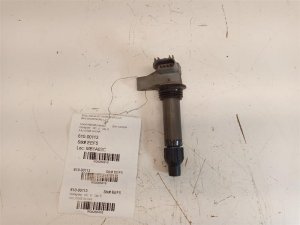
- Ignition Coil
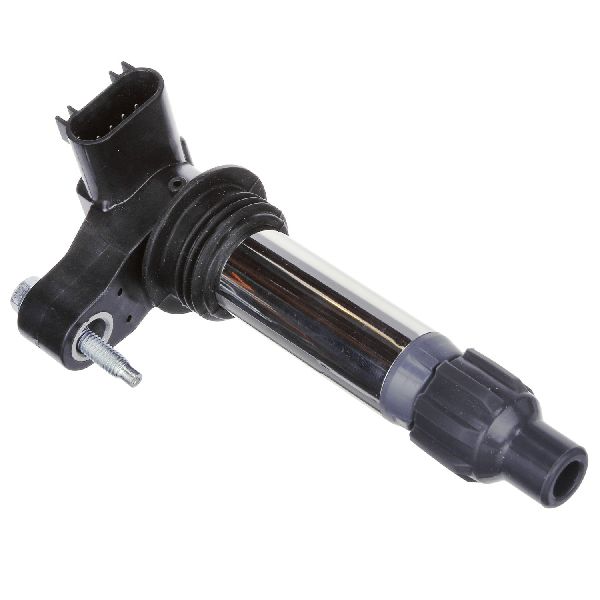
(OEM #ACDelco D515C (GM #12632479) for 3.6L V6)— This is the most common cause of a single-cylinder misfire. Heat, vibration, and oil contamination from leaking valve cover gaskets cause failure.
Trusted brands: ACDelco, Delphi, NGK
OEM price range: $60-$100
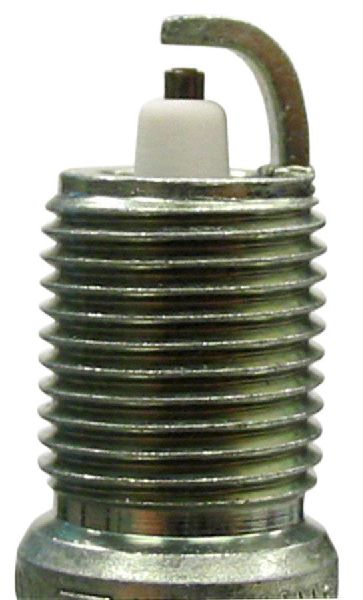
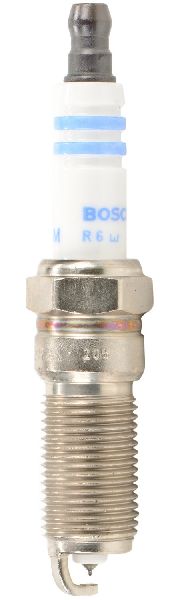
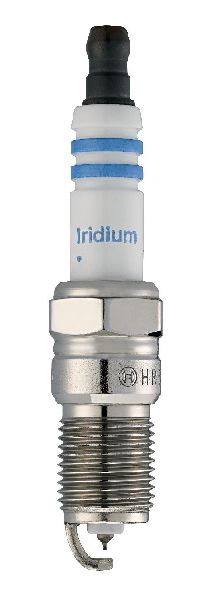
Aftermarket price range: $40-$75 - Spark Plugs
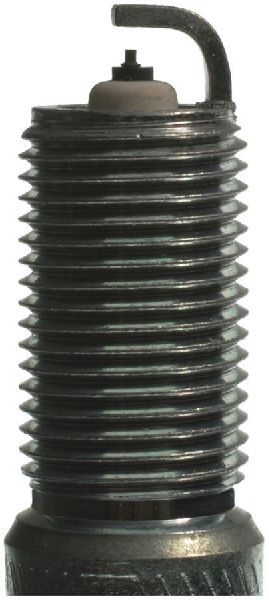
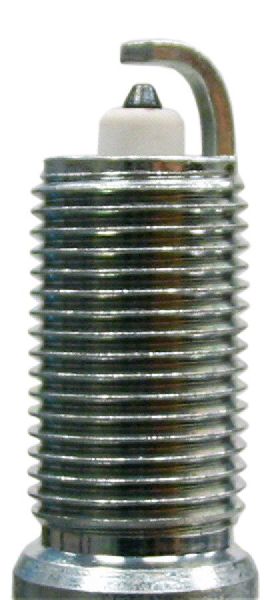
(OEM #ACDelco 41-103 (Iridium) for 3.6L V6)— Spark plugs are a regular maintenance item and a primary cause of misfires as they wear out.
Trusted brands: ACDelco, NGK, Bosch
OEM price range: $10-$18 per plug
Aftermarket price range: $5-$12 per plug - Valve Cover Gasket Kit (V6 Engines)
(OEM #Fel-Pro VS 50726 R (for 3.6L V6))— A very common failure on the V6 models that allows oil to leak into the spark plug tubes, destroying the ignition coils. It's a required companion repair if oil is found. The Fel-Pro kit is a highly-recommended aftermarket option.
Trusted brands: Fel-Pro, ACDelco, Mahle
OEM price range: $70-$120
Aftermarket price range: $30-$60
Related Codes That Often Appear With This One
- P0300 — If the misfire is intermittent or severe, the computer may also log a P0300 (Random Misfire) code before it isolates the problem to cylinder 2.
- P0264 / P0265 — These codes indicate a circuit fault (low or high) for the cylinder 2 fuel injector. If you see one of these alongside P0302, the problem is almost certainly in the injector or its wiring.
- P0016 / P0017 — On the 3.6L V6, seeing these camshaft/crankshaft correlation codes with a P0302 is a strong indicator that a stretched timing chain is the root cause of the misfire.
Technical Service Bulletins (TSBs) & Recalls
- PIP4924D - Mentions wiring harness chafing as a cause for injector circuit codes (like P0264) which directly cause a misfire (P0302).
- 12-06-01-009F - While not directly for P0302, this TSB discusses the availability of updated timing chain kits for the 3.6L V6 to address stretching, which is a known root cause of misfires on this engine.
- Bulletin #PIP5038B - A manufacturer service bulletin notes that technicians may find Diagnostic Trouble Codes P0300 through P0306, along with ignition coil circuit codes P0351 through P0356, and should follow published Service Information diagnostics.
Platform-Specific Known Issues
- On V6 engines, a leaking valve cover gasket is a very common root cause for ignition coil failure and misfire codes. The front cover (where cyl #2 is) is easier to replace than the rear.
- The 3.6L V6 (LY7) engine has a well-documented history of premature timing chain stretch, which can be a more severe cause of misfire codes, often appearing with P0016/P0017.
- The wiring harness on V6 models is susceptible to chafing against engine brackets, which can lead to electrical faults for coils or injectors, as noted in GM TSB #PIP4924D.
Mechanic-Grade Diagnostic Values
- Fuel Injector Resistance (2.4L I4 & 3.5L V6 Port Injection) — expected: 11-17 Ohms. Failure: A reading near zero (short), infinity (open), or a value that differs by more than 1 Ohm from other injectors.
- Fuel Injector Resistance (3.6L V6 LY7 Port Injection) — expected: 10-18 Ohms, with all injectors within 0.5 Ohms of each other.. Failure: An injector with resistance significantly different from the others.
- Fuel Injector Resistance (3.6L V6 LLT Direct Injection, 2009-2010) — expected: 1.5 - 2.5 Ohms. Failure: A reading of infinity (open circuit), zero (short), or significantly outside this range.
- Fuel Pressure (All Engines, Key On, Engine Off) — expected: 52-59 psi (358-405 kPa). Failure: Pressure below this range suggests a weak fuel pump or clogged filter. Pressure that bleeds off quickly points to a leaking injector or faulty check valve.
- 3.6L VVT Camshaft Actuator Solenoid Resistance — expected: 5.0 - 15.0 Ohms. Failure: A reading outside this range indicates a faulty solenoid, which can affect cam timing and cause misfires.
Scan Tool Commands That Help
- GM Tech 2 / GDS2: Active Fuel Injector Test (AFIT) / Fuel Injector Balance Test — To definitively identify a clogged or electrically weak fuel injector that isn't flowing correctly, even if its resistance is within spec. The tool commands a pressure drop and measures the difference for each cylinder.
- GM Tech 2 / GDS2: Misfire History / Misfire Counter — To view historical misfire data for each cylinder, which can help identify an intermittent misfire on cylinder 2 that may not be active at the time of diagnosis.
Wiring & Ground Locations
- G106 (2.4L, 3.5L & 3.6L) — On the engine, at the left front top corner.. This is a primary ground point for the Engine Control Module (ECM) and other critical engine components. A loose or corroded connection here can cause erratic sensor readings and misfires.
- G110 (3.6L) — On the right front corner of the engine.. This ground is for the ignition coils on the front bank (including cylinder #2). A fault here could cause a misfire on cylinder 2, 4, and 6.
- Ignition Coil Ground (Rear Bank) — The ground wire for the rear bank of coils (1,3,5) routes from the coils, up to the middle of the engine by the throttle body, then loops back along the front of the valve covers before grounding near the power steering pump reservoir.. While this specific ground is for the rear bank, a similar dedicated ground exists for the front bank (2,4,6). A user story confirmed this wire can become brittle and break after being disturbed during other repairs (like a valve cover gasket replacement), causing an entire bank of cylinders to misfire.
Real Owner Repair Stories
- Reddit user in r/Saturn_Cars (2008 Saturn Vue 3.6L V6) — Misfires on cylinders 1, 3, and 5 (entire rear bank) with an open circuit code after replacing valve cover gaskets.
❌ Tried (didn't work) Initial checks of fusible links were good. The user confirmed power at the coil connectors but suspected a ground issue.
✅ What actually fixed it The user traced the ground wire for the rear bank of ignition coils and found it had become brittle and broken near the power steering pump reservoir. Repairing the broken ground wire resolved the misfires for the entire bank. - 2CarPros Forum User (2008 Saturn Vue 2.4L, 169,000 miles) — Intermittent P0302 code that appears every 2-3 days and then goes away.
❌ Tried (didn't work) Swapped ignition coils, Replaced spark plugs, Replaced fuel injectors, Replaced exhaust manifold, O2 sensors, intake gaskets, throttle body, cam sensors, knock sensor, crank sensor, MAP, MAF, purge valve, and VVT solenoids.
✅ What actually fixed it The issue was not definitively resolved in the thread, but after replacing nearly every related component, the final diagnosis from the expert was a likely faulty Engine Control Module (ECM). This represents a 'last resort' diagnosis after all other possibilities have been exhausted. - YouTube video description (2007 Saturn Vue (similar platform/engine)) — P0304, P0300, P0302 codes.
❌ Tried (didn't work) Spark plugs changed and gapped, Ignition coils moved (misfire did not follow the coil), Compression test passed, Fuel pressure test passed, Tested for spark at the plug (spark was present)
✅ What actually fixed it The final cause was a bad fuel injector on cylinder #4. This is a valuable story because it shows a case where ignition and compression were confirmed good, isolating the fault to the fuel system. - NHTSA ODI #11098513 — An owner reported that while idling or stationary, the vehicle rumbles and feels like it is tugging backwards, with cylinder 2 misfiring (P0302) repeatedly over a four-year period.
"I Checked Everything" — The Actual Cause
- In cases where a P0302 is accompanied by a high idle or lean codes on other cylinders, and a smoke test reveals no vacuum leaks, the cause can be a failed intake manifold gasket. On some GM engines, the gasket can fail internally, allowing unmetered air to enter a single cylinder's intake runner without creating a general, easily detectable vacuum leak in the manifold plenum.
OEM Part Supersession History
12590990, 12610626, 12618542→ACDelco D515C (GM #12632479)— Consolidation of part numbers and potential design improvements for durability and performance.
Model Year Variations Within This Range
- 2008: The 2008 3.6L V6 is the LY7 engine, which uses a standard multi-port fuel injection system. Diagnostic values for fuel injectors are in the 10-18 Ohm range.
- 2009-2010: The 2009-2010 3.6L V6 is the LLT engine, which uses a high-pressure direct injection system. Diagnostic values for fuel injectors are completely different, with a much lower resistance in the 1.5-2.5 Ohm range. Using the wrong diagnostic spec will lead to misdiagnosis.
Diagnostic Flowchart
Real Owner Stories
Aggregated from forums and TSBs cited above. Mileages and costs reflect what owners reported in those sources.
2008 Saturn Vue
Symptoms: Check engine light with code P0302 for cylinder 2 misfire appears every 2-3 days and then goes away. Owner does not mention feeling the misfire.
What fixed it: The owner suspected a bad ECM, and a consulting mechanic agreed this was likely after the owner had already replaced coils, plugs, injectors, exhaust manifold, O2 sensors, intake gaskets, throttle body, and multiple other sensors. Another mechanic suggested replacing the crank sensor first. Final resolution was pending.
Source hint: 2CarPros forum thread
2009 Saturn Vue 3.6L V6
Symptoms: Owner reported a persistent P0302 code and needed to confirm the exact location of cylinder #2 to begin troubleshooting.
What fixed it: Received professional advice on diagnostic steps, specifically confirming the cylinder location and how to swap ignition components to isolate the fault.
Source hint: BAT Auto Technical thread titled 'Code P0302 on Saturn Vue'
Related OBD-II Codes
Frequently Asked Questions
Does TSB PIP4924D apply to my V6 Saturn Vue with a P0302 code?
Why is there oil in the spark plug tube of cylinder #2 on my 3.5L/3.6L V6 Vue?
Where exactly is cylinder #2 located on the 2008-2010 Saturn Vue?
Could a timing chain issue cause a P0302 on my 3.6L Vue?
How hard is it to replace a fuel injector for cylinder #2 on the V6 Vue?
Used OEM Parts in Stock
New Aftermarket Parts Available

The information in this article is provided for general reference and educational purposes only. Vehicle specifications, procedures, and part compatibility can vary by production date, trim level, and region. Always consult your vehicle's factory service manual and verify part numbers before purchasing or performing repairs. Safety-critical components such as airbags, seat belts, and braking systems should be installed by a qualified professional.
- Saturn Vue:
- 🧭 Diagnostic Flowchart
- 🛍️ Shop This Part
- What's Unique About the 2008-2010 Saturn Vue
- Symptoms You May Notice
- Most Likely Causes
- Rare But Worth Checking
- Diagnosis Steps
- Parts You'll Likely Need
- Related Codes That Often Appear With This One
- Technical Service Bulletins (TSBs) & Recalls
- Platform-Specific Known Issues
- Mechanic-Grade Diagnostic Values
- Scan Tool Commands That Help
- Wiring & Ground Locations
- Real Owner Repair Stories
- "I Checked Everything" — The Actual Cause
- OEM Part Supersession History
- Model Year Variations Within This Range
- Real Owner Stories
- 2008 Saturn Vue
- 2009 Saturn Vue 3.6L V6
- Related OBD-II Codes
- Frequently Asked Questions
- 🎟️ Get 5% Off