

P0302 on 2010-2012 Subaru Outback 2.5L: Cylinder 2 Misfire Causes and Fixes
Code P0302 on a 2010-2012 Subaru Outback most often means you need new spark plugs and possibly a new spark plug wire for cylinder #2. A full tune-up with OEM-quality (Subaru or NGK) parts is the best approach. While you're there, check for oil in the spark plug tube, which indicates a leaking valve cover gasket. Expect to pay around $75-$150 for parts for a DIY fix.
- P0302 on this Outback points to a misfire on the front, driver's-side cylinder.
- The most likely cause is a worn spark plug or a bad spark plug wire. Always replace plugs and wires as a complete set.
- Accessing the spark plugs is the hardest part of the job; the battery must be removed to reach cylinder 2.
- A simple 'swap test' by moving the plug and wire from cylinder 2 to cylinder 4 can help you diagnose the problem for free.
- If the check engine light is flashing, pull over and stop driving to prevent catastrophic damage to your catalytic converter.
What's Unique About the 2010-2012 Subaru Outback
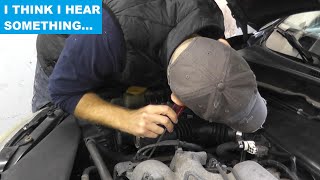
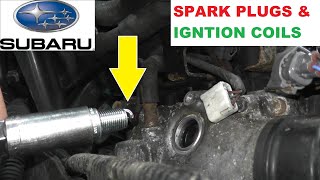
The 2010-2012 Outback uses the EJ253 engine, which has a single ignition coil pack and spark plug wires, unlike newer models with coil-on-plug systems. The boxer engine design places the spark plugs on the sides of the engine, making them more difficult to access than on an inline or V-engine. 🎬 Watch: A complete walkthrough of the spark plug and coil replacement. While the ignition system is generally reliable, the EJ series engines have a known history of potential head gasket issues, which can be a rare but serious cause of misfires.
Symptoms You May Notice
- Rough or shaky idle
- Hesitation or stumbling during acceleration
- Flashing or solid Check Engine Light
- Noticeable loss of engine power
- Reduced fuel economy
- Unusual smell from the exhaust (like gasoline or rotten eggs)
- Replacing only the ignition coil when the spark plugs or wires are the actual problem.
- Replacing oxygen sensors, which are unlikely to cause a single-cylinder misfire.
- Assuming a major mechanical failure like a burnt valve before thoroughly testing the much more common ignition system components.
Most Likely Causes
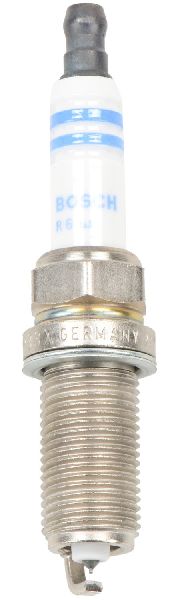
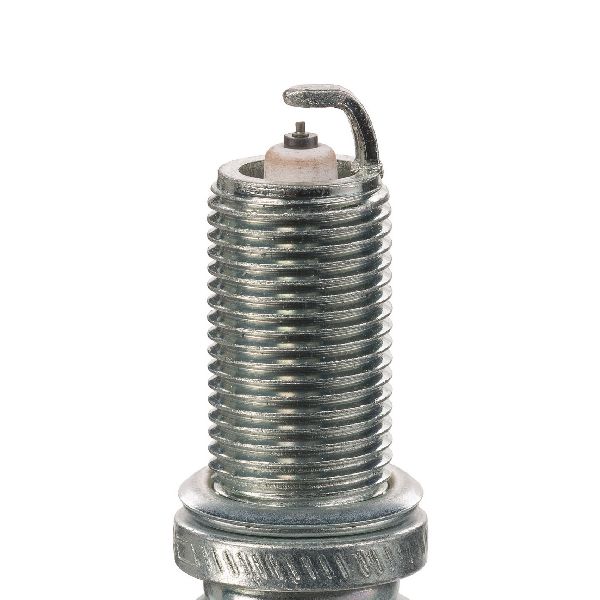
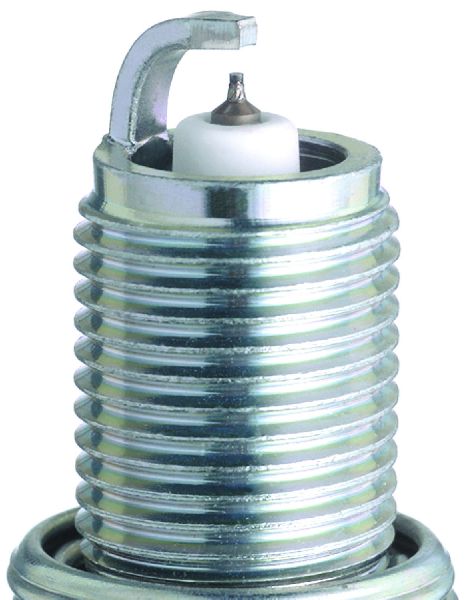
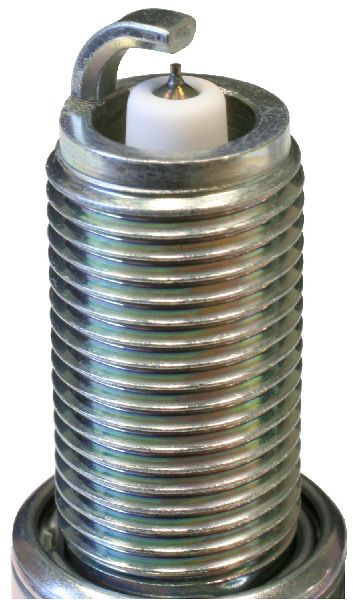
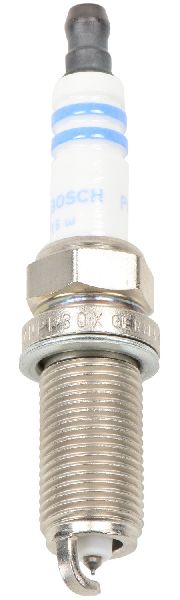
- Worn or Fouled Spark Plugs 🔴 High Probability → Shop Spark Plug Spark plugs are a standard maintenance item with a typical service life of 60,000 miles. Due to the labor involved in changing them on a boxer engine, replacement is sometimes delayed. Furthermore, leaking spark plug tube seals can foul the plugs with oil, causing a misfire.
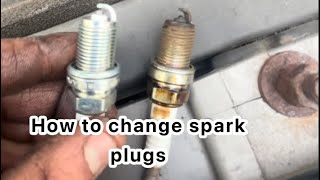
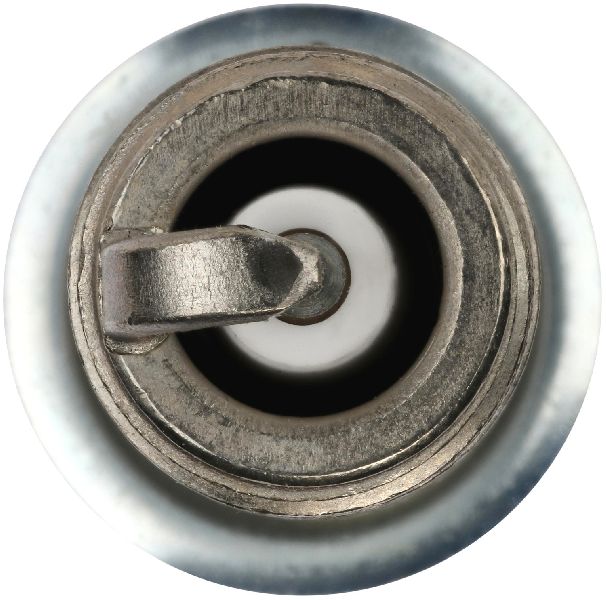
How to confirm: Remove the spark plug from cylinder 2 and inspect it. Look for a worn electrode, heavy carbon deposits, or oil/coolant contamination. Oil on the threads and porcelain is a tell-tale sign of a leaking spark plug tube seal.
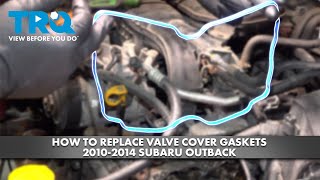
Typical fix: Replace all four spark plugs as a set. If oil was present, you must also replace the valve cover gasket and spark plug tube seals. 🎬 See how to replace the valve cover gaskets and tube seals.
Est. part cost: $40-$80 - Faulty Spark Plug Wire 🟡 Medium Probability → Shop Spark Plug The spark plug wires are subjected to high heat and can degrade over time, causing weak or intermittent spark. Forums strongly recommend using only OEM or NGK wire sets, as the EJ253 is sensitive to wire quality.
How to confirm: Swap the spark plug wire from cylinder 2 with the wire from cylinder 4 (the rear cylinder on the same side). Clear the codes and drive. If the code changes to P0304, the wire is bad.
Typical fix: Replace the spark plug wires as a complete set. It is best practice to do this at the same time as the spark plugs.
Est. part cost: $50-$90 - Failing Ignition Coil Pack 🟡 Medium Probability → Shop Ignition Coil
How to confirm: After ruling out plugs and wires, the coil is the next suspect. Since it's a single pack, you can test it by swapping the output terminals for cylinders 2 and 4. 🎬 Watch: How to diagnose a Subaru misfire with one simple tool. If the misfire moves from P0302 to P0304, the coil pack is faulty. Hairline cracks in the coil can also cause misfires in humid conditions.
Typical fix: Replace the single ignition coil pack.
Est. part cost: $100-$200 - Clogged or Faulty Fuel Injector ⚪ Low Probability → Shop Fuel Injector
How to confirm: If ignition components are confirmed good, the fuel injector is a possible cause. Use a mechanic's stethoscope or a long screwdriver to listen for a consistent clicking sound from the injector. You can also swap the cylinder 2 injector with another cylinder's injector to see if the misfire code follows.
Typical fix: Replace the faulty fuel injector. It's often recommended to replace them as a set if they are original and high-mileage.
Est. part cost: $70-$150 per injector
Rare But Worth Checking
- Leaking Head Gasket: The EJ25 engine family is notorious for head gasket failures. The SOHC EJ253 version in this Outback typically develops external oil and coolant leaks, but an internal failure can allow coolant into the cylinder, fouling the spark plug and causing a misfire. Check for unexplained coolant loss, engine overheating, or milky-looking engine oil.
- Low Cylinder Compression: A burnt exhaust valve or worn piston rings can cause a loss of compression, leading to a misfire. A compression test is needed to diagnose this mechanical engine issue. One owner reported zero compression in a cylinder due to a damaged piston ring.
- Vacuum Leak: A leak in a vacuum hose or intake manifold gasket can lean out the air-fuel mixture. While this often causes multiple or random misfires (P0300), a leak localized near the cylinder 2 intake runner could cause a P0302. A Reddit user reported their fix was a combination of plugs, wires, and a dry-rotted vacuum hose.
Diagnosis Steps
- Read the code with an OBD-II scanner. Note if the Check Engine Light is flashing, which indicates a severe, catalyst-damaging misfire.
- Access the driver's side of the engine. For cylinder 2 (front) and 4 (rear), you will likely need to remove the air intake box assembly for adequate access.
- Inspect the spark plug wire for cylinder 2 for any visible damage, corrosion, or loose fitment.
- Perform a 'swap test': Exchange the spark plug wire from cylinder 2 with the one from cylinder 4. Clear the codes and run the engine. If the code changes to P0304, the wire is faulty.
- If the code remains P0302, remove the spark plug from cylinder 2. Inspect it for wear, fouling, or damage. Also, check inside the spark plug tube for the presence of engine oil, which indicates a leaking tube seal.
- If the plug looks bad, replace all four plugs. If it looks okay, swap the plug from cylinder 2 with the one from cylinder 4. If the code moves to P0304, the spark plug was the issue.
- If the misfire is still on cylinder 2, the ignition coil pack is the next likely culprit. You can test it by swapping the connections for cylinders 2 and 4 at the coil pack. If the misfire moves to P0304, replace the coil.
- If spark is strong and consistent, investigate the fuel system. Listen for the cylinder 2 fuel injector clicking. If possible, swap it with another injector to see if the misfire moves.
- If all ignition and fuel components are good, perform a cylinder compression test to check for mechanical engine problems like a bad valve or head gasket leak.
Parts You'll Likely Need
- Spark Plugs (Set of 4)
(OEM #22401AA781)— Spark plugs are the most common failure point for a misfire and should be replaced every 60,000 miles. It is critical to use the specified NGK Iridium plugs and replace them as a full set.
Trusted brands: NGK (OEM), Denso
OEM price range: $20-$30 per plug
Aftermarket price range: $10-$20 per plug - Spark Plug Wire Set
(OEM #22451AA841 (Full Set))— Wires degrade over time, causing weak spark. Owner forums consistently report that EJ engines are sensitive to wire quality, and only OEM or NGK sets should be used to ensure a lasting repair.
Trusted brands: NGK (OEM supplier), Subaru (Genuine)
OEM price range: $80-$120
Aftermarket price range: $50-$90 - Ignition Coil Pack
(OEM #22433AA621)— This single coil provides spark for all four cylinders. If one internal circuit fails, it can cause a misfire on one or two cylinders. It's the next most likely cause after plugs and wires.
Trusted brands: Diamond (OEM supplier), Delphi, NGK
OEM price range: $130-$200
Aftermarket price range: $90-$150 - Valve Cover Gasket Kit (with tube seals)
(OEM #13294AA070 (Gasket), 13271AA071 (Tube Seal))— Frequently needed if oil is found in the spark plug tubes during diagnosis. The seals harden over time and leak oil onto the plugs, causing misfires. Must be replaced to solve the root cause.
Trusted brands: Fel-Pro, Subaru (Genuine)
OEM price range: $60-$100 (for one side)
Aftermarket price range: $30-$50 (for one side)
Related Codes That Often Appear With This One
- P0300 — If the misfire is intermittent or affects other cylinders, a P0300 (Random/Multiple Cylinder Misfire) may appear alongside P0302.
- P0304 — Cylinder 4 is on the same bank (driver's side) as cylinder 2. A problem affecting that side of the engine, like a localized vacuum leak or an issue with one half of the coil pack, could cause both codes to appear.
- P0420 — If the vehicle is driven for an extended period with a misfire, unburned fuel can overheat and damage the catalytic converter, triggering a P0420 (Catalyst System Efficiency Below Threshold) code.
Technical Service Bulletins (TSBs) & Recalls
- TSB 16-90-13R: Announces a countermeasure torque converter to address stalling/low RPM at stops on 2010-2012 models, a known platform issue.
- TSB 11-130-13R: Addresses misfire DTCs on some Subaru models due to camshaft position sensor clearance, though primarily for the 2013+ FB engine, it shows manufacturer procedures for diagnosing misfires.
- Subaru CVT Warranty Extension (related to TSB 16-107-17): Extends the warranty on the CVT to 10 years/100,000 miles due to performance complaints, including shuddering which can sometimes be mistaken for a misfire.
Platform-Specific Known Issues
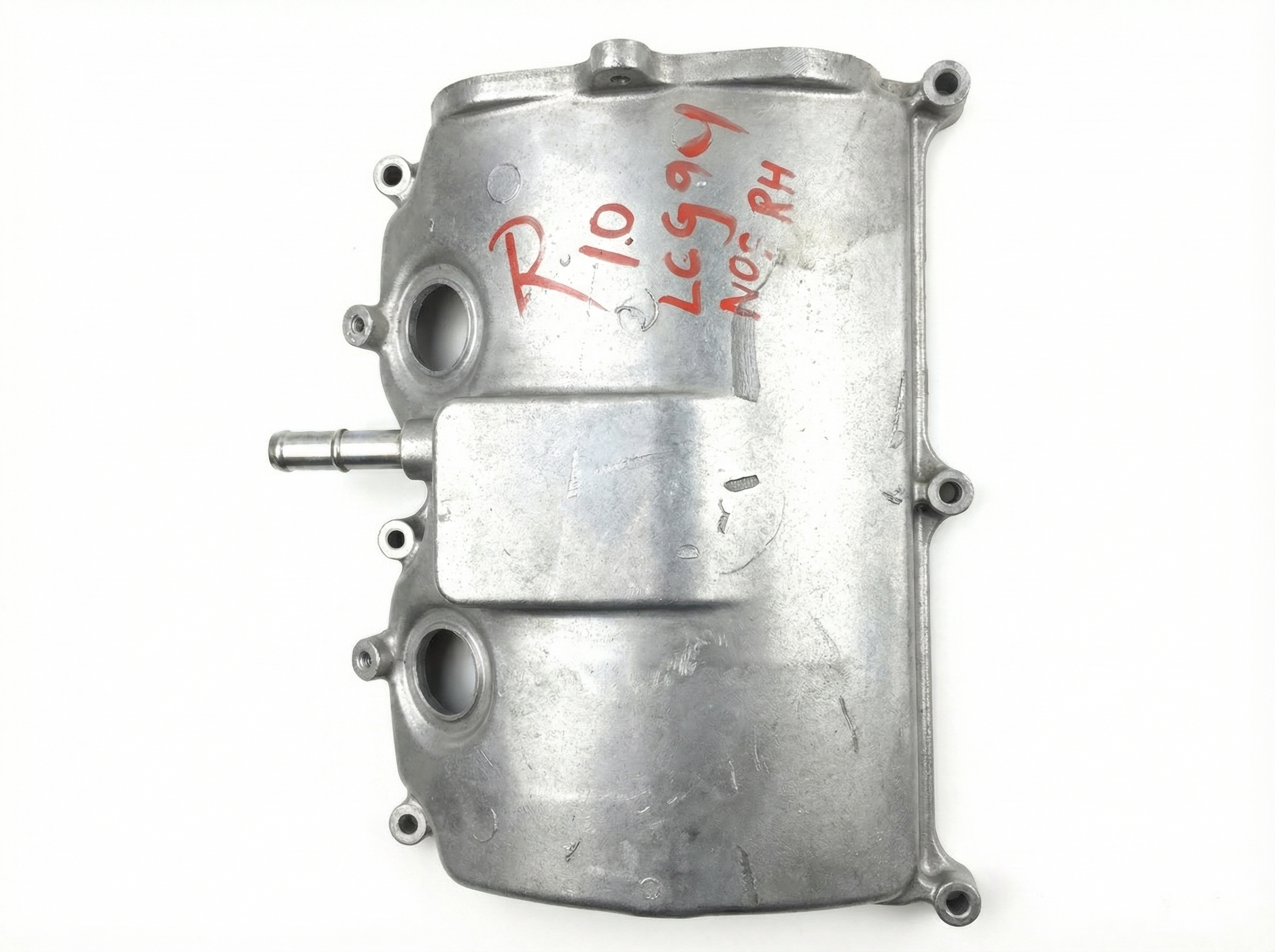
- Oil in Spark Plug Tubes: → Shop Spark Plug A very common issue is finding oil bathing the spark plug when you pull the coil or wire. This is caused by a failed spark plug tube seal, which is part of the valve cover gasket assembly. If oil is present, the misfire will likely return until the valve cover gaskets and seals are replaced. This should be done as a set for the entire valve cover.
- Sensitivity to Ignition Part Quality: The EJ253 engine is known to be sensitive to the quality of its ignition components. Many owners report that using aftermarket spark plugs or wires, other than the OEM-supplier brands like NGK, can lead to persistent, hard-to-diagnose misfires even when the parts are new.
Mechanic-Grade Diagnostic Values
- Ignition Coil Secondary Resistance — expected: 9.5 kΩ - 12.9 kΩ. Failure: A reading outside of this range indicates a faulty coil winding.
- Spark Plug Wire Resistance (Cylinder 2) — expected: 8.0 kΩ - 20.0 kΩ. Failure: A reading significantly outside this range, or showing infinite resistance (open circuit), means the wire is bad.
- Fuel Injector Resistance — expected: Approximately 10 Ω - 18 Ω (when tested cold). All injectors should measure within 0.5 Ω of each other.. Failure: An injector with a resistance reading significantly different from the others is likely faulty.
- SOHC Valve Lash / Clearance (Cold Engine) — expected: Intake: 0.20 mm (0.0079 in) | Exhaust: 0.25 mm (0.0098 in). Failure: Clearance that is too tight (especially on the exhaust side) can cause a valve not to seal properly when hot, leading to a loss of compression and a misfire.
Hidden / Shadow Codes Worth Checking
- Live Misfire Count Data: While not a 'code', professional scan tools like the Subaru Select Monitor (SSM) can display a live counter of misfire events for each individual cylinder. This is invaluable for confirming that cylinder 2 is the consistent problem and for seeing if the misfire occurs at idle, under load, or only when warm. (see via Subaru Select Monitor (SSM) III or IV, or high-end professional scan tools with Subaru-specific software.)
Scan Tool Commands That Help
- Subaru Select Monitor (SSM): Current Data Display & Save — Use this function to monitor and record live engine data, including the specific misfire count for each cylinder. This helps confirm the P0302 is an active fault and determines the conditions (RPM, load, temperature) under which it occurs.
- Subaru Select Monitor (SSM): System Test / Actuator Test — After ruling out spark, this can be used to command components like the fuel pump to run or potentially cycle individual fuel injectors (on supported models) to help isolate a fuel delivery problem without extensive disassembly.
Wiring & Ground Locations
- Main Engine Harness Grounds — Two ground lugs bolted to the top of the engine block, underneath the intake manifold.. These grounds are for the main engine wiring loom, which includes circuits for the fuel injectors and various sensors. A poor connection here can cause erratic injector behavior or sensor readings, leading to misfires.
- ECM (Engine Control Module) — Behind the dashboard on the right (passenger) side of the vehicle.. Knowing the ECM location is critical for advanced diagnosis, such as checking for signal continuity from the ignition coil or cylinder 2 fuel injector at the computer's connector pins.
- GB-5 Ground — Located in the right kick panel area, near the passenger's feet.. This is a major chassis ground point. While less likely to cause a single-cylinder misfire, corrosion here can lead to various strange electrical issues that can be misdiagnosed.
Real Owner Repair Stories
- Reddit user ItsMylesNotMiles (2003 Subaru Baja (with EJ25 SOHC engine, similar architecture)) — After a head gasket replacement, the engine ran well for 30 minutes, then died on a test drive. Would only restart with throttle input and idled very poorly.
❌ Tried (didn't work) Re-timing the engine (thinking it jumped a tooth), Multiple vacuum leak checks
✅ What actually fixed it The EGR valve was stuck open. After manually freeing the plunger, the engine idled smoothly. The issue presented like a severe misfire but was caused by the faulty EGR. - Forum user Crackerman (Subaru with EJ25 engine) — Engine acts as if it hits a rev-limiter at 4,000 RPM, accompanied by a P0028 code (Intake Valve Control Solenoid Circuit Range/Performance Bank 1).
❌ Tried (didn't work) Initially suspected the VVT (AVCS) solenoid as per the code definition.
✅ What actually fixed it The problem was resolved by replacing the oil pressure sensor. A faulty sensor was providing incorrect data, leading to the misleading code and symptoms.
"I Checked Everything" — The Actual Cause
- In one documented case on an EJ25 engine, a severe rough idle and stalling that mimicked a misfire was not caused by a vacuum leak (which a smoke test would find) or an ignition/fuel issue. The root cause was a stuck-open EGR valve, which allowed exhaust gas to flood the intake at idle, disrupting combustion.
When the Usual Fixes Don't Work
- While P0302 on this vehicle is overwhelmingly caused by the ignition system (plugs, wires, coil), there are documented cases where the final solution was unrelated. One owner fixed severe misfire-like symptoms by freeing a stuck EGR valve. Another resolved a high-RPM hesitation issue, which could be mistaken for a misfire under load, by replacing a faulty oil pressure sensor that was triggering a misleading VVT system code. These cases highlight the need to consider secondary inputs and mechanical systems if standard ignition and fuel system diagnostics do not resolve the issue.
OEM Part Supersession History
22433AA620→22433AA621— Standard part revision/update by the manufacturer.
Model Year Variations Within This Range
- 2010-2012: No significant variations affecting the diagnosis of P0302 are documented within this specific model year range for the EJ253 engine. The primary change occurred in 2013 with the introduction of the FB25 engine, which uses a different ignition system.
Diagnostic Flowchart
Other Known Issues on This Vehicle
Issues unrelated to this code that are worth knowing about as an owner of this generation:
- CVT Transmission Shudder / Stalling at Stop 🔴 High — Common enough to warrant a warranty extension. Can occur at any mileage but often reported between 60k-120k miles. (Ref: TSB 16-90-13R; Warranty Extension to 10 years/100,000 miles.)
- Head Gasket Failure (External Leaks) 🔴 High — A notorious issue for the EJ engine family. The SOHC EJ253 typically develops external oil or coolant leaks between 100k-150k miles.
- Excessive Oil Consumption 🟠 Medium — More prevalent in the 2013+ FB engine, but some EJ253 owners also report higher-than-average oil consumption, often linked to aging piston rings or valve seals.
- Steering Wheel Vibration or 'Shimmy' 🟡 Low — A noticeable vibration in the steering wheel at highway speeds was a common complaint on 2010-2011 models. (Ref: TSB 05-48-10)
- Leaking Spark Plug Tube Seals 🟠 Medium → Shop Spark Plug — The seals integrated into the valve cover gasket can harden and leak oil into the spark plug tubes, fouling the plugs and causing misfires. Often discovered during spark plug changes.
Used vs. New Parts: Buying Guide for This Vehicle
When a used part is the smart pick: For this repair, obtaining a used ignition coil from a reputable auto recycler with a known low-mileage donor vehicle can be a cost-effective option. Mechanical components like engine brackets or fasteners, if needed during the repair, are also excellent candidates for used parts.
Donor-vehicle mileage cap: roughly under 75000 miles for the part to have meaningful remaining life.
What to inspect on the donor part:
- For an ignition coil, check for a clean housing with no cracks, arcing marks, or corrosion on the terminals.
- Ask the recycler for the VIN or mileage of the donor car to verify it's a low-mileage part.
- Ensure the part comes with at least a 30-day warranty.
OEM-only on this vehicle (don't cheap out):
- Spark Plugs
- Spark Plug Wires
Aftermarket brands forum-validated for this vehicle:
- NGK (for spark plugs and wires - also an OEM supplier)
- Diamond (for ignition coils - also an OEM supplier)
- Fel-Pro (for valve cover and intake gaskets)
- Denso (for sensors)
Brands owners have reported issues with on this vehicle:
- Unbranded, 'white-box' ignition coils and spark plug wire sets from online marketplaces are frequently reported to fail prematurely or cause performance issues out of the box on EJ-series engines.
Real Owner Stories
Aggregated from forums and TSBs cited above. Mileages and costs reflect what owners reported in those sources.
2010-2012 Subaru Outback 2.5L
Symptoms: The car was stalling and experiencing low RPM at stops.
What fixed it: Installation of a countermeasure torque converter as described in TSB 16-90-13R.
Source hint: TSB 16-90-13R
2011 Subaru Outback 2.5L EJ253 — ~120000 miles
Symptoms: A shop misdiagnosed the issue as a burnt valve after the owner experienced misfire symptoms.
What fixed it: Replacing the spark plugs and spark plug wires at a dealership.
Source hint: Reddit r/MechanicAdvice
2010 Subaru Outback 2.5L
Symptoms: P0302 code along with a suspected vacuum leak.
What fixed it: A combination of new spark plugs, wires, and replacing a dry-rotted vacuum hose.
Source hint: Reddit r/subaru
2010-2012 Subaru Outback 2.5L — ~85000 miles
Symptoms: Shuddering during operation that felt like a misfire.
What fixed it: Repaired under the Subaru CVT Warranty Extension (related to TSB 16-107-17).
Source hint: Subaru CVT Warranty Extension (related to TSB 16-107-17)
Related OBD-II Codes
Frequently Asked Questions
I'm feeling a shuddering sensation in my 2011 Outback; could this be the P0302 misfire or something else?
Can I use any brand of spark plug wires to fix the P0302 code on my EJ253 engine?
Why is there oil on my spark plugs when I pull them out to diagnose the misfire?
Is it true I have to remove the battery and airbox just to check the cylinder 2 spark plug?
Does TSB 11-130-13R apply to my 2011 Outback's misfire?
My mechanic says I have a burnt valve, but I only have a P0302 code. Is this common?
Helpful Videos
Used OEM Parts in Stock
New Aftermarket Parts Available

The information in this article is provided for general reference and educational purposes only. Vehicle specifications, procedures, and part compatibility can vary by production date, trim level, and region. Always consult your vehicle's factory service manual and verify part numbers before purchasing or performing repairs. Safety-critical components such as airbags, seat belts, and braking systems should be installed by a qualified professional.
- Subaru Outback:
- 🧭 Diagnostic Flowchart
- 🎬 Helpful Videos
- 🛍️ Shop This Part
- What's Unique About the 2010-2012 Subaru Outback
- Symptoms You May Notice
- Most Likely Causes
- Rare But Worth Checking
- Diagnosis Steps
- Parts You'll Likely Need
- Related Codes That Often Appear With This One
- Technical Service Bulletins (TSBs) & Recalls
- Platform-Specific Known Issues
- Mechanic-Grade Diagnostic Values
- Hidden / Shadow Codes Worth Checking
- Scan Tool Commands That Help
- Wiring & Ground Locations
- Real Owner Repair Stories
- "I Checked Everything" — The Actual Cause
- When the Usual Fixes Don't Work
- OEM Part Supersession History
- Model Year Variations Within This Range
- Other Known Issues on This Vehicle
- Used vs. New Parts: Buying Guide for This Vehicle
- Real Owner Stories
- 2010-2012 Subaru Outback 2.5L
- 2011 Subaru Outback 2.5L EJ253 — ~120000 miles
- 2010 Subaru Outback 2.5L
- 2010-2012 Subaru Outback 2.5L — ~85000 miles
- Related OBD-II Codes
- Frequently Asked Questions
- 🎟️ Get 5% Off