

P0302 on 2014-2019 Toyota Highlander: Cylinder 2 Misfire Causes and Fixes
P0302 on a Toyota Highlander most often means a bad ignition coil on cylinder #2. It's a simple DIY fix costing $60-$110 for the part. Swapping the coil with another cylinder is a free and effective way to confirm the diagnosis. On Hybrid models, a known water leak into an electrical connector is also a strong possibility.
- P0302 means cylinder #2 is misfiring.
- The most likely culprit is a bad ignition coil, which can be diagnosed for free by swapping it with another cylinder.
- Cylinder #2 is on the front bank (near the radiator), on the driver's side.
- If you have a Highlander Hybrid, check the A43 ECM connector for corrosion as per Toyota TSBs.
- Driving with a flashing check engine light can damage your catalytic converter, leading to a much more expensive repair.
What's Unique About the 2014-2019 Toyota HIGHLANDER

The 2014-2019 Highlander is part of the highly regarded third generation, known for its reliable 2GR engine family. While standard ignition-related causes are most common for a P0302, Highlander Hybrid models have a documented history of this code appearing due to corrosion in a specific electrical connector, as noted in Toyota's own Technical Service Bulletins (TSBs). This makes checking for water intrusion a unique and critical diagnostic step on hybrid variants, often caused by a leaking A/C evaporator drain tube.
Diagnostic Flowchart

Tap your situation to follow the diagnostic path that matches what you're seeing on this vehicle.
Symptoms You May Notice
- Rough idle or shaking, especially at a stop
- Hesitation or stumbling during acceleration
- Flashing Check Engine Light, particularly under load or when accelerating
- Noticeable loss of engine power
- A smell of raw gasoline from the exhaust
- Decrease in fuel economy
- Replacing all spark plugs and coils without first confirming the faulty component. The coil-swap test is a free diagnostic step that can save hundreds of dollars in unnecessary parts.
- Assuming the cause is ignition-related on a Hybrid model without first checking the ECM connector for the water damage specified in TSBs.
Most Likely Causes


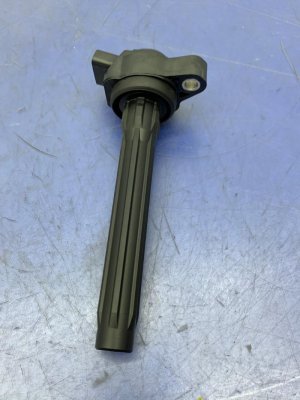
- Faulty Ignition Coil 🔴 High Probability → Shop Ignition Coil Coil-on-plug systems are common failure points on most modern engines as they age. Heat cycles and vibration eventually cause the internal windings to fail. This is the most frequently reported cause by Highlander and platform-mate owners.
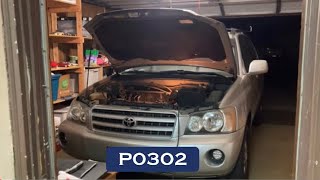
How to confirm: Swap the ignition coil from cylinder #2 with an adjacent, easily accessible cylinder (like #4 or #6 on the front bank). Clear the codes. If the misfire code changes to the cylinder you moved the coil to (e.g., P0304 or P0306), the coil is bad. This is a proven, no-cost diagnostic step. 🎬 Watch: How to diagnose and fix a P0302 misfire code.
Typical fix: Replace the faulty ignition coil. It is highly recommended to use an OEM or Denso brand coil, as owners report issues with cheaper aftermarket alternatives.
Est. part cost: $60 - $110 - Worn or Fouled Spark Plug 🟡 Medium Probability → Shop Spark Plug
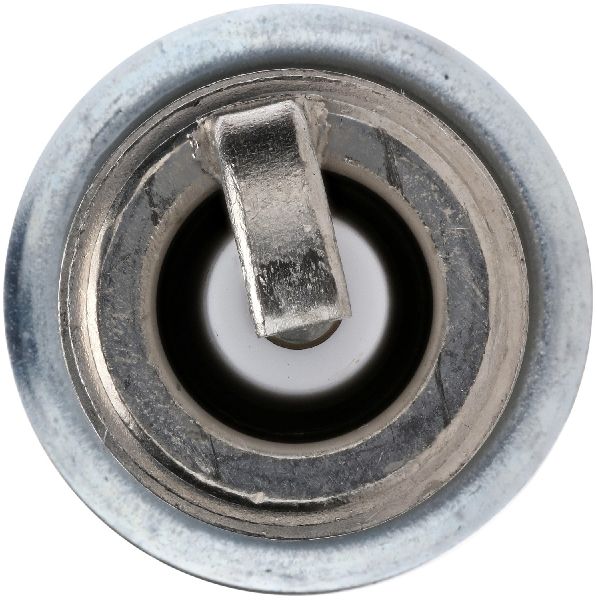
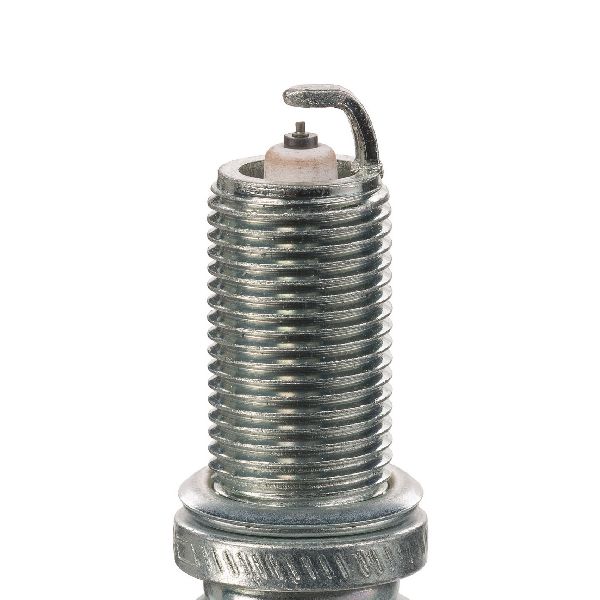
How to confirm: After confirming the coil is good, remove the spark plug from cylinder #2. Inspect it for wear (rounded electrode), oil fouling, carbon buildup, or a cracked insulator. Compare it to a new plug. The service interval for the original iridium plugs is typically 100,000-120,000 miles.
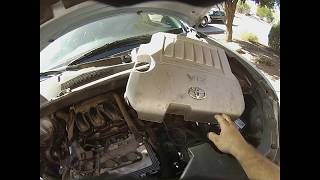
Typical fix: Replace the spark plug. If one is worn, it is best practice to replace all plugs on that bank, or all six, especially if they are near or past their service life. 🎬 See this walkthrough for replacing spark plugs on the 2GR engine.
Est. part cost: $10 - $25 per plug - Corroded ECM Connector (Hybrid Models) 🟡 Medium Probability As cited in Toyota TSBs T-SB-0072-19 and T-TT-0462-17, some Highlander Hybrids can experience water intrusion into the A43 ECM connector, causing corrosion and a variety of DTCs, including P0302. This is often caused by water from the A/C evaporator drain tube dripping onto the harness.
How to confirm: Visually inspect the A43 ECM connector, located behind the glove box, for any signs of green or white corrosion, moisture, or pin damage.
Typical fix: Clean the connector and pins with a specialized electrical contact cleaner if corrosion is minor. If damage is severe, the connector or wiring harness may need to be repaired or replaced by a professional. The source of the leak must also be addressed.
Est. part cost: $5 (for cleaner) - $500+ (for harness repair) - Clogged or Faulty Fuel Injector ⚪ Low Probability → Shop Fuel Injector
How to confirm: This is more complex. A professional can perform a fuel injector balance test. A DIY method is to listen to the injector with a mechanic's stethoscope; it should have a consistent clicking sound. You can also swap the injector with another cylinder, but this is a much more involved job than swapping a coil.
Typical fix: First, try a high-quality fuel system cleaner (like Techron or Red Line). If that fails, replace the faulty fuel injector.
Est. part cost: $70 - $150
Rare But Worth Checking
- Rodent Damage to Wiring: Rodents can chew through the wiring harness leading to the ignition coil or fuel injector. This is sometimes visible upon inspection of the engine bay, with signs of nesting material or chewed plastic on the engine cover.
- Low Engine Compression: Internal engine issues like a burnt valve, worn piston rings, or a leaking head gasket can cause a misfire. A compression test is needed to diagnose this. This is uncommon on the well-regarded 2GR engine family but is a possibility on very high mileage engines.
- Intake Valve Carbon Buildup: The 2017-2019 models with the 2GR-FKS engine use direct injection, which can be prone to carbon buildup on the back of the intake valves over time. This can disrupt airflow into cylinder #2 and cause a misfire. This typically occurs at higher mileage (100k+ miles) and may require professional walnut shell blasting to clean.
Diagnosis Steps
- Read the code with an OBD-II scanner to confirm P0302 and check for any other codes.
- Identify Cylinder #2. On the 3.5L V6, the engine is mounted transversely. Bank 1 is the bank of cylinders against the firewall. Bank 2 is the bank closest to the radiator. The cylinders on Bank 2 (front) are, from passenger side to driver's side: 6, 4, 2. Cylinder #2 is the one closest to the driver's side on the front bank and is easily accessible.
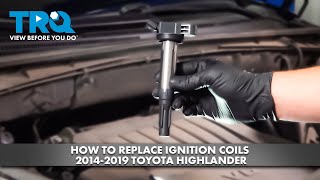
- Perform the 'Ignition Coil Swap Test'. Swap the ignition coil from cylinder #2 with the coil from cylinder #4 (middle cylinder, front bank). This is a simple procedure involving a single 10mm bolt per coil. 🎬 Watch: A step-by-step guide to replacing your ignition coils.
- Clear the codes using the scanner and test drive the vehicle until the check engine light returns.
- Re-scan for codes. If the code is now P0304, the ignition coil is the confirmed problem. Purchase and install a new coil in cylinder #2.
- If the code remains P0302, the coil is likely good. Proceed to inspect the spark plug in cylinder #2. Look for wear, damage, or fouling. Replace if necessary.
- If the plug and coil are good, the issue may be with the fuel injector or wiring. Listen for a steady clicking from the injector with a stethoscope. Check the wiring harness for any visible damage, especially from rodents.
- For Hybrid models, specifically inspect the A43 ECM connector behind the glovebox for any signs of water damage or corrosion, as specified in TSBs T-SB-0072-19 and T-TT-0462-17.
- If the cause is still not found, consider a professional diagnosis, which may include a fuel injector balance test, a compression test, or checking for vacuum leaks.
Parts You'll Likely Need
- Ignition Coil
(OEM #90919-A2007 (or superseded part number, verify with VIN))— This is the most frequent cause of a single-cylinder misfire on modern engines. Part numbers can be superseded (e.g., 90919-A2002 may be replaced by 90919-A2013), so it's best to confirm with a dealer or parts supplier using your VIN.
Trusted brands: Denso (OEM), NGK, Delphi
OEM price range: $90 - $140
Aftermarket price range: $50 - $90 - Iridium Spark Plug
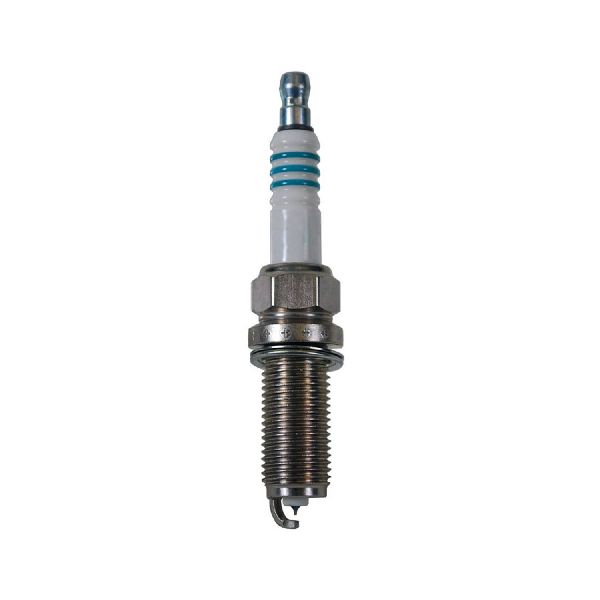
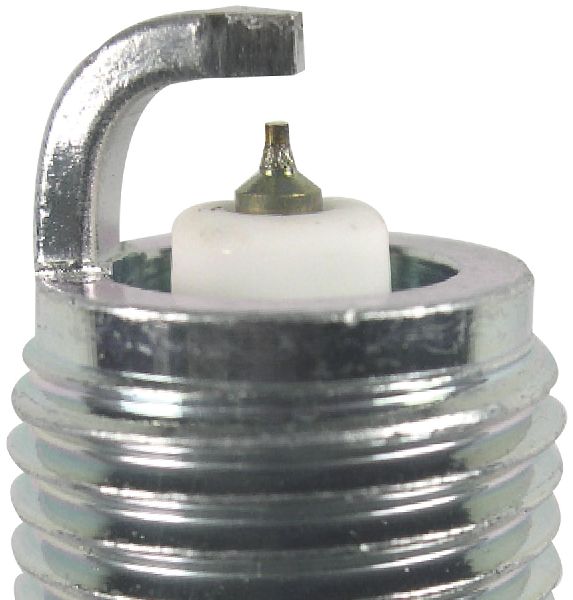
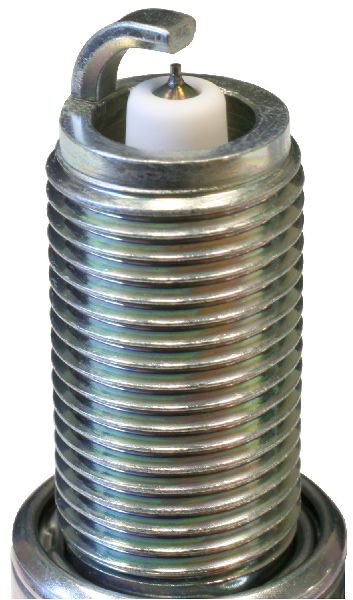
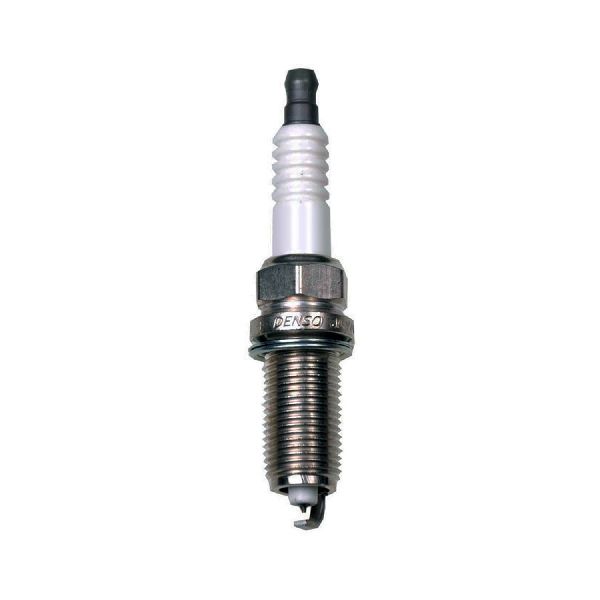
(OEM #90919-01247 (Denso FK20HR11))— A worn or fouled spark plug is the second most common cause and is a routine maintenance item. Using the OEM-specified Denso plug is recommended for best performance.
Trusted brands: Denso, NGK
OEM price range: $18 - $25
Aftermarket price range: $10 - $18
Related Codes That Often Appear With This One
- P0300 — Stands for 'Random/Multiple Cylinder Misfire.' A persistent misfire on one cylinder can sometimes cause general engine instability that leads the ECM to store this more general code alongside P0302.
- P0304, P0306 — These codes indicate misfires on cylinders 4 and 6, respectively. On the V6 engine, cylinders 2, 4, and 6 are all on the same bank (Bank 2, the front bank). If you see all three codes, it could point to a problem affecting the entire bank, like a clogged catalytic converter, a vacuum leak affecting that bank, or a timing issue.
Technical Service Bulletins (TSBs) & Recalls
- T-SB-0148-19: Notes that Highlander HV vehicles may exhibit a MIL ON condition with P0302.
- T-SB-0072-19: Lists P0302 as a possible DTC resulting from corrosion/water in the electrical system of Highlander Hybrids, often caused by aftermarket windshield de-icer harnesses or A/C drain
Platform-Specific Known Issues
- On Highlander Hybrid models, TSBs T-SB-0072-19 and T-TT-0462-17 indicate that water intrusion into the A43 ECM connector can cause corrosion, leading to various drivability issues and DTCs, including P0302. This is a well-documented issue and should be a primary check on Hybrid models.
- TSB T-SB-0148-19 also lists P0302 as a potential misfire code for Highlander Hybrid (HV) vehicles, confirming it's a known issue on this platform.
Mechanic-Grade Diagnostic Values
- Fuel Pressure (Low Pressure Side, 2GR-FE Engine) — expected: 304 to 343 kPa (44 to 50 psi). Failure: Pressure below this range can cause lean misfires across multiple cylinders, but a borderline low pressure could intermittently affect one.
- Fuel Pressure (Low Pressure Side, 2GR-FKS Engine) — expected: 196 to 833 kPa (28 to 121 psi). Failure: Pressure outside this wide range indicates a problem with the low-pressure pump or its controller.
- Fuel Injector Resistance (Port Injection, 2GR-FE & 2GR-FKS) — expected: 11.6 to 12.4 Ω at 20°C (68°F). Failure: A reading outside this range indicates a faulty injector coil winding.
- Fuel Injector Resistance (Direct Injection, 2GR-FKS only) — expected: 1.74 to 2.04 Ω at 20°C (68°F). Failure: A reading outside this range points to a bad direct injector.
- Ignition Coil Primary Resistance (General) — expected: Approximately 0.49 - 0.57 Ω at 20°C (68°F). Failure: A reading significantly outside this range suggests a faulty primary winding. Note: This is a general specification; the coil swap test is more definitive.
Hidden / Shadow Codes Worth Checking
- Misfire Rate & EWMA: Techstream software provides a detailed misfire monitor. 'Misfire Rate' shows the current misfire count per 1000 revolutions, while 'EWMA' (Exponentially Weighted Moving Average) shows a prioritized history of misfires over the last 10 drive cycles. This can help distinguish a current, hard fault from an intermittent, historical one. (see via Toyota Techstream software. Navigate to the 'Misfire' data list and select the 'Details' button.)
Scan Tool Commands That Help
- Toyota Techstream: Misfire Monitor — Use this to get a more accurate and detailed view of which cylinder is misfiring and when, especially during a test drive. It is often more reliable than the standard live data list for tracking intermittent misfires.
- Toyota Techstream: Active Test: Control the Injection Mode — On 2017+ models with the 2GR-FKS engine, this test is critical for fuel-related misfire diagnosis. It allows a technician to force the engine to run on only the port injectors or only the direct injectors to isolate which system may have a faulty injector.
- Toyota Techstream: Active Test: Control the Fuel Pump / Speed — This allows you to command the fuel pump on to verify its operation and check fuel pressure without the engine running, helping to diagnose fuel delivery issues.
Wiring & Ground Locations
- ECM Harness Grounds (2GR-FE) — There are two primary grounding points for the engine harness on the valve covers, which then connect to the chassis near the strut towers. Another ground attaches to a boss on the side of the cylinder head, underneath the throttle body.. A poor ground connection for the ECM or ignition system can cause erratic signals, leading to misfires and false sensor readings. Verifying these grounds are clean and tight is a crucial step if electrical issues are suspected.
- Ignition Coil Pinout (Cylinder #2) — On the 4-pin connector for the ignition coil.. Pin 1: 12V+ Ignition Power. Pin 2: IGT2 (Ignition Trigger) from ECM. Pin 3: IGF1 (Ignition Confirmation) to ECM. Pin 4: Ground. Checking for 12V power, a clean ground, and a signal on the IGT wire can diagnose a wiring or ECM driver issue.
- A43 ECM Connector (Hybrid) — Located behind the glove box compartment.. This is the specific connector cited in TSBs T-SB-0072-19 and T-TT-0462-17 as being susceptible to water intrusion and corrosion, which can directly cause a P0302 code.
Real Owner Repair Stories
- YouTube video by 'holbrook photo' (2005 Toyota Corolla (demonstrates common Toyota diagnostic principle)) — Rough running, loss of power, check engine light with code P0302.
❌ Tried (didn't work) Replacing all spark plugs.
✅ What actually fixed it The owner swapped the ignition coil from cylinder 2 to cylinder 3. The code changed to P0303, confirming the ignition coil from cylinder 2 was faulty. Replacing the single bad coil resolved the issue. - YouTube video by 'Fix It Angel' (Toyota Highlander (year not specified, 4-cylinder)) — Pending P0302 code, rough running.
✅ What actually fixed it The owner diagnosed the issue as old spark plugs. He replaced all four spark plugs, which fixed the misfire and cleared the code.
OEM Part Supersession History
90919-A2007→90919-A2013— Standard part revision and improvement by the manufacturer.90919-A2002, 90919-A2004, 90919-A2005→90919-A2007 (and subsequently 90919-A2013)— Consolidation of part numbers and design updates over the years.
Heads up: These part numbers are generally interchangeable for the specified applications, but it is always best to use the latest revision (90919-A2013) or verify with a VIN.
Model Year Variations Within This Range
- 2017-2019: Models from 2017-2019 with the 3.5L V6 use the 2GR-FKS engine, which features Toyota's D-4S dual-injection system (both port and direct injection). This adds complexity to fuel-related diagnosis. A P0302 could be caused by either the port or direct injector for cylinder #2. Using the 'Control the Injection Mode' active test in Techstream becomes a key diagnostic step not applicable to earlier 2GR-FE engines.
Helpful Videos
Used OEM Parts in Stock
New Aftermarket Parts Available

The information in this article is provided for general reference and educational purposes only. Vehicle specifications, procedures, and part compatibility can vary by production date, trim level, and region. Always consult your vehicle's factory service manual and verify part numbers before purchasing or performing repairs. Safety-critical components such as airbags, seat belts, and braking systems should be installed by a qualified professional.
- Toyota HIGHLANDER:
- 🧭 Diagnostic Flowchart
- 🎬 Helpful Videos
- 🛍️ Shop This Part
- What's Unique About the 2014-2019 Toyota HIGHLANDER
- Symptoms You May Notice
- Most Likely Causes
- Rare But Worth Checking
- Diagnosis Steps
- Parts You'll Likely Need
- Related Codes That Often Appear With This One
- Technical Service Bulletins (TSBs) & Recalls
- Platform-Specific Known Issues
- Mechanic-Grade Diagnostic Values
- Hidden / Shadow Codes Worth Checking
- Scan Tool Commands That Help
- Wiring & Ground Locations
- Real Owner Repair Stories
- OEM Part Supersession History
- Model Year Variations Within This Range
- 🎟️ Get 5% Off