

P0302 on 2009-2012 Toyota RAV4 2.5L: Cylinder 2 Misfire Causes and Fixes
P0302 means the #2 cylinder is misfiring. On the 2009-2012 RAV4 with the 2.5L engine, this is most often caused by a failed ignition coil or a worn-out spark plug. Swapping the #2 coil with another cylinder's coil is a quick, no-cost diagnostic step.
- P0302 on your RAV4 means cylinder #2 is misfiring.
- The most likely culprits are a bad ignition coil or a worn spark plug.
- A simple, no-cost first step is to swap the ignition coil from cylinder #2 with another cylinder and see if the code follows.
- Avoid driving with a flashing check engine light to prevent expensive damage to the catalytic converter.
- If replacing the coil and spark plug doesn't fix the issue, the next steps involve checking the fuel injector and for vacuum leaks before moving to mechanical engine tests.
What's Unique About the 2009-2012 Toyota RAV4
The 2009 model year marked the introduction of the 2.5L 2AR-FE engine in the RAV4, replacing the previous 2.4L 2AZ-FE engine which was known for excessive oil consumption issues. While the 2AR-FE is generally reliable, ignition coils and spark plugs are the most common failure points leading to a single-cylinder misfire like P0302. Unlike some newer Toyota engines, there are no widespread Technical Service Bulletins (TSBs) for systemic misfire issues on this specific 2009-2012 platform, making diagnosis relatively straightforward and focused on basic ignition or fuel components.
Symptoms You May Notice
- Rough or shaky idle
- Hesitation or stumbling during acceleration
- Noticeable loss of engine power
- Flashing or solid Check Engine Light
- Fuel smell from the exhaust
- VSC and 4WD lights may also illuminate along with the Check Engine Light
- Replacing the oxygen (O2) sensor. An O2 sensor will typically set its own codes and affect multiple cylinders, not just one.
- Replacing the mass airflow (MAF) sensor. A faulty MAF sensor usually causes a random misfire code (P0300) or fuel trim codes, not a single-cylinder misfire.
Most Likely Causes
- Faulty Ignition Coil 🔴 High Probability → Shop Ignition Coil Ignition coils are a common wear item on most modern engines. Heat cycles and vibration eventually lead to internal failure. This is a widely reported failure item for the 3rd generation RAV4.
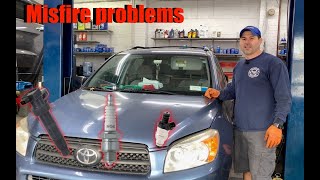
How to confirm: Swap the ignition coil from cylinder #2 with another cylinder (e.g., #3). Clear the codes and drive the vehicle. If the code changes to P0303, the coil is faulty. This is the standard first diagnostic step 🎬 Watch: A quick demonstration of diagnosing a P0302 misfire. recommended by mechanics and owners.
Typical fix: Replace the failed ignition coil. It is held in by a single 10mm bolt. It is often recommended to replace the spark plugs at the same time.
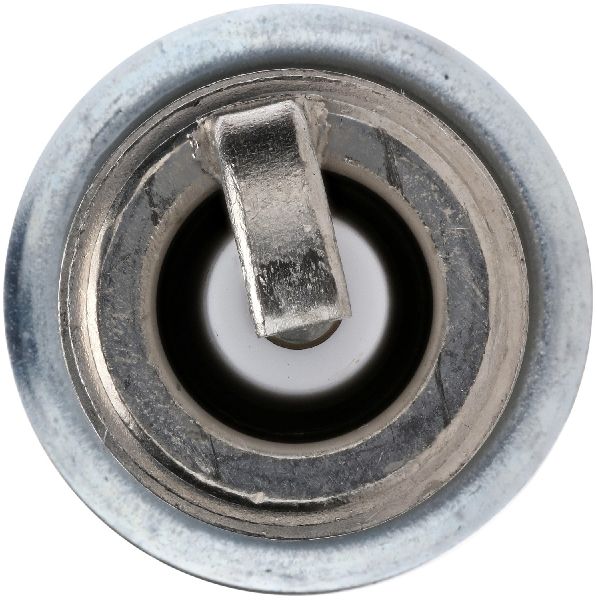
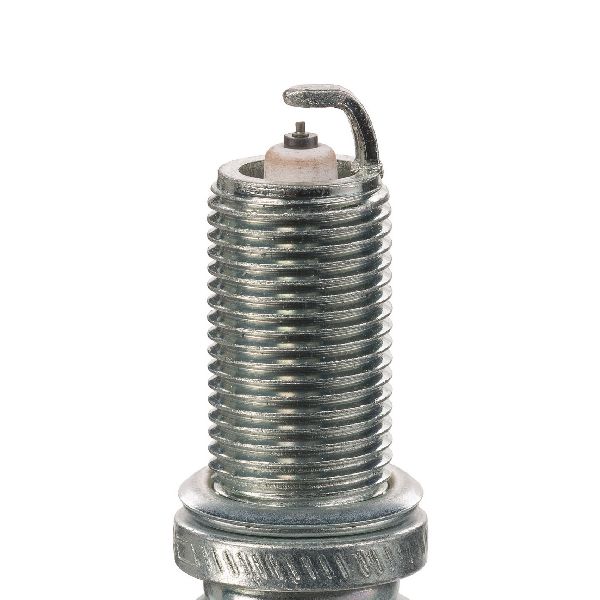
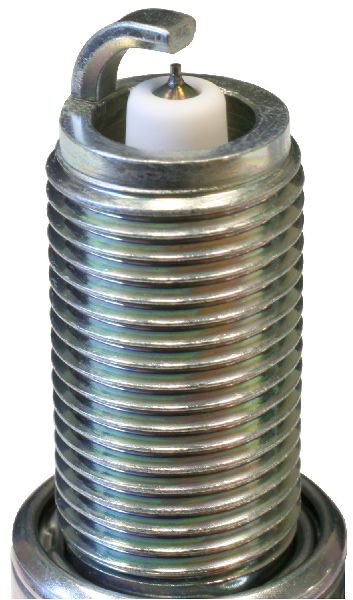
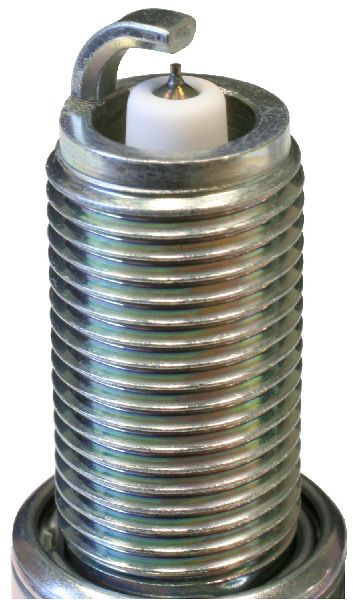
Est. part cost: $40-$90 - Worn or Fouled Spark Plug 🔴 High Probability → Shop Spark Plug Spark plugs have a finite service life. The original equipment manufacturer (OEM) recommended interval is typically around 100,000 - 120,000 miles, but they can fail sooner or become fouled by oil if consumption issues are present.
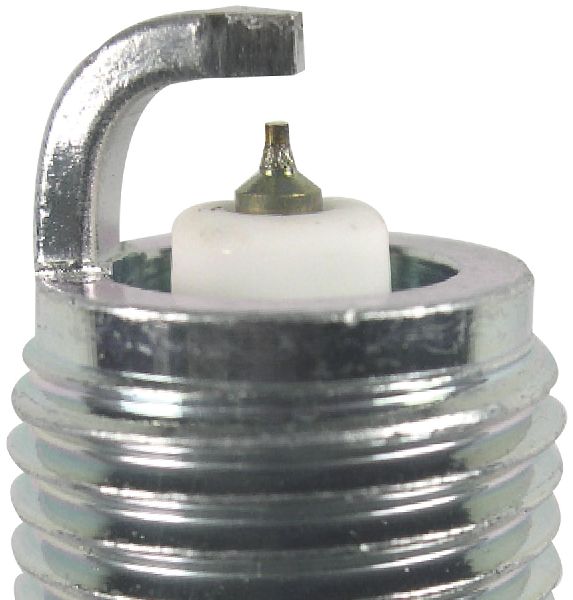
How to confirm: After ruling out the ignition coil, remove the spark plug from cylinder #2. Inspect it for wear (worn electrode), carbon fouling, or oil contamination. The electrode gap should be 1.0-1.1 mm (0.043 inches).
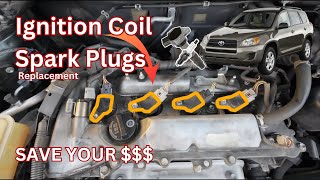
Typical fix: Replace the spark plug. If the plugs are near their service life, it is recommended to replace all four at the same time 🎬 See this walkthrough for replacing your coils and spark plugs. with high-quality plugs like Denso or NGK.
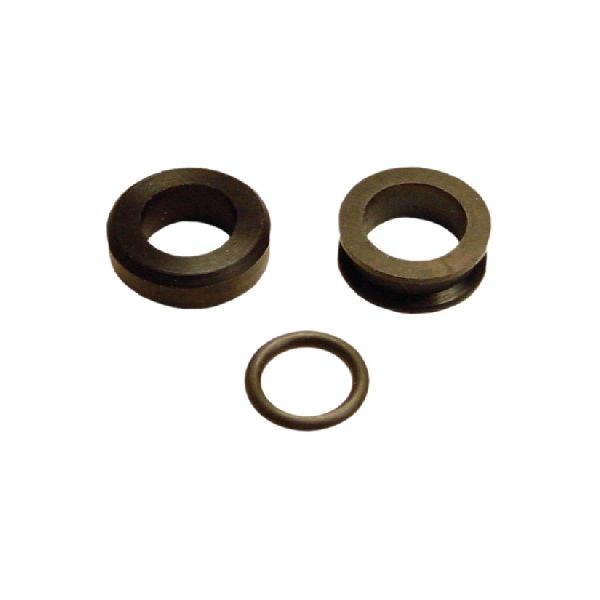
Est. part cost: $10-$25 per plug - Clogged or Faulty Fuel Injector 🟡 Medium Probability → Shop Fuel Injector Fuel injectors can become clogged with deposits over time, preventing them from delivering the correct amount of fuel. The 2AR-FE uses 12-hole long-nozzle injectors for better atomization, but they are not immune to clogging.
How to confirm: Listen to the injector with a mechanic's stethoscope; it should have a consistent clicking sound. You can also swap the injector with another cylinder to see if the misfire code follows, though this is more labor-intensive than swapping a coil.
Typical fix: Replace the faulty fuel injector. This requires removing the fuel rail.
Est. part cost: $70-$150 - Intake Manifold Gasket Leak ⚪ Low Probability → Shop Engine Intake Manifold The intake manifold gasket can degrade over time, causing a vacuum leak near a specific cylinder, which leans out the air/fuel mixture and causes a misfire. The plastic intake manifold (ACIS) on the 2AR-FE relies on rubber gaskets that can harden with age.
How to confirm: With the engine running, spray brake cleaner or a propane torch (unlit) around the intake manifold runner for cylinder #2. If the engine RPM changes, a leak is present. A professional smoke test is the most definitive method.
Typical fix: Replace the intake manifold gaskets.
Est. part cost: $20-$50
Rare But Worth Checking
- Low Engine Compression: This is a more serious mechanical issue. A compression test is needed to confirm. Causes can include a burnt valve, worn piston rings, or a leaking head gasket. While the 2AR-FE is more robust than its 2AZ-FE predecessor, high mileage or poor maintenance can still lead to these issues.
- Faulty ECM: Extremely rare. The Engine Control Module (ECM) itself can fail, but all other possibilities should be exhausted before considering ECM replacement. In related Toyota platforms, Bulletin #T-SB-0072-19 and Bulletin #T-TT-0462-17 note that corrosion or water in the ECM connector can cause P0302 and other codes like P1603 or P1605.
- Stuck Open VVT Gear: A rare but possible cause could be an issue with the Variable Valve Timing (VVT-i) gear for the camshaft, which could cause timing issues on one bank. This would likely present with other codes as well. Toyota has issued TSBs for VVT gear noise on other engines (e.g., EG014-07), indicating the complexity of the system.
Diagnosis Steps
- Read the trouble codes with an OBD-II scanner. Confirm P0302 is the primary code. Note if VSC and 4WD lights are also on, as this is common.
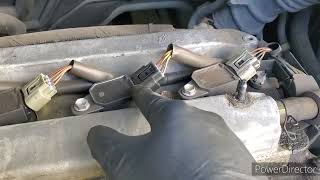
- Identify cylinder #2. 🎬 Watch: How to identify and diagnose a specific cylinder misfire. On the 2AR-FE engine, it is the second cylinder from the passenger side (belt side).
- Swap the ignition coil from cylinder #2 with an adjacent cylinder (e.g., #3). Clear the codes, start the engine, and see if the misfire code moves to P0303. If it does, the ignition coil is bad. This is the most crucial first step.
- If the misfire remains on cylinder #2, swap the spark plug from cylinder #2 with the one from the cylinder you just used. If the code moves, the spark plug is bad. Inspect the old plug for signs of oil or fuel fouling.
- If the misfire still remains on cylinder #2, inspect the fuel injector. Listen for a steady clicking sound. Check the wiring and connector for damage. Swapping injectors is a valid, but more involved, diagnostic step.
- Check for vacuum leaks around the intake manifold runner for cylinder #2 using a smoke machine or cautiously with carb cleaner.
- If the ignition and fuel systems seem okay, perform a compression test on all cylinders to check for mechanical engine problems like worn rings or a bad head gasket.
- If all else fails, check the wiring harness from the ECM to the cylinder 2 coil and injector for continuity and any signs of damage.
Parts You'll Likely Need
- Ignition Coil
(OEM #90919-02258 (supersedes 90919-02252))— This is the most common cause of a single-cylinder misfire on this engine due to wear and tear from heat and vibration.
Trusted brands: Denso (OEM), NGK, Delphi
OEM price range: $90-$120
Aftermarket price range: $40-$90 - Spark Plug
(OEM #90919-01247 (Denso SK16HR11))— Spark plugs are a routine maintenance item and a frequent cause of misfires as they wear out.
Trusted brands: Denso (SK16HR11 - Iridium), NGK (6619 LFR6AIX-11 - Iridium)
OEM price range: $15-$25
Aftermarket price range: $10-$18 - Fuel Injector
(OEM #23250-0V010)— Less common than ignition parts, but can become clogged or fail electronically, causing a misfire.
Trusted brands: Denso (OEM), Aisin
OEM price range: $150-$200
Aftermarket price range: $70-$150
Related Codes That Often Appear With This One
- P0300 — If the misfire is intermittent or begins to affect other cylinders, a P0300 (Random/Multiple Cylinder Misfire) may be stored alongside P0302.
- P0301, P0303, P0304 — If multiple ignition coils or injectors fail, or if there is a systemic issue like low fuel pressure, codes for other specific cylinders may appear. Manufacturer Bulletin #T-SB-0148-19 notes that vehicles may exhibit a MIL ON condition with one or more of these codes simultaneously.
Technical Service Bulletins (TSBs) & Recalls
- T-SB-0094-11 Rev2: While not for the 2AR-FE, this TSB addresses excessive oil consumption on the previous 2AZ-FE engine, which is relevant context for why the 2AR-FE was a significant improvement. It details the replacement of pistons and rings to fix the issue.
- Bulletin #T-SB-0148-19: This manufacturer bulletin notes that Toyota vehicles may exhibit a MIL ON condition with DTC P0302 (Cylinder 2 Misfire Detected) among other cylinder-specific misfire codes.
- Bulletin #T-TT-0462-17: Technicians have found that P0302, alongside codes like P1603 and P0171, can be caused by corrosion and water in the ECM connector, leading to low fuel pressure concerns.
- Bulletin #T-SB-0072-19: This bulletin describes drivability concerns and DTC P0302 caused by corrosion or water in the ECM connector, which can also result in low or no fuel pressure.
Mechanic-Grade Diagnostic Values
- Fuel Injector Resistance — expected: 11.6 to 12.4 Ω at 20°C (68°F). Failure: A reading outside this range, or a reading that is more than 0.5-1.0 Ω different from the other injectors, indicates a faulty injector.
- Ignition Coil #2 Power (Pin 4, Black/Red wire) — expected: 12-14V with ignition ON. Failure: No voltage indicates a problem with the EFI relay, fuse, or wiring harness.
- Ignition Coil #2 Ground (Pin 3, White/Black wire) — expected: 0-1 Ω of resistance to battery negative terminal. Failure: High or infinite resistance indicates a broken ground wire.
- Ignition Coil #2 Trigger (IGT2) wire continuity — expected: Continuity (near 0 Ω) between Pin 2 at the coil connector and Pin A12 at the ECM connector.. Failure: No continuity indicates a broken wire in the harness.
- Ignition Coil #2 Feedback (IGF2) wire continuity — expected: Continuity (near 0 Ω) between Pin 1 at the coil connector and Pin B27 at the ECM connector.. Failure: No continuity indicates a broken wire in the harness.
Hidden / Shadow Codes Worth Checking
- Mode $06 / Misfire Monitor: While not a hidden code, Toyota's Techstream software provides a 'Misfire Monitor' utility that shows detailed misfire counts per cylinder for the current drive cycle and historical data (EWMA) over multiple trips. This is far more granular than the simple P0302 code and can help identify intermittent or minor misfires that haven't yet reached the threshold to illuminate the check engine light. (see via Toyota Techstream diagnostic software. On the 'Engine and ECT' screen, select 'Utility' and then 'Misfire'.)
Scan Tool Commands That Help
- Toyota Techstream: Misfire Monitor (Live Data) — Use this to confirm which cylinder is misfiring in real-time. It's especially useful for intermittent misfires, as it displays a 'misfire rate' that can show a problem even if the main P-code is not currently active.
- Toyota Techstream: Active Test: Control the Fuel Cut — This function allows a technician to disable the fuel injector for a specific cylinder. To diagnose P0302, you would cut fuel to cylinder #2. If the engine's idle does not change, it confirms that cylinder was not contributing power, reinforcing the diagnosis of a misfire on that cylinder. If the idle worsens, it suggests the cylinder was working intermittently.
Wiring & Ground Locations
- Cylinder 2 Ignition Coil Connector — On top of the valve cover, the second ignition coil from the passenger (belt) side of the engine.. This is the primary connection point for testing power, ground, and signal to the coil. Pin 1: IGF2 (Pink/Red), Pin 2: IGT2 (Black/White), Pin 3: Ground (White/Black), Pin 4: Power (Black/Red).
- ECM Connector A, Pin A12 — At the Engine Control Module (ECM), which is typically located in the engine bay near the battery or firewall.. This is the pin for the IGT2 (Ignition Trigger) signal from the ECM to the #2 coil. A continuity test between this pin and the coil connector pin 2 is essential for diagnosing a wiring break.
- ECM Connector B, Pin B27 — At the Engine Control Module (ECM).. This is the pin for the IGF2 (Ignition Feedback) signal from the #2 coil back to the ECM. A break in this wire can cause misfire detection issues.
- Engine Harness Bend — The section of the main engine wiring harness that bends near the valve cover.. This area is a known common failure point where the IGT and IGF wires can break internally from heat and vibration. A visual inspection may show nothing, but a continuity test will reveal the fault.
Real Owner Repair Stories
- Reddit r/MechanicAdvice user comment (2008 Toyota RAV4 with 2.4L 2AZ-FE engine (predecessor to the 2AR-FE with similar diagnostic principles)) — Flashing check engine light, VSC and 4WD lights on, P0302 code.
❌ Tried (didn't work) Replaced spark plug on cylinder 2, Replaced ignition coil on cylinder 2, Replaced fuel injector on cylinder 2, Compression test passed
✅ What actually fixed it The final diagnosis from multiple mechanics in the thread was a leaking head gasket. On this engine family, a very small leak can cause a persistent, single-cylinder misfire by allowing a tiny amount of coolant into the cylinder, especially when the engine is warm and the cooling system is pressurized. This happens before more obvious symptoms like overheating or oil contamination appear. The recommended fix was a chemical test (HC test) of the cooling system to detect exhaust gases. - NHTSA ODI #11623185 — An owner reported that their vehicle intermittently lost motive power, and an independent mechanic retrieved DTC codes P0300, P0302, P0303, and P0304, informing them that several undisclosed parts required replacement.
- NHTSA ODI #11725081 — An owner troubleshooting their vehicle found codes P1605-00, P0300-27, and P0302-00; they noted the drive was "brutal" as the vehicle kept burping while on the road.
OEM Part Supersession History
90919-02252→90919-02258— Standard part revision and improvement by the manufacturer.
Heads up: The parts are fully cross-compatible.
Model Year Variations Within This Range
- 2009: The 2009 model year was the first to use the 2.5L 2AR-FE engine, replacing the 2.4L 2AZ-FE from 2006-2008 models. This change is significant as the older 2AZ-FE had well-documented oil consumption issues. The 2AR-FE is considered more reliable.
Diagnostic Flowchart
Other Known Issues on This Vehicle
Issues unrelated to this code that are worth knowing about as an owner of this generation:
- Torque Converter Shudder 🟠 Medium — Commonly reported between 30-50 MPH, feels like driving over rumble strips. Can sometimes be temporarily fixed with an additive (e.g., Lubegard Shudder Fixx) or a transmission fluid change, but may require torque converter replacement. (Ref: While a formal TSB for the 2009-2012 RAV4 is not prominent, this issue is widely discussed in forums. Later models had a software update available.)
- Intermediate Steering Shaft Clunk/Noise 🟡 Low — A clunking or popping noise may be heard and felt in the steering wheel when turning at low speeds. It's often caused by the intermediate steering shaft joints drying out or wearing. (Ref: T-SB-0318-08 was issued for 2006-2008 models, but the issue is known to persist in later years as the design is similar. The fix is to replace the intermediate shaft.)
- Minor Oil Consumption 🟡 Low — While vastly improved over the 2AZ-FE, some 2AR-FE engines can start to consume oil at higher mileage (>150k miles), often due to piston rings sticking from extended oil change intervals. It is not typically severe enough to cause immediate failure but should be monitored.
- EVAP Canister Failure 🟠 Medium — Can cause a check engine light (e.g., P0441, P0455) and difficulty refueling (gas pump clicks off repeatedly). The canister can become saturated or fail internally.
Used vs. New Parts: Buying Guide for This Vehicle
When a used part is the smart pick: For ignition coils, a used OEM Denso coil from a reputable salvage yard with a known low-mileage donor vehicle can be a cost-effective and reliable alternative to a new aftermarket part.
Donor-vehicle mileage cap: roughly under 80000 miles for the part to have meaningful remaining life.
What to inspect on the donor part:
- Check for the 'DENSO' branding on the coil.
- Inspect the plastic housing for cracks or heat damage.
- Ensure the connector pins are clean and not corroded.
- Ask for the donor vehicle's VIN to verify its year and mileage if possible.
OEM-only on this vehicle (don't cheap out):
- Ignition Coils: While not strictly 'OEM-only', using OEM (Denso) or top-tier aftermarket brands like NGK or Hitachi is strongly advised. Cheap, unbranded aftermarket coils are known to have a very high failure rate on Toyota engines.
Aftermarket brands forum-validated for this vehicle:
- Ignition Coils: Denso (OEM supplier), NGK, Hitachi.
- Spark Plugs: Denso, NGK.
Brands owners have reported issues with on this vehicle:
- Unbranded or 'white-box' ignition coils from online marketplaces.
- Some forum users have reported poor longevity with Bosch coils specifically on Toyota applications.
Real Owner Stories
Aggregated from forums and TSBs cited above. Mileages and costs reflect what owners reported in those sources.
2008 Toyota RAV4 2.4L
Symptoms: Persistent P0302 code after replacing the ignition coil, spark plug, and fuel injector.
What fixed it: The discussion suggested checking for a leaking head gasket, a known issue that can cause persistent single-cylinder misfires.
Source hint: Reddit r/MechanicAdvice: A thread on a 2008 RAV4 (2.4L) with a persistent P0302
2008 Toyota RAV4
Symptoms: Engine misfire (P0302); owner performed a test by unplugging the coil connector and noticed no change in the engine's idle.
What fixed it: Swapping coils confirmed the fault was a failed ignition coil.
Source hint: YouTube - 'Toyota Rav 4 misfire P0302'
2009-2012 Toyota RAV4 (3rd Generation)
Symptoms: Check Engine Light with misfire codes (P030x).
What fixed it: Replacement of the ignition coils, which are cited as the #1 problem for this generation of RAV4.
Source hint: YouTube - 'Top 5 Problems Toyota RAV4 SUV 3rd Generation 2006-2012' by 1A Auto
Related OBD-II Codes
Frequently Asked Questions
Which cylinder is cylinder #2 on my 2009-2012 RAV4 2.5L?
Why are my VSC and 4WD lights on when I only have a P0302 misfire code?
Does T-SB-0094-11 Rev2 apply to my 2.5L 2AR-FE engine regarding oil consumption?
What brand of spark plugs should I use for my RAV4 to fix a P0302?
Is there a specific TSB for the clunking I feel in the steering wheel while driving with this code?
Can I just swap parts to see if the misfire moves?
Helpful Videos
We Have This Part in Stock

The information in this article is provided for general reference and educational purposes only. Vehicle specifications, procedures, and part compatibility can vary by production date, trim level, and region. Always consult your vehicle's factory service manual and verify part numbers before purchasing or performing repairs. Safety-critical components such as airbags, seat belts, and braking systems should be installed by a qualified professional.
- Toyota RAV4:
- 🧭 Diagnostic Flowchart
- 🎬 Helpful Videos
- 🛍️ Shop This Part
- What's Unique About the 2009-2012 Toyota RAV4
- Symptoms You May Notice
- Most Likely Causes
- Rare But Worth Checking
- Diagnosis Steps
- Parts You'll Likely Need
- Related Codes That Often Appear With This One
- Technical Service Bulletins (TSBs) & Recalls
- Mechanic-Grade Diagnostic Values
- Hidden / Shadow Codes Worth Checking
- Scan Tool Commands That Help
- Wiring & Ground Locations
- Real Owner Repair Stories
- OEM Part Supersession History
- Model Year Variations Within This Range
- Other Known Issues on This Vehicle
- Used vs. New Parts: Buying Guide for This Vehicle
- Real Owner Stories
- 2008 Toyota RAV4 2.4L
- 2008 Toyota RAV4
- 2009-2012 Toyota RAV4 (3rd Generation)
- Related OBD-II Codes
- Frequently Asked Questions
- 🎟️ Get 5% Off