

P0303 on 2017-2022 Alfa Romeo Giulia: Cylinder 3 Misfire Causes and Fixes
P0303 on a Giulia indicates a misfire in cylinder 3, most commonly caused by a faulty ignition coil or a worn spark plug. A DIY fix is often possible, with parts typically costing between $50 and $150. For the 2.0L engine, cylinder 3 is the third from the front; for the 2.9L V6, it's the rearmost on the passenger side.
- P0303 means cylinder 3 is misfiring, which is a serious issue that needs prompt attention.
- The most likely cause is a bad ignition coil or a worn-out spark plug.
- A simple diagnostic step is to swap the ignition coil from cylinder 3 to another cylinder to see if the fault code follows the coil.
- If the Check Engine Light is flashing, stop driving immediately to prevent expensive damage to the catalytic converter.
- Be aware of Alfa Romeo-specific issues, such as software glitches mentioned in TSBs, which may require a trip to the dealer.
What's Unique About the 2017-2022 Alfa Romeo GIULIA

The high-performance nature of the Giulia's direct-injection engines, both the 2.0L Turbo and the Ferrari-derived 2.9L Twin-Turbo V6, makes them sensitive to spark plug and ignition coil condition. Unlike generic misfire issues, Giulia owners should be aware of a specific software-related problem. A Technical Service Bulletin (TSB S2018000011) notes that P0303 can appear after a PCM software update, requiring dealer intervention. Additionally, owner complaints have linked misfires to fuel delivery problems, which may also trigger low-pressure fuel system codes.
🎬 Watch: A simple explanation of the P0303 cylinder 3 misfire code.Diagnostic Flowchart

Tap your situation to follow the diagnostic path that matches what you're seeing on this vehicle.
Symptoms You May Notice
- Rough running engine or rough idle.
- Hesitation or stumbling during acceleration.
- Noticeable loss of engine power.
- Flashing or solid Check Engine Light.
- Fuel smell from the exhaust.
- Vehicle may stall frequently.
- Replacing the oxygen sensor. A misfire can cause erratic readings from an O2 sensor, but the sensor is rarely the cause of a specific cylinder misfire code. The O2 sensor reports the problem; it doesn't cause it.
Most Likely Causes

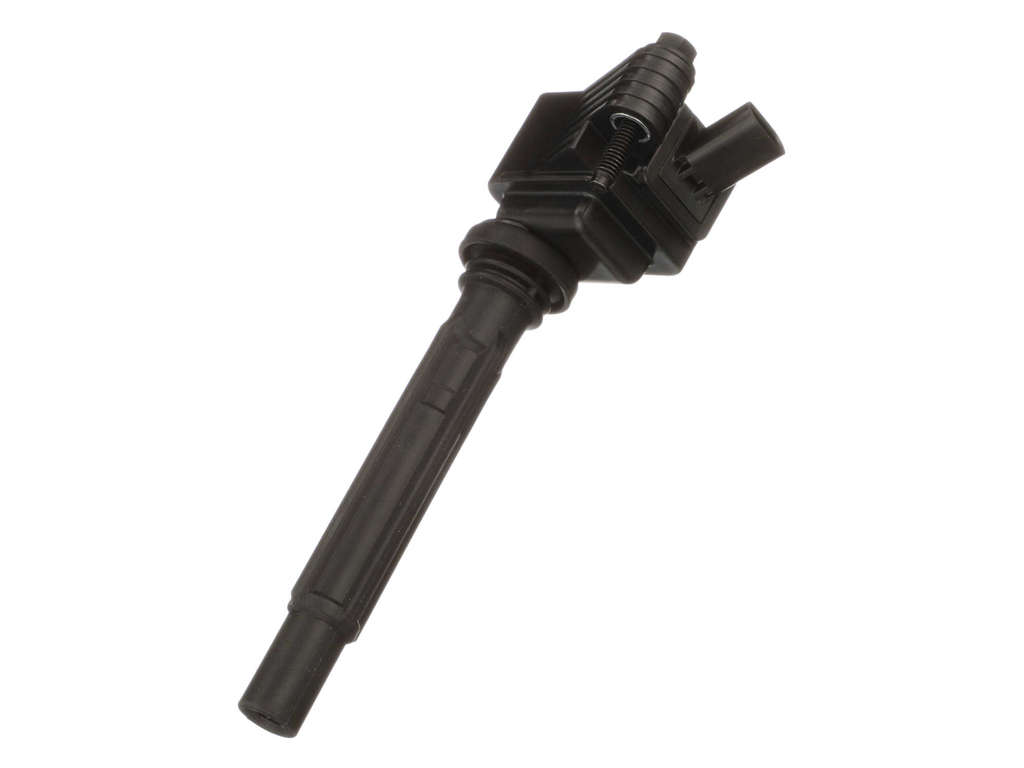
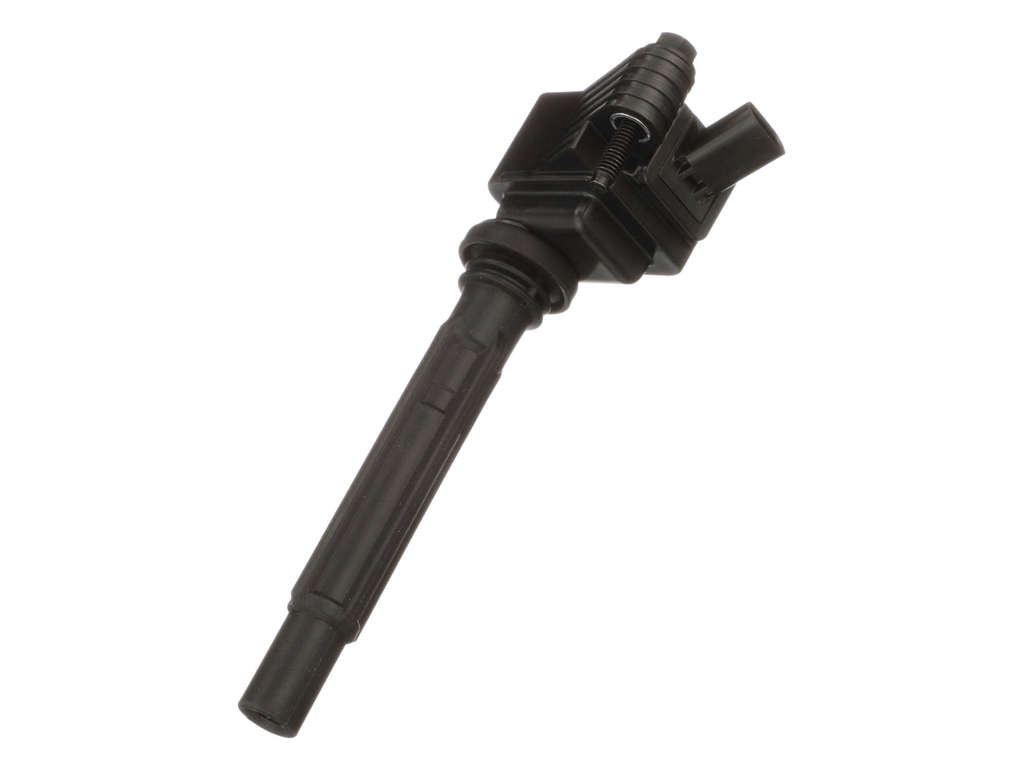
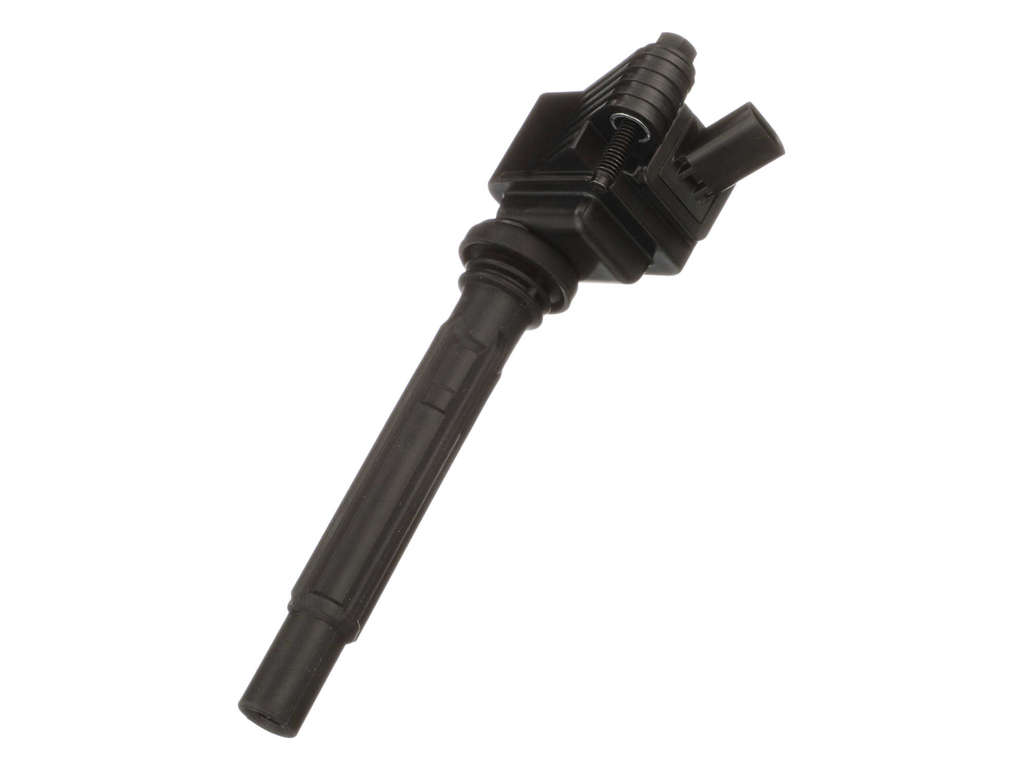
- Faulty Ignition Coil 🔴 High Probability → Shop Ignition Coil Coil-on-plug systems are a common failure point on many modern engines, and the heat in the Giulia's turbocharged engine bays can shorten their lifespan. They are a frequent topic of discussion in owner forums for resolving misfires.
How to confirm: Swap the ignition coil from cylinder 3 with another cylinder (e.g., cylinder 2). Clear the codes and drive the vehicle. If the code changes to P0302, the ignition coil is faulty. This is the most common DIY diagnostic step.
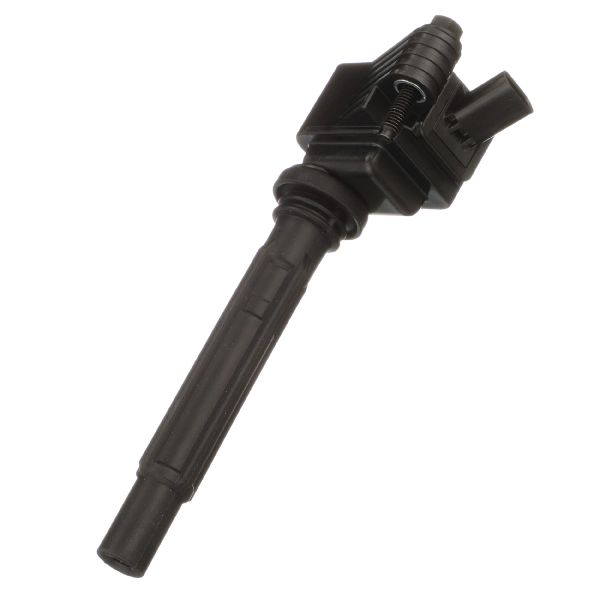
Typical fix: Replace the faulty ignition coil. It is often recommended to replace all coils as a set if they are original and the vehicle has high mileage to prevent future failures.
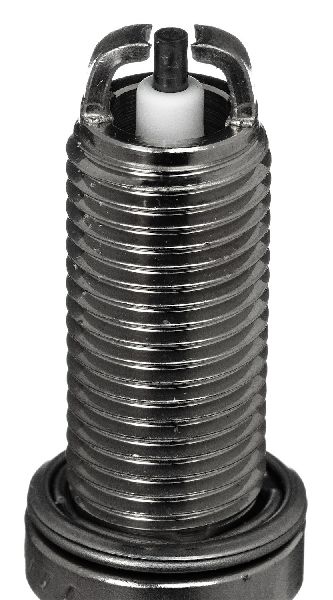
Est. part cost: $60-$150 - Worn or Fouled Spark Plug 🔴 High Probability → Shop Spark Plug Turbocharged, direct-injection engines are demanding on spark plugs, leading to faster wear and potential for carbon fouling. Some specialists recommend a replacement interval of 25-30k miles, which is shorter than many other vehicles.
How to confirm: After confirming the coil is good, remove the spark plug from cylinder 3. Inspect it for wear on the electrode, carbon buildup, oil fouling, or an incorrect gap (OEM gap is ~0.026 in). Compare it to a plug from a healthy cylinder.
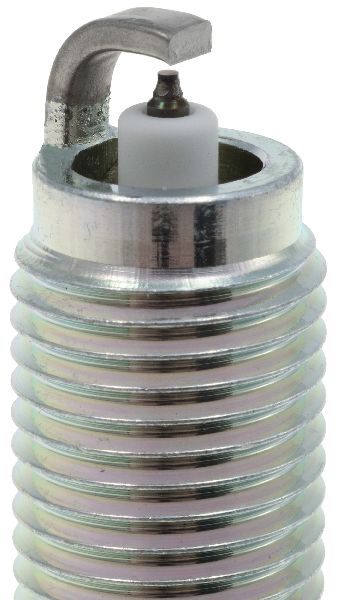
Typical fix: Replace the spark plug. It is best practice to replace all spark plugs as a set to ensure consistent performance. Use only OEM-spec plugs, such as the NGK Iridium ILZKR7G7G (90219) for the 2.0L engine.
Est. part cost: $80-$120 for a set of 4 - Faulty Fuel Injector 🟡 Medium Probability → Shop Fuel Injector
How to confirm: This is more difficult to diagnose for a DIYer due to the high-pressure fuel system. It can involve listening for the injector's clicking sound with a mechanic's stethoscope or performing a resistance test. The most definitive way is to swap the injector with another cylinder, but this is a more labor-intensive job than a coil or plug swap.
Typical fix: Replace the faulty fuel injector. This requires new Teflon seals and is often best left to a professional due to the high pressures involved.
Est. part cost: $100-$250 - PCM Software Glitch ⚪ Low Probability TSB #S2018000011 specifically mentions that P0303 can be set after a particular PCM software update (CSN W05).
How to confirm: This can only be confirmed by an Alfa Romeo dealer by checking the vehicle's service history and software version against the TSB.
Typical fix: The dealer will need to apply a software patch or re-flash the Powertrain Control Module (PCM).
Est. part cost: $0 if covered, otherwise dealer diagnostic fees apply.
Rare But Worth Checking
- Low Pressure Fuel System Fault: An owner complaint (NHTSA ODI #11597827) on a 2018 Giulia reported P0303 along with low-pressure fuel system codes P008A and P0087. This suggests a failing fuel pump or sensor could be the root cause of the misfire. NHTSA has opened an investigation (PE24-000) into these failures on 2017-2018 models.
- Vacuum Leak: A leak in a vacuum hose or intake gasket near cylinder 3 can lean out the air-fuel mixture, causing a misfire. This would often be accompanied by a lean code like P0171. A smoke test is the most effective way to find such a leak.
- Low Engine Compression: This is a worst-case scenario involving internal engine issues like a bad valve, worn piston rings, or a failed head gasket. A compression test and/or a cylinder leak-down test is required for diagnosis. A platform-mate Jeep Wrangler with the same engine experienced a P0303 that was ultimately traced to a head gasket leaking oil into the cylinder.
Diagnosis Steps
- Read the trouble codes with an OBD-II scanner. Note all active and pending codes, and check freeze frame data to see when the misfire occurs.
- Check if the Check Engine Light is flashing. If so, avoid driving the vehicle to prevent catalytic converter damage.
- Identify cylinder 3. On the 2.0L I4 engine, it is the third cylinder from the front (firewall is the rear). On the 2.9L V6, it is the rearmost cylinder on the passenger-side bank (Bank 1).
- Swap the ignition coil from cylinder 3 to an adjacent cylinder (e.g., cylinder 4). This is the easiest first step.
- Clear the codes, start the engine, and let it run for a few minutes or take a short drive. Re-scan for codes.
- If the code has moved (e.g., to P0304), the ignition coil is the culprit. Replace it. OEM part number for the 2.0L is often cited as 68211953AA.
- If the P0303 code returns, the coil is likely good. Proceed to inspect the spark plug in cylinder 3. A 10mm socket is needed for the coil bolt, and a thin-walled 5/8" spark plug socket is needed for the plug.
- Replace the spark plug if it appears worn, fouled, or damaged. It's best to replace the full set. The OEM NGK plug for the 2.0L is ILZKR7G7G 90219.
- If the plug and coil are good, the next likely suspect is the fuel injector. This is a more complex job and may require professional diagnosis.
- Inspect for vacuum leaks around the intake manifold, especially near the cylinder 3 runner. A smoke test is the most reliable method.
- If all else fails, a compression test may be needed to check for mechanical engine problems. Consult a professional.
- If the car recently had a PCM update, consult a dealer regarding TSB #S2018000011.
Parts You'll Likely Need
- Ignition Coil
(OEM #68211953AA (for 2.0L))— This is the most common failure point for a cylinder-specific misfire. Heat and vibration cause the internal windings to fail over time.
Trusted brands: Mopar, NGK (U5474), Bosch
OEM price range: $100-$180
Aftermarket price range: $60-$120 - Spark Plug
(OEM #NGK ILZKR7G7G (90219) (for 2.0L))— A worn or fouled spark plug cannot create a strong enough spark to ignite the air-fuel mixture properly. They are a regular maintenance item with a recommended interval of 25-30k miles on this platform.
Trusted brands: NGK, Denso
OEM price range: $25-$40 per plug
Aftermarket price range: $15-$25 per plug
Related Codes That Often Appear With This One
- P0300 — If the misfire is intermittent or starting to affect other cylinders, a P0300 (Random Misfire) code may also be stored.
- P0301, P0302, P0304 — Misfire codes for other cylinders. Their presence alongside P0303 points to a systemic problem like bad fuel, a major vacuum leak, or a PCM issue, as noted in TSB #0900222.
- P0087, P008A — These are low-pressure fuel system codes. As seen in owner complaint #11597827, they can appear with P0303 if a fuel delivery issue is the underlying cause.
Technical Service Bulletins (TSBs) & Recalls

- 0900222: Mentions that P0301-P0304 codes may be found and can cause a rough running engine.
- S2018000011: Notes that P030x fault codes can set after a specific PCM software update process.
Platform-Specific Known Issues
- TSB #0900222 notes that a rough running engine may be present when P0303 is stored.
- TSB #S2018000011 indicates that P0303 can be triggered by a specific PCM software update (CSN W05), requiring dealer attention.
- A 2018 Giulia owner filed complaint #11597827 with the NHTSA, reporting P0303 alongside fuel system codes P008A and P0087, pointing to a potential link between fuel delivery problems and misfires.
Mechanic-Grade Diagnostic Values
- Ignition Coil Primary Resistance — expected: 0.4 - 2.0 ohms. Failure: A reading of OL (over-limit/open circuit) or significantly outside the expected range.
- Ignition Coil Secondary Resistance — expected: 5,000 - 15,000 ohms (5kΩ - 15kΩ). Failure: A reading of OL (over-limit/open circuit). Note that a coil can pass a resistance test but still fail under load.
- Spark Plug Gap (2.0L Engine) — expected: 0.024" - 0.026" (0.60mm - 0.65mm). Failure: A gap outside of this range can cause a weak or inconsistent spark.
- Spark Plug Tightening Torque (2.0L Engine) — expected: 14 ft-lbs (168 in-lbs). Failure: Over or under-tightening can cause sealing issues or damage to the aluminum cylinder head.
- MultiAir Unit Priming Volume (2.0L Engine) — expected: 250 mL. Failure: Failure to prime the new unit with oil before startup can cause immediate damage.
Hidden / Shadow Codes Worth Checking
- Mode $06 Misfire Counters: Most ECUs, including the Giulia's, track misfire events per cylinder long before they meet the threshold to trigger a P030x code. These counters can show a cylinder is having minor issues. (see via Advanced scan tools like MultiEcuScan or some high-end generic scanners can access Mode $06 data to view these non-DTC misfire counts.)
- P008A-00: A more specific version of the P008A code, meaning 'Low Pressure Fuel System Pressure - Too Low.' (see via This code was specifically mentioned in TSB 18-001-18 for dealers to look for, suggesting it is visible on dealer scan tools.)
Scan Tool Commands That Help
- MultiEcuScan (MES): Misfire Cylinder Monitoring — To watch live misfire counts on each cylinder during a test drive to confirm if the misfire is constant, under load, or intermittent. This helps verify the issue is on cylinder 3.
- MultiEcuScan (MES): Self-adaptation parameters reset — After replacing a major component like a fuel injector or the MultiAir unit, this function forces the ECU to relearn its fuel trim and other adaptive strategies.
- MultiEcuScan (MES): PROXI Alignment Procedure — After replacing a major electronic module, this procedure synchronizes the configuration of all modules on the car's CAN bus network. While not a direct fix for P0303, it's a required step if the diagnosis leads to replacing a control unit.
Wiring & Ground Locations
- Main Engine/Transmission Ground Strap — Located between the transmission and the chassis, toward the middle of the car on the driver's side.. This uncoated strap is highly prone to corrosion, especially in salt-belt climates. A poor ground can cause widespread, unstable electrical behavior, including ECU malfunctions that could lead to misfire codes. A failed strap can also cause no-start conditions that mimic a dead battery and may cause other wires in the harness to melt as the starter motor seeks a ground path.
Real Owner Repair Stories
- Mechanic video, Alfa Romeo Stelvio (same 2.0L engine) (Alfa Romeo Stelvio 2.0L) — Major misfire on cylinder 4 under acceleration after the vehicle warms up.
❌ Tried (didn't work) The story starts after the owner spent over £2,000 at a dealership with no fix.
✅ What actually fixed it The mechanic diagnosed the issue by swapping the fuel injectors between cylinder 3 and cylinder 4. The misfire remained on cylinder 4, proving the injector was not the cause. The diagnosis concluded the fault was within the MultiAir unit for cylinder 4. - Reddit user, r/AlfaRomeo (2018 Alfa Romeo Stelvio TI Sport) — Car acted like the battery was low, would not start. After a few attempts, white smoke came from the driver's side wheel well.
❌ Tried (didn't work) Attempting to restart the car.
✅ What actually fixed it The main ground strap connected to the transmission had corroded and failed. When trying to start the car, the electrical load melted a smaller ground wire in the wheel well. The final fix was replacing the entire engine wiring harness and the ground strap, a $6,000 repair caused by a $200 part. - Reddit user, r/AlfaRomeo (2018 Giulia, 2.0L 280hp) — Misfiring in colder temperatures. The engine shakes and hesitates on acceleration when cold, but smooths out and drives well once fully warmed up.
❌ Tried (didn't work) Living with the issue, more frequent oil changes.
✅ What actually fixed it The service center diagnosed a failing MultiAir unit. The story highlights a common failure pattern for this component, where symptoms are temperature-dependent.
OEM Part Supersession History
68242286AA→68242286AB— Likely an internal revision for reliability or manufacturing improvement.Unknown (uncoated braided metal strap)→68648999AA— The original ground strap was uncoated and prone to corrosion. The revised part has a protective covering to prevent premature failure.
Model Year Variations Within This Range
- 2017-2018: These model years, particularly those built before mid-2017, are more frequently cited for issues with the low-pressure fuel pump and failures of the MultiAir unit. Several TSBs for software updates and component replacements are targeted at this early production window.
Helpful Videos
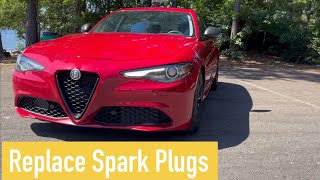
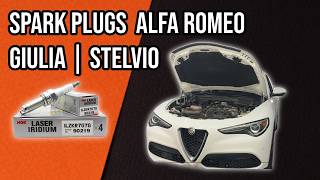
We Have This Part in Stock

The information in this article is provided for general reference and educational purposes only. Vehicle specifications, procedures, and part compatibility can vary by production date, trim level, and region. Always consult your vehicle's factory service manual and verify part numbers before purchasing or performing repairs. Safety-critical components such as airbags, seat belts, and braking systems should be installed by a qualified professional.
- Alfa Romeo GIULIA:
- 🧭 Diagnostic Flowchart
- 🎬 Helpful Videos
- 🛍️ Shop This Part
- What's Unique About the 2017-2022 Alfa Romeo GIULIA
- Symptoms You May Notice
- Most Likely Causes
- Rare But Worth Checking
- Diagnosis Steps
- Parts You'll Likely Need
- Related Codes That Often Appear With This One
- Technical Service Bulletins (TSBs) & Recalls
- Platform-Specific Known Issues
- Mechanic-Grade Diagnostic Values
- Hidden / Shadow Codes Worth Checking
- Scan Tool Commands That Help
- Wiring & Ground Locations
- Real Owner Repair Stories
- OEM Part Supersession History
- Model Year Variations Within This Range
- 🎟️ Get 5% Off