

P0303 on 2019-2021 Audi A6: Cylinder 3 Misfire Causes and Fixes
P0303 means cylinder 3 is misfiring. On the 2019-2021 Audi A6, this is most often caused by a faulty ignition coil or a worn spark plug. A quick DIY test is to swap the cylinder 3 ignition coil with another cylinder's coil; if the code changes (e.g., to P0301), you've found the bad coil. Before replacing parts, check for software updates, as Audi has issued TSBs to fix misfires with new software.
- P0303 is a misfire on cylinder 3, most likely caused by a bad ignition coil or spark plug.
- The easiest way to diagnose a bad coil is to swap it with another cylinder and see if the misfire code follows the coil.
- Always replace spark plugs in a full set to ensure even engine performance.
- For the 3.0L V6 engine, if a new coil and plug do not fix the P0303 code, seek immediate professional help as it could be a sign of a serious internal engine problem.
- Do not drive the car if the check engine light is flashing to avoid damaging the catalytic converter.
What's Unique About the 2019-2021 Audi A6
For the 2019-2021 (C8 generation) Audi A6, a P0303 code is typically a straightforward ignition issue. However, Audi has issued multiple Technical Service Bulletins (TSBs) for misfires on this platform, often recommending a software update as the first step before component replacement. This is particularly relevant for issues related to certain fuel blends (e.g., winter gas) that can be corrected with new calibration. Furthermore, for models with the 3.0L V6 (EA839) engine, while a coil or plug is still the most likely cause, owners have reported that a persistent misfire can be an early symptom of a severe internal engine problem related to rocker arms, which in some cases has required complete engine replacement.
Diagnostic Flowchart
Tap your situation to follow the diagnostic path that matches what you're seeing on this vehicle.
Symptoms You May Notice
- Rough or shaking idle
- Hesitation or stumbling during acceleration
- Noticeable loss of engine power
- Solid or flashing Check Engine Light
- Reduced fuel economy
- Fuel smell from the exhaust
- Replacing oxygen sensors. While a misfire can affect O2 sensor readings, the sensor itself is rarely the cause of a single-cylinder misfire code.
- Assuming a leaking intercooler. On older supercharged Audis, a leaking intercooler could cause misfires on specific cylinders. However, the 2019-2021 A6 uses a turbocharged setup where this is not a common cause for P0303.
Most Likely Causes
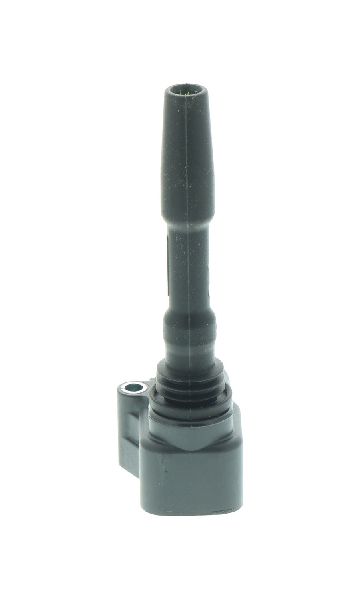
- Faulty Ignition Coil 🔴 High Probability → Shop Ignition Coil Ignition coils are a common failure item on many modern German vehicles, including Audi. The multiple TSBs for misfires on this platform point towards potential issues with ignition components, though software updates are often the first prescribed fix.
How to confirm: Swap the ignition coil from cylinder 3 with another cylinder (e.g., cylinder 1). Clear the codes and drive the car. If the code returns as P0301, the ignition coil is faulty.
Typical fix: Replace the faulty ignition coil. It is often recommended to replace all coils at the same time, especially if they are original and the vehicle has higher mileage.
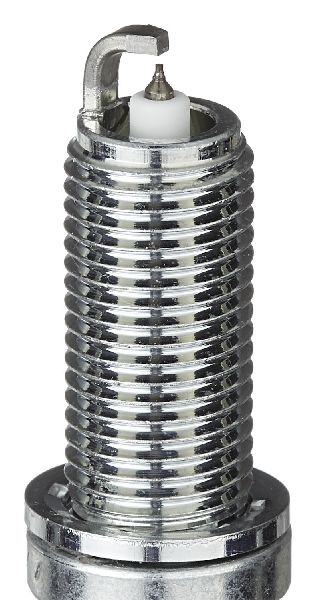
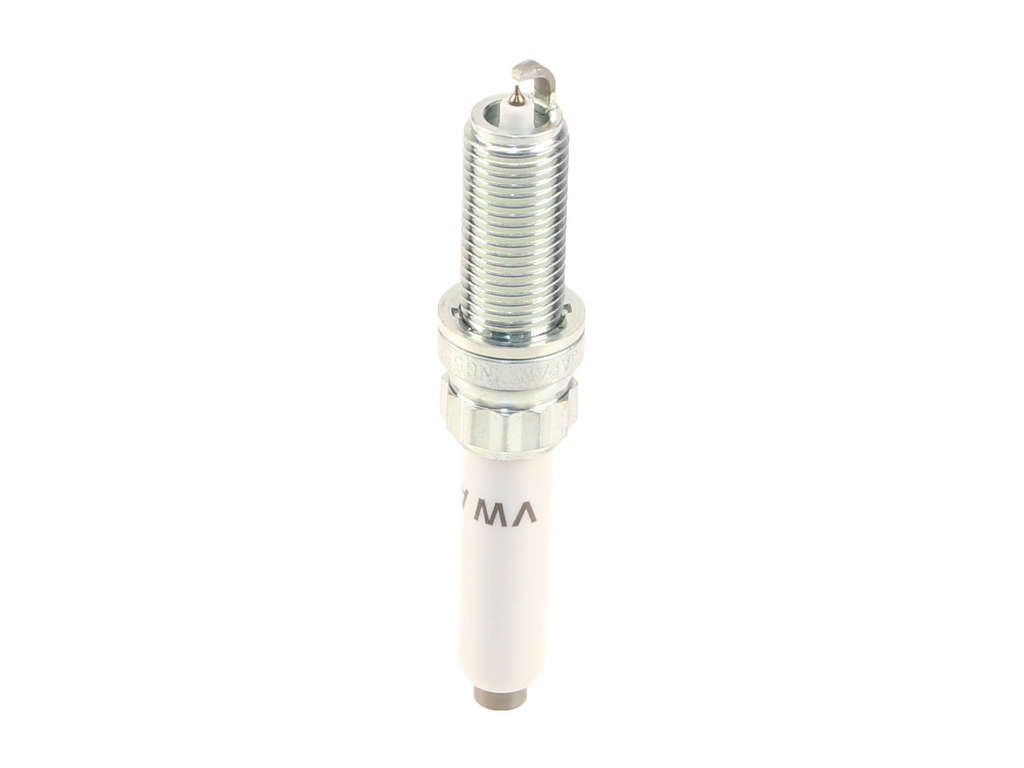
Est. part cost: $40-$80 per coil - Worn or Fouled Spark Plug 🔴 High Probability → Shop Spark Plug Turbocharged, direct-injection engines are hard on spark plugs, requiring regular replacement. An overdue service interval is a common reason for misfires.
How to confirm: After ruling out the ignition coil, remove the spark plug from cylinder 3. Inspect it for wear, carbon fouling, oil, or damage to the electrode. A wet, black, or sooty plug indicates a problem.
Typical fix: Replace the spark plug in cylinder 3. It is best practice to replace all spark plugs as a set to ensure consistent performance.
Est. part cost: $15-$30 per plug - Faulty or Clogged Fuel Injector 🟡 Medium Probability → Shop Fuel Injector Direct-injection (TFSI) fuel injectors can become clogged with carbon deposits or fail electronically over time. A clogged injector will cause a lean condition and misfire, while a leaking or stuck-open injector will cause a rich condition, fuel smell, and potentially damage the catalytic converter.
How to confirm: This is more difficult to diagnose. A professional can perform a fuel injector balance test. A DIY method involves swapping injectors between cylinders, but this is a much more involved job than swapping coils. Listening for an audible click from the injector with a mechanic's stethoscope can confirm it's activating, but not its spray pattern.
Typical fix: Replace the faulty fuel injector. This often requires removing the fuel rail and intake manifold. Sometimes, a professional fuel system cleaning can resolve clogging issues without replacement.
Est. part cost: $150-$300 per injector
Rare But Worth Checking
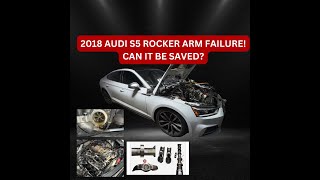
- Rocker Arm Failure (3.0L V6 Engine): → Shop Engine Rocker Arm While not widespread, this is a critical issue to be aware of for 3.0T EA839 owners. Early production models (up to Aug 2018) had rocker arms with needle bearings prone to failure. This can cause a ticking noise, followed by misfires, and can lead to catastrophic engine damage (e.g., camshaft and cylinder wall scoring) requiring a full engine replacement. 🎬 See a quick diagnosis of Audi rocker arm failure If basic ignition and fuel fixes do not resolve the misfire, immediate professional diagnosis is essential.
- Carbon Buildup on Intake Valves: Direct-injection engines are prone to carbon buildup on the back of the intake valves, which can restrict airflow and cause misfires, especially on cold starts. This is a known issue on TFSI engines and typically requires professional cleaning (e.g., walnut blasting) to resolve.
- ECU Software Glitch: Multiple TSBs (e.g., A0122312069038_1) specifically call for a software update to the Engine Control Module (ECM) to correct misfire detection logic, sometimes related to specific fuel blends like winter gas. Before replacing expensive hardware, it's crucial to check with an Audi dealer if any software updates are available for your vehicle's VIN.
- Loss of Compression: Mechanical engine problems like a leaking valve, damaged piston, or worn piston rings can cause a loss of compression, leading to a persistent misfire that won't be fixed by replacing ignition or fuel parts. A compression test is needed to diagnose this.
Diagnosis Steps
- Read the code with an OBD-II scanner to confirm P0303 is the primary code present.
- Check for TSBs. Contact an Audi dealer or use a professional database to check if any software updates or service bulletins related to misfires apply to your vehicle's VIN. TSB A0122312069038_1 specifically addresses misfires with a software update.
- Perform an ignition coil swap. Move the ignition coil from cylinder 3 to a different cylinder (e.g., cylinder 1). Clear the codes with the scanner.
- Drive the vehicle until the check engine light returns. Scan the codes again.
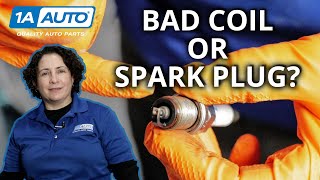
- If the code is now P0301 (or whichever cylinder you moved the coil to), 🎬 Watch: How to diagnose spark plugs and ignition coils the ignition coil is bad and must be replaced.
- If the code remains P0303, the coil is likely good. Proceed to the next step.
- Inspect the spark plug. Remove the spark plug from cylinder 3. Check for excessive wear, damage, or fouling (black soot, wetness). If it looks worn or dirty, replace it. It's best practice to replace all plugs at once.
- If the coil and spark plug are good but the misfire persists, the issue may be with the fuel injector or a more serious mechanical problem.
- Listen to the fuel injector. Use a mechanic's stethoscope to listen to the cylinder 3 injector. It should make a consistent, rapid clicking sound. If it's silent or sounds different from other injectors, it may be faulty.
- Seek professional diagnosis. At this stage, especially on the 3.0L V6 engine, it is wise to have a professional mechanic perform a fuel system test and an engine compression test to rule out a failing fuel injector or internal engine damage like a rocker arm failure.
Parts You'll Likely Need
- Ignition Coil
(OEM #06E905115F (or later revisions like G, H) for 3.0T V6)— This is the most frequent cause of a P0303 misfire on this platform.
Trusted brands: Bosch, NGK, Eldor, Denso
OEM price range: $60-$90
Aftermarket price range: $40-$70 - Spark Plug
(OEM #06M905606 (NGK) for 3.0T V6)— A worn or fouled spark plug is the second most common cause and is a routine maintenance item.
Trusted brands: NGK, Bosch
OEM price range: $25-$40
Aftermarket price range: $15-$30
Related Codes That Often Appear With This One
- P0300 — If the misfire is intermittent or begins to affect other cylinders, a P0300 (Random/Multiple Cylinder Misfire) code may appear alongside P0303.
- P0301, P0302, P0304, etc. — If there is a systemic problem like low fuel pressure, a major vacuum leak, or multiple failing coils/plugs, you may get misfire codes for other cylinders as well.
- P0420 — A persistent misfire allows unburnt fuel into the exhaust, which can overheat and destroy the catalytic converter, leading to a P0420 (Catalyst System Efficiency Below Threshold) code.
Technical Service Bulletins (TSBs) & Recalls
- A0124212069038_5: 'This bulletin provides information when the MIL is illuminated, cylinder misfires; P0300, P0301, P0302, P0303, P0304, P0305, P0306'
- A0123912069038_5: 'This bulletin provides information for when the MIL is illuminated, DTCs P0300, P0301, P0302, P0303, P0304, P0305, P0306.'
- A0123802069038_4: 'This bulltin provides information for when the MIL, cylinder misfires, DTCs P0300, P0301, P0302, P0303, P0304, P0305, P0306.'
- A0123612069038_3: 'This bulletin provides information for when the MIL is on and DTCs P0300, P0301, P 0302, P0303, P0304, P0305, or P0306 may be stored.'
- A0122312069038_1: 'software update is available for instances where the MIL is illuminated with one of the following DTCs: P0300, P0301, P0302, P0303, P0304, P0305, P0306.'
Platform-Specific Known Issues
- 3.0L V6 Rocker Arm Failure: There are multiple owner reports on forums for 2019+ models with the 3.0T engine (EA839) where a misfire code was an early indicator of rocker arm failure. This issue is noted to affect pre-August 2018 production engines primarily. The failure of needle bearings in the rocker arms can lead to cylinder wall scoring and the need for a complete engine replacement. This elevates the importance of proper diagnosis if a simple coil/plug swap doesn't fix the issue.
- Multiple Misfire TSBs: Audi issued at least five separate Technical Service Bulletins in 2023 and 2024 related to misfire codes (P0300-P0306) on the 2019 A6. TSB A0122312069038_1 specifically mentions a software update to correct the misfire detection logic, which may be overly sensitive, especially with certain fuel types.
Mechanic-Grade Diagnostic Values
- Low-Pressure Fuel Pump (LPFP) pressure — expected: 4 to 6 bar. Failure: Pressure below 4 bar can starve the high-pressure pump, causing misfires under load.
- High-Pressure Fuel Pump (HPFP) rail pressure (stock) — expected: Up to 200 bar (approx. 2900 PSI), dependent on engine load.. Failure: Significant deviation or inability to reach target pressure specified by the ECU can indicate a failing HPFP or a leak. Tuned vehicles may target higher pressures (up to 275+ bar with upgraded pumps).
- Misfire Counter per Cylinder (Live Data) — expected: 0 at idle and during normal driving.. Failure: Any count incrementing on cylinder 3 confirms a live misfire. This is the most direct way to confirm the fault without waiting for the CEL.
Scan Tool Commands That Help
- VCDS (VAG-COM): Measuring Value Blocks (MVB) - Groups 014, 015, 016 — To watch live misfire counters for each cylinder. This is crucial for confirming which cylinder is misfiring in real-time, especially if the fault is intermittent and doesn't immediately set a CEL.
- ODIS (Official Dealer Software): Guided Fault Finding (GFF) — When diagnosis is not straightforward. GFF provides a step-by-step test plan based on the stored fault codes, prompting the technician to check specific components and values. It can initiate test plans and guided functions for components.
Real Owner Repair Stories
- Ross-Tech Forums (2015 Audi A6 2.0T (Note: C7 generation, but diagnostic principles for mechanical failure are similar)) — Recurring P0303, violent vibration, EPC light, especially above 3000 RPM.
❌ Tried (didn't work) Replacing all 4 spark plugs, Replacing cylinder 3 ignition coil, Swapping spark plugs between cylinders, Swapping fuel injectors between cylinders
✅ What actually fixed it The final diagnosis pointed towards a mechanical issue, specifically a broken valve spring on cylinder 3. A leak-down test was recommended to confirm whether the intake or exhaust valve was failing to seal, which would be caused by the broken spring.
OEM Part Supersession History
06E905115A, B, C, D, E, F→06E905115G (and later revisions)— Standard iterative improvements for reliability and performance. Later revisions are generally considered more robust against heat and electrical failure.
Heads up: These part numbers are generally interchangeable for the same engine, but it is always best practice to replace coils in a full set with the same part number to ensure consistent performance.06M109417H→0P2109417— The original rocker arms on early EA839 engines were prone to premature needle bearing failure. The updated part (0P2109417) features a more robust bearing design to prevent this failure, which can cause misfires and lead to catastrophic engine damage.
Model Year Variations Within This Range
- 2019+: The 2019 (C8) model year marked a significant change for the 3.0L engine, switching from a supercharged V6 to the new EA839 turbocharged 3.0L V6. This change makes diagnostic information from older supercharged A6 models (C7 generation) not always applicable, especially concerning boost-related issues and specific components like the high-pressure fuel pump and rocker arms.
- 2021: For the 2021 model year, the base 2.0L Turbocharged I4 (45 TFSI) engine received a power increase from 248 hp to 261 hp. While this does not fundamentally change the P0303 diagnosis, it reflects a different ECU calibration.
Helpful Videos
Used OEM Parts in Stock
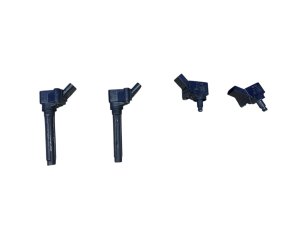
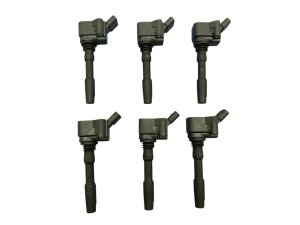
New Aftermarket Parts Available
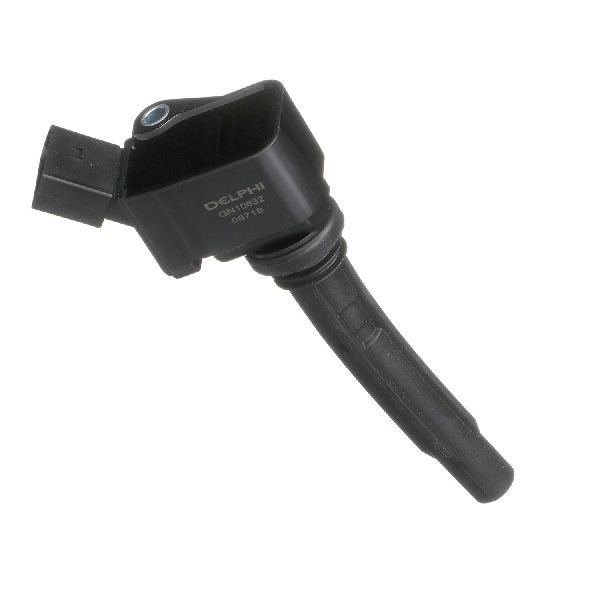
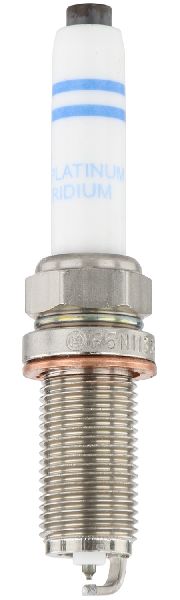


The information in this article is provided for general reference and educational purposes only. Vehicle specifications, procedures, and part compatibility can vary by production date, trim level, and region. Always consult your vehicle's factory service manual and verify part numbers before purchasing or performing repairs. Safety-critical components such as airbags, seat belts, and braking systems should be installed by a qualified professional.
- Audi A6:
- 🧭 Diagnostic Flowchart
- 🎬 Helpful Videos
- 🛍️ Shop This Part
- What's Unique About the 2019-2021 Audi A6
- Symptoms You May Notice
- Most Likely Causes
- Rare But Worth Checking
- Diagnosis Steps
- Parts You'll Likely Need
- Related Codes That Often Appear With This One
- Technical Service Bulletins (TSBs) & Recalls
- Platform-Specific Known Issues
- Mechanic-Grade Diagnostic Values
- Scan Tool Commands That Help
- Real Owner Repair Stories
- OEM Part Supersession History
- Model Year Variations Within This Range
- 🎟️ Get 5% Off