

P0303 on 2019-2021 Audi A7: Cylinder 3 Misfire Causes and Fixes
P0303 on a 2019-2021 Audi A7 most often indicates a failed ignition coil or a worn spark plug on cylinder 3. Swapping the coil with another cylinder is the fastest way to diagnose the problem. In some cases, a dealer software update may be required. Expect to pay $50-$100 for a single OEM-quality coil.
- P0303 on your A7 is a misfire in cylinder 3, the rearmost cylinder on the passenger side.
- The most likely cause is a bad ignition coil, followed by a worn spark plug.
- Diagnose the issue for free by swapping the cylinder 3 ignition coil with one from another cylinder to see if the misfire code follows the coil.
- If the Check Engine Light is flashing, pull over safely and avoid driving to prevent expensive catalytic converter damage.
- Always replace spark plugs and ignition coils as a complete set of six for best results and to prevent repeat failures.
What's Unique About the 2019-2021 Audi A7
The 2019-2021 A7 uses a 3.0L turbocharged V6 engine (designated 55 TFSI), which is part of the EA839 engine family. While generally reliable, these direct-injection engines are known for several specific issues leading to misfires. Firstly, ignition coils and spark plugs are common failure points. Secondly, Audi has released numerous Technical Service Bulletins (TSBs) for misfire codes (P0300-P0306), including one that provides a software update to correct misfires caused by software calibration sensitivity, particularly with winter-blend fuels. [A0122312069038_1] Lastly, earlier models of this engine family (2017-2019) are known to have issues with rocker arm bearing failures, which can lead to misfires and, in worst-case scenarios, catastrophic engine damage.
Diagnostic Flowchart
Tap your situation to follow the diagnostic path that matches what you're seeing on this vehicle.
Symptoms You May Notice
- Rough or shaky idle
- Hesitation or stumbling during acceleration
- Noticeable loss of engine power
- Flashing Check Engine Light (during the misfire event)
- Solid Check Engine Light is on
- Reduced fuel economy
- Smell of fuel from the exhaust
- Replacing only the spark plug without testing the ignition coil first. The coil is a more frequent failure point and is easier to test via swapping.
- Assuming a fuel system problem before ruling out the much more common ignition system faults.
- Replacing expensive components before checking for applicable TSBs, especially the one related to a software update for phantom misfires. [A0122312069038_1]
Most Likely Causes
- Faulty Ignition Coil 🔴 High Probability → Shop Ignition Coil Ignition coils are a common failure item on modern Audi engines due to high heat exposure in the engine bay. They are considered a wear item.
How to confirm: Swap the ignition coil from cylinder 3 with another cylinder (e.g., cylinder 1). Clear the codes and drive the car. If the code changes to P0301, the coil is bad. This is the most effective initial diagnostic step. 🎬 Watch: How to diagnose a misfire on an Audi 3.0T engine
Typical fix: Replace the faulty ignition coil. It is best practice to replace all six coils at the same time with OEM parts (e.g., Bosch or NGK) to prevent future failures and ensure consistent performance.
Est. part cost: $50-$100 per coil - Worn or Fouled Spark Plug 🔴 High Probability → Shop Spark Plug
How to confirm: After confirming the ignition coil is good, remove the spark plug from cylinder 3. Inspect it for wear (worn electrode), carbon deposits, or oil/fuel fouling. The service interval for these plugs is typically around 40,000 miles, but they can fail sooner.
Typical fix: Replace the spark plug. It is mandatory to replace all six spark plugs as a set to ensure even performance and prevent chasing misfires across other cylinders.
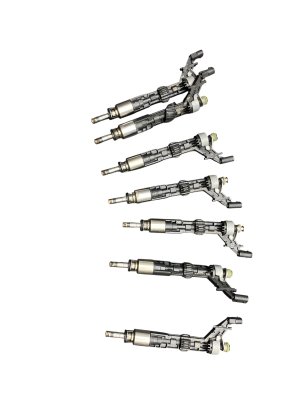
Est. part cost: $100-$250 for a set of 6 - Leaking or Clogged Fuel Injector 🟡 Medium Probability → Shop Fuel Injector These engines use a high-pressure direct injection system. While robust, injectors can become clogged from fuel deposits or fail electronically over time, disrupting the precise fuel spray pattern.
How to confirm: This is more difficult to diagnose after ruling out coils and plugs. A professional can perform a fuel injector balance test. A DIY method involves swapping the injector between cylinder 3 and another cylinder, but this is a labor-intensive job requiring fuel rail removal.
Typical fix: Replace the faulty fuel injector. This is a more involved job that requires relieving fuel pressure and removing the fuel rail.
Est. part cost: $150-$300 per injector - Carbon Buildup on Intake Valves ⚪ Low Probability As a direct-injection engine, fuel is sprayed directly into the cylinder, not over the intake valves. Over time, oil vapor from the PCV system can bake onto the valves, restricting airflow and causing turbulence that leads to misfires, especially on cold starts.
How to confirm: Requires a borescope inspection of the intake ports, which usually means removing the intake manifold. This is typically diagnosed after all ignition and fuel-related possibilities are exhausted.
Typical fix: The intake valves need to be manually or media-blasted (walnut blasting) to remove the carbon deposits. This is a labor-intensive job.
Est. part cost: $50-$150 for intake gaskets, plus labor
Rare But Worth Checking
- Failed Rocker Arm / Valvetrain Issue: → Shop Engine Rocker Arm The EA839 engine, particularly in 2017-2019 models, is known for premature rocker arm bearing failure. This can cause a ticking noise, followed by a misfire code like P0303 if a valve is no longer opening correctly. This is a serious internal engine problem requiring significant labor 🎬 Watch: How to identify rocker arm failure on the EA839 to fix. A compression and leak-down test are necessary to diagnose this after ruling out simpler causes.
- ECM Software Calibration: Audi has issued TSBs (e.g., A0122312069038_1) indicating that on some models, the ECM software is too sensitive and can incorrectly log misfires, especially with certain fuel blends. The fix is a software update performed by an Audi dealer. [A0122312069038_1]
- Low Engine Compression: Beyond rocker arms, this can indicate other serious internal engine problems, such as scored cylinder walls or failed piston rings, which have been reported on the EA839 engine. A compression test is needed to confirm.
- Vacuum Leak: A leak in a vacuum hose or intake gasket can introduce unmetered air, leaning out the mixture and causing a misfire. This would typically be accompanied by other lean codes (P0171/P0174).
- Faulty PCV Valve: → Shop PCV Valve A failed Positive Crankcase Ventilation (PCV) valve, specifically the internal check valve in the breather hose, can allow boost pressure to enter the crankcase, leading to oil leaks and potentially contributing to misfire conditions.
Diagnosis Steps
- Read the code using an OBD-II scanner to confirm P0303 and check for any other stored codes.
- Note the cylinder 3 location. 🎬 See this video for a step-by-step misfire diagnosis walkthrough On the Audi 3.0L V6 (EA839), the passenger side of the engine holds cylinders 1, 2, and 3 (front to back). Cylinder 3 is the one closest to the firewall on the passenger side (Bank 1).
- Swap the ignition coil from cylinder 3 with the coil from cylinder 1. Clear the codes.
- Drive the vehicle until the check engine light returns. Scan the codes again.
- If the code is now P0301, the ignition coil is faulty and needs replacement.
- If the code remains P0303, the problem is not the coil. Proceed to inspect the spark plug in cylinder 3. Look for a cracked insulator, heavy carbon fouling, or a wet appearance (fuel or oil).
- Replace the spark plugs if they are worn, fouled, or past their service life. Always replace all six.
- If the coil and plug are good, check for relevant TSBs. An Audi dealer can check if the software update TSB (A0122312069038_1 or newer) applies to your VIN. [A0122312069038_1]
- If the problem persists, the next likely culprits are the fuel injector or a mechanical engine issue (low compression, rocker arm). These steps typically require professional diagnosis with tools like a fuel pressure gauge, borescope, and compression tester.
Parts You'll Likely Need
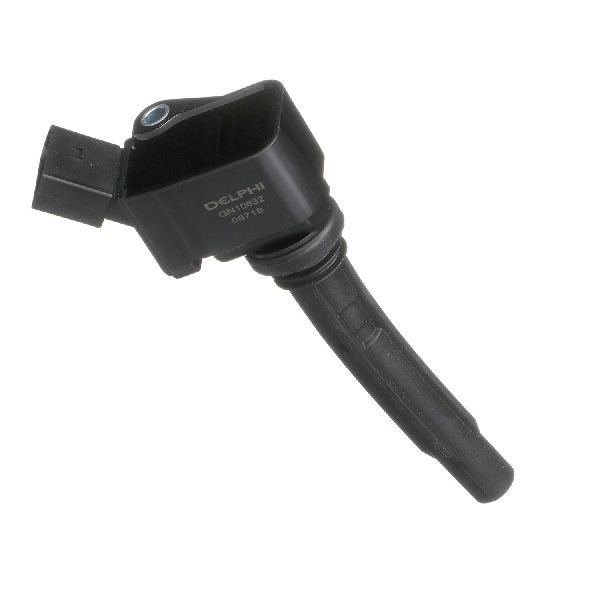
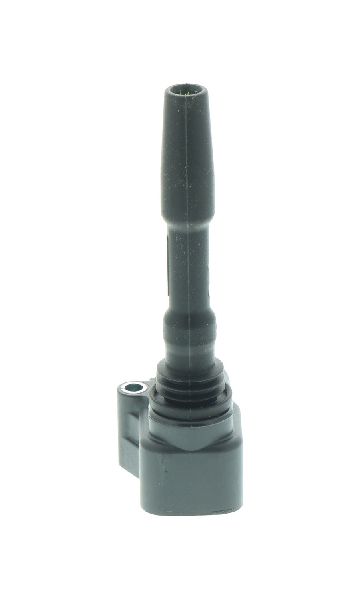
- Ignition Coil
(OEM #06M905115F (Bosch is a common OEM supplier))— This is the most common failure point for a single-cylinder misfire on this engine.
Trusted brands: Bosch, NGK, Delphi, Genuine Audi
OEM price range: $70-$120
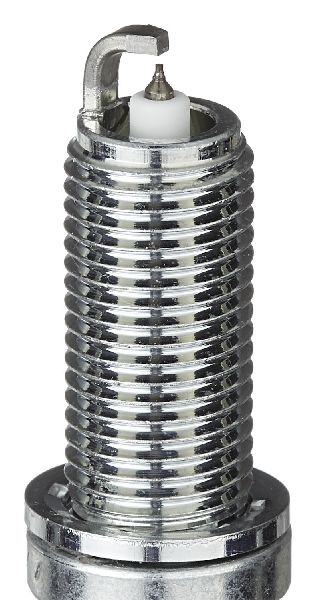
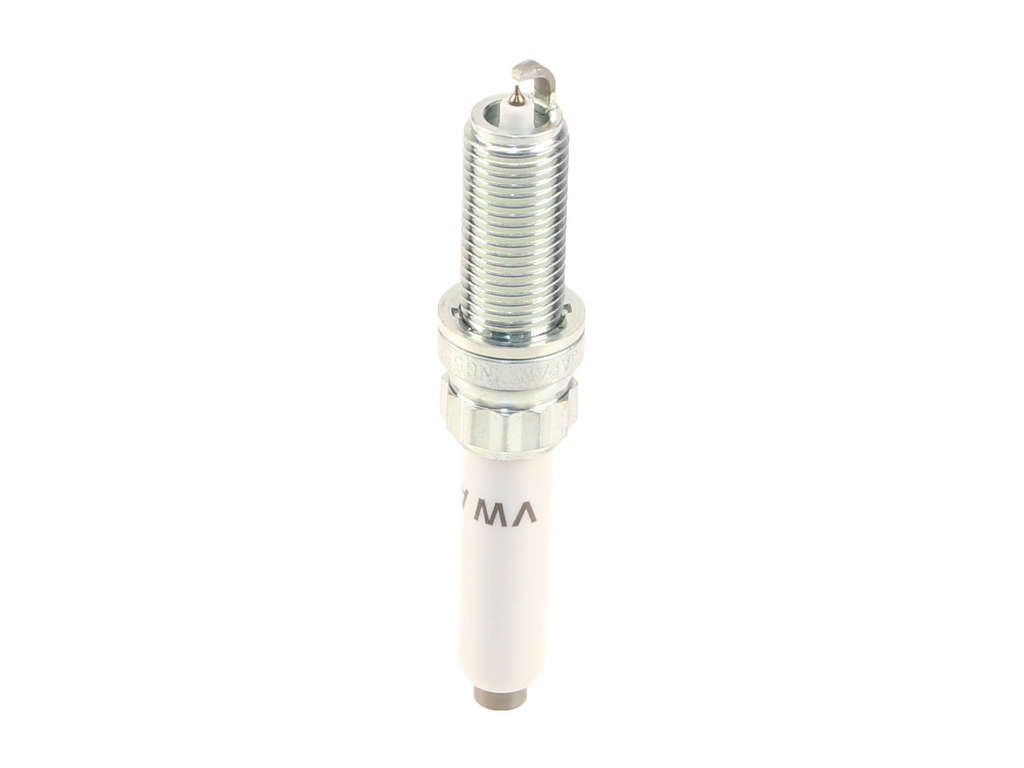
Aftermarket price range: $40-$80 - Spark Plug
(OEM #06M905606F (NGK is a common OEM supplier, e.g., SILKGR9A7ES))— Spark plugs are a regular maintenance item and a common cause of misfires as they wear out.
Trusted brands: NGK, Bosch, Genuine Audi
OEM price range: $25-$40 per plug
Aftermarket price range: $15-$25 per plug - Fuel Injector
(OEM #06M906036F (Bosch is the OEM supplier))— If ignition components are confirmed good, a clogged or failed direct fuel injector is the next most likely cause.
Trusted brands: Bosch, Genuine Audi
OEM price range: $200-$350
Aftermarket price range: $150-$250
Related Codes That Often Appear With This One
- P0300 — If multiple cylinders are misfiring intermittently, a P0300 (Random/Multiple Cylinder Misfire) may be stored alongside P0303.
- P0301, P0302, P0304, P0305, P0306 — These codes indicate misfires in other specific cylinders. Seeing them together points to a systemic issue like a bad batch of fuel, a vacuum leak, or a failing fuel pump.
- P130A — This Audi-specific code for 'Hide Cylinder' can be stored with misfire faults, indicating a more deliberate action by the ECU to shut down a cylinder rather than a random event, pointing away from issues like poor fuel quality.
Technical Service Bulletins (TSBs) & Recalls
- A0124212069038_5: Provides information for when the MIL is illuminated due to cylinder misfires (P0300-P0306).
- A0123912069038_5: Provides information for when the MIL is illuminated due to DTCs P0300-P0306.
- A0123802069038_4: Provides information for when the MIL is on due to cylinder misfires (P0300-P0306).
- A0123612069038_3: Provides information for when the MIL is on and DTCs P0300-P0306 may be stored.
- A0123352069038_2: Provides instructions for when the MIL is illuminated and DTCs P0300-P0306 may be stored.
- A0122312069038_1: Describes a software update available to correct instances where the MIL is illuminated with misfire DTCs P0300-P0306, addressing over-sensitivity in the monitoring software.
Platform-Specific Known Issues
- Software Update for Misfire Detection: Audi TSB #A0122312069038_1 (and subsequent revisions) addresses an issue where the engine control module's software is overly sensitive, causing it to log misfire DTCs (P0300-P0306) when no mechanical fault exists. This can be triggered by factors like winter-blend fuel. The solution is a software update performed by a dealer. [A0122312069038_1]
- Rocker Arm Bearing Failure: → Shop Engine Rocker Arm A widely discussed issue on the EA839 engine family, especially from 2017-2019, is the failure of needle bearings in the rocker arms. This can lead to a ticking noise, loss of valve lift, and eventually a misfire code like P0303. This is a significant mechanical failure that can lead to camshaft damage if not addressed.
Mechanic-Grade Diagnostic Values
- High-Pressure Fuel Pump (HPFP) Rail Pressure — expected: Up to 200 bar (2900 PSI) on a stock system.. Failure: Significantly lower pressure under load can indicate a failing HPFP, leading to lean misfires.
- Low-Pressure Fuel Pump (LPFP) Feed Pressure — expected: Approximately 4 to 6 bar (58 to 87 PSI).. Failure: Pressure dropping below this range will starve the HPFP, causing misfires under high load.
- VCDS Misfire Counter — expected: Using VCDS software, monitor Measuring Block Groups 014, 015, 016. The counters for each cylinder should be at or near zero at idle and under load.. Failure: A rapidly increasing count on cylinder 3 confirms the misfire location in real-time, helping to diagnose intermittent issues.
Hidden / Shadow Codes Worth Checking
- P130A: Audi-specific code for 'Hide Cylinder'. Its presence alongside a P030x code suggests the Engine Control Unit is intentionally disabling the cylinder, pointing towards a more severe, non-random fault rather than something like bad fuel. (see via Professional scan tools like VCDS or ODIS.)
- Mode 6, Test ID $A2-$AC: Mode 6 data tracks misfire counts per cylinder during the current and last 10 driving cycles. Test ID $A4 would typically correspond to cylinder 3. This data can show misfires that haven't yet met the threshold to trigger a Check Engine Light. (see via Most advanced OBD-II scanners, including VCDS.)
Scan Tool Commands That Help
- ODIS (Official Audi Diagnostic Software): Guided Fault Finding (GFF) — When P0303 is stored, ODIS will automatically generate a 'Test Plan'. This guides the technician through a specific, sequential diagnostic process including component checks, wiring tests, and reading specific measuring blocks, ensuring no steps are skipped.
- VCDS (VAG-COM): Advanced Measuring Values — To log and graph misfire counts for cylinder 3 against variables like Engine Speed, Load, and Ignition Timing. This is extremely useful for identifying if the misfire only occurs under specific conditions (e.g., high RPM, low load).
Wiring & Ground Locations
- Ignition Coil Connector — 4-pin connector directly on top of the ignition coil for cylinder 3 (passenger side, rear-most cylinder).. The connector or its wiring can become brittle from heat cycling in the 'hot-V' engine design. The wiring harness is routed directly over the coils, and some aftermarket solutions even provide spacers to lift the harness for better cooling. A damaged connector or wire will cause a misfire. Part numbers like 4D0971994 or 8K0973724 are used for repair.
Real Owner Repair Stories
- AudiWorld Forums user (2018 Audi S4 (EA839 3.0T engine)) — Loud ticking noise from engine.
❌ Tried (didn't work) A dealer quoted a full engine replacement without detailed diagnosis.
✅ What actually fixed it The owner diagnosed and replaced the faulty rocker arms himself without removing the engine from the car. The engine ran strong and smooth after the repair. - Reddit user comment (2020 Audi SQ5 (EA839 3.0T engine), 17k miles, aftermarket tune) — Persistent cylinder 6 misfire codes.
❌ Tried (didn't work) Not specified, but implies standard ignition/fuel checks were performed.
✅ What actually fixed it A dealer compression test failed. The suspected cause was a failed piston ring, leading to a full engine replacement under extended warranty. The user noted this failure seems more common on cylinder 6 in hot climates. - 034Motorsport FAQ Video (Audi S4 (EA839 3.0T engine)) — Repeated failure of the fuel injector in cylinder #2.
❌ Tried (didn't work) Replacing the fuel injector in cylinder 2 multiple times. Each new injector would fail again.
✅ What actually fixed it The root cause was a faulty driver within the Engine Control Unit (ECU). Replacing the ECU resolved the issue permanently.
"I Checked Everything" — The Actual Cause
- A common issue on the EA839 is the failure of an internal check valve in the PCV breather hose. This allows boost pressure from the turbo to enter the engine crankcase, which can cause oil to be forced out of the oil cap and lead to various running issues. This is a pressure leak, not a vacuum leak, so a standard smoke test performed at atmospheric pressure will not detect it. The correct diagnostic method is to remove the hose and attempt to blow through the check valve to see if it holds pressure.
OEM Part Supersession History
Early EA839 Rocker Arms (approx. 2017-2019)→Revised Rocker Arms (e.g., part number family 0P2... vs 06M...)— The original rocker arms used needle bearings that were prone to failure due to lubrication issues. The revised parts feature a more robust design with larger bearings to improve durability.
Model Year Variations Within This Range
- 2019: The 2019 model year was the first year for the redesigned A7 (C8 generation) and the introduction of the EA839 3.0L single-turbo V6, replacing the prior generation's supercharged engine. Early production EA839 engines (including those in 2019 models) are more susceptible to the rocker arm failure issue.
- 2021: For 2021, Audi introduced a plug-in hybrid (PHEV) variant to the A7 lineup. While this model also uses a 3.0L V6, its hybrid components introduce different potential causes for drivetrain faults, though a P0303 would still point to a combustion issue in cylinder 3.
Helpful Videos
Used OEM Parts in Stock
New Aftermarket Parts Available


The information in this article is provided for general reference and educational purposes only. Vehicle specifications, procedures, and part compatibility can vary by production date, trim level, and region. Always consult your vehicle's factory service manual and verify part numbers before purchasing or performing repairs. Safety-critical components such as airbags, seat belts, and braking systems should be installed by a qualified professional.
- Audi A7:
- 🧭 Diagnostic Flowchart
- 🎬 Helpful Videos
- 🛍️ Shop This Part
- What's Unique About the 2019-2021 Audi A7
- Symptoms You May Notice
- Most Likely Causes
- Rare But Worth Checking
- Diagnosis Steps
- Parts You'll Likely Need
- Related Codes That Often Appear With This One
- Technical Service Bulletins (TSBs) & Recalls
- Platform-Specific Known Issues
- Mechanic-Grade Diagnostic Values
- Hidden / Shadow Codes Worth Checking
- Scan Tool Commands That Help
- Wiring & Ground Locations
- Real Owner Repair Stories
- "I Checked Everything" — The Actual Cause
- OEM Part Supersession History
- Model Year Variations Within This Range
- 🎟️ Get 5% Off