

P0303 on 2019-2021 Audi Q8: Cylinder 3 Misfire Causes and Fixes
Code P0303 on a 2019-2021 Audi Q8 almost always points to a failed ignition coil or a worn spark plug on cylinder 3. A new OEM-quality ignition coil costs about $40-$70, and this is a simple DIY fix for most owners. In some cases, a software update may be required as per Audi's technical service bulletins.
- P0303 on a 2019-2021 Q8 is a misfire on cylinder 3, most often caused by a bad ignition coil.
- Diagnosing the problem is simple for a DIYer: swap the cylinder 3 coil with another cylinder's coil and see if the trouble code follows.
- If the check engine light is flashing, pull over immediately to prevent expensive damage to your catalytic converter.
- When replacing spark plugs, you must use a special thin-wall 14mm 12-point socket.
- It is highly recommended to use OEM or OEM-supplier (Bosch, NGK) ignition coils and spark plugs for best results.
What's Unique About the 2019-2021 Audi Q8
The 3.0L turbocharged V6 engine (engine code: DCBD) in the Audi Q8, like many modern direct-injection engines from Volkswagen Auto Group, is known for having ignition coils as a common failure point. The issue is common enough that Audi has released multiple Technical Service Bulletins (TSBs) that address misfire codes (P0300-P0306) for this specific vehicle. Notably, TSB A0123802069038_4 specifies that a software update for the Engine Control Module (J623) is needed to correct the misfire detection logic and prevent the MIL from illuminating. This suggests some misfires may be software-related rather than a hard part failure.
Diagnostic Flowchart
Tap your situation to follow the diagnostic path that matches what you're seeing on this vehicle.
Symptoms You May Notice
- Rough or vibrating idle
- Hesitation or stumbling during acceleration
- Noticeable loss of engine power
- Solid Check Engine Light on the dashboard
- Flashing Check Engine Light (under load or acceleration)
- Reduced fuel economy
- EPC (Electronic Power Control) light may illuminate on the dashboard.
- Slight rattling or abnormal sound during acceleration.
- Replacing oxygen (O2) sensors. While a bad O2 sensor can cause fuel trim issues, it will almost always affect an entire bank of cylinders (e.g., P0301, P0302, P0303) or cause other codes, rather than just a single cylinder misfire.
Most Likely Causes
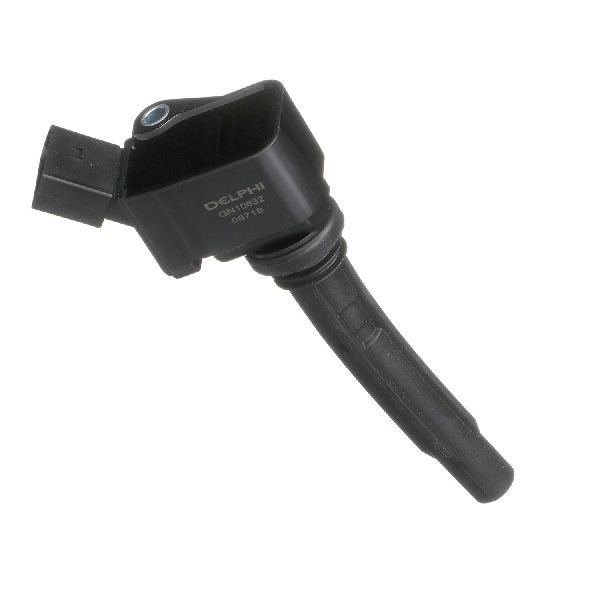
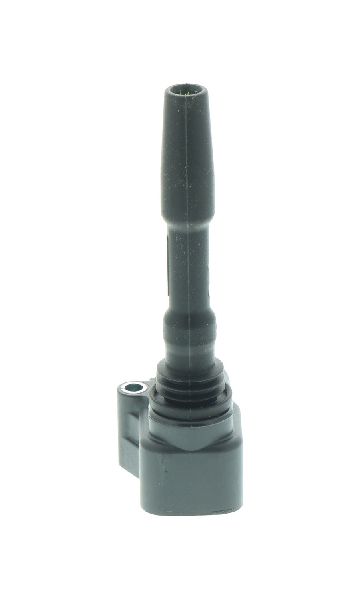
- Faulty Ignition Coil 🔴 High Probability → Shop Ignition Coil Ignition coils are a very common failure item on modern VAG engines due to high heat exposure in the engine bay. They are known to fail randomly, even at low mileage.
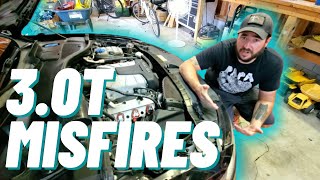
How to confirm: Swap the ignition coil from cylinder 3 with another cylinder (e.g., cylinder 1). Clear the codes and drive the car. If the code changes to P0301, the ignition coil is bad. This is the most common and effective DIY diagnostic step. 🎬 Watch: How to diagnose a misfire on your Audi 3.0T engine.
Typical fix: Replace the faulty ignition coil. It is often recommended to replace all six coils at the same time for preventative maintenance, though replacing only the failed one is also a valid repair.
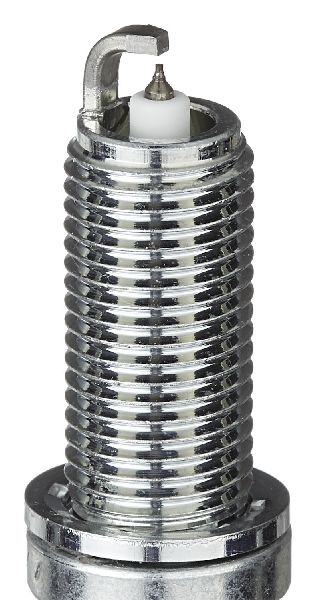
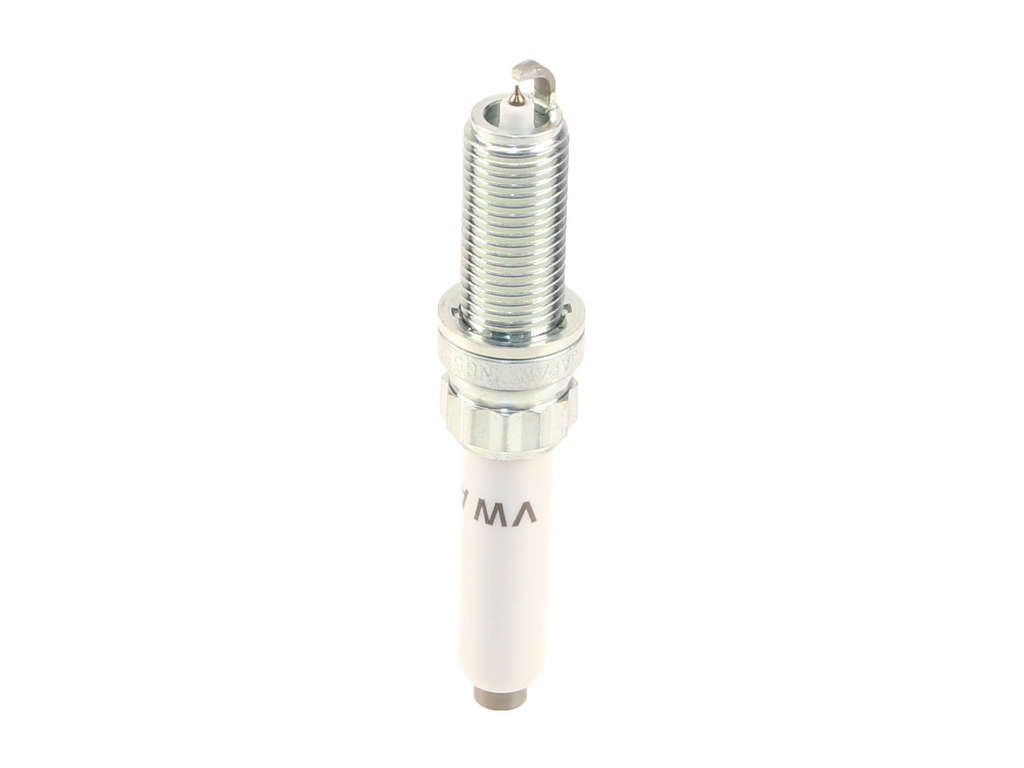
Est. part cost: $40 - $70 for one OEM-quality coil - Worn or Defective Spark Plug 🔴 High Probability → Shop Spark Plug The service interval for spark plugs on the Q8 3.0T is 40,000 miles or 6 years. Misfires are common if this interval is exceeded. A worn plug can also overwork and damage the ignition coil. The OEM plugs are typically made by NGK.
How to confirm: After ruling out the coil, swap the spark plug from cylinder 3 to another cylinder. If the misfire code follows the plug, the plug is the issue. Visually inspect the plug for wear, oil fouling, or damage. Do not attempt to gap modern iridium or platinum plugs as this can damage them.
Typical fix: Replace the spark plug. It is best practice to replace all six spark plugs as a set. Use only OEM or high-quality OEM-supplier plugs like NGK or Bosch.
Est. part cost: $20 - $40 per plug - Faulty Engine Control Module (ECM) Software 🟡 Medium Probability → Shop Engine Control Module (ECM) Audi has issued TSB A0123802069038_4 which explicitly states that a software update is available to correct misfire detection and prevent the check engine light. This TSB supersedes a previous one specifically for Bank 2 misfires on the DCBD engine.
How to confirm: A dealership or a qualified independent shop with access to Audi's software tools can check the current software version of the ECM (J623) and determine if the update specified in the TSB is needed.
Typical fix: Update the ECM software using the SVM action code specified in the TSB. This must be done by a dealer or specialist.
Est. part cost: $0 if under warranty, otherwise dealer-dependent (typically 1-2 hours of labor) - Clogged or Faulty Fuel Injector ⚪ Low Probability → Shop Fuel Injector
How to confirm: If swapping the coil and plug does not resolve the P0303 code, the fuel injector is the next component to check. This requires more advanced diagnostics, often involving testing the injector's resistance with a multimeter or performing a flow test. Some owners have had success resolving persistent misfires by replacing the injector.
Typical fix: Replace the faulty fuel injector. This is a more involved job than replacing a coil or plug and may require removing the intake manifold.
Est. part cost: $150 - $250 for one injector
Rare But Worth Checking
- Intake Valve Carbon Buildup: As a direct-injection engine, the Q8's intake valves don't get washed by fuel. Over time, carbon from the PCV system can build up, restricting airflow and causing misfires, especially on higher-mileage vehicles (typically noticeable after 50,000-60,000 miles). This usually causes random misfires (P0300) but can manifest on a single cylinder.
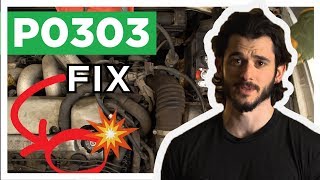
- Low Engine Compression: Mechanical engine problems like a burnt valve, worn piston ring, or a head gasket leak can cause a loss of compression in cylinder 3, leading to a misfire. This is the least likely cause and requires a compression test to diagnose. 🎬 Watch: A simple explanation of the P0303 cylinder 3 misfire code. One owner of a similar TFSI engine reported a burnt valve as the ultimate cause after replacing all other components.
Diagnosis Steps
- Read the fault codes with an OBD-II scanner to confirm P0303 is present and check for any other codes.
- Identify cylinder 3. On the Audi 3.0T V6 (DCBD engine), Bank 1 is the passenger side (cylinders 1, 2, 3) and Bank 2 is the driver's side (cylinders 4, 5, 6). Cylinder 3 is the rearmost cylinder on the passenger side.
- Swap the ignition coil from cylinder 3 with the coil from cylinder 1 (front-most on the passenger side). The coils are held by friction and pull straight out after disconnecting the electrical connector.
- Clear the codes with the scanner, start the engine, and drive for a few minutes to see if the check engine light returns.
- Re-scan for codes. If the code is now P0301, the ignition coil you moved is faulty and must be replaced.
- If the code remains P0303, the coil is likely good. Repeat the swap process with the spark plugs from cylinders 3 and 1. Note: A special thin-wall 14mm 12-point swivel socket is required for these spark plugs. Brands like CTA Tools (part CTA7654) or Lisle (part 63080) make suitable sockets.
- If the code moves to P0301 after swapping plugs, the spark plug is the culprit.
- If the code remains P0303 after both swaps, the issue is likely with the fuel injector, a software issue, or a mechanical engine problem. At this point, checking with a dealer about applicable TSBs for a software update is recommended before proceeding to more expensive mechanical repairs.
Parts You'll Likely Need
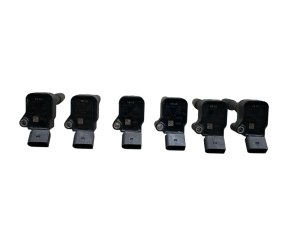
- Ignition Coil
(OEM #06L905110K)— This is the most frequent cause of a single-cylinder misfire on this engine. Part number 06L905110K is the latest revision, superseding older versions like 06L905110F/H.
Trusted brands: Bosch, NGK, Eldor, Genuine Audi/VW
OEM price range: $50-$80
Aftermarket price range: $30-$60 - Spark Plug
(OEM #06M905606F)— This is the second most common cause and should be replaced if they are near their 40,000-mile service interval.
Trusted brands: NGK, Bosch
OEM price range: $25-$40
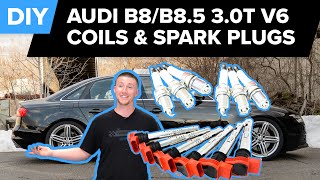
Aftermarket price range: $15-$25 - 14mm 12-Point Thin Wall Spark Plug Socket — A standard spark plug socket will not fit. A special tool is required. A magnetic or swivel version is highly recommended. 🎬 See this walkthrough for replacing your ignition coils and spark plugs.
Trusted brands: Lisle, CTA Tools, OEMTOOLS
OEM price range: $20-$40
Aftermarket price range: $15-$30
Related Codes That Often Appear With This One
- P0300 — If the misfire is intermittent or affects multiple cylinders, a P0300 (Random/Multiple Cylinder Misfire) may be stored alongside P0303.
- P0301, P0302 — If other cylinders on the same bank (Bank 1) are also misfiring, it could point to a systemic issue like a vacuum leak, a problem with the fuel rail for that bank, or the software issue mentioned in TSBs.
- P0304, P0305, P0306 — Misfires on the opposite bank (Bank 2) could also occur, sometimes pointing to a broader issue like fuel quality, which some dealers have incorrectly blamed.
Technical Service Bulletins (TSBs) & Recalls
- A0124212069038_5: Provides information for when the MIL is illuminated due to cylinder misfires (P0300-P0306).
- A0123912069038_5: Provides information for when the MIL is illuminated due to cylinder misfires (P0300-P0306).
- A0123802069038_4: Provides information for when the MIL is illuminated due to cylinder misfires (P0300-P0306) and specifies a software update.
- A0123612069038_3: Provides information for when the MIL is on and DTCs P0300-P0306 may be stored.
Platform-Specific Known Issues
- TSB A0123802069038_4 explicitly calls for a software update to fix misfire detection on the DCBD engine, indicating this is a known issue to Audi that is not always a hardware failure.
- Accessing the spark plugs and ignition coils requires a special, very slim 14mm 12-point spark plug socket; standard sockets will not fit into the spark plug tubes.
- To access the coils and plugs, various wiring harnesses and brackets must be moved. On the passenger side (Bank 1), a wiring harness bracket may need to be unbolted. On the driver's side (Bank 2), the coolant expansion tank must be unbolted and moved aside. A DIY video shows this can be a tedious process.
Mechanic-Grade Diagnostic Values
- Low-Pressure Fuel System — expected: Approximately 6 Bar (87 PSI). Failure: Significantly lower pressure indicates a failing in-tank fuel pump, which can starve the high-pressure system.
- High-Pressure Fuel System (Fuel Rail Pressure) — expected: Approximately 35 Bar (507 PSI) at idle, can rise much higher under load.. Failure: Readings that are significantly lower than specified, or that don't rise with engine RPM, point to a weak high-pressure fuel pump (HPFP) or a faulty rail pressure sensor.
Scan Tool Commands That Help
- VCDS or OBD11: Live Data Misfire Counter — This is a critical function for diagnosing intermittent misfires. Instead of waiting for a permanent code to set, you can watch the misfire count for each cylinder in real-time as the engine is running or during a test drive. This allows you to confirm if a misfire is happening on cylinder 3, even if the Check Engine Light isn't currently on.
Wiring & Ground Locations
- Engine Ground Straps — There are multiple critical ground connections. One major ground point is on the frame rail in the engine bay. Another is located on the cylinder head.. A loose or corroded ground strap can cause a host of intermittent and difficult-to-diagnose electrical issues, including weak spark, erratic sensor readings, and misfires. Technicians often recommend checking and cleaning all main engine and body grounds as a preliminary step in chasing down electrical gremlins.
- Ignition Coil Connector — The electrical connector on top of each ignition coil.. The wiring harness and connector pins for the cylinder 3 ignition coil can become damaged or corroded, preventing the coil from receiving the proper voltage to fire. A visual inspection and testing for power and ground at the connector itself can rule out a wiring issue before replacing the coil.
Real Owner Repair Stories
- Carly Community User (Audi Q7 (similar platform and engine)) — Rough idle, poor throttle response, jerking during acceleration, and a cylinder misfire code.
❌ Tried (didn't work) Initially suspected spark plugs.
✅ What actually fixed it A diagnostic scan revealed a faulty fuel injector was the root cause. The repair involved replacing the fuel injector and cleaning the fuel system, which resolved all symptoms.
OEM Part Supersession History
06L905110C, 06L905110D, 06L905110E, 06L905110F, 06L905110H→06L905110K— These are earlier revisions of the ignition coil. The 'K' revision is the latest version supplied by Audi/VW, presumably with improvements for reliability and longevity.
Heads up: All previous versions are replaced by 06L905110K. It is best practice to use the latest revision available.
Helpful Videos
Used OEM Parts in Stock
New Aftermarket Parts Available


The information in this article is provided for general reference and educational purposes only. Vehicle specifications, procedures, and part compatibility can vary by production date, trim level, and region. Always consult your vehicle's factory service manual and verify part numbers before purchasing or performing repairs. Safety-critical components such as airbags, seat belts, and braking systems should be installed by a qualified professional.
- Audi Q8:
- 🧭 Diagnostic Flowchart
- 🎬 Helpful Videos
- 🛍️ Shop This Part
- What's Unique About the 2019-2021 Audi Q8
- Symptoms You May Notice
- Most Likely Causes
- Rare But Worth Checking
- Diagnosis Steps
- Parts You'll Likely Need
- Related Codes That Often Appear With This One
- Technical Service Bulletins (TSBs) & Recalls
- Platform-Specific Known Issues
- Mechanic-Grade Diagnostic Values
- Scan Tool Commands That Help
- Wiring & Ground Locations
- Real Owner Repair Stories
- OEM Part Supersession History
- 🎟️ Get 5% Off