

P0303 on 2008-2014 Cadillac CTS: Cylinder 3 Misfire Causes and Fixes
P0303 on a 2008-2014 Cadillac CTS is most often caused by a failed ignition coil or a worn spark plug on cylinder 3. On direct-injection engines (3.0L and 3.6L), carbon buildup on the intake valves is also a common cause. A DIY fix with a new coil and plug costs around $50-$100, but be aware of more complex underlying issues like timing chains on higher-mileage engines.
- P0303 means cylinder 3 is misfiring.
- The most likely cause is a bad ignition coil or spark plug, which is an easy DIY fix.
- A simple way to test the ignition coil is to swap it with one from another cylinder and see if the trouble code follows.
- If you have a direct-injection engine (3.0L or 3.6L), and a tune-up doesn't fix the issue, the cause is likely carbon buildup on the intake valves, which requires professional service.
- Do not ignore a flashing check engine light, as it signals a severe misfire that can damage the catalytic converter.
What's Unique About the 2008-2014 Cadillac CTS
This generation of Cadillac CTS, particularly models with the 3.0L and 3.6L direct-injection (DI) engines (LLT, LFX, LF1), is known for issues beyond typical tune-ups. While ignition components are common failures, these DI engines are highly susceptible to carbon buildup on the intake valves. This buildup disrupts airflow and can cause persistent misfires that won't be solved by replacing spark plugs and coils alone, often requiring a specific decarbonization service like walnut blasting. Additionally, the 3.6L engines are known for stretched timing chains, which can also present as misfire codes. Finally, some 2014 models with the LFX engine were subject to a TSB for a software issue causing a false P0303 code specifically on acceleration.
Diagnostic Flowchart
Tap your situation to follow the diagnostic path that matches what you're seeing on this vehicle.
Generation note: Yes, this range spans two generations. The 2008-2013 models are the second generation. The 2014 model year is complex: the coupe and wagon were carry-overs from the second generation, but the sedan was all-new for the third generation. Engines also evolved, with the port-injected 3.6L LY7 used in early models (2008-2009), while direct-injection engines like the 3.0L LF1 and 3.6L LLT/LFX became common, making carbon buildup and timing chain stretch more frequent issues on later models.
Symptoms You May Notice
- Rough idle or shaking
- Hesitation or stumbling during acceleration
- Solid or flashing Check Engine Light
- Loss of engine power
- Reduced fuel economy
- Smell of unburnt fuel from the exhaust
- Replacing only spark plugs when carbon buildup is the real issue.
- Replacing fuel injectors or O2 sensors before confirming a bad ignition coil or plug.
- Replacing ignition components repeatedly when a leaky valve cover gasket is the root cause of the failure.
- Chasing misfire codes with tune-ups when the underlying cause is a stretched timing chain.
Most Likely Causes
- Failed Ignition Coil 🔴 High Probability → Shop Ignition Coil Coil-on-plug ignition systems are common failure points due to heat and vibration. TSB PIP5038B notes that coils on the 3.6L LLT can be damaged by heat stress, sometimes caused by the ECM. A very common cause of failure is oil leaking from the valve cover gasket into the spark plug tube, soaking the coil boot and causing it to short out.
How to confirm: Swap the ignition coil from cylinder 3 with another cylinder (e.g., cylinder 1). Clear the codes and drive. If the code changes to P0301, the coil is bad. Visually inspect the old coil for cracks, burn marks, or oil saturation on the boot.
Typical fix: Replace the faulty ignition coil. It's often recommended to replace the corresponding spark plug at the same time. Many owners and technicians recommend replacing all coils at once on higher mileage vehicles to prevent future failures.
Est. part cost: $40-$80 - Worn or Fouled Spark Plug 🔴 High Probability → Shop Spark Plug Spark plugs are a regular maintenance item with a finite lifespan. TSB PIP4819A suggests inspecting spark plug connections. Oil fouling from valve cover leaks or excessive oil consumption can also ruin a plug.
How to confirm: Remove the spark plug from cylinder 3 and inspect it. Look for a worn electrode, oil fouling, carbon tracking, or an incorrect gap. The gap should be checked with a feeler gauge.
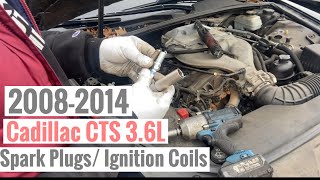
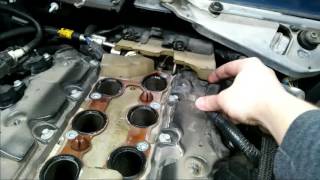
Typical fix: Replace the spark plug. It is best practice to replace all spark plugs as a set 🎬 Watch: Step-by-step guide to replacing spark plugs and ignition coils. if they are near the end of their service life, especially since accessing the rear bank requires removing the intake manifold.
Est. part cost: $10-$25 - Intake Valve Carbon Buildup 🟡 Medium Probability The 3.0L and 3.6L direct-injection engines (LLT/LFX/LF1) do not have fuel washing over the intake valves, leading to carbon accumulation from the PCV system. This is a well-documented issue (TSB PIP5029B) that restricts airflow and causes misfires.
How to confirm: This is difficult to confirm without a borescope to visually inspect the intake valves. A strong indicator is a misfire that is worse on a cold start and may improve as the engine warms up. This issue typically appears after 70,000 miles.
Typical fix: Professional cleaning is required, typically through walnut blasting or a chemical 🎬 See how to clean carbon buildup from your intake valves. induction service (e.g., SeaFoam, though with mixed results). This is not a simple DIY fix.
Est. part cost: $0 (service cost is $400-$800) - Faulty Fuel Injector ⚪ Low Probability → Shop Fuel Injector
How to confirm: Listen for the injector's clicking sound with a mechanic's stethoscope. An injector balance test can be performed by a professional to confirm flow rate. Swapping injectors is more involved than coils/plugs and is usually done after other causes are ruled out.
Typical fix: Replace the faulty fuel injector. This is more complex on DI engines due to high fuel pressures and location.
Est. part cost: $70-$150
Rare But Worth Checking
- Stretched Timing Chain: The GM 3.6L V6 engines, particularly the LLT, are known for premature timing chain stretching. This alters cam/crank correlation and can cause misfires on one or multiple cylinders, often starting with codes like P0303, P0305, etc., before setting a specific timing correlation code. This is a major repair requiring engine disassembly.
- ECM Software Issue: On 2014 CTS and Camaro models with the 3.6L LFX engine, TSB PI1122A notes that a misfire on acceleration (P0303) between 2000-4400 RPM could be caused by a software glitch. If no physical cause is found, the ECM may need reprogramming by a dealer.
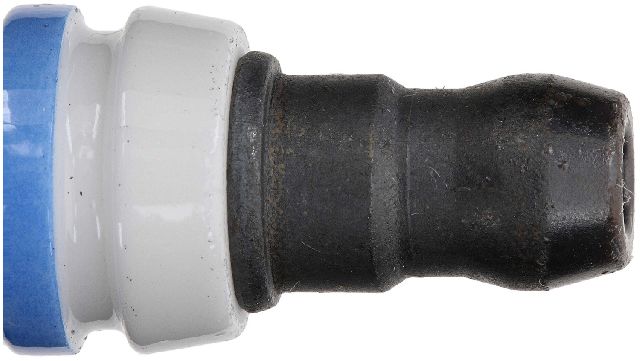
- Vacuum Leak: A leak in a vacuum hose or intake manifold gasket can introduce unmetered air and cause a lean misfire. A common failure point is the PCV tube, which can crack and cause a hissing noise. A smoke test is the best way to find a leak. TSB 17-NA-176 on related 3.6L engines points to intake manifold leaks as a cause for lean conditions and misfires.
- Low Engine Compression: This indicates a more serious internal engine problem, such as a bad valve, worn piston rings, or a failed head gasket. A compression test is needed to diagnose this. TSB PIP5095G even notes that oil/coolant in the spark plug tube can, in severe cases, be due to a porous cylinder head requiring replacement.
Diagnosis Steps
- Read the trouble codes with an OBD-II scanner and note any other codes present. Check freeze frame data.
- Visually inspect the engine bay. Look for obvious issues like disconnected hoses, damaged wiring, or oil leaks around the valve covers.
- Swap the ignition coil from cylinder 3 (front passenger side) to a different cylinder (e.g., cylinder 1, rear passenger side). Clear codes and drive. If the code moves to P0301, the ignition coil is faulty.
- If the code remains P0303, inspect the spark plug. Before removing, use compressed air to blow any debris out of the spark plug well. Inspect the plug for wear, fouling, or damage. You can also swap the plug to another cylinder to see if the misfire follows.
- If ignition parts are good, inspect the wiring and connector for the cylinder 3 ignition coil and fuel injector for damage or corrosion.
- If the issue persists, especially on a DI engine with over 70k miles, suspect carbon buildup on the intake valves. This usually requires a professional borescope inspection.
- For advanced diagnosis, consider a fuel injector balance test, a compression test, or a cylinder leak-down test to check for mechanical engine health.
- If multiple misfire codes are present on one bank or timing is suspected, a cam/crank correlation test with a lab scope may be needed to check for a stretched timing chain.
Parts You'll Likely Need
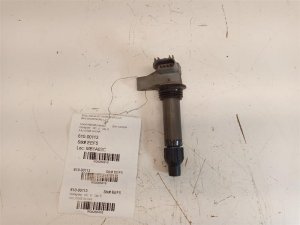
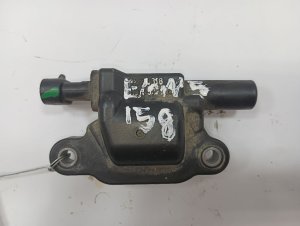
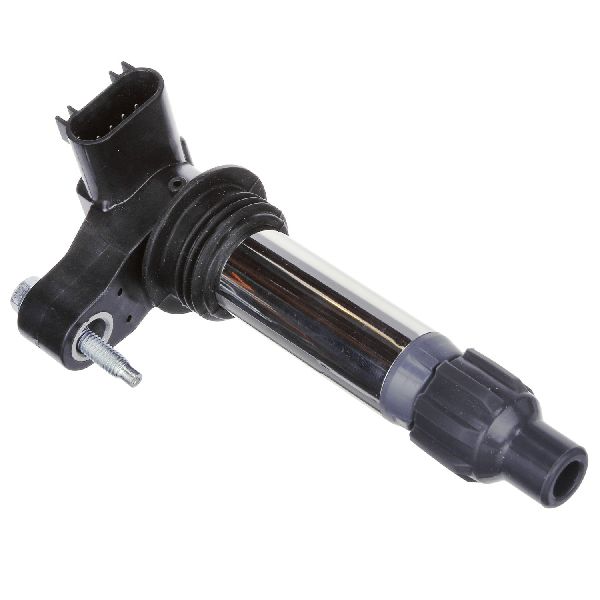
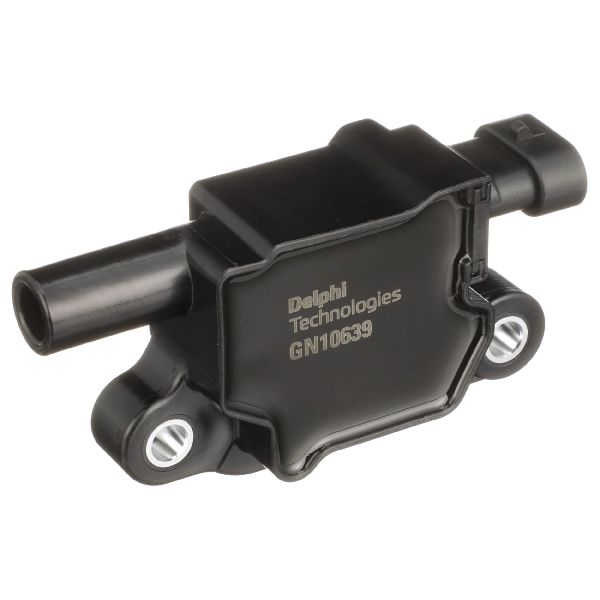
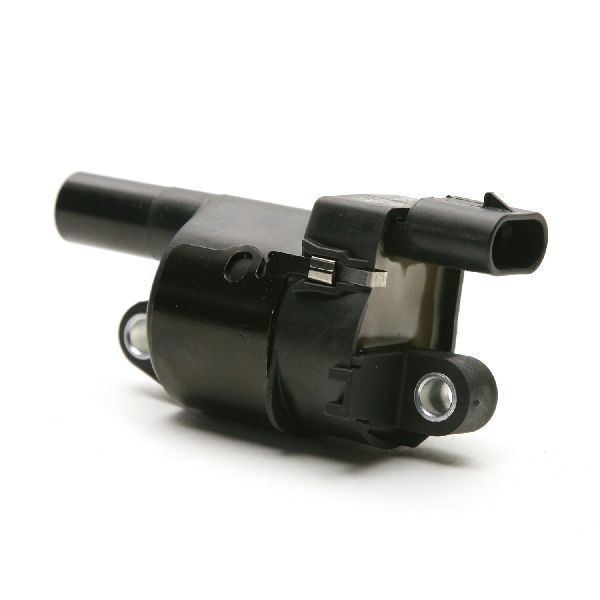
- Ignition Coil
(OEM #12632479)— This is the most common failure part for a single-cylinder misfire. The ACDelco OEM part is also sold under model number D515C. It replaces older part numbers 12618542, 12610626, and 12590990.
Trusted brands: ACDelco (GM Genuine), Delphi, NGK
OEM price range: $60-$90
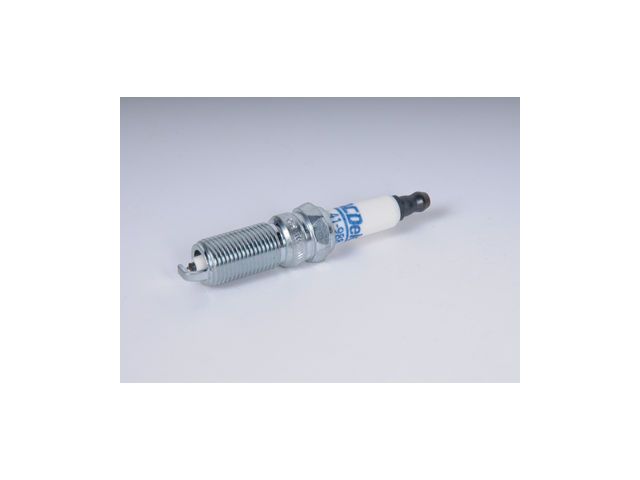
Aftermarket price range: $35-$60 - Spark Plug
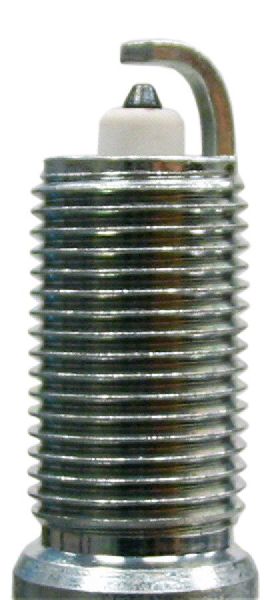
(OEM #41-109 (Iridium))— This is a standard maintenance item and the second most likely cause of the misfire. Use of the specified Iridium plug is recommended for longevity.
Related Codes That Often Appear With This One
- P0300 — If the misfire is intermittent or affects other cylinders, a P0300 (Random Misfire) code may appear alongside P0303. TSB PI1122A mentions both codes appearing together.
- P0301, P0302, P0304, P0305, P0306 — If multiple cylinders are misfiring due to a common cause like carbon buildup, a vacuum leak, or a stretched timing chain, their respective codes will be stored.
- P0171, P0174 — If the misfire is caused by a vacuum leak, you may also see System Too Lean codes for Bank 1 and/or Bank 2.
Technical Service Bulletins (TSBs) & Recalls
- PI1122A: Malfunction Indicator Lamp Flashes Due to Engine Misfire On Acceleration, DTC P0300 and/or P0303 Set
- PIP5029B: Engine Misfires Due To Major Carbon Deposits On The Intake And Or Exhaust Valves
- PIP4819A: Service Engine Soon Malfunction Indicator Lamp and the engine misfires
- PIP5038B: SES Light, Engine Misfire, and/or Shudder - Inspect Ignition Coils
- PIP5095G: Engine Misfire May Be Due to Oil or Coolant in the Spark Plug Tube
Platform-Specific Known Issues
- TSB PI1122A: Some 2014 CTS models with the 3.6L LFX engine may set a P0303 code during acceleration due to an ECM software issue, requiring a dealer re-flash.
- TSB PIP5029B: Addresses engine misfires (P0300-P0306) on direct-injection engines (including the 3.0L and 3.6L) caused by heavy carbon deposits on intake valves, often worse on cold starts.
- TSB PIP4819A: Points to loose spark plug wires as a potential cause for misfire codes P0300-P0308.
- TSB PIP5038B: Notes that ignition coils on the 3.6L LLT engine can be damaged by heat stress, potentially caused by the ECM holding the coil dwell on for too long.
- Timing Chain Stretch: Not a TSB, but a widely documented problem on the 3.6L V6 (especially LLT) that can cause various misfire codes as the cam timing becomes erratic.
Mechanic-Grade Diagnostic Values
- Low-Pressure Fuel System Pressure (In-tank pump) — expected: 34 gph (average flow rating for a common replacement pump). Failure: Significantly lower flow could indicate a failing in-tank pump, starving the high-pressure pump.
- High-Pressure Fuel System Sound (Direct Injection) — expected: A rapid clicking/ticking sound from the engine compartment, especially on cold start, which lessens when warm. The high-pressure pump on the cylinder head will continue to tick about once per second at idle.. Failure: This is a normal characteristic of the SIDI fuel system and should not be mistaken for a fault. Absence of this sound could indicate a pump failure, but the sound itself is not a sign of a problem.
- Engine Compression — expected: Approximately 120 to 150 PSI, with minimal variation between cylinders.. Failure: A reading significantly lower than other cylinders on cylinder #3 indicates a mechanical engine problem (rings, valves, head gasket).
Hidden / Shadow Codes Worth Checking
- Mode 6, OBDMID A4, TID 0B: EWMA (Exponentially Weighted Moving Average) misfire counts for cylinder 3 over the last 10 driving cycles. (see via A scan tool capable of reading Mode 6 data. This value can show a history of misfires even if the count wasn't high enough to set a code in a single trip.)
- Mode 6, OBDMID A4, TID 0C: Misfire counts for cylinder 3 for the current/last driving cycle. (see via A scan tool capable of reading Mode 6 data. This can be used to identify intermittent misfires that haven't yet triggered a P0303 code. A non-zero value here when no code is present is a strong clue.)
Scan Tool Commands That Help
- GDS2/Tech2 or equivalent professional scanner: Cylinder Power Balance Test — This test graphically displays the contribution of each cylinder, allowing a technician to visually confirm that cylinder 3 is underperforming compared to the others. It's a quick way to verify the misfire before swapping parts.
- GDS2/Tech2 or equivalent professional scanner: Injector Balance Test — After ruling out ignition components, this test can be used to command each injector to flow for a set amount of time and measure the resulting pressure drop, identifying a weak or clogged injector on cylinder 3.
Wiring & Ground Locations
- Ignition Coil 3 Connector — Cylinder 3 is on the passenger side (Bank 1), middle cylinder. The connector is a 4-pin connector.. The connector and its wiring are a potential point of failure. A loose pin, corrosion, or damaged wire can interrupt the signal to the coil, causing a P0303. The wiring harness for the coil can be found in service manuals.
- ECM Connector (e.g., C2 on some models) — The Engine Control Module's location varies, but its connectors are multi-pin (e.g., 73-way). Pinouts are required to trace the specific wire for the cylinder 3 ignition coil control signal.. In rare cases of a bad ECM driver, testing for a signal at the ECM pin for the cylinder 3 coil can confirm if the ECM is sending the command to fire. A missing signal points to an ECM or wiring issue, not a coil/plug problem.
- Engine Ground Straps — There are multiple grounds on the 3.6L engine block and cylinder heads. For example, one key ground point is often located on the cylinder head near the ignition coils.. A loose or corroded engine ground can cause a weak spark or erratic behavior in the ignition system, potentially leading to misfires. While it often causes random misfires (P0300), it can sometimes manifest as a single cylinder misfire initially.
Real Owner Repair Stories
- Reddit user in r/Cadillac (2014 CTS) — P0303 misfire code.
❌ Tried (didn't work) The user paid $260 to replace the entire PCV line assembly, but it broke again 6 months later.
✅ What actually fixed it A simple repair of the broken PCV hose using a piece of standard rubber fuel line and hose clamps. The user noted it's 'genuinely not worth replacing the entire thing'. - RepairPal Forum User (2005 Cadillac CTS) — P0303 code, engine shaking.
❌ Tried (didn't work) Replacing the ignition coil for cylinder 3.
✅ What actually fixed it The user was advised that if the new coil and plug are confirmed good, the next step is a compression test to check for mechanical cylinder issues. The final fix was not posted, but this highlights a common diagnostic dead-end where the problem is mechanical, not ignition-related.
"I Checked Everything" — The Actual Cause
- A common scenario for the 3.0L and 3.6L engines is a persistent misfire that doesn't resolve with ignition parts. A smoke test may come back clean, but the actual cause is significant carbon buildup on the back of the intake valves, which restricts airflow specifically to one or more cylinders, causing a misfire that is most noticeable on cold starts.
When the Usual Fixes Don't Work
- While a P0303 code most commonly points to a bad ignition coil or spark plug, a significant number of owners of the direct-injection 3.0L and 3.6L engines have chased this code by replacing all ignition components, only to find the misfire persists. In many of these documented cases, the final resolution was either a professional intake valve cleaning (walnut blasting) to remove carbon buildup or, in more severe cases, a costly timing chain replacement. Another recurring theme is the failure of the plastic PCV hoses, which become brittle and crack, creating a vacuum leak that is sometimes missed during diagnosis but can be the true root cause of the lean misfire.
OEM Part Supersession History
12590990, 12610626, 12618542→12632479 (Also sold as ACDelco D515C)— Updates to design and materials for improved durability and resistance to internal shorts.
Heads up: The newer part number (12632479 / D515C) is the correct and recommended replacement for all previous versions and is fully compatible.12609021→12678399— Design update for the PCV foul air tube assembly.
Heads up: While the assemblies may be updated, owners have found success in repairing the brittle plastic tubes with standard rubber hose as a cost-effective alternative.
Model Year Variations Within This Range
- 2008-2009: Early models primarily used the 3.6L LY7 V6 engine, which features port fuel injection. These engines are not susceptible to intake valve carbon buildup in the same way as the later direct-injection engines.
- 2008-2011 (LLT), 2012-2014 (LFX): The 3.6L V6 evolved from the LLT to the LFX. While both are direct-injection and prone to carbon buildup and timing chain issues, the LFX is an enhanced version with different internal components and tuning. TSB PI1122A regarding a software-induced P0303 is specific to the LFX engine in 2014 models.
- 2014: For the 2014 model year, the CTS sedan was a new (third) generation, while the coupe and wagon were carry-overs of the second generation. This can cause confusion when ordering parts, as a "2014 CTS" can refer to two different platforms with different parts.
Helpful Videos
Used OEM Parts in Stock
New Aftermarket Parts Available

The information in this article is provided for general reference and educational purposes only. Vehicle specifications, procedures, and part compatibility can vary by production date, trim level, and region. Always consult your vehicle's factory service manual and verify part numbers before purchasing or performing repairs. Safety-critical components such as airbags, seat belts, and braking systems should be installed by a qualified professional.
- Cadillac CTS:
- 🧭 Diagnostic Flowchart
- 🎬 Helpful Videos
- 🛍️ Shop This Part
- What's Unique About the 2008-2014 Cadillac CTS
- Symptoms You May Notice
- Most Likely Causes
- Rare But Worth Checking
- Diagnosis Steps
- Parts You'll Likely Need
- Related Codes That Often Appear With This One
- Technical Service Bulletins (TSBs) & Recalls
- Platform-Specific Known Issues
- Mechanic-Grade Diagnostic Values
- Hidden / Shadow Codes Worth Checking
- Scan Tool Commands That Help
- Wiring & Ground Locations
- Real Owner Repair Stories
- "I Checked Everything" — The Actual Cause
- When the Usual Fixes Don't Work
- OEM Part Supersession History
- Model Year Variations Within This Range
- 🎟️ Get 5% Off