

P0303 on 2010-2017 Cadillac Escalade: Cylinder 3 Misfire Causes & Fixes
P0303 indicates a misfire on cylinder 3. On the Escalade's 6.2L V8, this is most often caused by a bad ignition coil, a worn spark plug, or a loose spark plug wire. However, a failed Active Fuel Management (AFM) lifter is a significant and common underlying cause for misfires on this platform, representing a much more serious repair that can occur even on non-AFM cylinders like cylinder 3.
- P0303 is a misfire on cylinder 3, which is the second cylinder back on the driver's side.
- Start your diagnosis with the simple and cheap fixes: check the spark plug wire connection, then swap the ignition coil with another cylinder to see if the misfire follows.
- Listen carefully for a rhythmic ticking or tapping sound from the engine. This is a strong indicator of a failed AFM lifter, a common and serious mechanical issue on these engines.
- If the Check Engine Light is flashing, pull over as soon as it is safe to do so. Driving with a flashing CEL can cause rapid and expensive damage to your catalytic converters.
- Due to the high failure rate of AFM lifters, a persistent P0303 that isn't solved by new plugs or coils should be investigated as a potential mechanical engine problem.
What's Unique About the 2010-2017 Cadillac ESCALADE
While ignition component failure is common on any vehicle, the 2010-2017 Escalade's 6.2L V8 engines have a well-documented, high-failure-rate component: the Active Fuel Management (AFM) lifters. A collapsed or stuck AFM lifter is a very common reason for a persistent misfire code and is often accompanied by a distinct ticking noise. Even though cylinder 3 is not an AFM-deactivated cylinder (AFM cylinders are 1, 4, 6, and 7), problems within the AFM system, such as oil pressure issues or debris from a failing lifter elsewhere, can lead to misfires on any cylinder. This mechanical issue is far more serious than a simple spark plug or coil replacement and is a critical consideration when diagnosing this code on this specific vehicle.
Diagnostic Flowchart
Tap your situation to follow the diagnostic path that matches what you're seeing on this vehicle.
Generation note: This range covers two Escalade generations. The 3rd generation (2010-2014) uses the 6.2L L94 V8 with port fuel injection. The 4th generation (2015-2017) uses the updated 6.2L L86 V8 with direct injection. While both are prone to AFM lifter failure, diagnosis for fuel system issues differs between the two, with the L86 being more susceptible to carbon buildup on direct injectors.
Symptoms You May Notice
- Rough or shaky engine idle
- Hesitation or stumbling during acceleration
- Noticeable loss of engine power
- Check Engine Light is on or flashing
- Reduced fuel economy
- A distinct ticking or tapping noise from the engine, often indicating a lifter problem
- Smell of fuel from the exhaust
- Replacing only the spark plug when the ignition coil is weak or the plug wire is loose.
- Replacing ignition components repeatedly when the underlying cause is a mechanical failure like a collapsed AFM lifter, which is a very common trap on this platform.
- Assuming the problem is on an AFM cylinder, when issues in the AFM system can cause misfires on non-AFM cylinders like #3.
Most Likely Causes
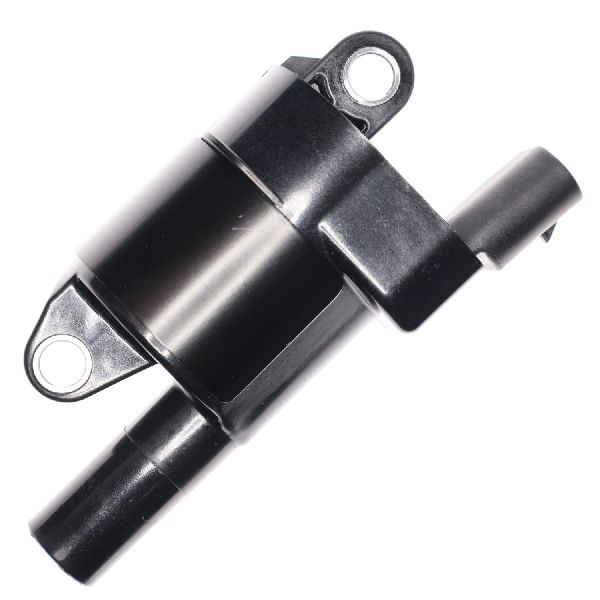
- Faulty Ignition Coil 🔴 High Probability → Shop Ignition Coil Coil-on-plug systems are common failure points due to constant exposure to high engine temperatures and vibration. The coil for cylinder 3 is located on the driver's side valve cover, second from the front.
How to confirm: Swap the ignition coil from cylinder 3 with another cylinder (e.g., cylinder 1). Clear the codes and drive. If the code changes to P0301, the coil is bad. This is a common and effective no-cost diagnostic step. 🎬 Watch: How to diagnose P0303 by testing coils and plugs.
Typical fix: Replace the faulty ignition coil. It is often recommended to replace the corresponding spark plug at the same time.
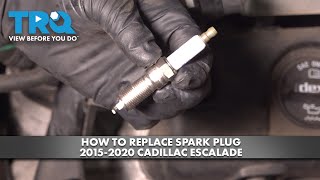
Est. part cost: $40 - $90 - Worn or Fouled Spark Plug 🔴 High Probability → Shop Spark Plug Spark plugs are a routine maintenance item that wear out over time. The original ACDelco 41-110 plugs were superseded by newer iridium plugs like 41-168 (GM P/N 19459511). An incorrect gap or heavy fouling can easily cause a misfire.
How to confirm: After confirming the coil is good, remove the spark plug from cylinder 3. Inspect it for wear (worn electrode), fouling (black, sooty, or oily deposits), or damage. A wet, fuel-soaked plug suggests a spark issue, while a white, ashy plug can indicate a lean condition or overheating.
Typical fix: Replace the spark plug. It's best practice to replace all eight plugs if they are near the end of their service life (typically 100,000 miles for iridium plugs).
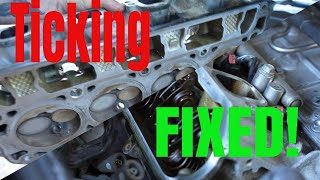
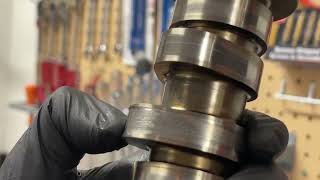
Est. part cost: $8 - $20 per plug - Failed Active Fuel Management (AFM) Lifter 🟡 Medium Probability → Shop Engine Valve Lifter The AFM lifters in both the L94 and L86 V8 engines are a notorious weak point. They can collapse, get stuck, or the roller can be damaged, leading to camshaft lobe wear. This is addressed in multiple GM Technical Service Bulletins, including 15-06-01-002 (and its many revisions) which details misfire/tick noise caused by collapsed or stuck AFM lifters.
How to confirm: Listen for a loud, rhythmic ticking or tapping noise from the top of the engine. A mechanic can confirm by removing the valve cover to check for lack of movement in the rocker arm for the affected cylinder, or perform a compression test. Low compression on an AFM cylinder is a strong indicator.
Typical fix: This is a major repair requiring replacement of the failed lifter(s), the Valve Lifter Oil Manifold (VLOM), and often the camshaft if it is damaged. Many owners and shops opt to install an 'AFM Delete Kit' to prevent future failures, which involves replacing the AFM lifters with standard lifters, a non-AFM camshaft, and tuning the ECM to disable the system.
Est. part cost: $400 - $1500 for parts, depending on camshaft replacement and whether an AFM delete kit is used. 🎬 Watch: Step-by-step guide to replacing failed AFM lifters and cylinder heads.
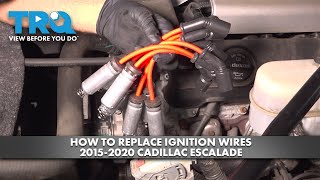
- Loose or Damaged Spark Plug Wire 🟡 Medium Probability → Shop Spark Plug GM issued TSB #PIP4819A specifically because loose-fitting spark plug wires were found to cause misfires on these engines. The boot may not 'click' into place securely, leading to a poor connection and arcing.
How to confirm: Visually inspect and physically check the spark plug wire for cylinder 3. Ensure it is fully seated on both the ignition coil and the spark plug with an audible 'click'. Check for any signs of arcing (white marks on the boot or black marks on the cylinder head) or physical damage to the wire insulation.
Typical fix: Reseat the wire securely or replace the spark plug wire set if damaged or loose. Aftermarket sets from brands like MSD are a common upgrade. [⭐ MANUFACTURER TSB — highest authority] Bulletin #PIP4819A
Est. part cost: $50 - $100 for a set - Clogged or Faulty Fuel Injector ⚪ Low Probability → Shop Fuel Injector On direct-injected 2015-2017 L86 engines, carbon buildup on injectors is a possibility. On all models, injectors can fail electronically or become clogged over time.
How to confirm: After ruling out ignition issues, swap the fuel injector from cylinder 3 with another cylinder. If the misfire code moves, the injector is the cause. This is more labor-intensive than an ignition coil swap. A mechanic can also perform a fuel injector balance test with a scan tool.
Typical fix: Replace the faulty fuel injector. For direct injection models (2015+), this is a more complex and expensive job.
Est. part cost: $70 - $200 for port injection, $100-$300+ for direct injection
Rare But Worth Checking
- Low Engine Compression: If ignition and fuel system checks do not resolve the issue, a mechanical problem like a worn piston ring, a bad valve, or a leaking head gasket could be the cause. A compression and leak-down test is required to diagnose this. One owner of a similar GM truck reported a P0303 with 82% leakage on a leak-down test, indicating a bad valve or head issue.
- Intake Manifold Gasket Leak: → Shop Engine Intake Manifold A vacuum leak specifically at the intake port for cylinder 3 can cause a lean misfire. This is less common for a single-cylinder misfire code but is a known issue on these engines. A smoke test can identify the source of the leak.
Diagnosis Steps
- Read the codes with an OBD-II scanner to confirm P0303 and check for any other codes, such as P0300 or P3400.
- Listen for a loud ticking noise from the engine, which would point towards a likely AFM lifter failure.
- Swap the ignition coil from cylinder 3 to a different cylinder (e.g., cylinder 1). Clear the codes, run the engine, and see if the misfire code moves to P0301. If it does, the ignition coil is faulty.
- If the code remains P0303, inspect the spark plug wire for a secure connection and any damage, as per TSB #PIP4819A.
- If the wire is good, remove and inspect the spark plug from cylinder 3. Replace it if it is worn, fouled, or damaged. Check the gap before installing a new plug.
- If ignition components are confirmed to be good, the next step is to test the fuel injector, typically by swapping it with another cylinder or performing a balance test.
- If the misfire still persists on cylinder 3, perform an engine compression test followed by a leak-down test. Significant leakage can pinpoint a bad valve, piston rings, or head gasket.
- If compression is low or a valvetrain noise is present, remove the driver's side valve cover to inspect the pushrods and rocker arms for cylinder 3. If no issues are visible there, the problem is likely a collapsed lifter or worn camshaft lobe, a common failure point on this engine.
Parts You'll Likely Need
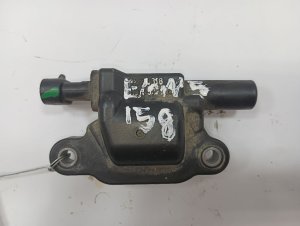
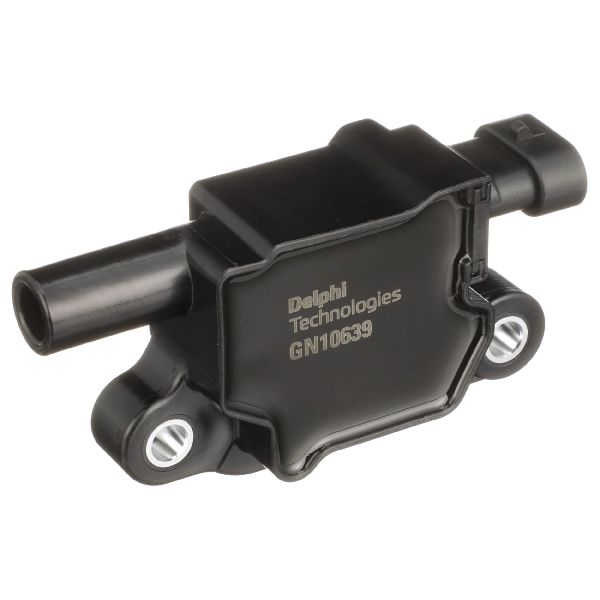
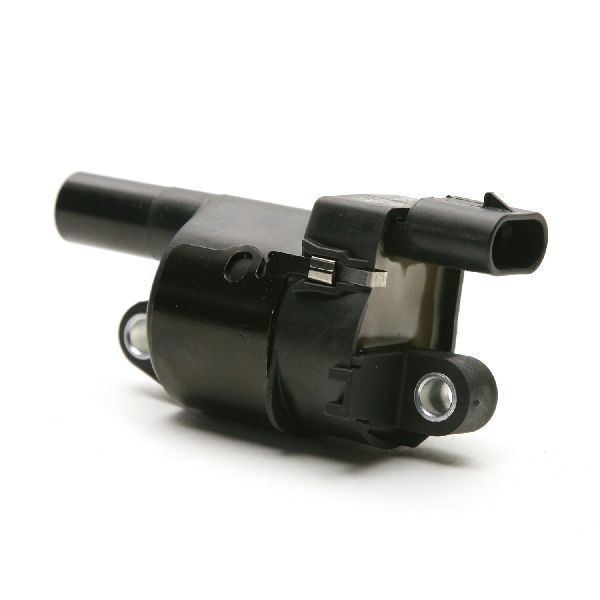
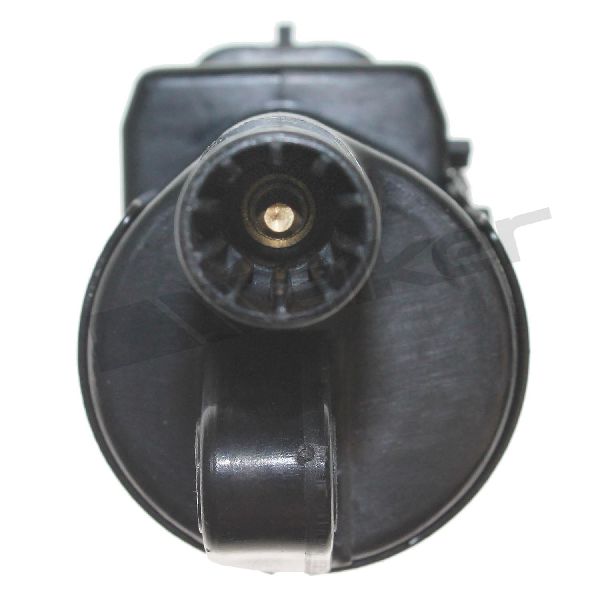
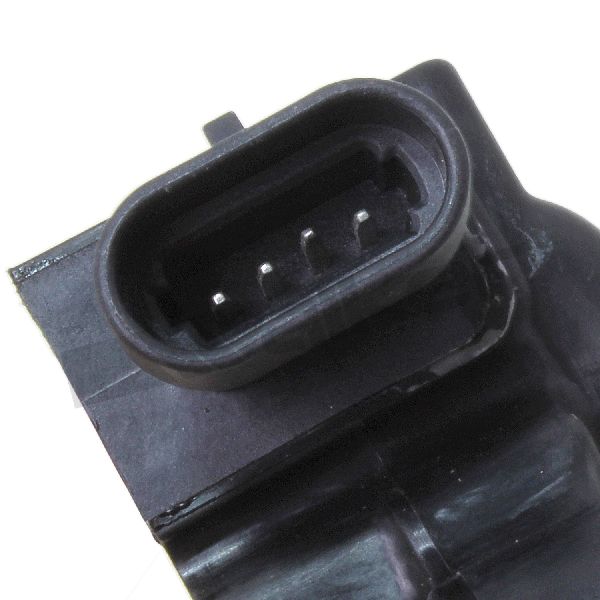
- Ignition Coil
(OEM #12708496)— This is one of the most common failure points for a single-cylinder misfire due to heat and vibration. This part number has been superseded by 12726023.
Trusted brands: ACDelco, Delphi, NGK
Related Codes That Often Appear With This One
- P0300 — If the cause of the misfire, such as a failing AFM lifter or a significant vacuum leak, begins to affect multiple cylinders, a P0300 (Random Misfire) code will often accompany P0303. TSB 15-06-01-002F specifically links P0300 with AFM lifter failure.
- P3400 — This code indicates an issue with the cylinder deactivation system. If an AFM lifter fails, it's common to see this code along with a misfire code, pointing directly to the AFM system as the root cause.
Technical Service Bulletins (TSBs) & Recalls
- PIP4819A - Addresses engine misfires (P0300-P0308) caused by loose-fitting spark plug wires.
- 15-06-01-002F - Details diagnosis and repair for engine misfire/tick noise (P0300) on 2015-2018 models with L83/L86 engines, pointing to collapsed or stuck AFM lifters as a primary cause.
- 19-NA-219 - A broader bulletin for V8 engines (2002-2018) that lists potential causes for misfires and engine noises, including worn cam lobes, broken valve springs, and collapsed AFM lifters.
Platform-Specific Known Issues
- Real Repair Story: Collapsed Lifter and Camshaft Damage: → Shop Engine Camshaft The YouTube channel 'Alex The Car Doctor' documented a partial engine rebuild on a Cadillac Escalade with a misfire caused by a completely disintegrated lifter. The failure caused scoring damage to the lifter bore in the engine block, requiring machine shop work. The repair involved replacing the camshaft, all lifters, lifter guides, timing chain, and all associated gaskets. This showcases the severity and expense of an AFM lifter failure.
- Owner Experience: P0303 with Severe Compression Loss: On TahoeYukonForum.com, a user with a 2008 Yukon (similar GM V8) and a P0303 code took their vehicle to a mechanic after basic swaps didn't work. A compression test showed only 100psi on cylinder 3 (compared to 180psi on cylinder 1), and a subsequent leak-down test revealed 82% leakage through the intake and exhaust valves, pointing to a serious internal engine problem requiring head removal or engine replacement.
Mechanic-Grade Diagnostic Values
- Ignition Coil Primary Resistance — expected: 0.4 - 1.0 Ohms. Failure: A reading of infinity (open circuit) or outside the typical range indicates a faulty coil winding.
- Ignition Coil Secondary Resistance — expected: 2,000 - 10,500 Ohms (2.0K - 10.5K Ohms). Failure: A reading outside this range suggests the secondary winding is faulty.
- Fuel Pressure (2010-2014 L94) — expected: 50-60 PSI at idle. Failure: Pressure below this range can cause lean conditions and misfires, though it would typically affect multiple cylinders.
- Fuel Pressure (2015-2017 L86, High-Pressure Side) — expected: 300-750 PSI (2-5 MPa) at idle. Failure: Pressure below this range indicates a problem with the high-pressure fuel pump or sensor. This is for direct injection models only.
- Fuel Pressure (2015-2017 L86, Low-Pressure Side) — expected: 50-75 PSI. Failure: Pressure below this range indicates a problem with the in-tank lift pump or its control module.
Hidden / Shadow Codes Worth Checking
- Mode 6, TID $A2-$AF, CID $01-$0C: Mode 6 data allows access to non-continuous monitor test results. For misfires, Test IDs (TID) $A2 through $AF store misfire counts for each cylinder (Component ID, CID). For cylinder 3, this would be TID $A2, CID $03. This allows a technician to see if misfires are occurring even if they haven't reached the threshold to set a P0303 code. (see via An advanced scan tool capable of displaying Mode 6 data.)
Scan Tool Commands That Help
- GDS2 / Tech2: Misfire Graphic / Counters — To monitor live misfire counts for cylinder 3 and all other cylinders. This helps confirm the misfire is isolated to cylinder 3 and see if it occurs under specific conditions (idle, load, etc.).
- GDS2 / Tech2: Fuel Injector Balance Test — After ruling out ignition problems, this test commands each injector to fire for a set duration and measures the corresponding drop in fuel pressure. A smaller-than-normal pressure drop for cylinder 3 indicates a clogged or failing injector.
- GDS2 / Tech2: Cylinder Power Balance — This function deactivates one cylinder at a time and measures the drop in engine RPM. A cylinder that causes little or no RPM drop when deactivated is not contributing power, confirming the misfire location.
Wiring & Ground Locations
- G102 — Located at the left rear of the engine; grounds the 8 ignition coils.. A poor connection at this specific ground can cause weak or intermittent spark for all cylinders, potentially leading to misfire codes.
- G103 — On the front of the right (passenger side) cylinder head.. This is a primary engine-to-chassis ground. While not specific to the ignition system, poor grounding here can cause a host of electrical issues, including erratic sensor readings for the ECM.
- G104 — On the left rear corner of the engine, mounted to the left cylinder head. A ground strap often connects from here to the firewall.. Another critical engine block ground. A loose or corroded connection here can affect the performance of sensors and actuators on the driver's side of the engine.
Real Owner Repair Stories
- GM-Trucks.com forum user (2014 GM Truck with 6.2L V8) — Repeatedly bending pushrods on a single cylinder (#7 in this case).
❌ Tried (didn't work) Replacing the bent pushrod multiple times (5-6 times). The truck would run fine for a short while and then bend the pushrod again.
✅ What actually fixed it During a full AFM/DOD delete and cam swap, the root cause was discovered: the lifter for that cylinder was bent. Replacing the lifters (with LS7 style) as part of the delete kit permanently solved the issue of bending pushrods.
"I Checked Everything" — The Actual Cause
- In a documented case on a 2015 Escalade with a P0303, a technician performed a relative compression test which showed low compression on cylinder 3. Instead of an AFM lifter, the root cause was found to be a leaking intake valve. This was confirmed by removing the cylinder head and performing a fluid leak test on the valve seats, which showed the intake valve for cylinder 3 was not sealing properly.
OEM Part Supersession History
12571609→12698755— Revision and update to the Valve Lifter Oil Manifold (VLOM) assembly.Multiple (e.g., 12688229, 12676947)→12697806— This is a newer, commonly used VLOM part number that replaces several older versions for AFM-equipped engines.
Heads up: Always verify the correct VLOM part number with the vehicle's VIN, as multiple designs and revisions exist.
Model Year Variations Within This Range
- 2015-2017 (L86 Engine): The direct injection system sprays fuel directly into the cylinder, bypassing the intake valves. This makes the engine more susceptible to carbon buildup on the intake valves, which can cause them to stick or not seal properly, leading to misfires. GM TSB 16-NA-383 addresses this issue.
- 2015-2017 vs 2010-2014: Fuel system pressure testing is completely different. The 2010-2014 L94 has a single, low-pressure system (50-60 PSI). The 2015-2017 L86 has two systems to test: a low-pressure lift pump (50-75 PSI) and a high-pressure, engine-driven pump (300-750+ PSI).
Helpful Videos
Used OEM Parts in Stock
New Aftermarket Parts Available


The information in this article is provided for general reference and educational purposes only. Vehicle specifications, procedures, and part compatibility can vary by production date, trim level, and region. Always consult your vehicle's factory service manual and verify part numbers before purchasing or performing repairs. Safety-critical components such as airbags, seat belts, and braking systems should be installed by a qualified professional.
- Cadillac ESCALADE:
- 🧭 Diagnostic Flowchart
- 🎬 Helpful Videos
- 🛍️ Shop This Part
- What's Unique About the 2010-2017 Cadillac ESCALADE
- Symptoms You May Notice
- Most Likely Causes
- Rare But Worth Checking
- Diagnosis Steps
- Parts You'll Likely Need
- Related Codes That Often Appear With This One
- Technical Service Bulletins (TSBs) & Recalls
- Platform-Specific Known Issues
- Mechanic-Grade Diagnostic Values
- Hidden / Shadow Codes Worth Checking
- Scan Tool Commands That Help
- Wiring & Ground Locations
- Real Owner Repair Stories
- "I Checked Everything" — The Actual Cause
- OEM Part Supersession History
- Model Year Variations Within This Range
- 🎟️ Get 5% Off