

P0303 on 2018-2024 Chevrolet Equinox 1.5L: Cylinder 3 Misfire Causes and Fixes
P0303 means cylinder 3 is misfiring. On the 1.5L Equinox, this is almost always a bad ignition coil or a worn/cracked spark plug. A DIY fix is likely, with parts costing between $15 for a plug and $75 for a coil. Pay close attention to the spark plug's ceramic insulator, as cracking is a known issue on this engine.
- P0303 on a 2018-2024 Equinox 1.5L is a misfire on cylinder 3.
- The most likely culprits are a bad ignition coil or a faulty spark plug. Always diagnose by swapping the coil first, then the plug, to isolate the bad part before buying replacements.
- When you remove the spark plug, inspect it very carefully for cracks in the white ceramic insulator, as this is a known issue (TSB PIE0505A) on this specific engine.
- Do not drive if the check engine light is flashing, as this can quickly destroy your catalytic converter, leading to a much more expensive repair.
- If the coil and plug are good, the next most likely cause is the fuel injector, followed by rare but serious mechanical engine problems.
What's Unique About the 2018-2024 Chevrolet Equinox
The 1.5L Turbo (LYX) engine in the third-generation Equinox has specific known issues that can cause a P0303 code. GM issued Technical Service Bulletin 19-NA-021 (superseding PIE0505A) regarding misfires caused by a cracked ceramic insulator on the spark plug. This makes a careful visual inspection of the spark plug itself more critical than on many other vehicles. Additionally, TSB 22-NA-065 notes that moisture can collect in the charge air cooler (CAC) in humid or rainy conditions, which can be ingested during heavy acceleration and cause a misfire. While this usually sets a general P0300 code, it can contribute to single-cylinder misfires. This engine is also a direct-injection design, making it susceptible to carbon buildup on intake valves, which can cause loss of compression and misfires if severe.
Symptoms You May Notice
- Flashing or solid Check Engine Light
- Rough or shaky idle
- Hesitation or stumbling during acceleration
- Reduced engine power and sluggish performance
- Worse fuel economy
- Noticeable fuel smell from the exhaust
- Engine 'hiccup' or 'skip' under load
- Replacing only the spark plug without checking the ignition coil first. The coil swap is a free and fast diagnostic step that should always be performed before buying parts.
- Replacing an oxygen sensor. While a faulty O2 sensor can contribute to fuel trim issues that may cause misfires, it would typically affect multiple cylinders and set other codes like P0300 or fuel trim codes.
- Assuming a flashing CEL is just a minor issue. A flashing CEL indicates a catalyst-damaging misfire that requires immediate attention.
Most Likely Causes
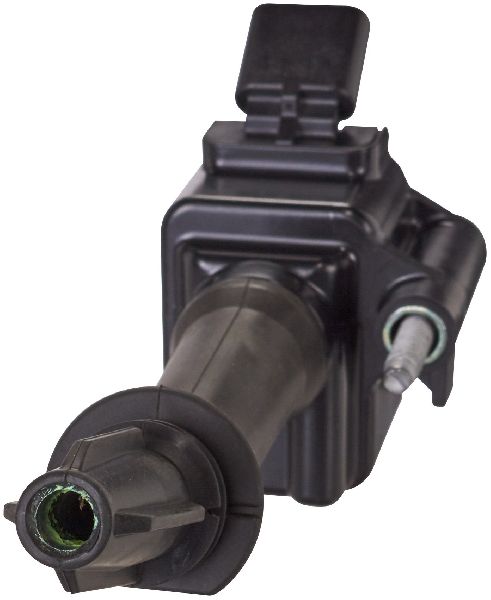
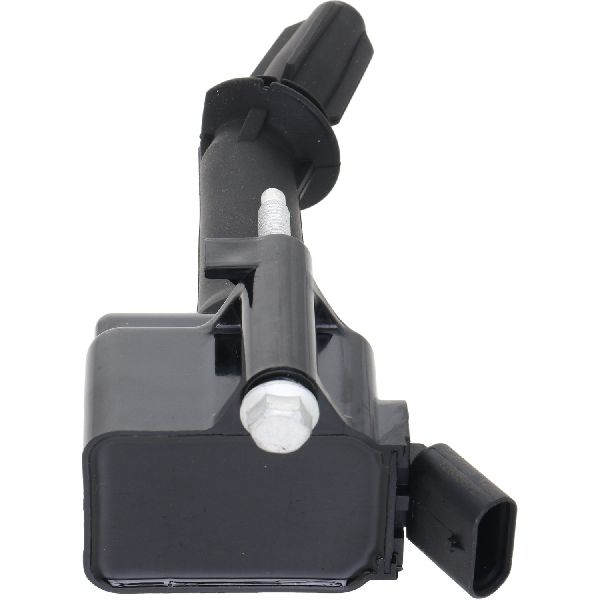
- Faulty Ignition Coil 🔴 High Probability → Shop Ignition Coil Coil-on-plug systems are common failure points on modern engines due to constant exposure to high heat and vibration. A 2019 Malibu owner with the same 1.5L engine reported a coil failure at 189k miles.
How to confirm: Swap the ignition coil from cylinder 3 with another cylinder (e.g., cylinder 2). Clear the codes and drive. If the code changes to P0302, the ignition coil is the culprit. This is a standard and highly effective diagnostic step.
Typical fix: Replace the faulty ignition coil. 🎬 Watch: How to replace spark plugs and coils on this engine Many technicians recommend replacing all four coils if they are original and have high mileage, as the others may fail soon.
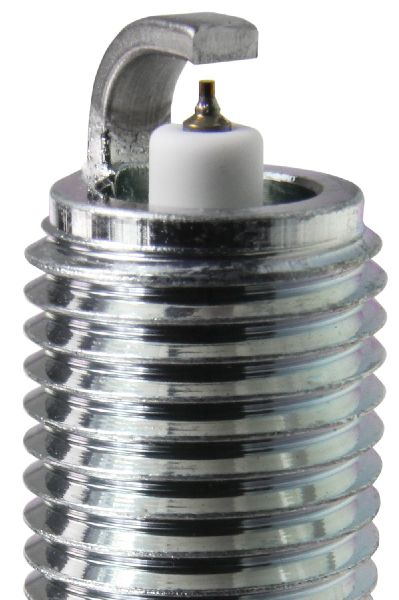
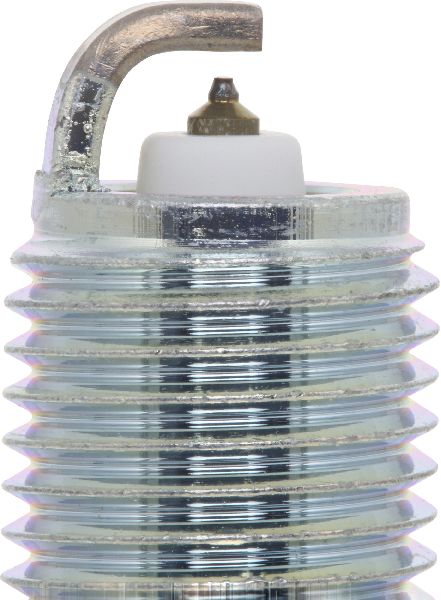
Est. part cost: $40-$85 - Worn or Damaged Spark Plug 🔴 High Probability → Shop Spark Plug GM issued Technical Service Bulletin 19-NA-021 (originally PIE0505A) for the 1.5L engine, noting a specific issue where the spark plug's ceramic insulator can crack and break, causing a misfire. This makes spark plugs a primary suspect.
How to confirm: After ruling out the coil, remove the spark plug from cylinder 3. Inspect it for wear, fouling (oil or carbon), and especially for cracks in the white ceramic insulator. A loose piece of ceramic can cover the electrode, blocking the spark. You can also swap the plug with another cylinder to see if the misfire follows.
Typical fix: Replace the spark plug. It is best practice to replace all four spark plugs as a set with OEM-specification Iridium plugs (ACDelco P/N: 12683541 / 41-156) to ensure even performance and prevent future issues.
Est. part cost: $15-$25 per plug - Clogged or Faulty Fuel Injector 🟡 Medium Probability → Shop Fuel Injector As a direct-injection (GDI) engine, the fuel injectors operate under very high pressure and can become clogged or fail over time. Carbon buildup on the injector tip can disrupt the fuel spray pattern, leading to incomplete combustion.
How to confirm: This is more complex to diagnose. A professional can perform a flow test or an injector balance test using a bidirectional scan tool like the GM GDS2. A DIY method involves listening for a consistent clicking sound from the injector using a mechanic's stethoscope. If the misfire has not moved with the coil or plug, the injector is a strong suspect.
Typical fix: Replace the fuel injector for cylinder 3. This is a more involved repair than a coil or plug due to the high-pressure fuel system.
Est. part cost: $70-$150
Rare But Worth Checking
- Cracked Piston: A severe but documented issue on the 1.5L LYX engine is a cracked piston, specifically on the ring land. 🎬 See a real-world diagnosis of the common cracked piston issue This will cause a significant loss of compression and often a P0300 code, but can manifest as a single cylinder misfire. This is a known catastrophic failure for this engine family, often requiring a complete engine rebuild or replacement. A compression test followed by a cylinder leak-down test is required to diagnose this. A forum user with an '18 Equinox reported this failure on cylinder 3 at 80k miles. GM has issued service bulletins (e.g., 19-NA-122) related to cracked pistons.
- Moisture in Charge Air Cooler (CAC): → Shop Intercooler GM TSB #22-NA-065 describes an issue where moisture can build up in the CAC during long drives in high humidity or rain. A sudden acceleration can pull this water into the engine, causing a misfire. This usually sets a P0300 (random misfire) but could manifest as a single cylinder misfire. The fix involves installing a lower grille cover (P/N 84624274).
- Low Engine Compression: If ignition and fuel components are good, a mechanical issue could be the cause. This includes problems like a burnt valve, worn piston rings, or a head gasket leak, all of which require a compression test and/or a cylinder leak-down test to confirm.
- PCV System Issues: The PCV system on the 1.5L Turbo can become clogged or restricted. In some cases, particularly in cold weather, this can lead to excessive crankcase pressure, which can cause oil leaks and potentially affect combustion stability, contributing to misfires.
Diagnosis Steps
- Read the code with an OBD-II scanner to confirm P0303 and check for any other stored codes.
- Note the freeze frame data, which shows engine conditions (RPM, load, temperature) when the code was set.
- Using a capable scan tool, check Mode $06 for raw misfire counts per cylinder to confirm cylinder 3 is the primary offender.
- Swap the ignition coil from cylinder 3 to another cylinder (e.g., cylinder 2). The cylinders are numbered 1-2-3-4 from the passenger side (belt side) to the driver side.
- Clear the codes, then start the engine and let it run or drive it briefly. Re-scan for codes.
- If P0302 appears, the ignition coil is faulty and needs replacement.
- If P0303 returns, the coil is likely good. Proceed to swap the spark plug from cylinder 3 to cylinder 2.
- Clear codes and repeat the test. If P0302 now appears, the spark plug is faulty. Carefully inspect the old plug for cracks in the ceramic, as this is a known issue per TSB 19-NA-021.
- If P0303 still returns after swapping both the coil and plug, the issue is likely with the fuel injector or a mechanical engine problem.
- Listen to the fuel injector on cylinder 3 with a mechanic's stethoscope; it should have a regular, audible clicking sound. Compare the sound to the other injectors.
- If the injector seems okay, perform a compression test on all cylinders. A significant loss of pressure in cylinder 3 (e.g., >15-20% lower than others) points to a mechanical problem like a cracked piston, bad rings, or a valve issue. A healthy engine should have around 210 PSI.
- If compression is low, perform a cylinder leak-down test to pinpoint the source of the leak (intake valve, exhaust valve, or piston rings). Be aware that severe intake valve carbon can give a false reading suggesting piston ring failure.
Parts You'll Likely Need
- Ignition Coil
(OEM #12697989)— This is one of the most common failure points for a single-cylinder misfire on modern engines.
Trusted brands: ACDelco (OEM), NGK, Delphi
OEM price range: $60-$85
Aftermarket price range: $35-$60 - Iridium Spark Plug
(OEM #12683541 (also listed as ACDelco 41-156))— Worn plugs are a common cause of misfires, and this engine has a known TSB related to cracked spark plug ceramics, making them a high-probability cause.
Trusted brands: ACDelco (OEM), NGK
OEM price range: $15-$25
Aftermarket price range: $10-$20 - Fuel Injector
(OEM #12672368 (superseded by 12684125))— If spark components are confirmed good, a clogged or failed fuel injector is the next most likely cause for a single-cylinder misfire.
Trusted brands: ACDelco (OEM), Bosch
OEM price range: $90-$150
Aftermarket price range: $50-$100
Related Codes That Often Appear With This One
- P0300 — If the misfire is intermittent or affects other cylinders, a P0300 (Random Misfire Detected) may appear alongside P0303. This is common with the CAC moisture issue.
- P0299 — A P0299 (Turbo/Supercharger Underboost) code could appear if the misfire is related to a larger issue in the charge air system, such as the moisture buildup described in TSB 22-NA-065 or a failing turbo.
- P1101 — This code relates to Intake Air Flow System Performance. It can be caused by a dirty throttle body, vacuum leaks, or issues within the PCV system, all of which can indirectly contribute to unstable combustion and misfires.
Technical Service Bulletins (TSBs) & Recalls
- 19-NA-021 / PIE0505A: Engineering Information bulletin regarding engine misfires (P0300-P0304) caused by cracked ceramic on spark plugs.
- 22-NA-065: Malfunction Indicator Lamp Illuminated or Flashing - DTC P0300 Set When Driving In High Humidity Or In Heavy Rain.
- 20-NA-047: Diagnostic information for DTC P1101, oil consumption, and crankcase pressure issues which can be related to misfire conditions.
- 19-NA-122: References conditions caused by cracked pistons, which can cause high crankcase pressure and misfires.
Platform-Specific Known Issues
- TSB 19-NA-021 (supersedes PIE0505A): GM issued this bulletin to investigate misfire codes (P0300-P0304) on the 1.5L engine. The cause was identified as the ceramic insulator on the spark plug cracking, which can block the spark gap.
- TSB 22-NA-065: Addresses a condition where moisture can build up in the charge air cooler during rainy or humid weather, causing a misfire (usually P0300) upon heavy acceleration. The fix involves installing a lower grille cover.
- Piston Ring/Cracked Piston Issues: Early 1.5L LYX engines have a known, albeit uncommon, history of catastrophic piston failure, where the ring lands crack, leading to severe compression loss and misfires. This is often discussed in owner forums and is referenced in other GM bulletins like 19-NA-122.
Mechanic-Grade Diagnostic Values
- High-Pressure Fuel Rail Pressure (at idle) — expected: 2.0-5.0 MPa (290-725 PSI). Failure: Pressure is significantly lower than expected or does not increase with engine RPM.
- High-Pressure Fuel Pump Maximum Operating Pressure (LYX Engine) — expected: Up to 20 MPa (2900 PSI). Failure: Scan tool shows actual pressure cannot reach commanded pressure under load.
- Engine Compression (per cylinder) — expected: ~210 PSI. Failure: Reading is more than 15-20% lower than other cylinders, or significantly below the expected value.
- Spark Plug Tightening Torque — expected: 15 ft-lbs. Failure: N/A - This is an installation specification.
Hidden / Shadow Codes Worth Checking
- Mode $06 Data (e.g., Test ID $A2, Component ID $03): Provides raw, non-continuous misfire counts for each cylinder. This allows a technician to see which cylinder is misfiring, and how often, even before the count is high enough to set a P030x trouble code. (see via A mid-range or professional OBD-II scan tool with Mode $06 viewing capability (e.g., BlueDriver, Autel, Foxwell).)
Scan Tool Commands That Help
- GM GDS2 (or capable professional scanner): Cylinder Power Balance Test — To graphically display the relative power contribution of each cylinder. A cylinder with a misfire will show a significant drop in contribution compared to the others.
- GM GDS2 (or capable professional scanner): Fuel Injector Balance / Active Fuel Injector Test (AFIT) — To individually command each fuel injector to operate and measure the corresponding pressure drop in the fuel rail. This can precisely identify a clogged, leaking, or electrically faulty injector without removing it from the engine.
Wiring & Ground Locations
- G102 — Typically located at the rear of the engine block.. This is the primary ground point for the ignition coils on many GM vehicles. A loose or corroded connection here can cause weak spark or intermittent misfires on one or more cylinders.
- ECM/PCM Ground — Multiple ground wires run from the ECM connectors to a chassis ground point (e.g., G112 on some Equinox models).. A poor ground for the Engine Control Module can cause a wide range of erratic issues, including incorrect sensor readings and false misfire detection. Checking for voltage drop on the ECM ground circuits is a key advanced diagnostic step.
Real Owner Repair Stories
- YouTube channel 'WatchJRGo' (2019 Chevrolet Equinox 1.5L LYX) — Crank no-start, extremely high leak-down test results (70-80%) suggesting catastrophic engine failure.
❌ Tried (didn't work) Initial diagnosis pointed towards a failed engine (bad pistons/rings) based on leak-down numbers.
✅ What actually fixed it The intake valves were so severely caked with carbon that they could not seal, causing the massive leak-down. A thorough walnut blasting of the intake valves restored compression to a healthy ~210 PSI across all cylinders and the engine started and ran correctly. - Chevy Equinox Forum user 'bp787' (2018 Chevrolet Equinox LT FWD 1.5L, ~80,000 miles) — Blowing large amounts of smoke, insanely high oil consumption.
❌ Tried (didn't work) User was trying to decide between re-ringing the piston or replacing the engine.
✅ What actually fixed it Diagnosis confirmed the problem. A compression and leak-down test revealed cylinder 3 was bad, and the determination was failed/damaged piston rings, a known issue with this engine. The final repair was not posted, but the diagnosis at 80k miles is a valuable data point confirming the known piston failure.
"I Checked Everything" — The Actual Cause
- In cases of severe carbon buildup on the intake valves, a standard smoke test for vacuum leaks will come back clean. The leak is internal, as the valve is not seating properly against the cylinder head. This causes a loss of compression that can be misdiagnosed as bad piston rings, especially if only a leak-down test is performed without a borescope inspection of the valves.
OEM Part Supersession History
55490097→12683541— Standard part evolution/update.12672368→12684125— Part discontinued and replaced by a newer revision.Unknown (Original HPFP)→12682079— Replaced under Customer Satisfaction Program N182199610 for a defect causing cracks and fuel leaks.
Heads up: This was a targeted replacement for 2018-2019 models.
Model Year Variations Within This Range
- 2023-2024: The engine was updated from the 1.5L LYX to the 1.5L LSD. The LSD features a higher-pressure fuel system, operating at 35 MPa (5076 PSI) compared to the LYX's 20 MPa (2900 PSI). High-pressure fuel components are not interchangeable between these versions.
- 2018-2022: These years use the 1.5L LYX engine. The 2.0L turbo engine option was discontinued after the 2020 model year, and the diesel was discontinued after 2019. The 2022 model year was a visual refresh but retained the LYX powertrain.
Diagnostic Flowchart
Other Known Issues on This Vehicle
Issues unrelated to this code that are worth knowing about as an owner of this generation:
- Cracked Piston / Piston Ring Land Failure 🔴 High — Uncommon, but a known catastrophic failure mode, particularly on 2018-2021 models. Can occur without warning. (Ref: TSB 19-NA-122)
- Moisture/Ice in Charge Air Cooler (CAC) 🟠 Medium → Shop Intercooler — Occurs primarily in high-humidity or cold climates after sustained driving, causing misfires (P0300) on acceleration. (Ref: TSB 22-NA-065)
- Failing Brake Vacuum Pump 🔴 High — A significant number of owners report failure, leading to a hard brake pedal and loss of braking assist. Can happen at various mileages.
- PCV System Clogging / Crankcase Pressure Faults 🟠 Medium — Can occur in cold weather, leading to blown seals (especially the rear main seal) and oil leaks. (Ref: TSB 20-NA-047)
- Stalling / Shutting Off While Driving 🔴 High — Some owners have reported the vehicle shutting down while in motion, sometimes related to fuel system or electrical issues.
Used vs. New Parts: Buying Guide for This Vehicle
When a used part is the smart pick: For this repair, used parts are generally not recommended due to the critical nature of ignition and fuel components. The only exception might be a simple bracket or connector pigtail if the original is damaged during repair.
Donor-vehicle mileage cap: roughly under 50000 miles for the part to have meaningful remaining life.
What to inspect on the donor part:
- For an ignition coil, ensure the plastic housing is free of cracks or heat damage.
- Verify the donor vehicle was not in a front-end collision.
- Check for any signs of oil leaks around the part on the donor engine.
OEM-only on this vehicle (don't cheap out):
- Fuel Injector: Direct injection systems are highly sensitive. OEM (ACDelco) injectors are strongly recommended to ensure correct flow rates and spray patterns.
- Spark Plugs: Given the TSB for cracked ceramics, using the specified OEM ACDelco Iridium plugs is the safest choice to avoid introducing new problems.
Aftermarket brands forum-validated for this vehicle:
- Ignition Coils: NGK and Delphi are reputable OEM suppliers and offer quality aftermarket alternatives.
Brands owners have reported issues with on this vehicle:
- Unbranded, 'white-box' ignition coils and fuel injectors from major online retailers should be avoided as their quality control and durability are often questionable.
Real Owner Stories
Aggregated from forums and TSBs cited above. Mileages and costs reflect what owners reported in those sources.
2019 Chevrolet Malibu 1.5L Turbo — 189000 miles
Symptoms: P0303 code and engine misfire.
What fixed it: Diagnosed as a bad ignition coil using the swap method and replaced the coil.
Source hint: Reddit r/chevymalibu - Glad the Malibu is so easy to work on
2018-2024 Chevrolet Equinox 1.5L Turbo
Symptoms: Low compression on cylinder 3 and massive oil consumption.
What fixed it: Identified as cracked piston ring lands, a known catastrophic failure mode for the 1.5L LYX engine.
Source hint: equinoxforum.net - 1.5L engine question
Related OBD-II Codes
Frequently Asked Questions
I have a 1.5L Equinox and the engine misfires during heavy rain. Is there a specific fix for this?
Could a cracked spark plug be causing my P0303 code on my 2019 Equinox?
What specific spark plugs should I use for my 1.5L Turbo Equinox?
My mechanic says I have low compression in cylinder 3. Is this a known issue for the LYX engine?
Can I swap parts to test if my ignition coil is bad?
Is there a relationship between oil consumption and my misfire code?
Helpful Videos
We Have This Part in Stock


The information in this article is provided for general reference and educational purposes only. Vehicle specifications, procedures, and part compatibility can vary by production date, trim level, and region. Always consult your vehicle's factory service manual and verify part numbers before purchasing or performing repairs. Safety-critical components such as airbags, seat belts, and braking systems should be installed by a qualified professional.
- Chevrolet Equinox:
- 🧭 Diagnostic Flowchart
- 🎬 Helpful Videos
- 🛍️ Shop This Part
- What's Unique About the 2018-2024 Chevrolet Equinox
- Symptoms You May Notice
- Most Likely Causes
- Rare But Worth Checking
- Diagnosis Steps
- Parts You'll Likely Need
- Related Codes That Often Appear With This One
- Technical Service Bulletins (TSBs) & Recalls
- Platform-Specific Known Issues
- Mechanic-Grade Diagnostic Values
- Hidden / Shadow Codes Worth Checking
- Scan Tool Commands That Help
- Wiring & Ground Locations
- Real Owner Repair Stories
- "I Checked Everything" — The Actual Cause
- OEM Part Supersession History
- Model Year Variations Within This Range
- Other Known Issues on This Vehicle
- Used vs. New Parts: Buying Guide for This Vehicle
- Real Owner Stories
- 2019 Chevrolet Malibu 1.5L Turbo — 189000 miles
- 2018-2024 Chevrolet Equinox 1.5L Turbo
- Related OBD-II Codes
- Frequently Asked Questions
- 🎟️ Get 5% Off