

P0303 on 2010-2013 Chevrolet Express: Cylinder 3 Misfire Causes and Fixes
P0303 on a 2010-2013 Express van indicates a misfire in cylinder #3. The most common causes are a bad spark plug or a faulty spark plug wire. A GM Technical Service Bulletin specifically points to loose spark plug wires as a known issue. Start your diagnosis there. If ignition components are good, consider a failing fuel injector or, on higher-mileage engines with Active Fuel Management (AFM), a collapsed lifter.
- P0303 on a 2010-2013 Express means cylinder #3 is misfiring.
- Always check the spark plug wire connection at cylinder #3 first, as a GM TSB identifies this as a known problem.
- If the wire is secure, the most likely culprits are a worn spark plug or a bad ignition coil.
- A simple and free diagnostic step is to swap the cylinder #3 ignition coil with another cylinder's coil to see if the misfire code follows it.
- Do not ignore a flashing Check Engine Light, as this indicates a severe misfire that can quickly destroy the expensive catalytic converter.
What's Unique About the 2010-2013 Chevrolet EXPRESS
The Chevrolet Express vans from this era are typically equipped with robust Vortec V8 engines (like the 4.8L, 5.3L, or 6.0L). These are workhorse engines, but their ignition systems are common wear-and-tear items. A key issue for this platform is documented in a GM Technical Service Bulletin (TSB), which identifies loose-fitting spark plug wires as a specific cause for misfire codes. This makes checking the wire connection at cylinder #3 an essential first step. Additionally, V8 engines equipped with Active Fuel Management (AFM) are known to be susceptible to lifter failure, which can manifest as a single-cylinder misfire like P0303, often accompanied by a ticking noise.
Diagnostic Flowchart
Tap your situation to follow the diagnostic path that matches what you're seeing on this vehicle.
Symptoms You May Notice
- Flashing or solid Check Engine Light
- Rough or shaking idle
- Engine stumbling or hesitating during acceleration
- Noticeable loss of engine power
- Reduced fuel economy
- Fuel smell from the exhaust
- Engine ticking or tapping noise (can indicate a mechanical issue like a lifter)
- Replacing the ignition coil before checking the spark plug and wire. The plug and wire are more common failure points and are less expensive.
- Replacing the fuel injector before confirming the ignition system is working correctly. Ignition faults are far more common than fuel injector faults for a single-cylinder misfire.
- Assuming a tune-up will fix the issue when it's a mechanical problem like a failed AFM lifter, especially if a ticking noise is present.
Most Likely Causes
- Loose or Faulty Spark Plug Wire 🔴 High Probability → Shop Spark Plug A specific GM Technical Service Bulletin (#PIP4819A) was issued for 2010 models regarding misfires caused by loose spark plug wires. This indicates a known issue with the wire's fitment from the factory or due to vibration over time. The terminals inside the boot can also lose their grip on the plug, leading to a poor connection.
How to confirm: Visually inspect the spark plug wire for cylinder #3. Ensure it is securely clicked onto both the spark plug and the ignition coil. Check for any signs of physical damage, burns, or corrosion on the terminals. A definitive test is to swap the #3 wire with another cylinder's wire (e.g., #1) and see if the misfire code changes to P0301.
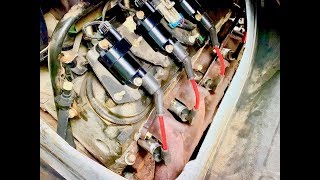
Typical fix: Replace the spark plug wire. It is best practice to replace all eight wires as a set 🎬 See this complete walkthrough for replacing plugs, wires, and coils with a quality brand like ACDelco to ensure even performance and prevent future failures.
Est. part cost: $50-$80 - Worn or Fouled Spark Plug 🔴 High Probability → Shop Spark Plug
How to confirm: After checking the wire, remove the spark plug from cylinder #3. Inspect the electrode for excessive wear, carbon buildup, oil fouling, or damage. A wet, fuel-smelling plug indicates a lack of spark, while a white, ashy plug can indicate a lean condition or overheating.
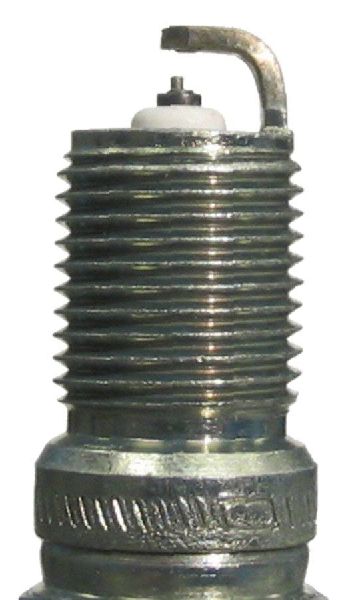
Typical fix: Replace the spark plug. It is highly recommended to replace all spark plugs at the same time to maintain engine balance and performance. Use the specified ACDelco Iridium plugs for longevity.
Est. part cost: $8-$20 per plug - Failed Ignition Coil 🟡 Medium Probability → Shop Ignition Coil
How to confirm: Swap the ignition coil from cylinder #3 with a coil from another cylinder (e.g., cylinder #1). Clear the codes and run the engine. If the code changes to P0301, the ignition coil is confirmed to be faulty.
Typical fix: Replace the failed ignition coil. While you can replace just the one, if the vehicle has high mileage, consider replacing them as a set for preventative maintenance.
Est. part cost: $40-$70 per coil - Clogged or Faulty Fuel Injector ⚪ Low Probability → Shop Fuel Injector
How to confirm: Use a mechanic's stethoscope or a long screwdriver to listen to the injector; you should hear a consistent clicking sound. You can also test the injector's electrical circuit with a 'noid' light. Swapping injectors between cylinders is another method, similar to swapping coils. In some cases, the failure is heat-related and only occurs after the engine warms up.
Typical fix: Replace the faulty fuel injector. Sometimes a professional fuel system cleaning can resolve a clogged injector.
Est. part cost: $50-$100 per injector
Rare But Worth Checking
- Intake Manifold Gasket Leak: → Shop Engine Intake Manifold A vacuum leak near the intake port for cylinder #3 can lean out the air/fuel mixture and cause a misfire on just that cylinder. This can sometimes be detected by spraying brake cleaner or a propane torch (unlit) near the gasket with the engine running and listening for a change in idle speed. These gaskets are a known failure point on Vortec engines.
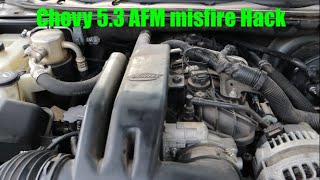
- Mechanical Engine Issue (AFM Lifter Failure): On higher mileage engines, especially those with Active Fuel Management (AFM), a misfire can be caused by a collapsed or stuck lifter. This is a significant known issue across many GM V8 platforms. Symptoms often include a persistent ticking or tapping noise 🎬 Watch: How to identify and fix an AFM-related misfire from the valve cover area. A compression test is the first step to diagnose this; a cylinder with a bad lifter will show low or zero compression. This is a major repair that often involves replacing the camshaft as well.
Diagnosis Steps
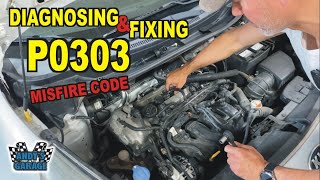
- Confirm the code P0303 is present 🎬 Watch: A step-by-step guide to diagnosing a P0303 misfire using an OBD-II scanner. Note any other codes, like P0300 or P0203.
- Locate cylinder #3. On Chevy V8s of this era, cylinders are numbered 1-3-5-7 on the driver's side (front to back) and 2-4-6-8 on the passenger's side. Cylinder #3 is the second one back on the driver's side.
- Inspect the spark plug wire for cylinder #3. Per TSB #PIP4819A, ensure it is fully seated on the spark plug and the ignition coil. Wiggle it to check for looseness. Inspect for any visible damage.
- Swap the ignition coil from cylinder #3 with the coil from cylinder #1. Clear the codes, start the engine, and see if the misfire code moves to P0301. If it does, the coil is bad.
- If the code remains P0303, remove and inspect the spark plug from cylinder #3. Look for wear, damage, or deposits. A heavily sooted or wet plug points to an ignition or rich fuel problem. Replace it if it's in poor condition.
- If ignition components are good, check the fuel injector on cylinder #3. Listen for a steady clicking sound. A 'noid' light can be used to verify it's receiving an electrical signal. Consider swapping the injector with another cylinder if accessible.
- Listen for a ticking/tapping noise from the driver's side valve cover area. If a noise is present, a mechanical issue is likely.
- If the cause is still not found, perform a compression test on cylinder #3 to rule out mechanical engine problems like a bad valve or a failed lifter.
- Check for vacuum leaks around the intake manifold gasket near cylinder #3 by spraying carb cleaner and listening for an RPM change.
Parts You'll Likely Need
- Spark Plug Wire Set
(OEM #9748HH (ACDelco Professional))— Directly cited as a common cause in a manufacturer TSB. Wires are a routine maintenance item that degrades over time, and a secure connection is critical.
Trusted brands: ACDelco, NGK
OEM price range: $60-$80
Aftermarket price range: $40-$60 - Iridium Spark Plug
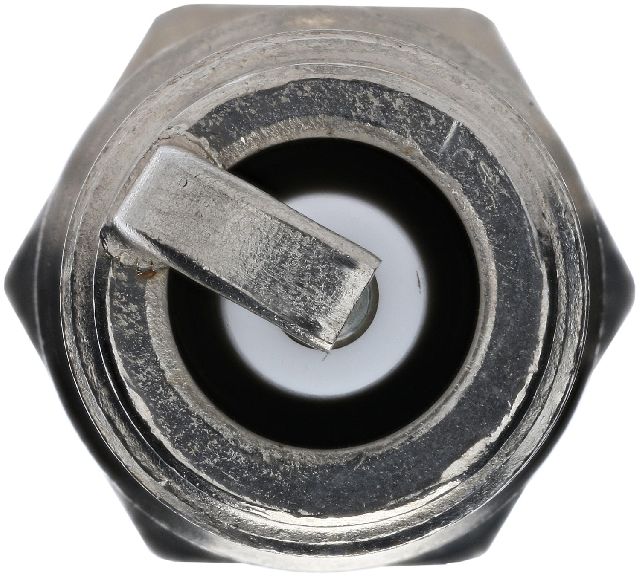
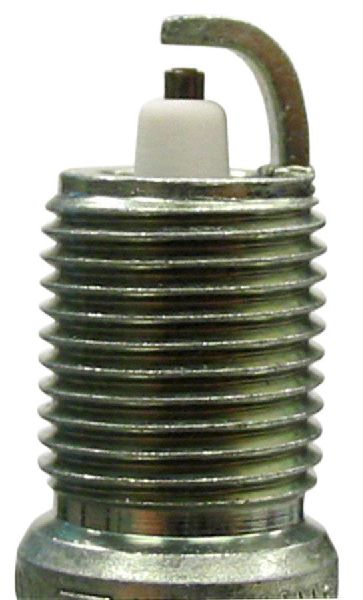
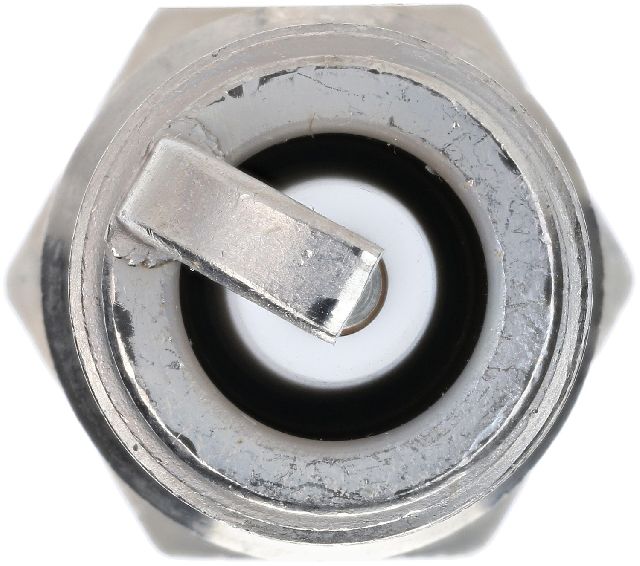
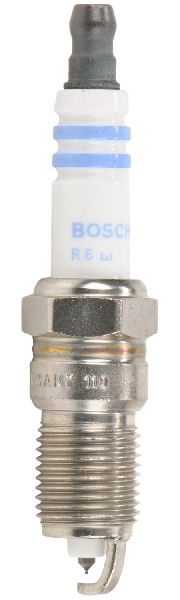
(OEM #41-110 or 41-162 (ACDelco GM OE))— Spark plugs are the most common wear item in the ignition system and are directly responsible for creating the spark that initiates combustion. A worn or fouled plug is a primary cause of misfires. Sticking with the OEM Iridium plugs is highly recommended for performance and longevity.
Trusted brands: ACDelco, NGK, Denso
OEM price range: $10-$15 per plug
Aftermarket price range: $8-$12 per plug - Ignition Coil
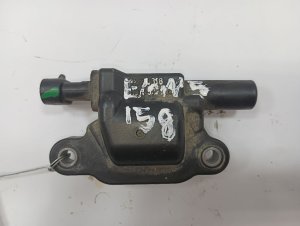
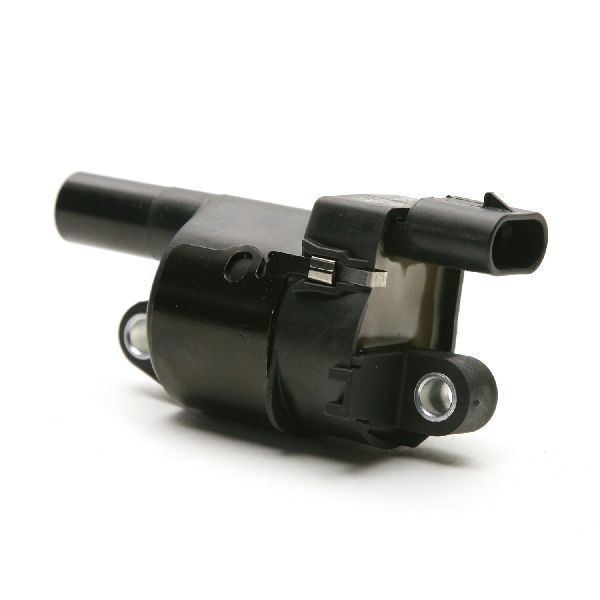
(OEM #12699382 (ACDelco))— The coil transforms battery voltage into the high voltage needed for the spark. While more durable than plugs or wires, they can fail, causing a misfire on a single cylinder.
Trusted brands: ACDelco, Delphi, Hitachi
OEM price range: $60-$75
Aftermarket price range: $35-$55
Related Codes That Often Appear With This One
- P0300 — If the misfire is intermittent or starting to affect other cylinders, a P0300 (Random/Multiple Misfire Detected) code may appear alongside P0303. This can sometimes point towards a systemic issue like a vacuum leak, fuel pressure problem, or a failing AFM system.
- P0203 — This code indicates a malfunction in the fuel injector circuit for cylinder 3. If seen with P0303, it strongly suggests the problem is with the injector itself or its wiring, rather than the ignition system.
Technical Service Bulletins (TSBs) & Recalls
- PIP4819A: Addresses engine misfires (DTCs P0300-P0308) and instructs technicians to inspect and replace loose spark plug wires.
- 19-NA-219: Provides diagnostic tips for misfires and engine noises (chirp, squeak, tick), listing potential causes like worn cam lobes, sticking valves, and collapsed AFM lifters.
- 15-06-01-002F: Specifically addresses engine misfires (P0300) and ticking noises caused by a mechanically collapsed or stuck Active Fuel Management (AFM) lifter.
Platform-Specific Known Issues
- A known issue documented in GM Technical Service Bulletin #PIP4819A affects some 2010 models, where loose-fitting spark plug wires can cause misfires (P0300-P0308). The official recommendation is to inspect the spark plug wires and replace any that are found to be loose.
- Engines with Active Fuel Management (AFM) are prone to lifter failure, which can cause a single-cylinder misfire. This is often accompanied by a ticking noise and is a well-documented problem on these V8 engines.
Mechanic-Grade Diagnostic Values
- Fuel Injector Resistance — expected: 12.5 to 16.5 Ohms. All injectors should measure within 0.5 Ohms of each other.. Failure: A reading outside the specified range, or one injector that is an outlier compared to the others, indicates a faulty injector.
- Ignition Coil Secondary Resistance — expected: 9.5 to 11.1 kOhms (kilohms). Failure: A resistance reading outside of this range suggests the coil's internal windings are compromised and the coil should be replaced.
- Fuel Pressure (Key On, Engine Off) — expected: 55-62 PSI. Failure: Pressure below this range can indicate a weak fuel pump, which typically causes random misfires (P0300) but can sometimes manifest on a single cylinder.
Hidden / Shadow Codes Worth Checking
- Mode $06 Misfire Data: Professional scan tools can access Mode $06 data, which includes misfire counters for each cylinder for the current and previous 10 driving cycles. A high count on cylinder #3, even without a solid P0303 code, confirms an intermittent issue. (see via Professional OBD-II scanner with Mode $06 capability.)
- History Misfire Counter (Live Data): On GM-specific scan tools like the Tech2 or GDS2, you can view 'History Misfire' data. A technician found a vehicle with no active misfire code but discovered 39,000+ historical misfires on one cylinder, pointing to a collapsed AFM lifter that only failed intermittently under certain conditions. (see via GM Tech2 or GDS2 scan tool, navigating to engine live data parameters.)
Scan Tool Commands That Help
- GM Tech2 / GDS2: Cylinder Power Balance Test — Use this after checking basic ignition parts. The tool disables one cylinder at a time and measures the RPM drop. If disabling cylinder #3 causes little or no RPM drop compared to other cylinders, it confirms cylinder #3 is not contributing power, helping to isolate the fault.
- GM Tech2 / GDS2: Fuel Injector Balance Test — Use this when a clogged fuel injector is suspected. The tool pressurizes the fuel rail, then fires a single injector for a precise duration. It measures the pressure drop. If the pressure drop for cylinder #3 is significantly less than the others, its injector is likely restricted.
Wiring & Ground Locations
- G102 — On the left rear of the engine block.. This is the primary ground point for all eight ignition coils. Corrosion or a loose connection here can cause weak spark and misfires on any cylinder, including cylinder #3.
- G103 — On the rear of the left-hand (driver's side) cylinder head. Some diagrams show it on the cowl above the brake booster.. This ground serves the Engine Control Module (ECM). A poor connection can cause a wide range of erratic engine behavior, including false misfire detection.
- G104 — On the lower right front of the engine, sometimes near the frame cross rail.. This ground point is associated with the Vehicle Control Module (VCM) and the trigger side of the fuel pump relay. A fault here could potentially affect fuel delivery calculations or power, contributing to misfires.
Real Owner Repair Stories
- YouTube user 'Chris Arnau' (2007-2013 GM Truck with 5.3L V8 (same engine family)) — Engine skip on a single cylinder (P0306 in the video, but directly applicable to P0303).
❌ Tried (didn't work) The user went straight for the known mechanical issue after likely ruling out spark/fuel.
✅ What actually fixed it The Active Fuel Management (AFM) lifter for the misfiring cylinder had collapsed. The video shows a visual comparison between the failed, compressed lifter and a new, functional one. Replacing the set of AFM lifters and the Valve Lifter Oil Manifold (VLOM) resolved the misfire. - YouTube user 'Crazed Performance Repair' (GM vehicle with AFM/DOD V8 engine) — Engine knock sound and a P0300 random misfire code, but no specific cylinder code was active.
❌ Tried (didn't work) Just reading active codes was insufficient.
✅ What actually fixed it The technician used a scan tool to check *history* misfire data, which showed a high count on cylinder #1. Upon inspection, the AFM lifter was stuck. The video demonstrates a method to manually 'un-stick' the lifter, but replacement is the permanent fix. This highlights that a severe mechanical lifter issue may not always set a specific cylinder code immediately.
OEM Part Supersession History
ACDelco 41-110 (Iridium Spark Plug)→ACDelco 41-162— Supplier change (e.g., from Denso to NGK or vice-versa) and a minor design change. The 41-162 has a slightly different physical length, reportedly to position the electrode more centrally in the combustion chamber.
Heads up: Both plugs are compatible, but some users have reported perceived quality differences in manufacturing between the two part numbers. It is recommended to use a full set of the same part number and not mix them.ACDelco 12573190, 12611424 (Ignition Coil)→ACDelco 12699382, which is now superseded by 12739916— Standard part evolution for improved durability, material changes, or manufacturing process updates.
Heads up: These are generally direct replacements. However, GM used both 'round' and 'square' style coils on this engine platform. It is critical to visually confirm which style is on the vehicle before ordering a replacement.
Helpful Videos
Used OEM Parts in Stock
New Aftermarket Parts Available

The information in this article is provided for general reference and educational purposes only. Vehicle specifications, procedures, and part compatibility can vary by production date, trim level, and region. Always consult your vehicle's factory service manual and verify part numbers before purchasing or performing repairs. Safety-critical components such as airbags, seat belts, and braking systems should be installed by a qualified professional.
- Chevrolet EXPRESS:
- 🧭 Diagnostic Flowchart
- 🎬 Helpful Videos
- 🛍️ Shop This Part
- What's Unique About the 2010-2013 Chevrolet EXPRESS
- Symptoms You May Notice
- Most Likely Causes
- Rare But Worth Checking
- Diagnosis Steps
- Parts You'll Likely Need
- Related Codes That Often Appear With This One
- Technical Service Bulletins (TSBs) & Recalls
- Platform-Specific Known Issues
- Mechanic-Grade Diagnostic Values
- Hidden / Shadow Codes Worth Checking
- Scan Tool Commands That Help
- Wiring & Ground Locations
- Real Owner Repair Stories
- OEM Part Supersession History
- 🎟️ Get 5% Off