

P0303 on 2018-2021 Chevrolet Tahoe: Cylinder 3 Misfire Causes and Fixes
P0303 on a 2018-2021 Tahoe is a misfire on cylinder 3. Start by checking the spark plug and ignition coil. If those are good, the cause could be a faulty fuel injector or, more seriously, a failed AFM/DFM lifter, a known issue on these engines. A ticking noise from the engine strongly points to a lifter failure, which may also involve a bent pushrod.
- P0303 indicates a misfire in cylinder #3, located on the driver's side, second from the front.
- Always start diagnosis with the simplest and most common causes: the spark plug and ignition coil for cylinder 3.
- A common diagnostic step is to swap the ignition coil from cylinder 3 to another cylinder and see if the misfire code follows.
- Be aware that a persistent ticking sound accompanying the misfire is a strong indicator of a failed AFM/DFM lifter, a known and serious issue with these engines.
- Driving with a flashing check engine light can cause expensive damage to the catalytic converter.
What's Unique About the 2018-2021 Chevrolet TAHOE
The 2018-2021 Tahoe's 5.3L and 6.2L V8 engines use Active Fuel Management (AFM) or the more advanced Dynamic Fuel Management (DFM) to improve fuel economy by deactivating cylinders. This technology, however, places significant stress on the specialized valvetrain lifters. These lifters are a well-documented major failure point, often collapsing, getting stuck, or even spinning in their bores, which leads to misfire codes like P0303. A collapsed lifter can also result in a bent pushrod. While a simple spark plug or coil is still a possible cause, a P0303 on this specific platform must be considered a potential symptom of this more severe, underlying mechanical issue, especially if a ticking noise is present.
Diagnostic Flowchart
Tap your situation to follow the diagnostic path that matches what you're seeing on this vehicle.
Generation note: This range covers two generations. The 2018-2020 models are the fourth generation (K2XX platform). The 2021 model is the first year of the fifth generation (T1XX platform), featuring a significant redesign. Both generations use versions of the 5.3L and 6.2L V8s with cylinder deactivation. The L83/L86 engines (pre-2019) use AFM, while the L84/L87 engines (2019+) use the more complex DFM system. Both systems are susceptible to lifter-related issues. TSB #23-NA-043 specifically targets 2021 models for this problem, but the issue is prevalent across the entire date range.
Symptoms You May Notice
- Check Engine Light is on or flashing
- Rough or shaky idle
- Engine hesitation or stumbling during acceleration
- Noticeable loss of engine power
- Reduced fuel economy
- A ticking or tapping noise from the engine bay, which is a strong indicator of a lifter or pushrod issue
- Replacing only the spark plug when the ignition coil is the actual problem.
- Replacing ignition and fuel components when a ticking noise is present, which strongly points towards a more serious mechanical lifter/pushrod issue.
- Assuming it's a simple fix and continuing to drive, which can lead to catastrophic catalytic converter damage.
Most Likely Causes
- Worn or Fouled Spark Plug 🔴 High Probability → Shop Spark Plug
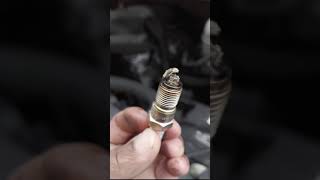
How to confirm: Remove the spark plug from cylinder 3 (driver's side, second from front). Inspect it for wear, oil fouling, or damage to the electrode. A plug that is black and sooty can indicate a rich condition, possibly from an injector issue or incomplete combustion due to a mechanical problem. Compare it to a plug from another cylinder.
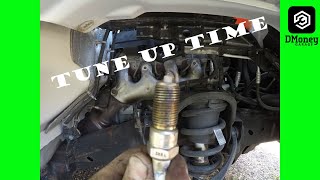
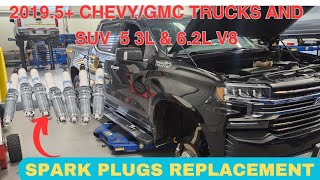
Typical fix: Replace the spark plug. It is recommended to replace all 8 spark plugs at the same time for even performance. Use the specified ACDelco Iridium plugs for best results. 🎬 See this step-by-step walkthrough for replacing your spark plugs.
Est. part cost: $10-$25 per plug - Faulty Ignition Coil 🔴 High Probability → Shop Ignition Coil
How to confirm: Swap the ignition coil from cylinder 3 with another cylinder (e.g., cylinder 1, the front-most on the driver's side). Clear the codes and drive the vehicle. If the code changes to P0301, the coil is bad. 🎬 Watch: A DIY guide to diagnosing and fixing a P0303 misfire. It is not unheard of for a brand new replacement coil to be faulty out of the box.
Typical fix: Replace the faulty ignition coil. It is held on by a single bolt.
Est. part cost: $35-$95 - Failed AFM/DFM Lifter 🟡 Medium Probability → Shop Engine Valve Lifter The Active/Dynamic Fuel Management systems on the 5.3L and 6.2L V8s cause frequent cycling of specific valve lifters, leading to premature wear and collapse. The internal locking pin can shear, or the lifter can get stuck. This is a well-documented weak point and the subject of multiple TSBs and class-action lawsuits.
How to confirm: Listen for a distinct ticking/tapping noise. A mechanic can confirm by removing the valve cover to inspect the rocker arms and pushrods for lack of movement or damage. A compression test may show a loss of compression on the affected cylinder. In some cases, a failed lifter can lead to a bent pushrod, which is also a clear visual indicator.
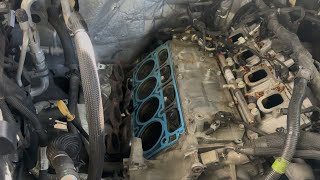
Typical fix: This is a major repair. It requires replacing all lifters and guides on the affected cylinder bank, or both banks depending on mileage, per TSB #23-NA-043. If the camshaft is damaged from contact with the failed lifter, it must also be replaced. Many owners opt to install an AFM/DFM delete kit at the same time to prevent future failures. 🎬 Watch: Full repair guide for fixing a collapsed AFM lifter.
Est. part cost: $400-$1500+ - Clogged or Faulty Fuel Injector ⚪ Low Probability → Shop Fuel Injector Direct injection systems operate under high pressure and can be sensitive to fuel quality, leading to potential clogging over time.
How to confirm: A professional can perform a fuel injector balance test. A DIY method is to listen to the injector with a mechanic's stethoscope; it should have a consistent clicking sound. Swapping injectors between cylinders is possible but is significantly more labor-intensive than swapping a coil due to the direct injection setup.
Typical fix: Replace the fuel injector for cylinder 3. This requires removing the fuel rail.
Est. part cost: $50-$150
Rare But Worth Checking
- Bent Pushrod: Often a direct consequence of a collapsed or stuck AFM/DFM lifter. The lifter fails, creating slack or a hard stop in the valvetrain, which then bends the pushrod under engine load. This will cause a persistent misfire and ticking noise.
- Intake Manifold Gasket Leak: → Shop Engine Intake Manifold A vacuum leak near the cylinder 3 intake runner can lean out the air/fuel mixture and cause a misfire.
- Low Engine Compression: Beyond a failed lifter, this could be caused by a bent valve, worn piston rings, or a damaged cylinder head, requiring significant engine work. A leak-down test can help pinpoint the source of the compression loss.
- Broken Valve Spring: Though less common than a lifter failure, a broken valve spring on cylinder 3 will prevent the valve from closing properly, causing a loss of compression and a misfire.
Diagnosis Steps
- Read the code with an OBD-II scanner to confirm P0303 and check for any other codes like P0300.
- Listen for a persistent ticking or tapping noise from the engine bay, especially at idle. A tick strongly suggests a potential lifter issue, which is a common and serious problem on this platform.
- Swap the ignition coil from cylinder 3 (driver's side, second from front) with cylinder 1 (driver's side, front). Clear the codes and run the engine. If the code changes to P0301, the ignition coil is faulty.
- If the code does not change, inspect the spark plug from cylinder 3. Look for wear, carbon buildup, or oil fouling. Replace if necessary. A heavily fouled plug could point to an injector or compression issue.
- If the ignition system seems okay, the next step is to check the fuel injector. This is more involved and may require a professional.
- If all of the above check out, or if a ticking noise was present from the start, the vehicle must be inspected for a failed AFM/DFM lifter and a potentially bent pushrod. This involves a compression and/or leak-down test, followed by removing the valve cover to visually inspect the valvetrain components for damage or lack of movement.
Parts You'll Likely Need
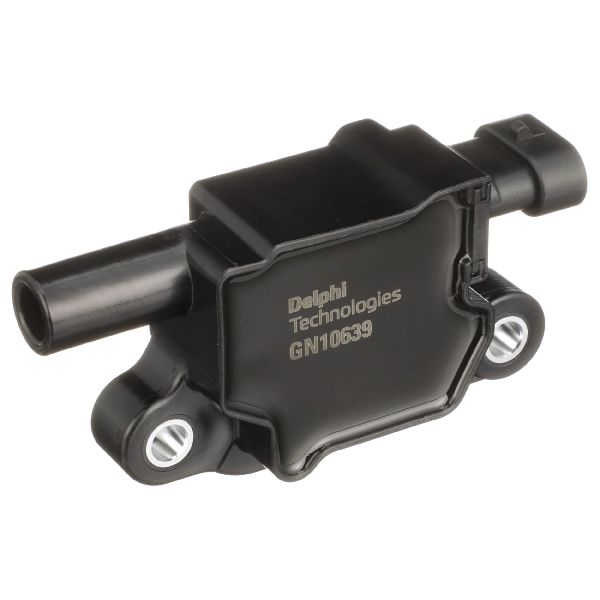
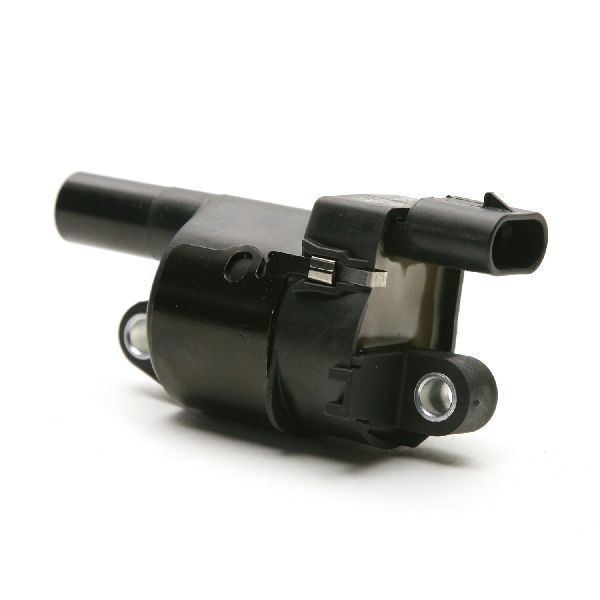
- Ignition Coil
(OEM #12619161)— Ignition coils are a common failure item that directly causes a misfire on a single cylinder.
Trusted brands: ACDelco, Delphi
OEM price range: $80-$120
Aftermarket price range: $35-$75 - Spark Plug
(OEM #41-162)— Spark plugs are a routine maintenance item. A worn or fouled plug is one of the most common causes of a misfire.
Trusted brands: ACDelco, NGK
OEM price range: $10-$25
Aftermarket price range: $8-$18 - AFM/DFM Valve Lifter Kit
(OEM #12674266 (Individual Lifter), Kit numbers vary)— This is the most significant known weakness of this engine platform. A collapsed lifter will cause a persistent misfire. TSB #23-NA-043 specifically calls for their replacement to fix misfires.
Trusted brands: ACDelco, GM Genuine Parts, Texas Speed & Performance (for delete kits)
OEM price range: $300-$500 (for one bank)
Aftermarket price range: $200-$400 (for one bank) - Valve Lifter Guide
(OEM #12595365)— These plastic guides hold the lifters in place and prevent them from rotating. They can become brittle and fail, and GM procedure requires replacing them whenever the lifters are replaced.
Related Codes That Often Appear With This One
- P0300 — If the misfire is intermittent or starting to affect multiple cylinders (as a failing lifter system or widespread fuel issue might), a P0300 (Random/Multiple Cylinder Misfire) code may appear alongside P0303.
- P050D — This code for 'Cold Start Rough Idle' is sometimes seen with a misfire code, especially if the problem is more pronounced before the engine warms up.
Technical Service Bulletins (TSBs) & Recalls
- 23-NA-043: Addresses engine misfires (P0300-P0308) caused by internal lifter concerns, including collapsed lifters and bent pushrods. It provides guidelines for replacing lifters and guides on either one or both cylinder banks depending on vehicle mileage.
- PIP4819A: An older bulletin for a previous generation, but it notes misfires can be caused by loose spark plug wires, establishing a history of ignition-related troubleshooting for this model line.
Platform-Specific Known Issues
- A primary concern for the 2018-2021 Tahoe V8s is the failure of the Active Fuel Management (AFM) or Dynamic Fuel Management (DFM) lifters. These components can collapse or get stuck, leading to a misfire on the associated cylinder. This issue is common enough that GM issued Technical Service Bulletin #23-NA-043 for 2021 models, identifying internal lifter concerns as the cause for misfire codes (P0300-P0308) and recommending lifter replacement. The failure often presents as a ticking noise and can also cause the corresponding pushrod to bend. The problem is particularly noted in 2021 models with the L84/L87 engines but affects the entire generation.
Mechanic-Grade Diagnostic Values
- Ignition Coil Primary Resistance — expected: ~0.64 ohms. Failure: A reading significantly higher or lower than the specification.
- Ignition Coil Secondary Resistance — expected: ~7.98k ohms. Failure: A reading significantly outside the specified range, or an open circuit (infinite resistance).
- Low-Side Fuel Pressure (Key on, Engine off or at Idle) — expected: 55-62 PSI. Failure: Pressure below 55 PSI can indicate a weak fuel pump, which could contribute to a lean misfire.
- Spark Plug Wire Resistance — expected: ~500 ohms per foot. Failure: Excessively high resistance or an open circuit in the wire will result in a weak or no spark.
Hidden / Shadow Codes Worth Checking
- Mode $06, Test ID $A2: Provides access to raw misfire count data for each individual cylinder. This allows a technician to see which cylinders are misfiring, even at a low rate that hasn't yet triggered a P030x trouble code. (see via Requires an advanced OBD-II scanner capable of displaying Mode $06 data.)
Scan Tool Commands That Help
- GDS2 / Tech2 (or advanced aftermarket scanner): Cylinder Power Balance Test — Use this test when a misfire is felt but the specific cylinder is uncertain. The tool deactivates each cylinder one by one and measures the RPM drop. A cylinder that shows little to no RPM drop when deactivated is not contributing power and is the source of the misfire.
- GDS2 / Tech2 (or advanced aftermarket scanner): Injector Balance Test — This function helps diagnose a faulty fuel injector after ignition and compression issues have been ruled out. It can command each injector to flow fuel for a set amount of time to check for consistency.
Wiring & Ground Locations
- G103/G104 (or similar) — On the front of each cylinder head. There is typically a ground strap from the main harness that bolts here.. These are the primary grounds for the ignition coil packs. A loose or corroded ground here can cause erratic spark and misfires on the entire cylinder bank.
- Main Engine Block Ground — A large cable running from the negative battery terminal directly to the engine block, often near the starter or alternator.. This is the main ground path for the entire engine. Corrosion or looseness can cause a wide range of electrical issues, including misfires.
- Firewall Ground Strap — A braided metal strap connecting the engine/cylinder head to the vehicle's firewall.. Ensures the engine and chassis share a common ground potential. A broken strap can lead to unstable sensor readings for the ECM.
- Frame Rail Ground (Fuel Pump) — Located on the driver's side frame rail.. This is the ground for the fuel pump module. A poor connection here can cause low fuel pressure, leading to lean conditions and potential misfires.
Real Owner Repair Stories
- YouTube user 'DIY with Chris' (2005 Chevrolet Tahoe 5.3L (similar GMT800 platform, but diagnostic process is identical)) — Flashing Check Engine Light, P0303 code stored.
❌ Tried (didn't work) Swapped ignition coil from cylinder 3 to cylinder 5.
✅ What actually fixed it The code remained P0303 after the coil swap, indicating the coil was not the issue. The owner then replaced the spark plug on cylinder 3, which was found to be heavily corroded and fouled. Replacing the plug resolved the misfire. - YouTube user 'Handy Andy' (2018 Chevrolet Tahoe) — Rough running, Check Engine Light with P0302 (Cylinder 2 Misfire, diagnosis is identical).
❌ Tried (didn't work) Swapped ignition coils between cylinder 2 and 4.
✅ What actually fixed it After swapping coils, the code remained on the original cylinder (P0302), ruling out a bad coil. The owner then replaced all the spark plugs, which fixed the misfire code and rough running condition.
When the Usual Fixes Don't Work
- While swapping the coil, spark plug, and injector is the standard procedure, there are documented cases in owner forums where these steps do not resolve a persistent P0303. In a 2008 Tahoe with 172k miles, an owner swapped all ignition and fuel components on cylinder 3 with no change. Expert advice on the forum pointed directly to a mechanical failure, such as a collapsed AFM lifter or a broken valve spring, as the next logical and likely cause, especially on a higher-mileage engine. This reinforces that on this platform, a persistent single-cylinder misfire that doesn't follow swapped components is a strong indicator of the known valvetrain issues.
OEM Part Supersession History
e.g., 12571595, 12639516 (various older AFM lifters)→12698946 (DFM Lifter)— GM introduced a revised lifter for Dynamic Fuel Management (DFM) engines starting in 2019. This newer DFM lifter is more robust and is backward-compatible with older AFM systems.
Heads up: The new DFM lifter (e.g., Elgin HL-7025) WILL work in older AFM applications. However, the original AFM-only lifter (e.g., Elgin HL-7011) will NOT work in a newer DFM engine.12595365 (Non-DOD/AFM Guide)→12669185 / 12669184 (AFM/DOD Specific Guides)— Different guides are required depending on whether AFM/DOD lifters are being used or if a 'DOD delete' is being performed.
Heads up: If you are keeping the AFM/DOD system, you must use the AFM-specific guides (12669185/12669184). If you are performing an AFM delete, you must use the non-AFM guides (12595365). Using the wrong guide will lead to lifter failure.
Model Year Variations Within This Range
- 2018-2020 (K2XX Platform): These models primarily use the 5.3L L83 and 6.2L L86 engines equipped with Active Fuel Management (AFM), which deactivates 4 of the 8 cylinders.
- 2019-2021 (T1XX Platform for 2021): Starting in 2019 and carrying into the new T1XX platform for 2021, these models use the 5.3L L84 and 6.2L L87 engines with Dynamic Fuel Management (DFM). DFM is a more advanced system that can deactivate any number of cylinders in various patterns, not just a fixed bank of four. The lifter failure issue persists with DFM, as evidenced by TSB #23-NA-043 for 2021 models.
Helpful Videos
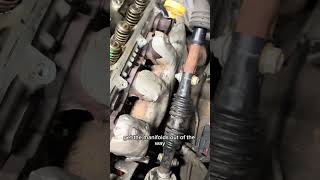
We Have This Part in Stock
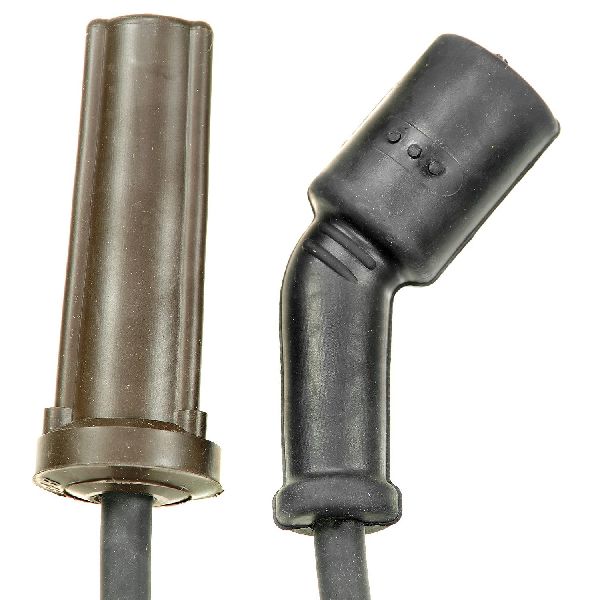
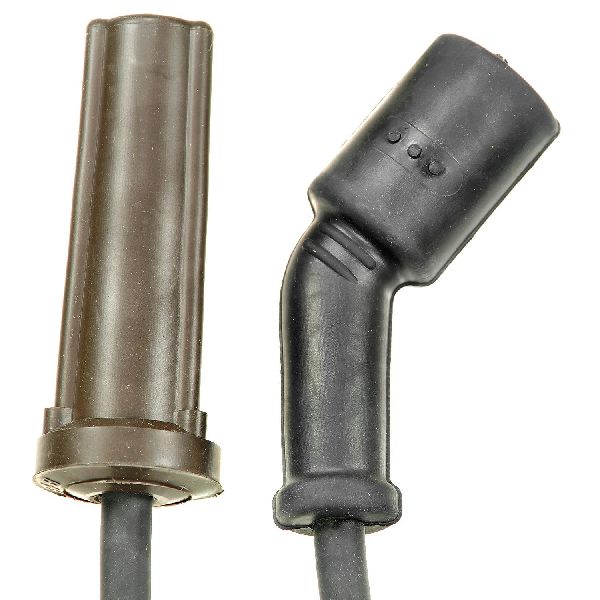
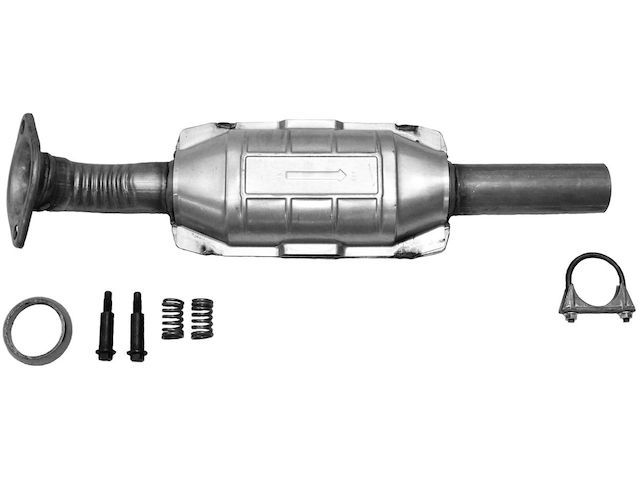


The information in this article is provided for general reference and educational purposes only. Vehicle specifications, procedures, and part compatibility can vary by production date, trim level, and region. Always consult your vehicle's factory service manual and verify part numbers before purchasing or performing repairs. Safety-critical components such as airbags, seat belts, and braking systems should be installed by a qualified professional.
- Chevrolet TAHOE:
- 🧭 Diagnostic Flowchart
- 🎬 Helpful Videos
- 🛍️ Shop This Part
- What's Unique About the 2018-2021 Chevrolet TAHOE
- Symptoms You May Notice
- Most Likely Causes
- Rare But Worth Checking
- Diagnosis Steps
- Parts You'll Likely Need
- Related Codes That Often Appear With This One
- Technical Service Bulletins (TSBs) & Recalls
- Platform-Specific Known Issues
- Mechanic-Grade Diagnostic Values
- Hidden / Shadow Codes Worth Checking
- Scan Tool Commands That Help
- Wiring & Ground Locations
- Real Owner Repair Stories
- When the Usual Fixes Don't Work
- OEM Part Supersession History
- Model Year Variations Within This Range
- 🎟️ Get 5% Off