

P0303 on 2012-2018 Ford Focus 2.0L: Cylinder 3 Misfire Causes and Fixes
On a 2012-2018 Ford Focus, code P0303 is almost always caused by a failed ignition coil or a worn-out spark plug in cylinder 3. The most common fix is replacing the ignition coil, which costs about $25-$75 for the part and is a very easy 15-minute DIY job. The definitive diagnostic is to swap the coil from cylinder 3 to another cylinder and see if the code follows.
- P0303 on a 2012-2018 Focus is almost certainly an issue with the ignition system in cylinder 3.
- The easiest and most effective diagnostic step is to swap the ignition coil from cylinder 3 to an adjacent cylinder to see if the code follows.
- This is a very DIY-friendly repair. Replacing an ignition coil takes about 15 minutes and only requires an 8mm socket.
- If the check engine light is flashing, do not drive the car. This indicates a severe misfire that can cause expensive damage to the catalytic converter.
What's Unique About the 2012-2018 Ford Focus
The 2.0L GDI (Gasoline Direct Injection) engine in the third-generation Ford Focus is generally reliable. However, like many modern engines that use a coil-on-plug ignition system, the most common reason for a single-cylinder misfire like P0303 is a simple ignition coil failure from constant heat and vibration. While direct injection systems can sometimes lead to clogged injectors, ignition system faults are far more common and should always be investigated first.
Symptoms You May Notice
- Rough or shaky idle
- Hesitation or stumbling during acceleration
- Noticeable loss of engine power
- Check engine light is on and may be flashing
- Reduced fuel economy
- Smell of raw fuel from the exhaust
- Engine sounds different, sometimes described as a 'Subaru rumble'
- Replacing the fuel injector before thoroughly testing the ignition system. Ignition components (coils and plugs) are far more likely to fail and are much easier and cheaper to diagnose and replace.
- Mistaking the vibration from a failed passenger-side engine mount for an engine misfire. A bad mount can cause severe shaking at idle, which feels very similar to a misfire.
Most Likely Causes
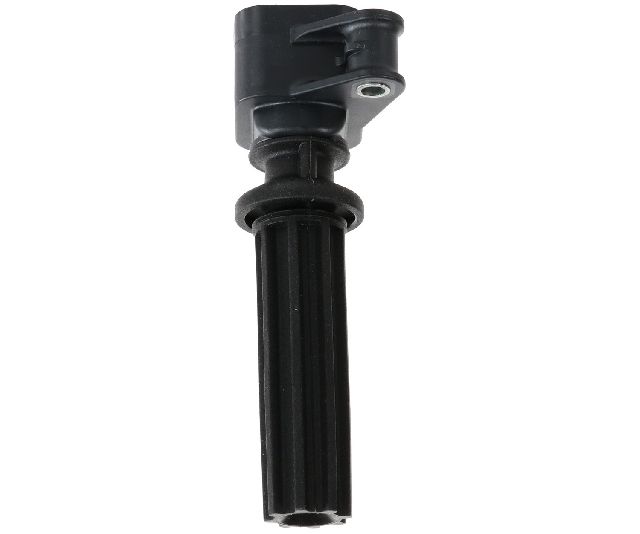
- Failed Ignition Coil on Cylinder 3 🔴 High Probability → Shop Ignition Coil Coil-on-plug systems are common failure points on modern engines due to constant exposure to high heat and vibration. This is the most frequent cause for a single-cylinder misfire on the 2.0L Focus.
How to confirm: Swap the ignition coil from cylinder 3 with another cylinder (e.g., cylinder 2). Clear the codes and run the engine. If the code changes to P0302, the ignition coil is faulty.
Typical fix: Replace the failed ignition coil. It is a simple DIY job requiring an 8mm socket.
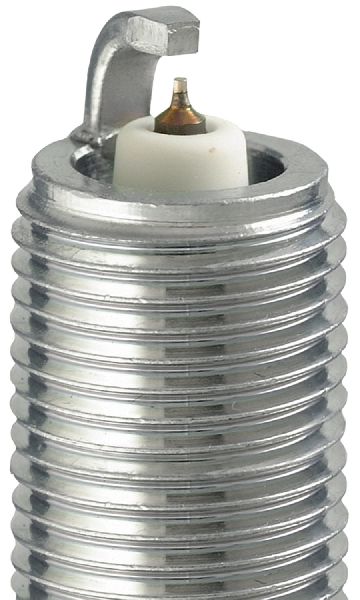
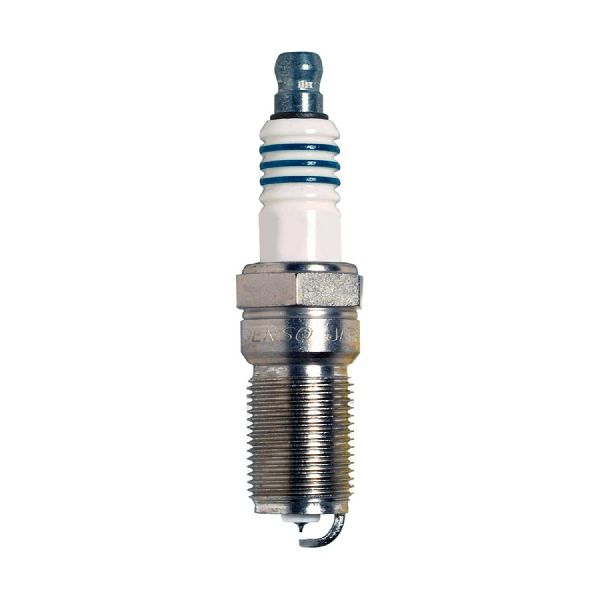
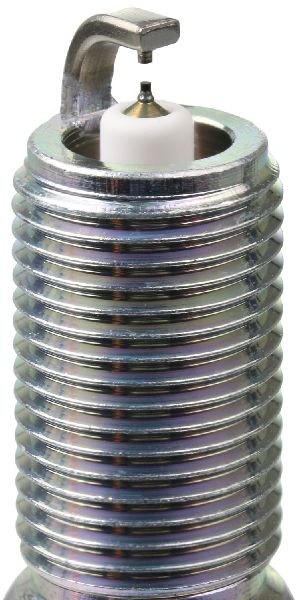
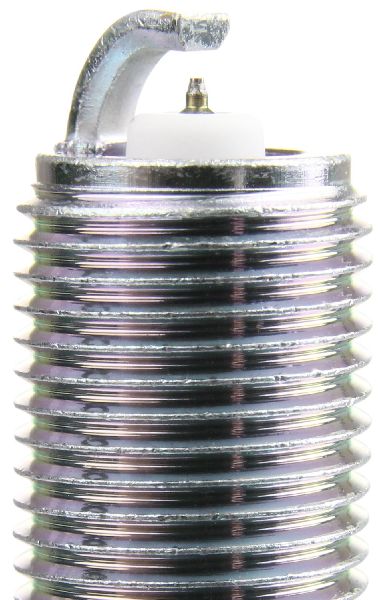
Est. part cost: $25-$75 - Worn or Fouled Spark Plug in Cylinder 3 🟡 Medium Probability → Shop Spark Plug Spark plugs are a regular maintenance item. A worn electrode, incorrect gap, or carbon/oil fouling can easily cause a misfire. These engines are sensitive to plug condition.
How to confirm: After confirming the ignition coil is good, swap the spark plug from cylinder 3 to another cylinder. If the misfire code follows the plug, the spark plug is bad. Visually inspect the plug for wear, oil, or carbon fouling.
Typical fix: Replace the spark plug. It is highly recommended to replace all four spark plugs at the same time for even performance. Ensure the new plugs are gapped correctly per manufacturer specifications.
Est. part cost: $40-$80 for a set of four - Clogged or Faulty Fuel Injector ⚪ Low Probability → Shop Fuel Injector As a Gasoline Direct Injection (GDI) engine, the fuel injectors are inside the combustion chamber and can become clogged with carbon deposits over time, affecting the fuel spray pattern. This is less common than ignition issues but is the next logical component to check.
How to confirm: This is more difficult to diagnose. A professional can perform a fuel injector balance test. A DIY method involves swapping the injector with another cylinder, but this is a much more involved job than swapping a coil or plug. A user on Reddit with a persistent P0303 after changing plugs and coils suspected a fuel injector issue.
Typical fix: Clean or replace the fuel injector for cylinder 3. This is a more labor-intensive job that may require removing the intake manifold.
Est. part cost: $50-$150
Rare But Worth Checking
- Low Engine Compression: If ignition and fuel system checks do not reveal the problem, a mechanical issue like a worn piston ring, leaking valve, or a bad head gasket could be the cause. This is confirmed with a compression test and a cylinder leak-down test.
- Damaged Wiring Harness: Check the wiring and connector going to the ignition coil and fuel injector for cylinder 3. A loose connection, corrosion, or damaged wire can interrupt the signal and cause a misfire.
Diagnosis Steps
- Read the codes with an OBD-II scanner to confirm P0303 and check for any other codes.
- Locate cylinder 3. On the 2.0L Focus, the cylinders are numbered 1-2-3-4 from left to right (passenger side to driver's side) when facing the engine from the front of the car. Cylinder 3 is the third one from the passenger side.
- Perform an 'ignition coil swap test'. Swap the ignition coil from cylinder 3 with the coil from cylinder 2.
- Clear the codes, start the engine, and let it run for a minute. Re-scan for codes.
- If the code has changed to P0302 (Cylinder 2 Misfire), the ignition coil is the problem. Replace it.
- If the code remains P0303, the coil is likely good. Move the coil back to its original position.
- Perform a 'spark plug swap test'. Swap the spark plug from cylinder 3 with the plug from cylinder 1.
- Clear the codes and re-scan. If the code changes to P0301, the spark plug is bad. Replace all four plugs.
- If the code is still P0303, the problem is likely related to the fuel system (injector, wiring) or a mechanical engine issue.
- Inspect the wiring and connector for the cylinder 3 fuel injector and ignition coil for any visible damage or loose connections.
- At this point, if the cause is not found, consider professional diagnosis, which may include a fuel injector balance test or an engine compression test.
Parts You'll Likely Need
- Ignition Coil
(OEM #CM5Z-12029-K (supersedes CM5Z-12029-A, DG546))— This is the most common failure part for a P0303 code on this specific vehicle.
Trusted brands: Motorcraft, NGK, Bosch, Delphi
OEM price range: $75-$100
Aftermarket price range: $25-$60 - Spark Plugs (Set of 4)
(OEM #SP-535 (Motorcraft CYFS-12Y-2, also seen as SP-550 / CYFS-12Y-PCTX))— Worn spark plugs are the second most common cause. They are a standard maintenance item and should be replaced as a set.
Trusted brands: Motorcraft, NGK, Autolite
OEM price range: $60-$80
Aftermarket price range: $40-$60
Related Codes That Often Appear With This One
- P0300 — If the misfire is intermittent or begins to affect other cylinders, a P0300 (Random Misfire) code may appear. This could point towards a shared issue like a vacuum leak or a failing canister purge valve.
- P0301, P0302, P0304 — These codes will appear during the diagnostic process if you swap a faulty component from cylinder 3 to another cylinder, confirming the part is bad.
- P0316 — This code indicates a misfire was detected within the first 1,000 engine revolutions after startup and often appears with other misfire codes on the Focus platform.
Technical Service Bulletins (TSBs) & Recalls
- TSB 18-2093: Addresses cold-start misfires (P0300, P0316) on the high-performance Focus ST model, requiring specific spark plugs and a PCM update. While not directly for the standard 2.0L, it highlights the platform's sensitivity to ignition components and proper spark plug selection.
Platform-Specific Known Issues
- The 2012-2018 Focus was subject to a major recall (18S32 / NHTSA 18V-735) for a faulty canister purge valve (CPV). A stuck-open CPV can cause a lean condition, rough idle, stalling after refueling, and may deform the fuel tank. While it more commonly causes random misfires (P0300), it's a critical well-known issue on this platform that affects drivability.
Mechanic-Grade Diagnostic Values
- High-Pressure Fuel Rail (GDI System) — expected: 2,000 - 2,800 PSI, depending on engine load.. Failure: Significantly lower pressure, especially under load, can indicate a failing high-pressure fuel pump (HPFP) and may cause misfires.
- Fuel Injector Pulse Width (at warm idle) — expected: 1.5ms to 3.0ms.. Failure: A pulse width that is stuck, erratic, or significantly longer on cylinder 3 suggests the PCM is trying to compensate for a lean condition or that the injector itself is faulty.
- Ignition Coil Connector Voltage (Key On, Engine Off) — expected: 12V+ on the center pin of the 3-pin connector.. Failure: No voltage or low voltage points to a problem in the wiring harness or power supply, not the coil itself.
Hidden / Shadow Codes Worth Checking
- Mode $06, TID $53: This is not a standard trouble code but an onboard test monitor for 'Cylinder Misfire Data'. It provides raw misfire counts for each cylinder during the current and last ten drive cycles. This allows a technician to see which cylinder is misfiring before the count is high enough to set a P0303 code and illuminate the check engine light. (see via Requires a professional-grade scan tool or advanced DIY software like FORScan that can access and display Mode $06 data.)
Scan Tool Commands That Help
- Ford IDS (or equivalent professional scanner): Power Balance Test — This is a primary diagnostic function for misfires. It graphically displays the power contribution of each cylinder in real-time. A technician can use this to visually confirm that cylinder 3 is not contributing power correctly, helping to isolate the fault without swapping parts.
Wiring & Ground Locations
- Main Battery/Chassis Ground — Located near the engine compartment fuse box, to the right of the battery.. A poor main ground can cause unstable voltage across the entire electrical system, leading to weak spark, incorrect sensor readings, and erratic PCM behavior that can manifest as a misfire.
- PCM/TCM Grounds — Multiple ground points are located on the chassis near the driver's side strut tower and behind the driver-side headlight assembly.. The Powertrain Control Module relies on these grounds to operate correctly. A loose or corroded ground here can directly cause misfire codes and other engine management faults.
- Cylinder 3 Ignition Coil Connector — The 3-pin connector on top of the ignition coil for the third cylinder from the passenger side.. This is the direct connection to the coil. The center pin should have 12V+ power with the key on. The other two wires are the ground and the signal wire from the PCM. Verifying power here is a key step before condemning the coil or PCM.
Real Owner Repair Stories
- FocusFanatics Forum (Synthesized) (2014 Ford Focus 2.0L, ~95,000 miles) — P0303 code with rough idle and hesitation on acceleration.
❌ Tried (didn't work) Replaced spark plug on cylinder 3, Swapped ignition coil from cylinder 3 to cylinder 2 (code remained P0303)
✅ What actually fixed it The fuel injector for cylinder 3 was clogged. Replacing the single injector resolved the misfire. - Reddit r/FocusST and FordTechMakuloco (YouTube) (2016 Ford Focus 2.0L GDI, ~120,000 miles) — Persistent, intermittent P0303, especially under light load. Engine felt slightly down on power.
❌ Tried (didn't work) Replaced all four spark plugs and ignition coils, Cleaned the MAF sensor, Used multiple bottles of fuel injector cleaner in the fuel tank
✅ What actually fixed it Heavy carbon buildup was discovered on the back of the intake valves for cylinder 3. A manual cleaning (walnut blasting) of the intake valves was required to restore proper airflow and resolve the misfire.
Model Year Variations Within This Range
- 2015-2018: The Ford Focus received a facelift for the 2015 model year, which included revised styling and some interior updates. However, the primary 2.0L GDI Duratec engine and its ignition system remained fundamentally the same, so the causes and fixes for P0303 are consistent across the entire 2012-2018 range.
Diagnostic Flowchart
Other Known Issues on This Vehicle
Issues unrelated to this code that are worth knowing about as an owner of this generation:
- DPS6 'PowerShift' Dual-Clutch Automatic Transmission Failure 🔴 High — Extremely common on 2012-2016 models. Symptoms include shuddering, hesitation, jerking, and complete loss of drive. Multiple lawsuits and warranty extensions (e.g., 10yr/150k miles on TCM) have been issued. (Ref: Multiple Customer Satisfaction Programs and extended warranties, rather than a single recall for the core issue.)
- Failed Passenger Side Engine Mount 🟠 Medium — Very common. The hydraulic mount collapses, causing the engine to rest on the frame bracket. This transmits excessive vibration and a rough feeling into the cabin, especially at idle, often mistaken for a misfire.
- Canister Purge Valve (CPV) Malfunction 🔴 High — Extremely common, affecting nearly 1.5 million vehicles. The valve sticks open, deforming the fuel tank, causing stalling (especially after refueling), erratic fuel gauge, and difficulty starting. (Ref: NHTSA 18V-735 / Ford 18S32)
- Electronic Power Steering Assist Failure 🔴 High — Common enough to trigger recalls. Can cause a sudden loss of power steering while driving, making the vehicle very difficult to steer. (Ref: Recalls issued for specific VIN ranges.)
Used vs. New Parts: Buying Guide for This Vehicle
When a used part is the smart pick: For this repair, buying used parts is generally not recommended. The most common failure items, ignition coils and spark plugs, are wear-and-tear components. The cost savings of a used coil (a part known to fail from heat and age) are minimal compared to the risk of it failing again shortly after installation.
Donor-vehicle mileage cap: roughly under 30000 miles for the part to have meaningful remaining life.
What to inspect on the donor part:
- For an ignition coil, look for a clean part with no cracks in the plastic housing or corrosion on the electrical connector pins.
- Avoid parts from vehicles with obvious signs of engine neglect (e.g., heavy oil leaks, sludge under the oil cap).
- If considering a used fuel injector, ask for the mileage of the donor car and try to get a set from the same vehicle.
OEM-only on this vehicle (don't cheap out):
- While not a common cause, if the PCM is suspected, it's critical to use an OEM or a professionally remanufactured unit programmed specifically for the vehicle's VIN.
Aftermarket brands forum-validated for this vehicle:
- Ignition Coils: Motorcraft (OEM), NGK, Delphi, Bosch.
- Spark Plugs: Motorcraft (OEM), NGK, Autolite.
- Fuel Injectors: Bosch (often the OEM supplier), Standard Motor Products (SMP).
Brands owners have reported issues with on this vehicle:
- Unnamed, no-brand ignition coils and injectors from online marketplaces are frequently reported on forums to fail prematurely or be dead-on-arrival.
Real Owner Stories
Aggregated from forums and TSBs cited above. Mileages and costs reflect what owners reported in those sources.
2012-2018 Ford Focus 2.0L
Symptoms: The engine had a noticeable 'Subaru sound' and a P0303 code was present.
What fixed it: The community recommended a coil pack swap between cylinders as the primary troubleshooting step to identify a faulty ignition coil.
Source hint: Reddit r/FocusST - Need help with p0303
2012-2018 Ford Focus 2.0L
Symptoms: Persistent P0303 code and cylinder 3 misfires. After replacing the spark plugs and the coil pack, the problem remained. The spark plug in cylinder 3 was found to be blackened and smelled of raw fuel.
What fixed it: The symptoms led to the diagnosis of a faulty fuel injector.
Source hint: Reddit r/FocusST - HELP! (P0303, Cyl 3 misfires, and more)
2012-2018 Ford Focus 2.0L — 22000 miles
Symptoms: Excessive engine vibrations at idle, which can be misdiagnosed as a misfire.
What fixed it: Replacing the engine mounts.
Source hint: Ford Owners Club - MK3 Engine Mounts
Related OBD-II Codes
Frequently Asked Questions
Where is cylinder 3 located on my 2012-2018 Ford Focus 2.0L?
Could my P0303 code be related to the Ford Focus canister purge valve recall?
My car is shaking at idle but the P0303 code won't go away after changing plugs; could it be a mount?
Does TSB 18-2093 apply to my standard 2.0L Focus?
Is there a simple way to test if my P0303 is just a bad ignition coil?
Why does my Focus sound like a 'Subaru' while the check engine light is flashing?
Helpful Videos
We Have This Part in Stock


The information in this article is provided for general reference and educational purposes only. Vehicle specifications, procedures, and part compatibility can vary by production date, trim level, and region. Always consult your vehicle's factory service manual and verify part numbers before purchasing or performing repairs. Safety-critical components such as airbags, seat belts, and braking systems should be installed by a qualified professional.
- Ford Focus:
- 🧭 Diagnostic Flowchart
- 🎬 Helpful Videos
- 🛍️ Shop This Part
- What's Unique About the 2012-2018 Ford Focus
- Symptoms You May Notice
- Most Likely Causes
- Rare But Worth Checking
- Diagnosis Steps
- Parts You'll Likely Need
- Related Codes That Often Appear With This One
- Technical Service Bulletins (TSBs) & Recalls
- Platform-Specific Known Issues
- Mechanic-Grade Diagnostic Values
- Hidden / Shadow Codes Worth Checking
- Scan Tool Commands That Help
- Wiring & Ground Locations
- Real Owner Repair Stories
- Model Year Variations Within This Range
- Other Known Issues on This Vehicle
- Used vs. New Parts: Buying Guide for This Vehicle
- Real Owner Stories
- 2012-2018 Ford Focus 2.0L
- 2012-2018 Ford Focus 2.0L
- 2012-2018 Ford Focus 2.0L — 22000 miles
- Related OBD-II Codes
- Frequently Asked Questions
- 🎟️ Get 5% Off