

P0303 on 2017-2018 Land Rover Discovery: Cylinder 3 Misfire Causes and Fixes
P0303 indicates a misfire in cylinder 3 on your Land Rover Discovery. The most common cause is a faulty ignition coil or a worn spark plug. Swapping the ignition coil from cylinder 3 to another cylinder is a quick, no-cost diagnostic step. Be aware that TSBs link this code to more complex timing issues on this platform.
- P0303 signifies a misfire on cylinder 3, which is the rearmost cylinder on the driver's side of the 3.0L V6 engine.
- The most probable and easiest-to-fix causes are a bad ignition coil or a worn spark plug.
- Always use the 'coil swap' method as your first diagnostic step; it's free and highly effective at confirming a bad coil.
- Do not drive if the check engine light is flashing, as this can quickly destroy your catalytic converter, leading to a much more expensive repair.
- Be aware that on 2017 models, this code can be linked to more complex camshaft timing issues, as documented in TSB SSM74161.
What's Unique About the 2017-2018 Land Rover DISCOVERY
The 2017-2018 Land Rover Discovery (L462) with the 3.0L Supercharged V6 (AJ126 engine) is generally reliable, but like many modern direct-injection engines, it is sensitive to ignition component health. While a P0303 code is often a simple coil or plug issue, a key vehicle-specific point is highlighted by Land Rover's own technical service bulletins. TSB SSM74161 notes that a P0303 code can appear alongside various camshaft timing codes, sometimes without any noticeable driving problems, pointing to a more complex underlying issue with the Variable Valve Timing (VVT) system that may require dealer-level diagnostics. These engines are also known for potential timing chain guide issues, which can present as misfires.
Diagnostic Flowchart
Tap your situation to follow the diagnostic path that matches what you're seeing on this vehicle.
Symptoms You May Notice
- Flashing or solid Check Engine Light
- Rough or shaky idle
- Engine hesitation or stumbling during acceleration
- Noticeable loss of power and 'Reduced Engine Performance' message on the dash
- Reduced fuel economy
- Smell of unburnt fuel from the exhaust
- Replacing oxygen sensors. TSB LTB00902NAS2 notes that misfire codes are often stored with fuel trim codes (P2096/P2097). The misfire is the root cause, as unburnt oxygen from the dead cylinder skews the O2 sensor readings. Fixing the misfire will usually resolve the O2 sensor-related codes.
Most Likely Causes
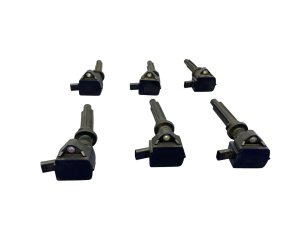
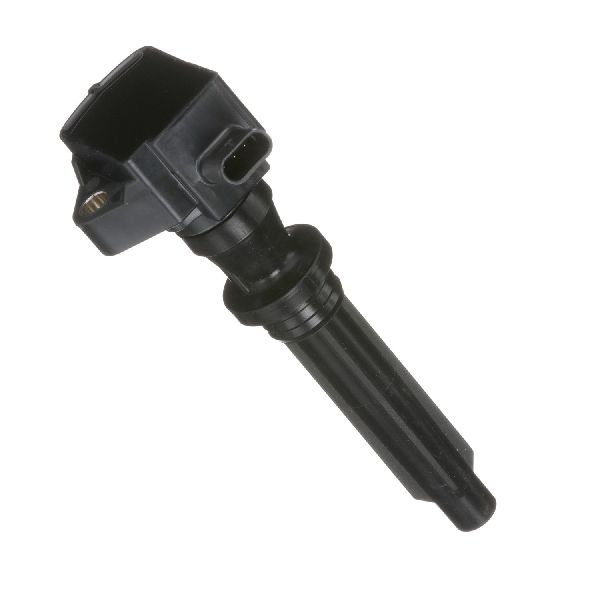
- Faulty Ignition Coil 🔴 High Probability → Shop Ignition Coil Coil-on-plug ignition systems are exposed to significant heat and vibration, causing them to fail over time. This is a very common failure point on modern engines, including the Land Rover AJ126 V6.
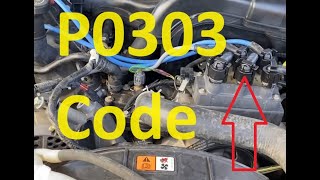
How to confirm: Swap the ignition coil from cylinder 3 with another cylinder (e.g., cylinder 1). Clear the codes and run the engine. If the code changes to P0301, the ignition coil is faulty. This is the standard first diagnostic step. 🎬 Watch: Common causes and fixes for the P0303 code
Typical fix: Replace the failed ignition coil. It is often recommended to replace all coils if they are original and the vehicle has high mileage to ensure reliability.
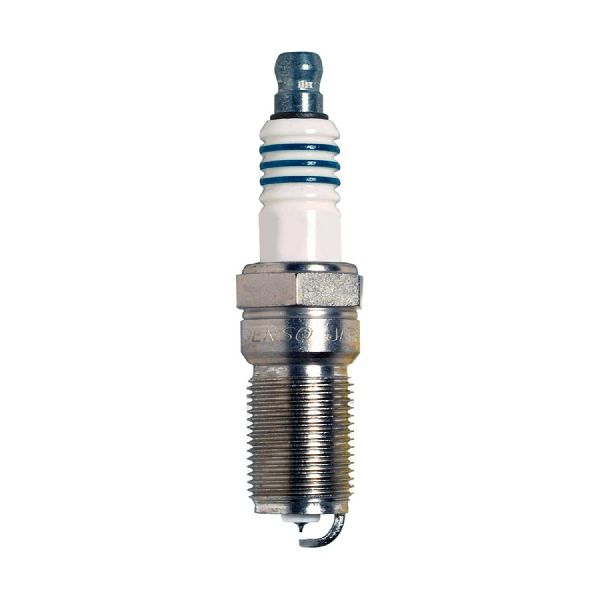
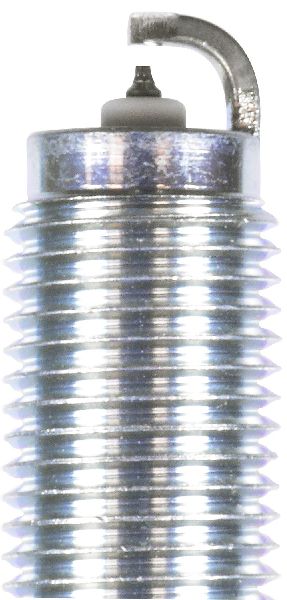
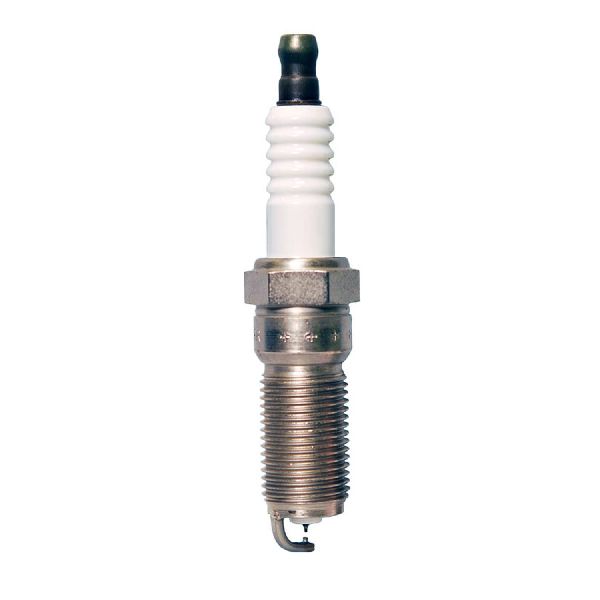
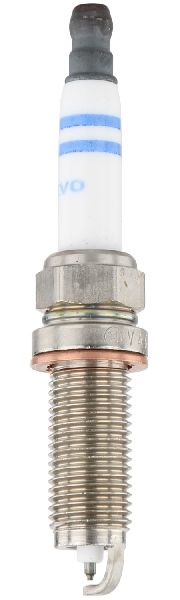
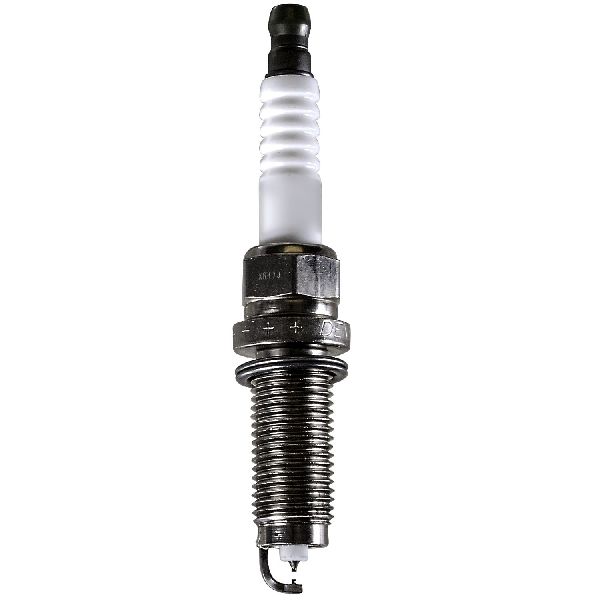
Est. part cost: $50 - $150 - Worn or Fouled Spark Plug 🔴 High Probability → Shop Spark Plug Supercharged engines place high demands on spark plugs, leading to a finite service life. A worn electrode, incorrect gap, or fouling from carbon or oil can prevent a strong spark.
How to confirm: After ruling out the coil, inspect the spark plug from cylinder 3. Look for a worn-down electrode, heavy carbon deposits (sooty black), or oil fouling (shiny black).
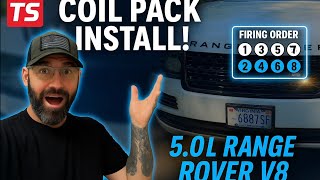
Typical fix: Replace the spark plug. It is best practice to replace all six spark plugs as a set 🎬 See this step-by-step guide for replacing plugs and coils to ensure consistent performance and avoid future misfires.
Est. part cost: $15 - $35 per plug - Clogged or Faulty Fuel Injector 🟡 Medium Probability → Shop Fuel Injector Direct injection systems operate under very high pressure, and injectors can become clogged by fuel contaminants or carbon buildup over time, preventing proper fuel atomization.
How to confirm: This is more difficult to diagnose for a DIYer. A professional can perform a fuel injector balance test. A DIY method involves listening to the injector with a mechanic's stethoscope to ensure it's clicking. Swapping injectors is possible but much more labor-intensive than coils.
Typical fix: Replace the faulty fuel injector. This is often a more labor-intensive job than replacing a coil or plug and requires new seals.
Est. part cost: $100 - $250
Rare But Worth Checking
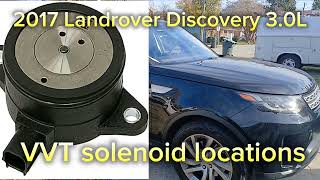
- Camshaft Timing Issue / Faulty VVT Solenoid: → Shop Engine Camshaft As per TSB SSM74161, a P0303 code on a 2017 Discovery can be stored along with camshaft position codes (P054A-00, P0014-71, P000B-00, P0341-00). This indicates a potential problem with a faulty Variable Valve Timing (VVT) solenoid, not just a simple ignition fault. The bulletin advises replacing the solenoid (Part No. LR073778) 🎬 Watch: Locate all four VVT solenoids on your Discovery if it was manufactured before August 23, 2018.
- Vacuum Leak: A leak in the intake manifold gasket near the runner for cylinder 3 can introduce unmetered air, causing a lean misfire. This is usually confirmed with a smoke test of the intake system.
- Low Engine Compression: Internal mechanical issues like a burnt exhaust valve, worn piston rings, or a head gasket failure can cause a loss of compression in cylinder 3, leading to a misfire. A compression test is required to diagnose this.
- Carbon Buildup on Intake Valves: The AJ126 is a direct-injection engine, meaning fuel doesn't wash over the intake valves. Over time, oil vapors from the PCV system can bake onto the valves, restricting airflow to a cylinder and causing misfires, particularly on higher-mileage vehicles.
Diagnosis Steps
- Read all stored fault codes with an OBD-II scanner. Pay close attention to any codes accompanying P0303, especially timing-related codes.
- Locate cylinder 3. On the Land Rover 3.0L V6 (AJ126), Bank 1 is the passenger-side bank (in the US). The cylinders are numbered 1-3-5 from front to back. Cylinder 3 is the middle cylinder on the passenger side.
- Swap the ignition coil from cylinder 3 to another cylinder (e.g., cylinder 1 on the same bank). The coil is held by a single bolt. Clear the codes and start the engine.
- If the code changes to P0301, the ignition coil has failed and needs replacement.
- If the code remains P0303, move the spark plug from cylinder 3 to the other cylinder. If the code now follows the plug, the spark plug is faulty.
- If the code still remains P0303, inspect the wiring and connector for the cylinder 3 ignition coil and fuel injector for any damage, looseness, or corrosion.
- If ignition components are good, the issue may be fuel-related or mechanical. Further diagnostics, such as a fuel pressure test, injector balance test, or engine compression test, are required and may necessitate professional service.
Parts You'll Likely Need
- Ignition Coil
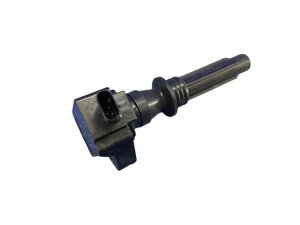
(OEM #LR105976 (supersedes LR030636), C2Z18619)— This is the most common cause of a single-cylinder misfire due to failure from heat and vibration.
Trusted brands: Bosch, Delphi, NGK, Duralast
OEM price range: $100 - $180
Aftermarket price range: $50 - $120 - Spark Plug
(OEM #LR025605 (Bosch HR 7 NII 332 S))— Spark plugs are a regular maintenance item and a frequent cause of misfires as they wear out, especially in supercharged engines.
Trusted brands: NGK (ILTR6G8G), Bosch
OEM price range: $25 - $40
Aftermarket price range: $15 - $30
Related Codes That Often Appear With This One
- P0300 — If the condition causing the misfire is not isolated to cylinder 3 or is systemic (like bad fuel or a large vacuum leak), a P0300 (Random/Multiple Cylinder Misfire) code may also be stored.
- P0301, P0302, P0304, etc. — Misfire codes for other cylinders. If seen together, this points to a systemic issue like low fuel pressure, a large vacuum leak, or bad fuel.
- P054A-00, P0014-71, P000B-00, P0341-00 — According to TSB SSM74161, these camshaft timing and position codes can appear with P0303 on 2017 models, indicating a more complex issue within the VVT system, likely a faulty solenoid.
- P2096-00, P2097-00 — TSB LTB00902NAS2 indicates these post-catalyst fuel trim codes are likely to be stored with misfire codes. The misfire is the cause, not the effect.
Technical Service Bulletins (TSBs) & Recalls
- SSM74161: Notes that on 2017 models, P0303-00 can be stored with several camshaft timing DTCs. The cause is identified as a batch of out-of-spec VVT solenoids (Part No. LR073778) which should be replaced if manufactured before August 23, 2018.
- LTB00902NAS2: States that when fuel trim codes P2096-00 or P2097-00 are present, one or more misfire DTCs (including P0303-00) are also likely to be stored. The misfire should be addressed as the primary fault.
Platform-Specific Known Issues
- TSB SSM74161 highlights that on some 2017 Discovery models, P0303 can be stored with a cluster of camshaft timing codes (P054A-00, P0014-71, P000B-00, P0341-00, P0302-00) even with no apparent driveability concern. This points to a specific issue with a faulty VVT solenoid manufactured before 08/23/2018, which may require dealer diagnosis and replacement.
- TSB LTB00902NAS2 (for a similar model year) shows that misfire codes like P0303 are often the root cause for fuel trim codes P2096-00 or P2097-00, and technicians should fix the misfire first before suspecting O2 sensor failure.
Mechanic-Grade Diagnostic Values
- High-Pressure Fuel System Pressure (under load) — expected: 2000 - 2900 PSI (138 - 200 bar). Failure: Significantly lower pressure under load can indicate a failing High-Pressure Fuel Pump (HPFP).
- Low-Pressure Fuel System Pressure (Key On, Engine Off) — expected: 65 - 75 PSI. Failure: Pressure below this range suggests a weak in-tank fuel pump or a clogged filter.
- VVT Solenoid Coil Resistance — expected: ~7.0 - 12.0 Ohms. Failure: A reading of infinite resistance (Open Loop) or very low resistance (< 2 Ohms) indicates a failed solenoid coil.
- Ignition Coil Connector Voltage (Key On, Engine Off) — expected: 12V+ on the power supply pin.. Failure: No voltage indicates a problem with the wiring or fuse supplying power to the coil.
Hidden / Shadow Codes Worth Checking
- Mode $06, Test ID $A4: Provides raw misfire counts for Cylinder 3. This allows a technician to see intermittent misfires that have not yet reached the threshold to set a persistent P0303 code. (see via Advanced OBD-II scan tool with Mode $06 functionality. JLR's SDD/Pathfinder software also provides detailed per-cylinder misfire counters.)
Scan Tool Commands That Help
- JLR SDD / Pathfinder: Power Balance Test — To graphically display the power contribution of each cylinder in real-time. A significant drop for cylinder 3 confirms the misfire and helps gauge its severity.
- JLR SDD / Pathfinder: Injector Diagnosis — To activate the fuel injector for cylinder 3 to test its electronic function without removing it from the engine.
- JLR SDD / Pathfinder: Reset Fuel Adaptations — After replacing a fuel injector or addressing a major vacuum leak, this function resets the long-term fuel trims to their baseline, allowing the PCM to relearn faster.
Wiring & Ground Locations
- Main Engine-to-Chassis Ground Strap — Typically a braided strap connecting the engine block (often near the starter motor or alternator) to the vehicle's frame rail or firewall.. A corroded or loose main ground strap can cause intermittent and hard-to-diagnose electrical issues, including weak spark at the ignition coils, leading to misfires. The strap may look intact but have high internal resistance.
- Cylinder Head Grounds — Smaller ground wires are often attached to threaded holes on the rear of the cylinder heads, providing a ground path for the EFI harness and various sensors.. A poor ground connection at the cylinder head can directly affect the performance of the ignition coils and fuel injectors for that bank.
- Cylinder 3 Ignition Coil Connector — The electrical connector on top of the ignition coil for cylinder 3 (middle cylinder, passenger side).. Testing for 12V+ power, ground continuity, and the control signal from the PCM occurs at this connector's pins. Damage or corrosion here is a direct cause of failure for this cylinder.
Real Owner Repair Stories
- JaguarForums user (same AJ126 engine) (Jaguar XF 3.0L Supercharged V6) — Intermittent P0303 and P0305 misfire codes, rough idle.
❌ Tried (didn't work) Replaced spark plugs, Swapped ignition coils
✅ What actually fixed it The main engine-to-chassis ground strap was found to have high resistance despite appearing visually intact. Replacing the ground strap resolved the misfires permanently. - UK-based Land Rover forum user (2017 Land Rover Discovery 3.0 SCV6 with 80,000 miles) — Persistent P0303 code, slight rough idle.
❌ Tried (didn't work) Replaced ignition coil, Replaced spark plug, Replaced fuel injector on cylinder 3
✅ What actually fixed it A walnut shell blasting of the intake valves revealed severe carbon buildup (coking) on the intake ports for cylinder 3, restricting airflow. Cleaning the valves resolved the misfire. - landroverforums.com user (similar engine family) (Land Rover Discovery with V8 engine) — P0303 and P0300 codes, rough running.
❌ Tried (didn't work) Cleaned O2 sensor, Replaced both upstream O2 sensors
✅ What actually fixed it A compression test revealed low compression in cylinders 1 and 3 (20 psi). The ultimate cause was a mechanical engine issue requiring valve work, not an ignition or fuel problem.
"I Checked Everything" — The Actual Cause
- A torn diaphragm in the PCV (Positive Crankcase Ventilation) valve, which is often integrated into the valve cover, can cause an unmetered vacuum leak. This may not be detected by a standard smoke test of the intake manifold but will cause a lean condition, rough idle, and can set misfire codes. Symptoms often include a whistling or hissing noise from the engine at idle.
OEM Part Supersession History
LR073778→LR126832 (and potentially others like LR162948, LR163187)— This is the VVT solenoid identified as problematic in TSB SSM74161. The original part had a high failure rate. The supersession is to the revised, more reliable part.
Heads up: Using a pre-2018 manufactured part will likely lead to a repeat failure. Ensure the replacement is the superseded part number.LR030636→C2Z18619, then LR105976— Standard part evolution for the ignition coil, likely for improved reliability or manufacturing changes.
Model Year Variations Within This Range
- 2017: According to TSB SSM74161, 2017 models are particularly susceptible to setting P0303 along with a host of camshaft timing codes due to a faulty batch of VVT solenoids (Part No. LR073778) manufactured before August 23, 2018. Later 2018 models are less likely to have this specific issue from the factory.
Helpful Videos
Used OEM Parts in Stock
New Aftermarket Parts Available

The information in this article is provided for general reference and educational purposes only. Vehicle specifications, procedures, and part compatibility can vary by production date, trim level, and region. Always consult your vehicle's factory service manual and verify part numbers before purchasing or performing repairs. Safety-critical components such as airbags, seat belts, and braking systems should be installed by a qualified professional.
- Land Rover DISCOVERY:
- 🧭 Diagnostic Flowchart
- 🎬 Helpful Videos
- 🛍️ Shop This Part
- What's Unique About the 2017-2018 Land Rover DISCOVERY
- Symptoms You May Notice
- Most Likely Causes
- Rare But Worth Checking
- Diagnosis Steps
- Parts You'll Likely Need
- Related Codes That Often Appear With This One
- Technical Service Bulletins (TSBs) & Recalls
- Platform-Specific Known Issues
- Mechanic-Grade Diagnostic Values
- Hidden / Shadow Codes Worth Checking
- Scan Tool Commands That Help
- Wiring & Ground Locations
- Real Owner Repair Stories
- "I Checked Everything" — The Actual Cause
- OEM Part Supersession History
- Model Year Variations Within This Range
- 🎟️ Get 5% Off