

P0303 on 2002-2005 Land Rover Freelander: Cylinder 3 Misfire Causes and Fixes
On a 2002-2005 Freelander with the 2.5L V6, a P0303 code is most often caused by a failed ignition coil or a worn spark plug on cylinder 3. Cylinder 3 is on the rear bank, which suffers from high heat, accelerating coil failure. A new ignition coil costs around $40-$80, and it's a common DIY fix for those comfortable accessing the rear of the engine.
- P0303 on a 2002-2005 Freelander indicates a misfire in cylinder 3, the middle cylinder on the rear bank.
- The most probable cause is a bad ignition coil, followed by a worn spark plug. Always perform a coil swap test first to confirm the diagnosis.
- Do not ignore a flashing Check Engine Light, as it signals a severe misfire that can quickly destroy your catalytic converter, a very expensive part to replace.
- If ignition parts don't solve the issue, the next most likely culprit is a vacuum leak from the intake manifold gaskets, a known weak point on this engine.
- Cylinder 3 is on the rear bank, closer to the firewall, making access more challenging than the front cylinders.
What's Unique About the 2002-2005 Land Rover FREELANDER
The 2.5L KV6 engine in the Freelander has specific weaknesses that often lead to misfires. The ignition coils on the rear bank of cylinders (1, 3, and 5), which is close to the firewall, are known to fail due to high heat exposure. This heat can cause the coil's internal insulation to break down and the plastic housings to crack. Additionally, the plastic intake manifold system is a well-documented source of vacuum leaks from aging gaskets, which can lean out the air-fuel mixture and cause misfires on one or more cylinders.
Diagnostic Flowchart
Tap your situation to follow the diagnostic path that matches what you're seeing on this vehicle.
Symptoms You May Notice
- Rough engine idle, sometimes fluctuating up and down.
- Significant loss of power and poor acceleration.
- Engine stumbling or hesitation.
- Solid or flashing Check Engine Light.
- Engine stalling.
- Reduced fuel economy.
- Shaking or vibrating from the engine bay.
- Replacing oxygen sensors before diagnosing the ignition or fuel system for the specific cylinder.
- Replacing the fuel pump when the issue is isolated to a single cylinder's injector or ignition component. A fuel pump issue would typically cause multiple or random misfires.
- Assuming a vacuum leak is from a simple hose when the intake manifold gaskets are the more likely culprit on the KV6 engine.
Most Likely Causes
- Failed Ignition Coil 🔴 High Probability → Shop Ignition Coil The ignition coils on the rear cylinder bank (where cylinder 3 is located) are subjected to intense heat from the exhaust manifold and lack of airflow, leading to a higher failure rate. The silicone boots also become brittle and crack over time, allowing spark to arc to the cylinder head.
How to confirm: Swap the ignition coil from cylinder 3 with a coil from an accessible cylinder on the front bank (e.g., cylinder 4). Clear the codes and drive. If the code changes to P0304, the coil is faulty. Visually inspect the removed coil for cracks, burn marks (arcing), or swelling.
Typical fix: Replace the failed ignition coil. It is often recommended to replace the spark plug at the same time. Many owners choose to replace all three rear coils preventatively due to the difficult access.
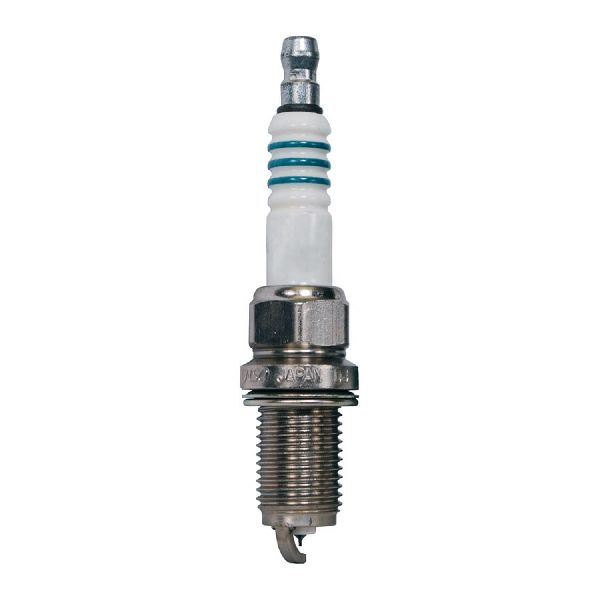
Est. part cost: $40 - $80 - Worn or Fouled Spark Plug 🔴 High Probability → Shop Spark Plug
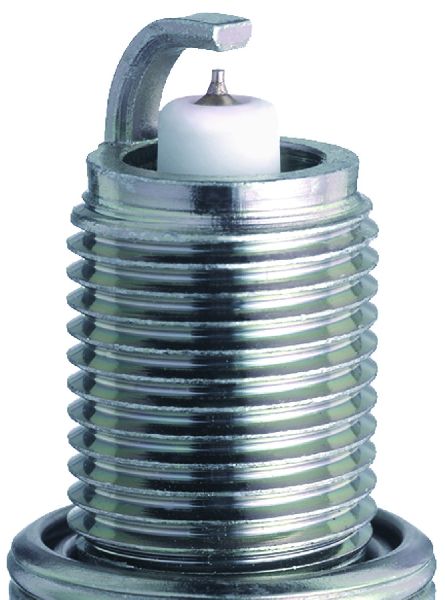
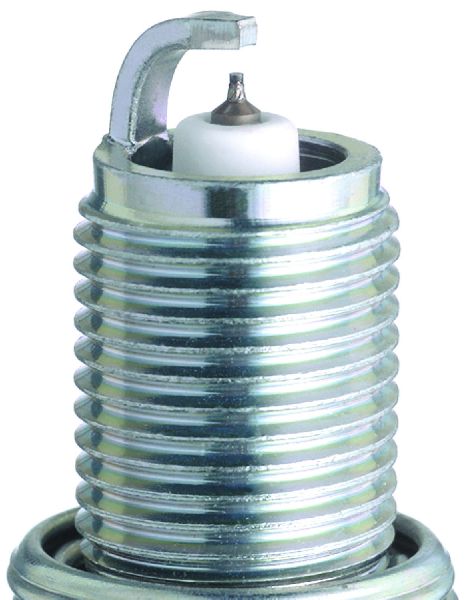
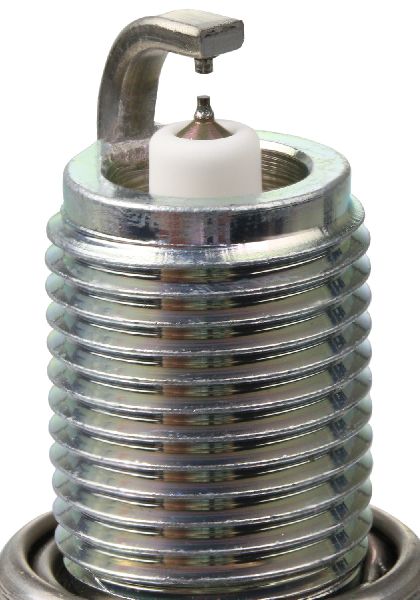
How to confirm: After confirming the coil is good, remove and inspect the spark plug from cylinder 3. Look for a worn electrode, heavy carbon deposits, oil, or fuel fouling. A wet, fuel-soaked plug points to a lack of spark, while a white, ashy plug can indicate a lean condition or coolant leak.
Typical fix: Replace the spark plug. It is best practice to replace all six spark plugs at once 🎬 Watch: Step-by-step guide to changing spark plugs on a Freelander for balanced engine performance, especially if their service history is unknown.
Est. part cost: $10 - $25 per plug - Leaking Intake Manifold Gaskets 🟡 Medium Probability → Shop Engine Intake Manifold The gaskets sealing the plastic intake manifold to the cylinder heads are known to degrade from heat cycles and age, creating vacuum leaks that disrupt the air-fuel ratio. This is a very common failure on the KV6 engine.
How to confirm: Perform a smoke test on the intake system. Alternatively, with the engine running, carefully spray carburetor cleaner or a propane torch (unlit) around the intake manifold gaskets and listen for any change in engine RPM, which would indicate a leak.
Typical fix: Replace the upper and lower intake manifold gaskets. This is a more involved repair but is a common point of failure that can cause multiple lean and misfire codes.
Est. part cost: $50 - $100 for a gasket set - Clogged or Failed Fuel Injector ⚪ Low Probability → Shop Fuel Injector
How to confirm: Listen to the injector with a mechanic's stethoscope to ensure it's clicking. You can also check its electrical resistance with a multimeter or swap it with another cylinder's injector to see if the misfire code follows. An acceptable injector resistance for the KV6 is 14.5 ± 0.7 ohms at 20 °C (68 °F).
Typical fix: Replace the faulty fuel injector. It's wise to replace the O-ring seals on adjacent injectors at the same time.
Est. part cost: $60 - $150
Rare But Worth Checking
- Low Engine Compression: This indicates a more serious mechanical issue like a burnt exhaust valve, worn piston rings, or a failing head gasket. A compression test is required to diagnose this.
- Faulty Powertrain Control Module (PCM): → Shop Engine Control Module (ECM) In very rare cases, the driver circuit within the PCM that fires the ignition coil can fail. This should only be considered after all other possibilities have been exhausted.
- Failed VIS (Variable Intake System) Motors: The plastic VIS motors on the side of the intake manifold can fail, which primarily affects engine breathing at different RPMs. While not a direct cause of a single-cylinder misfire, their failure can contribute to overall poor running and may be diagnosed alongside misfire codes, as seen in owner complaints.
Diagnosis Steps
- Read the trouble codes with an OBD-II scanner and note any other codes present. Freeze frame data can show the conditions under which the misfire occurred.
- Identify cylinder 3. On the Freelander's transverse 2.5L V6, the rear bank (closer to the firewall) contains cylinders 1, 3, and 5, from passenger to driver side (left to right when facing the engine). Cylinder 3 is the middle cylinder on the rear bank.
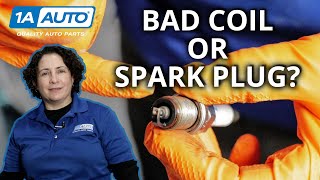
- Perform an 'ignition coil swap'. Exchange the ignition coil from cylinder 3 with the one from cylinder 4 (middle cylinder, front bank). This requires removing the upper intake manifold cover. Clear the codes and run the engine. If the code changes to P0304, the coil is the culprit. 🎬 See how to diagnose misfire codes and test ignition coils
- If the code remains P0303, inspect the spark plug from cylinder 3. Look for excessive wear, damage, or fouling from oil or fuel. Compare it to a new plug. Replace if it appears faulty.
- If the coil and plug are good, check for vacuum leaks. A professional smoke test is the most reliable method. Pay close attention to the intake manifold gaskets, which are a known weak point.
- If no vacuum leaks are found, test the fuel injector for cylinder 3. Listen for a consistent clicking sound with a long screwdriver or mechanic's stethoscope and check its electrical connector for corrosion or damage. Test the injector's resistance; it should be 14.5 ± 0.7 ohms.
- As a final step for persistent issues, perform an engine compression test on cylinder 3 to rule out internal mechanical problems like bad valves or piston rings.
Parts You'll Likely Need
- Ignition Coil
(OEM #NEC000110L)— This is the most frequent point of failure for a P0303 code on the KV6 engine due to high heat exposure on the rear cylinder bank.
Trusted brands: Bosch, Delphi, Standard Motor Products, Lucas
OEM price range: $70 - $110
Aftermarket price range: $40 - $80 - Spark Plugs
(OEM #NLP100290L)— As a primary ignition component, worn spark plugs are a common cause of misfires and are often replaced along with the ignition coil. The OEM part supersedes NLP000130L.
Trusted brands: NGK (BKR6E-11 or Iridium IX BKR6EIX-11), Bosch, Champion
OEM price range: $15 - $25 per plug
Aftermarket price range: $8 - $18 per plug - Intake Manifold Gasket Set
(OEM #LKJ100992L)— These gaskets are a known failure point on the KV6 engine, leading to vacuum leaks that cause lean misfires.
Trusted brands: Victor Reinz, Mahle, Allmakes 4x4
OEM price range: $80 - $120
Aftermarket price range: $50 - $100
Related Codes That Often Appear With This One
- P1319 — A Land Rover-specific code indicating the misfire is severe enough to impact vehicle emissions, as noted in an NHTSA owner complaint.
- P0300 — This code for random/multiple cylinder misfires can appear alongside P0303 if the root cause, such as a large vacuum leak or bad fuel, is affecting more than just cylinder 3.
- P0301, P0305 — Misfire codes for other cylinders on the same bank (rear bank) may indicate a shared problem like a leaking intake or valve cover gasket on that side.
- P0171, P0174 — These codes for 'System Too Lean' often accompany misfire codes when the cause is a significant vacuum leak from components like the intake manifold gaskets.
Technical Service Bulletins (TSBs) & Recalls
- SWA09013: Mentions that DTCs including P0303 can be stored in relation to engine stumble, hesitation, no start, or stalling conditions.
Platform-Specific Known Issues
- A 2004 Freelander owner reported a P0303 code along with P1319 (Misfire Emission Relevant) and several EVAP codes, which ultimately led to a diagnosis of rough running and power loss.
- Land Rover issued Technical Service Bulletin SWA09013 for 2002 models, which lists P0303 among several codes that can be stored due to issues that could cause poor starting, engine stumbling, or stalling.
Mechanic-Grade Diagnostic Values
- Fuel Injector Resistance — expected: 14.5 ± 0.7 ohms at 20°C (68°F). Failure: A reading significantly outside this range indicates a faulty injector coil.
- Ignition Coil Primary Resistance — expected: Around 3-4 ohms. Failure: A reading of infinite resistance (open circuit) or significantly lower (short circuit) indicates a failed coil.
- Ignition Coil Secondary Resistance — expected: Around 6,000 - 7,000 ohms (6-7 kOhms). Failure: A reading far outside this range suggests the secondary windings are faulty.
- Regulated Fuel Pressure — expected: 3.5 bar (50.7 lbf/in²). Failure: Low fuel pressure can cause lean conditions and misfires, though it would typically affect multiple cylinders.
Scan Tool Commands That Help
- TestBook / T4: Misfire Detection & Live Data Analysis — The official dealer tool can interrogate the ECM for detailed misfire counts per cylinder, which is more precise than generic OBD-II Mode 6 data. It can also run specific diagnostic routines for the Siemens engine management system.
Wiring & Ground Locations
- Engine Ground Strap — Goes between the gearbox and the chassis rail located under the battery tray.. A poor engine ground can cause erratic behavior in the ignition system, leading to weak spark and misfires. The ignition coils rely on a solid ground path to function correctly.
- Battery Negative to Body Ground — Connects from the battery negative terminal to the inner wing/body, just behind the battery.. This is the primary ground for the vehicle's electrical system. Corrosion or a loose connection here can cause widespread issues, including problems with the Engine Control Module (ECM) and ignition system.
- Ignition Coil Connector C1771 (Cyl 3) — On top of the engine, connecting to the cylinder 3 ignition coil.. This is the direct electrical connection for the coil. Pin 2 should be a Brown/Pink wire (power feed), Pin 1 a Black wire (ground), and Pin 3 a wire back to the ECM for the trigger signal. Checking for power, ground, and signal here is a key diagnostic step.
- Header Earth K108 / C0553 — A common grounding point for multiple engine sensors and components, referenced in wiring diagrams.. The ignition coils for the rear bank (1, 3, 5) share a common ground path through this header. A fault at this single point could cause misfires on all three cylinders on that bank.
Real Owner Repair Stories
- LandyZone forum member (Land Rover Freelander 1 KV6) — Warm starting problems, misfire-like symptoms.
❌ Tried (didn't work) Initial diagnosis pointed towards common misfire causes.
✅ What actually fixed it The issue was resolved by replacing a faulty camshaft position sensor. The sensor had failed due to the high running temperature of the KV6 engine, a common issue. A cheap replacement sensor failed again quickly, and only an OE-quality part provided a lasting fix.
OEM Part Supersession History
NEC000070→NEC000110L— Likely an updated design for improved reliability or manufacturing change.
Model Year Variations Within This Range
- 2002-2005: The 2.5L KV6 engine was the only engine offered in the North American market Freelander. Production of this engine by MG Rover's Powertrain Ltd division ceased in 2005, leading to the discontinuation of the Freelander in North America after the 2005 model year.
- 2003-2005: A facelift in 2003 brought cosmetic changes (new headlights and bumpers) and some improvements in build quality, but the core KV6 engine and its common failure points remained the same. The ignition coil part number NEC000110L is specified for models from VIN 3A225000, which corresponds to the 2003 model year change.
Helpful Videos

We Have This Part in Stock



The information in this article is provided for general reference and educational purposes only. Vehicle specifications, procedures, and part compatibility can vary by production date, trim level, and region. Always consult your vehicle's factory service manual and verify part numbers before purchasing or performing repairs. Safety-critical components such as airbags, seat belts, and braking systems should be installed by a qualified professional.
- Land Rover FREELANDER:
- 🧭 Diagnostic Flowchart
- 🎬 Helpful Videos
- 🛍️ Shop This Part
- What's Unique About the 2002-2005 Land Rover FREELANDER
- Symptoms You May Notice
- Most Likely Causes
- Rare But Worth Checking
- Diagnosis Steps
- Parts You'll Likely Need
- Related Codes That Often Appear With This One
- Technical Service Bulletins (TSBs) & Recalls
- Platform-Specific Known Issues
- Mechanic-Grade Diagnostic Values
- Scan Tool Commands That Help
- Wiring & Ground Locations
- Real Owner Repair Stories
- OEM Part Supersession History
- Model Year Variations Within This Range
- 🎟️ Get 5% Off