

P0303 on 2013-2015 Land Rover LR2: Cylinder 3 Misfire Causes and Fixes
P0303 on a 2013-2015 LR2 indicates a misfire in cylinder 3. While a bad ignition coil or spark plug is a common cause, a failing high-pressure fuel pump is a known issue for this specific engine and is documented in Land Rover TSBs. Always diagnose ignition components first before suspecting the more expensive fuel pump.
- P0303 on a 2013-15 LR2 is a misfire on cylinder 3.
- Always start diagnosis with the simple and common fixes: swap the ignition coil, then the spark plug, to see if the misfire moves to another cylinder.
- Be aware that Land Rover has issued a TSB (LTB00730NAS1) linking this code to a failing high-pressure fuel pump (HPFP).
- If basic ignition parts don't solve the problem, the HPFP is the next most likely cause and requires professional diagnosis by checking fuel rail pressure.
- Driving with a flashing check engine light can cause expensive damage to your catalytic converter.
What's Unique About the 2013-2015 Land Rover LR2
The 2013-2015 LR2 uses a 2.0L turbocharged direct-injection engine (a variant of the Ford EcoBoost, branded Si4). While standard ignition faults are common, this specific platform is subject to a manufacturer Technical Service Bulletin (LTB00730NAS1) that links misfire codes, including P0303, directly to an internal failure of the high-pressure fuel pump (HPFP). This makes fuel system diagnosis, particularly the HPFP, a critical step if basic ignition checks don't resolve the issue. This same issue is prevalent in its platform-mate, the Range Rover Evoque.
Diagnostic Flowchart
Tap your situation to follow the diagnostic path that matches what you're seeing on this vehicle.
Symptoms You May Notice
- Rough or vibrating idle
- Engine hesitation or stumbling during acceleration
- Flashing or solid Check Engine Light
- Poor or hard starting
- Reduced engine power and performance
- Decreased fuel economy
- Smell of gasoline from exhaust
- Replacing oxygen sensors. While a faulty O2 sensor can affect fuel trim, it will not typically cause a consistent misfire in a single cylinder. In fact, TSBs for this platform note that misfires can *cause* O2 sensor and fuel trim codes to appear.
- Replacing the catalytic converter. A misfire can damage a catalytic converter, but the converter itself is not the cause of the misfire code.
Most Likely Causes
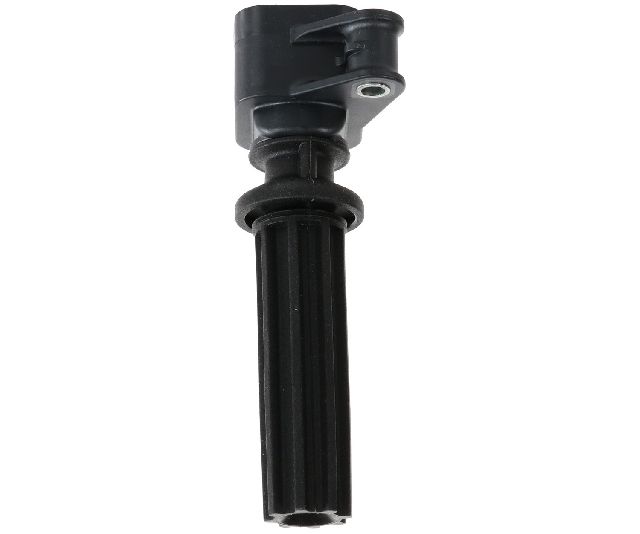
- Failing Ignition Coil 🔴 High Probability → Shop Ignition Coil Coil-on-plug systems are common failure points on many modern engines due to constant heat exposure. It's the most frequent cause for a single-cylinder misfire.
How to confirm: Swap the ignition coil from cylinder 3 with another cylinder (e.g., cylinder 2). Clear the codes and run the engine. If the code changes to P0302, the ignition coil is faulty. This is a standard diagnostic technique. 🎬 Watch: How to diagnose misfire codes and test ignition coils.
Typical fix: Replace the faulty ignition coil. It is often recommended to replace all four coils at the same time for preventative maintenance, especially if they are original and have high mileage.
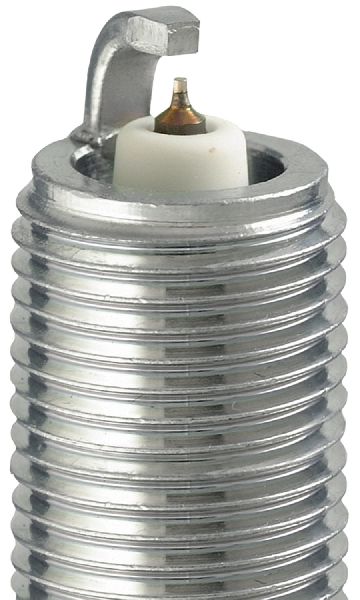
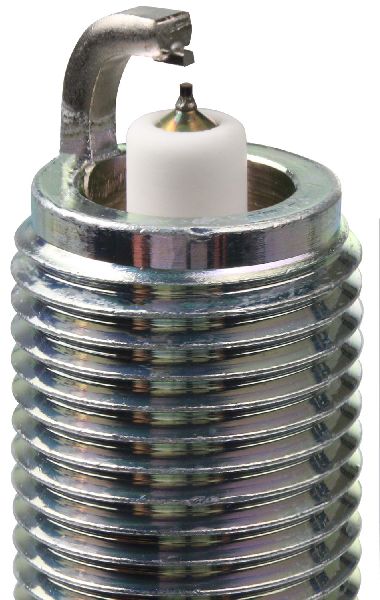
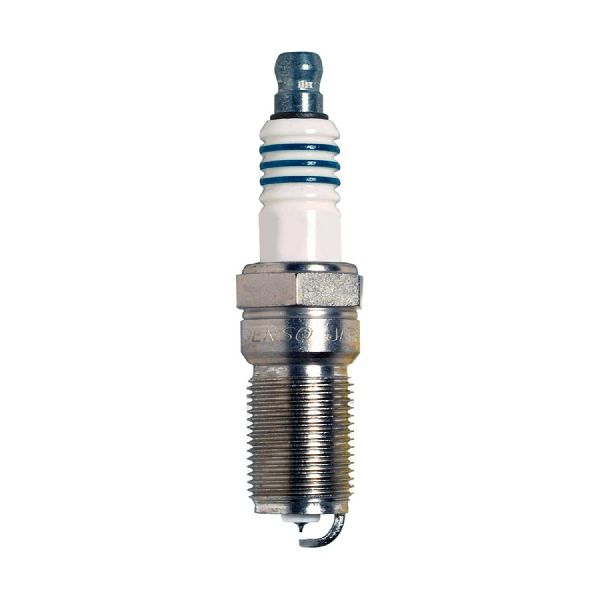
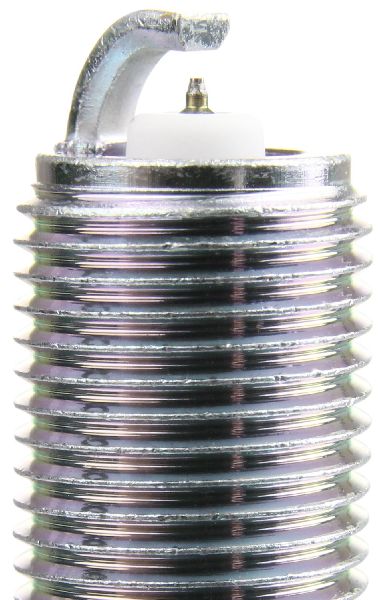
Est. part cost: $40-$80 per coil - Worn or Fouled Spark Plug 🟡 Medium Probability → Shop Spark Plug Turbocharged engines place higher demands on spark plugs, potentially shortening their lifespan. The correct Iridium-type plug is required for this engine. Oil leaks from the valve cover can also foul the plugs.
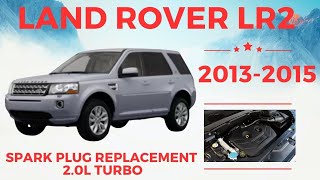
How to confirm: After checking the coil, remove the spark plug from cylinder 3 and inspect it for wear, oil fouling, carbon tracking, or damage to the ceramic insulator. Compare it to a new plug. 🎬 See this walkthrough for replacing spark plugs on the LR2. A wet, fuel-soaked plug indicates a lack of spark.
Typical fix: Replace the spark plug. It is best practice to replace all four spark plugs at the same time to ensure consistent performance and avoid future misfires.
Est. part cost: $15-$30 per plug - Faulty High-Pressure Fuel Pump (HPFP) 🟡 Medium Probability → Shop Fuel Pump As per TSB #LTB00730NAS1, an internal fault with the metering valve in the high-pressure fuel pump is a documented cause of misfires, hard starting, and rough idle on this specific engine. This pump is often a Bosch-branded part.
How to confirm: This requires advanced diagnostics. A technician will use a scan tool to monitor fuel rail pressure. If the pressure reads abnormally low (e.g., 700-900 KPa at idle) and does not increase with engine RPM, the HPFP is likely faulty. The TSB specifically mentions looking for codes P00C6, P228D-00, or P228C-77 alongside the misfire codes.
Typical fix: Replacement of the high-pressure fuel pump. This is a more involved and expensive repair. The OEM part number is LR025599, which supersedes LR030860.
Est. part cost: $300-$700 - Clogged or Faulty Fuel Injector ⚪ Low Probability → Shop Fuel Injector Direct injection fuel injectors operate under high pressure and can be susceptible to carbon buildup over time, which can affect the spray pattern and fuel delivery, causing a lean misfire.
How to confirm: This is difficult to confirm without professional tools. A technician can perform a fuel injector balance test. A simpler, though more laborious, method is to swap the injector from cylinder 3 with another cylinder to see if the misfire code follows.
Typical fix: Clean or replace the faulty fuel injector. Sometimes running a quality fuel system cleaner can help, but replacement is often necessary if clogged.
Est. part cost: $100-$250 per injector
Rare But Worth Checking
- Internal Engine Damage (Loss of Compression): TSB #LTB01101NAS4 notes that in some cases, misfire codes (P0300-P0304) can be caused by internal engine damage leading to a loss of compression. This is a worst-case scenario and should only be considered after all other fuel and ignition causes have been ruled out. A compression test is required for diagnosis. One forum user reported a P0303 code was ultimately caused by a blown head gasket between cylinders 1 and 3.
- Vacuum Leak: A leak in a vacuum hose or intake gasket can introduce unmetered air into the engine, leaning out the air-fuel mixture and causing a misfire. This would typically affect multiple cylinders (P0300) but can sometimes manifest as a single-cylinder misfire if the leak is isolated near the intake runner for cylinder 3. A failed PCV valve diaphragm can also cause a significant vacuum leak.
Diagnosis Steps
- Read the codes with an OBD-II scanner and note all codes present, paying close attention to any fuel-pressure codes like P00C6.
- Clear the codes and test drive the vehicle to see if P0303 returns immediately.
- Swap the ignition coil from cylinder 3 to cylinder 2. Clear codes and run the engine. If the code changes to P0302, the coil is bad. If not, proceed to the next step.
- Swap the spark plug from cylinder 3 to cylinder 1. Clear codes and run the engine. If the code changes to P0301, the spark plug is bad. Inspect the old plug for fouling.
- If the misfire remains on cylinder 3, carefully inspect the wiring and connector for the ignition coil and fuel injector on that cylinder for any damage or corrosion.
- If no visible issues are found and no fuel pressure codes are present, the next step is to investigate the fuel system. This is best done by a professional.
- A technician should connect a scan tool to monitor high-side fuel pressure. Per TSB LTB00730NAS1, if pressure is very low and doesn't rise with RPM, or if codes like P00C6 are present, the high-pressure fuel pump is the likely culprit.
- If fuel pressure is good, a cylinder compression test should be performed to rule out mechanical engine issues like bad rings, valves, or a failed head gasket, as mentioned in TSB LTB01101NAS4. 🎬 Watch: Diagnosing an Evoque misfire before assuming the engine is toast.
Parts You'll Likely Need
- Ignition Coil
(OEM #LR084889 (supersedes LR030637))— This is the most common failure point for a single-cylinder misfire. It's a wearable component that fails from heat and vibration.
Trusted brands: Bosch, Denso, NGK, Duralast
OEM price range: $70-$110
Aftermarket price range: $40-$80 - Iridium Spark Plug — Spark plugs are a routine maintenance item. The 2.0L Turbo engine requires Iridium plugs for proper performance and longevity. A worn plug cannot create a strong enough spark.
Trusted brands: NGK, Bosch, Champion
OEM price range: $25-$40
Aftermarket price range: $15-$30 - High-Pressure Fuel Pump (HPFP)
(OEM #LR025599 (supersedes LR030860))— Specifically cited in TSB LTB00730NAS1 as a cause for misfires on this vehicle due to an internal metering valve fault.
Trusted brands: Bosch, Genuine Land Rover
OEM price range: $500-$700
Aftermarket price range: $299-$500
Related Codes That Often Appear With This One
- P0300 — This code for 'Random/Multiple Cylinder Misfire' often appears with P0303 if the underlying issue, like a faulty fuel pump or major vacuum leak, is beginning to affect other cylinders.
- P0301, P0302, P0304 — These are misfire codes for other cylinders. Seeing them alongside P0303 points towards a systemic problem like fuel delivery or a major vacuum leak rather than a single bad coil or plug.
- P00C6, P228D-00, P228C-77 — TSB #LTB00730NAS1 specifically lists these fuel pressure-related codes as appearing with misfire codes when the high-pressure fuel pump is failing. Their presence strongly indicates the HPFP is the root cause.
- P1315 — This is a manufacturer-specific code for 'Persistent Misfire'. It is frequently cited in the same TSBs (LTB01101NAS4, LTB00730NAS1) as the standard P030x codes, indicating a misfire severe enough to potentially damage the catalytic converter.
Technical Service Bulletins (TSBs) & Recalls
- LTB00730NAS1: Links misfire codes (P0300-P0304) and running issues to a faulty high-pressure fuel pump.
- LTB01101NAS4: Connects misfire codes (P0300-P0304, P1315) with poor performance and potential internal engine damage causing compression loss.
- LTB01101NAS2 / LTB01101NAS3: Reiterate the connection between poor starting, the check engine light, and misfire DTCs P0300-P0304.
Platform-Specific Known Issues
- TSB LTB00730NAS1 documents that an internal fault within the high-pressure fuel pump's metering valve can cause rough running, hard starting, and misfire codes P0300-P0304.
- TSB LTB01101NAS4 indicates that persistent misfire codes can, in severe cases, be due to internal engine damage requiring a compression test for diagnosis.
Mechanic-Grade Diagnostic Values
- Fuel Injector Resistance — expected: 12.5 - 13.5 ohms. Failure: A reading significantly outside this range indicates a faulty injector coil.
- Ignition Coil Primary Resistance — expected: Approximately 1.4 - 1.5 ohms. Failure: A reading far from this value could indicate an internal coil issue, though secondary winding and in-operation tests are more definitive.
- Voltage at Ignition Coil Positive Terminal (Key On, Engine Off) — expected: Should be close to battery voltage (~12V) when disconnected, but will drop when connected.. Failure: A very low voltage (e.g., under 5V) when the coil is connected can indicate high resistance in the wiring or ignition switch, or a short in the coil itself.
Scan Tool Commands That Help
- JLR SDD (Symptom Driven Diagnostics): Read and Analyze Fault Codes — To get detailed, manufacturer-specific descriptions of the P0303 code and any accompanying codes, which are often more descriptive than generic OBD-II readers.
- JLR SDD (Symptom Driven Diagnostics): Live Data Monitoring / Datalogger — To monitor critical parameters in real-time, such as high and low-side fuel pressure, fuel trims, and individual cylinder misfire counts. This is essential for diagnosing issues like the HPFP.
- JLR SDD / Pathfinder: Actuator Activation / Component Test — To command specific components, like the fuel injectors, to operate. This can help isolate a non-responsive or poorly performing injector without having to physically swap it.
Wiring & Ground Locations
- Engine Earth Strap — On the Freelander 2 (LR2 platform), the main engine earth strap typically runs from the chassis rail under the battery tray to the gearbox.. A poor or corroded engine ground can cause a variety of electrical issues, including weak spark and erratic sensor readings, which can lead to misfires. While it would usually cause multiple/random misfires (P0300), a borderline connection could intermittently affect the ignition system.
- Engine Wiring Harness Chafe Points — While not specific to the LR2, related JLR models (Evoque, Discovery Sport) have had recalls for engine harnesses chafing against other components. On similar engine layouts, potential chafe points include the corners of the cylinder head, brackets for accessories like the generator, and where the harness crosses over the camshaft cover.. A chafe in the wiring harness could cause a short-to-ground or an open circuit in the wiring for the cylinder 3 ignition coil or fuel injector, leading to a persistent P0303 code. This should be investigated if direct component swaps do not resolve the issue.
Real Owner Repair Stories
- Land Rover Forums user 'BADROVER1' (Land Rover Discovery (specific year not mentioned, but a common platform issue)) — Rough idle and loss of power with a P0303 code.
❌ Tried (didn't work) Initial diagnosis pointed to standard ignition components.
✅ What actually fixed it The owner installed an ignition coil relocation kit, replaced all spark plugs and wires, and installed two new ignition coils. This resolved the misfire completely.
OEM Part Supersession History
LR030860→LR025599— This is the official supersession for the High-Pressure Fuel Pump (HPFP). The newer part number likely contains design revisions to improve reliability and address the metering valve fault noted in TSB LTB00730NAS1.
Heads up: LR025599 is the correct replacement for LR030860. Using old stock of the original part number may lead to a recurrence of the same failure.LR030637→LR084889— This is the supersession for the ignition coil. Revisions are common for ignition components to improve durability and resistance to heat-related failure.
Helpful Videos
We Have This Part in Stock


The information in this article is provided for general reference and educational purposes only. Vehicle specifications, procedures, and part compatibility can vary by production date, trim level, and region. Always consult your vehicle's factory service manual and verify part numbers before purchasing or performing repairs. Safety-critical components such as airbags, seat belts, and braking systems should be installed by a qualified professional.
- Land Rover LR2:
- 🧭 Diagnostic Flowchart
- 🎬 Helpful Videos
- 🛍️ Shop This Part
- What's Unique About the 2013-2015 Land Rover LR2
- Symptoms You May Notice
- Most Likely Causes
- Rare But Worth Checking
- Diagnosis Steps
- Parts You'll Likely Need
- Related Codes That Often Appear With This One
- Technical Service Bulletins (TSBs) & Recalls
- Platform-Specific Known Issues
- Mechanic-Grade Diagnostic Values
- Scan Tool Commands That Help
- Wiring & Ground Locations
- Real Owner Repair Stories
- OEM Part Supersession History
- 🎟️ Get 5% Off