

P0303 on 2016-2019 Lexus RX Hybrid: Cylinder 3 Misfire Causes and Fixes
P0303 on a 2016-2019 Lexus RX Hybrid means cylinder 3 is misfiring. The most common cause is a failed ignition coil, a known issue addressed by a Lexus TSB. A worn spark plug is the next likely culprit. Cylinder 3 is on the difficult-to-access rear bank, making repairs more complex than for front cylinders.
- P0303 means cylinder #3 is misfiring, which is located on the difficult-to-access rear bank of the engine.
- The most likely cause is a bad ignition coil, which can be diagnosed by swapping it with a coil from an accessible cylinder.
- A flashing check engine light is a serious warning that catalytic converter damage is possible; avoid driving.
- Due to the high labor involved in accessing the rear cylinders, if you are replacing one spark plug or coil on the rear bank, it's wise to replace all three on that bank at the same time.
- Lexus has acknowledged this issue via TSBs, with the official fix being a new ignition coil and an ECM software update.
What's Unique About the 2016-2019 Lexus RX HYBRID
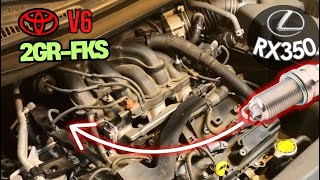
The 2016-2019 Lexus RX Hybrid (RX 450h) uses the 3.5L 2GR-FXS V6 engine, a highly efficient Atkinson-cycle engine paired with a hybrid system. While generally reliable, misfires are a known issue addressed by Lexus TSBs. One TSB specifically notes that a rough run on initial start-up after a cold soak can be a symptom. The primary challenge for DIY repair on this engine is access; cylinder 3 is on the rear bank (closest to the firewall), tucked under the intake plenum and wiper cowl. Replacing a spark plug or ignition coil on cylinder 3 requires removal of the wiper assembly and the upper intake manifold 🎬 See this walkthrough on accessing the difficult rear spark plugs., a significantly more labor-intensive job than on the front bank (cylinders 2, 4, 6).
Diagnostic Flowchart
Tap your situation to follow the diagnostic path that matches what you're seeing on this vehicle.
Symptoms You May Notice
- Check engine light is on or flashing
- Rough or shaky idle
- Engine hesitation or stumbling during acceleration
- Noticeable loss of power
- Reduced fuel economy
- Rough running on initial start-up, especially when cold
- VSC light may also illuminate along with the check engine light
- Replacing only the spark plug without testing the ignition coil. The coil is a more frequent failure point for this specific code, as noted in the TSB.
- Assuming a fuel system problem when it is almost always an ignition system component.
- Not replacing the intake plenum gaskets after removing the manifold to access the rear bank, which can cause a vacuum leak and new driveability problems.
Most Likely Causes
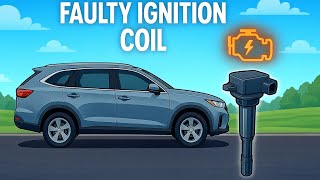
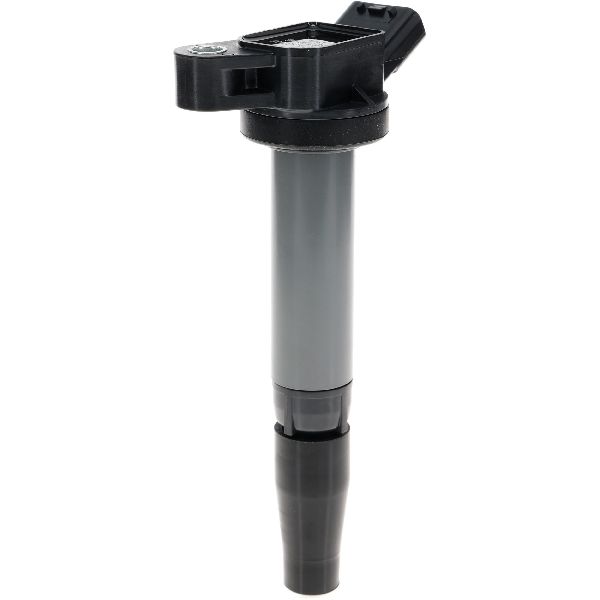
- Faulty Ignition Coil 🔴 High Probability → Shop Ignition Coil Ignition coils are a common failure point on many modern engines. Lexus issued a specific TSB (L-SB-0044-19) for the 2016-2019 RX 450h 🎬 Watch: Official TSB repair procedure for RX450h misfire codes. that involves replacing the faulty coil and reprogramming the ECM to correct misfire issues. This indicates a known pattern of failure.
How to confirm: The standard diagnostic method is to swap the ignition coil from cylinder 3 with one from an easily accessible cylinder on the front bank (e.g., cylinder 2, 4, or 6). Clear the codes and drive the vehicle. If the code changes to P0302, P0304, or P0306, the coil is confirmed to be bad. However, due to the labor required to access cylinder 3, many owners opt to replace the coil and plug simultaneously.
Typical fix: Replace the faulty ignition coil. The official Lexus repair procedure under TSB L-SB-0044-19 is to replace only the affected coil and then reprogram the ECM. Many DIYers and independent shops recommend replacing all three rear coils and all six spark plugs at the same time due to the high labor cost of accessing the rear bank.
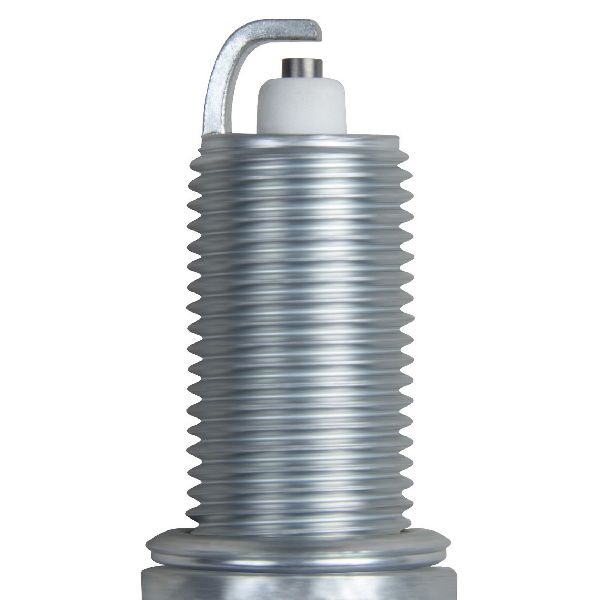
Est. part cost: $95-$135 - Worn or Fouled Spark Plug 🟡 Medium Probability → Shop Spark Plug Spark plugs are a normal wear item with a recommended replacement interval of 60,000 miles on the 2GR-FKS engine. Neglecting this service can lead to a weak spark and misfires. Given the high mileage many of these vehicles now have, worn plugs are a common finding.
How to confirm: After removing the ignition coil, remove the spark plug from cylinder 3. Inspect it for a worn electrode, excessive carbon buildup, oil fouling, or a cracked insulator. A wet, fuel-smelling plug indicates it's not firing at all.
Typical fix: Replace the spark plug. Lexus specifies using Iridium-tipped plugs for longevity. Given the high labor cost to access the rear bank (cylinders 1, 3, 5), it is highly recommended to replace all six spark plugs at the same time. You should also replace the intake plenum gaskets when performing this job.
Est. part cost: $15-$25 per plug - Clogged or Faulty Fuel Injector ⚪ Low Probability → Shop Fuel Injector While less common than ignition issues, fuel injectors can become clogged or fail electronically. The 2GR-FXS engine uses Toyota's D-4S system with both port and direct injectors, adding complexity. An older TSB for the previous generation (L-SB-0045-12) did involve replacing injectors for misfires, but this is less common for the AL20 generation.
How to confirm: This is more difficult to diagnose. A professional can perform a fuel injector balance test. A DIY method involves listening to the injector with a mechanic's stethoscope to ensure it's clicking, but this doesn't rule out a clog. Swapping injectors is possible but is an even more intensive job than replacing coils.
Typical fix: Replace the faulty fuel injector. This is an intensive job, especially for the rear bank, and is often best left to a professional.
Est. part cost: $150-$250
Rare But Worth Checking
- Low Engine Compression: This is a serious mechanical issue, such as a worn piston ring, a leaking valve, or a blown head gasket. It's rare on these engines but would cause a persistent misfire that doesn't resolve with ignition or fuel system parts. A compression test or leak-down test is needed to confirm.
- Vacuum Leak: A leak in the intake manifold gasket near cylinder 3 could lean out the air/fuel mixture enough to cause a misfire. This would typically be accompanied by other codes, like a P0171 or P0174 (system too lean). It's good practice to replace the intake gaskets whenever the manifold is removed.
- Carbon Buildup: While the D-4S injection system (port and direct) helps mitigate this, carbon buildup on the intake valves can still occur, potentially disrupting airflow into cylinder 3 and causing a misfire. This was a more significant issue on older direct-injection-only engines.
Diagnosis Steps
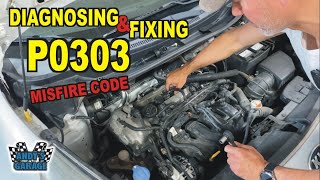
- Read the code with an OBD-II scanner to confirm P0303 is present. Note any other codes 🎬 Watch: A helpful guide on diagnosing and fixing P0303 codes. and check freeze frame data.
- Identify Cylinder 3: On the 2GR-FXS engine, the rear bank (against the firewall) contains cylinders 1, 3, and 5, from passenger to driver side. The front bank is 2, 4, 6. Cylinder 3 is in the middle of the rear bank.
- Due to the difficult access, a full diagnostic swap is labor-intensive. The most practical approach for a DIYer is to plan for a full rear bank service (plugs and coils).
- If attempting a diagnostic swap: Remove the wiper cowl and intake manifold to gain access to the rear bank.
- Swap the cylinder 3 ignition coil with the coil from cylinder 4 (an easy-to-access front cylinder).
- Temporarily reassemble enough to run the engine. Clear the codes and drive the vehicle. If the code returns as P0304, the ignition coil has failed.
- If the code remains P0303, the issue is not the coil. The next step is to inspect the spark plug.
- While the manifold is off, inspect the spark plug from cylinder 3. If it's worn, fouled, or past its service life, replace all six plugs.
- It is highly recommended to replace the intake manifold gaskets (part #17176-31130) and throttle body gasket (#22271-0P020) during reassembly to prevent vacuum leaks.
- If the coil and plug are good, the problem may be a fuel injector or a mechanical engine issue. At this point, professional diagnosis is recommended.
Parts You'll Likely Need
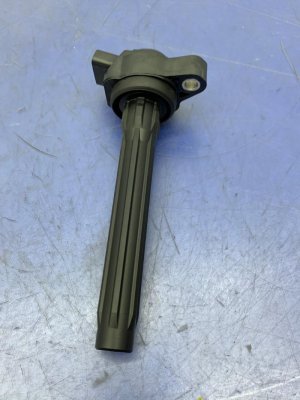
- Ignition Coil
(OEM #90919-A2007 (may be superseded by 90919-A2013))— This is the most common cause of a single-cylinder misfire on this engine, as documented in Lexus TSB L-SB-0044-19.
Trusted brands: Denso (OEM Manufacturer), NGK
OEM price range: $100-$135
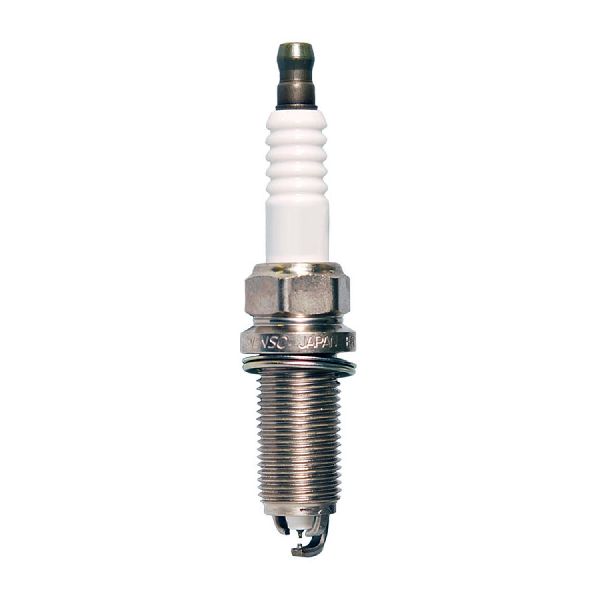
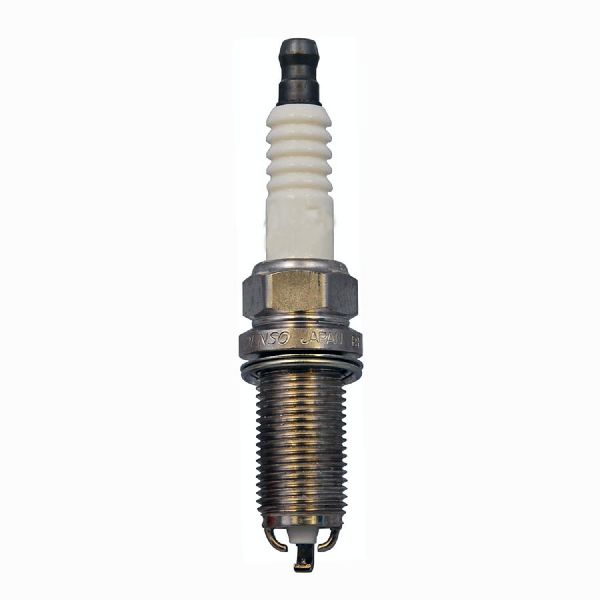
Aftermarket price range: $60-$100 - Iridium Spark Plug
(OEM #Denso FK20HBR8 or NGK equivalent)— Spark plugs are a maintenance item that eventually wear out. If the coil is not the cause, the spark plug is the next logical part to replace.
Trusted brands: Denso (OEM), NGK
OEM price range: $15-$20
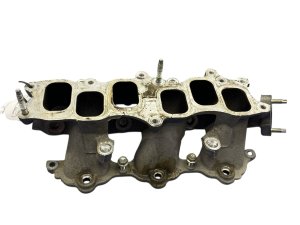
Aftermarket price range: $10-$15 - Intake Manifold Gasket Set
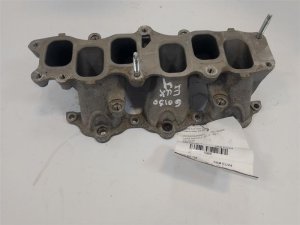
(OEM #17176-31130)— Required for re-sealing the intake manifold after removing it to access the rear bank of cylinders. Reusing old gaskets is a major risk for vacuum leaks.
Trusted brands: Toyota/Lexus (OEM), Fel-Pro
OEM price range: $20-$30 for the set
Aftermarket price range: $15-$25
Related Codes That Often Appear With This One
- P0300 — If multiple, random cylinders are misfiring, you will see P0300 (Random/Multiple Cylinder Misfire Detected) in addition to the specific cylinder codes. This points to a systemic issue like a vacuum leak or fuel delivery problem.
- P0301, P0302, P0304, P0305, P0306 — These codes indicate misfires in other cylinders. Seeing them together with P0303 points to a more widespread problem, like a major vacuum leak, low fuel pressure, or poor fuel quality.
Technical Service Bulletins (TSBs) & Recalls
- L-SB-0044-19: Addresses MIL ON with misfire DTCs P0301-P0306 for 2016-2019 RX 450h. The official fix is to replace the single failed ignition coil and perform an ECM software update.
- L-SB-0045-12 Rev: An older bulletin for 2010-2017 models that also addresses misfire codes, particularly with a rough run on cold start. This TSB's repair procedure involved potential fuel injector replacement.
Platform-Specific Known Issues
- Lexus issued Technical Service Bulletin L-SB-0044-19 for 2016-2019 RX 450h models experiencing misfire DTCs (P0301-P0306). The fix involves replacing the faulty ignition coil and reprogramming the Engine Control Module (ECM). The repair is covered under the 96-month/80,000-mile Federal Emission Warranty.
- An older TSB, L-SB-0045-12 Rev, addresses a MIL ON with misfire codes and a rough run on init
Mechanic-Grade Diagnostic Values
- Port Fuel Injector Resistance — expected: 11.6 to 12.4 Ω at 20°C (68°F). Failure: A reading outside this range, or a reading that differs by more than 0.5-1.0 Ω from the other injectors.
- Ignition Coil Secondary Resistance — expected: Approximately 9.7 - 16.7 kΩ when cold.. Failure: A reading significantly outside the expected range.
- Spark Plug Resistance — expected: Approximately 5 kΩ. Failure: An open circuit (infinite resistance) or a value far from the specification.
- Spark Plug Gap — expected: 0.8 mm (0.031 in). Failure: A gap that is significantly wider or narrower than the specification.
- Injector Pulse Width (at idle) — expected: 1.2 to 2.4 ms. Failure: Values that are consistently zero, or significantly higher or lower than other cylinders at idle.
- Ignition Timing Advance (at idle) — expected: 7° to 24° BTDC. Failure: Erratic or wildly fluctuating timing at a steady idle.
Hidden / Shadow Codes Worth Checking
- Mode $06 / Techstream Misfire Monitor: The ECM tracks misfire counts per cylinder even if they aren't frequent enough to set a CEL. This data can be viewed to find intermittent misfires. Techstream displays this as 'Misfire Rate' (current) and 'EWMA' (historical average). (see via Using a professional scan tool that can display Mode $06 data, or more easily with Toyota's Techstream software under the 'Misfire' data list.)
Scan Tool Commands That Help
- Techstream: Misfire Monitor — To diagnose an intermittent misfire by viewing live and historical misfire counts for each individual cylinder, which can confirm the fault is isolated to cylinder 3.
- Techstream: ECU Flash Reprogramming — This is a required step after replacing a faulty ignition coil per TSB L-SB-0044-19. The function updates the ECM with a new calibration file to prevent future misfires.
- Techstream: Active Test — Allows the technician to command specific components, such as individual fuel injectors, to operate. This can help test injector function without full removal.
Wiring & Ground Locations
- Valve Cover Grounds — There are typically ground straps running from bolts on the valve covers (both front and rear banks) to the chassis, often near the strut towers or on the firewall.. A loose or corroded engine ground can cause erratic behavior in the ignition system, leading to misfires. The ignition coils rely on a solid ground path to function correctly.
- Engine Harness Grounds — The main engine wiring harness has ground points that bolt directly to the cylinder heads or engine block, often underneath the intake or throttle body area.. These grounds are critical for the ECM and its sensors. A poor connection here can cause incorrect sensor readings and faulty command signals to the ignition coils and injectors, resulting in misfires.
OEM Part Supersession History
90919-A2007, 90919-A2004, 90919-A2002, 90919-02251, 90919-02280→90919-A2013— Updated design to improve reliability and address the misfire conditions outlined in TSB L-SB-0044-19.
Model Year Variations Within This Range
- 2016-2019: The ECM reprogramming specified in TSB L-SB-0044-19 uses different calibration files depending on the model year of the vehicle. For example, a 2016 RX450h requires a different update file than a 2019 RX450h.
Helpful Videos

Used OEM Parts in Stock
New Aftermarket Parts Available


The information in this article is provided for general reference and educational purposes only. Vehicle specifications, procedures, and part compatibility can vary by production date, trim level, and region. Always consult your vehicle's factory service manual and verify part numbers before purchasing or performing repairs. Safety-critical components such as airbags, seat belts, and braking systems should be installed by a qualified professional.
- Lexus RX HYBRID:
- 🧭 Diagnostic Flowchart
- 🎬 Helpful Videos
- 🛍️ Shop This Part
- What's Unique About the 2016-2019 Lexus RX HYBRID
- Symptoms You May Notice
- Most Likely Causes
- Rare But Worth Checking
- Diagnosis Steps
- Parts You'll Likely Need
- Related Codes That Often Appear With This One
- Technical Service Bulletins (TSBs) & Recalls
- Platform-Specific Known Issues
- Mechanic-Grade Diagnostic Values
- Hidden / Shadow Codes Worth Checking
- Scan Tool Commands That Help
- Wiring & Ground Locations
- OEM Part Supersession History
- Model Year Variations Within This Range
- 🎟️ Get 5% Off