

P0303 on 2017 Lincoln Continental: Cylinder 3 Misfire Causes and Fixes
P0303 on a 2017 Lincoln Continental indicates a misfire in cylinder #3. The most common causes are a faulty ignition coil or spark plug. However, for 2.7L and 3.0L engines built between April 2016 and January 2017, manufacturer bulletins (TSB 19-2243) point to a serious defect in the cylinder head valve guides causing excessive oil consumption and misfires, often requiring cylinder head replacement. The presence of codes P0524 or P06DD strongly suggests this more severe issue.
- P0303 means your 2017 Continental's third cylinder is misfiring.
- Start your diagnosis with the easy and common fixes: the ignition coil and spark plug for cylinder #3.
- A simple way to test the coil is to swap it with one from another cylinder and see if the misfire code follows.
- Be aware of the serious issues identified in Lincoln's TSBs. If you have excessive oil consumption or oil pressure codes (P0524/P06DD), the problem could be internal to the engine and require a professional.
- Do not ignore a flashing check engine light, as this can lead to costly catalytic converter damage.
What's Unique About the 2017-2017 Lincoln CONTINENTAL
While a P0303 code on many vehicles points to a simple ignition or fuel issue, on the 2017 Lincoln Continental with the 2.7L or 3.0L EcoBoost engines, it warrants a more cautious approach. Lincoln has issued Technical Service Bulletins (TSBs), notably TSB 19-2243, for models built between April 1, 2016, and January 1, 2017. These bulletins connect misfire codes directly to a significant internal engine problem: faulty valve guides in the cylinder heads, which leads to excessive oil consumption (1 quart per 3,000 miles), blue/white exhaust smoke, and eventual misfires. This is a far more severe and costly repair than a typical spark plug or coil replacement. Additionally, as a direct-injection engine, the 2.7L/3.0L EcoBoost is prone to carbon buildup on intake valves over time, which can also lead to misfires.
Diagnostic Flowchart
Tap your situation to follow the diagnostic path that matches what you're seeing on this vehicle.
Symptoms You May Notice
- Rough or shaking idle, especially in Neutral or Park
- Engine hesitation or stumbling during acceleration
- Reduced engine power
- Flashing or solid Check Engine Light
- Poor fuel economy
- Blue or white smoke from the exhaust, particularly after a hot restart
- Excessive oil consumption (e.g., 1 quart in less than 3,000 miles)
- Replacing only the spark plug 🎬 See this video for common causes of the P0303 code. when the ignition coil was the actual cause.
- Replacing ignition components repeatedly when the underlying issue is a clogged fuel injector or, more critically, the TSB-related cylinder head failure.
- Ignoring the possibility of a serious internal engine problem as described in TSB 19-2243, leading to repeated and unsuccessful repairs of minor components and continued engine damage.
Most Likely Causes
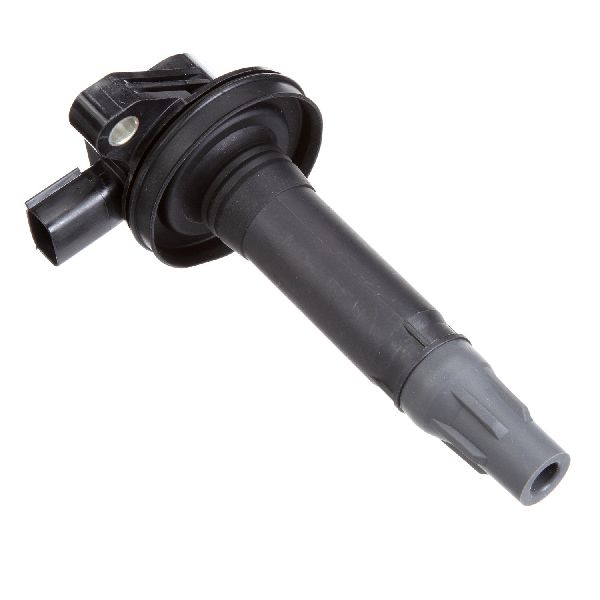
- Faulty Ignition Coil 🔴 High Probability → Shop Ignition Coil The turbocharged nature of the EcoBoost engines creates higher cylinder pressures and heat, which can contribute to a shorter lifespan for ignition components.
How to confirm: Swap the ignition coil from cylinder #3 with another cylinder (e.g., #1). Clear the codes and drive the vehicle. If the code changes to P0301, the ignition coil is faulty.
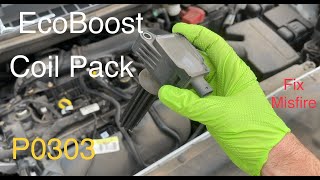
Typical fix: Replace the faulty ignition coil. 🎬 Watch: This walkthrough shows how to replace EcoBoost ignition coils. It is often recommended to replace all six coils at the same time as a preventative measure.
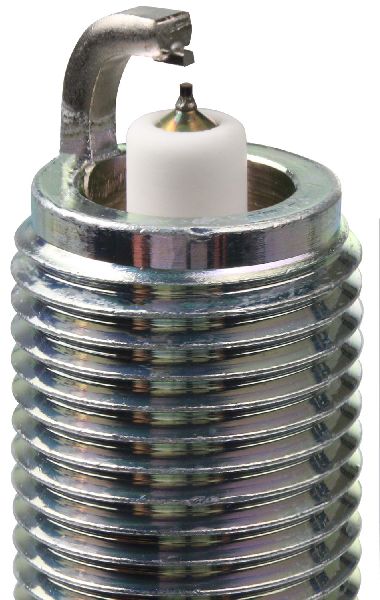
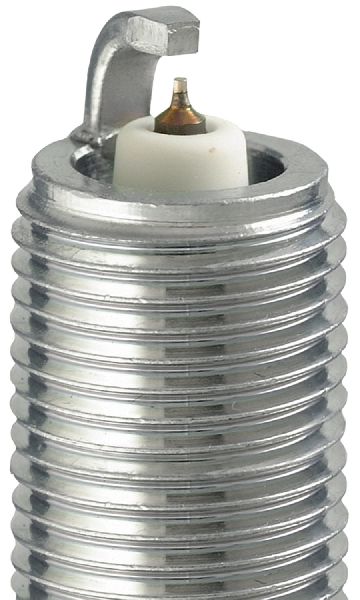
Est. part cost: $70-$115 per coil (OEM) - Worn or Fouled Spark Plug 🔴 High Probability → Shop Spark Plug Oil fouling from the known cylinder head issue can destroy spark plugs. Also, turbocharging can be harder on plugs, potentially requiring shorter change intervals.
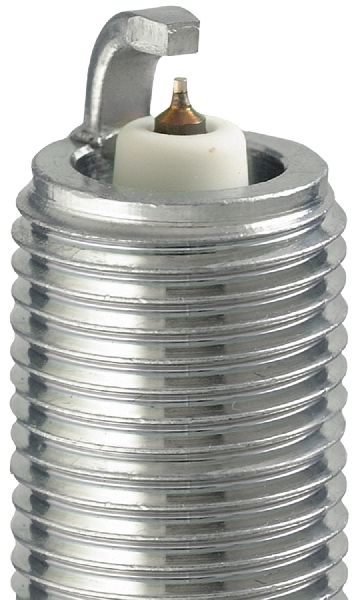
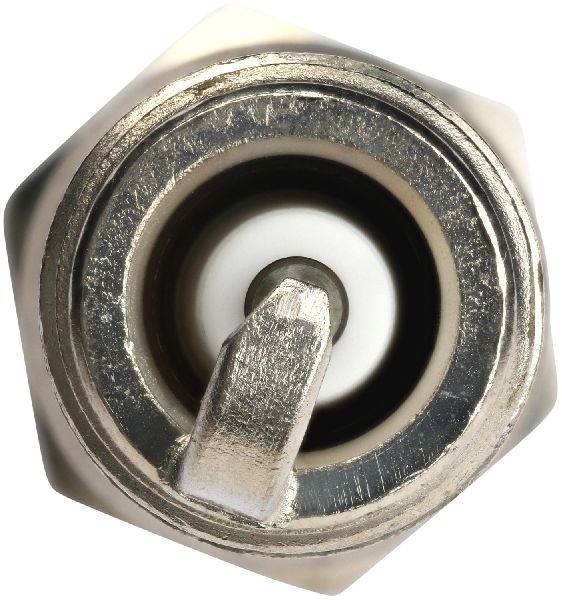
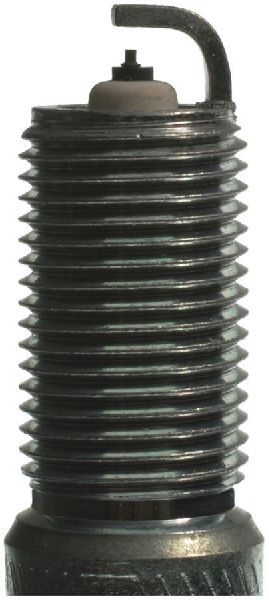
How to confirm: After ruling out the coil, remove the spark plug from cylinder #3. Inspect it for wear, carbon fouling, or being wet with oil, which is a key symptom of the TSB issue. Compare it to a plug from a working cylinder.
Typical fix: Replace the spark plug. It is best practice to replace all six spark plugs as a set to ensure even performance. Use OEM Motorcraft plugs for best results.
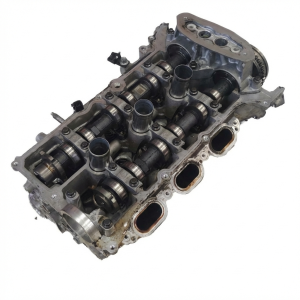
Est. part cost: $8-$20 per plug (OEM) - Internal Engine Issues (Cylinder Head Valve Guides) 🟡 Medium Probability Manufacturer TSB 19-2243 (superseding 17-2235) identifies a defect in the cylinder head valve guides for 2.7L/3.0L engines built from April 1, 2016, to January 1, 2017. This allows oil to leak into the combustion chamber, causing consumption, smoke, and misfires.
How to confirm: This requires professional diagnosis. A technician will likely perform a compression test and a cylinder leak-down test. The presence of codes P0524 (Engine Oil Pressure Too Low) and/or P06DD (Engine Oil Pressure Control Circuit Stuck Off) alongside misfire codes strongly points to this issue, as outlined in the TSB.
Typical fix: This is a major repair that involves replacing both left and right cylinder heads as per TSB 19-2243. The labor time for an AWD Continental is estimated at 25.8 hours.
Est. part cost: $2000+ (Parts for both heads and gasket kits can exceed this) - Faulty Fuel Injector ⚪ Low Probability → Shop Fuel Injector As a direct injection (GDI) engine, the fuel injectors operate under extremely high pressure and can be a failure point, leading to misfires.
How to confirm: Listen for a clicking sound from the injector with a mechanic's stethoscope. A more advanced method is to measure the injector's resistance or use a scan tool's power balance test to see if cylinder 3's contribution changes when the injector is disabled.
Typical fix: Replace the faulty fuel injector.
Est. part cost: $50-$150
Rare But Worth Checking
- Vacuum Leak: A leak in the intake manifold gasket or a vacuum hose near cylinder #3 can lean out the air/fuel mixture and cause a misfire.
- Intake Valve Carbon Buildup: Because the 2.7L/3.0L engines are direct-injection, fuel is not sprayed over the intake valves. This can lead to carbon deposits forming on the valves over time, restricting airflow and causing misfires, rough idle, and hesitation. This issue was more prominent on first-generation 2.7L engines before Ford added port injection in 2018.
- Sticking VCT Solenoid: A faulty Variable Camshaft Timing (VCT) solenoid can cause incorrect valve timing, leading to a rough idle, hesitation, and misfire codes. While the solenoids can be cleaned, replacement is often the permanent fix.
Diagnosis Steps
- Retrieve all stored fault codes using an OBD-II scanner. Pay close attention to any other codes present, especially P0300, other misfire codes, or oil pressure codes (P0524, P06DD).
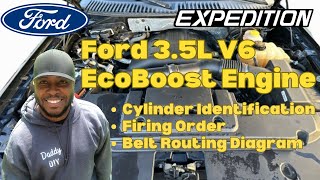
- DIY Tip: Locate Cylinder #3. On the transverse-mounted 2.7L/3.0L V6, the bank closer to the firewall contains cylinders 1, 2, and 3 (passenger to driver side). Cylinder #3 is on the firewall side, closest to the driver. The engine's firing order is 1-4-2-5-3-6.
- To test the ignition coil, swap the coil from cylinder #3 with one from a different cylinder (e.g., cylinder #1).
- Clear the codes, start the engine, and see if the misfire code returns for the new cylinder (e.g., P0301). If it does, the ignition coil is the culprit.
- If the misfire remains on cylinder #3, inspect the spark plug. Replace it if it appears worn, damaged, or fouled with oil or carbon. An oil-fouled plug is a major clue for the TSB-related issue.
- If the coil and plug are good, inspect the wiring and connector for the cylinder #3 ignition coil and fuel injector for any visible damage or loose connections.
- Test the fuel injector for cylinder #3. This can be done by listening for its operation or performing resistance tests.
- If the above steps do not resolve the issue, and especially if oil consumption is high or oil pressure codes are present, the vehicle must be professionally diagnosed. Refer to TSB 19-2243 for guidance on diagnosing a potential cylinder head issue. This will involve compression and cylinder leak-down tests.
Parts You'll Likely Need
- Ignition Coil
(OEM #FT4Z-12029-A)— This is one of the most common failure points for a single-cylinder misfire. The OEM part for the 2.7L/3.0L engines is FT4Z-12029-A (Motorcraft DG-555).
Trusted brands: Motorcraft, NGK, Denso
OEM price range: $65-$105
Aftermarket price range: $40-$80 - Spark Plug
(OEM #SP-594)— Spark plugs are a routine maintenance item and a frequent cause of misfires. Oil fouling from the cylinder head issue can also make replacement necessary. The OEM part for the 2.7L/3.0L engines is Motorcraft SP-594.
Trusted brands: Motorcraft, NGK, Bosch
OEM price range: $14-$20
Aftermarket price range: $8-$15 - Cylinder Head Assembly (LH/RH)
(OEM #GB8Z-6049-G (LH), GB8Z-6049-F (RH) for 3.0L)— Required for the official fix outlined in TSB 19-2243 for vehicles with the valve guide defect. Also requires a corresponding gasket kit (GB8Z-6079-A for 3.0L).
Trusted brands: Ford/Motorcraft
OEM price range: $1000+ per head
Aftermarket price range: N/A
Related Codes That Often Appear With This One
- P0300 — Indicates a random misfire across multiple cylinders. If seen with P0303, it suggests the problem might be starting to affect other cylinders or has a common cause like the cylinder head issue affecting the whole engine.
- P0301, P0302, P0304, P0305, P0306 — These codes indicate misfires in other specific cylinders. Seeing them together points to a widespread problem, consistent with the TSB for faulty valve guides.
- P0524, P06DD — These codes relate to low engine oil pressure. According to Lincoln TSBs #SSM 54504, #SSM 46364, and #19-2243, their presence alongside misfire codes is a strong indicator of the more severe internal engine problems related to oil consumption and cylinder heads.
- P0087 — Indicates Fuel Rail/System Pressure Too Low. This could point to a failing high-pressure fuel pump (HPFP), which is a component of the GDI system on these engines.
Technical Service Bulletins (TSBs) & Recalls
- 19-2243: 2.7L/3.0L - Oil Consumption, Rough Idle, Misfire And/Or White Or Blue Exhaust Smoke.
- SSM 54504: Excessive oil consumption with DTCs P0300-P0306, P0316, P0524, and/or P06DD.
- SSM 46364: Blue/white exhaust, excessive oil consumption, and misfire DTCs.
Platform-Specific Known Issues
- TSB 19-2243: This is the key document. It supersedes older bulletins and applies to 2017 Continentals with 2.7L/3.0L engines built from April 1, 2016, to Jan 1, 2017. It details symptoms of excessive oil consumption, blue/white smoke, and rough idle with misfire codes (P0300-P0306). The cause is identified as faulty valve guides, and the fix is to replace both cylinder heads.
- TSB #SSM 46364: An earlier bulletin that first linked misfire codes, excessive oil consumption, and blue/white exhaust smoke to potential cylinder head failure, advising technicians to suspect the heads if these symptoms are present with oil pressure codes P0524/P06DD.
- TSB #SSM 54504: Notes that some 2017 vehicles may exhibit an illuminated MIL with misfire codes (P0303 included) and oil pressure codes (P0524/P06DD) in conjunction with excessive oil consumption (1 quart in less than 3,000 miles).
Mechanic-Grade Diagnostic Values
- Ignition Coil Primary Resistance — expected: 0.4 to 2.0 ohms. Failure: A reading outside this range suggests a faulty coil.
- Ignition Coil Secondary Resistance — expected: 6,000 to 10,000 ohms. Failure: A reading outside this range suggests a faulty coil.
- High-Pressure Fuel System Pressure — expected: Up to 2,900 PSI. Failure: Significantly lower pressure, especially under load (may set code P0087), can indicate a failing High-Pressure Fuel Pump (HPFP).
Scan Tool Commands That Help
- Ford IDS / FJDS / Professional Scan Tool: Power Balance Test — To identify which cylinder is misfiring without swapping parts. The tool deactivates one cylinder at a time and measures the corresponding drop in RPM. A cylinder that causes little or no RPM drop when deactivated is the one that is not contributing correctly.
- Ford IDS / FJDS / Professional Scan Tool: Misfire Monitor Neutral Profile Correction — This procedure is required after major engine or transmission repairs, such as replacing the PCM, crankshaft sensor, or performing internal engine work like a cylinder head replacement. Failure to perform this relearn can cause false misfire codes to be set because the PCM has not learned the crankshaft's rotational variations.
Wiring & Ground Locations
- Passenger Compartment Fuse Panel — Under the instrument panel to the left of the steering column.. This panel contains fuses for various engine control and sensor modules, such as the Instrument Cluster (Fuse 13, 7.5A) and Restraints Control Module (Fuse 14, 10A), which could be relevant if multiple electrical issues are present.
- Power Distribution Box — Located in the engine compartment on the left side.. This box contains the main fuses and relays for the entire engine management system, including the PCM and ignition coil power circuits. A fault here could cause a no-start or multiple cylinder misfire condition.
Real Owner Repair Stories
- Reddit user on r/f150 (2019 F-150 2.7L EcoBoost with 81k miles) — Vibration at idle when warm, intermittent wrench light, then a persistent check engine light with a cylinder 6 misfire code.
❌ Tried (didn't work) Replacing spark plugs, Replacing ignition coils
✅ What actually fixed it Dealer diagnosis found no compression in cylinder 6 and low compression in cylinders 3 and 5, requiring a complete engine replacement under warranty.
Model Year Variations Within This Range
- 2017 (built 4/1/2016 - 1/1/2017): Vehicles within this specific build range are subject to TSB 19-2243, which identifies defective cylinder head valve guides as the cause for excessive oil consumption and related misfires. Vehicles built outside this window are not covered by this specific bulletin and are less likely to have this particular defect.
Helpful Videos
Used OEM Parts in Stock
New Aftermarket Parts Available

The information in this article is provided for general reference and educational purposes only. Vehicle specifications, procedures, and part compatibility can vary by production date, trim level, and region. Always consult your vehicle's factory service manual and verify part numbers before purchasing or performing repairs. Safety-critical components such as airbags, seat belts, and braking systems should be installed by a qualified professional.
- Lincoln CONTINENTAL:
- 🧭 Diagnostic Flowchart
- 🎬 Helpful Videos
- 🛍️ Shop This Part
- What's Unique About the 2017-2017 Lincoln CONTINENTAL
- Symptoms You May Notice
- Most Likely Causes
- Rare But Worth Checking
- Diagnosis Steps
- Parts You'll Likely Need
- Related Codes That Often Appear With This One
- Technical Service Bulletins (TSBs) & Recalls
- Platform-Specific Known Issues
- Mechanic-Grade Diagnostic Values
- Scan Tool Commands That Help
- Wiring & Ground Locations
- Real Owner Repair Stories
- Model Year Variations Within This Range
- 🎟️ Get 5% Off